
Updated planning guide for 2026, 2027
Lemosho Route Kilimanjaro Guide: Expert Planning
Discover everything you need to know about climbing Kilimanjaro via the Lemosho Route. This expert guide covers itineraries, preparation, costs, and booking advice for your 2026-2027 adventure.
WhatsApp +255616946642 | topguideadventures@gmail.com | info@topguideadventures.com
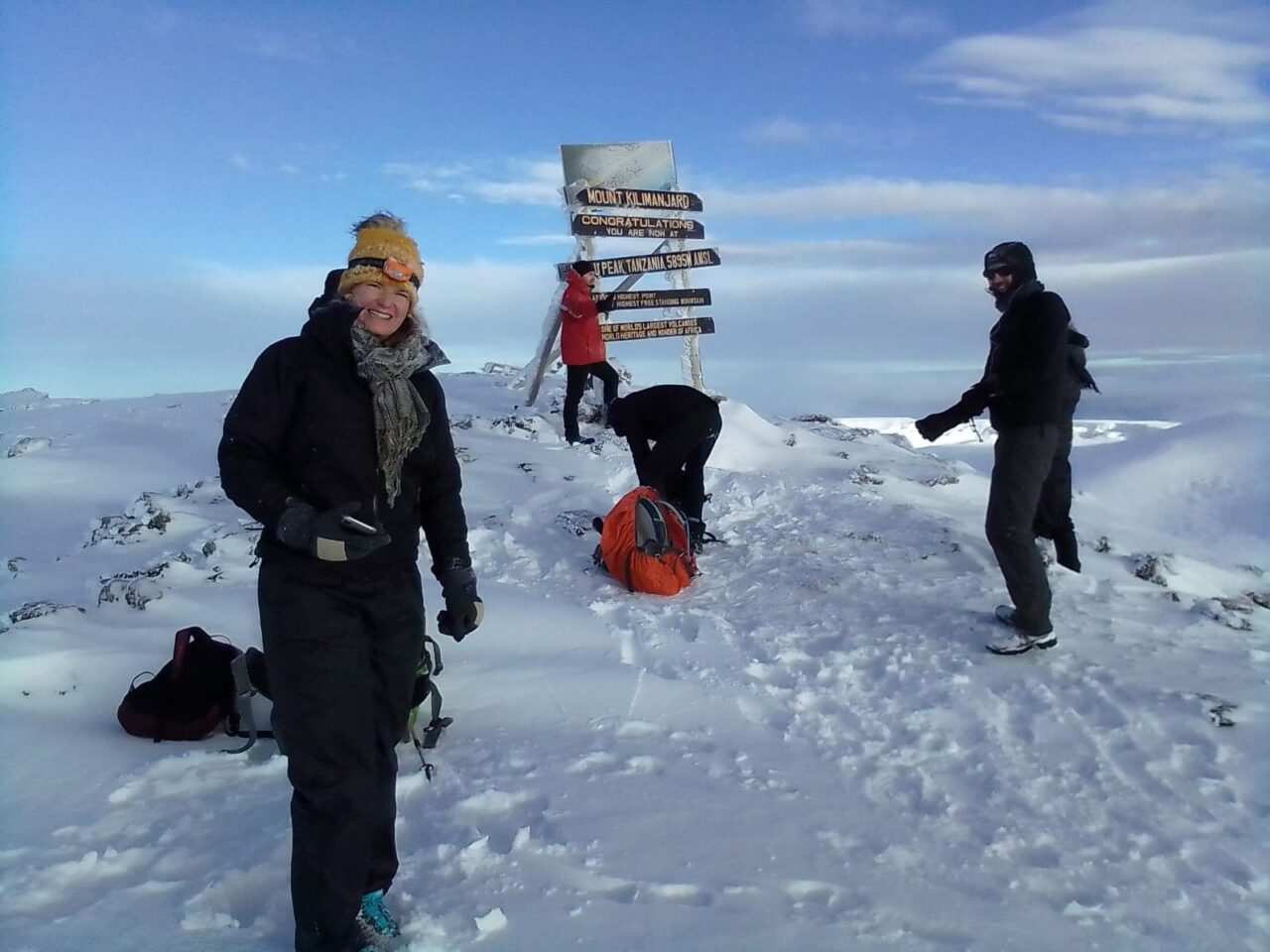
Your Ultimate Lemosho Route Kilimanjaro Guide
Choosing the right path to the Roof of Africa is a significant decision for any aspiring Kilimanjaro climber. Among the most popular and rewarding options, the Lemosho Route stands out for its scenic beauty, gradual acclimatization profile, and higher success rates. This extensive Lemosho Route Kilimanjaro Guide is designed to equip you with all the essential knowledge for planning an unforgettable trek. Whether you’re considering a climb in 2026, 2027, or beyond, understanding the nuances of this route is key to a successful and enjoyable expedition.
Table of Contents
- Quick Facts: Lemosho Route
- Lemosho Route Overview
- Why Choose the Lemosho Route?
- Best Time to Trek the Lemosho Route
- Lemosho Route Map & Area Overview
- Lemosho Route Itinerary Options
- Lemosho Route: A Sample 8-Day Itinerary
- What to Expect on the Lemosho Route
- Typical Inclusions & Exclusions
- Packing & Preparation Guide
- Common Mistakes to Avoid on the Lemosho Route
- Who is the Lemosho Route Best Suited For?
- Alternatives to the Lemosho Route
- Planning Your Lemosho Trek for 2026-2027
- Booking Your Lemosho Route Kilimanjaro Tour
- Frequently Asked Questions (FAQs)
Quick Facts: Lemosho Route
| Feature | Details |
|---|---|
| Starting Point | Lemosho Gate (West Kilimanjaro) |
| Ending Point | Mweka Gate (Marangu Route descent) |
| Typical Duration | 7 to 8 days (8 days recommended for acclimatization) |
| Scenery | Excellent; diverse landscapes from rainforest to alpine desert to arctic summit zone. Offers great views of the Maasai plains and Mount Meru. |
| Acclimatization Profile | Good; gradual ascent with a ‘climb high, sleep low’ strategy often employed. |
| Crowds | Less crowded in the initial days compared to Marangu or Machame. Becomes busier as it merges with Machame. |
| Difficulty | Moderate to Difficult (standard Kilimanjaro difficulty, but better acclimatization helps) |
| Accommodation | Camping (except for the final night at Kibo/Rebmann Hut if applicable on longer variations) |
| Success Rate | Generally higher than shorter routes due to better acclimatization. |
Lemosho Route Overview
The Lemosho Route is one of the newer trails on Kilimanjaro, originating from the western side of the mountain. It is celebrated for its stunning natural beauty and excellent acclimatization opportunities. The route begins with a drive to the Lemosho Gate, followed by a hike through lush rainforest, gradually ascending through moorland and alpine desert before reaching the volcanic scree and snow-capped summit. Its popularity has grown significantly because it offers a more remote and wild experience in its early stages, providing a true sense of adventure before converging with the more popular Machame Route around day four or five.
Why Choose the Lemosho Route?
Several factors make the Lemosho Route a top choice for many Kilimanjaro trekkers:
- Exceptional Scenery: The route traverses diverse ecological zones, offering breathtaking views of the surrounding landscape, including the Maasai plains and Mount Meru. The western approach provides unique perspectives of Kilimanjaro itself.
- Superior Acclimatization: With typical durations of 7 or 8 days, the Lemosho Route allows for a slower, more gradual ascent. This is crucial for acclimatization, significantly increasing your chances of reaching Uhuru Peak safely and comfortably. The ‘climb high, sleep low’ principle is naturally integrated into its longer itineraries.
- Lower Crowd Levels (Initially): The first few days on the Lemosho Route are relatively uncrowded, offering a more serene and immersive wilderness experience. This peace is valuable for connecting with nature and yourself before joining busier sections of the mountain.
- Higher Success Rates: Directly linked to its excellent acclimatization profile, the Lemosho Route is associated with higher summit success rates compared to shorter routes.
- Diverse Flora and Fauna: The initial trek through the rainforest often allows for sightings of colobus monkeys, blue monkeys, and various bird species.
Best Time to Trek the Lemosho Route
Kilimanjaro can be climbed year-round, but certain periods offer more favorable weather conditions. For the Lemosho Route, the best times are generally during the two dry seasons:
| Period | Description | Pros | Cons |
|---|---|---|---|
| January – March | First dry season. Warm temperatures, clear skies. | Good visibility, less rain, comfortable temperatures. | Can be colder at higher altitudes. Occasional short showers possible. |
| June – October | Second dry season. Cooler temperatures, clear skies. | Longest dry period, excellent visibility, cooler temperatures at lower altitudes. | Can be colder, especially at the summit. More popular, so potentially more trekkers. |
| April – May | Long Rains | Fewest crowds, lush green scenery. | High chance of heavy rain, muddy trails, poor visibility, colder. Not recommended for most. |
| November – December | Short Rains | Fewer crowds, dramatic cloud formations. | Chance of rain, can be misty, visibility can be affected. Generally manageable. |
When planning for 2026 or 2027, consider these periods. The peak seasons (June-October and January-March) offer the most reliable weather. For trekkers seeking fewer crowds, the shoulder months of November, December, and potentially early January can still be viable, provided you are prepared for occasional rain.
Lemosho Route Map & Area Overview
The Lemosho Route approaches Kilimanjaro from the west, making it one of the most scenic ways to start your climb. It offers a unique perspective as you ascend.
Illustrative Route Progression (Text-Based):
West <— Lemosho Gate (Start) — Rainforest — Shira Plateau — Lava Tower — Arrow Glacier — Karanga Camp — Barafu Camp — Uhuru Peak (Summit) — Mweka Camp (Descent) — Mweka Gate (End) —East
The route typically starts with a drive to the Lemosho Gate (approx. 2,100m / 6,890ft), followed by a short hike to the Mti Mkubwa campsite (approx. 2,800m / 9,186ft) in the rainforest. From there, it ascends through varied terrain, crossing the Shira Plateau, passing unique geological features like Lava Tower, and eventually merging with the Machame Route around Barranco Camp or Karanga Camp. The final push to the summit occurs from Barafu Camp.
Lemosho Route Itinerary Options
The Lemosho Route is available in several durations, with 7, 8, and 9-day options being the most common. While shorter options exist, an 8-day itinerary is widely considered the optimal choice for acclimatization and success.
- 6-Day Lemosho: Not recommended. Too rushed for proper acclimatization, leading to lower success rates and higher risks of altitude sickness.
- 7-Day Lemosho: A popular option that provides decent acclimatization. It offers a good balance between time on the mountain and overall trip length.
- 8-Day Lemosho: The most recommended duration. This itinerary allows for excellent acclimatization by incorporating a ‘climb high, sleep low’ day and a more relaxed pace, significantly boosting success rates.
- 9-Day Lemosho: Offers even more time for acclimatization, making it ideal for those concerned about altitude or seeking a more leisurely pace.
For most trekkers aiming for the summit, the 8-day Lemosho Route provides the best combination of scenic beauty, acclimatization, and a strong chance of reaching Uhuru Peak.
Lemosho Route: A Sample 8-Day Itinerary
This sample itinerary illustrates a typical 8-day Lemosho Route trek, highlighting the daily progression and altitude gains. Actual distances and times can vary based on the operator and specific camp locations.
| Day | Route Stage | Altitude Gain (m/ft) | Approx. Trekking Time | Overnight Camp |
|---|---|---|---|---|
| Day 1 | Lemosho Gate (2,100m/6,890ft) to Mti Mkubwa Camp (2,800m/9,186ft) | +700m / +2,296ft | 3-4 hours | Mti Mkubwa (Rainforest) |
| Day 2 | Mti Mkubwa Camp to Shira 2 Camp (3,850m/12,631ft) | +1,050m / +3,445ft | 5-6 hours | Shira 2 (Moorland) |
| Day 3 | Shira 2 Camp to Shira Hut / Shira One (3,950m/12,959ft) via Shira Cathedral | +100m / +328ft | 3-4 hours | Shira Hut (Moorland) |
| Day 4 | Shira Hut to Barranco Camp (3,950m/12,959ft) via Lava Tower (4,600m/15,092ft) | +650m / +2,133ft (Net gain 0m) | 6-7 hours | Barranco (Alpine Desert) |
| Day 5 | Barranco Camp to Karanga Camp (4,000m/13,123ft) via Barranco Wall | +50m / +164ft (Net gain) | 4-5 hours | Karanga (Alpine Desert) |
| Day 6 | Karanga Camp to Barafu Camp (4,650m/15,256ft) | +650m / +2,133ft | 3-4 hours | Barafu (Arctic Zone) |
| Day 7 | Barafu Camp to Uhuru Peak (5,895m/19,341ft) & descent to Mweka Camp (3,100m/10,170ft) | +1,245m / +4,085ft (Ascent); -2,795m / -9,171ft (Descent) | 7-8 hours (Ascent); 4-5 hours (Descent) | Mweka Camp (Rainforest) |
| Day 8 | Mweka Camp to Mweka Gate (1,650m/5,413ft) | -1,450m / -4,757ft | 3-4 hours | End of Trek |
What to Expect on the Lemosho Route
The Lemosho Route offers a rich and varied trekking experience. Here’s a breakdown of what you can anticipate:
Terrain and Scenery
The initial days are characterized by dense rainforest, often misty and teeming with life. As you gain altitude, the landscape transitions into open moorland with giant heathers and senecios, followed by the stark, volcanic terrain of the alpine desert. The final ascent to the summit is across scree and ice, under the vast, cold sky.
Daily Trekking
Trekking days typically involve starting after breakfast, hiking for several hours with breaks for lunch and snacks, and arriving at the campsite in the afternoon. The pace is always slow and steady, often referred to as ‘pole pole’ (slowly, slowly). Guides will ensure you maintain this pace, especially as you ascend.
Camping Experience
Accommodation is exclusively in tents. You will be provided with spacious mess tents for dining and socializing, and your personal tents will be set up by the crew each day. Expect basic but functional toilet facilities, often a ‘long drop’ or portable toilet. Hot water is provided for washing each morning and evening.
Crew Support
You will be accompanied by a dedicated team: a lead guide, assistant guides, a cook, and porters who carry the bulk of the gear. They are experienced professionals committed to your safety and comfort. The guides are trained in first aid and altitude sickness management.
Altitude Sickness
Altitude sickness (Acute Mountain Sickness – AMS) is a risk on any high-altitude trek. The Lemosho Route’s gradual ascent is designed to mitigate this risk. However, it’s crucial to stay hydrated, ascend slowly, eat well, and communicate any symptoms to your guide immediately. Symptoms can include headache, nausea, dizziness, and fatigue.
Typical Inclusions & Exclusions
When booking a Lemosho Route tour, understanding what is included in the price is vital for budgeting and preparation. While specific inclusions can vary between tour operators, here’s a general guide:
| Included | Typically Excluded |
|---|---|
| Park Entrance Fees (Kilimanjaro National Park) | International Flights to/from Kilimanjaro Airport (JRO) |
| Camping Fees | Visa Fees for Tanzania |
| All Meals on the Mountain (Breakfast, Lunch, Dinner) | Travel Insurance (mandatory, including emergency evacuation) |
| Trekking Crew Salaries (Guides, Cook, Porters) | Personal Trekking Gear (boots, clothing, sleeping bag, etc.) |
| Tents (for camping and mess tent) | Tips for the Trekking Crew (significant portion of total cost) |
| Cooking Equipment | Bottled Water or Water Purification (though treated water is usually provided) |
| Treated Drinking Water on the Mountain | Snacks, chocolate, personal medications |
| Accommodation before and after the trek (often included in package deals) | Gratuities for lodge staff or drivers if not part of a larger safari package |
| Rescue Fees | Alcoholic beverages and soft drinks |
Packing & Preparation Guide
Proper preparation is crucial for a successful Kilimanjaro climb. This involves both physical training and packing the right gear.
Physical Training
While you don’t need to be an elite athlete, a good level of cardiovascular fitness is essential. Focus on:
- Cardio: Regular aerobic exercise like running, cycling, swimming, or brisk walking for at least 3-4 times a week for several months prior.
- Hiking: The most relevant training. Do long hikes (4-6 hours) with a backpack, ideally on varied terrain and with inclines. Practice on consecutive days if possible.
- Strength Training: Focus on legs and core strength.
- Altitude Acclimatization: If possible, spend a night or two at a moderate altitude (e.g., 2,000-3,000m) before your trek.
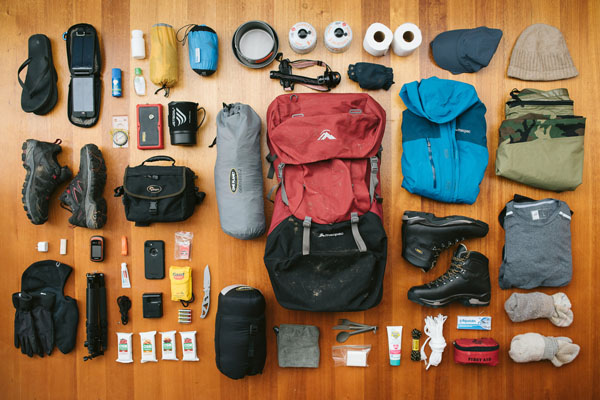
Essential Gear List
Layering is key for managing temperature changes. Invest in good quality gear, especially for your outer layers and footwear.
Clothing:
- Base Layers: Moisture-wicking thermal tops and bottoms (merino wool or synthetic).
- Mid Layers: Fleece jackets or down vests for insulation.
- Outer Layer: Waterproof and windproof jacket (Gore-Tex or similar) and trousers.
- Trekking Trousers: Quick-drying, comfortable hiking trousers (2-3 pairs).
- Shirts: Long-sleeved and short-sleeved moisture-wicking shirts.
- Insulated Jacket: A warm, puffy jacket (down or synthetic) for evenings and summit night.
Footwear:
- Hiking Boots: Waterproof, sturdy, well-broken-in hiking boots with ankle support.
- Camp Shoes: Comfortable trainers or sandals for wearing at camp.
- Socks: Several pairs of warm wool or synthetic hiking socks.
- Liner Socks: Optional, to prevent blisters.
Headwear & Handwear:
- Warm Hat: Wool or fleece hat that covers your ears.
- Sun Hat: Wide-brimmed hat for sun protection.
- Balaclava/Buff: For face protection against wind and cold.
- Gloves: Warm, waterproof outer gloves and thinner liner gloves.
Equipment:
- Backpack: 30-40 liter daypack for essentials.
- Duffel Bag: 80-100 liter waterproof duffel bag for porters to carry (max 15kg/33lbs).
- Sleeping Bag: Rated to at least -10°C / 0°F (synthetic or down).
- Sleeping Pad: Comfortable and insulating (often provided, but check).
- Trekking Poles: Highly recommended for stability and reducing knee strain.
- Headlamp: With extra batteries.
- Water Bottles/Bladder: At least 3 liters capacity. Insulated covers are useful.
- Sunglasses: UV protection.
- Sunscreen: High SPF.
- Lip Balm: With SPF.
- Personal First-Aid Kit: Including blister treatment, pain relievers, and any personal medications.
- Toiletries: Biodegradable soap, toothbrush, toothpaste, wet wipes.
- Camera: With extra batteries and memory cards.
- Power Bank: For charging electronics.
- Book/Journal: For downtime.
- Snacks: Energy bars, nuts, dried fruit.
Common Mistakes to Avoid on the Lemosho Route
Many trekkers make similar errors that can impact their experience or success. Being aware of these can help you avoid them:
- Inadequate Acclimatization: Choosing a route that is too short (e.g., 6-day Lemosho) or ascending too quickly. Always prioritize longer itineraries for Kilimanjaro.
- Poor Physical Preparation: Underestimating the physical demands and not training sufficiently, especially with hiking on inclines and carrying a pack.
- Incorrect Gear: Not packing enough warm layers, wearing new or uncomfortable boots, or not having waterproof outer gear.
- Insufficient Hydration: Not drinking enough water. Dehydration exacerbates altitude sickness. Aim for 3-4 liters per day.
- Going Too Fast (‘Pole Pole’ is Key): Starting the trek too quickly on the first few days can lead to fatigue and poor acclimatization. Listen to your guides and maintain a slow, steady pace.
- Ignoring Symptoms of Altitude Sickness: Trying to ‘tough it out’ when feeling unwell. Communicate any symptoms immediately to your guide.
- Not Packing Enough Warm Clothes: Summit night is extremely cold. Ensure you have a warm sleeping bag, insulated jacket, and appropriate gloves/hat.
- Not Budgeting for Tips: Crew tips form a significant part of their income and are a substantial additional cost.
- Forgetting Travel Insurance: Essential for medical emergencies and evacuation. Ensure it covers high-altitude trekking up to 5,895m.
- Packing Too Much: While warmth is crucial, avoid overpacking your personal bag as porters have weight limits. Be strategic.
Who is the Lemosho Route Best Suited For?
The Lemosho Route is an excellent choice for a wide range of trekkers:
- First-Time Kilimanjaro Climbers: Its gradual ascent and longer duration make it ideal for those new to high-altitude trekking.
- Those Prioritizing Scenery: The route offers consistently beautiful and varied landscapes throughout the trek.
- Trekkers Seeking Higher Success Rates: The excellent acclimatization profile directly contributes to a better chance of reaching the summit.
- Adventurous Souls: The initial remote feeling and wilder terrain appeal to those looking for a more immersive wilderness experience.
- Photographers: The diverse scenery, opportunities for wildlife sightings in the rainforest, and unique views of Kilimanjaro make it a photographer’s dream.
- Anyone Concerned About Altitude Sickness: The 8-day itinerary is particularly well-suited for individuals who are more susceptible to or concerned about altitude-related issues.
Alternatives to the Lemosho Route
While Lemosho is a top choice, other routes offer different experiences:
- Machame Route: Very popular, known as the ‘Whiskey Route.’ Offers good acclimatization (7-8 days) and stunning scenery. It merges with Lemosho, so days 4-7 are similar. Can be more crowded.
- Marangu Route: The ‘Coca-Cola Route.’ The only route with hut accommodation. It’s the shortest and most direct, but has a poorer acclimatization profile and lower success rates. Best for those who prefer huts over camping.
- Northern Circuit: The longest route (9-10 days). It circles Kilimanjaro, offering the best acclimatization and highest success rates. It’s also the most expensive and least crowded.
- Rongai Route: Approaches from the north, making it a good option during the rainy seasons as it’s drier. It’s less scenic initially but still offers good acclimatization on longer itineraries.
The Lemosho Route generally strikes a balance between the popularity and convenience of Machame, the scenery and acclimatization of Northern Circuit, and the remoteness of Rongai, without the very basic facilities of Marangu.
Planning Your Lemosho Trek for 2026-2027
Planning ahead is essential, especially if you’re targeting specific dates in 2026 or 2027. Here’s a timeline and key considerations:
12+ Months Before:
- Research: Explore different routes, tour operators, and typical costs. Read reviews and gather information.
- Set Dates: Decide on your preferred trekking season and specific dates. High season dates for 2026 and 2027 can book up quickly.
- Budget: Determine your overall travel budget, including flights, trek package, insurance, gear, and tips.
6-9 Months Before:
- Book Your Tour Operator: Select a reputable operator. A good operator is crucial for safety and a positive experience.
- Book Flights: Once your trek is booked, secure your international flights to Kilimanjaro (JRO).
- Start Training: Begin your physical preparation.
3-6 Months Before:
- Purchase Gear: Buy or rent essential trekking equipment. Ensure boots are well broken in.
- Arrange Visas: Check Tanzania’s visa requirements for your nationality.
- Book Accommodation: Arrange pre- and post-trek accommodation in Arusha if not included.
1-3 Months Before:
- Finalize Training: Intensify your training, focusing on endurance.
- Health Check-up: Consult your doctor about vaccinations, malaria prophylaxis, and any personal health concerns.
- Buy Travel Insurance: Ensure it covers high-altitude trekking and emergency evacuation.
1-4 Weeks Before:
- Pack Your Bags: Pack methodically, ensuring you have all essentials.
- Confirm Details: Reconfirm flight details, hotel bookings, and trek arrangements.
- Exchange Currency: Get some US dollars for tips and local currency (Tanzanian Shillings) for small purchases.
Booking Your Lemosho Route Kilimanjaro Tour
Choosing the right tour operator is paramount for a safe and successful Kilimanjaro trek. Here’s what to look for:
- Reputation and Reviews: Look for operators with consistently positive reviews, especially concerning safety, guide expertise, and crew welfare.
- Safety Standards: Does the operator have emergency oxygen, a full medical kit, and experienced guides trained in first aid and altitude sickness? Do they have a clear emergency evacuation plan?
- Crew Welfare: Ethical operators pay their porters fair wages, provide them with proper gear, and adhere to porter welfare regulations. This significantly impacts the crew’s morale and your experience.
- Itinerary Length: Prioritize operators offering 7 or 8-day Lemosho itineraries for optimal acclimatization.
- Group Size: Smaller groups (e.g., 4-12 people) can offer a more personalized experience.
- Inclusions: Carefully check what is included in the price (park fees, meals, crew salaries, accommodation, etc.) and what is not (tips, flights, insurance).
- Communication: A good operator will be responsive to your questions and provide detailed pre-trek information.
Ready to plan your Lemosho Route Kilimanjaro adventure? Contact us to discuss your ideal itinerary, get personalized advice, and ensure your trek is well-organized and safe. We specialize in creating unforgettable Kilimanjaro experiences.
WhatsApp: +255616946642
Email: topguideadventures@gmail.com
Backup Email: info@topguideadventures.com
Frequently Asked Questions (FAQs)
What is the success rate for the Lemosho Route?
The Lemosho Route typically boasts higher success rates, often ranging from 80-90% for the 8-day itinerary. This is primarily due to its excellent acclimatization profile, allowing trekkers to adjust to the altitude more effectively.
How difficult is the Lemosho Route?
The Lemosho Route is considered moderately difficult, similar to other Kilimanjaro routes. The main challenges are the altitude and the physical exertion over multiple days. The Lemosho’s gradual ascent, especially on longer itineraries, makes it more manageable than shorter, steeper routes.
Is the Lemosho Route crowded?
In the first two days, the Lemosho Route is one of the least crowded routes on Kilimanjaro, offering a sense of solitude and wilderness. However, it merges with the Machame Route around day 4 or 5, after which it can become busier.
What is the best duration for the Lemosho Route?
The 8-day Lemosho Route itinerary is widely recommended by guides and operators. It provides the optimal balance for acclimatization, allowing for a ‘climb high, sleep low’ strategy which significantly increases your chances of reaching the summit safely.
What kind of accommodation is provided on the Lemosho Route?
The Lemosho Route is a camping route. You will sleep in tents provided by the tour operator. A separate mess tent is usually provided for meals and relaxation. There are no huts on this route, except potentially for the final night before summiting on some variations.
Do I need special equipment for the Lemosho Route?
While you don’t need technical climbing gear, you do need specialized trekking equipment. This includes waterproof and windproof outer layers, warm insulating layers, sturdy broken-in hiking boots, a warm sleeping bag, and trekking poles. Layering is essential for managing temperature changes.
Can I climb the Lemosho Route in 2026 or 2027?
Yes, you can absolutely plan your Lemosho Route Kilimanjaro trek for 2026 or 2027. The best times to climb are during the dry seasons (January-March and June-October). Booking well in advance is recommended for these popular periods.
What are the main risks on the Lemosho Route?
The primary risk is Acute Mountain Sickness (AMS). Other risks include hypothermia, frostbite (especially on summit night), and injuries like sprains. Choosing a reputable operator with experienced guides and following their advice is crucial for mitigating these risks.
How much should I tip the Lemosho Route crew?
Tipping is customary and a significant part of the crew’s income. A general guideline for an 8-day trek is around $250-$350 per trekker, distributed among guides, cook, and porters. Your operator will provide specific recommendations.
What is the weather like on the Lemosho Route?
Weather varies greatly with altitude. Expect rainforest conditions at the start, cooler and windier moorland, arid alpine desert, and then extremely cold, icy conditions near the summit. Summit night is typically very cold, often below freezing, with strong winds.
Plan Your Lemosho Route Kilimanjaro Adventure Today
The Lemosho Route offers an unparalleled experience for those seeking to conquer Kilimanjaro. With its stunning vistas, excellent acclimatization, and a greater sense of wilderness, it’s a journey that promises personal challenge and profound reward. By understanding the route, preparing diligently, and choosing a trusted partner, your climb will be safer, more enjoyable, and more likely to end with you standing triumphantly at Uhuru Peak.
Let us help you craft your perfect Kilimanjaro adventure. We are a leading Tanzania tour operator with extensive experience guiding trekkers on the Lemosho Route and beyond. Our expert team is ready to answer your questions and assist you in planning every detail for your 2026 or 2027 expedition.
Get in touch for a personalized Lemosho Route Kilimanjaro Guide consultation:
WhatsApp: +255616946642
Email: topguideadventures@gmail.com
Backup Email: info@topguideadventures.com
Plan your Lemosho Route Kilimanjaro Guide with Top Guide Adventures
Tell us your travel dates, group size, comfort level, and dream experience. We will help you shape a clear, realistic, and memorable Tanzania itinerary.







 Veedesigner
 Fatma Kizanga
 Benjamin Waryuba
 Philip Philip
 John jr Itaja
 Antonia Optatus
 Edith Kanyere
 Neema Iddy
 Kelvin Boniphace
 Damari Maiga



