
Updated planning guide for 2026, 2027
What To Wear On Kilimanjaro: Expert Packing Guide
Planning your Kilimanjaro climb? This comprehensive guide details exactly what to wear on Kilimanjaro, covering clothing layers, essential gear, and packing strategies to ensure your comfort and safety on the mountain.
WhatsApp +255616946642 | topguideadventures@gmail.com | info@topguideadventures.com
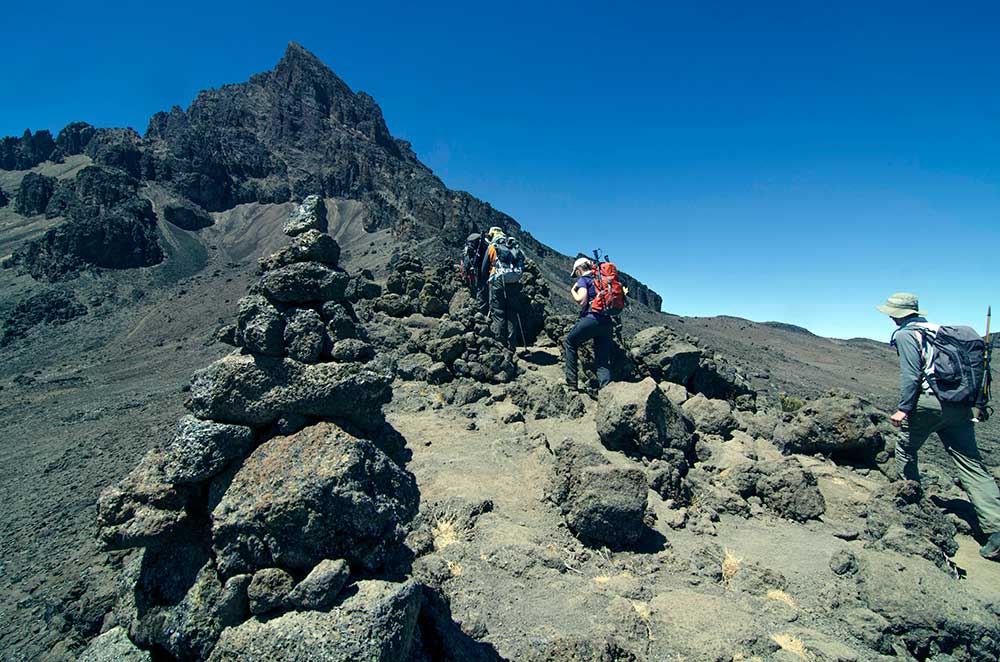
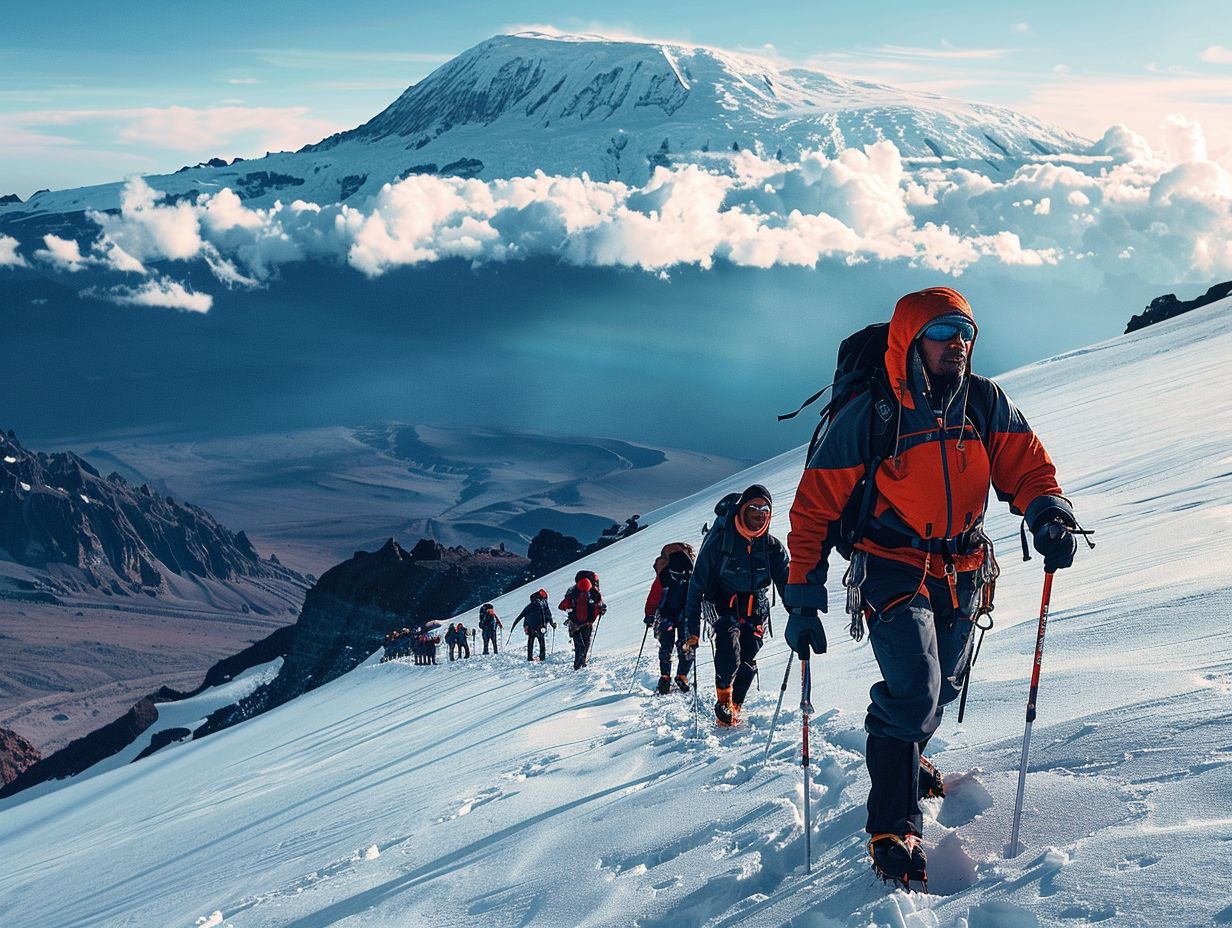
What to Wear on Kilimanjaro: The Ultimate Trekker’s Guide
Reaching the Roof of Africa is a dream for many adventurers. Kilimanjaro, standing at 5,895 meters (19,341 feet), offers an unparalleled trekking experience. But before you set foot on its slopes, a crucial question arises: what to wear on Kilimanjaro? Proper attire is not just about comfort; it’s fundamental to your safety and success on the mountain. The weather conditions can change dramatically from the lush foothills to the icy summit, demanding a versatile and well-prepared clothing system. This guide will walk you through everything you need to know about selecting the right gear for your Kilimanjaro expedition, ensuring you’re ready for the challenges and the breathtaking rewards.
Kilimanjaro Packing Quick Facts
| Aspect | Details |
|---|---|
| Elevation Range | 800m to 5,895m (2,600ft to 19,341ft) |
| Climate Zones | Rainforest, Heath, Moorland, Alpine Desert, Arctic Summit |
| Temperature Range | +25°C (77°F) at base to -20°C (-4°F) at summit |
| Key Clothing Principle | Layering System (Base, Mid, Outer) |
| Footwear Importance | High; waterproof, broken-in hiking boots are essential. |
| Sun Protection | Critical due to high altitude and intense UV radiation. |
| Rain Protection | Essential for lower slopes and unpredictable mountain weather. |
Understanding Kilimanjaro’s Climate Zones
Kilimanjaro is a mountain of contrasts. As you ascend, you’ll pass through five distinct climate zones, each presenting unique challenges and requiring specific gear. Understanding these zones helps demystify what to wear on Kilimanjaro.
- Cultivation Zone (800m – 1,800m / 2,600ft – 5,900ft): The base of the mountain is tropical, often humid and warm, with frequent rainfall, especially during the rainy seasons. Expect temperatures between 20°C and 27°C (68°F – 80°F). Light, breathable clothing is suitable here.
- Rainforest Zone (1,800m – 2,800m / 5,900ft – 9,200ft): This zone is characterized by dense forest, heavy rainfall, and cooler temperatures, typically 15°C to 20°C (59°F – 68°F). Waterproof and windproof layers are crucial.
- Heath and Moorland Zone (2,800m – 4,000m / 9,200ft – 13,100ft): As you climb higher, the vegetation thins out, and the temperature drops significantly, ranging from 10°C to 15°C (50°F – 59°F) during the day and potentially below freezing at night. You’ll need warmer layers.
- Alpine Desert Zone (4,000m – 5,000m / 13,100ft – 16,400ft): This is a stark, arid landscape with very little vegetation. Days can be sunny and relatively warm, but nights are intensely cold, often dropping to -10°C (14°F) or lower. Significant insulation is required.
- Arctic Zone (5,000m – 5,895m / 16,400ft – 19,341ft): The summit region is a harsh, treeless environment with permanent ice and snow. Temperatures can plummet to -20°C (-4°F) or colder, with strong winds. This is where extreme cold-weather gear is non-negotiable.
The Layering System: Your Key to Comfort
The secret to managing the diverse conditions on Kilimanjaro lies in a well-executed layering system. This approach allows you to adapt to changing temperatures and activity levels by adding or removing clothing as needed. It’s the most effective way to answer what to wear on Kilimanjaro.
1. Base Layer (Wicking & Warmth)
The base layer is worn directly against your skin. Its primary purpose is to wick away moisture (sweat) from your body to keep you dry and regulate your temperature. Wet clothing can lead to rapid heat loss, which is dangerous at high altitudes.
- Materials: Opt for synthetic fabrics like polyester or merino wool. Avoid cotton at all costs; it absorbs moisture and stays wet, making you cold.
- Items:
- Moisture-wicking long-sleeved tops (2-3)
- Moisture-wicking long underwear bottoms (2-3 pairs)
- Considerations: Choose lightweight to midweight options. You might need heavier weight for summit night.
2. Mid Layer (Insulation)
The mid layer provides insulation, trapping body heat to keep you warm. You might use one or more mid layers depending on the temperature and your personal metabolism.
- Materials: Fleece (polyester) is an excellent choice for its warmth-to-weight ratio and breathability. Down or synthetic insulated jackets also work well, especially for colder conditions.
- Items:
- Fleece jacket or pullover (1-2, varying weights)
- Insulated jacket (down or synthetic fill) – crucial for higher altitudes and evenings.
- Fleece pants or insulated pants (1 pair) – useful for very cold evenings or the summit.
- Considerations: A versatile fleece jacket is a mountain staple. A packable insulated jacket is invaluable for summit night and cold camps.
3. Outer Layer (Protection from Elements)
The outer layer, also known as the shell layer, protects you from wind, rain, and snow. It should be waterproof and breathable to prevent moisture buildup inside.
- Materials: Look for waterproof and breathable fabrics like Gore-Tex or similar technologies. Ensure it has taped seams.
- Items:
- Waterproof and windproof jacket with a hood (hardshell)
- Waterproof and windproof pants (hardshell) – side zippers are very convenient for putting on/off over boots.
- Considerations: The jacket should be roomy enough to fit over your base and mid layers. Ensure the pants cover your boots to prevent snow or rain from entering.
Essential Kilimanjaro Trekking Gear
Beyond clothing layers, specific gear is vital for a safe and comfortable Kilimanjaro trek. This section details the indispensable items you’ll need to consider when planning what to wear on Kilimanjaro.
1. Footwear: The Foundation of Your Trek
Your feet are your most important asset on Kilimanjaro. Ill-fitting or inadequate footwear can lead to blisters, frostbite, and serious discomfort, potentially cutting your trek short.
- Hiking Boots:
- Type: Mid-weight, waterproof, sturdy hiking boots with good ankle support. They should be high enough to prevent debris from entering.
- Break-in: Crucially, your boots MUST be well broken-in before your trek. Wear them on several practice hikes. Never use brand-new boots on Kilimanjaro.
- Fit: Ensure they fit comfortably with your hiking socks. There should be enough room to wiggle your toes, especially when descending, to prevent banging them.
- Camp Shoes/Sandals:
- Lightweight and comfortable shoes or sandals for wearing around camp after a long day of trekking. This allows your feet to breathe and recover.
- Socks:
- Quantity: 4-6 pairs of high-quality wool or synthetic hiking socks.
- Types: A mix of mid-weight and potentially a couple of heavier pairs for colder days.
- Liner Socks (Optional): Some trekkers use thin liner socks under their main socks to help prevent blisters by reducing friction.
- Avoid Cotton: Again, no cotton socks.
2. Headwear: Protection and Warmth
Your head loses a significant amount of body heat, and it’s also exposed to harsh sun and wind.
- Sun Hat: A wide-brimmed hat for sun protection during the day.
- Warm Hat (Beanie): A fleece or wool hat that covers your ears. Essential for cold mornings, evenings, and summit night.
- Balaclava or Neck Gaiter/Buff: Protects your face and neck from wind, sun, and cold. A versatile Buff can be used in many ways.
3. Handwear: Keeping Fingers Warm
Hands are particularly vulnerable to cold, especially on summit night.
- Liner Gloves: Thin, moisture-wicking gloves (wool or synthetic) for dexterity and mild warmth.
- Insulated Gloves or Mittens: Warm, waterproof, and windproof gloves or mittens. Mittens are generally warmer than gloves as they keep fingers together. Consider a pair with a removable liner for versatility.
4. Trekking Poles
Trekking poles are highly recommended for Kilimanjaro. They reduce stress on your knees and joints, particularly during descents, and help with balance on uneven terrain.
- Type: Adjustable, lightweight poles.
- Features: Look for comfortable grips and a secure locking mechanism.
5. Sleeping Bag
While your tour operator will likely provide a tent, you’ll need your own sleeping bag. Temperatures at higher camps can drop well below freezing.
- Rating: A sleeping bag rated for at least -10°C (14°F) to -20°C (-4°F) is recommended. A 4-season bag is ideal.
- Type: Down offers the best warmth-to-weight ratio but is expensive and loses insulation when wet. Synthetic fill is more affordable and performs better when damp, though it’s bulkier.
- Liner: A sleeping bag liner (silk or fleece) can add extra warmth and keep your bag cleaner.
6. Backpacks
You’ll need two types of bags for your Kilimanjaro trek.
- Daypack (30-40 liters): This is the bag you’ll carry with you each day, holding essentials like water, snacks, rain gear, sunscreen, a camera, and extra layers. It should have a comfortable harness and ideally a rain cover.
- Duffel Bag (80-100 liters): This larger, waterproof duffel bag will carry the bulk of your gear. Porters will carry this bag for you between camps. It should be durable and easy to handle. Ensure it’s waterproof or use dry bags inside.
7. Hydration System
Staying hydrated is critical for acclimatization and preventing altitude sickness.
- Water Bottles: At least 2-3 wide-mouthed Nalgene-style bottles (1-liter capacity) are recommended. Wide mouths prevent freezing in cold temperatures.
- Hydration Reservoir (Optional): A 2-3 liter hydration reservoir can be convenient, but the tubes can freeze at high altitudes. Use an insulated tube or have a backup plan.
- Water Purification: While your crew will boil water, it’s wise to carry water purification tablets or a filter as a backup.
8. Headlamp
Essential for navigating around camp in the dark, reading, and especially for summit night. Ensure it has fresh batteries.
- Type: LED headlamp with a comfortable strap.
- Batteries: Carry spare batteries.
9. Sun Protection
The sun’s rays are intensely strong at high altitudes, even on cloudy days.
- Sunscreen: High SPF (30-50+), broad-spectrum sunscreen.
- Lip Balm: With SPF protection.
- Sunglasses: High UV protection, wraparound style is best to prevent light from entering from the sides.
10. Personal Items and First Aid
- Toiletries: Biodegradable soap, toothbrush, toothpaste, small quick-dry towel.
- Hand Sanitizer: Crucial for hygiene.
- Wet Wipes: For quick clean-ups.
- Personal Medications: Any prescriptions you need.
- Basic First-Aid Kit: Include blister treatment (moleskin, Compeed), pain relievers (ibuprofen, paracetamol), antiseptic wipes, bandages, tape, and any personal necessities. Your guide will have a comprehensive kit, but personal items are good to have.
- Insect Repellent: For the lower rainforest sections.
- Camera and Batteries: Plenty of memory cards and spare batteries.
Kilimanjaro Route & Itinerary Considerations for Packing
The route you choose for your Kilimanjaro ascent significantly influences the duration of your trek and the range of conditions you’ll encounter. Longer routes generally offer better acclimatization and higher success rates. When planning what to wear on Kilimanjaro, consider the typical itinerary length for your chosen route.
Here’s a look at popular routes and how they might affect your packing:
Marangu Route (5-6 Days)
Often called the “Coca-Cola” route, it’s the oldest and most direct. It involves camping or staying in dormitories. Due to its shorter duration, acclimatization can be a challenge, and success rates are lower compared to longer routes.
- Packing Focus: While you still need all the essentials, the shorter duration means you might pack slightly less in terms of clothing quantity, but the quality of your gear remains paramount.
Machame Route (6-7 Days)
The most popular route, known for its scenic beauty and good acclimatization profile. It’s a camping route. A 7-day Machame trek is highly recommended for better chances of reaching the summit.
- Packing Focus: With 6-7 days, you’ll need sufficient base layers and mid-layers to manage temperature fluctuations. The longer exposure means more opportunities for rain and cold.
Lemosho Route (7-8 Days)
A longer, more scenic, and remote route offering excellent acclimatization. It starts in the west and joins the Machame route. It’s a camping route and generally has high success rates.
- Packing Focus: The extended duration (7-8 days) requires careful packing of layering items, ensuring you have enough options for varying weather and sufficient warmth for summit night.
Northern Circuit (9-10 Days)
The longest and most scenic route, offering the best acclimatization and highest success rates. It circles the mountain, providing incredible views and a more relaxed pace.
- Packing Focus: For a 9-10 day trek, you’ll want reliable, durable gear. Having enough changes of base layers and versatile mid-layers is key. The extended time means you’ll be more exposed to varied conditions.
Kilimanjaro Route Overview (Simplified)
| Route | Typical Days | Starting Point | Ending Point | Accommodation | Acclimatization | Scenery |
|---|---|---|---|---|---|---|
| Marangu | 5-6 | Marangu Gate | Marangu Gate | Huts/Camping | Fair (shorter) | Moderate |
| Machame | 6-7 | Machame Gate | Mweka Gate | Camping | Good (longer) | Excellent |
| Lemosho | 7-8 | Lemosho Gate | Mweka Gate | Camping | Very Good | Exceptional |
| Northern Circuit | 9-10 | Lemosho Gate | Mweka Gate | Camping | Excellent (longest) | Spectacular |
Packing Checklist: What to Wear on Kilimanjaro (Summary)
Here’s a consolidated checklist to help you organize your packing for Kilimanjaro. This list focuses on essential clothing and gear.
- Base Layers:
- 2-3 Long-sleeved moisture-wicking tops (merino wool or synthetic)
- 2-3 Long underwear bottoms (merino wool or synthetic)
- Mid Layers:
- 1-2 Fleece jackets/pullovers (varying weights)
- 1 Insulated jacket (down or synthetic fill)
- 1 Pair fleece or insulated pants (optional but recommended)
- Outer Layers:
- 1 Waterproof/breathable jacket with hood (hardshell)
- 1 Waterproof/breathable pants (hardshell)
- Headwear:
- 1 Wide-brimmed sun hat
- 1 Warm hat (fleece or wool, covers ears)
- 1 Balaclava or neck gaiter/Buff
- Handwear:
- 1 Pair liner gloves (thin, moisture-wicking)
- 1 Pair insulated, waterproof gloves or mittens
- Footwear:
- 1 Pair broken-in, waterproof hiking boots (mid-weight, ankle support)
- 1 Pair camp shoes or sandals
- 4-6 Pairs wool or synthetic hiking socks
- (Optional) Liner socks
- Trekking Gear:
- 1 Pair adjustable trekking poles
- 1 Sleeping bag (-10°C to -20°C / 14°F to -4°F rating)
- 1 Sleeping bag liner (optional)
- 1 Daypack (30-40 liters) with rain cover
- 1 Waterproof duffel bag (80-100 liters)
- 1 Headlamp with spare batteries
- Hydration:
- 2-3 Water bottles (1-liter, wide-mouth)
- (Optional) Hydration reservoir (2-3 liters)
- Water purification tablets/filter (backup)
- Sun Protection:
- High SPF sunscreen (30-50+)
- Lip balm with SPF
- Sunglasses (high UV protection)
- Personal Items:
- Quick-dry towel
- Basic toiletries (biodegradable)
- Hand sanitizer
- Wet wipes
- Personal medications
- Basic first-aid kit
- Insect repellent (for lower slopes)
- Camera, spare batteries, memory cards
Seasonality and What to Wear on Kilimanjaro
Tanzania has two main rainy seasons and two dry seasons. The best times to climb Kilimanjaro are during the dry seasons, but even then, weather can be unpredictable. Knowing the season will help you fine-tune what to wear on Kilimanjaro.
- Dry Season (January-March, June-October): These months offer the most stable weather, with clear skies and less rainfall. January to March is warmer, while June to October is cooler. You’ll still need layers for the altitude, but perhaps less emphasis on heavy rain gear.
- Rainy Season (April-May, November-December): These months bring heavier rainfall, especially on the lower slopes. The trails can be muddy and slippery. You’ll need robust waterproofs and potentially warmer gear as the clouds can bring colder temperatures. December can be a mixed bag, often starting dry and becoming wetter.
Even in the dry season, expect cold temperatures at higher altitudes and on summit night. Always pack for the worst-case scenario.
Common Mistakes to Avoid When Packing
Many trekkers make similar packing errors that can detract from their experience. Being aware of these common pitfalls will help you pack smarter for what to wear on Kilimanjaro.
- Packing Too Much: While you need essentials, avoid overpacking. Porters have weight limits for duffel bags (usually 15kg/33lbs), and you’ll be carrying your daypack.
- Bringing Cotton Clothing: This is the cardinal sin of trekking. Cotton absorbs moisture and takes ages to dry, leading to cold and discomfort. Stick to wool or synthetics.
- Not Breaking In Hiking Boots: New boots are a recipe for blisters. Always break them in thoroughly before your trek.
- Underestimating the Cold: Summit night is extremely cold. Ensure you have adequate warm layers, insulated gloves/mittens, and a warm hat.
- Forgetting Sun Protection: The sun at altitude is intense. Pack high SPF sunscreen, lip balm, and sunglasses.
- Inadequate Sleeping Bag: A bag not rated for freezing temperatures will make for a very uncomfortable night and can impact your energy levels for the next day’s climb.
- Not Packing a Headlamp: Essential for early morning starts and camp navigation.
- Bringing Valuables: Keep personal valuables to a minimum.
Who is Kilimanjaro Best Suited For?
Kilimanjaro is often marketed as a non-technical climb, meaning no ropes or specialized mountaineering skills are required. However, it is a serious high-altitude trek that demands significant physical and mental endurance. It’s best suited for:
- Fit Individuals: Those who are reasonably fit and can comfortably walk for 6-8 hours a day for multiple consecutive days. Cardiovascular fitness is key.
- People with Determination: The mental challenge is substantial, especially during summit night. A positive attitude and perseverance are crucial.
- Those Seeking a Challenge: If you want an achievable but demanding mountain climb that offers incredible views and a sense of accomplishment, Kilimanjaro is ideal.
- Beginner to Intermediate Trekkers: While challenging, it’s accessible to those with some hiking experience but without extensive mountaineering backgrounds.
It is generally not recommended for individuals with serious pre-existing medical conditions that could be exacerbated by high altitude, or those who are not prepared for the physical demands.
Alternatives to Kilimanjaro
If Kilimanjaro isn’t the right fit, or you’re looking for other trekking adventures in Tanzania or East Africa, consider these options:
- Mount Meru: Located near Kilimanjaro, Mount Meru (4,566m / 14,980ft) is a fantastic acclimatization climb and a challenging trek in its own right. It offers diverse wildlife on its lower slopes and stunning views of Kilimanjaro.
- Mount Kenya: Africa’s second-highest mountain offers more technical climbing routes (like Point Lenana for trekkers) and stunning alpine scenery.
- Safari in Tanzania: If high-altitude trekking isn’t your goal, Tanzania offers world-class wildlife viewing in parks like the Serengeti, Ngorongoro Crater, and Tarangire.
- Zanzibar Holidays: For a relaxing beach escape after a safari or trek, the tropical island of Zanzibar provides beautiful beaches, history, and culture.
Planning Your Kilimanjaro Trip for 2026 and 2027
Planning ahead is essential for a successful Kilimanjaro climb, especially if you’re aiming for peak seasons in 2026 or 2027. Early booking secures your preferred dates and guides.
Key Planning Steps:
- Choose Your Route: Research routes and select one that matches your fitness, time, and desired experience. Longer routes (7+ days) are generally recommended for better acclimatization and higher success rates.
- Select a Reputable Tour Operator: This is crucial. Look for operators with experienced guides, good safety records, and ethical treatment of porters. Your choice of operator will significantly impact your trip.
- Book in Advance: Especially for popular dates in 2026 and 2027, book your trek 6-12 months in advance.
- Physical Training: Start a consistent training program at least 3-6 months before your climb. Focus on cardiovascular fitness and strength training for your legs and core. Practice hiking with a loaded backpack.
- Gear Acquisition: Begin researching and purchasing your gear well in advance. This allows time for trying items on, breaking in boots, and making exchanges if necessary.
- Acclimatization Strategy: Ensure your chosen itinerary allows for proper acclimatization. Longer routes are key here.
- Travel Insurance: Obtain comprehensive travel insurance that covers high-altitude trekking and emergency evacuation.
- Visas and Vaccinations: Check visa requirements for Tanzania and consult your doctor about recommended vaccinations and malaria prophylaxis well in advance of your 2026 or 2027 departure.
Booking Your Kilimanjaro Adventure
Choosing the right tour operator is paramount for a safe and enjoyable Kilimanjaro experience. At Best Tanzania Tour Operator, we are dedicated to providing exceptional trekking adventures with a focus on safety, sustainability, and client satisfaction. We understand the intricacies of Kilimanjaro trekking and are here to guide you every step of the way.
When considering what to wear on Kilimanjaro and planning your trip for 2026 or 2027, remember that the quality of your gear and the expertise of your guides are indispensable. We can help you select the best route, provide detailed packing lists, and ensure your trek is managed by experienced professionals.
Ready to conquer Kilimanjaro?
Contact us today to discuss your dream trek. Our team is available to answer all your questions and help you plan an unforgettable journey to the Roof of Africa.
WhatsApp: +255616946642
Email: topguideadventures@gmail.com
Backup Email: info@topguideadventures.com
Frequently Asked Questions (FAQs)
Q1: What is the most important item to pack for Kilimanjaro?
A1: While many items are crucial, your hiking boots are arguably the most important. They must be waterproof, well-broken-in, and provide good ankle support to prevent injuries and ensure comfort throughout the trek.
Q2: Can I rent gear on Kilimanjaro?
A2: Some operators offer gear rental for items like sleeping bags, jackets, and trekking poles. However, it’s highly recommended to bring your own well-fitting, high-quality gear, especially for critical items like boots and base layers, for optimal performance and comfort. We can advise on rental options.
Q3: How many layers should I pack for Kilimanjaro?
A3: A three-layer system is standard: a moisture-wicking base layer, an insulating mid-layer (like fleece or down), and a waterproof/windproof outer shell. You’ll adjust the number and thickness of these layers based on the altitude and weather conditions.
Q4: Is cotton okay to wear on Kilimanjaro?
A4: Absolutely not. Cotton absorbs moisture and dries very slowly, leading to rapid heat loss and discomfort. Always opt for merino wool or synthetic fabrics for your base layers and socks.
Q5: What kind of sleeping bag do I need for Kilimanjaro?
A5: You’ll need a warm sleeping bag rated for sub-zero temperatures, ideally between -10°C and -20°C (14°F and -4°F). Temperatures at the summit and higher camps can drop significantly below freezing.
Q6: Do I need to pack waterproof pants?
A6: Yes, waterproof and breathable pants are essential. The lower slopes can be very wet, and unpredictable rain or snow can occur at any altitude. Look for pants with side zippers for easy on/off over boots.
Q7: How much luggage can I bring?
A7: You will carry your own daypack daily. The rest of your gear goes into a duffel bag (typically 80-100 liters) that is carried by porters. There’s usually a weight limit for the duffel bag, often around 15 kg (33 lbs). Check with your tour operator for exact limits.
Q8: What is the best time of year to climb Kilimanjaro in 2026 or 2027?
A8: The best dry seasons are typically January to March and June to October. These periods offer the clearest skies and least rainfall. However, even in dry seasons, weather can change rapidly. Always be prepared for cold and potential precipitation at altitude.
Q9: Should I bring trekking poles?
A9: Yes, trekking poles are highly recommended. They significantly reduce the impact on your knees and joints, especially during descents, and improve balance on uneven terrain.
Q10: What about altitude sickness and gear?
A10: While gear can’t prevent altitude sickness, proper layering and hydration are crucial. Staying dry and warm helps your body function optimally. Choosing a longer route with better acclimatization is the most important factor in preventing altitude sickness. Ensure your packing list supports your body’s needs at altitude.
Q11: Can I wear hiking shoes instead of boots?
A11: For Kilimanjaro, sturdy, mid-weight hiking boots with good ankle support are strongly recommended over low-cut hiking shoes. The terrain can be rough, and ankle support is vital for preventing sprains, especially on descents. Waterproofing is also essential.
Successfully navigating Kilimanjaro is a rewarding challenge, and being properly prepared with the right gear is a significant part of that success. Understanding what to wear on Kilimanjaro, from your base layers to your waterproof outer shell and essential accessories, ensures you can face the mountain’s diverse conditions with confidence. We are here to help you make the most informed choices for your 2026 or 2027 adventure.
Let’s plan your Kilimanjaro climb!
Contact us today to discuss your trekking needs and get personalized advice on gear and itineraries. Our experienced team is ready to assist you in preparing for your unforgettable journey.
WhatsApp: +255616946642
Email: topguideadventures@gmail.com
Backup Email: info@topguideadventures.com
Plan your What to Wear on Kilimanjaro with Top Guide Adventures
Tell us your travel dates, group size, comfort level, and dream experience. We will help you shape a clear, realistic, and memorable Tanzania itinerary.







 Veedesigner
 Fatma Kizanga
 Benjamin Waryuba
 Philip Philip
 John jr Itaja
 Antonia Optatus
 Edith Kanyere
 Neema Iddy
 Kelvin Boniphace
 Damari Maiga



