
Updated planning guide for 2026, 2027
Kilimanjaro Luxury Climb: Is It Worth It?: Expert Trekking Guide
Considering a Kilimanjaro luxury climb? This comprehensive guide explores whether the enhanced comfort and service are worth the investment for your 2026 or 2027 adventure. We cover everything from route selection and what to expect to packing and booking with experienced local operators.
WhatsApp +255616946642 | topguideadventures@gmail.com | info@topguideadventures.com
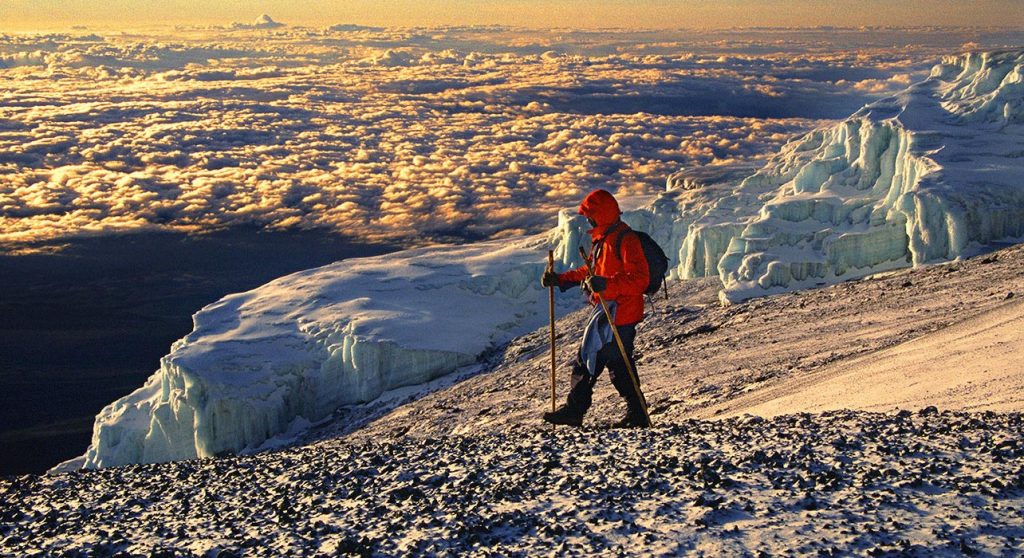
Kilimanjaro Luxury Climb: Is It Worth It?
Mount Kilimanjaro, Africa’s highest peak, calls to adventurers worldwide. While the challenge of reaching its summit is significant, the experience can be greatly enhanced by choosing a luxury climb. But for many prospective trekkers, the question remains: is a Kilimanjaro luxury climb truly worth the added expense? This guide aims to provide a detailed answer, exploring what defines a luxury trek, its benefits, potential drawbacks, and how to make an informed decision for your 2026 or 2027 expedition.
A luxury Kilimanjaro climb typically involves superior accommodations, higher quality equipment, more experienced guides, better food, and a more personalized service compared to standard treks. The goal is to maximize comfort and safety while minimizing the physical discomforts associated with high-altitude trekking. This often translates to private tents, better sleeping mats, dedicated chefs, and sometimes even private toilet facilities. For those seeking an unforgettable experience with an emphasis on comfort and personalized attention, a luxury option might be precisely what you’re looking for.
Table of Contents
- Quick Facts About Kilimanjaro Luxury Climbs
- What Defines a Luxury Kilimanjaro Climb?
- Why Choose a Luxury Kilimanjaro Climb?
- Comparing Kilimanjaro Routes for Luxury Treks
- Sample Luxury Kilimanjaro Itinerary (Marangu Route)
- What to Expect on a Luxury Kilimanjaro Climb
- Typical Inclusions and Exclusions in Luxury Packages
- Packing and Preparation for a Luxury Climb
- Common Mistakes to Avoid on a Luxury Climb
- Who is a Kilimanjaro Luxury Climb Best Suited For?
- Alternatives to a Luxury Climb
- Planning Your Kilimanjaro Luxury Climb for 2026-2027
- Booking Your Kilimanjaro Luxury Climb: Expert Advice
- Frequently Asked Questions About Luxury Kilimanjaro Climbs
Quick Facts About Kilimanjaro Luxury Climbs
| Feature | Luxury Climb | Standard Climb |
|---|---|---|
| Accommodation | Private, spacious tents; often higher quality sleeping gear. | Shared tents; basic sleeping gear. |
| Food & Drink | Gourmet meals, fresh ingredients, wider menu options, hot beverages readily available. | Standard trekking meals, often repetitive; hot water for drinks. |
| Guides & Staff | Higher guide-to-client ratio, highly experienced guides, dedicated chef. | Standard guide-to-client ratio; experienced guides. |
| Equipment | High-quality tents, comfortable sleeping mats, sometimes private toilets. | Standard trekking tents and mats. |
| Service | More personalized attention, porter support for personal gear is often included. | Basic porterage for group gear; personal gear usually carried by client or extra porter. |
| Cost | Higher price point. | More affordable. |
What Defines a Luxury Kilimanjaro Climb?
The term “luxury” can be subjective, but on Kilimanjaro, it generally refers to an elevated level of comfort, service, and logistical support. This isn’t about five-star hotels; it’s about making the demanding trek as comfortable and safe as possible. Key elements include:
Superior Tents and Sleeping Gear
Luxury climbs often feature larger, more robust tents that offer better protection from the elements and more space to move around. Sleeping bags are typically of a higher warmth rating, and comfortable, thicker sleeping mats or even inflatable mattresses are provided. This focus on rest is critical for recovery at altitude.
Gourmet Dining and Refreshments
Forget basic expedition food. Luxury packages often boast a dedicated chef who prepares multi-course meals using fresh ingredients. Expect a varied menu with options that cater to different dietary needs. Hot drinks are readily available throughout the day, and thoughtful touches like evening snacks or hot water bottles for warmth are common.
Enhanced Guide and Staff Support
A higher guide-to-client ratio ensures more personalized attention and immediate response to any issues. Guides are not only experienced in high-altitude trekking but also in providing excellent client care. A dedicated chef and potentially more porters for personal luggage contribute to a smoother experience.
Comfort Amenities
Some luxury operators offer amenities like portable private toilets, which can be a significant comfort on the mountain, especially during the night or in colder, more exposed areas. This removes the need to use basic pit latrines or dig catholes.
Logistical Excellence
Luxury packages often include more comprehensive pre-climb support, detailed briefings, and seamless transfers. The focus is on removing as many logistical burdens from the trekker as possible, allowing them to concentrate on the climb itself.
Why Choose a Luxury Kilimanjaro Climb?
The decision to opt for a luxury climb often comes down to individual priorities and budget. Here are the primary reasons why trekkers choose this premium option:
Increased Comfort and Reduced Physical Strain
By providing better sleeping arrangements, more comfortable dining, and a higher staff ratio, luxury climbs aim to reduce the physical discomforts associated with trekking. Better rest and nutrition can lead to improved energy levels and a more positive overall experience, potentially aiding acclimatization and summit success.
Enhanced Safety and Support
A higher guide-to-client ratio means that guides can pay closer attention to each individual’s well-being, spotting early signs of altitude sickness or fatigue. This enhanced level of supervision contributes to a safer trek. The provision of high-quality equipment also plays a role in safety.
Focus on the Experience
When you’re not worrying about setting up your tent, preparing a meal, or managing your personal gear, you can immerse yourself more fully in the incredible scenery and the personal challenge of climbing Kilimanjaro. The luxury approach allows you to focus on the journey rather than the logistics.
Better Food and Hydration
Proper nutrition and hydration are crucial for high-altitude trekking. Luxury climbs excel in this area, offering more appealing and nutritious meals that can make a significant difference in energy levels and morale. The consistent availability of hot drinks is also a welcome comfort.
Higher Success Rates (Potentially)
While not guaranteed, the increased comfort, better rest, and heightened attention to well-being can contribute to better acclimatization and physical condition, which may indirectly lead to higher summit success rates for some individuals.
Comparing Kilimanjaro Routes for Luxury Treks
While luxury operators can enhance any route, some are inherently more suited to a luxury experience due to their duration, scenery, and camping locations. The most popular routes for luxury climbs include:
Marangu Route (Coca-Cola Route)
Pros: Unique in offering hut accommodation instead of camping, which some equate to luxury. It’s also the shortest route, making it seem more accessible. The huts are basic but provide shelter from the elements.
Cons: It’s the most crowded route, and the ascent profile is steep, leading to lower acclimatization and success rates. The huts can be noisy and lack privacy. For a true luxury feel, even Marangu’s huts can feel basic compared to well-appointed private tents on other routes.
Machame Route (Whiskey Route)
Pros: Very scenic with a good acclimatization profile due to its “climb high, sleep low” strategy. It offers excellent camping spots. Luxury operators on Machame provide high-quality tents and excellent service.
Cons: It’s a popular route, so campsites can be busy. Requires camping.
Lemosho Route
Pros: Considered one of the most beautiful routes, offering stunning views and excellent wildlife spotting in the initial stages. It has a gradual ascent and good acclimatization. Luxury operators can offer very remote and private camping spots.
Cons: It’s a longer route, requiring more time and a higher budget. It’s also one of the more expensive routes to begin with.
Northern Circuit
Pros: The longest route, offering the best acclimatization and highest success rates. It circumnavigates the mountain, providing diverse scenery and a more remote experience. Luxury operators can truly shine here, offering exceptional service in remote wilderness.
Cons: Requires the most time (9-10 days) and is therefore the most expensive option.
Rongai Route
Pros: Approaches from the north, making it a drier route and a good option during rainy seasons. It’s generally less crowded than Machame or Lemosho. Offers good camping opportunities.
Cons: Less scenic in the early stages compared to Lemosho or Machame. Requires camping.
For a Kilimanjaro luxury climb, the Lemosho or Northern Circuit routes are often recommended by top operators. Their longer duration allows for better acclimatization and provides more opportunities for the luxury elements to be appreciated in less crowded, more scenic environments.
Sample Luxury Kilimanjaro Itinerary (Marangu Route – 6 Days)
While luxury is often associated with camping routes, even the Marangu route can be enhanced. Here’s a sample of how a luxury operator might structure a 6-day Marangu climb:
-
Day 1: Arrival and Briefing
Arrive at Kilimanjaro International Airport (JRO). You will be met by your tour operator’s representative and transferred to a comfortable hotel in Moshi or Arusha. Enjoy a detailed pre-climb briefing with your lead guide, covering the itinerary, safety protocols, gear check, and acclimatization strategies. You’ll also receive your high-quality duffel bag for the porters.
-
Day 2: Marangu Gate to Mandara Huts
After breakfast and transfer to Marangu Gate (1,860m). Complete park formalities. Begin the trek through lush rainforest. The path is well-maintained. Reach Mandara Huts (2,700m) in the afternoon. Your luxury package includes private hut accommodation, a dedicated chef preparing a hot meal, and assistance with settling in.
-
Day 3: Mandara Huts to Horombo Huts
Ascend through the moorland zone. The landscape changes dramatically. Reach Horombo Huts (3,700m). Enjoy a hot shower (if available and operational) and a gourmet dinner prepared by your chef. Your guide will conduct a health check and discuss acclimatization.
-
Day 4: Acclimatization Day at Horombo Huts
A crucial acclimatization day. You’ll undertake a short hike towards the Mawenzi Peak, gaining altitude before returning to Horombo Huts to sleep. This “climb high, sleep low” principle is vital. Your luxury package ensures comfortable rest, nutritious meals, and constant monitoring by your guide.
-
Day 5: Horombo Huts to Kibo Huts
Trek across the alpine desert. The vegetation disappears, and the terrain becomes stark. Reach Kibo Huts (4,700m), the base camp for the summit push. Rest is paramount. Your chef will prepare an early, high-energy dinner. Your guide will brief you on the summit night plan and ensure you get as much sleep as possible. Your luxury tent/hut will be prepared for maximum comfort.
-
Day 6: Summit Day and Descent to Horombo Huts
An early start (around midnight) for the summit push to Uhuru Peak (5,895m) via Gilman’s Point and Stella Point. Witness the sunrise from the crater rim. After celebrating your achievement, descend back to Kibo Huts for a short rest and lunch, then continue the descent to Horombo Huts. A hot meal and comfortable bedding await.
-
Day 7: Horombo Huts to Marangu Gate and Departure
Descend through the moorland and rainforest back to Marangu Gate. You’ll be met by your driver and transferred back to your hotel in Moshi/Arusha. Celebrate your success with a farewell dinner. Depending on your flight schedule, you may depart today or the next day.
Note: This is a sample. Luxury operators often offer longer itineraries (e.g., 7-day Marangu) for better acclimatization, especially on other routes like Machame or Lemosho.
What to Expect on a Luxury Kilimanjaro Climb
The core experience of climbing Kilimanjaro remains the same regardless of the luxury level: challenging terrain, variable weather, and significant altitude. However, the journey is made smoother and more enjoyable:
Daily Routine
Mornings start with a wake-up call, often with hot beverages delivered to your tent. After breakfast, you’ll pack your personal duffel bag (which is carried by porters) and daypack. The trek begins, with regular breaks for snacks and lunch. Evenings involve reaching camp, setting up, enjoying a hot meal, and a briefing from your guide about the next day.
Meals
Expect a significant upgrade. Breakfasts might include porridge, eggs, toast, and fruit. Lunches are often hot meals prepared by the chef, not just packed sandwiches. Dinners are multi-course affairs, with options like soups, stews, pasta, chicken, fish, and fresh vegetables, followed by dessert. Hydration is emphasized, with water, tea, coffee, and juice readily available.
Campsite Comfort
Luxury camps are well-organized. Your tent will be pitched for you, and your sleeping bag and mat will be laid out. There will be a communal dining tent for meals, providing a warm and dry space to relax. Private toilet tents, if provided, offer a welcome amenity.
Guide Interaction
Your guides are your lifeline. On a luxury climb, they are often more attentive, providing more frequent checks on your health and well-being. They are knowledgeable not just about the mountain but also about local culture and flora/fauna, enriching the experience. They are also skilled at motivating you during challenging moments.
Environmental Considerations
Reputable luxury operators adhere to strict Leave No Trace principles and ethical treatment of porters. This includes proper waste disposal, using designated campsites, and ensuring staff are well-compensated and equipped. This commitment to responsible tourism is often a hallmark of premium operators.
Typical Inclusions and Exclusions in Luxury Packages
Understanding what’s included is crucial for budgeting and avoiding surprises. Luxury packages tend to be more comprehensive.
| Included | Typically Excluded |
|---|---|
| Park fees and government levies | International flights |
| All meals and accommodation on the mountain | Visa fees |
| High-quality tents, sleeping bags, mats | Travel insurance (mandatory) |
| Experienced, certified guides and support crew | Personal gear (clothing, boots, trekking poles) |
| Cook and all cooking equipment | Tips for guides, porters, and cook |
| Porters for carrying group gear and your duffel bag (usually up to 15kg) | Lunches and drinks in hotels before/after the climb |
| Bottled drinking water (or purification system) | Optional activities or excursions |
| Transfer to/from Kilimanjaro National Park gates and hotel | Personal expenses (souvenirs, laundry) |
| Pre-climb briefing and gear check | Vaccinations and medical expenses |
| Emergency oxygen and first-aid kit | Summit bonus (sometimes included, sometimes extra) |
Packing and Preparation for a Luxury Climb
While the operator provides high-quality tents and sleeping gear, your personal packing is still vital. Preparation is key for any Kilimanjaro climb, luxury or not.
Physical Preparation
Cardiovascular Fitness: Aim for regular aerobic exercise like hiking, running, cycling, or swimming. Focus on endurance. Include hiking with a weighted backpack to simulate mountain conditions.
Strength Training: Focus on leg strength (squats, lunges) and core stability. This helps with stability on uneven terrain and carrying your daypack.
Altitude Simulation: If possible, spend time at higher altitudes before your climb. If not, focus on consistent training.
Gear Essentials
Your luxury operator will likely provide a detailed packing list. Key items include:
- Clothing: Layering is essential.
- Base Layers: Moisture-wicking thermal tops and bottoms (merino wool or synthetic).
- Mid Layers: Fleece jackets or insulated vests for warmth.
- Outer Layer: Waterproof and windproof jacket and trousers (Gore-Tex or similar).
- Insulation: A warm down or synthetic jacket for evenings and summit night.
- Footwear: Broken-in, waterproof hiking boots. Camp shoes or trainers for evenings. Several pairs of warm hiking socks.
- Headwear: Warm beanie, sun hat with a brim, balaclava or neck gaiter for face protection.
- Handwear: Liner gloves, warm waterproof outer gloves or mittens.
- Sleeping: While your operator provides a bag and mat, consider bringing a silk liner for extra warmth and comfort.
- Backpack: A comfortable daypack (30-40 liters) for essentials (water, snacks, camera, rain gear, extra layer). Your main luggage will be a large duffel bag (80-100 liters) carried by porters.
- Trekking Poles: Highly recommended for stability and reducing strain on knees.
- Headlamp: Essential for summit night and navigating camp in the dark. Bring spare batteries.
- Sun Protection: High SPF sunscreen, lip balm with SPF, sunglasses (UV protection).
- Hydration: Water bottles or a hydration reservoir (at least 3 liters capacity). Insulated sleeves to prevent freezing.
- Toiletries: Biodegradable soap, toothbrush, toothpaste, wet wipes, hand sanitizer. Quick-dry towel.
- Personal First-Aid Kit: Include blister treatment, pain relievers, antiseptic wipes, personal medications.
- Camera and Power: Spare batteries, power bank (temperatures can affect battery life).
Mental Preparation
Understand the challenges of altitude. Be prepared for cold, wind, and physical exertion. Maintain a positive attitude and trust your guides. The luxury aspect can significantly boost morale, but the mountain’s demands are real.
Common Mistakes to Avoid on a Luxury Climb
Even with a luxury package, certain mistakes can detract from your experience or compromise your safety.
- Inadequate Training: Assuming luxury means less physical effort. Kilimanjaro is a serious undertaking regardless of comfort level.
- Poor Gear Choices: Not investing in or properly breaking in essential gear like hiking boots.
- Ignoring Altitude Sickness Symptoms: Believing that a higher cost negates the risk of AMS. Listen to your body and your guides.
- Underestimating the Cold: Not packing sufficient warm layers, especially for summit night.
- Dehydration/Under-eating: Not drinking enough water or eating the provided meals, even if you’re not hungry.
- Rushing the Acclimatization: Pushing too hard on acclimatization days or trying to skip days.
- Not Researching the Operator Thoroughly: “Luxury” can be a marketing term. Verify the operator’s credentials, safety record, and porter welfare policies.
- Forgetting Travel Insurance: Ensure your policy covers high-altitude trekking and emergency evacuation.
Who is a Kilimanjaro Luxury Climb Best Suited For?
A Kilimanjaro luxury climb is ideal for:
- First-time high-altitude trekkers who want maximum comfort and support to ease their introduction to mountaineering.
- Experienced trekkers who appreciate finer details and want to maximize their enjoyment and recovery after a challenging climb.
- Travelers celebrating a special occasion (anniversary, milestone birthday) who want to make the experience exceptionally memorable.
- Individuals with a higher budget who prioritize comfort, service, and safety above cost savings.
- Those who are slightly apprehensive about the rigors of camping and want a more comfortable base each night.
Alternatives to a Luxury Climb
If a luxury climb is beyond your budget or doesn’t align with your travel style, several alternatives exist:
- Standard Kilimanjaro Trek: Offered by reputable operators, this provides excellent safety and guide support at a more accessible price point. Focus on choosing a high-quality standard operator.
- Private Group Trek: You can arrange a private trek with a standard operator for your group, offering more flexibility and personalized attention without the “luxury” amenities.
- Other African Peaks: Consider Mount Kenya (Point Lenana), Mount Meru, or Mount Toubkal in Morocco for challenging treks with different landscapes and cost structures.
- Luxury Safari: If the ultimate goal is experiencing Africa’s natural wonders, a high-end safari in Tanzania or Kenya offers unparalleled wildlife viewing and luxurious lodges.
Planning Your Kilimanjaro Luxury Climb for 2026-2027
Planning well in advance is crucial, especially for a luxury trek, as the best operators and desired dates can book up quickly. Here’s a timeline for your 2026 or 2027 adventure:
- 12-18 Months Before: Begin researching operators. Identify your preferred route and the general time of year you wish to travel. Start your fitness program.
- 9-12 Months Before: Narrow down your operator choices. Request detailed quotes and itineraries. Book your preferred climb and dates.
- 6-9 Months Before: Purchase international flights. Invest in your primary gear (boots, backpack, layers). Consult your doctor about vaccinations and altitude.
- 3-6 Months Before: Continue your fitness training diligently. Break in your hiking boots thoroughly. Purchase any remaining gear. Arrange travel insurance.
- 1-3 Months Before: Finalize packing. Practice using your gear. Confirm details with your tour operator.
- 1-2 Weeks Before: Lighten your training. Ensure all paperwork is in order. Pack your bags.
Booking early for 2026 and 2027 is particularly advisable given the increasing popularity of Kilimanjaro and the demand for high-quality, sustainable tourism experiences. Luxury operators often have limited spots on their departures.
Booking Your Kilimanjaro Luxury Climb: Expert Advice
Choosing the right operator is paramount for a successful Kilimanjaro luxury climb. Here’s what to look for:
- Reputation and Reviews: Look for companies with a strong track record and consistently positive reviews, especially regarding safety, guide quality, and customer service.
- Safety Protocols: Inquire about their emergency procedures, equipment (including oxygen), and guide training. Ensure they have a plan for handling altitude sickness.
- Guide Experience: How long have their guides been leading climbs? Are they certified? Do they have a good understanding of acclimatization?
- Porter Welfare: Ethical treatment of porters is a significant indicator of a responsible operator. Ask about their policies on fair wages, adequate food, and proper gear for their staff.
- Itinerary and Acclimatization: Ensure the chosen route and itinerary allow for proper acclimatization, ideally 7-8 days or more for most routes.
- Inclusions: Carefully check what is included in the price to avoid hidden costs.
- Communication: A good operator will be responsive to your questions and provide clear, detailed information.
Contact Top Guide Adventures for expert advice on planning your Kilimanjaro luxury climb. We can help you select the best route, understand the inclusions, and prepare for your unforgettable journey. Reach out via WhatsApp at +255616946642 or email us at topguideadventures@gmail.com or info@topguideadventures.com.
Frequently Asked Questions About Luxury Kilimanjaro Climbs
Is a luxury Kilimanjaro climb worth the extra cost?
For many, yes. The added comfort, superior food, higher guide-to-client ratio, and enhanced safety measures can significantly improve the overall experience, reduce physical discomfort, and potentially increase summit success rates. It’s worth it if comfort, personalized service, and peace of mind are high priorities for your 2026 or 2027 trek.
What is the difference between a standard and a luxury Kilimanjaro climb?
The main differences lie in the quality of accommodation (private, spacious tents vs. shared standard tents), food (gourmet meals vs. standard expedition fare), staff ratio (more guides/support staff), and amenities (e.g., private toilets, better sleeping gear). Luxury focuses on maximizing comfort and service.
Are luxury climbs safer than standard climbs?
While all reputable operators prioritize safety, luxury climbs often have a higher guide-to-client ratio, allowing for more individual attention and quicker response to any health issues. The quality of equipment and food can also contribute to a safer experience. However, proper preparation and acclimatization are crucial for safety on any climb.
What is the best route for a luxury Kilimanjaro climb?
The Lemosho and Northern Circuit routes are often considered best for luxury climbs due to their longer duration, excellent acclimatization profiles, and stunning scenery, which allow more time to appreciate the enhanced services in remote, beautiful settings.
How much does a luxury Kilimanjaro climb typically cost?
Exact prices vary widely by operator and route length. However, luxury climbs are generally 20-50% more expensive than standard treks. Expect costs to be significantly higher than budget operators.
Do I still need to be fit for a luxury climb?
Absolutely. A luxury climb enhances comfort, but it does not reduce the physical demands of ascending a high-altitude mountain. Excellent cardiovascular fitness is essential for any Kilimanjaro trek.
What kind of food can I expect on a luxury climb?
You can expect multi-course meals prepared by a dedicated chef using fresh ingredients. This can include soups, salads, main courses like grilled chicken, fish, pasta, or vegetarian dishes, and desserts. The aim is to provide nutritious and appealing food to fuel your climb.
What are the best months for a luxury Kilimanjaro climb in 2026-2027?
The dry seasons are best: January to March and June to October. These months offer the clearest skies and least rainfall, making for a more pleasant experience, especially when enjoying the luxury amenities.
Can I request specific dietary needs on a luxury climb?
Yes, luxury operators are typically very accommodating of dietary requirements. It’s essential to communicate any allergies, vegetarian, vegan, or other specific needs well in advance of your climb.
What happens if I get sick on a luxury climb?
Your guides are trained to manage altitude sickness and other medical issues. Luxury operators often have more staff available to assist, and evacuation procedures are in place. Your safety and well-being are the top priority.
Is a Kilimanjaro Luxury Climb Worth It?
Ultimately, the decision of whether a Kilimanjaro luxury climb is worth it depends on your personal preferences, priorities, and budget. If you value comfort, exceptional service, higher quality food, and enhanced safety oversight, and your budget allows, then a luxury trek can undoubtedly elevate your Kilimanjaro experience, making it more enjoyable and memorable. It transforms a challenging expedition into a more comfortable adventure, allowing you to focus on the awe-inspiring journey to the Roof of Africa.
For trekkers planning their expedition for 2026 or 2027, investing in a luxury climb with a reputable operator can provide peace of mind and a truly remarkable journey. It’s about maximizing the joy of achievement while minimizing the discomforts, ensuring your memories are of the breathtaking views and personal triumph, not of cold nights or unappetizing meals.
Ready to Plan Your Kilimanjaro Luxury Climb?
Let us help you craft the perfect Kilimanjaro adventure. We specialize in creating unforgettable experiences with a focus on safety, quality, and personalized service. Whether you’re considering a luxury trek or a standard climb, our expert team is here to guide you.
Contact us today to discuss your dream Kilimanjaro climb:
WhatsApp: +255616946642
Email: topguideadventures@gmail.com
Backup Email: info@topguideadventures.com
Plan your Kilimanjaro Luxury Climb: Is It Worth It? with Top Guide Adventures
Tell us your travel dates, group size, comfort level, and dream experience. We will help you shape a clear, realistic, and memorable Tanzania itinerary.







 Veedesigner
 Fatma Kizanga
 Benjamin Waryuba
 Philip Philip
 John jr Itaja
 Antonia Optatus
 Edith Kanyere
 Neema Iddy
 Kelvin Boniphace
 Damari Maiga



