
Updated planning guide for 2026-2027
Uganda Safari: Best Guide
Planning a Uganda safari for 2026 or 2027? This comprehensive guide covers everything from primate tracking in Bwindi to spotting the Big Five in Murchison Falls, helping you craft the perfect East African wildlife experience.
WhatsApp +255616946642 | topguideadventures@gmail.com | info@topguideadventures.com
Uganda Safari: Your Essential Planning Guide for 2026-2027
A Uganda safari offers an unparalleled encounter with some of Africa’s most sought-after wildlife, particularly its legendary mountain gorillas. Beyond these gentle giants, Uganda, the “Pearl of Africa,” presents a remarkably diverse natural landscape teeming with chimpanzees, diverse birdlife, and the iconic savanna animals found in other East African destinations. For travelers planning an adventure in 2026 or 2027, understanding the nuances of a Uganda safari is key to a rewarding and memorable experience. This guide aims to provide all the essential details, from choosing the right parks and activities to practical planning advice and booking considerations.
Quick Uganda Safari Facts
| Feature | Details |
|---|---|
| Primary Draw | Mountain gorilla trekking, chimpanzee tracking, savanna wildlife |
| Best Time to Visit | Dry seasons: June-August and December-February |
| Key National Parks | Bwindi Impenetrable National Park, Mgahinga Gorilla National Park, Queen Elizabeth National Park, Murchison Falls National Park, Kibale National Park |
| Wildlife Highlights | Mountain gorillas, chimpanzees, lions (tree-climbing), elephants, hippos, buffaloes, diverse bird species |
| Typical Safari Duration | 7-14 days |
| Getting Around | 4×4 safari vehicles, charter flights |
| Visa Requirements | E-visa or visa on arrival for many nationalities (check current regulations) |
Table of Contents
- Why Choose a Uganda Safari?
- When is the Best Time for a Uganda Safari in 2026-2027?
- Top Destinations for Your Uganda Safari
- Sample Uganda Safari Itinerary: A 10-Day Gorilla & Wildlife Adventure
- What to Expect on a Uganda Safari
- Packing and Preparation for Your Uganda Safari
- Common Mistakes to Avoid on a Uganda Safari
- Who is a Uganda Safari Best Suited For?
- Uganda Safari Alternatives in East Africa
- Planning Your Uganda Safari for 2026-2027
- Booking Your Uganda Safari: Expert Tips
- Frequently Asked Questions About Uganda Safaris
Why Choose a Uganda Safari?
While Tanzania and Kenya are renowned for their vast plains and large herds, Uganda offers a more intimate and specialized wildlife experience. Its dense forests are home to over half of the world’s remaining mountain gorillas, making gorilla trekking the undeniable highlight for many. But the allure of a Uganda safari extends far beyond primates. The country boasts an incredible 10 national parks, each offering a unique ecosystem and a chance to see different species.
Kibale Forest National Park is the primate capital, with the highest density of chimpanzees in East Africa, alongside 12 other primate species. Queen Elizabeth National Park offers classic savanna game drives with views of the Kazinga Channel, teeming with hippos, crocodiles, and waterbirds, plus tree-climbing lions in its Ishasha sector. Murchison Falls National Park, Uganda’s largest, is famous for its powerful waterfall and a chance to see the Big Five (lion, leopard, elephant, buffalo, rhino) and a spectacular boat safari on the Nile. For those seeking a more rugged and off-the-beaten-path adventure, the dramatic landscapes of Kidepo Valley National Park in the far north offer a truly wild experience.
The conservation efforts in Uganda are commendable, and tourism directly supports these initiatives. Visiting Uganda means contributing to the protection of endangered species and supporting local communities. The warmth and hospitality of the Ugandan people also add a significant layer to the travel experience.
When is the Best Time for a Uganda Safari in 2026-2027?
The best time to plan your Uganda safari in 2026-2027 depends on what you prioritize. Uganda’s equatorial location means it experiences rain throughout the year, but there are distinct dry and wet seasons that influence wildlife viewing and trekking conditions.
Dry Seasons (June-August & December-February)
These are the most popular times for a Uganda safari. The weather is generally drier, with less rainfall, making trekking easier and game drives more comfortable. Vegetation is less dense, which can improve visibility for spotting animals. The paths in the rainforests are less muddy and slippery, which is crucial for gorilla and chimpanzee trekking. However, these are also peak seasons, meaning higher demand, more tourists, and potentially higher prices for accommodation and permits. It’s essential to book gorilla and chimpanzee permits well in advance, especially if planning for 2026 or 2027.
Wet Seasons (March-May & September-November)
The wet seasons bring heavier rainfall, which can make roads muddy and trekking more challenging. However, these periods offer several advantages. The landscapes are lush and vibrant, and birdwatching is exceptional, especially for migratory species (typically present from November to April). With fewer tourists, you can enjoy a more exclusive experience, and prices for lodges and some services might be lower. Wildlife is often more concentrated around water sources, which can aid in spotting certain animals. For photographers, the dramatic skies and richer colors can be a significant draw.
2026-2027 Planning Note: For peak season travel in 2026 or 2027, booking at least 6-12 months in advance is highly recommended, especially for gorilla permits. For the shoulder or wet seasons, 3-6 months might suffice, but early booking is always wise.
Top Destinations for Your Uganda Safari
Uganda’s national parks are diverse, each offering a unique slice of the country’s natural heritage. A well-rounded Uganda safari typically combines primate trekking with savanna wildlife viewing.
1. Bwindi Impenetrable National Park
The undisputed star of Uganda. Bwindi is a UNESCO World Heritage Site and home to approximately half of the world’s endangered mountain gorillas. The park is divided into four sectors: Buhoma, Ruhija, Nkuringo, and Rushaga. Each sector offers a distinct gorilla trekking experience, with varying trek durations and difficulty levels. Beyond gorillas, Bwindi is a haven for birdwatchers, with numerous Albertine Rift endemics.
2. Mgahinga Gorilla National Park
Adjacent to Bwindi, Mgahinga is part of the larger Virunga Massif, shared with Rwanda and the Democratic Republic of Congo. It’s the only park in Uganda where you can trek mountain gorillas and golden monkeys. The park also offers stunning volcanic landscapes and opportunities for hiking the Virunga volcanoes.
3. Queen Elizabeth National Park
This park is a jewel of biodiversity, renowned for its diverse ecosystems, including savanna, wetlands, and forests. Highlights include a boat safari on the Kazinga Channel, offering incredible sightings of hippos, crocodiles, elephants, and a vast array of waterbirds. The Maramagambo Forest is home to chimpanzees, and the Ishasha sector is famous for its tree-climbing lions, a rare sight. Expect to see elephants, buffaloes, Uganda kobs, and various antelopes.
4. Murchison Falls National Park
Uganda’s largest and oldest national park, situated in the north. The park’s most dramatic feature is the Murchison Falls, where the Nile River squeezes through a narrow gorge. Safaris here include game drives to spot elephants, giraffes, lions, leopards, buffaloes, and hippos. A boat trip to the base of the falls or the delta is a must, offering exceptional wildlife viewing, including crocodiles and abundant birdlife.
5. Kibale National Park
Often called the “Primate Capital of the World,” Kibale is the premier destination for chimpanzee trekking. With 13 primate species, it offers unparalleled opportunities to observe these intelligent apes in their natural habitat. The forest is also home to diverse birdlife and offers guided nature walks.
6. Kidepo Valley National Park
Located in the remote northeast, Kidepo offers a truly wild and untouched safari experience. Its semi-arid landscape is home to a unique array of animals, including cheetahs, lions, leopards, elephants, zebras, and many species of antelope. It’s also known for its large herds of buffalo and unique birdlife. The scenery is dramatic and expansive, offering a stark contrast to the rainforests of the southwest.
Sample Uganda Safari Itinerary: A 10-Day Gorilla & Wildlife Adventure
This sample itinerary balances iconic gorilla trekking with savanna wildlife viewing, perfect for a first-time visitor planning their Uganda safari in 2026 or 2027. It assumes arrival and departure from Entebbe International Airport (EBB).
| Day | Location | Activities | Accommodation Type (Example) |
|---|---|---|---|
| 1 | Entebbe | Arrival at EBB, transfer to hotel. Relax or visit the Uganda Wildlife Education Centre. | Mid-range hotel |
| 2 | Murchison Falls NP | Morning drive to Murchison Falls. Afternoon launch cruise on the Nile River. | Safari lodge near the Nile |
| 3 | Murchison Falls NP | Morning game drive in search of lions, elephants, giraffes, and more. Visit the top of Murchison Falls. | Safari lodge near the Nile |
| 4 | Transfer to Kibale Forest NP | Full day drive towards Kibale Forest, passing through scenic landscapes. | Lodge near Kibale |
| 5 | Kibale Forest NP | Morning chimpanzee trekking. Afternoon guided nature walk in the Bigodi Wetland Sanctuary for birding and other primates. | Lodge near Kibale |
| 6 | Queen Elizabeth NP | Morning drive to Queen Elizabeth NP. Afternoon boat cruise on the Kazinga Channel. | Lodge overlooking Kazinga Channel |
| 7 | Queen Elizabeth NP | Morning game drive, potentially in the Ishasha sector for tree-climbing lions. Explore other sectors of the park. | Lodge overlooking Kazinga Channel |
| 8 | Bwindi Impenetrable NP | Drive to Bwindi Impenetrable National Park (Southern sectors like Nkuringo or Rushaga). Settle into your lodge. | Lodge near Bwindi |
| 9 | Bwindi Impenetrable NP | Full day of mountain gorilla trekking. Experience an unforgettable hour with a gorilla family. | Lodge near Bwindi |
| 10 | Transfer to Entebbe | Morning drive back to Entebbe for your departure flight. | N/A |
Note: This itinerary can be customized. For instance, you could add Mgahinga for golden monkeys, or extend time in Queen Elizabeth for more game drives. If time is limited, consider flying between locations to save travel time.
What to Expect on a Uganda Safari
A Uganda safari is an adventure that requires a certain level of preparedness and a willingness to embrace the unexpected. Here’s what you can generally expect:
- Gorilla Trekking Experience: This is the highlight for many. You’ll start with a briefing at the park headquarters, then embark on a trek into the rainforest with experienced guides and porters. The trek duration can vary from 30 minutes to several hours, depending on the gorillas’ location. Once found, you’ll spend one hour observing them. It’s physically demanding but incredibly rewarding.
- Wildlife Viewing: Game drives in parks like Queen Elizabeth and Murchison Falls offer chances to see elephants, lions, leopards, buffaloes, hippos, and a variety of antelopes and birds. While Uganda has the Big Five, seeing all of them can be challenging and requires luck, especially leopards and rhinos (rhinos are found at Ziwa Rhino Sanctuary, often visited en route to Murchison).
- Chimpanzee Trekking: Similar to gorilla trekking, but often in denser forests. Chimpanzees are more active and can be harder to spot for extended periods, but their energy and social interactions are fascinating.
- Scenery: Uganda is incredibly green and lush, with dramatic landscapes ranging from dense rainforests and volcanic mountains to vast savannas and the mighty Nile River. The scenery itself is a significant part of the safari experience.
- Accommodation: Options range from basic campsites and mid-range lodges to luxury tented camps and lodges. Most lodges are situated within or near national parks, offering stunning views and convenient access to activities.
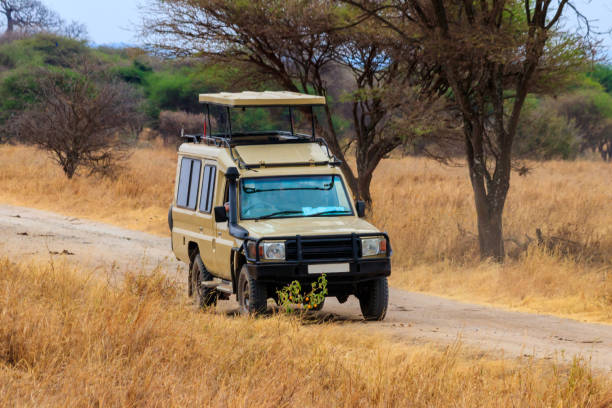
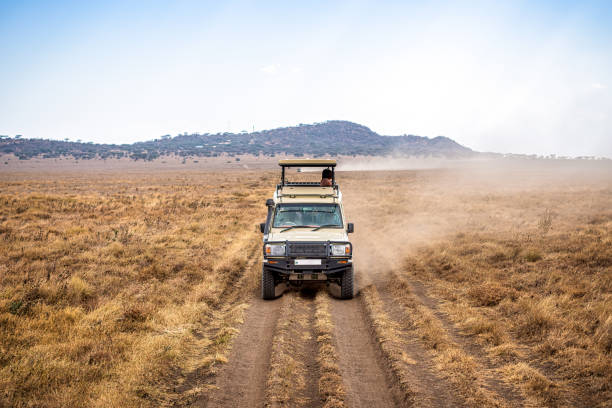
- Transportation: Safaris are typically conducted in sturdy 4×4 safari vehicles with pop-up roofs for game viewing. For longer distances or to save time, domestic flights are available between key airstrips.
- Guides: You’ll be accompanied by knowledgeable local guides who are experts in tracking wildlife, identifying flora and fauna, and understanding the local culture.
- Physical Demands: Gorilla and chimpanzee trekking can be strenuous, involving hiking on uneven, muddy, and steep terrain. Game drives can involve long hours of sitting.
- Connectivity: Mobile phone reception can be spotty outside of towns and major lodges. Wi-Fi is available at most mid-range to luxury accommodations but can be slow.
Packing and Preparation for Your Uganda Safari
Proper packing is crucial for comfort and enjoyment on your Uganda safari. Layering is key, as temperatures can vary significantly between day and night, and between different altitudes.
Clothing Essentials:
- Lightweight, neutral-colored clothing: Long-sleeved shirts and trousers are essential for protection against the sun, insects, and scratches. Avoid bright colors that might scare wildlife. Khaki, olive green, and brown are ideal.
- Warm layers: A fleece jacket or warm sweater for cool mornings and evenings, especially in higher altitudes.
- Rain jacket or poncho: Lightweight and waterproof, essential for unpredictable rain showers, especially during trekking.
- Comfortable walking/hiking boots: Sturdy, waterproof boots are vital for trekking. Ensure they are well broken-in before your trip.
- Comfortable shoes: For relaxing at the lodge in the evenings.
- Socks: Plenty of pairs, including moisture-wicking ones for trekking.
- Hat: A wide-brimmed hat for sun protection.
- Swimsuit: Many lodges have pools.
Gear and Accessories:
- Insect repellent: With a high concentration of DEET or Picaridin.
- Sunscreen: High SPF.
- Sunglasses.
- Binoculars: Essential for wildlife viewing.
- Camera and accessories: Extra batteries, memory cards, and a zoom lens if possible.
- Headlamp or flashlight: Useful for navigating around lodges at night.
- Reusable water bottle: To reduce plastic waste.
- Small backpack or daypack: For carrying essentials during treks and game drives (water, snacks, camera, rain jacket).
- Personal first-aid kit: Including any personal medications, blister treatment, pain relievers, and antiseptic wipes.
- Hand sanitizer.
- Power adapter and power bank: For charging electronics.
Important Documents and Health:
- Passport and Visa: Ensure your passport is valid for at least six months beyond your stay and has blank pages. Check visa requirements for your nationality.
- Yellow Fever Vaccination Certificate: Often required for entry into Uganda and for travel between some East African countries.
- Malaria Prophylaxis: Consult your doctor about malaria prevention medication.
- Travel Insurance: Comprehensive travel insurance covering medical emergencies, trip cancellation, and lost luggage is highly recommended.
- Copies of important documents: Keep digital and physical copies of your passport, visa, flight tickets, and insurance.
2026-2027 Preparation Tip: Start checking visa and vaccination requirements at least 3-4 months before your planned travel dates for 2026 or 2027 to allow ample time for appointments and processing.
Common Mistakes to Avoid on a Uganda Safari
To ensure your Uganda safari is as smooth and enjoyable as possible, be aware of these common pitfalls:
- Underestimating Trekking Difficulty: Gorilla and chimpanzee treks can be physically demanding. If you have any concerns about your fitness, discuss them with your tour operator beforehand. Hiring a porter can significantly help.
- Not Booking Permits in Advance: Gorilla and chimpanzee permits are limited and sell out quickly, especially during peak seasons for 2026 and 2027. Book them months in advance through a reputable tour operator.
- Overpacking: While it’s important to have essentials, excessive luggage can be cumbersome. Most lodges have laundry services. Stick to lightweight, practical clothing.
- Ignoring the Weather: Uganda’s weather can be unpredictable. Always be prepared for rain, even in the dry season.
- Focusing Only on Gorillas: While gorillas are a major draw, don’t overlook Uganda’s other incredible wildlife and landscapes. Parks like Queen Elizabeth and Murchison Falls offer classic savanna experiences.
- Choosing the Wrong Tour Operator: Opt for experienced, reputable operators who understand Uganda’s logistics, have good relationships with lodges, and prioritize responsible tourism.
- Not Budgeting for Extras: Factor in costs for tips, drinks, souvenirs, and any optional activities not included in your package.
- Expecting Big Five Like in Kenya/Tanzania: While possible, Uganda is not primarily a Big Five destination in the same way as its neighbors. Its strength lies in primates and birdlife. Manage expectations accordingly.
- Not Respecting Wildlife Rules: Always follow your guide’s instructions regarding distance from animals, noise levels, and photography. This is for your safety and the animals’ well-being.
- Assuming Easy Connectivity: Mobile reception and Wi-Fi can be unreliable. Embrace the opportunity to disconnect and enjoy the natural surroundings.
Who is a Uganda Safari Best Suited For?
A Uganda safari is an ideal choice for a variety of travelers, particularly those seeking:
- Nature Enthusiasts and Wildlife Lovers: Anyone fascinated by biodiversity, conservation, and unique animal encounters.
- Primate Enthusiasts: Those specifically interested in seeing mountain gorillas and chimpanzees in their natural habitat. This is Uganda’s strongest offering.
- Adventure Seekers: Travelers who enjoy active experiences like trekking through rainforests and exploring diverse landscapes.
- Photographers: The dramatic landscapes, unique wildlife, and vibrant culture offer incredible photographic opportunities.
- Responsible Travelers: Individuals who want their tourism to directly contribute to conservation efforts and local communities.
- Those Seeking a Different African Experience: Travelers who have visited other East African countries and are looking for a more intimate, less crowded, and primate-focused adventure.
- Families with Older Children: Children aged 15 and above (for gorilla trekking) can enjoy the adventure, provided they are fit enough for the treks. Chimpanzee trekking age limits may be lower.
It might be less ideal for travelers solely focused on seeing the Great Migration or a guaranteed Big Five count in a short period, although these can be experienced in some parks. The terrain and activity levels might also be challenging for travelers with significant mobility issues, though some accessible options can be arranged with advance notice.
Uganda Safari Alternatives in East Africa
While Uganda offers a unique primate-focused safari, other East African countries provide different but equally compelling wildlife experiences. If a Uganda safari isn’t quite what you’re looking for, consider these alternatives:
Tanzania
What it offers: Famous for the Serengeti National Park, home to the Great Migration, and the Ngorongoro Conservation Area, a caldera with incredible wildlife density. Also offers Mount Kilimanjaro climbs and Zanzibar’s beaches.
Best for: Classic savanna safaris, Great Migration viewing, vast landscapes, diverse ecosystems.
Kenya
What it offers: Iconic Maasai Mara National Reserve, also a prime spot for the Great Migration. Amboseli National Park offers stunning views of Mount Kilimanjaro with elephants. Known for its diverse birdlife and cultural encounters with the Maasai people.
Best for: Maasai Mara experience, large cat sightings, birdwatching, cultural tourism.
Rwanda
What it offers: Volcanoes National Park is another prime location for mountain gorilla trekking, often considered to have a more accessible and perhaps luxurious trekking experience than parts of Uganda. Also offers chimpanzee trekking in Nyungwe Forest National Park.
Best for: Mountain gorilla trekking, golden monkey tracking, lush mountain scenery, high-end eco-lodges.
Botswana
What it offers: Okavango Delta offers a unique water-based safari experience. Chobe National Park is known for its huge elephant herds. Known for high-end, low-impact tourism with exclusive concessions.
Best for: Unique water safaris, large elephant populations, exclusive and luxury experiences, pristine wilderness.
Comparison Table: Uganda vs. Alternatives
| Feature | Uganda | Tanzania | Kenya | Rwanda |
|---|---|---|---|---|
| Primary Wildlife Focus | Mountain Gorillas, Chimpanzees, Savanna Wildlife | Great Migration, Big Five, Diverse Savanna Fauna | Great Migration, Big Cats, Birdlife | Mountain Gorillas, Chimpanzees, Birdlife |
| Landscape Diversity | High (Rainforests, Savanna, Mountains, Lakes) | High (Savanna, Crater, Coast) | High (Savanna, Plains, Lakes, Coast) | High (Volcanic Mountains, Rainforests) |
| Trekking Intensity | Moderate to High (Gorillas/Chimps) | Low (Walking safaris in some areas) | Low (Walking safaris in some areas) | Moderate to High (Gorillas) |
| Typical Safari Cost | Mid to High (Gorilla permits are significant) | Mid to High | Mid to High | High (Gorilla permits are significant, often higher than Uganda) |
| Best For | Primate lovers, active travelers, unique biodiversity | Classic African safari, migration, vastness | Iconic savanna, migration, cultural interactions | Gorilla trekking, high-end eco-tourism |
Planning Your Uganda Safari for 2026-2027
Planning a Uganda safari for 2026 or 2027 requires careful consideration of logistics, permits, and timing. Here’s a structured approach:
1. Define Your Priorities
What do you most want to see and do? Is it primarily gorilla trekking? Are you keen on chimpanzees? Do you want to see savanna animals like lions and elephants? Or is birdwatching your main interest? Your priorities will shape your itinerary and park choices.
2. Determine Your Travel Dates
Consider the best time to visit based on your preferences (dry vs. wet season) and factor in public holidays or school breaks if you want to avoid crowds or seek specific experiences. For 2026-2027, remember that peak seasons book up fastest.
3. Set Your Budget
Uganda safaris can range from mid-range to luxury. Key cost drivers include gorilla and chimpanzee permits, accommodation, transportation (private vehicle vs. shared, flights vs. overland), and the duration of your trip. Be realistic about what you can afford.
4. Choose Your Parks and Activities
Based on your priorities, select the national parks. A typical 7-10 day safari might include Bwindi for gorillas, Queen Elizabeth for savanna wildlife and the Kazinga Channel, and Kibale for chimpanzees.
5. Select a Tour Operator
This is a critical step. A reputable local tour operator can handle all logistics, book permits and accommodation, arrange transport, and provide invaluable local knowledge. Look for operators with good reviews, clear communication, and a commitment to responsible tourism.
6. Book Permits and Accommodation
Your tour operator will guide you through this. Gorilla permits (currently around $700 USD per person) and chimpanzee permits (around $200 USD per person) are essential and must be booked well in advance, especially for 2026 and 2027 travel. Accommodation should be booked concurrently.
7. Arrange Transportation
Decide between overland travel in a 4×4 safari vehicle or domestic flights. Overland travel is more immersive and often more budget-friendly but takes longer. Flights save significant time, especially for longer distances, but add to the cost.
8. Health and Visa Preparations
Consult your doctor about vaccinations and malaria prophylaxis. Apply for your visa if required. Obtain your Yellow Fever certificate.
9. Finalize Itinerary and Inclusions
Work with your operator to finalize the day-to-day itinerary. Understand exactly what is included in your package (accommodation, meals, park fees, permits, transport, guide services) and what is not (tips, drinks, personal expenses).
2026-2027 Planning Checklist:
- [ ] Define safari goals (gorillas, chimps, Big Five, birding)
- [ ] Choose travel dates (consider dry/wet seasons for 2026-2027)
- [ ] Set realistic budget
- [ ] Research and select national parks
- [ ] Identify and vet potential tour operators
- [ ] Confirm availability and book gorilla/chimp permits
- [ ] Book accommodation
- [ ] Arrange internal transportation (4×4 vehicle or flights)
- [ ] Consult doctor for health advice (vaccinations, malaria)
- [ ] Apply for visa if needed
- [ ] Purchase comprehensive travel insurance
- [ ] Pack appropriate gear and clothing
- [ ] Exchange currency or plan for card usage
- [ ] Confirm final itinerary and inclusions/exclusions
Booking Your Uganda Safari: Expert Tips
Booking a safari is a significant investment. To ensure you get the best experience and value for your money, follow these expert tips:
- Choose a Reputable Local Operator: Local companies often have better ground knowledge, established relationships with lodges, and can offer more competitive pricing. Look for operators with a strong online presence, positive reviews on platforms like TripAdvisor, and clear communication channels. They are crucial for navigating the complexities of permit bookings for 2026-2027.
- Book Gorilla and Chimpanzee Permits Early: These are the most sought-after permits. For peak seasons in 2026 and 2027, aim to book 6-12 months in advance. Even for shoulder seasons, booking 3-6 months ahead is advisable. Your operator will handle this, but confirm the process and payment schedule.
- Understand What’s Included: A good safari package should clearly list what’s covered: accommodation, meals (full board is common), park entrance fees, activity fees (like boat trips), permits (gorilla/chimp), and transportation with a driver/guide. Exclusions often include international flights, visas, travel insurance, tips, drinks, and personal expenses.
- Read the Fine Print: Pay close attention to cancellation policies, payment schedules, and any disclaimers. Understand what happens if your trip needs to be postponed or cancelled.
- Ask Questions: Don’t hesitate to ask your tour operator any questions you have, no matter how small. Clarify doubts about accommodation, vehicle type, guide experience, itinerary flexibility, and safety measures.
- Consider the Time of Year: While peak seasons offer better weather, shoulder seasons can offer a more intimate experience and potentially lower costs. Weigh your priorities.
- Be Realistic About Costs: Uganda safaris, especially those including gorilla trekking, are not budget trips. The cost of permits and conservation efforts contributes significantly. Be wary of deals that seem too good to be true.
- Look for Responsible Tourism Practices: Choose operators who demonstrate a commitment to conservation, community engagement, and ethical wildlife viewing.
- Confirm Driver/Guide Experience: Your guide is your window to the safari. Ensure they are experienced, knowledgeable, and licensed.
- Payment Security: Understand the payment methods and ensure your transactions are secure. Reputable operators will often use secure online payment gateways or bank transfers.
Frequently Asked Questions About Uganda Safaris
What is the cost of a Uganda safari?
The cost varies significantly based on the duration, accommodation style, and activities. A major component is the gorilla permit ($700 USD) and chimpanzee permit ($200 USD). A 7-10 day mid-range Uganda safari can range from $2,500 to $5,000+ USD per person, excluding international flights. Luxury options will be higher. Planning for 2026-2027, prices may see slight adjustments, so confirm with your operator.
Is Uganda safe for tourists?
Uganda is generally considered safe for tourists, especially when traveling with reputable tour operators and following standard travel precautions. The tourism industry is well-established, and national parks have security measures. It’s always advisable to stay informed about current travel advisories and listen to your guide.
What is the minimum age for gorilla trekking in Uganda?
The minimum age for mountain gorilla trekking in Uganda is 15 years. For chimpanzee trekking, the minimum age is typically 12 years, though this can vary slightly by park. Children must be accompanied by an adult.
How physically demanding is gorilla trekking?
Gorilla trekking can range from easy to very strenuous. It involves hiking through dense rainforests, often on steep and muddy terrain. The time spent trekking varies from 30 minutes to several hours, depending on the gorillas’ location. Hiring a porter is highly recommended to help carry your gear and assist you on the trails.
Can I see the Big Five on a Uganda safari?
While Uganda has the Big Five (lion, leopard, elephant, buffalo, rhino), it’s not as easy to see them all as in some other East African countries. Murchison Falls and Queen Elizabeth National Parks offer the best chances for lions, leopards, elephants, and buffaloes. Rhinos are primarily found at the Ziwa Rhino Sanctuary, often visited as part of a Murchison Falls trip. A guaranteed Big Five sighting is less common here than in parks like the Serengeti or Maasai Mara.
What is the best way to get around Uganda for a safari?
Most safaris use customized 4×4 safari vehicles with pop-up roofs for game viewing. For longer distances between parks, domestic flights from Entebbe or local airstrips can save significant travel time, although they add to the cost. Overland travel is more immersive and often preferred for experiencing the country’s landscapes.
Do I need a visa for Uganda?
Visa requirements vary by nationality. Many nationalities can obtain a visa on arrival or apply for an e-visa online before traveling. It’s crucial to check the latest requirements for your passport well in advance of your 2026-2027 trip.
What vaccinations are required for Uganda?
Yellow Fever vaccination is mandatory for entry into Uganda for most travelers and you’ll need to show proof. Other recommended vaccinations include Hepatitis A, Typhoid, and Tetanus. Consult your doctor or a travel clinic at least 4-6 weeks before your trip for personalized advice.
What kind of accommodation is available on a Uganda safari?
Accommodation options range widely, from basic campsites and budget-friendly guesthouses to comfortable mid-range lodges and luxurious tented camps or lodges. Many lodges are strategically located near national parks or offer stunning natural views.
How far in advance should I book my Uganda safari for 2026-2027?
For peak travel seasons in 2026 and 2027, it’s highly recommended to book your Uganda safari at least 6 to 12 months in advance, especially to secure gorilla and chimpanzee permits. For the shoulder or wet seasons, 3 to 6 months in advance is generally sufficient, but early booking is always best to ensure availability.
Ready to Plan Your Unforgettable Uganda Safari?
A Uganda safari promises an adventure unlike any other, with intimate encounters with mountain gorillas and chimpanzees, alongside classic savanna wildlife and breathtaking landscapes. Whether you’re planning for 2026, 2027, or beyond, the “Pearl of Africa” awaits.
Let us help you craft the perfect Uganda safari experience. Our team specializes in creating tailor-made itineraries that match your interests, budget, and travel style. We handle all the details, from securing permits to arranging comfortable accommodations and reliable transportation, ensuring a stress-free and memorable journey.
Contact us today to start planning your dream Uganda safari:
- WhatsApp: +255616946642
- Email: topguideadventures@gmail.com
- Backup Email: info@topguideadventures.com
We look forward to helping you discover the magic of a Uganda safari!
Plan your Uganda safari with Top Guide Adventures
Tell us your travel dates, group size, comfort level, and dream experience. We will help you shape a clear, realistic, and memorable Tanzania itinerary.







 Veedesigner
 Fatma Kizanga
 Benjamin Waryuba
 Philip Philip
 John jr Itaja
 Antonia Optatus
 Edith Kanyere
 Neema Iddy
 Kelvin Boniphace
 Damari Maiga



