
Updated planning guide for 2026-2027
Rwanda Safari: Best Guide
Plan your unforgettable Rwanda safari for 2026-2027 with this in-depth guide. Learn about gorilla trekking, wildlife viewing, top parks, planning essentials, and how to book your dream trip.
WhatsApp +255616946642 | topguideadventures@gmail.com | info@topguideadventures.com
Your Ultimate Rwanda Safari Guide for 2026-2027
A Rwanda safari offers an unparalleled adventure, drawing travelers from across the globe to witness its unique wildlife, particularly the majestic mountain gorillas. Known as the “Land of a Thousand Hills,” Rwanda presents a safari experience that is both intense and profoundly moving. This guide is crafted to help you plan a memorable Rwanda safari for 2026 and 2027, covering everything from the initial planning stages to booking your dream expedition. We will explore the best times to visit, key destinations, what to expect on your safari, essential packing tips, and how to choose the right tour operator.
Quick Answers for Your Rwanda Safari Planning
Before diving deep, here are some quick answers to common questions about planning a Rwanda safari in 2026-2027:
- What is the main draw of a Rwanda safari? Mountain gorilla trekking in Volcanoes National Park is the primary attraction.
- When is the best time for a Rwanda safari? The dry seasons (June to August and December to February) are ideal for wildlife viewing and trekking.
- How long should a Rwanda safari be? A typical safari ranges from 5 to 10 days, allowing time for gorilla trekking and exploring other parks.
- What are the key parks for a Rwanda safari? Volcanoes National Park (gorillas), Akagera National Park (big game), and Nyungwe National Park (chimpanzees and primates).
- What is the cost of a Rwanda safari? Costs vary significantly based on accommodation, safari length, and activities. Gorilla permits are a major expense.
Table of Contents
Rwanda Safari: Quick Facts (2026-2027)
| Aspect | Details (2026-2027) |
|---|---|
| Primary Activity | Mountain Gorilla Trekking |
| Key Parks | Volcanoes NP, Akagera NP, Nyungwe NP |
| Best Dry Seasons | June-August, December-February |
| Best Wet Seasons | March-May, September-November (lush scenery, fewer crowds) |
| Gorilla Permit Cost | USD 1500 per person (subject to change) |
| Typical Safari Length | 5-10 days |
| Visa Requirements | Required for most nationalities; East Africa Tourist Visa may apply for multi-country trips. |
| Currency | Rwandan Franc (RWF) |
| Language | Kinyarwanda, French, English (widely spoken in tourism) |
| Vaccinations | Yellow Fever (mandatory if arriving from or transiting through an endemic country), Malaria prophylaxis recommended. Consult your doctor. |
Why Choose a Rwanda Safari?
Rwanda has rapidly transformed its tourism sector, focusing on conservation and offering a premium safari experience. While Tanzania and Kenya are famed for vast plains and huge herds, Rwanda provides an intimate encounter with nature, especially its primate populations. The country’s commitment to preserving its natural heritage means that visitor numbers are managed, ensuring a more exclusive and impactful experience. A Rwanda safari is not just about wildlife; it’s about immersing yourself in a country that has overcome challenges and is dedicated to sustainable tourism. The lush, volcanic landscapes provide a stunning backdrop that is unique in Africa.
Best Time to Visit for a Rwanda Safari in 2026-2027
Choosing the right time to visit is crucial for any safari. For a Rwanda safari, the dry seasons are generally preferred by most travelers, though each season offers its own advantages.
Dry Seasons (June to August & December to February)
- Pros: These months offer the most reliable weather, with sunny days and less rainfall. This makes trekking easier as trails are less muddy and slippery. Wildlife tends to congregate around water sources, potentially making them easier to spot, especially in Akagera National Park. Visibility is generally excellent.
- Cons: These are peak tourist seasons. Gorilla permits can sell out months in advance for 2026 and 2027. Accommodation prices may be higher, and parks can feel more crowded, though “crowded” in Rwanda is relative and still offers a sense of exclusivity.
Wet Seasons (March to May & September to November)
- Pros: The landscape is incredibly lush and green, offering spectacular photographic opportunities. This is the low or shoulder season, meaning fewer tourists, more availability for permits and accommodation, and potentially lower prices. Birdwatching is often at its best during these periods. Trekking can still be very rewarding, with gorillas often found at lower altitudes.
- Cons: Expect frequent rain showers, which can sometimes be heavy and prolonged. Trails can become muddy and challenging, making trekking more strenuous. Wildlife viewing might be slightly more difficult as animals can disperse into denser vegetation. Road conditions can also be affected.
Recommendation for 2026-2027: If your priority is easier trekking and guaranteed sunshine, aim for the dry months. If you prefer a more serene experience, better photographic conditions, and potentially better value, consider the shoulder months. For gorilla trekking, booking permits well in advance is essential regardless of the season, especially for 2026 and 2027 travel.
Key Destinations for Your Rwanda Safari
Rwanda boasts three primary national parks, each offering a distinct safari experience:
Volcanoes National Park: The Gorilla Sanctuary
This is the heart of any Rwanda safari. Located in the northwest, it’s part of the Virunga Mountains, a chain of volcanoes that straddle Rwanda, Uganda, and the Democratic Republic of Congo. It is home to approximately half of the world’s endangered mountain gorillas. Trekking here is an awe-inspiring experience, allowing you to spend up to an hour observing these gentle giants in their natural habitat. The park also hosts golden monkeys, a delightful primate species to encounter.
Akagera National Park: The Savannah Experience
In stark contrast to the mountainous rainforests, Akagera National Park in the east offers a more traditional savannah safari. It is Rwanda’s only protected area for big game. Significant conservation efforts have reintroduced species like lions, leopards, and rhinos, making it possible to see the “Big Five.” Other wildlife includes elephants, giraffes, zebras, buffaloes, and a wide array of antelope species. Game drives here provide excellent opportunities for wildlife photography and observing diverse ecosystems, from papyrus swamps to rolling savannas.
Nyungwe National Park: Primate Paradise and Canopy Walks
Southwest of Rwanda, Nyungwe is one of the oldest and most biodiverse rainforests in Africa. It is renowned for its chimpanzee trekking and is home to 13 primate species, including the Rwenzori colobus monkeys. The park’s highlight for many is the Nyungwe Canopy Walkway, a suspended bridge offering a unique perspective of the forest canopy and its inhabitants. Birdwatchers will also find Nyungwe a paradise, with over 300 bird species recorded.
Understanding Gorilla Trekking in Volcanoes National Park
Gorilla trekking is the pinnacle of many Rwanda safaris. It’s a carefully managed activity designed to protect the gorillas while providing an unforgettable experience for visitors.
The Gorilla Permit
A permit is required for each person to trek gorillas. These permits are strictly limited and must be booked well in advance, especially for 2026 and 2027 travel dates, as they are highly sought after. The current cost is USD 1500 per person for international tourists. This fee contributes directly to gorilla conservation, park management, and local community development.
The Trekking Experience
- Preparation: On the morning of your trek, you’ll attend a briefing at the park headquarters in Kinigi. Here, you’ll be assigned to a gorilla family based on group size, fitness levels, and your interests.
- The Hike: Treks can last anywhere from 2 to 8 hours, depending on the gorillas’ location. The terrain can be steep and challenging, involving hiking through dense forest and bamboo thickets. Porters are available for hire at the trailhead to assist with carrying your backpack and offering support on the climb, which is highly recommended for a more comfortable experience.
- The Encounter: Once your group locates the gorillas, you’ll have a maximum of one hour to observe them. This time is precious. You’ll witness their complex social interactions, feeding habits, and the tender moments between mothers and their young. It’s a deeply emotional and humbling experience. Strict rules are in place to minimize human impact: maintain a distance of at least 7 meters (23 feet), no flash photography, and avoid direct eye contact if a gorilla seems agitated.
- Return: After your hour is up, you’ll trek back to the starting point, where you’ll receive a certificate.
Gorilla Family Habituation
Rwanda offers two types of gorilla trekking experiences: standard trekking and gorilla habituation. Standard trekking involves visiting already habituated gorilla families. Gorilla habituation allows a small group of tourists to spend up to four hours with a gorilla family that is still undergoing the habituation process. This is a more in-depth and exclusive experience, but it comes with a higher permit cost (currently USD 1500, same as standard, but this can change and is often bundled differently). It’s vital to check the latest regulations and permit costs for 2026-2027.
Akagera National Park: Big Game Safaris
Akagera National Park provides a different kind of safari, offering a chance to see a broader spectrum of African wildlife in a more traditional savannah setting.
Wildlife Highlights
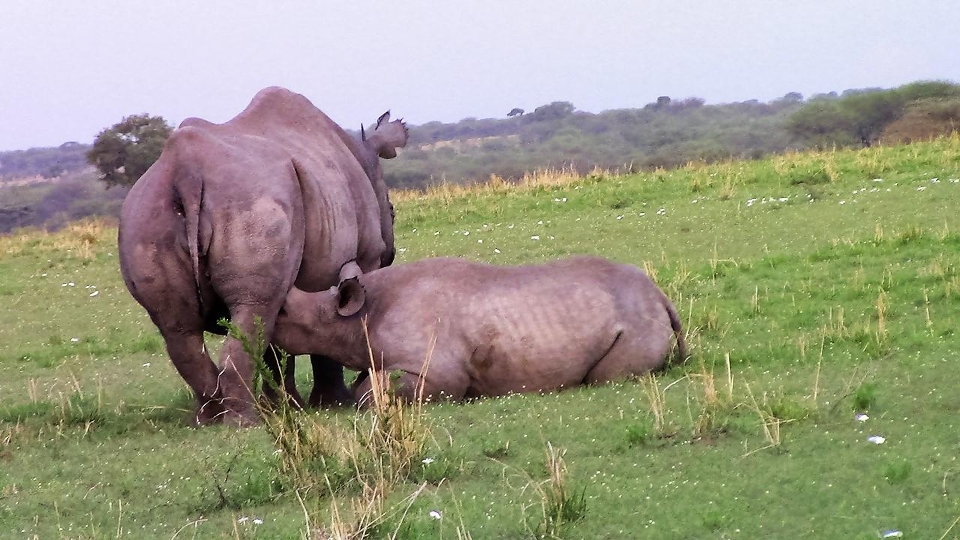
Thanks to intensive conservation efforts, Akagera is now home to the “Big Five” – lion, leopard, elephant, rhino, and buffalo. You can also spot giraffes, zebras, hippos, crocodiles, hyenas, and numerous antelope species like impalas, topi, and eland. The park’s diverse landscapes, from open grasslands and acacia savannas to papyrus-lined lakes and wetlands, support a rich biodiversity.
Safari Activities
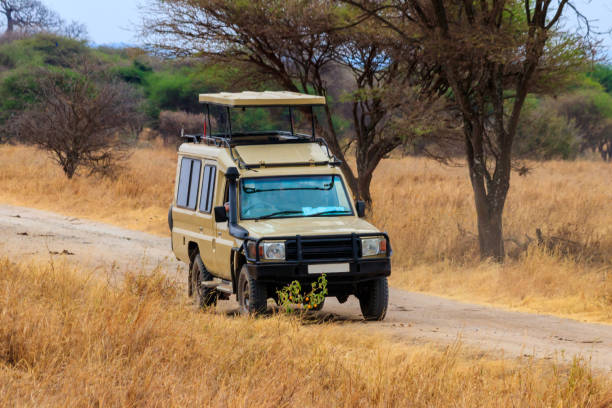
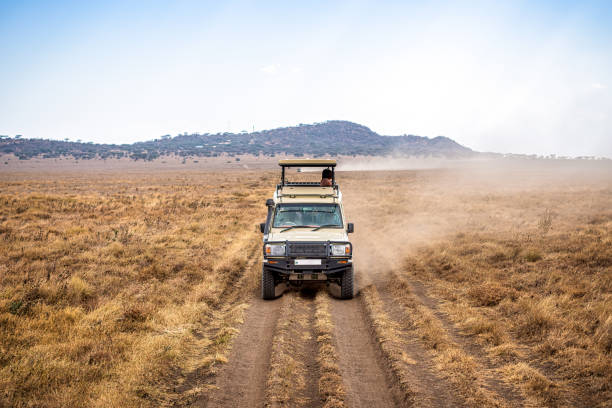
- Game Drives: The most popular activity. Guided game drives, typically in 4×4 safari vehicles, allow you to explore the park’s network of tracks. Morning and afternoon drives are common, offering different wildlife viewing opportunities. Night drives can also be arranged, providing a chance to see nocturnal animals.
- Boat Trips: On Lake Ihema, boat safaris offer excellent viewing of hippos, crocodiles, and a variety of water birds, including the African fish eagle.
- Walking Safaris: In designated areas and with an armed ranger, guided walking safaris offer a more intimate connection with the bush and its smaller inhabitants.
Akagera is a testament to successful conservation and offers a well-rounded safari experience to complement the primate encounters in other parks.
Nyungwe National Park: Chimpanzees and Primate Adventures
Nyungwe National Park is a biodiversity hotspot, renowned for its chimpanzee trekking and the highest concentration of primates in East Africa.
Chimpanzee Trekking
Similar to gorilla trekking, chimpanzee trekking requires a permit and involves hiking through the dense rainforest. The trek can be challenging, but the reward of seeing chimpanzees in their natural environment is immense. Chimpanzees are more mobile and often higher up in trees than gorillas, making sightings dynamic and exciting. The best time for trekking is generally early morning.
Other Primate Encounters
Nyungwe is home to 13 primate species. Besides chimpanzees, you might encounter troops of Rwenzori colobus monkeys, often seen in large groups, as well as grey-cheeked mangabeys, blue monkeys, and red-tailed monkeys. The park’s rich birdlife also attracts ornithologists, with over 300 species recorded, including the endemic Albertine Rift specialties.
Canopy Walkway
The Nyungwe Canopy Walkway is a must-do. This suspended bridge system takes you 50 meters above the forest floor, offering incredible views and a chance to spot arboreal wildlife and birds. It’s an exhilarating way to experience the rainforest.
Sample Rwanda Safari Itineraries (2026-2027)
Here are a few sample itineraries to give you an idea of what a Rwanda safari might look like in 2026-2027. These are customizable and can be adjusted based on your interests, budget, and time.
Itinerary 1: Classic Rwanda Gorilla & Wildlife (7 Days)
| Day | Location | Activities | Accommodation Focus |
|---|---|---|---|
| Day 1 | Kigali | Arrival, transfer to hotel, Kigali City Tour (Genocide Memorial, markets). | Mid-range/Luxury Hotel |
| Day 2 | Volcanoes National Park | Transfer to Volcanoes NP, check-in, relax. | Lodge near Kinigi |
| Day 3 | Volcanoes National Park | Gorilla Trekking, visit Ibyiwacu Cultural Village. | Lodge near Kinigi |
| Day 4 | Volcanoes National Park | Golden Monkey Trekking or Volcano Hike (e.g., Mount Bisoke). | Lodge near Kinigi |
| Day 5 | Akagera National Park | Transfer to Akagera NP, afternoon game drive. | Lodge/Camp in Akagera |
| Day 6 | Akagera National Park | Full day game drive, optional boat trip on Lake Ihema. | Lodge/Camp in Akagera |
| Day 7 | Kigali | Morning game drive, transfer back to Kigali for departure. | N/A |
Itinerary 2: Rwanda Primate & Nature Explorer (10 Days)
| Day | Location | Activities | Accommodation Focus |
|---|---|---|---|
| Day 1 | Kigali | Arrival, transfer to hotel, Kigali City Tour. | Mid-range/Luxury Hotel |
| Day 2 | Nyungwe National Park | Transfer to Nyungwe, afternoon canopy walk. | Lodge near Nyungwe |
| Day 3 | Nyungwe National Park | Chimpanzee Trekking. | Lodge near Nyungwe |
| Day 4 | Nyungwe National Park | Colobus Monkey Trekking, birdwatching, or nature walks. | Lodge near Nyungwe |
| Day 5 | Volcanoes National Park | Transfer to Volcanoes NP, relax. | Lodge near Kinigi |
| Day 6 | Volcanoes National Park | Gorilla Trekking. | Lodge near Kinigi |
| Day 7 | Volcanoes National Park | Golden Monkey Trekking. | Lodge near Kinigi |
| Day 8 | Akagera National Park | Transfer to Akagera NP, afternoon game drive. | Lodge/Camp in Akagera |
| Day 9 | Akagera National Park | Full day game drive, optional boat trip. | Lodge/Camp in Akagera |
| Day 10 | Kigali | Morning game drive, transfer to Kigali for departure. | N/A |
What to Expect on Your Rwanda Safari
A Rwanda safari is a unique blend of adventure, conservation, and cultural immersion. Here’s what you can generally expect:
- Terrain: Rwanda is known as the “Land of a Thousand Hills.” Expect mountainous, volcanic landscapes, dense rainforests, and rolling savannas. Travel between destinations involves winding roads, offering scenic views but sometimes longer travel times.
- Wildlife Encounters: The star attraction is undoubtedly the mountain gorillas. Encounters are regulated to ensure their safety and your experience. Other primate sightings, especially in Nyungwe, are frequent. Akagera offers a more traditional big game experience.
- Accommodation: Rwanda offers a range of accommodations, from luxurious lodges and boutique hotels in Kigali to comfortable, mid-range, and sometimes more rustic lodges or tented camps near national parks. Options are generally well-managed and cater to international standards.
- Guides and Rangers: You will be accompanied by experienced, knowledgeable guides and rangers throughout your safari. They are crucial for locating wildlife, ensuring safety, and providing insights into the local flora, fauna, and culture.
- Conservation Focus: Rwanda places a strong emphasis on conservation. Visitor numbers are controlled, especially for gorilla trekking, and there’s a significant focus on sustainable tourism practices. Your safari contributes directly to these efforts.
- Infrastructure: Rwanda has excellent infrastructure compared to many other African safari destinations. Roads are generally good, and services are reliable. Kigali is a clean, modern, and well-organized city.
- Cultural Interaction: Opportunities exist to interact with local communities, such as visiting the Ibyiwacu Cultural Village near Volcanoes National Park. These interactions offer insights into Rwandan traditions and daily life.
Inclusions, Packing & Preparation
Proper preparation is key to a comfortable and enjoyable Rwanda safari. Here’s a guide to what to pack and consider:
Typical Safari Inclusions
When booking a safari package, look for the following inclusions:
- Accommodation
- Meals (usually breakfast, lunch, and dinner)
- Park entrance fees
- Gorilla, chimpanzee, and golden monkey permits (confirm if included or extra)
- All ground transportation in a 4×4 safari vehicle
- English-speaking driver-guide
- Airport transfers
- Bottled water in the vehicle
Exclusions often include: International flights, visa fees, travel insurance, tips for guides/drivers/porters, personal expenses, alcoholic beverages, and optional activities not listed.
Packing List for a Rwanda Safari
Pack light, neutral-colored clothing. Layers are essential due to varying temperatures and altitudes.
- Clothing:
- Lightweight, long-sleeved shirts (for sun and insect protection)
- Long trousers (hiking trousers are ideal)
- T-shirts and tops
- Fleece jacket or warm sweater (evenings can be cool)
- Waterproof and windproof jacket (essential for rain and temperature changes)
- Comfortable walking shoes or hiking boots (broken-in!)
- Sandals or comfortable shoes for evenings
- Socks (moisture-wicking, especially for trekking)
- Hat (wide-brimmed for sun protection)
- Swimsuit (if your lodge has a pool)
- Gear:
- Daypack (for carrying water, snacks, camera on treks)
- Reusable water bottle
- Camera with extra batteries and memory cards
- Binoculars (highly recommended for wildlife viewing)
- Headlamp or small flashlight
- Insect repellent (with DEET or Picaridin)
- Sunscreen (high SPF)
- Sunglasses
- Personal first-aid kit (band-aids, antiseptic wipes, pain relievers, any personal medication)
- Hand sanitizer
- Small towel (quick-dry)
- Camera rain cover
- Documents & Money:
- Passport (with at least 6 months validity) and visa information
- Copies of passport, visa, and flight details
- Yellow Fever vaccination certificate (often required)
- Travel insurance details
- Credit/debit cards and some USD cash (for tips, souvenirs)
Preparation Checklist
- Book Permits Early: Especially for 2026-2027, book gorilla and chimpanzee permits months in advance.
- Consult Your Doctor: Discuss necessary vaccinations (Yellow Fever, Typhoid, Hepatitis A) and malaria prophylaxis.
- Get Travel Insurance: Ensure it covers medical emergencies, evacuation, and trip cancellation.
- Fitness: Be prepared for moderate to strenuous hiking, particularly for gorilla and chimpanzee treks.
- Pack Appropriately: Refer to the packing list above.
- Learn Basic Phrases: A few words in Kinyarwanda can be appreciated.
- Understand Tipping: Research typical tipping amounts for guides, drivers, lodge staff, and porters.
Common Mistakes to Avoid on a Rwanda Safari
To ensure your Rwanda safari is as smooth and rewarding as possible, be aware of these common pitfalls:
- Not Booking Permits Early Enough: Gorilla and chimpanzee permits are limited. For popular dates in 2026 and 2027, they can sell out a year in advance.
- Underestimating Trekking Difficulty: While porters help, the terrain can be steep and muddy. Lack of physical fitness can make the experience less enjoyable.
- Packing the Wrong Clothing/Gear: Heavy, bright clothing or unsuitable footwear can be a problem. Neutral colors are best for wildlife viewing, and sturdy, broken-in boots are essential for trekking.
- Ignoring Health Precautions: Not consulting a doctor about vaccinations and malaria prophylaxis, or not using insect repellent and sunscreen, can lead to illness.
- Expecting Tanzania/Kenya-Style Game Drives Everywhere: Akagera offers savannah game drives. Volcanoes and Nyungwe are about primates and hiking, not vast plains with easily spotted herds.
- Not Budgeting for Extras: Beyond the permit and tour cost, factor in tips, drinks, souvenirs, and potential visa fees.
- Rushing the Itinerary: Rwanda’s roads can be slow. Allow ample travel time between destinations to avoid feeling rushed and to enjoy the scenery.
- Not Considering Travel Insurance: A medical emergency or trip disruption without insurance can be financially devastating.
- Being Unprepared for Weather: Even in dry seasons, brief rain showers can occur. A good waterproof jacket is a must.
- Not Researching Tour Operators Thoroughly: Choosing an inexperienced or unreliable operator can ruin your trip. Look for operators with a strong reputation for service, safety, and conservation ethics.
Who is a Rwanda Safari Best Suited For?
A Rwanda safari is an excellent choice for a variety of travelers, particularly those seeking:
- Nature Enthusiasts & Wildlife Lovers: Especially those passionate about primates. The chance to see mountain gorillas and chimpanzees in their natural habitat is a major draw.
- Adventure Seekers: The trekking involved in gorilla and chimpanzee encounters requires a moderate level of fitness and a spirit for adventure.
- Photographers: From the dramatic mountain landscapes to close-up primate encounters and the diverse wildlife of Akagera, Rwanda offers incredible photographic opportunities.
- Travelers Seeking Exclusive Experiences: Due to controlled visitor numbers, a Rwanda safari often feels more exclusive and intimate than in some other African destinations.
- Conservation-Minded Travelers: Rwanda’s strong commitment to conservation means your visit directly supports these efforts.
- Those Seeking a Shorter, Focused Safari: Rwanda’s compact size and excellent infrastructure mean you can experience its highlights in a shorter timeframe compared to larger countries like Tanzania.
- Families with Older Children: While children under 15 are not permitted to trek gorillas, older teens (15+) can participate, making it a unique family adventure.
It may be less suited for travelers solely focused on seeing vast herds of wildebeest or seeking very budget-friendly, mass-tourism experiences, as Rwanda positions itself as a premium, conservation-focused destination.
Alternatives to a Pure Rwanda Safari
While a Rwanda safari is exceptional, you might consider alternatives or extensions depending on your interests and travel style. If you’re already planning a trip to East Africa for 2026 or 2027, these options are worth considering:
- Uganda Safari: Uganda also offers mountain gorilla trekking (in Bwindi Impenetrable National Park and Mgahinga Gorilla National Park) and chimpanzee tracking (Kibale Forest). Uganda is often considered slightly more budget-friendly than Rwanda and offers a similar primate experience. It also has savannah parks like Queen Elizabeth and Murchison Falls for traditional game drives.
- Democratic Republic of Congo (DRC) Safari: Virunga National Park in the DRC offers mountain gorilla trekking at a lower permit cost than Rwanda. However, the DRC is generally considered a more challenging destination due to security concerns and less developed infrastructure. It also offers opportunities to see the rare mountain gorillas and is home to active volcanoes like Mount Nyiragongo.
- Tanzania Safari: If your primary interest is the Great Migration, vast plains, and iconic parks like the Serengeti and Ngorongoro Crater, Tanzania is the ultimate destination. It offers a different scale of wildlife viewing compared to Rwanda.
- Kenya Safari: Similar to Tanzania, Kenya excels in classic savannah safaris, with highlights like the Maasai Mara, Amboseli, and Samburu. It’s ideal for those seeking large herds and predator action.
- Multi-Country East Africa Safari: For a comprehensive experience in 2026-2027, consider combining Rwanda with neighboring countries. A popular option is a “Primate & Plains” safari, combining Rwanda’s gorillas and chimps with Tanzania’s Serengeti or Kenya’s Maasai Mara. The East Africa Tourist Visa can facilitate such multi-country trips.
Planning Your 2026-2027 Rwanda Safari: A Step-by-Step Approach
Planning a safari can seem daunting, but breaking it down into steps makes it manageable. Here’s how to approach your Rwanda safari planning for 2026-2027:
Step 1: Define Your Interests and Priorities
What do you most want to see and do? Are gorillas the absolute priority? Are you interested in chimpanzees, big game, birding, or cultural experiences? Your priorities will shape your itinerary.
Step 2: Determine Your Budget
Rwanda is a premium safari destination. The gorilla permit alone is a significant cost. Factor in accommodation, transport, other permits, park fees, meals, and miscellaneous expenses. Be realistic about what you can afford for 2026-2027 travel.
Step 3: Decide on the Length of Your Safari
A minimum of 5 days is recommended to include gorilla trekking and some travel. 7-10 days allow for a more comprehensive experience, including Akagera and Nyungwe. Longer trips (14+ days) can incorporate more in-depth exploration or combine Rwanda with other countries.
Step 4: Choose the Best Time to Travel
Consider the pros and cons of dry vs. wet seasons as outlined earlier. For 2026-2027, check if there are any specific events or holidays that might influence your decision.
Step 5: Research and Select a Tour Operator
This is a critical step. Look for experienced, reputable operators who specialize in Rwanda. Check reviews, ask for sample itineraries, and ensure they are transparent about inclusions, exclusions, and their commitment to responsible tourism. Using a local operator like Top Guide Adventures can provide invaluable insights and local knowledge.
Step 6: Book Your Gorilla and Chimpanzee Permits
Once you have your dates and a tour operator, secure your permits immediately. These are non-refundable and essential for your primate treks.
Step 7: Plan Your Itinerary Details
Work with your tour operator to finalize your daily itinerary, including destinations, activities, and accommodation choices. Ensure travel times are realistic.
Step 8: Arrange Flights and Visas
Book your international flights to Kigali (KGL). Check visa requirements for your nationality and apply if necessary. Consider the East Africa Tourist Visa if you plan to visit multiple East African countries.
Step 9: Prepare for Your Trip
Get necessary vaccinations, pack appropriately, arrange travel insurance, and inform your bank of your travel dates.
Step 10: Final Confirmation and Departure
Confirm all bookings a few weeks before departure. Double-check your packing list and documents. Get ready for an incredible Rwanda safari!
Booking Your Rwanda Safari: Expert Tips
Making the right booking choices can significantly enhance your Rwanda safari experience. Here are some expert tips for 2026-2027:
- Use Reputable Local Tour Operators: While international operators can arrange safaris, local companies often have better ground knowledge, established relationships with lodges and park authorities, and can offer more competitive pricing. Top Guide Adventures, based in Tanzania and experienced across East Africa, is a prime example of a reliable local partner.
- Book Well in Advance: This cannot be stressed enough. Gorilla permits, especially, are highly sought after. For peak seasons in 2026 and 2027, aim to book 6-12 months ahead. Even for shoulder seasons, booking 3-6 months in advance is wise.
- Understand Permit Costs: The current USD 1500 gorilla permit cost is a significant portion of the budget. Be aware of this and ensure it’s clearly accounted for in your safari package or booked separately if advised. Chimpanzee permits are less expensive but also limited.
- Be Clear About Inclusions/Exclusions: Always get a detailed itinerary and booking confirmation that clearly lists what is included (permits, accommodation, meals, park fees, guiding) and what is not (international flights, visas, tips, drinks, personal expenses).
- Accommodation Tiers: Rwanda offers a range from budget to luxury lodges. Discuss your preferred comfort level and budget with your operator to select appropriate accommodations. High-end lodges offer exceptional service and locations, while mid-range options are comfortable and well-located.
- Travel Insurance is Non-Negotiable: Ensure your policy covers medical emergencies, evacuation, trip cancellation, and lost luggage.
- Payment Terms: Understand the deposit and final payment schedule. Most operators require a deposit to secure bookings, especially permits, with the balance due closer to the travel date.
- Ask About Sustainability Practices: Choose operators and lodges that demonstrate a commitment to conservation, community benefit, and eco-friendly practices.
- Flexibility: While planning is key, allow for some flexibility. Sometimes, wildlife sightings or weather can necessitate minor adjustments. A good operator will manage these professionally.
- Communication: Maintain open communication with your tour operator. Ask questions, voice concerns, and confirm details regularly.
Frequently Asked Questions (FAQs)
1. Is a Rwanda safari expensive?
Yes, Rwanda is considered a premium safari destination, largely due to the high cost of gorilla permits (USD 1500 per person). Accommodation and overall tour packages also reflect this premium positioning.
2. How difficult is gorilla trekking?
Gorilla trekking can range from easy to very strenuous. It involves hiking through dense rainforest, often on steep, muddy, and uneven terrain. While trackers will try to find gorillas at lower altitudes, you should be prepared for a challenging hike. Hiring a porter is highly recommended for support.
3. What are the age restrictions for gorilla trekking in Rwanda for 2026-2027?
The minimum age for gorilla trekking in Rwanda is 15 years old. This is to ensure that younger children are not exposed to the emotional intensity of the trek or potential health risks.
4. Do I need a visa for Rwanda?
Most nationalities require a visa to enter Rwanda. You can apply for a tourist visa online in advance or obtain one upon arrival at Kigali International Airport. For multi-country East African trips in 2026-2027, consider the East Africa Tourist Visa, which covers Rwanda, Uganda, and Kenya.
5. What vaccinations are required for Rwanda?
A Yellow Fever vaccination certificate is mandatory if you are arriving from or transiting through a country with a risk of Yellow Fever. Consult your doctor for recommendations on other vaccinations like Typhoid, Hepatitis A, and malaria prophylaxis. Malaria is present in Rwanda, particularly in lower-lying areas.
6. Can I see the Big Five on a Rwanda safari?
Yes, it is possible to see the Big Five (lion, leopard, elephant, rhino, buffalo) in Akagera National Park. However, Rwanda’s primary draw is mountain gorilla trekking, and the other parks focus on primates.
7. How safe is a Rwanda safari?
Rwanda is considered one of the safest countries in Africa for tourists. The government has a strong focus on security and order. Wildlife encounters are managed by experienced rangers, and road travel is generally safe, though long distances can be tiring.
8. What currency is used in Rwanda?
The local currency is the Rwandan Franc (RWF). However, US Dollars are widely accepted for permits, park fees, and in many tourist establishments. It’s advisable to carry some local currency for smaller purchases and tips.
9. Can I do a self-drive safari in Rwanda?
While self-driving is possible in some areas, it is generally not recommended for national parks, especially for first-time visitors. Guided safaris with experienced drivers/guides are highly recommended for safety, navigation, and optimal wildlife viewing, particularly for gorilla and chimpanzee treks.
10. What happens if I can’t find the gorillas during my trek?
The park authorities guarantee that gorillas will be found. Trackers go out early each morning to locate the gorilla family’s current position. While the trek can be challenging, you are virtually guaranteed to see the habituated family assigned to your group.
Ready to Book Your Rwanda Safari?
Planning a Rwanda safari for 2026 or 2027 is an exciting prospect. To ensure a well-organized, safe, and memorable journey, partnering with experienced professionals is key. We specialize in creating tailor-made safari experiences across East Africa, with a deep understanding of Rwanda’s unique offerings.
Whether you dream of the intense connection with mountain gorillas, the thrill of a savannah game drive in Akagera, or the biodiversity of Nyungwe’s rainforest, we can craft the perfect itinerary for you. Let us handle the details so you can focus on the adventure.
Contact us today to start planning your unforgettable Rwanda safari:
- WhatsApp: +255616946642
- Email: topguideadventures@gmail.com
- Backup Email: info@topguideadventures.com
Let’s make your Rwanda safari dream a reality for 2026-2027!
Plan your Rwanda safari with Top Guide Adventures
Tell us your travel dates, group size, comfort level, and dream experience. We will help you shape a clear, realistic, and memorable Tanzania itinerary.

 Veedesigner
 Fatma Kizanga
 Benjamin Waryuba
 Philip Philip
 John jr Itaja
 Antonia Optatus
 Edith Kanyere
 Neema Iddy
 Kelvin Boniphace
 Damari Maiga



