
Updated planning guide for 2026-2027
Uganda Travel Guide: Complete
Planning a trip to Uganda in 2026 or 2027? This in-depth guide covers everything you need to know, from gorilla permits and safari routes to cultural insights and practical advice for an unforgettable adventure.
WhatsApp +255616946642 | topguideadventures@gmail.com | info@topguideadventures.com
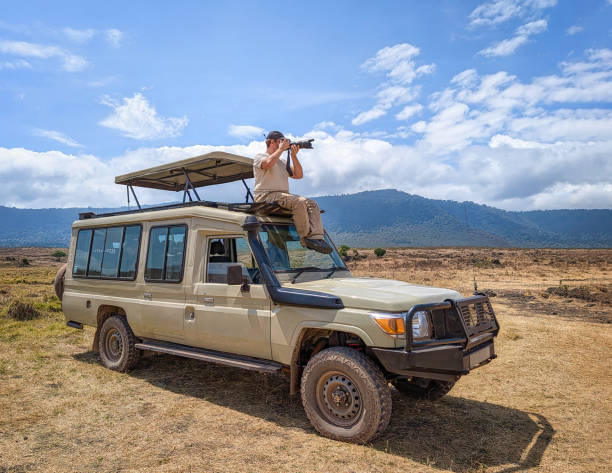
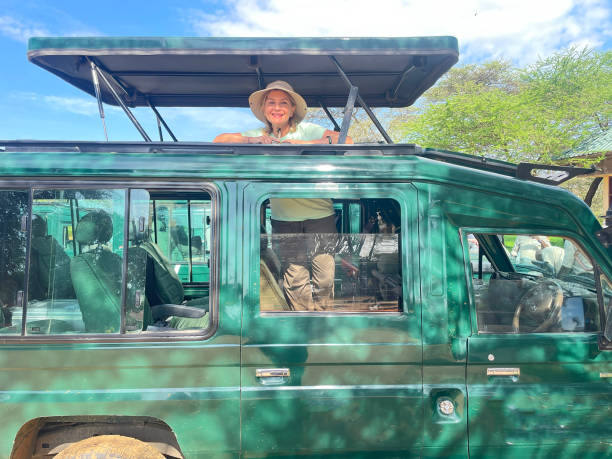
Uganda Travel Guide: Your Ultimate Planning Resource for 2026-2027 Adventures
Uganda, often called the ‘Pearl of Africa,’ offers a travel experience unlike any other. From mist-shrouded mountains where endangered gorillas reside to vast savannas teeming with wildlife and vibrant, welcoming cultures, this East African nation promises adventure and discovery. Whether you’re dreaming of eye-to-eye encounters with mountain gorillas, thrilling game drives in Queen Elizabeth National Park, or exploring the source of the Nile, this comprehensive Uganda travel guide is designed to help you plan an exceptional trip for 2026 and 2027.
This guide aims to provide you with all the essential information, from understanding the best times to visit and crafting your itinerary to preparing your packing list and navigating the booking process. We’ll cover the unique aspects of Uganda travel, ensuring you make informed decisions for a rewarding and memorable journey.
Quick Answers for Your Uganda Trip Planning
- Best Time to Visit: Generally, the dry seasons (June to August and December to February) are ideal for gorilla trekking and safaris, offering easier movement and better wildlife viewing.
- Key Attractions: Bwindi Impenetrable National Park (gorillas), Murchison Falls National Park (waterfalls, wildlife), Queen Elizabeth National Park (wildlife, tree-climbing lions), Kibale National Park (chimpanzees), and the source of the Nile in Jinja.
- Essential Permits: Gorilla trekking permits are mandatory and must be booked well in advance, especially for 2026 and 2027 travel. Chimpanzee trekking permits are also required.
- Visa Requirements: Most nationalities require a visa to enter Uganda. This can often be obtained online through the East African Tourist Visa or an e-visa.
- Health Precautions: Yellow fever vaccination is mandatory. Malaria prophylaxis is highly recommended. Consult your doctor for personalized advice.
- Currency: The Ugandan Shilling (UGX). USD is also widely accepted for tourist services, especially park fees and permits.
Table of Contents
- Quick Facts About Uganda
- Uganda: The Pearl of Africa
- Why Choose Uganda for Your Next Adventure?
- Best Time to Visit Uganda in 2026-2027
- Uganda Key Destinations Map
- Sample Itinerary Ideas for Uganda
- What to Expect on a Uganda Trip
- Inclusions, Packing & Preparation Guide
- Common Mistakes to Avoid When Planning
- Who is Uganda Best Suited For?
- Alternatives to Uganda or Complementary Destinations
- Planning Your Uganda Trip for 2026-2027
- Booking Your Uganda Adventure: Expert Tips
- Frequently Asked Questions (FAQs)
- Ready to Plan Your Uganda Journey?
Quick Facts About Uganda
| Category | Details |
|---|---|
| Official Name | Republic of Uganda |
| Capital City | Kampala |
| Language | English (official), Luganda, Swahili, and many other local languages |
| Population | Approx. 47 million (2023 estimate) |
| Currency | Ugandan Shilling (UGX) |
| Time Zone | East Africa Time (EAT), UTC+3 |
| Major Airports | Entebbe International Airport (EBB) |
| Visa Requirements | Required for most nationalities; e-visa available. East African Tourist Visa may be an option. |
| Health | Yellow Fever vaccination required. Malaria precautions recommended. |
Uganda: The Pearl of Africa
Uganda’s nickname, the ‘Pearl of Africa,’ was coined by Winston Churchill in his 1908 book ‘My African Journey.’ He described the country’s unparalleled beauty, vibrant landscapes, and rich biodiversity. Today, Uganda continues to live up to this esteemed title, offering travelers a profound connection with nature and culture.
The country is a geographical marvel, boasting a significant portion of the African Great Lakes, the source of the Nile River, vast tropical forests, and fertile volcanic highlands. Its equatorial location provides a pleasant climate year-round, though distinct wet and dry seasons influence travel conditions.
Uganda is most famous for being home to approximately half of the world’s critically endangered mountain gorillas. Tracking these gentle giants in the dense Bwindi Impenetrable National Park is a bucket-list experience for many. Beyond gorillas, Uganda offers incredible chimpanzee trekking in Kibale National Park, diverse wildlife viewing in its national parks like Murchison Falls and Queen Elizabeth, and unique adventure activities in Jinja.
Why Choose Uganda for Your Next Adventure?
In a continent rich with safari destinations, Uganda stands out for several compelling reasons, making it an excellent choice for your 2026 or 2027 travel plans:
- Unrivaled Gorilla and Chimpanzee Encounters: Uganda is one of the premier destinations for seeing mountain gorillas and chimpanzees in their natural habitat. The experience of trekking through lush forests to find these primates is deeply moving and often considered the highlight of an African trip.
- Spectacular Scenery: From the powerful Murchison Falls, where the Nile River is forced through a narrow gorge, to the crater lakes of the Rwenzori Mountains and the dense rainforests, Uganda’s landscapes are breathtaking and varied.
- Abundant Wildlife: While gorillas and chimps are the stars, Uganda’s national parks host a wide array of other animals. Expect to see elephants, lions (including tree-climbing lions in Ishasha), leopards, buffalo, hippos, various antelopes, and over 1,000 bird species.
- Authentic Cultural Experiences: Uganda is known for its warm and welcoming people. Interactions with local communities, understanding their traditions, and visiting villages offer a rich cultural dimension to your trip.
- Adventure Hub: Jinja, the source of the Nile, is an adventure capital offering white-water rafting, kayaking, bungee jumping, and quad biking for thrill-seekers.
- Less Crowded Than Some Neighbors: While popular, Uganda often feels less commercialized and more raw and authentic than some of its more established safari counterparts, offering a more personal wildlife experience.
- Excellent for Combination Trips: Uganda can be easily combined with safaris in neighboring countries like Kenya or Tanzania, or with a relaxing beach holiday in Zanzibar, for a more diverse East African adventure in 2026 or 2027.
Best Time to Visit Uganda in 2026-2027
Uganda’s climate is tropical, meaning it’s generally warm year-round. However, the rainfall patterns create distinct dry and wet seasons, which significantly impact travel, especially for activities like gorilla trekking and game drives.
Dry Seasons (Peak Season):
- June to August: This is a prime time for travel. The weather is typically dry and sunny, making forest trails for gorilla trekking less muddy and slippery. Wildlife is often easier to spot as animals congregate around water sources. This period is popular, so expect higher demand for accommodation and permits.
- December to February: Another dry spell, often characterized by sunny days and cooler evenings. This is also a popular time for both domestic and international tourists.
Wet Seasons (Low Season):
- March to May: This period usually sees the heaviest rainfall, with long rains often occurring in April and May. Trails can be very muddy, making trekking more challenging. However, this is the ‘green season,’ offering lush landscapes and abundant birdlife. Prices for accommodation may be lower, and permits might be easier to secure.
- September to November: These months can experience shorter rains or transitional weather. While showers are common, they are often brief, and travel is still very feasible. Birdwatching is excellent during this time.
Considerations for 2026-2027 Planning:
When planning your Uganda travel for 2026 and 2027, consider your priorities. If gorilla trekking is paramount and you prefer easier trekking conditions, aim for the dry seasons. If you’re on a tighter budget or wish to experience the lushness of the rainforest and excellent birding, the shoulder months or even the wet season can be rewarding. Remember that gorilla permits are the same price year-round, but availability can be a factor during peak times.
Uganda Key Destinations Map
Here’s a simple representation of Uganda’s main tourist destinations and their relative locations:
| Northwest | West | Southwest | Central/East |
| Murchison Falls National Park | Kibale National Park (Chimpanzees) | Bwindi Impenetrable National Park (Gorillas) | Kampala (Capital) |
| Queen Elizabeth National Park (Wildlife, Tree-climbing Lions) | Mgahinga Gorilla National Park (Gorillas, Golden Monkeys) | Jinja (Source of the Nile, Adventure) | |
| Semuliki National Park | Rwenzori Mountains National Park | Entebbe (International Airport) |
Note: This is a simplified illustration. Distances between parks can be significant, requiring multi-day travel or internal flights.
Sample Itinerary Ideas for Uganda
The ideal Uganda travel itinerary depends on your interests, budget, and available time. Here are a few popular combinations, adaptable for 2026-2027 travel:
1. The Classic Gorilla & Wildlife Safari (7-10 Days)
This is the most popular option, focusing on the country’s prime attractions.
- Day 1: Arrival in Entebbe (EBB). Transfer to your hotel.
- Day 2: Entebbe to Kibale National Park. Drive or fly to the chimpanzee trekking capital. Afternoon nature walk.
- Day 3: Chimpanzee Trekking in Kibale. Morning trek. Afternoon Bigodi Wetland Sanctuary walk for birding and primates.
- Day 4: Kibale to Queen Elizabeth National Park. Transfer to Queen Elizabeth, renowned for its diverse wildlife and tree-climbing lions in the Ishasha sector. Afternoon game drive.
- Day 5: Queen Elizabeth National Park. Morning game drive, boat safari on the Kazinga Channel, connecting Lakes Edward and George.
- Day 6: Queen Elizabeth to Bwindi Impenetrable National Park. Travel to the southern sector of Bwindi (e.g., Buhoma or Rushaga) for your gorilla trek.
- Day 7: Gorilla Trekking in Bwindi. Full day dedicated to the incredible experience of tracking mountain gorillas.
- Day 8: Bwindi to Lake Mburo National Park. Drive to Lake Mburo, known for its zebras, impalas, and walking safaris. Afternoon walking safari or boat trip.
- Day 9: Lake Mburo to Entebbe. Morning game drive, then drive back to Entebbe.
- Day 10: Departure. Transfer to Entebbe International Airport for your flight home.
2. The Ultimate Primate & Adventure Trip (12-14 Days)
This itinerary expands on the classic trip, adding Murchison Falls and Jinja.
- Day 1: Arrival in Entebbe.
- Day 2: Entebbe to Murchison Falls National Park. Drive or fly north. Afternoon game drive.
- Day 3: Murchison Falls National Park. Morning game drive, boat trip to the base of the falls, hike to the top of the falls.
- Day 4: Murchison Falls to Kibale National Park. Long travel day, or consider a domestic flight.
- Day 5: Chimpanzee Trekking in Kibale.
- Day 6: Kibale to Queen Elizabeth National Park.
- Day 7: Queen Elizabeth National Park. Game drive and Kazinga Channel boat safari.
- Day 8: Queen Elizabeth to Bwindi Impenetrable National Park.
- Day 9: Gorilla Trekking in Bwindi.
- Day 10: Bwindi to Lake Mburo National Park.
- Day 11: Lake Mburo to Jinja. Drive to the adventure capital of East Africa. Explore the source of the Nile.
- Day 12: Adventure Activities in Jinja. White-water rafting, kayaking, or quad biking.
- Day 13: Jinja to Entebbe. Relax or explore Kampala briefly en route.
- Day 14: Departure.
3. Focused Primate Experience (5-7 Days)
Ideal for those with limited time or a specific focus on gorillas and chimps.
- Day 1: Arrival in Entebbe.
- Day 2: Entebbe to Bwindi Impenetrable National Park. Drive or fly to Bwindi.
- Day 3: Gorilla Trekking in Bwindi.
- Day 4: Bwindi to Kibale National Park. Travel to Kibale.
- Day 5: Chimpanzee Trekking in Kibale. Afternoon transfer back towards Entebbe or to a nearby lodge for the night.
- Day 6: Transfer to Entebbe. Final souvenir shopping or relaxation before departure.
- Day 7: Departure.
These are just examples. Your Uganda travel guide should be tailored to your specific interests. We can help customize any itinerary for your 2026 or 2027 trip.
What to Expect on a Uganda Trip
A trip to Uganda is an immersive experience that engages all your senses. Here’s what you can generally expect:
- Landscapes: Expect dramatic changes in scenery. You’ll drive through rolling hills covered in tea plantations, vast savannas dotted with acacia trees, dense, misty rainforests, and perhaps the dramatic escarpments of the Western Rift Valley.
- Wildlife Viewing: While gorilla and chimpanzee trekking are highly rewarding, wildlife sightings in national parks can vary. Game drives offer chances to see elephants, buffalo, lions, leopards, hippos, crocodiles, and numerous antelope species. Patience is key; not every animal is guaranteed on every drive. Birdlife is prolific across the country.
- Trekking Conditions: Gorilla and chimpanzee treks involve hiking through dense jungle. Trails can be steep, muddy, and slippery, especially during the wet season. You should be reasonably fit and prepared for a physical challenge. The duration of treks can range from 2 to 8 hours, depending on the animals’ movements and the group’s pace.
- Road Travel: Travel between destinations is primarily by road in 4×4 safari vehicles. Roads can be unpaved and bumpy, especially in remote areas. Journeys can be long, but scenic. Internal flights are an option to save time, particularly for longer distances.
- Accommodation: Uganda offers a range of accommodation, from luxury lodges and tented camps to mid-range hotels and budget guesthouses. Lodges in national parks often provide stunning views and excellent service.
- Culture and People: Ugandans are known for their friendliness and hospitality. You’ll likely encounter vibrant local markets, traditional villages, and opportunities to learn about diverse ethnic groups and their customs. English is widely spoken, making communication relatively easy.
- Infrastructure: While major towns have good infrastructure, power outages can occur, and internet connectivity can be spotty in remote areas. Embrace the opportunity to disconnect and immerse yourself in the natural environment.
Inclusions, Packing & Preparation Guide
Proper preparation is crucial for a comfortable and successful Uganda trip. This section covers what’s typically included in tour packages, what to pack, and essential pre-trip preparations for 2026-2027 travel.
What’s Typically Included in a Uganda Tour Package:
While this varies by operator, a comprehensive Uganda safari package usually includes:
- Accommodation for the duration of the trip.
- All park entrance fees.
- Gorilla and chimpanzee trekking permits (if booked as part of the package).
- All mentioned game drives and activities (e.g., boat safaris, nature walks).
- A private 4×4 safari vehicle with an experienced English-speaking driver-guide.
- Meals as specified in the itinerary (often full board or half board).
- Airport transfers.
- Bottled water in the safari vehicle.
Not typically included: International flights, visa fees, travel insurance, personal expenses (souvenirs, laundry, tips), alcoholic beverages, and meals not specified in the itinerary.
Essential Packing List for Uganda:
Pack light, breathable, and neutral-colored clothing. Layers are key due to varying temperatures and altitudes.
- Clothing:
- Lightweight, long-sleeved shirts (for sun and insect protection).
- T-shirts and tops.
- Comfortable long trousers (hiking trousers are ideal).
- Shorts (for lodge relaxation, not recommended for trekking).
- Fleece jacket or warm sweater (for cooler evenings/mornings).
- Waterproof and windproof jacket (essential for rainforests and rain).
- Swimsuit (for hotel pools or lodges with swimming facilities).
- Underwear and socks (bring extra pairs).
- Footwear:
- Comfortable, sturdy hiking boots (broken in before your trip).
- Comfortable walking shoes or trainers for around the lodge.
- Sandals or flip-flops for relaxing.
- Gear & Accessories:
- Backpack (daypack for treks, carrying water, camera, snacks).
- Water bottle (reusable is best).
- Insect repellent (with DEET).
- Sunscreen (high SPF).
- Hat (wide-brimmed for sun protection).
- Sunglasses.
- Camera and extra batteries/memory cards.
- Binoculars (highly recommended for wildlife viewing).
- Headlamp or small flashlight.
- Personal first-aid kit (band-aids, antiseptic wipes, pain relievers, any personal medication).
- Hand sanitizer.
- Small towel (quick-drying).
- Adapter and power bank.
- Documents: Passport, visa, flight details, insurance policy, permit confirmations, vaccination certificates.
- Toiletries:
- Basic toiletries (biodegradable options are a plus).
- Personal hygiene items.
Pre-Trip Preparation:
- Visas: Apply for your Ugandan visa well in advance of your 2026 or 2027 travel dates. The e-visa system is generally efficient.
- Vaccinations & Health: Consult your doctor or a travel clinic 6-8 weeks before your trip. Yellow fever vaccination is mandatory, and you’ll need proof. Malaria prophylaxis is strongly advised. Discuss other recommended vaccinations and health precautions.
- Travel Insurance: Comprehensive travel insurance is non-negotiable. Ensure it covers medical emergencies, evacuation, trip cancellation, and lost baggage.
- Fitness: Prepare for trekking. Engage in regular walking, hiking, and stair climbing to build stamina and leg strength.
- Gorilla & Chimpanzee Permits: These are the most crucial bookings and sell out months, sometimes over a year, in advance for popular dates in 2026 and 2027. Book them as early as possible through a reputable tour operator.
- Currency Exchange: While USD is accepted for permits and larger expenses, you’ll need Ugandan Shillings for smaller purchases. ATMs are available in major towns, but carry some USD cash for emergencies.
- Learn a Few Phrases: While English is common, learning basic greetings in Luganda (e.g., ‘Webale’ for thank you) is appreciated.
Common Mistakes to Avoid When Planning Your Uganda Travel
To ensure your Uganda adventure in 2026 or 2027 is as smooth as possible, be aware of these common pitfalls:
- Underestimating Travel Times: Uganda’s road network can lead to long travel days. Don’t try to cram too much into short periods. Factor in buffer time.
- Not Booking Permits Early Enough: Gorilla and chimpanzee permits are limited. Waiting too long means missing out on these iconic experiences, especially for peak seasons in 2026-2027.
- Inadequate Packing: Forgetting essential items like a rain jacket, good hiking boots, or insect repellent can significantly impact your comfort, especially during treks.
- Ignoring Health Advice: Skipping vaccinations or malaria precautions can lead to serious health issues. Always consult a medical professional.
- Assuming All Operators Are Equal: Research tour operators thoroughly. Look for reviews, experience, and transparency regarding inclusions and pricing. A cheap tour might compromise safety or quality.
- Not Budgeting for Extras: Factor in costs for tips, souvenirs, drinks, and any activities not included in your package.
- Focusing Only on Gorillas: While gorillas are a major draw, Uganda offers so much more. Explore other parks and activities for a well-rounded experience.
- Overlooking Internal Flights: For longer distances, internal flights can save valuable time, allowing you to see more without excessively long drives.
- Not Having Travel Insurance: This is a critical oversight that can lead to immense financial and logistical problems in case of an emergency.
- Expecting Luxury in Remote Areas: While Uganda has luxury options, many lodges, especially in remote parks, offer comfortable but rustic charm. Manage expectations for connectivity and amenities in certain locations.
Who is Uganda Best Suited For?
Uganda is a destination that appeals to a diverse range of travelers, but it particularly shines for those who:
- Are Passionate about Wildlife and Conservation: Especially those who dream of seeing endangered primates like mountain gorillas and chimpanzees up close.
- Seek Authentic Experiences: Travelers who appreciate raw, natural beauty, less commercialized tourism, and genuine cultural interactions.
- Enjoy Active Travel: Those who are comfortable with hiking, trekking, and potentially challenging terrain during primate tracking.
- Are Nature Enthusiasts and Birdwatchers: Uganda’s incredible biodiversity makes it a paradise for anyone who loves the natural world.
- Appreciate Dramatic Landscapes: From the powerful Nile to misty mountains and expansive savannas, Uganda offers stunning visual diversity.
- Are Adventurous: The white-water rafting and other activities in Jinja cater to adrenaline seekers.
- Are Planning for 2026-2027 and Value Unique Opportunities: Uganda offers a chance to witness conservation success stories and experience nature in a profound way.
It might be less suitable for travelers who:
- Prefer purely beach-based holidays (though Zanzibar can be added).
- Dislike physical activity or hiking.
- Are looking for a highly developed tourist infrastructure with constant connectivity and Western-style amenities everywhere.
- Are on a very tight, short-notice budget, as primate permits and the logistics can be costly.
Alternatives to Uganda or Complementary Destinations
While Uganda is unique, other destinations offer similar experiences or can be combined to create an even richer East African journey.
Similar Primate Trekking Destinations:
- Rwanda: Also offers world-class mountain gorilla trekking in Volcanoes National Park and chimpanzee trekking in Nyungwe Forest. Rwanda is often perceived as more developed and slightly more expensive, with a focus on high-end tourism.
- Democratic Republic of Congo (DRC): Virunga National Park is home to mountain gorillas and is also a site for lowland gorilla trekking. It’s a more adventurous and less developed option, requiring careful planning and consideration of security.
Complementary Safari Destinations (often combined with Uganda):
- Tanzania: Famous for the Serengeti, Ngorongoro Crater, and Mount Kilimanjaro. Offers classic savanna safaris and a different wildlife experience.
- Kenya: Known for the Masai Mara, Amboseli, and Samburu. Also provides excellent savanna safaris and the Great Migration.
- Zanzibar: A beautiful archipelago off the coast of Tanzania, offering stunning beaches, historical Stone Town, and water activities. A perfect contrast to a safari.
Many travelers choose to combine Uganda with a safari in Kenya or Tanzania, or a relaxing break in Zanzibar, for a diverse East African adventure in 2026 or 2027. This allows for seeing different wildlife, landscapes, and cultural experiences.
Planning Your Uganda Trip for 2026-2027
Planning ahead is key to a successful and stress-free Uganda trip, especially for the popular years of 2026 and 2027. Here’s a strategic approach:
- Define Your Interests: Are you primarily focused on gorillas? Do you want to see the ‘Big Five’? Are you interested in adventure activities, birdwatching, or cultural immersion? This will shape your itinerary.
- Determine Your Budget: Uganda can cater to various budgets, but primate permits and safaris are significant costs. Luxury lodges, mid-range options, and budget camps exist. Understand that higher quality often means higher prices, especially for prime locations and services.
- Choose Your Travel Dates: Consider the seasons. For easier trekking and game viewing, aim for the dry months (June-August, December-February). For lower prices and lush scenery, consider the shoulder or wet seasons (March-May, September-November).
- Book Gorilla and Chimpanzee Permits EARLY: This cannot be stressed enough. For 2026 and 2027, especially during peak seasons, permits can sell out 12-18 months in advance. Work with a reputable tour operator to secure these.
- Select Your National Parks: Based on your interests, decide which parks to visit. Bwindi and Mgahinga for gorillas, Kibale for chimps, Murchison Falls and Queen Elizabeth for general wildlife, Lake Mburo for walking safaris, and Semuliki for unique birdlife.
- Consider Internal Flights: For trips longer than 7-8 days, internal flights from Entebbe to airstrips near national parks can save considerable travel time and make your trip more comfortable.
- Research Tour Operators: Look for operators with a strong track record, good reviews, and clear communication. They are invaluable for handling logistics, permits, and guiding.
- Prepare for Health Requirements: Start researching vaccinations and malaria prophylaxis well in advance.
- Book Accommodation: Lodges within or near national parks are often the most convenient. Popular lodges book up quickly, especially for 2026-2027.
- Finalize Your Itinerary: Work with your chosen operator to craft a detailed day-by-day plan that balances activities, travel, and relaxation.
Booking Your Uganda Adventure: Expert Tips
Booking your Uganda trip can seem complex, but with the right approach, it becomes straightforward. Here’s how to navigate the process for your 2026 or 2027 adventure:
- Choose a Reputable Tour Operator: This is the most critical step. Look for companies with:
- Local Expertise: An operator based in or with extensive experience in Uganda understands the local logistics, permits, and best practices.
- Positive Reviews: Check independent review sites for consistent praise regarding service, guides, and overall experience.
- Transparency: Clear pricing, detailed itineraries, and open communication about what’s included and excluded are essential.
- Responsiveness: A good operator will respond promptly to your inquiries.
- Secure Permits First: As mentioned, gorilla and chimpanzee permits are the linchpin. Your chosen operator will guide you on the exact permit costs and availability for your desired dates in 2026 or 2027. Be prepared to pay for these upfront to secure them.
- Understand the Itinerary: Ensure the proposed itinerary matches your interests and fitness level. Discuss travel times, lodge choices, and activity durations.
- Discuss Vehicle and Guide: For safaris, a reliable 4×4 vehicle and an experienced, knowledgeable guide are paramount. Ask about the type of vehicle and the guide’s qualifications.
- Clarify Inclusions and Exclusions: Read your quote and contract carefully. Understand what meals, activities, park fees, and accommodation are covered.
- Payment Schedule: Most operators require a deposit to confirm bookings (especially permits and lodges) and the balance payment closer to the travel date.
- Travel Insurance is Mandatory: Do not book without it. Provide your operator with your insurance details.
- Ask About Customization: If you have specific requests or need to adapt the itinerary, discuss them early. Bespoke trips are common and can enhance your experience.
- Confirm Health Requirements: Double-check visa and vaccination needs with your operator and your doctor.
- Pre-Trip Briefing: A good operator will provide a detailed pre-departure briefing covering everything from packing to local customs and what to expect on the ground.
Working with a trusted partner like Top Guide Adventures can simplify this process significantly. We specialize in crafting personalized Uganda travel experiences, ensuring all details, from permits to the perfect itinerary, are handled for your 2026 or 2027 adventure.
Frequently Asked Questions (FAQs) About Uganda Travel
What is the cost of a Uganda gorilla permit for 2026-2027?
The official price for a mountain gorilla trekking permit in Uganda is currently USD 700 for foreign non-residents, USD 600 for foreign residents, and UGX 250,000 for East African citizens. These prices are subject to change, so it’s advisable to confirm the latest rates when booking for 2026 or 2027.
How physically demanding is gorilla trekking in Uganda?
Gorilla trekking involves hiking through dense rainforest terrain, which can be steep and muddy. While you don’t need to be an elite athlete, a reasonable level of fitness is required. Treks can last from 2 to 8 hours. Porters are available for hire at the park entrance to help carry your backpack and assist you on the trail, which can make the experience more manageable.
What is the best way to travel between national parks in Uganda?
The most common way to travel between parks is by 4×4 safari vehicle with a driver-guide. For longer distances or to save time, domestic flights are available from Entebbe to airstrips near major national parks like Murchison Falls, Queen Elizabeth, and Bwindi.
Is Uganda safe for tourists?
Uganda is generally considered safe for tourists, especially when traveling with reputable tour operators and following standard travel precautions. The main tourist areas are well-patrolled, and locals are very welcoming. However, it’s always wise to stay informed about current conditions, avoid displaying excessive wealth, and be mindful of your surroundings, particularly in urban areas.
Can I get a visa on arrival in Uganda?
While visa-on-arrival was historically an option, it is now highly recommended to obtain your visa in advance through the online e-visa portal. This streamlines the immigration process and avoids potential queues or issues at the airport. Check the latest requirements for your nationality.
What are the rules for interacting with gorillas?
Strict rules are in place to protect the gorillas and ensure your safety. You must maintain a distance of at least 7-10 meters (23-33 feet) from the gorillas. The time spent with a gorilla family is limited to one hour. No flash photography is allowed, and you should avoid direct eye contact if a gorilla approaches you. Do not eat, drink, or smoke near the gorillas.
What is the currency in Uganda and can I use USD?
The official currency is the Ugandan Shilling (UGX). While USD is widely accepted for park fees, permits, and larger tourist services, it’s essential to have local currency for smaller purchases, tips, and in local markets. ATMs are available in major towns, but it’s wise to carry some USD cash for emergencies.
When is the best time to book my Uganda trip for 2026-2027?
For prime dates in 2026 and 2027, especially during the dry seasons (June-August and December-February), it’s advisable to book at least 6-12 months in advance. Gorilla and chimpanzee permits, in particular, should be secured as early as possible, potentially up to 18 months ahead for popular dates.
Can children track gorillas in Uganda?
The minimum age for gorilla trekking in Uganda is 15 years. For chimpanzee trekking, the minimum age is typically 12 years. These age restrictions are in place due to the physical demands of the treks and the potential stress on younger individuals from encountering the primates.
What should I tip my guide and lodge staff in Uganda?
Tipping is customary and appreciated. Your tour operator can provide specific guidelines, but generally, a tip for your driver-guide is expected at the end of the safari. Tips for lodge staff can be given at reception to be distributed. It’s common to tip porters at the park entrance for treks. Amounts vary based on service quality and trip duration.
Ready to Plan Your Uganda Journey?
Your Uganda travel guide is complete, and the adventure of a lifetime awaits. Whether you’re drawn by the call of the mountain gorillas, the thrill of a savanna safari, or the magic of the source of the Nile, Uganda offers an unforgettable experience. For 2026 and 2027, planning is key to securing the best permits, lodges, and experiences.
Let us help you craft the perfect Uganda travel itinerary tailored to your interests and budget. We are experts in creating unique safari and trekking adventures across East Africa.
Contact us today to start planning your dream Uganda trip:
WhatsApp: +255616946642
Email: topguideadventures@gmail.com
Backup Email: info@topguideadventures.com
We look forward to helping you discover the wonders of Uganda, the Pearl of Africa.
Plan your Uganda travel guide with Top Guide Adventures
Tell us your travel dates, group size, comfort level, and dream experience. We will help you shape a clear, realistic, and memorable Tanzania itinerary.







 Veedesigner
 Fatma Kizanga
 Benjamin Waryuba
 Philip Philip
 John jr Itaja
 Antonia Optatus
 Edith Kanyere
 Neema Iddy
 Kelvin Boniphace
 Damari Maiga



