
Updated planning guide for 2026-2027
Senegal Itinerary: Your Essential Travel Guide
Discover how to craft the perfect Senegal itinerary for your 2026-2027 adventure. This comprehensive guide covers everything from planning and destinations to practical advice and booking essentials.
WhatsApp +255616946642 | topguideadventures@gmail.com | info@topguideadventures.com
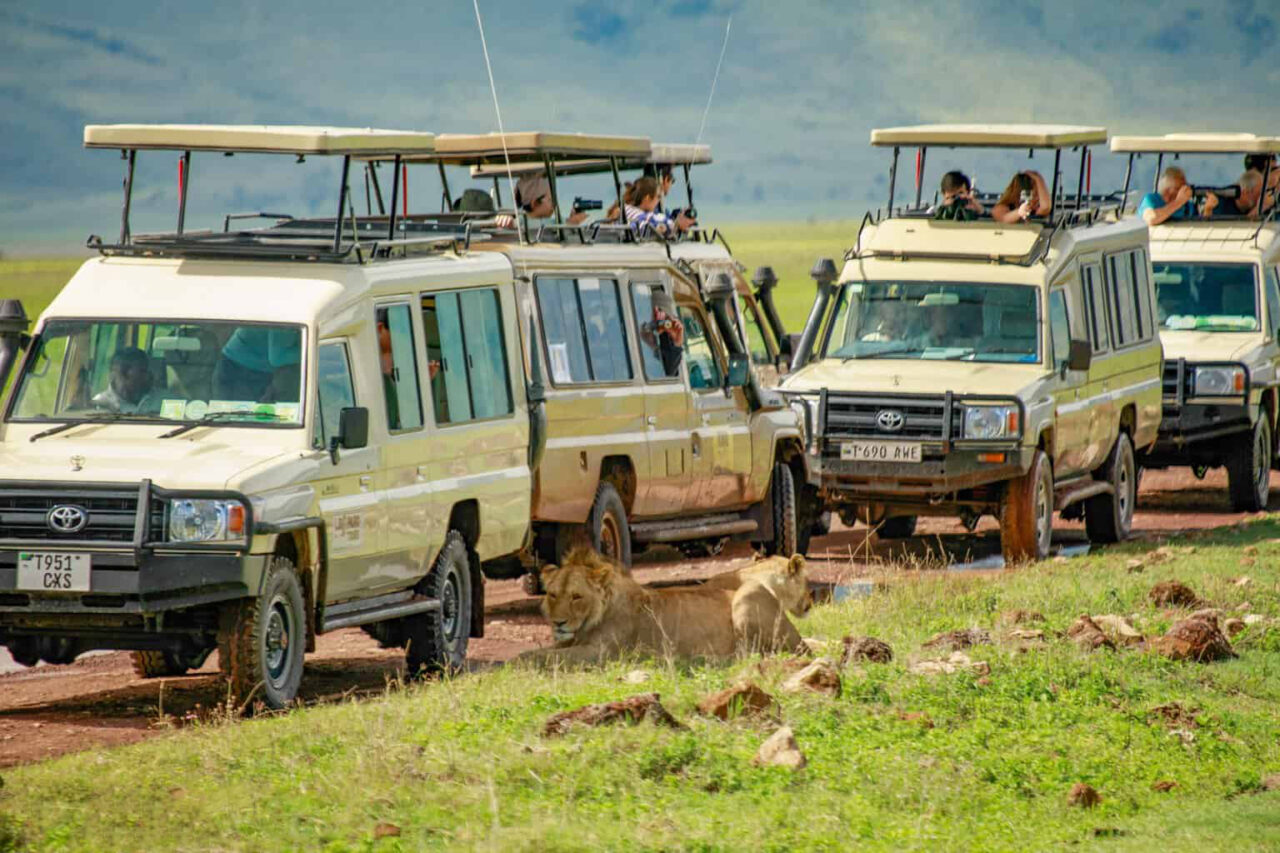

Planning Your Senegal Itinerary for 2026-2027: A Comprehensive Guide
Senegal, a vibrant nation on West Africa’s westernmost tip, offers a rich blend of history, culture, natural beauty, and warm hospitality. From the bustling markets of Dakar to the serene shores of the Casamance, planning a Senegal itinerary requires thoughtful consideration to make the most of your visit. Whether you’re drawn to its historical significance, diverse landscapes, or lively music scene, this guide will help you structure your trip for 2026 or 2027, ensuring a memorable experience.
This extensive guide is designed for travelers aiming to explore Senegal, providing practical advice, itinerary suggestions, and essential planning details. We’ll cover everything from when to go and what to see, to how to get around and what to pack, helping you create a Senegal itinerary that perfectly suits your interests and travel style.
Quick Answer: Senegal Itinerary Essentials
A typical 10-14 day Senegal itinerary often includes Dakar, Île de Gorée, Toubab Dialaw, Saint-Louis, and a taste of the Sine Saloum Delta. The best time to visit is during the dry season, from November to April. Key considerations for your 2026-2027 Senegal itinerary include understanding local customs, transportation options, and necessary preparations. This guide offers in-depth advice for a well-rounded trip.
| Aspect | Details |
|---|---|
| Capital City | Dakar |
| Official Language | French |
| Widely Spoken Languages | Wolof, Pulaar, Serer, Mandinka, Soninke |
| Currency | West African CFA franc (XOF) |
| Best Time to Visit | November to April (Dry Season) |
| Visa Requirements | Varies by nationality; check with your embassy. |
| Electricity | 230V, 50Hz, Type E plugs |
Why Plan a Senegal Itinerary?
Senegal offers a unique window into West African culture, history, and natural landscapes. It’s a country that often surprises visitors with its diversity and the genuine warmth of its people. Planning your Senegal itinerary allows you to:
- Experience Rich History: From the poignant Île de Gorée to the colonial architecture of Saint-Louis, Senegal’s past is palpable.
- Discover Diverse Landscapes: Explore vibrant cities, coastal beaches, the unique mangrove ecosystems of the Sine Saloum, and the desert-like conditions of the Ferlo.
- Immerse in Culture: Engage with vibrant music, art, and traditions, including wrestling (Laamb) and storytelling.
- Enjoy Wildlife: Visit national parks like Niokolo-Koba for a chance to see diverse fauna.
- Connect with Locals: Senegal is known for its hospitality, offering opportunities for genuine interactions.
Best Time to Visit Senegal for Your Itinerary
The climate in Senegal is tropical, with distinct wet and dry seasons. For most travelers, the dry season offers the most comfortable conditions for exploring and is the ideal period for your 2026 or 2027 Senegal itinerary.
| Season | Months | Weather & Conditions | Traveler Experience |
|---|---|---|---|
| Dry Season (Cooler) | November – February | Pleasant temperatures (20s°C), low humidity, minimal rain. Harmattan winds can bring dust. | Ideal for sightseeing, beach activities, and wildlife viewing. Most comfortable for travel. |
| Dry Season (Hotter) | March – April | Temperatures rise (30s°C), still dry but can feel hotter. | Good for travel, but expect warmer days. Less crowded than peak season. |
| Wet Season (Green Season) | May – October | High humidity, frequent (often heavy) rainfall, especially July-September. Temperatures remain warm. | Landscapes are lush and green. Fewer tourists. Road conditions can be challenging in rural areas. Good for birdwatching. |
Recommendation for 2026-2027: Aim for November through April for the best weather. If you prefer fewer crowds and don’t mind warmer temperatures, March and April are good options. The shoulder months of October and May can also be viable if you are prepared for some humidity and occasional rain.
Key Destinations for Your Senegal Itinerary
A well-crafted Senegal itinerary will likely include a mix of these diverse locations:
1. Dakar: The Vibrant Capital
Dakar is the bustling heart of Senegal, a sprawling coastal metropolis. It’s often the entry point for international travelers and offers a mix of modern life and historical echoes.
- Must-Sees: Place de l’Indépendance, Grand Mosque, Cathédrale de Notre-Dame des Victoires, the markets (Marché Kermel, Marché Tilène), IFAN Museum (Museum of African Arts), Monument de la Renaissance Africaine.
- Activities: Enjoy fresh seafood, explore art galleries, experience live music, and soak in the city’s energetic atmosphere.
2. Île de Gorée: A UNESCO World Heritage Site
Just a short ferry ride from Dakar, Île de Gorée is a place of profound historical significance. It was a major center for the Atlantic slave trade, and its Maison des Esclaves (House of Slaves) is a somber but essential visit.
- Focus: Understanding the history of the slave trade, reflecting on its impact, and appreciating the island’s charming colonial architecture and quiet streets.
- Time Needed: A half-day to a full day is usually sufficient.
3. Saint-Louis: Colonial Charm and Birdlife
Located in the north, Saint-Louis is Senegal’s former capital and a UNESCO World Heritage site. Its unique architecture, laid-back atmosphere, and proximity to bird reserves make it a highlight.
- Highlights: The historic Langue de Barbarie bridge, colonial buildings on the island, the Faidherbe Square, and the nearby Djoudj National Bird Sanctuary (seasonal).
- Activities: Stroll along the corniche, visit the local markets, take a pirogue trip, and enjoy the artistic vibe.
4. Sine Saloum Delta: Mangroves and Serenity
This UNESCO Biosphere Reserve is a stunning network of rivers, mangroves, and islands. It’s a paradise for nature lovers and those seeking tranquility.
- Experiences: Boat trips through mangrove channels, birdwatching, visiting traditional fishing villages (like Toubacouta or Djifer), exploring shell islands, and enjoying fresh seafood.
- Best for: Relaxation, nature, photography, and cultural immersion in rural life.
5. Toubab Dialaw: Arts and Coastal Village Life
A small coastal village south of Dakar, Toubab Dialaw is known for its vibrant arts scene, particularly the SeneGambia Village de la Culture. It’s a bohemian escape with dramatic red cliffs.
- Activities: Visit artist studios, watch performances, enjoy the beach, and experience a more relaxed pace of life.
6. Toubacouta: Gateway to the Sine Saloum
Often used as a base for exploring the Sine Saloum Delta, Toubacouta offers lodges and a chance to connect with local life and the natural environment.
7. Pink Lake (Lac Rose): Natural Wonder
Famous for its high salt content that turns the water pink (especially during the dry season), Lac Rose is a unique natural phenomenon and a former finish line for the Dakar Rally.
- Activities: See salt harvesters at work, take a dip (it’s very buoyant), and enjoy the unusual landscape. Often visited as a day trip from Dakar.
8. Niokolo-Koba National Park: Wildlife Safari
For wildlife enthusiasts, Niokolo-Koba, a UNESCO World Heritage site, is Senegal’s premier national park. It hosts a variety of mammals and birds.
- Wildlife: Lions, leopards, elephants, baboons, various antelopes, and over 300 bird species.
- Considerations: Requires dedicated time and potentially a 4×4 vehicle. Best visited during the dry season when animals congregate near water sources.
9. Casamance Region: Southern Charm
South of The Gambia, the Casamance is a lush, tropical region known for its distinct culture, relaxed atmosphere, and beautiful beaches. It was historically more isolated but is becoming more accessible.
- Key Towns: Ziguinchor (regional capital), Cap Skirring (beach resort), Elinkine.
- Activities: Explore rice paddies, visit traditional villages, relax on beaches, and experience the unique Kasa culture.
Sample Senegal Itinerary Routes for 2026-2027
Here are a few itinerary options, adaptable for different lengths of stay. These are suggestions to help you build your perfect Senegal itinerary.
Option 1: Classic Senegal (10 Days)
This itinerary covers the most iconic highlights for a first-time visitor.
| Day | Location | Activities |
|---|---|---|
| 1 | Dakar | Arrival, check-in, explore local neighborhood. |
| 2 | Dakar | City tour: Grand Mosque, IFAN Museum, markets. |
| 3 | Île de Gorée | Day trip to Île de Gorée: Maison des Esclaves, historical sites. |
| 4 | Lac Rose & Toubab Dialaw | Visit Lac Rose, then head to Toubab Dialaw for art and coastal views. Overnight in Toubab Dialaw or nearby. |
| 5 | Saint-Louis | Travel to Saint-Louis. Settle in, explore the island town. |
| 6 | Saint-Louis & Djoudj (Seasonal) | Explore Saint-Louis further. If season permits (Nov-Apr), visit Djoudj National Bird Sanctuary. |
| 7 | Sine Saloum Delta | Travel south to the Sine Saloum Delta. Check into accommodation (e.g., Toubacouta). |
| 8 | Sine Saloum Delta | Boat trip through mangroves, birdwatching, visit a fishing village. |
| 9 | Return to Dakar | Leisurely morning in Sine Saloum, then travel back to Dakar. Farewell dinner. |
| 10 | Departure | Departure from Dakar. |
Option 2: In-Depth Senegal (14 Days)
This longer itinerary allows for more exploration and relaxation, potentially including the Casamance or Niokolo-Koba.
| Day | Location | Activities |
|---|---|---|
| 1-2 | Dakar | Arrival, city exploration, museums, markets. |
| 3 | Île de Gorée | Full day exploring Île de Gorée. |
| 4 | Lac Rose & Toubab Dialaw | Lac Rose, Toubab Dialaw, coastal arts village. Overnight near Toubab Dialaw. |
| 5-7 | Saint-Louis | Travel to Saint-Louis. Explore the city, Langue de Barbarie, Djoudj (seasonal). |
| 8-10 | Sine Saloum Delta | Travel south. Explore mangroves by boat, birdwatching, visit villages. Stay in Toubacouta or similar. |
| 11-12 | Casamance (e.g., Ziguinchor/Cap Skirring) | Travel to Casamance (flight or longer drive/ferry). Explore Ziguinchor, relax at Cap Skirring. |
| 13 | Return to Dakar | Travel back to Dakar (flight recommended for time saving). Farewell dinner. |
| 14 | Departure | Departure. |
Option 3: Senegal & Gambia Combined (14 Days)
Experience the best of both neighboring countries.
| Day | Location | Activities |
|---|---|---|
| 1-3 | Dakar & Île de Gorée | Dakar city tour, Île de Gorée visit. |
| 4 | Lac Rose & Toubab Dialaw | Lac Rose, Toubab Dialaw art village. |
| 5-6 | Saint-Louis | Travel to Saint-Louis, explore, Djoudj (seasonal). |
| 7 | Travel to The Gambia | Travel south towards the Gambian border. Cross and head towards Banjul or Serekunda. |
| 8-10 | The Gambia | Explore Banjul, visit the Kachikally Crocodile Pool, explore Makasutu Culture Forest, relax on the beaches of Serekunda or Kololi. |
| 11 | Janjanbureh Island (Georgetown) | Travel inland to Janjanbureh for a more rural experience, boat trips, birding. |
| 12 | Return towards Senegal border | Begin journey back towards Senegal. Overnight near the border or in Casamance. |
| 13 | Casamance (Optional) / Return to Dakar | Option to briefly explore Casamance, or travel directly back to Dakar (flight recommended from Ziguinchor if time is tight). |
| 14 | Departure | Departure from Dakar. |
How to Get Around Senegal: Transportation for Your Itinerary
Navigating Senegal involves a few primary modes of transport. Your choice will depend on your budget, time, and comfort level.
- Aircraft: Domestic flights connect Dakar with Ziguinchor (Casamance) and Cap Skirring. This is the fastest way to cover long distances, especially to the south, saving considerable travel time for a 2026-2027 trip.
- Buses: Companies like Sen Bus and Ndiaga Ndiaye offer intercity travel. They are economical but can be crowded and make frequent stops.
- Shared Taxis (Sept-plats): These are the most common form of long-distance travel. Cars (often Peugeot 504s) run between towns, departing when full. They are relatively inexpensive but can be cramped and journeys are unpredictable.
- Private Taxis: For more comfort and flexibility, you can hire a private taxi for a fixed price. This is a good option for groups or for specific day trips.
- Car Rental: Renting a car offers the most freedom, but road conditions can vary, and driving in cities like Dakar can be challenging. A 4×4 is recommended for national parks or off-the-beaten-path areas. Ensure you have an International Driving Permit.
- Ferries: Essential for reaching Île de Gorée from Dakar and sometimes used for crossing rivers.
- Pirogues: Traditional dugout canoes, used for exploring rivers and coastal areas, especially in the Sine Saloum.
What to Expect: Culture, Food, and Safety on Your Senegal Itinerary
Culture and Etiquette
Senegal is a predominantly Muslim country, with a strong tradition of hospitality. Key cultural aspects to be aware of:
- Greetings: Politeness is important. Always greet people when entering a shop or approaching someone. A handshake is common.
- Dress Code: While Dakar is relatively liberal, modest dress is appreciated, especially outside major tourist areas and when visiting religious sites. Shoulders and knees should generally be covered.
- Photography: Always ask permission before taking photos of people.
- Ramadan: If traveling during Ramadan, be mindful that eating, drinking, and smoking in public during fasting hours is discouraged. Many restaurants may have reduced hours.
- Music and Dance: Senegal has a rich musical heritage (Mbalax is famous). Be open to experiencing live performances.
Food and Drink
Senegalese cuisine is flavorful and varied. Rice is a staple, often served with fish or meat.
- National Dish: Thiéboudienne (fish and rice) is a must-try.
- Other Specialties: Yassa (chicken or fish marinated in lemon and onions), Mafe (meat stew with peanut sauce), Supa Kandja (okra stew).
- Drinks: Bissap (hibiscus tea), Bouye (baobab fruit juice), and local beers (like Gazelle or Flag).
- Safety: Drink bottled water. Be cautious with street food, though many vendors are reputable.
Safety and Health
Senegal is generally considered safe for tourists, but standard precautions apply.
- Petty Crime: Be aware of pickpocketing in crowded areas like markets and bus stations. Keep valuables secure.
- Scams: Be wary of overly friendly strangers offering unsolicited help or tours, as they may expect payment.
- Health: Consult your doctor about necessary vaccinations (e.g., Yellow Fever, Hepatitis A, Typhoid) well in advance of your 2026-2027 trip. Malaria prophylaxis is often recommended. Protect yourself from mosquitoes.
- Road Safety: Driving can be erratic. If hiring a driver, ensure they are experienced and drive cautiously.
- Emergency Contacts: Keep local emergency numbers handy.
Common Mistakes to Avoid on Your Senegal Itinerary
To ensure a smoother trip, be aware of these common pitfalls:
- Underestimating Travel Times: Distances may not seem vast, but road conditions and the nature of local transport mean journeys often take longer than expected. Factor in buffer time for your 2026-2027 Senegal itinerary.
- Not Learning Basic French or Wolof Phrases: While French is official and English is spoken in tourist hubs, knowing a few words in French and especially Wolof (the most widely spoken local language) greatly enhances interactions.
- Ignoring Local Customs: Failing to dress modestly or greet people properly can cause unintentional offense.
- Not Booking Accommodation in Advance (especially in peak season): While spontaneous travel is possible, popular spots can fill up, particularly during the dry season.
- Over-scheduling: Senegal is a place to slow down and absorb the atmosphere. Trying to cram too much in will lead to exhaustion.
- Not Carrying Enough Cash: While ATMs are available in Dakar and larger towns, smaller villages and many vendors operate on cash. Ensure you have enough XOF.
- Not Being Prepared for the Heat: Even in the dry season, temperatures can be high. Stay hydrated and protect yourself from the sun.
Who is a Senegal Itinerary Best For?
Senegal appeals to a range of travelers:
- Culture Enthusiasts: Those fascinated by history, music, art, and diverse ethnic groups.
- Adventure Seekers: Travelers looking for authentic experiences, off-the-beaten-path exploration, and diverse activities like birdwatching and exploring national parks.
- History Buffs: Individuals interested in the colonial past and the complex legacy of the slave trade.
- Nature Lovers: People drawn to unique ecosystems like mangrove deltas and vibrant birdlife.
- Budget Travelers: Senegal can be explored affordably using local transport and guesthouses.
- Solo Travelers: The welcoming nature of the Senegalese people makes it a relatively safe and accessible destination for solo explorers.
Alternatives to a Standard Senegal Itinerary
If Senegal doesn’t quite fit your needs, consider these West African neighbors:
| Destination | Key Attractions | Travel Style Suitability | Why Choose This Over Senegal? |
|---|---|---|---|
| The Gambia | Beaches, River Gambia, birdlife, laid-back atmosphere. | Relaxation, nature, budget-friendly. | More focused on beach holidays and river exploration, generally considered more relaxed and easier to navigate for first-time West Africa visitors. |
| Ghana | History (slave forts), culture, national parks, vibrant Accra. | History, culture, nature, well-developed tourism infrastructure. | More developed tourism infrastructure, a wider range of historical sites related to the slave trade, and diverse landscapes from coast to rainforest. |
| Mali (Note: Current travel advisories recommend avoiding non-essential travel due to security concerns) | Dogon Country, Timbuktu, rich musical heritage. | Deep cultural immersion, historical exploration. | Unparalleled ancient history and unique cultural practices (though currently challenging to access safely). |
| Morocco | Imperial cities, Sahara Desert, Atlas Mountains, diverse culture. | Culture, history, adventure, varied landscapes. | More varied landscapes (desert, mountains, coast), easier accessibility from Europe, wider range of tourist facilities. |
Planning Your 2026-2027 Senegal Itinerary: Practical Tips
Advance planning is key for a successful trip. Here’s what to consider for your 2026 or 2027 travel dates.
Visas and Entry Requirements
Visa requirements vary by nationality. Many nationalities can obtain a visa on arrival or may be exempt for short stays. However, it’s crucial to check the latest regulations with the Senegalese embassy or consulate in your country well in advance of your travel dates for 2026-2027.
Health Precautions
Consult a travel clinic or your doctor 4-6 weeks before departure. Recommended vaccinations often include Yellow Fever (required for entry from some countries), Hepatitis A, Typhoid, and Tetanus. Discuss malaria prevention. Carry a basic first-aid kit.
Money Matters
The currency is the West African CFA franc (XOF). While ATMs are available in Dakar and larger cities, they can be unreliable. It’s advisable to carry a mix of cash (USD or Euros for exchange) and a credit/debit card. Inform your bank of your travel plans.
Connectivity
SIM cards are readily available and affordable if you want local data and calls. Wi-Fi is common in hotels and restaurants in tourist areas, but speeds can vary.
Packing Essentials for Your Senegal Itinerary
Pack light, breathable clothing. Consider the following:
- Lightweight, breathable clothing (cotton, linen)
- Long-sleeved shirts and trousers for sun and insect protection
- Modest clothing for visiting villages and religious sites
- Swimsuit
- Comfortable walking shoes/sandals
- Sun hat, sunglasses, high SPF sunscreen
- Insect repellent (with DEET)
- Basic first-aid kit and personal medications
- Reusable water bottle
- Power adapter and portable charger
- Camera and extra memory cards
- Small backpack for day trips
- Copies of important documents (passport, visa, insurance)
- Hand sanitizer
Booking Your Senegal Trip: Tips for 2026-2027
Whether you prefer independent travel or a guided experience, here’s how to approach booking your Senegal itinerary.
Independent Travel
This offers maximum flexibility. Book flights and initial accommodation in Dakar. Once there, you can arrange transport and lodging using local taxis, buses, or by booking guesthouses on the spot. For specific activities like boat tours in Sine Saloum or visits to national parks, it’s often best to arrange these through your hotel or a local guide.
Using a Tour Operator
For a more structured and often hassle-free experience, consider booking with a reputable tour operator. This is especially beneficial for:
- First-time visitors who want a curated experience.
- Travelers seeking in-depth cultural immersion with local guides.
- Those wanting to visit remote areas like Niokolo-Koba or explore the Sine Saloum efficiently.
- Anyone who prefers to have logistics handled (transport, accommodation, activities).
When choosing an operator for your 2026-2027 Senegal itinerary, look for companies with local expertise, positive reviews, and a commitment to responsible tourism. Top Guide Adventures specializes in creating personalized West African travel experiences, including tailored Senegal itineraries. They can assist with everything from flights and accommodation to guided tours and unique cultural encounters.
Contact Top Guide Adventures to discuss your custom Senegal itinerary:
- WhatsApp: +255616946642
- Email: topguideadventures@gmail.com
- Backup Email: info@topguideadventures.com
Booking Timeline for 2026-2027
- Flights: Book 3-6 months in advance for the best prices, especially if traveling during the peak dry season (December-February).
- Accommodation: Book popular hotels or lodges 1-3 months ahead, particularly for key locations like Saint-Louis or Sine Saloum during peak times.
- Tours/Guides: For specialized tours or private guides, booking 1-2 months in advance is advisable.
Frequently Asked Questions About a Senegal Itinerary
1. What is the best way to structure a 7-day Senegal itinerary?
For a 7-day trip, focus on Dakar and its immediate surroundings. A possible structure: Day 1-3 Dakar (city, museums, markets), Day 4 Île de Gorée, Day 5 Lac Rose and Toubab Dialaw, Day 6-7 travel back to Dakar for departure or a final day exploring more of the capital. This minimizes travel time and maximizes sightseeing.
2. Is Senegal safe for solo female travelers planning an itinerary for 2026?
Senegal is generally considered one of the safer West African countries for solo travelers, including women. Senegalese people are known for their hospitality. However, as with any destination, it’s important to exercise common sense, dress modestly, be aware of your surroundings, avoid walking alone late at night in unfamiliar areas, and be cautious of overly friendly strangers. Stick to reputable transport and accommodation.
3. What are the must-try foods for my Senegal itinerary?
You absolutely must try Thiéboudienne (fish and rice), Yassa (lemon and onion marinated chicken or fish), and Mafe (meat stew with peanut sauce). Don’t miss out on refreshing local drinks like Bissap (hibiscus tea) and Bouye (baobab juice).
4. How much cash should I carry for my Senegal itinerary?
While ATMs exist in major cities, they can be unreliable. It’s best to carry a mix of cash (USD or Euros to exchange) and a debit/credit card. For smaller towns, markets, and local transport, cash is essential. Budget for your daily expenses, snacks, souvenirs, and local transport, and carry a bit extra for unforeseen circumstances. A rough daily budget (excluding accommodation and major tours) could range from $30-$70 USD per person, depending on your spending habits.
5. Can I visit national parks like Niokolo-Koba on a short Senegal itinerary?
Visiting Niokolo-Koba typically requires at least 2-3 days, including travel time to and from the park, and often requires a 4×4 vehicle and a guide. It’s best suited for longer itineraries (14 days or more) or if you dedicate a significant portion of a shorter trip to wildlife viewing. For a shorter trip, consider the birdlife in Djoudj or Sine Saloum.
6. What is the best way to travel between Dakar and Saint-Louis for my 2027 itinerary?
The most common and economical ways are by shared taxi (sept-plat) or by bus. The journey takes approximately 4-5 hours. For greater comfort and flexibility, you can hire a private taxi, which will be more expensive but allows for stops along the way.
7. Do I need to speak French to travel in Senegal?
French is the official language and widely spoken in business and administration. Wolof is the most common local language. While English is understood in some tourist hotels and by some guides in Dakar, knowing basic French phrases will significantly enhance your experience and interactions. Learning a few Wolof greetings is also highly appreciated by locals.
8. What are the main cultural considerations for a Senegal itinerary?
Senegal is a conservative, predominantly Muslim country. Respect local customs by dressing modestly, especially outside of Dakar and when visiting religious sites. Always ask permission before photographing people. Greetings are important; a polite “Salam Alaikum” (peace be upon you) is a good start. Be patient and understand that things may move at a slower pace.
9. When is the best time to visit the Sine Saloum Delta for birdwatching?
The Sine Saloum Delta is excellent for birdwatching year-round, but the dry season (November to April) is particularly good as many migratory birds are present. The wet season also offers opportunities with lush vegetation.
10. How can I book a reliable tour for my Senegal itinerary in 2026?
To book a reliable tour for your 2026 Senegal itinerary, research tour operators that specialize in West Africa and have a strong local presence. Look for reviews, check their websites for detailed itineraries and inclusions, and contact them directly to discuss your needs. Top Guide Adventures (WhatsApp: +255616946642, Email: topguideadventures@gmail.com) is a reputable operator experienced in crafting personalized Senegal trips.
Conclusion: Crafting Your Unforgettable Senegal Itinerary
Senegal offers a rich, authentic, and diverse travel experience that appeals to a wide range of visitors. By carefully planning your Senegal itinerary, considering the best time to visit, understanding local customs, and choosing the right transport, you can create a journey filled with discovery and memorable encounters. Whether you opt for a whirlwind tour of the highlights or a deep dive into its cultural heartlands, Senegal promises an adventure that resonates long after you leave.
For personalized assistance in designing your perfect Senegal itinerary for 2026 or 2027, and to ensure a smooth and enriching trip, reach out to experienced local guides. They can help tailor an adventure that matches your interests and budget.
Contact Top Guide Adventures to start planning your dream Senegal itinerary:
- WhatsApp: +255616946642
- Email: topguideadventures@gmail.com
- Backup Email: info@topguideadventures.com
Let us help you create an unforgettable Senegal itinerary.
Plan your Senegal itinerary with Top Guide Adventures
Tell us your travel dates, group size, comfort level, and dream experience. We will help you shape a clear, realistic, and memorable Tanzania itinerary.

 Veedesigner
 Fatma Kizanga
 Benjamin Waryuba
 Philip Philip
 John jr Itaja
 Antonia Optatus
 Edith Kanyere
 Neema Iddy
 Kelvin Boniphace
 Damari Maiga



