
Updated planning guide for 2026-2027
Best Time To Visit Africa: Expert Tanzania Guide
Planning your dream trip to Africa? This comprehensive guide helps you determine the best time to visit, focusing on Tanzania's diverse experiences like safaris, Kilimanjaro treks, and Zanzibar getaways. Get practical advice for 2026-2027 travel.
WhatsApp +255616946642 | topguideadventures@gmail.com | info@topguideadventures.com
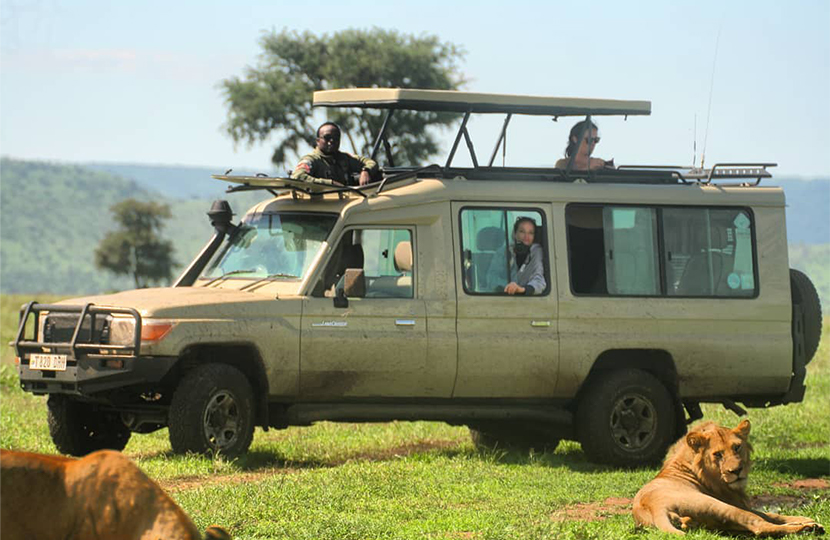
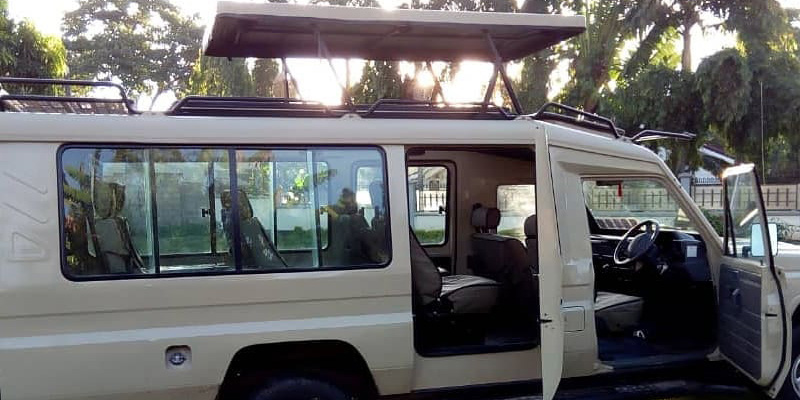
Best Time to Visit Africa: Your Comprehensive Planning Guide
Africa is a continent of incredible diversity, from the vast savannas teeming with wildlife to the snow-capped peaks of Kilimanjaro and the turquoise waters of Zanzibar. Deciding on the best time to visit Africa is crucial for maximizing your experience, especially when focusing on a specific region like Tanzania. This guide will walk you through the nuances of seasonality, wildlife movements, weather patterns, and cultural events to help you plan your perfect African adventure for 2026, 2027, and beyond.
While many dream of Africa, the sheer scale and variety of experiences can make planning overwhelming. This article aims to simplify that process, offering practical insights tailored for travelers looking at Tanzania’s most popular offerings: thrilling safaris in the Serengeti and Ngorongoro Crater, challenging treks up Mount Kilimanjaro, and relaxing beach holidays in Zanzibar. We’ll cover everything from the ideal months for game viewing to the best conditions for climbing Africa’s highest peak, and when to enjoy Zanzibar’s tropical climate.
Quick Answer: When is the Best Time to Visit Africa (Tanzania)?
For the best time to visit Africa, particularly Tanzania, aiming for the dry seasons is generally recommended for safaris and Kilimanjaro. This typically falls between June and October (the long dry season) and January and February (a shorter dry spell). Zanzibar enjoys pleasant weather year-round, but the driest months are generally June to October and December to March.
Table of Contents
- Quick Facts About Visiting Tanzania
- Africa and Tanzania: A World of Experiences
- Why Seasonality Matters for Your African Trip
- The Best Time for African Safaris in Tanzania
- The Best Time to Climb Mount Kilimanjaro
- The Best Time for Zanzibar Holidays
- Tanzania’s Regional Seasonality Breakdown
- Planning Your 2026-2027 African Adventure
- What to Expect During Different Seasons
- Essential Inclusions and Packing Advice
- Common Mistakes to Avoid When Planning
- Who is the Best Time to Visit Africa Best For?
- Alternative African Destinations and Times
- Booking Your Tanzania Tour: Expert Tips
- Frequently Asked Questions (FAQs)
- Ready to Plan Your Dream Trip?
Quick Facts About Visiting Tanzania
| Aspect | Details |
|---|---|
| Main International Airport | Julius Nyerere International Airport (DAR) in Dar es Salaam; Kilimanjaro International Airport (JRO) for Northern Circuit. |
| Visa Requirements | Most nationalities require a visa, obtainable online or on arrival. Check current regulations. |
| Currency | Tanzanian Shilling (TZS). USD widely accepted for tourist services. |
| Language | Swahili (official), English widely spoken in tourist areas. |
| Best for Safari | June – October (Great Migration, dry season); January – February (calving season). |
| Best for Kilimanjaro | January – March and June – October (dry, clearer skies). |
| Best for Zanzibar | June – October and December – March (dry, less humid). |
| Health Precautions | Consult your doctor about malaria prophylaxis and recommended vaccinations. |
Africa and Tanzania: A World of Experiences
Africa is not a single destination but a continent of immense geographical, cultural, and ecological variety. When travelers ask about the best time to visit Africa, they are often thinking about iconic experiences that are most accessible and rewarding during specific periods. For many, this means the unparalleled wildlife viewing opportunities on a safari, the challenge and majesty of climbing Mount Kilimanjaro, or the idyllic relaxation on the spice-scented islands of Zanzibar. Tanzania, as a premier African destination, offers all of these, making it a focal point for understanding optimal travel times.
Tanzania boasts some of the most famous national parks in the world, including the Serengeti, Ngorongoro Conservation Area, Tarangire, and Lake Manyara. These parks are home to the ‘Big Five’ (lion, leopard, elephant, rhino, buffalo) and are central to the Great Migration, a spectacular natural phenomenon involving millions of wildebeest, zebras, and gazelles. Beyond the northern safari circuit, the country offers the roof of Africa, Mount Kilimanjaro, a dormant volcano that is a magnet for trekkers. To the east, the Zanzibar archipelago provides a tropical counterpoint with its white-sand beaches, coral reefs, and rich history.
Understanding the climate and its impact on wildlife behavior, vegetation, and the overall travel experience is key. Africa’s seasons are distinct, driven by rainfall patterns. These patterns influence everything from the availability of water for animals to the accessibility of roads and trails. Therefore, choosing the right time to visit is not just about avoiding rain; it’s about aligning your trip with the specific natural events and conditions that will make your adventure truly unforgettable.
Why Seasonality Matters for Your African Trip
The climate across Africa varies dramatically, but for many popular tourist destinations like Tanzania, rainfall is the primary driver of seasonal changes. These changes directly impact the travel experience in several critical ways:
- Wildlife Viewing: During the dry season, wildlife congregates around permanent water sources, making animals easier to spot. Conversely, during the wet season, animals disperse, and the vegetation becomes thicker, providing more cover. The Great Migration’s movement is also dictated by rainfall, influencing where and when to see millions of animals on the move.
- Vegetation and Landscape: The landscape transforms with the seasons. The dry season brings golden, parched plains, while the wet season results in lush, green scenery. Both have their unique beauty, but the dry season often offers better visibility for photography and spotting wildlife.
- Accessibility: Heavy rains can make unpaved roads in national parks and remote areas difficult or impossible to traverse, potentially limiting access to certain regions or requiring specialized vehicles. This is particularly relevant for reaching remote safari camps or accessing the base of Kilimanjaro.
- Trekking Conditions: For Mount Kilimanjaro, dry seasons mean clearer skies, better visibility from the summit, and less slippery trails. Wet seasons can bring rain, fog, and snow at higher altitudes, making the climb more challenging and potentially hazardous.
- Beach and Island Experiences: While Zanzibar is warm year-round, the rainy seasons can bring humidity, overcast skies, and rougher seas, which might detract from the beach holiday experience.
- Crowds and Prices: Peak seasons, often coinciding with the dry months and major holidays, tend to be busier and more expensive. Traveling during the shoulder or low seasons can offer a more intimate experience and potentially better value.
Understanding these factors allows you to tailor your trip to your priorities, whether it’s witnessing the Great Migration, achieving a Kilimanjaro summit, or simply relaxing on a pristine beach.
The Best Time for African Safaris in Tanzania
When people think of an African safari, images of vast plains dotted with wildlife often come to mind. For Tanzania, the best time to visit Africa for a safari is largely determined by the movement of the Great Migration and the dry seasons, which concentrate animals.
The Great Migration: A Spectacle of Nature
The Great Migration is a year-round phenomenon, but its location and intensity change. Understanding its cycle is key to planning your safari:
- December – March: The wildebeest and zebras are typically in the southern Serengeti and Ndutu area (bordering Ngorongoro Conservation Area). This is the calving season, offering incredible opportunities to see newborns and predator-prey interactions. The landscape is lush and green.
- April – May: The ‘long rains’ usually occur during this period. The migration begins to move north, but the herds can be dispersed. Roads can be challenging.
- June – October: This is the long dry season. The migration herds are usually in the western and northern Serengeti. This is the prime time to witness the dramatic river crossings of the Grumeti (June/July) and Mara rivers (July/August/September) as the animals head north into Kenya’s Masai Mara. Animals are concentrated around water sources, making game viewing excellent. This is considered the peak safari season.
- November: The ‘short rains’ typically occur, and the migration starts to head south again, often passing through the central Serengeti.
Beyond the Migration: Year-Round Game Viewing
Even outside the peak migration months, Tanzania offers exceptional game viewing:
- Dry Season (June – October): Ideal for spotting a wide range of animals due to limited water. Visibility is excellent. This is the most popular time, so expect more vehicles.
- Shoulder Season (January – March): Excellent game viewing, especially in the Ngorongoro Crater and surrounding areas, which have resident wildlife. The Serengeti calving season is a major draw. The landscape is beautiful, and crowds are generally smaller than in the peak dry season.
- Wet Season (November – May): While not ideal for everyone, the wet season has its advantages. The landscape is incredibly green and beautiful, birdwatching is superb (migratory birds are present), and prices can be lower. Wildlife is more dispersed, but predator sightings can still be excellent. The Ngorongoro Crater remains a reliable year-round destination.
For many, the best time to visit Africa for a safari in Tanzania is during the dry season (June-October) to witness the Great Migration river crossings or during the calving season (January-February) for dramatic predator action.
The Best Time to Climb Mount Kilimanjaro
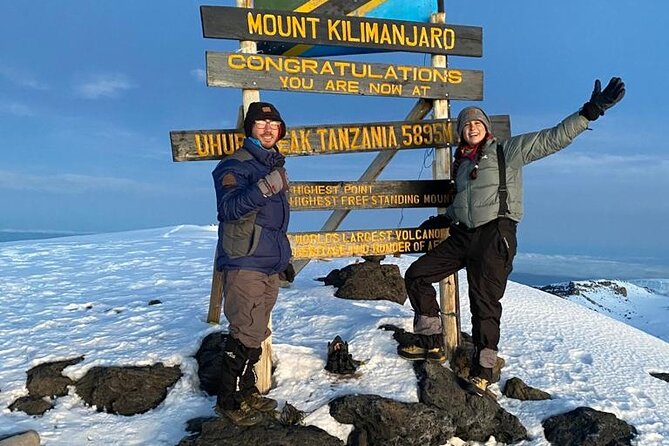
Climbing Mount Kilimanjaro is a significant undertaking, and choosing the right time can greatly influence your experience. The mountain’s weather is notoriously unpredictable, but certain periods offer more favorable conditions.
Dry Seasons for Climbing
The two main dry seasons are considered the best time to visit Africa for Kilimanjaro treks:
- January – March: This period is generally dry and clear. It’s a popular time to climb, offering good visibility from the summit. Temperatures can be cold, especially at higher altitudes, and there might be snow at the peak.
- June – October: This is another excellent dry window. The skies are usually clear, and the weather is stable, though it can be colder than the January-March period. This is also a peak time for safaris in the nearby parks, making it convenient for multi-activity trips.
Wet Seasons and Considerations
The wet seasons present more challenges:
- April – May: These months often experience heavy rainfall, especially on the lower slopes. Trails can become muddy and slippery, and visibility is often poor due to clouds and fog. This is generally considered the worst time to climb.
- November – December: This period sees the ‘short rains’. While not as intense as the April-May rains, they can still bring significant precipitation, fog, and reduced visibility.
Other Factors for Kilimanjaro
- Crowds: The dry seasons, especially June-October and January-March, are the busiest. If you prefer fewer people on the mountain, consider the shoulder periods within these dry windows or travel slightly off-peak.
- Temperature: Expect freezing temperatures at the summit and higher camps year-round, particularly during the dry seasons. Pack accordingly.
- Visibility: Clear skies are most common during the dry periods, offering breathtaking views from the summit.
For the best time to visit Africa to conquer Kilimanjaro, aim for the dry seasons: January-March and June-October.
The Best Time for Zanzibar Holidays
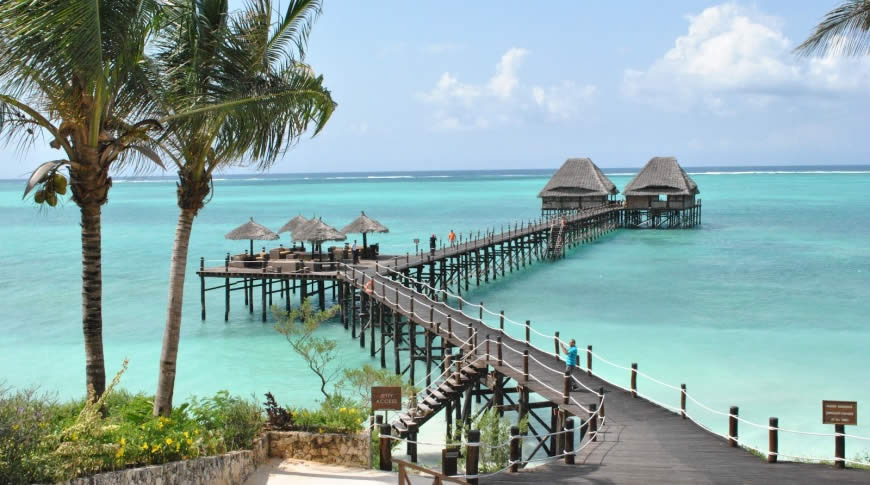
Zanzibar, the ‘Spice Island’, offers a tropical escape with stunning beaches, rich history, and vibrant culture. While it’s a year-round destination, certain times offer the most pleasant weather for relaxation and water activities.
Dry and Pleasant Months
The most comfortable times to visit Zanzibar are during its dry spells:
- June – October: This is the longest dry season, characterized by warm, sunny days and relatively low humidity. The sea is generally calm, making it ideal for swimming, snorkeling, and diving. This period coincides with the dry season on the mainland, making it a popular choice for combining safari and beach holidays.
- December – March: Another dry period, though typically hotter and more humid than the June-October window. The sun is intense, and the seas are usually calm, offering excellent beach conditions. This is a popular time for European and American travelers seeking winter sun.
Rainy Seasons and Considerations
Zanzibar experiences two rainy seasons:
- April – May: This is the period of the ‘long rains’. Expect heavy, often prolonged downpours, high humidity, and overcast skies. While you can still find sunny spells, it’s generally not the ideal time for a beach holiday. Many resorts offer lower prices during this period.
- November – December: The ‘short rains’ bring scattered showers, often in the afternoon. While not as disruptive as the long rains, they can still affect beach plans. The weather is generally warm and humid.
Shoulder Seasons and Local Events
- April/May (Low Season): Low prices, fewer crowds, but higher chance of rain.
- November/December (Shoulder Season): A mix of weather; can be hot and humid with some showers, but also offers sunny days. Good for those who prefer fewer crowds and don’t mind occasional rain.
- Ramadan: The Islamic holy month of Ramadan follows the lunar calendar and shifts each year. During Ramadan, eating, drinking, and smoking in public during daylight hours is discouraged. While tourist areas are generally relaxed, it’s respectful to be mindful. Zanzibar is a Muslim-majority island, so observing local customs is important.
For a classic tropical beach experience, the best time to visit Africa for Zanzibar is from June to October or December to March.
Tanzania’s Regional Seasonality Breakdown
Tanzania is a large country with varied microclimates. While the general dry and wet seasons apply, understanding regional differences can refine your planning.
| Region/Area | Dry Season (Best for Sightseeing) | Wet Season (Greener, Fewer Crowds) | Key Considerations |
|---|---|---|---|
| Serengeti National Park | June – October (Migration North, River Crossings), Jan – Feb (Calving Season, Southern Plains) | Nov – May (Lush landscape, birding, fewer crowds, dispersed wildlife) | Migration movements are key. Roads can be muddy in wet season. |
| Ngorongoro Conservation Area | Year-round (resident wildlife, Crater floor is less affected by rain) | Nov – May (Greener, lush vegetation) | Crater road can be slippery in heavy rain. Excellent year-round game viewing. |
| Tarangire National Park | June – October (Animals congregate around Tarangire River) | Nov – May (Animals disperse, landscape is lush) | Best during dry season when elephants are concentrated. |
| Mount Kilimanjaro | Jan – March, June – October (Dry, clearer skies, less rain) | April – May (Heavy rains, muddy trails), Nov – Dec (Short rains, can be wet) | Clear views and safer trails in dry seasons. Colder in June-Oct. |
| Zanzibar Archipelago | June – Oct (Warm, dry, less humid), Dec – March (Hot, dry, humid) | April – May (Long rains, heavy downpours, humid), Nov – Dec (Short rains, scattered showers) | Ideal for beaches in dry seasons. Consider humidity levels. |
| Selous Game Reserve / Ruaha NP (Southern Tanzania) | June – October (Dry, animals congregate around water) | Nov – May (Lush, fewer visitors, more challenging game viewing) | Southern parks are generally drier and hotter. Less crowded than the north. |
Planning Your 2026-2027 African Adventure
Planning an African trip for 2026 or 2027 requires foresight, especially if you aim for peak seasons or specific events like the Great Migration river crossings. Here’s how to approach it:
1. Define Your Priorities
What is the primary reason for your trip? Is it:
- Wildlife Spectacle: Witnessing the Great Migration river crossings (July-September)? Seeing the calving season (January-February)? General game viewing?
- Adventure: Climbing Mount Kilimanjaro?
- Relaxation: Beach holiday in Zanzibar?
- Culture: Exploring Stone Town, visiting local villages?
- Combination: Safari, Kilimanjaro, and Zanzibar?
Your priorities will dictate the best time to visit Africa for you.
2. Choose Your Travel Dates (Considering 2026-2027)
Based on your priorities and the seasonal information above, select a broad timeframe. For example, if witnessing the Mara River crossing is paramount, target July to September 2026 or 2027. If a Kilimanjaro climb is your goal, January-March or June-October 2026/2027 are prime.
3. Book Key Elements in Advance
Tanzania’s most popular destinations and activities book up quickly, especially during peak seasons for 2026 and 2027 travel.
- Accommodation: Lodges and tented camps in popular parks like the Serengeti and Ngorongoro, especially those offering prime locations or unique experiences, should be booked 9-12 months in advance.
- Kilimanjaro Permits and Guides: Trekking permits and reputable guide services for Kilimanjaro are limited and should be secured 6-9 months ahead.
- Flights: International flights are usually best booked 3-6 months in advance for better fares.
- Internal Flights/Transfers: If you plan to fly between destinations (e.g., from Arusha to Zanzibar), book these a few months out.
4. Consider Shoulder Seasons for Value and Fewer Crowds
If your dates are flexible, consider the shoulder seasons (e.g., March, May, November, early December). You might still get good weather, fewer tourists, and potentially better pricing for your 2026 or 2027 trip, while still enjoying great experiences.
5. Factor in Travel Style and Budget
Luxury lodges, mid-range tented camps, and budget-friendly options all exist. The time of year can affect pricing, with peak seasons being the most expensive. Your chosen travel style will influence your booking timeline and the types of accommodations available.
6. Visa and Health Preparations
Start researching visa requirements and necessary vaccinations well in advance of your 2026-2027 travel. Consult your doctor at least 2-3 months before departure.
By planning early, especially for 2026 and 2027, you significantly increase your chances of securing your preferred lodges, guides, and optimal dates, ensuring a smoother and more rewarding African adventure.
What to Expect During Different Seasons
Understanding the seasonal shifts will help you pack appropriately and manage expectations for your trip.
Dry Season (June – October)
- Weather: Cooler temperatures (especially mornings and evenings), sunny days, low humidity, minimal rain. Ideal for outdoor activities.
- Landscape: Golden, dry savanna. Vegetation is less dense, making wildlife spotting easier. Waterholes are focal points for animals.
- Wildlife: Animals are concentrated around water sources. Excellent game viewing. The Great Migration is often in the northern Serengeti, with potential river crossings.
- Kilimanjaro: Clear skies, good visibility, but very cold at higher altitudes. Trails are dry.
- Zanzibar: Pleasant temperatures, low humidity, calm seas. Ideal for beaches and water sports.
- Crowds: Peak tourist season. Expect more people and higher prices.
Shoulder Season (January – March, November – early December)
- Weather: Generally warm and pleasant. January-March is dry with potential for short, localized showers. November-December has the ‘short rains’ with scattered afternoon showers.
- Landscape: January-March: Lush green after rains, beautiful scenery. November-December: Transitioning landscape.
- Wildlife: January-March: Calving season in the southern Serengeti is spectacular. Resident wildlife in Ngorongoro is abundant. November-December: Wildlife is more dispersed but still good, especially around water.
- Kilimanjaro: January-March is a prime climbing season (dry). November-December can be wet.
- Zanzibar: January-March is hot and sunny. November-December can be humid with showers.
- Crowds: Moderate. Fewer crowds than peak dry season, especially in November-December.
Wet Season (April – May)
- Weather: Heavy, prolonged rains (‘long rains’), high humidity, often overcast. Can be cooler due to cloud cover.
- Landscape: Extremely green and lush. Rivers and water sources are abundant, allowing wildlife to spread out.
- Wildlife: Animals disperse widely due to plentiful water and thick vegetation. Game viewing can be more challenging, but predator sightings can still be excellent. Birdlife is superb.
- Kilimanjaro: Generally considered the worst time to climb due to heavy rain, fog, and muddy, slippery trails.
- Zanzibar: High humidity, frequent heavy rain, rough seas. Not ideal for beach holidays.
- Crowds: Low season. Fewest tourists, lowest prices. Some lodges may close or offer reduced services.
Essential Inclusions and Packing Advice
Packing correctly is vital for comfort and safety. Tailor your packing list to the season and your planned activities.
What to Pack (General Safari/Tanzania Trip)
- Clothing: Lightweight, neutral-colored clothing (khaki, beige, olive green). Avoid bright colors and dark blue/black (can attract tsetse flies). Layers are key.
- Tops: Long-sleeved shirts (sun protection, evenings), t-shirts, a fleece or warm jacket for early mornings/evenings.
- Bottoms: Comfortable trousers or convertible pants, shorts (for warmer days).
- Outerwear: A waterproof and windproof jacket is essential, especially during shoulder and wet seasons, and for Kilimanjaro.
- Footwear: Comfortable walking shoes or hiking boots (broken in!), sandals or flip-flops for camps/lodges.
- Headwear: Wide-brimmed hat for sun protection. A warm hat and gloves for Kilimanjaro.
- Eyewear: Sunglasses.
- Sun Protection: High SPF sunscreen, lip balm with SPF.
- Insect Repellent: With DEET or picaridin.
- Health Kit: Personal medications, basic first-aid supplies (band-aids, antiseptic wipes, pain relievers), motion sickness medication if needed.
- Camera & Accessories: Camera, extra batteries, memory cards, binoculars (essential for wildlife viewing!), power bank.
- Documents: Passport, visa, flight details, insurance information, copies of important documents.
- Money: USD (small denominations for tips, larger for purchases), local currency (TZS) for smaller vendors. Credit cards accepted in most lodges/hotels.
- Toiletries: Biodegradable toiletries are preferred.
- Adapter: Universal travel adapter (Type G sockets are common).
Specifics for Kilimanjaro Trekkers
In addition to the above, you’ll need:
- Sturdy, waterproof hiking boots
- Warm layers (thermal base layers, fleece mid-layers, down jacket)
- Waterproof outer shell (jacket and trousers)
- Warm hat and gloves
- Sleeping bag (rated for cold temperatures)
- Trekking poles
- Headlamp with extra batteries
Specifics for Zanzibar Beach Goers
- Swimwear
- Light beach cover-ups
- Water shoes (for rocky areas or coral)
- Snorkel gear (optional, can often be rented)
What’s Typically Included in a Tour Package
When booking with a tour operator, clarify what’s included. Common inclusions are:
- Accommodation (lodges, tented camps, hotels)
- Most meals (full board on safari/Kilimanjaro, often breakfast on Zanzibar)
- Park entrance fees
- Vehicle and driver-guide for safaris
- Kilimanjaro climbing crew (guides, porters, cook)
- Water during activities
- Airport transfers
Exclusions often include international flights, visas, travel insurance, tips, personal expenses, and sometimes drinks.
Common Mistakes to Avoid When Planning
Many first-time visitors to Africa make similar planning errors. Avoiding these will lead to a smoother, more enjoyable trip.
- Not Booking in Advance: Especially for peak season (June-October) for safaris and Kilimanjaro, popular lodges and permits sell out months, even a year, ahead. This is critical for 2026-2027 travel.
- Ignoring Seasonality: Assuming the weather is the same year-round. This can lead to disappointment if you arrive during heavy rains or miss key wildlife events.
- Packing Incorrectly: Bringing too many bright clothes, not enough warm layers for the Kilimanjaro summit or early morning game drives, or forgetting essentials like sunscreen and insect repellent.
- Underestimating Costs: While Africa can be affordable, safaris, Kilimanjaro climbs, and popular island resorts are significant investments. Factor in park fees, accommodation, activities, food, tips, and internal travel.
- Not Getting Travel Insurance: Essential for covering medical emergencies, trip cancellations, or lost luggage. For Kilimanjaro, ensure your insurance covers high-altitude trekking and emergency evacuation.
- Relying Solely on One Airport: For Tanzania, understanding that JRO (Kilimanjaro) is best for safaris/Kilimanjaro and DAR (Dar es Salaam) for southern Tanzania and Zanzibar access is important. Internal flights are often necessary.
- Not Consulting Experts: Trying to plan every detail yourself can be overwhelming. Working with an experienced tour operator can save time, stress, and money, and ensure you get the best local insights.
- Over-scheduling: Trying to fit too many destinations or activities into a short trip. Africa is vast; allow for travel time and relaxation.
- Ignoring Health Advice: Not consulting a doctor about necessary vaccinations or malaria prophylaxis.
By being aware of these common pitfalls, you can plan a more successful and memorable trip when deciding on the best time to visit Africa.
Who is the Best Time to Visit Africa Best For?
The concept of the ‘best time’ is subjective and depends on individual traveler priorities. Here’s a breakdown:
- Wildlife Enthusiasts: For the absolute best game viewing and chances to see the Great Migration river crossings, the dry season (June-October) is unparalleled. January-February offers the calving season spectacle.
- Active Adventurers & Trekkers: Those aiming to climb Mount Kilimanjaro will find the dry seasons (January-March and June-October) offer the most favorable conditions for ascent and summit views.
- Beach Lovers & Relaxation Seekers: For pristine beaches and calm waters in Zanzibar, the dry periods (June-October and December-March) are ideal.
- Photographers: The dry season offers clear light and concentrated wildlife. The wet season provides lush green backdrops and dramatic skies, though wildlife may be harder to spot.
- Budget Travelers: The wet season (April-May) and shoulder months (November-early December) often offer lower prices and fewer crowds, making them attractive for those seeking value.
- Families: School holidays often align with peak seasons (June-August, December-January). However, consider the wet season for potentially lower costs and fewer crowds, provided you are prepared for rain.
- Honeymooners: The dry, pleasant months of June-October or December-March offer romantic settings, whether on safari or on the beach.
Ultimately, the best time to visit Africa for you depends on what you wish to experience and your tolerance for weather conditions and crowds.
Alternative African Destinations and Times
While Tanzania offers incredible diversity, other African destinations and different times of the year provide unique experiences:
- Kenya (Masai Mara): The Great Migration is also spectacular here, typically from July to October. The landscape is similar to the Serengeti.
- Botswana (Okavango Delta): Best during the dry season (May-October) when water levels are high, concentrating wildlife. Known for its luxury, low-volume tourism and water-based safaris.
- South Africa (Kruger National Park): Excellent year-round, but the dry season (May-October) offers superb game viewing as animals gather at waterholes. Offers a different safari style, often with self-drive options.
- Namibia (Etosha National Park): Dry season (May-October) is best for wildlife viewing as animals congregate around waterholes. Known for its stark desert landscapes and unique desert-adapted wildlife.
- Rwanda & Uganda: Best for gorilla and chimpanzee trekking is during the dry seasons (February-March and June-September). These countries offer a different kind of wildlife encounter, focusing on primates.
- Victoria Falls (Zimbabwe/Zambia): The falls are most powerful during the wet season (February-May), but visibility can be reduced by mist. The dry season (June-October) offers clearer views and lower water levels.
Each destination has its own optimal travel times based on rainfall, wildlife movements, and specific attractions. Researching these alternatives can help you choose the perfect African experience beyond Tanzania.
Booking Your Tanzania Tour: Expert Tips
Choosing the right tour operator and booking process is as important as selecting the best time to visit. Here’s how to make informed decisions for your 2026-2027 trip:
| Aspect | Recommendation |
|---|---|
| Operator Selection | Look for operators with extensive experience in Tanzania, positive reviews, and clear communication. Prioritize local operators for authentic insights and better value. Ensure they are licensed and insured. |
| Itinerary Customization | Don’t settle for a generic package. A good operator will tailor your itinerary to your interests, pace, and budget. Discuss your priorities (e.g., specific wildlife sightings, Kilimanjaro route, Zanzibar relaxation). |
| Accommodation Choices | Discuss lodge/camp options. The operator can recommend based on your budget, desired experience (luxury, rustic, family-friendly), and location relative to wildlife or trailheads. |
| Inclusions and Exclusions | Get a detailed breakdown of what is included (park fees, meals, guides, transfers) and what is not (flights, visas, tips, drinks). This avoids unexpected costs. |
| Payment Schedule | Reputable operators usually require a deposit to secure bookings, with the balance due closer to the travel date (e.g., 30-60 days prior). Be wary of operators demanding full payment upfront far in advance. |
| Contract and Terms | Read the terms and conditions carefully, especially regarding cancellations, amendments, and force majeure events. Ensure you understand the cancellation policy. |
| Communication is Key | Maintain open communication. Ask questions, confirm details, and ensure you feel comfortable with the operator’s responsiveness and transparency. For 2026-2027 bookings, start early. |
| Travel Insurance | Always purchase comprehensive travel insurance. Confirm it covers medical emergencies, evacuation, trip cancellation, and loss of belongings. For Kilimanjaro, ensure high-altitude trekking is covered. |
Booking early, especially for 2026 and 2027, is highly recommended to secure your preferred dates and accommodations. A well-chosen tour operator will guide you through every step, ensuring you make the most of the best time to visit Africa.
Frequently Asked Questions (FAQs)
1. Is it possible to see the Great Migration at any time of year?
Yes, the Great Migration is a year-round event as millions of wildebeest, zebras, and gazelles are constantly moving. However, specific spectacular events like river crossings are concentrated in certain months (July-September in the northern Serengeti) and the calving season is in January-February in the south.
2. What is the absolute worst time to visit Tanzania?
The ‘long rains’ season from April to May is generally considered the least ideal time for safaris and beach holidays due to heavy rainfall, high humidity, and potentially difficult road conditions. However, it offers lush landscapes and fewer crowds for those prepared for the weather.
3. Can I combine a safari with Kilimanjaro and Zanzibar?
Absolutely! This is a very popular combination. The best time to combine these experiences is typically during the dry seasons (June-October or January-March) to maximize chances of good weather for all activities. Plan for at least 10-14 days for a comfortable trip.
4. How much does a safari or Kilimanjaro climb cost?
Costs vary significantly based on the duration, accommodation standard, number of people, and specific activities. Safaris can range from mid-range to luxury, while Kilimanjaro climbs depend on the route, duration, and operator. It’s best to get custom quotes from tour operators for accurate pricing for your 2026-2027 plans.
5. Is it safe to travel to Tanzania?
Tanzania is considered a safe destination for tourists, particularly in safari areas and tourist hubs. Standard travel precautions should be taken, such as being aware of your surroundings, securing valuables, and avoiding walking alone at night in unfamiliar areas. Reputable tour operators prioritize client safety.
6. What vaccinations do I need for Tanzania?
Consult your doctor or a travel clinic at least 2-3 months before your trip. Yellow fever vaccination is often required if arriving from or transiting through certain countries. Malaria prophylaxis is highly recommended for most areas. Routine vaccinations should be up-to-date.
7. How important are binoculars on safari?
Extremely important! While your guide will have powerful binoculars, having your own pair allows you to get closer views of distant animals, birds, and finer details without disturbing the wildlife. A 8×32 or 10×42 magnification is generally recommended.
8. What is the best time to visit Africa for birdwatching?
The wet seasons (roughly November to May, depending on the region) are often best for birdwatching in Tanzania. This is when migratory birds from Europe and Asia are present, and resident birds are in breeding plumage. The lush greenery also makes spotting easier.
9. Should I book my 2026-2027 trip now?
If you are planning to travel during peak seasons (June-October for safaris and Kilimanjaro, December-January for Zanzibar), or if you have specific lodge preferences or require a custom itinerary, booking 9-12 months in advance is highly recommended for 2026 and 2027 travel. This ensures availability and secures permits for Kilimanjaro.
10. What currency should I use in Tanzania?
The official currency is the Tanzanian Shilling (TZS). However, US Dollars (USD) are widely accepted for tourist services like park fees, accommodation, and tours. It’s advisable to carry USD in newer bills (issued after 2009) and smaller denominations for tips and local purchases. ATMs are available in major towns.
Ready to Plan Your Dream Trip?
Determining the best time to visit Africa is the first step towards an unforgettable journey. Whether you dream of witnessing the Great Migration, conquering Mount Kilimanjaro, or relaxing on Zanzibar’s beaches, timing is key.
At Top Guide Adventures, we specialize in crafting personalized Tanzanian experiences. Our expert team understands the nuances of seasonality, wildlife patterns, and trekking conditions to help you plan the perfect trip for 2026, 2027, or any year. We are a local Tanzania tour operator dedicated to providing authentic, high-quality adventures.
Let us help you create your ideal itinerary, ensuring you travel during the optimal time for your interests. Get in touch with our travel specialists today:
- WhatsApp: +255616946642
- Email: topguideadventures@gmail.com
- Backup Email: info@topguideadventures.com
Contact us to start planning your adventure and discover the magic of Tanzania during its best seasons!
Plan your best time to visit Africa with Top Guide Adventures
Tell us your travel dates, group size, comfort level, and dream experience. We will help you shape a clear, realistic, and memorable Tanzania itinerary.

 Veedesigner
 Fatma Kizanga
 Benjamin Waryuba
 Philip Philip
 John jr Itaja
 Antonia Optatus
 Edith Kanyere
 Neema Iddy
 Kelvin Boniphace
 Damari Maiga



