
Updated planning guide for 2026-2027
Best Time To Go On African Safari: Expert Guide
Planning an African safari is a dream for many. This comprehensive guide helps you pinpoint the best time to go on an African safari, focusing on Tanzania's incredible wildlife viewing opportunities throughout 2026 and 2027. Learn about the different seasons, what to expect, and how to plan your perfect adventure.
WhatsApp +255616946642 | topguideadventures@gmail.com | info@topguideadventures.com
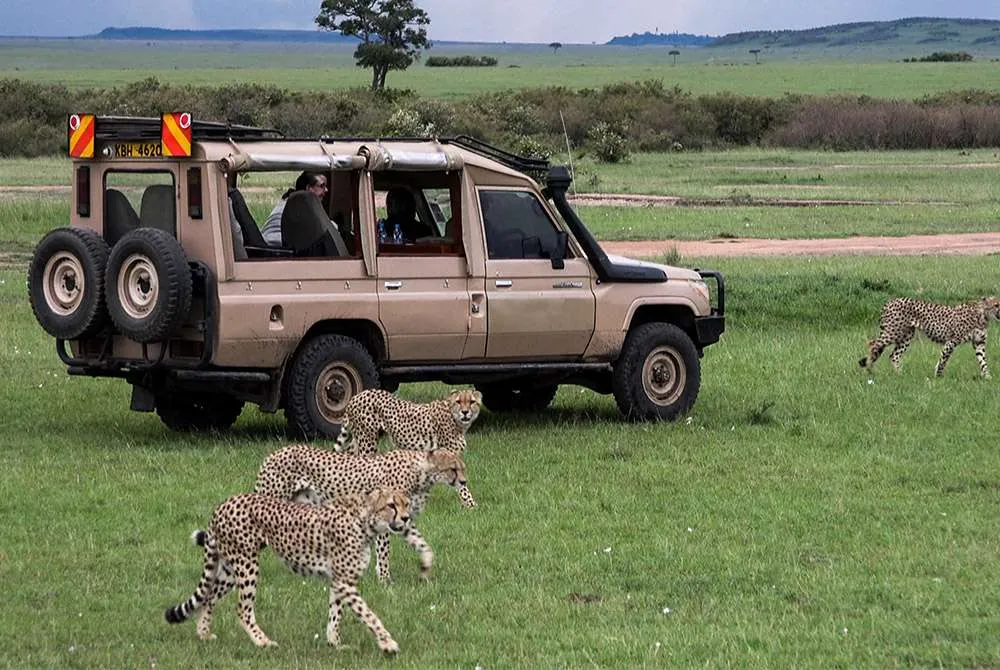
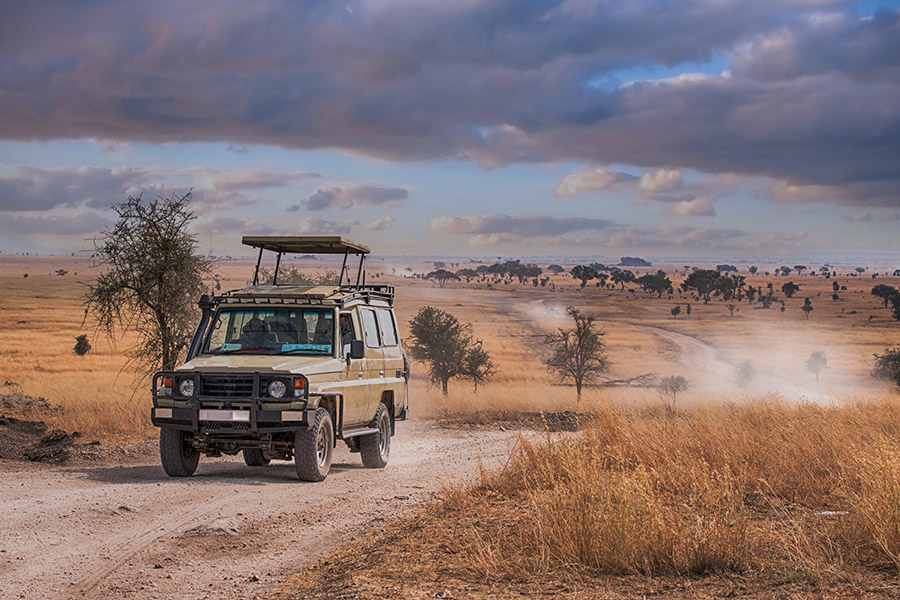
Your Complete Guide to the Best Time to Go on an African Safari
Deciding the best time to go on an African safari is crucial for an unforgettable experience. While Tanzania offers incredible wildlife viewing year-round, understanding the nuances of its seasons will significantly enhance your chances of witnessing iconic events like the Great Migration and enjoying optimal weather conditions. This guide is designed to help you navigate the complexities of safari seasonality, ensuring your 2026 or 2027 adventure is perfectly timed.
This detailed article will cover everything you need to know, from the distinct climate patterns of Tanzania’s popular safari destinations to the specific wildlife behaviors that occur during different months. We’ll help you align your travel dates with your safari goals, whether you’re aiming for dramatic predator-prey interactions, the breathtaking spectacle of the Great Migration, or simply a comfortable and rewarding wildlife viewing experience.
Quick Safari Planning Facts
| Aspect | Details |
|---|---|
| Primary Focus | Wildlife viewing, Great Migration, birdwatching, cultural experiences. |
| Key Destinations | Serengeti National Park, Ngorongoro Conservation Area, Tarangire National Park, Lake Manyara National Park, Selous Game Reserve (Nyerere National Park), Ruaha National Park. |
| Best Time for Wildlife | Generally, the dry seasons (June to October and December to February) offer the best game viewing. |
| Great Migration | Varies by month; river crossings often in July-August, calving in February. |
| Tanzania’s Climate | Tropical; distinct wet and dry seasons. High altitude areas are cooler. |
| Peak Safari Season | June to October (dry season) and December to February (short dry season/green season). |
| Low Safari Season | March to May (long rains). |
Understanding Tanzania’s Safari Seasons
Tanzania’s climate is broadly divided into two main seasons: the dry season and the wet season. However, within these, there are further distinctions that influence wildlife movements and the overall safari experience. Understanding these seasons is key to determining the best time to go on an African safari for your specific interests.
The Dry Season (June to October)
This is widely considered the prime time for safaris in Tanzania. The landscape is drier, vegetation is less dense, and water sources become scarcer, concentrating wildlife around permanent rivers and waterholes. This makes spotting animals significantly easier.
- Pros: Excellent game viewing, easier to spot animals, pleasant temperatures (especially June-August), ideal for Great Migration river crossings.
- Cons: Peak tourist season, higher prices, can be crowded in popular areas, mornings and evenings can be cool.
The Short Rains / Green Season (November to December)
Often referred to as the ‘green season,’ this period sees scattered showers, particularly in the afternoons. The landscape becomes lush and vibrant, and the air is fresh. It’s a beautiful time to visit, with fewer crowds and lower prices.
- Pros: Beautiful scenery, fewer tourists, lower prices, excellent birdwatching as migratory birds arrive, good game viewing, especially in areas with permanent water.
- Cons: Intermittent rain can disrupt game drives, some roads might become challenging, the Great Migration is typically further north.
The Long Rains (March to May)
This is Tanzania’s primary rainy season. While it doesn’t usually rain all day, expect significant downpours, especially in the afternoons. The landscape is incredibly green and beautiful, and animal births are common. This is the least popular time for safaris, offering the lowest prices and fewest crowds.
- Pros: Very few tourists, lowest prices, stunning green scenery, excellent for birdwatching, good for observing newborn animals, photographers might enjoy the dramatic skies.
- Cons: Heavy rains can make some areas inaccessible, game viewing can be more challenging due to thicker vegetation and dispersed animals, some lodges may close.
The Short Dry Season (Late December to February)
This period marks a brief respite from the rains, often coinciding with the calving season of the wildebeest in the southern Serengeti. It’s a good time for safaris, especially in the southern and central Serengeti, offering a mix of green landscapes and good game viewing before the long rains begin.
- Pros: Witness the wildebeest calving season, good game viewing in the southern Serengeti, fewer crowds than the peak dry season, pleasant temperatures.
- Cons: Occasional short showers are possible, vegetation can still be quite green, making spotting animals slightly harder than in the peak dry season.
The Great Migration: Timing is Everything
For many, the primary reason to plan a safari is to witness the Great Migration, the annual movement of over 1.5 million wildebeest, zebras, and gazelles across the Serengeti-Mara ecosystem. The best time to go on an African safari to see the migration depends entirely on which phase you want to witness.
| Month(s) | Location | Key Event |
|---|---|---|
| January – March | Southern Serengeti & Ndutu Plains | Calving season; millions of wildebeest give birth. High predator activity. |
| April – May | Central & Western Serengeti | Wildebeest begin moving north; heavy rains can make areas difficult to access. |
| June – July | Western Corridor & Grumeti River | Wildebeest start crossing the Grumeti River. Large crocodiles await. |
| July – August | Northern Serengeti & Mara River | Iconic river crossings of the Mara River. Most dramatic and sought-after event. |
| September – October | Northern Serengeti & Maasai Mara (Kenya) | Wildebeest and zebras spread out, grazing in the northern Serengeti and Maasai Mara. |
| November – December | Eastern Serengeti & back towards central | Wildebeest begin their journey south, often triggered by the start of the rains. |
Note: The exact timing of the migration can vary slightly each year due to rainfall patterns. It’s essential to work with experienced tour operators who monitor these movements closely.
Destination-Specific Timing for Tanzania Safaris
While the general seasons apply across Tanzania, some parks and reserves have specific optimal times for visiting, influenced by local climate and wildlife patterns. Understanding these nuances helps refine your choice for the best time to go on an African safari.
Serengeti National Park
The vast Serengeti is central to the Great Migration. Its timing dictates the best viewing locations. However, even outside migration periods, the Serengeti offers superb resident wildlife viewing year-round.
- Best for Migration: Varies by month as detailed above.
- Best for General Game Viewing: June to October (dry season) for easy spotting; January to March (calving season) in the south.
- Considerations: The Serengeti is huge; plan your itinerary based on migration location if that’s your priority.
Ngorongoro Conservation Area
The Ngorongoro Crater is a unique ecosystem with a high concentration of wildlife year-round due to its permanent water sources and rich grasslands. It’s a fantastic destination regardless of the season.
- Best for Wildlife Viewing: Year-round. The dense animal population means sightings are almost guaranteed.
- Pros: High density of animals, including the Big Five; stunning crater scenery.
- Cons: Can be crowded, especially during peak season. Limited time allowed inside the crater.
Tarangire National Park
Known for its large elephant herds and iconic baobab trees, Tarangire is particularly spectacular during the dry season.
- Best for Elephants & General Game: June to October. During this time, elephants and other animals congregate around the Tarangire River and its swamps, making them easy to spot.
- Pros: Abundant elephants, baobab landscapes, good for birdwatching.
- Cons: Can be very dry and dusty in the peak dry season.
Lake Manyara National Park
Famous for its tree-climbing lions and large baboon troops, Lake Manyara offers diverse habitats and good game viewing throughout the year.
- Best for Variety: Year-round. The park’s compact size and varied habitats (woodland, grassland, lake) support a good resident population of animals.
- Pros: Tree-climbing lions (though not guaranteed), large bird population, scenic lake setting.
- Cons: Can be crowded due to its proximity to Arusha and other Northern Circuit parks.
Ruaha National Park
Tanzania’s largest national park, Ruaha, offers a wilder, more remote safari experience. It’s best visited during the dry season.
- Best for Wild & Remote: June to October. Water sources are limited, concentrating predators and prey.
- Pros: Huge elephant herds, high predator numbers (lions, wild dogs), vast wilderness feel.
- Cons: More remote, requires longer travel time, can be very hot.
Nyerere National Park (formerly Selous Game Reserve)
This vast southern reserve offers boat safaris on the Rufiji River and a more rugged landscape.
- Best for Variety & Remote: June to October (dry season). This is when animals are easier to spot, and the river activities are prime.
- Pros: Boat safaris, large wild dog populations, diverse landscapes.
- Cons: Can be very hot, especially from October onwards.
Planning Your 2026-2027 Safari: Key Considerations
When planning your safari for 2026 or 2027, consider these practical aspects to ensure you choose the best time to go on an African safari that aligns with your expectations and budget.
Safari Planning Checklist
- Define Your Priorities: Are you focused on the Great Migration, specific animals, photography, or a more relaxed experience?
- Choose Your Destinations: Based on your priorities, select the parks and reserves that best suit your interests.
- Select Your Travel Dates: Use the seasonal information above to pick dates that align with your priorities. Consider the trade-offs between peak season (best weather/wildlife) and shoulder/low season (fewer crowds/lower prices).
- Set a Budget: Prices vary significantly by season and accommodation type. Peak season is the most expensive.
- Book in Advance: Especially for peak season travel in 2026 or 2027, booking 6-12 months ahead is recommended.
- Consider Flight Connections: Factor in travel time to and from Tanzania.
- Visa Requirements: Check the latest visa regulations for Tanzania.
- Vaccinations and Health: Consult your doctor about necessary vaccinations and malaria precautions.
- Travel Insurance: Essential for any safari trip.
- Packing List: Prepare appropriate clothing and gear.
What to Expect on a Safari in Different Seasons
The season you choose will significantly influence your safari experience. Here’s a breakdown of what to anticipate.
- Dry Season (June-October): Expect clear skies, warm days, and cool nights. Vegetation is sparse, offering excellent visibility of animals concentrated around water sources. Game drives are generally smooth, though roads can be dusty. Mornings and evenings can be chilly, requiring layers.
- Green Season (November-December): Expect beautiful, lush landscapes with occasional afternoon showers. The air is fresh. Wildlife viewing is still good, especially near permanent water. Birdlife is abundant. Temperatures are pleasant.
- Long Rains (March-May): Expect heavy, sometimes prolonged rainfall, particularly in the afternoons. The landscape is incredibly green and vibrant. Animal births are common, leading to good predator-prey action. Game viewing can be more challenging due to thicker vegetation. Some lodges may close, and roads can become difficult. This is the quietest time.
- Short Dry Season (Late December-February): Expect warm, sunny days with occasional short rain showers. The southern Serengeti is a highlight due to the calving season. Landscapes are still greening up.
Safari Itinerary Logic: Aligning with the Best Time
A well-structured safari itinerary is crucial for maximizing your wildlife viewing opportunities. Here’s a sample itinerary logic that considers seasonality, especially when aiming for the best time to go on an African safari.
Example: 7-Day Northern Circuit Safari (Focusing on Migration)
Day 1: Arrival in Arusha
Arrive at Kilimanjaro International Airport (JRO), meet your guide, and transfer to your lodge in Arusha. Briefing on your upcoming safari.
Day 2: Arusha to Tarangire National Park
Drive to Tarangire National Park. Full day game drive, focusing on elephant herds and the park’s unique baobab trees. Best during the dry season (June-October).
Day 3: Tarangire to Lake Manyara & Ngorongoro Highlands
Morning game drive in Tarangire or drive towards Lake Manyara for a short game drive. Continue to your lodge in the Karatu highlands, near the Ngorongoro Conservation Area.
Day 4: Ngorongoro Crater Tour
Descend into the Ngorongoro Crater for a full day game drive. This caldera boasts a high density of wildlife year-round. Excellent any time of year.
Day 5: Ngorongoro to Serengeti National Park
Drive into the Serengeti National Park, with a game drive en route. Depending on the time of year, you’ll head towards the central plains (Seronera) or the south/east.
Day 6: Serengeti National Park Exploration
Full day game drives in the Serengeti. If the migration is present, your guide will track its movements. Timing is critical for migration viewing (see Great Migration section).
Day 7: Serengeti to Arusha & Departure
Morning game drive in the Serengeti, then fly from a Serengeti airstrip back to Arusha for your onward flight or overnight stay.
Itinerary Logic Notes:
- This itinerary is flexible and can be adjusted based on the month. For example, if traveling in January-March, you would focus more time in the southern Serengeti/Ndutu area. If traveling in July-August, the northern Serengeti and Mara River crossings become the priority.
- Choosing the best time to go on an African safari means aligning this itinerary logic with the specific wildlife events you wish to see.
Common Mistakes to Avoid When Planning
To ensure your safari is everything you dream of, be aware of potential pitfalls:
- Not booking far enough in advance: Especially for peak seasons in 2026 or 2027, popular lodges and camps book up quickly.
- Choosing the wrong time for your priorities: Visiting during the long rains if you specifically want to see the migration river crossings is a common mistake.
- Underestimating travel times: Tanzania is vast; distances between parks can be significant. Factor in travel days.
- Not considering internal flights: For longer distances or to save time, flying between parks can be more efficient than driving, though it adds cost.
- Focusing only on the Big Five: While iconic, Tanzania offers incredible biodiversity beyond the Big Five. Keep an open mind to all wildlife.
- Ignoring accommodation types: From luxury lodges to budget-friendly tented camps, choose options that fit your comfort level and budget.
- Not using a reputable local operator: Local experts have invaluable knowledge of seasonality, road conditions, and wildlife movements.
Who is this Time of Year Best For?
The ‘best’ time to go on an African safari is subjective and depends on your preferences. Here’s a guide:
- For the Great Migration Spectacle (River Crossings): July to August. Be prepared for crowds and higher prices.
- For Wildlife Photography: June to October (dry season) for clear light and concentrated animals. January to March (calving season) for predator action.
- For Birdwatchers: November to April, when migratory birds are present and the landscape is lush.
- For Budget Travelers & Avoiding Crowds: March to May (long rains). You’ll find lower prices and fewer tourists, though game viewing can be more challenging.
- For Families: June to October offers the most reliable weather and game viewing, making it easier for children to enjoy.
- For Honeymooners: Shoulder seasons like September-October or December-February offer a good balance of good weather, fewer crowds, and romantic settings.
Alternatives to Consider
While Tanzania is a premier safari destination, other African countries offer incredible experiences. If the timing for Tanzania doesn’t align with your plans, consider:
- Kenya: Offers the Maasai Mara, which hosts part of the Great Migration (July-October). Also excellent for general game viewing year-round.
- Botswana: Known for its exclusive, high-end safaris, particularly the Okavango Delta. Best during the dry season (May-October) for concentrated wildlife.
- South Africa: Offers a range of safari experiences, from Kruger National Park to private reserves. Accessible year-round, with distinct dry (May-October) and wet (November-April) seasons influencing game viewing.
- Rwanda/Uganda: Primarily for gorilla trekking, which can be done year-round, though drier months (June-August, December-February) are often preferred for easier hiking.
Planning Your 2026-2027 Safari: Booking Advice
Booking your safari for 2026 or 2027 requires careful planning. Here’s how to approach it:
| Timeframe Before Safari | Action |
|---|---|
| 12+ Months Out | Research destinations, operators, and the best time to go on an African safari for your interests. Confirm your budget. |
| 9-12 Months Out | Contact potential tour operators. Get quotes and compare itineraries. Book your preferred operator and dates, especially for peak season. |
| 6-9 Months Out | Book international flights. Confirm lodge/camp bookings. Arrange any necessary visas. |
| 3-6 Months Out | Consult your doctor for vaccinations and malaria prophylaxis. Purchase travel insurance. Start compiling your packing list. |
| 1-3 Months Out | Finalize payments. Confirm all booking details. Purchase any specific gear you need (e.g., binoculars, camera equipment). |
| 2-4 Weeks Out | Pack your bags. Confirm flight details. Share your itinerary with family/friends. |
| 1 Week Out | Reconfirm with your tour operator. Get local currency if needed. Ensure your camera is ready. |
Working with a local, reputable tour operator is invaluable. They have on-the-ground knowledge and can offer tailored advice for the best time to go on an African safari in Tanzania, ensuring your 2026 or 2027 trip is perfectly planned.
Frequently Asked Questions (FAQs)
Q1: What is the absolute best month to go on an African safari in Tanzania?
A1: For a combination of excellent game viewing and favorable weather, the dry season from June to October is often considered the best. If witnessing the Great Migration river crossings is your priority, July and August are ideal.
Q2: Is it possible to see the Great Migration in the Serengeti in 2026 or 2027?
A2: Yes, the Great Migration is a continuous cycle. Depending on the month you plan to visit in 2026 or 2027, you can position yourself to see different stages of the migration, from calving in the south (Jan-Mar) to river crossings in the north (Jul-Aug).
Q3: What about safaris during the rainy season? Is it worth it?
A3: The long rainy season (March-May) offers a different experience. It’s greener, has fewer tourists, and is more affordable. While game viewing can be more challenging due to thicker vegetation, it’s excellent for birdwatching and seeing newborn animals. Predator-prey interactions can be dramatic. It can be a very rewarding time for photographers and those seeking solitude.
Q4: How does the time of year affect safari costs?
A4: Safari costs are highest during the peak dry season (June-October) due to high demand and favorable conditions. Shoulder seasons (like November-December and January-February) offer slightly lower prices, while the low season (March-May) provides the most significant savings.
Q5: Can I combine a safari with a beach holiday in Zanzibar?
A5: Absolutely! It’s a very popular combination. The dry season (June-October) is also ideal for Zanzibar, making it a perfect time for both safari and beach activities. However, Zanzibar is pleasant year-round, though short rains can occur in April-May and November.
Q6: What should I pack for a safari at different times of the year?
A6: Pack light, neutral-colored clothing. Layers are essential as mornings and evenings can be cool, especially during the dry season. Include a warm jacket or fleece, a hat, sunglasses, sunscreen, insect repellent, comfortable walking shoes, and binoculars. If traveling in the wet season, a waterproof jacket is advisable.
Q7: How do I choose the best time to go on an African safari if I want to see predators?
A7: Predators are often easier to spot during the dry season (June-October) when vegetation is sparse and animals congregate around water sources. The calving season in the southern Serengeti (January-March) is also excellent for predator activity as they hunt the vulnerable newborns.
Q8: Is Tanzania safe for solo female travelers on safari?
A8: Tanzania is generally safe for solo female travelers, especially when on organized safaris with reputable companies. It’s advisable to be aware of your surroundings, avoid walking alone at night in towns, and follow your guide’s instructions. The safari experience itself is very controlled and safe.
Q9: What are the main differences between the Northern and Southern Circuits in Tanzania regarding timing?
A9: The Northern Circuit (Serengeti, Ngorongoro, Tarangire, Manyara) is most famous for the Great Migration and is generally accessible year-round, though the migration’s location shifts. The Southern Circuit (Nyerere, Ruaha) is wilder and best visited during the dry season (June-October) when wildlife is concentrated.
Q10: When is the best time to go on an African safari for birdwatching in Tanzania?
A10: The best time for birdwatching is during the wet season, from November to April. This period coincides with the arrival of migratory birds from Europe and Asia, and the resident birds are often in their breeding plumage.
Ready to Plan Your Perfect Safari?
Choosing the best time to go on an African safari is the first step towards an incredible adventure. Whether you dream of witnessing the Great Migration in 2026, capturing stunning wildlife photos in 2027, or simply experiencing the magic of the African bush, understanding the seasons is key.
Let us help you craft the perfect safari itinerary tailored to your interests and the optimal time for wildlife viewing. Our expert guides and local knowledge ensure an unforgettable experience.
Contact us today to start planning your dream safari:
WhatsApp: +255616946642
Email: topguideadventures@gmail.com
Backup Email: info@topguideadventures.com
Plan your best time to go on African safari with Top Guide Adventures
Tell us your travel dates, group size, comfort level, and dream experience. We will help you shape a clear, realistic, and memorable Tanzania itinerary.







 Veedesigner
 Fatma Kizanga
 Benjamin Waryuba
 Philip Philip
 John jr Itaja
 Antonia Optatus
 Edith Kanyere
 Neema Iddy
 Kelvin Boniphace
 Damari Maiga



