
Updated planning guide for 2026-2027
Africa Rainy Season: Essential Travel Guide
Discover the advantages and considerations of traveling to Africa during its rainy season. This comprehensive guide helps you plan your safari, Kilimanjaro trek, or Zanzibar holiday for 2026-2027.
WhatsApp +255616946642 | topguideadventures@gmail.com | info@topguideadventures.com
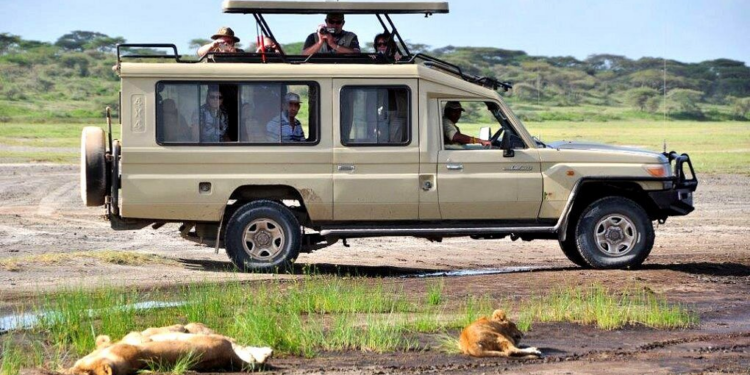
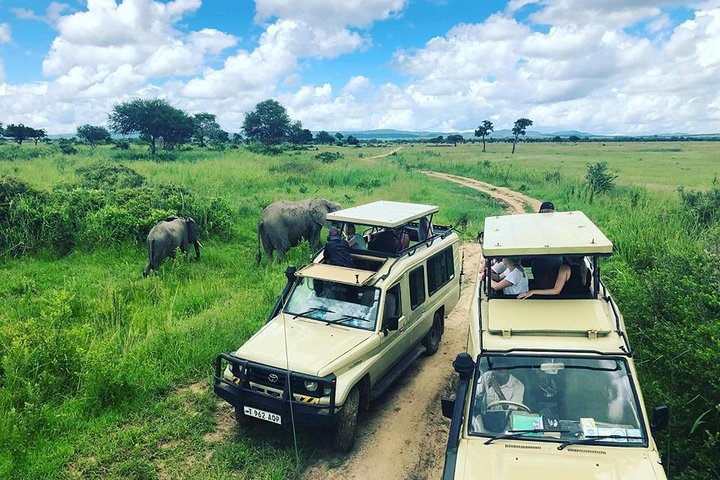
Africa Rainy Season: Your Complete Planning Guide
Planning a trip to Africa is an exciting prospect, and understanding the nuances of its weather patterns is key to a memorable experience. Many travelers automatically assume the dry season is the only time to visit, but the Africa rainy season offers a unique set of advantages that can lead to an incredible adventure. Often referred to as the ‘green season’ or ‘low season,’ this period presents fewer crowds, more affordable travel options, and a dramatically different, yet equally compelling, landscape. This guide will provide an in-depth look at what to expect, how to plan, and why the rainy season might be the perfect time for your African journey, especially for those looking ahead to 2026 and 2027.
Whether you dream of witnessing the Great Migration, conquering Mount Kilimanjaro, or relaxing on the spice-scented beaches of Zanzibar, understanding the seasonal variations will help you make informed decisions. We’ll cover everything from the best regions to visit, what wildlife viewing opportunities arise, and practical advice for packing and preparation. Let’s explore the beauty and benefits of Africa’s green season.
Africa Rainy Season: Quick Facts
| Aspect | Details |
|---|---|
| Common Names | Green Season, Low Season, Wet Season |
| Typical Months | Varies by region; generally November to May in East Africa, with variations. |
| Pros | Fewer crowds, lower prices, lush landscapes, dramatic scenery, newborn wildlife, excellent birding. |
| Cons | Potential for heavy downpours, some roads may be difficult, some wildlife may be more dispersed, higher humidity. |
| Best For | Budget travelers, photographers, bird watchers, those seeking solitude, budget-conscious trekkers. |
| Considerations | Check specific regional weather patterns; pack appropriate gear; be flexible with travel plans. |
Understanding the Africa Rainy Season
Africa is a vast continent with diverse climates, meaning the ‘rainy season’ isn’t a single, uniform period. It’s crucial to distinguish between different types of rain and their impact on various regions. In many parts of East Africa, including Tanzania, the rainy season is often characterized by two distinct periods:
- The ‘Short Rains’: Typically occurring between November and December, these are often brief, intense afternoon showers followed by sunshine. They can be localized and don’t usually disrupt travel significantly.
- The ‘Long Rains’: Usually from March to May, this period sees more prolonged and widespread rainfall. While it can rain for days, it’s not uncommon for clear, sunny mornings to be followed by afternoon downpours. This is when landscapes are at their most verdant.
However, these are general patterns, and climate variations can occur year to year. For instance, some years might see less rain, while others might experience heavier or longer-lasting showers. This is why consulting with local experts for the specific season you plan to travel, such as for 2026 or 2027, is invaluable.
Why Choose the Rainy Season for Your Trip?
While the dry season is popular for its predictable weather and abundant wildlife viewing, the Africa rainy season offers compelling reasons for travelers to consider it:
- Fewer Tourists: This is perhaps the biggest draw. With fewer visitors, you’ll experience national parks and popular attractions with a greater sense of solitude. This means more intimate wildlife encounters and a more personal connection with the environment.
- Lower Prices: The ‘low season’ often translates to reduced prices on flights, accommodation, and sometimes even safari packages. This can make an African adventure more accessible for budget-conscious travelers or allow for longer stays.
- Lush, Green Landscapes: The rains transform the typically dry savannahs into vibrant, emerald-green vistas. This offers stunning photographic opportunities and a refreshing change from the dusty, arid scenery of the dry months.
- Newborn Wildlife: The rains often coincide with the birthing season for many herbivores. Witnessing young animals taking their first steps is a heartwarming and special sight, adding another layer to the safari experience.
- Excellent Birdwatching: Migratory birds arrive during the wet season, and resident birds are often in their colorful breeding plumage. For bird enthusiasts, this is a prime time for sightings.
- Dramatic Skies: The interplay of sun and rain creates spectacular cloud formations and dramatic sunsets, adding a unique aesthetic to your journey.
Regional Variations: Where to Go During the Rains
The impact of the rainy season varies significantly across different parts of Africa. For travelers focused on East Africa, particularly Tanzania, understanding these regional differences is key.
Tanzania’s Seasonal Overview
Below is a simplified look at how the rainy seasons typically affect key destinations in Tanzania. Remember that these are general patterns and can shift year to year.
| Region/Destination | Short Rains (Nov-Dec) | Long Rains (Mar-May) | Dry Season (Jun-Oct) |
|---|---|---|---|
| Serengeti National Park | Calving season in the south; good general game viewing. | Wildebeest migration moves north; lush landscapes; fewer crowds. | Great Migration in the north (river crossings); excellent game viewing. |
| Ngorongoro Crater | Good game viewing year-round; lush vegetation. | Excellent game viewing; fewer tourists; very green. | Excellent game viewing; can be crowded. |
| Tarangire National Park | Good game viewing; elephants begin to concentrate. | Wildlife disperses; can be challenging for game viewing. | Excellent game viewing; elephants gather around the river. |
| Lake Manyara National Park | Good game viewing; lush surroundings. | Wildlife disperses; birding can be excellent. | Good game viewing; tree-climbing lions often visible. |
| Zanzibar & Coastal Areas | Occasional showers; warm and humid. | Heavier, more consistent rains (‘Vuli’ season); can impact beach time. | Dry and sunny; ideal for beaches. |
| Mount Kilimanjaro | Rain possible, but often brief; good trekking conditions. | Heavier rains, especially at lower altitudes; can make trails muddy and slippery; cloud cover can obscure views. | Dry and clear; best trekking conditions. |
Safari During the Rainy Season
A Tanzania safari during the Africa rainy season offers a unique and rewarding experience. While the dry season is often touted for game viewing, the green season presents its own set of advantages.
Wildlife Viewing in the Green Season
The Great Migration: The timing of the wildebeest migration is dictated by rainfall. During the long rains (March to May), the herds typically move north from the Serengeti’s southern plains. While river crossings are less common during this period compared to the dry season, the plains can be incredibly lush, and the sight of thousands of wildebeest and zebras spread across the landscape is breathtaking. The southern Serengeti and the Ndutu area are famous for the calving season, which usually occurs in February, a spectacular event within the broader green season.
Other Wildlife: Many animals give birth during the green season, offering incredible opportunities to see young animals. Predators are often more active as they hunt the vulnerable newborns. Birdlife is spectacular, with migratory species present and resident birds in their finest breeding plumage. Although some animals might disperse into thicker vegetation, making them harder to spot, the overall biodiversity remains high. Parks like the Serengeti and Ngorongoro Crater offer excellent game viewing year-round due to their varied habitats and resident populations.
Best Parks for Rainy Season Safaris
- Serengeti National Park: Especially the southern and central areas during the short rains and early long rains, and the northern areas as the migration moves. The landscape is stunningly green.
- Ngorongoro Crater: The crater’s unique ecosystem ensures wildlife remains concentrated year-round, and the lush vegetation during the rains is beautiful. It’s less affected by dispersed wildlife than other areas.
- Tarangire National Park: While wildlife can disperse during the long rains, the park is incredibly scenic and can offer good game viewing, especially in the early parts of the wet season.
- Ruaha National Park & Selous Game Reserve (Southern Tanzania): These southern parks experience their main rains from December to March/April. While some camps might close, the scenery is dramatic, and you’ll find very few other tourists. The rivers swell, and the landscapes are vibrant.
Challenges and Tips for Rainy Season Safaris
- Road Conditions: Roads within parks can become muddy and challenging, especially during the long rains. 4×4 vehicles are essential, and some routes might be temporarily impassable. Flexibility in your itinerary is important.
- Accommodation: Some smaller, more remote camps might close during the peak of the long rains. It’s advisable to book lodges and camps that are open year-round.
- Packing: Lightweight, quick-drying clothing is essential. Include waterproof jackets, trousers, and sturdy, waterproof footwear. A waterproof bag for your camera gear is also crucial.
- Expect Showers: While not constant, be prepared for daily rain, often in the afternoon. Game drives might be interrupted, but often the rain is followed by clear skies.
Kilimanjaro Trekking During the Rainy Season
Climbing Mount Kilimanjaro during the Africa rainy season requires careful consideration, particularly regarding the long rains.
Weather on the Mountain
- Short Rains (November-December): These months can be a good time to climb. While rain is possible, it’s often in the form of brief showers, and there are still sunny periods. Visibility can be good.
- Long Rains (March-May): This is generally the least recommended period for trekking. Heavy rains are common, especially at lower and middle altitudes. Trails become muddy, slippery, and can be challenging. Cloud cover is more frequent, significantly reducing visibility and the stunning summit views. The higher you climb, the less rain you’ll encounter, but the conditions on the lower slopes can be unpleasant.
- June-October (Dry Season): This is considered the best time for Kilimanjaro treks due to dry weather and clear skies.
Pros and Cons of Rainy Season Treks
Pros:
- Fewer Trekkers: You’ll likely encounter fewer people on the trails, offering a more peaceful and solitary experience.
- Lower Prices: Some tour operators might offer slightly reduced prices during the low season.
- Lush Scenery: The lower rainforest sections are particularly beautiful and vibrant during the wet periods.
Cons:
- Muddy Trails: Significant risk of slippery and muddy conditions, especially in the rainforest and moorland zones.
- Reduced Visibility: Cloud cover and mist are common, obscuring the magnificent views from the upper slopes and summit.
- Colder Temperatures: Increased moisture can make the cold feel more intense.
- Higher Risk of Sickness: While not guaranteed, damp conditions can sometimes increase the risk of colds or respiratory issues.
Recommendations for Kilimanjaro Climbers
If you are set on climbing during the rainy season, the short rains (November-December) are a more viable option than the long rains. Always choose a reputable operator experienced in all weather conditions. Ensure you pack appropriate waterproof gear, sturdy hiking boots, and trekking poles to help with slippery terrain. Be prepared for variable weather and potentially less rewarding views. For most trekkers aiming for the best chance of success and enjoyment, the dry seasons (January-February and June-October) are recommended.
Zanzibar Holidays During the Rainy Season
Zanzibar, the ‘Spice Island,’ has its own distinct rainy periods, which can impact beach holidays.
Zanzibar’s Rainfall Patterns
- ‘Vuli’ Rains (November-December): These are the short rains, similar to the mainland. They are typically characterized by brief, often afternoon, showers. While they can occur, they usually don’t disrupt beach activities for extended periods. The weather is warm and humid.
- ‘Masika’ Rains (March-May): This is Zanzibar’s long rainy season. Rainfall can be heavy and more consistent, with prolonged downpours. This period is generally not ideal for a beach holiday, as it can be cloudy, humid, and windy, making swimming and sunbathing less enjoyable. Many resorts also see their lowest occupancy and prices during this time.
- Dry Seasons (June-October and January-February): These are the prime times for visiting Zanzibar, offering sunny skies, lower humidity, and calm seas.
What to Expect on a Rainy Season Zanzibar Holiday
Pros:
- Lower Prices: Accommodation and flights are significantly cheaper during the long rainy season (March-May).
- Fewer Tourists: Beaches and attractions will be much less crowded.
- Lush Scenery: The island is incredibly green and fragrant during the rains.
- Spice Tours: These are excellent year-round and can be a great activity during wetter periods.
Cons:
- Unpredictable Weather: Heavy and prolonged rain can impact beach time, water sports, and excursions.
- Humidity: The air can feel very heavy and sticky.
- Wind: The sea can be rough, affecting diving and snorkeling conditions.
Best Approach for Rainy Season Zanzibar Trips
If you plan a Zanzibar trip during the rainy season, the short rains (November-December) are more manageable for a beach holiday. If traveling during the long rains (March-May), consider focusing more on cultural activities, spice tours, exploring Stone Town, and enjoying the island’s natural beauty from your accommodation, rather than solely relying on beach time. It’s also a good time for budget-conscious travelers looking for a quieter island experience.
Planning Your Africa Rainy Season Trip for 2026-2027
Preparing for an African adventure during the green season involves specific considerations to ensure a smooth and enjoyable trip. Here’s a detailed planning guide for 2026 and 2027 travel.
Itinerary Logic and Flexibility
When planning your itinerary, especially for the Africa rainy season, flexibility is paramount. Weather can be unpredictable, and road conditions might change.
- Build in Buffer Time: Don’t schedule every minute of your trip. Allow for potential delays or changes in plans due to weather.
- Focus on Accessible Areas: During the peak of the long rains, some roads in remote areas might become difficult to traverse. Prioritize national parks and regions known for good year-round accessibility, like the Serengeti and Ngorongoro Crater.
- Consider Shorter Durations in Specific Parks: If traveling during the long rains, you might opt for shorter stays in parks where wildlife can disperse widely, and longer stays in areas with resident game.
- Combine Destinations Wisely: Mix destinations that are less affected by rain (like the Ngorongoro Crater) with those that might be more challenging. For example, a safari in the Serengeti followed by a cultural visit or a city tour could be a good balance.
Choosing Your Accommodation
Accommodation availability and pricing are often more flexible during the low season. However, consider the following:
- Open Camps: Verify that your chosen lodges and camps are open year-round, especially if traveling during the peak of the long rains. Some seasonal camps may close.
- Comfort and Facilities: Look for accommodations with good indoor common areas where you can relax if it rains heavily. Ensure they have reliable power and hot water.
- Location: Consider lodges located in areas with good year-round game viewing or easy access, rather than those in very remote, potentially inaccessible locations during wet periods.
Packing Essentials for the Rainy Season
Proper packing can make a significant difference to your comfort during the wet season. Focus on lightweight, quick-drying, and waterproof items.
Rainy Season Packing List
- Clothing:
- Lightweight, breathable, quick-drying long-sleeved shirts and trousers (neutral colors like khaki, beige, olive).
- Waterproof and windproof jacket with a hood.
- Waterproof trousers.
- Fleece or warm mid-layer for cooler evenings/mornings.
- T-shirts and casual wear for relaxation.
- Swimsuit (for lodges with pools).
- Comfortable sleepwear.
- Footwear:
- Waterproof hiking boots (broken in!).
- Comfortable walking shoes or trainers for around lodges.
- Sandals or flip-flops for relaxing.
- Extra socks (moisture-wicking).
- Accessories:
- Wide-brimmed hat for sun protection.
- Sunglasses.
- Binoculars (essential for wildlife spotting).
- Camera and extra memory cards/batteries.
- Waterproof bag or dry sack for camera gear and valuables.
- Small backpack for day trips/game drives.
- Reusable water bottle.
- Insect repellent (with DEET).
- Sunscreen (high SPF).
- Personal first-aid kit with any personal medications.
- Headlamp or flashlight.
- Travel adapter and power bank.
- Documents:
- Passport and visa.
- Yellow fever vaccination certificate (if required).
- Travel insurance details.
- Copies of important documents.
Health and Safety Considerations
While the general safety precautions for African travel remain the same, the rainy season introduces a few specific points:
- Malaria Prevention: Mosquitoes are more prevalent during and after the rains. Continue to take malaria precautions diligently (antimalarials, insect repellent, long sleeves/trousers at dawn and dusk).
- Waterborne Diseases: Be cautious with water sources. Stick to bottled or purified water. Heavy rains can sometimes affect water quality.
- Road Safety: Drive with extreme caution on wet, muddy, or slippery roads. Stick to reputable tour operators with experienced drivers who know the terrain.
- Hygiene: Maintain good hand hygiene to prevent stomach upsets, which can be more common in humid conditions.
Budgeting for a Green Season Trip
Traveling during the 2026-2027 rainy season can be more budget-friendly. Here’s how pricing typically works:
- Flights: Airfares can be lower during the low season. Book in advance for the best deals.
- Accommodation: Hotels and safari lodges often offer significant discounts. This is a great opportunity to stay in higher-end lodges for a lower price.
- Safari Packages: Tour operators may offer reduced rates for safari packages. However, ensure that ‘cheaper’ doesn’t mean compromising on essential services like vehicle quality, guide experience, or safety.
- Activities: Some activities might be priced competitively, but always check what’s included.
It’s wise to get detailed quotes from reputable operators. For example, asking for a quote for a 2027 safari during the green season can highlight the cost savings compared to peak dry season travel.
Common Mistakes to Avoid During the Rainy Season
To ensure your trip is successful, be aware of common pitfalls when traveling during the Africa rainy season.
- Ignoring the ‘Long Rains’: Traveling during March-May in regions like Zanzibar or attempting a Kilimanjaro trek during this time without full understanding can lead to disappointment due to heavy rain.
- Underestimating Road Conditions: Assuming all roads are passable can lead to itinerary disruptions. Always trust your guide’s assessment of road conditions.
- Packing Inappropriately: Not bringing waterproof gear or relying solely on cotton clothing will make you uncomfortable in wet weather.
- Expecting Constant Sunshine: While you might get lucky, expecting dry weather every day is unrealistic. Embrace the rain as part of the experience.
- Choosing the Cheapest Option Blindly: Low season often means lower prices, but don’t compromise on essential safety, guide quality, or vehicle reliability. A slightly higher price for a well-equipped 4×4 and an experienced guide is worth it.
- Not Consulting Local Experts: Relying solely on generic information found online without checking with a local operator about the specific conditions for your travel dates (e.g., for 2026 or 2027) can lead to surprises.
Who is the Rainy Season Best For?
The Africa rainy season is not for everyone, but it’s ideal for specific types of travelers:
- Budget Travelers: The lower prices make Africa more accessible.
- Photographers: The dramatic light, lush landscapes, and newborn wildlife offer unique photographic opportunities.
- Bird Watchers: The arrival of migratory birds and the breeding plumage of residents make it a prime time.
- Travelers Seeking Solitude: Those who prefer fewer crowds and a more intimate experience will find national parks much quieter.
- Return Visitors: Travelers who have already experienced Africa in the dry season might appreciate seeing the continent in a different light.
- Nature Enthusiasts: Anyone who appreciates vibrant green landscapes and the cycle of life, including births and active birdlife.
It’s generally less suitable for travelers who prioritize guaranteed dry weather for beach holidays or those who want the absolute best chance for clear summit views on Kilimanjaro.
Alternatives to the Rainy Season
If the rainy season doesn’t align with your travel preferences, consider these alternatives:
- Dry Season (June-October): The most popular time for safaris, especially for wildlife viewing and witnessing the Great Migration river crossings in the Serengeti. It’s also the best time for Kilimanjaro treks and generally ideal for Zanzibar beach holidays.
- Shoulder Seasons (e.g., January-February): These periods often offer a good balance. You might experience fewer crowds than the peak dry season, and the weather is generally good, though there can be some rain, particularly in January/February (short rains tapering off or early signs of long rains in some areas). This can be a sweet spot for pricing and experience.
Comparing Travel Seasons
| Season | Typical Months | Crowds | Prices | Wildlife Viewing | Scenery | Kilimanjaro | Zanzibar |
|---|---|---|---|---|---|---|---|
| Dry Season | Jun-Oct | High | High | Excellent (Migration river crossings) | Arid, dusty | Best | Ideal |
| Short Rains (Green Season) | Nov-Dec | Medium | Medium | Good (Calving season in south Serengeti) | Lush, green | Good | Good (brief showers) |
| Long Rains (Green Season) | Mar-May | Low | Low | Good (newborns, birding) | Very lush, green | Challenging (muddy, cloudy) | Poor (heavy rain) |
| Shoulder Season | Jan-Feb | Medium-Low | Medium-Low | Good (Calving season) | Greening | Good | Good |
Booking Your 2026-2027 Rainy Season Adventure
Booking the right tour operator is crucial for a successful trip, especially when navigating the nuances of the Africa rainy season. For your 2026 or 2027 adventure, consider these points:
Why Work with a Local Operator?
Local tour operators, like Best Tanzania Tour Operator, have unparalleled knowledge of Tanzania’s weather patterns, road conditions, and the best ways to experience the country during any season. They can:
- Provide up-to-date information on regional rainfall and its impact.
- Recommend the best parks and activities for the specific time of year you plan to travel.
- Advise on appropriate accommodation and vehicle types.
- Offer flexible itineraries that can adapt to changing weather conditions.
- Ensure you have experienced guides who understand the challenges and opportunities of the green season.
What to Look for in a Tour Operator
- Local Expertise: A deep understanding of Tanzania.
- Reputation: Check reviews and testimonials.
- Customization: Ability to tailor itineraries to your interests and budget.
- Safety Standards: Well-maintained vehicles, experienced drivers, and clear safety protocols.
- Communication: Responsive and clear communication throughout the planning process.
- Transparency: Clear pricing and inclusions/exclusions.
Sample Itinerary: Green Season Serengeti & Ngorongoro Safari (7 Days)
This sample itinerary focuses on areas that offer good game viewing even during the rainy season, with a mix of lush landscapes and resident wildlife.
Day 1: Arrival in Arusha & Transfer to Karatu
Arrive at Kilimanjaro International Airport (JRO), meet your guide, and transfer to your lodge in Karatu, near the Ngorongoro Conservation Area. Relax and acclimatize.
Day 2: Ngorongoro Crater Tour
Descend into the Ngorongoro Crater for a full-day game drive. Witness the dense population of wildlife, including the Big Five, in this unique caldera. The crater floor is lush and vibrant during the rainy season.
Day 3: Tarangire National Park
Drive to Tarangire National Park, known for its large elephant herds and baobab trees. Game drive through the park, enjoying the green scenery.
Day 4: Travel to Serengeti National Park (Central/South)
Drive to the Serengeti, stopping at a Maasai village or a craft market en route if time permits. Depending on the season, focus on the central or southern plains, which often have resident game and beautiful landscapes.
Day 5: Serengeti Game Drive
Full-day game drive in the Serengeti. Explore different areas, looking for lions, leopards, cheetahs, and diverse birdlife. The green season offers dramatic skies and fewer vehicles.
Day 6: Serengeti Morning Drive & Return to Arusha
Enjoy a final morning game drive in the Serengeti before beginning your journey back to Arusha. You might stop at Olduvai Gorge if interested.
Day 7: Departure
Depending on your flight schedule, you might have time for souvenir shopping in Arusha before transferring to JRO for your onward journey.
This itinerary can be adjusted based on the specific timing of your 2026 or 2027 trip and your interests. For instance, if traveling during the peak of the long rains, more time might be allocated to the Ngorongoro Crater and less to areas where wildlife disperses.
Booking Process and Timeline
For your 2026-2027 trip, start planning well in advance, especially if you have specific dates in mind.
- 12-18 Months Prior: Research destinations and operators. Contact a few reputable operators for initial quotes and discussions.
- 9-12 Months Prior: Finalize your itinerary and book with your chosen operator. Pay the initial deposit. Book international flights.
- 3-6 Months Prior: Arrange visas, vaccinations, and travel insurance. Confirm all booking details.
- 1-3 Months Prior: Start packing. Finalize any specific requests with your operator.
- 1-2 Weeks Prior: Reconfirm flights and arrangements. Ensure all documents are in order.
Working with a dedicated local operator like Best Tanzania Tour Operator ensures a smooth planning process, tailored to your needs and the specific conditions of the Africa rainy season.
Frequently Asked Questions About the Africa Rainy Season
FAQs
Q1: Is the Africa rainy season a bad time to visit for safaris?
A1: Not at all. While weather is less predictable, the green season offers fewer crowds, lower prices, lush landscapes, and unique wildlife viewing opportunities like newborn animals and abundant birdlife. Many parks remain excellent for game drives.
Q2: When exactly is the Africa rainy season?
A2: It varies by region. In East Africa (like Tanzania), the ‘short rains’ are typically November-December, and the ‘long rains’ are March-May. However, these are general patterns and can shift year to year.
Q3: Will I get rained on all day, every day, during the rainy season?
A3: Usually not. The short rains are often brief afternoon showers. The long rains can bring more prolonged rain, but it’s common to have sunny mornings followed by afternoon downpours, or periods of rain interspersed with sunshine.
Q4: Can I still see the Great Migration during the rainy season?
A4: Yes. The wildebeest migration’s location is dictated by rainfall. During the long rains (March-May), they are typically moving north across the Serengeti. The calving season in the south (February) is also a key event within the green season.
Q5: Is it safe to travel to Tanzania during the rainy season in 2026 or 2027?
A5: Yes, it is safe to travel. Reputable tour operators are experienced in managing conditions during the wet season. The main considerations are road accessibility and potential rain disruptions, which experienced guides can navigate.
Q6: What are the main disadvantages of traveling during the rainy season?
A6: The primary disadvantages are the possibility of heavy rainfall disrupting activities, potentially muddy or impassable roads, reduced visibility on Kilimanjaro, and less ideal conditions for beach holidays in places like Zanzibar during the long rains.
Q7: Is it significantly cheaper to travel during the rainy season?
A7: Generally, yes. Flights and accommodation prices are often lower during the low season (rainy season), making it a more budget-friendly option for travelers.
Q8: What should I pack for a safari during the Africa rainy season?
A8: Pack lightweight, quick-drying clothing, a good waterproof jacket and trousers, waterproof footwear, insect repellent, sunscreen, and a waterproof bag for electronics. Layers are key.
Q9: Is climbing Mount Kilimanjaro during the long rains (March-May) advisable?
A9: It is generally not recommended. Trails can be very muddy and slippery, and cloud cover often obscures views. The short rains (Nov-Dec) are more manageable, but the dry seasons remain the best times for trekking.
Q10: Can I still enjoy Zanzibar during the rainy season?
A10: During the short rains (Nov-Dec), it can be pleasant with occasional showers. However, the long rains (Mar-May) can bring heavy and consistent rain, making it less ideal for a beach-focused holiday. Cultural tours and exploring Stone Town are good alternatives.
Q11: What are the benefits of traveling during the ‘green season’?
A11: Benefits include fewer tourists, lower prices, stunningly lush and green landscapes, opportunities to see newborn wildlife, and excellent birdwatching.
Plan Your 2026-2027 Rainy Season Adventure
The Africa rainy season presents a unique opportunity to experience the continent’s beauty in a different light. With fewer crowds, vibrant green landscapes, and often more affordable travel options, it’s an ideal time for many types of travelers. By understanding the regional variations, packing appropriately, and working with experienced local experts, you can plan an unforgettable adventure for 2026 or 2027.
Whether you’re drawn to the dramatic skies over the Serengeti, the lush forests of Kilimanjaro’s lower slopes, or the quiet charm of Zanzibar during a brief shower, the green season offers a rich and rewarding travel experience. Don’t let the idea of rain deter you; embrace it as part of the authentic African journey.
Ready to plan your tailor-made safari, Kilimanjaro trek, or Zanzibar holiday during the green season? We specialize in creating unforgettable Tanzanian experiences year-round. Contact us today to discuss your 2026-2027 travel plans!
WhatsApp: +255616946642
Email: topguideadventures@gmail.com
Backup Email: info@topguideadventures.com
Plan your Africa rainy season with Top Guide Adventures
Tell us your travel dates, group size, comfort level, and dream experience. We will help you shape a clear, realistic, and memorable Tanzania itinerary.

 Veedesigner
 Fatma Kizanga
 Benjamin Waryuba
 Philip Philip
 John jr Itaja
 Antonia Optatus
 Edith Kanyere
 Neema Iddy
 Kelvin Boniphace
 Damari Maiga



