
Updated planning guide for 2026-2027
Africa Dry Season Safari: Your Expert Guide
Discover the magic of an Africa dry season safari. This comprehensive guide covers everything you need to know for an unforgettable wildlife adventure in Tanzania, from planning and packing to choosing the best parks and understanding wildlife behavior.
WhatsApp +255616946642 | topguideadventures@gmail.com | info@topguideadventures.com
Africa Dry Season Safari: The Ultimate Planning Guide
An Africa dry season safari is often considered the pinnacle of wildlife viewing experiences. As the landscape transforms and water sources become scarce, animals congregate, making them easier to spot and observe. For many travelers, this period represents the best opportunity to witness iconic African wildlife in its natural habitat. If you’re dreaming of seeing vast herds, predators on the hunt, or simply the raw beauty of the African bush, understanding the nuances of a dry season safari is crucial for planning a successful and memorable trip.
This guide is designed to equip you with all the essential information to plan your perfect dry season safari in Tanzania, a premier destination for wildlife encounters. We’ll cover why this season is so popular, what to expect in different parks, how to prepare, and how to book your adventure for 2026 or 2027.
Africa Dry Season Safari: Quick Facts
| Aspect | Details |
|---|---|
| Best Time for Dry Season Safari | June to October (peak is July-September) |
| Key Wildlife Behavior | Concentration around water sources, increased predator activity, easier spotting. |
| Tanzania’s Prime Dry Season Parks | Serengeti National Park, Ngorongoro Conservation Area, Tarangire National Park, Lake Manyara National Park. |
| Typical Weather | Sunny, dry, cooler mornings and evenings, minimal rain. |
| Vegetation | Sparse, making wildlife more visible. |
| Traveler Experience | Excellent for photographers, serious wildlife enthusiasts, and those seeking iconic sightings. |
Why Choose a Dry Season Safari in Africa?
The allure of an Africa dry season safari lies in its predictability and the heightened chances of extraordinary wildlife sightings. During the dry months, typically from June to October, the rains cease, and the landscape becomes parched. This scarcity of water forces animals to congregate around the remaining waterholes, rivers, and lakes. This concentration makes wildlife viewing significantly easier and more rewarding.
Imagine standing on the plains of the Serengeti, watching thousands of wildebeest and zebras as they migrate, or observing a pride of lions lounging near a dwindling water source. Predators are often more active as they stalk prey drawn to these essential resources. Furthermore, the sparse vegetation offers fewer hiding places for animals, meaning you’re more likely to spot creatures from a distance.
For photographers, the clear skies and distinct light of the dry season provide excellent conditions. While temperatures can be cooler, especially in the mornings and evenings, the overall experience is one of abundant life against a dramatic, arid backdrop. This is the Africa you’ve seen in documentaries, brought to life before your eyes.
Understanding Tanzania’s Dry Season (June – October)
Tanzania offers some of the most iconic safari destinations in Africa, and its dry season, running from approximately June through October, is a prime time to visit. This period is characterized by a lack of rainfall, leading to drier landscapes and the predictable behaviors of wildlife that make safaris so compelling.
The Great Migration: A Dry Season Spectacle
One of the most significant events on the African continent, the Great Migration, is intrinsically linked to the dry season. Millions of wildebeest, zebras, and gazelles traverse the Serengeti ecosystem in search of fresh grazing lands. While the migration’s exact location shifts throughout the year, the dry season often sees them in the northern Serengeti, preparing for or undertaking the perilous river crossings of the Mara River. Witnessing these dramatic events is a highlight for many visitors planning an Africa dry season safari.
Park-Specific Dry Season Highlights
Each of Tanzania’s famous parks offers unique advantages during the dry season:
- Serengeti National Park: The undisputed star. Beyond the migration, resident wildlife is abundant. The open plains make spotting lions, cheetahs, leopards, elephants, giraffes, and countless other species highly probable. The dry season here means excellent visibility and opportunities to witness predator-prey interactions.
- Ngorongoro Conservation Area: Home to the Ngorongoro Crater, a UNESCO World Heritage Site, this caldera boasts an incredibly dense population of wildlife. The permanent water sources within the crater ensure that animals, including the Big Five (lion, leopard, elephant, rhino, buffalo), remain throughout the year, making it a reliable dry season destination.
- Tarangire National Park: Known for its massive elephant herds, Tarangire truly shines in the dry season. As the Tarangire River shrinks, elephants, along with large numbers of other herbivores like wildebeest, zebras, and various antelopes, gather along its banks. The park’s iconic baobab trees provide a stunning backdrop.
- Lake Manyara National Park: While smaller, Lake Manyara offers diverse habitats, from groundwater forests to acacia woodlands and its famous alkaline lake. During the dry season, large flocks of flamingos are often present, and the park’s tree-climbing lions are a sought-after sighting. Its compact size makes it ideal for shorter safaris or as part of a longer itinerary.
Planning Your Tanzania Dry Season Safari: A Step-by-Step Approach
Planning an Africa dry season safari requires careful consideration to maximize your experience. Here’s a practical guide to help you prepare for your 2026 or 2027 adventure.
Dry Season Safari Planning Checklist
| Step | Action | Notes |
|---|---|---|
| 1 | Define Your Safari Goals | What wildlife do you most want to see? Are river crossings a priority? |
| 2 | Choose Your Parks & Timing | Align with the Great Migration, consider specific animal interests. |
| 3 | Determine Safari Duration | 7-10 days is common for northern circuit tours. |
| 4 | Set Your Budget | Consider accommodation style, private vs. group, duration. |
| 5 | Select a Tour Operator | Research reputable companies with local expertise. |
| 6 | Book Flights & Accommodation | Book well in advance, especially for peak season. |
| 7 | Arrange Visas & Vaccinations | Check requirements for your nationality. Consult your doctor. |
| 8 | Pack Appropriately | Focus on neutral colors, layers, sun protection. |
| 9 | Prepare for the Journey | Physical fitness, camera gear, mental readiness. |
1. Define Your Safari Goals
Before diving into logistics, consider what you hope to achieve. Are you primarily interested in witnessing the Great Migration river crossings? Do you dream of seeing a leopard or a black rhino? Are you a keen photographer seeking specific lighting and animal behaviors? Understanding your priorities will help tailor your itinerary. For instance, if river crossings are paramount, focusing on the northern Serengeti between July and September is key.
2. Choose Your Parks and Timing
Tanzania’s Northern Circuit is the most popular for dry season safaris due to the concentration of iconic parks and the Great Migration. For 2026 and 2027, the general patterns hold:
- June – July: The migration moves northwards through the central Serengeti. River crossings may begin in earnest towards the end of July. Tarangire is excellent for elephants.
- August – September: Peak time for river crossings in the northern Serengeti. Wildlife is concentrated around water sources across most parks. Weather is generally dry and pleasant.
- October: The migration begins to move southwards. Tarangire and Ngorongoro remain excellent for resident wildlife. The landscape might start showing signs of the approaching short rains.
If your goal is a comprehensive Africa dry season safari, combining the Serengeti with Ngorongoro and Tarangire offers a fantastic variety of landscapes and wildlife viewing opportunities.
3. Determine Safari Duration
A typical Northern Circuit safari in Tanzania lasts between 7 to 10 days. This allows for sufficient time in the Serengeti to track the migration, explore the Ngorongoro Crater, and visit Tarangire. Shorter trips (4-5 days) are possible but will be more rushed and likely focus on fewer parks, often just Ngorongoro and Manyara.
4. Set Your Budget
Safari costs vary significantly based on accommodation style (luxury lodges, mid-range tented camps, budget camping), vehicle type (private vs. shared), and the duration of your trip. The dry season, being peak season, tends to be more expensive. Expect costs to cover park fees, vehicle and guide hire, accommodation, and meals. While exact prices fluctuate, planning for a mid-range to luxury safari in 2026-2027 will generally involve higher daily rates compared to the low season.
5. Select a Reputable Tour Operator
Choosing the right tour operator is paramount. Look for companies with extensive experience in Tanzania, strong local knowledge, and a commitment to sustainable tourism. They should be able to customize itineraries, provide experienced guides, and manage logistics smoothly. Reading reviews and checking their certifications can be helpful. A good operator will offer transparent pricing and clear communication.
6. Book Flights and Accommodation
Flights to Kilimanjaro International Airport (JRO) are the primary entry point for Northern Circuit safaris. Book international flights as early as possible, especially for peak season travel in 2026-2027. Accommodation within the parks and surrounding areas also fills up quickly. Your tour operator will typically handle lodge and camp bookings as part of your package.
7. Arrange Visas and Vaccinations
Tanzania requires a visa for most nationalities. This can often be obtained online in advance or upon arrival at the airport. It’s essential to consult your doctor or a travel clinic 4-6 weeks before your trip to discuss necessary vaccinations (such as Yellow Fever, Hepatitis A, Typhoid) and malaria prophylaxis. While the dry season has fewer mosquitoes, malaria is still a risk in some areas.
8. Pack Appropriately
Packing for a dry season safari is about practicality and comfort. The weather is generally warm and sunny during the day, but mornings and evenings can be cool, especially in higher altitudes like Ngorongoro. Layers are key.
Recommended Packing List for Dry Season Safari
| Item | Details |
|---|---|
| Clothing | Neutral-colored long-sleeved shirts and trousers (khaki, green, brown), T-shirts, shorts, fleece or warm jacket, comfortable pajamas. Avoid bright colors and white. |
| Footwear | Comfortable walking shoes or hiking boots (broken in), sandals or flip-flops for camp. |
| Headwear | Wide-brimmed hat or cap for sun protection. |
| Eyewear | Sunglasses. |
| Sun Protection | High SPF sunscreen, lip balm with SPF. |
| Insect Repellent | Containing DEET or Picaridin. |
| Health | Personal first-aid kit, any prescribed medications, hand sanitizer. |
| Photography | Camera with extra batteries and memory cards, zoom lens, binoculars. |
| Documents | Passport, visa, flight details, insurance information, copies of important documents. |
| Other | Reusable water bottle, small backpack for day use, adapter for electronics. |
9. Prepare for the Journey
A safari involves early mornings, long drives, and potentially bumpy roads. Ensure you are reasonably fit for walking short distances or climbing in and out of safari vehicles. Familiarize yourself with your camera equipment. Most importantly, prepare mentally to be present and soak in the incredible sights and sounds of the African wilderness.
What to Expect on Your Dry Season Safari
The dry season offers a distinct safari experience. The landscape is golden and parched, with fewer trees in leaf. This can make spotting wildlife easier, but it also means water sources are critical. You’ll likely spend a lot of time near rivers, lakes, or waterholes.
Wildlife Viewing Dynamics
Expect animals to be more concentrated. Large herds of herbivores are common. Predators will be actively hunting near these gathering points. While you’ll see a vast array of animals, the vegetation’s sparseness means you might not always see animals in lush, green surroundings. The thrill comes from the sheer abundance and the drama of life and death playing out.
Daily Safari Schedule
A typical day on safari involves early morning game drives, starting just after sunrise when animals are most active. After a few hours, you’ll return to your lodge or camp for breakfast and a midday rest, often during the hottest part of the day. In the afternoon, you’ll head out for another game drive, continuing until sunset. Some operators offer night drives, which can reveal nocturnal creatures.
Here’s a sample itinerary logic for a 7-day Northern Circuit dry season safari:
Sample 7-Day Tanzania Dry Season Safari Itinerary
| Day | Location | Activities | Focus |
|---|---|---|---|
| 1 | Arrive Kilimanjaro (JRO) & Transfer to Arusha | Meet your guide, briefing, overnight in Arusha. | Arrival & Preparation |
| 2 | Arusha to Tarangire National Park | Full-day game drive in Tarangire. Look for elephants and baobabs. | Elephants, diverse birdlife, unique landscape. |
| 3 | Tarangire to Ngorongoro Conservation Area | Morning game drive in Tarangire, then drive to Ngorongoro. Visit a Maasai village (optional). | Transition, cultural experience. |
| 4 | Ngorongoro Crater Tour | Full-day game drive in the Ngorongoro Crater. Search for Big Five, including rhino. | High wildlife density, Big Five, crater ecosystem. |
| 5 | Ngorongoro to Serengeti National Park (Central) | Drive to Serengeti with a stop at Olduvai Gorge (optional). Afternoon game drive. | Iconic landscapes, resident wildlife. |
| 6 | Serengeti National Park (Central/North) | Full-day game drive. Focus on tracking the Great Migration (depending on month) and predators. | Great Migration, lions, cheetahs, leopards. |
| 7 | Serengeti to Arusha & Departure | Early morning game drive, then fly from a Serengeti airstrip back to Arusha for your onward flight. | Final sightings, departure logistics. |
Driving Distances and Road Conditions
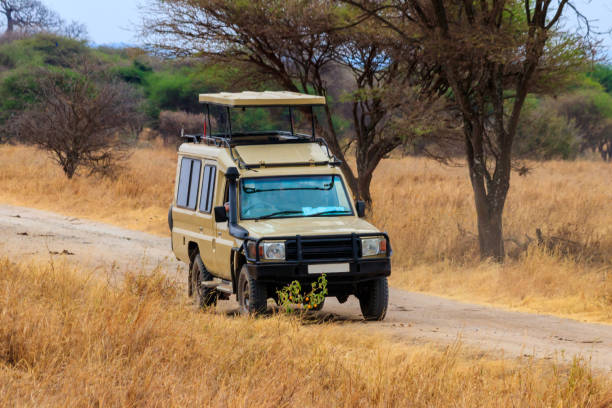
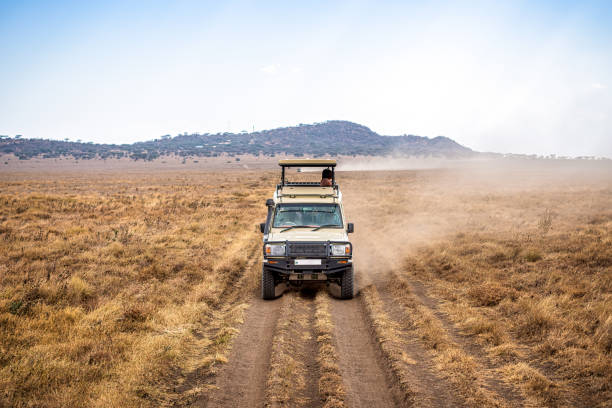
Tanzania’s safari routes involve significant driving. Roads within parks can be dusty and bumpy, especially during the dry season. The dry conditions can make them easier to navigate than muddy tracks, but dust can be a significant factor. Safari vehicles are designed for these conditions, typically 4×4 land cruisers with pop-up roofs for optimal viewing. Your guide will manage driving times, often breaking up longer journeys with game drives.
Accommodation Options
During the dry season, accommodation options range from luxury lodges offering fine dining and swimming pools to comfortable tented camps that provide a more immersive bush experience. Budget travelers can opt for basic public campsites. The choice of accommodation significantly impacts the safari experience and cost.
Packing and Preparation for Your Dry Season Safari
Proper packing and preparation are essential for comfort and enjoyment. The dry season presents specific environmental conditions to consider.
Clothing Essentials
Focus on lightweight, breathable fabrics in neutral colors (khaki, beige, olive green, brown). Avoid bright colors that can startle wildlife and white clothing that quickly gets dusty. Long-sleeved shirts and trousers are recommended for sun protection and to deter insects. Pack a warm fleece or jacket for cool mornings and evenings, especially in higher altitudes like Ngorongoro.
Footwear and Accessories
Comfortable, closed-toe walking shoes or hiking boots are essential. You might do some light walking at lodges or camps. Sandals or flip-flops are good for relaxing. A wide-brimmed hat is crucial for sun protection, as is a good pair of sunglasses. Don’t forget high-SPF sunscreen and lip balm.
Health and Safety
Consult your doctor about malaria prevention and recommended vaccinations well in advance of your 2026-2027 trip. Pack a personal first-aid kit with essentials like pain relievers, antiseptic wipes, bandages, and any personal medications. Insect repellent with DEET or Picaridin is vital, even in the dry season.
Photography Gear
For an Africa dry season safari, good photography is a must. Bring your camera, extra batteries, and plenty of memory cards. A zoom lens (e.g., 70-300mm or longer) is invaluable for capturing wildlife from a distance. Binoculars are also highly recommended for spotting animals and observing details.
Documents and Money
Keep your passport, visa, flight confirmations, and travel insurance details secure. Make photocopies or digital backups. Carry some US dollars (newer bills are preferred) for tips and any personal purchases. Credit cards are accepted at most lodges and larger towns, but cash is often needed for smaller vendors or tips.
Common Mistakes to Avoid on a Dry Season Safari
Even with thorough planning, some common pitfalls can detract from your safari experience. Being aware of these can help you avoid them.
- Packing the wrong clothing: Wearing bright colors or too much black/blue can be problematic. Stick to neutrals.
- Underestimating the sun: The dry season sun is intense. Sunburn can ruin your trip. Use hats, sunscreen, and stay hydrated.
- Not bringing binoculars: You’ll miss so much detail without them.
- Expecting constant action: Wildlife viewing is about patience. There will be quiet moments. Enjoy the scenery and the anticipation.
- Overpacking: Luggage space in safari vehicles is limited. Pack light and smart.
- Ignoring your guide: Your guide is a wealth of knowledge. Listen to their advice on wildlife, safety, and cultural etiquette.
- Not booking in advance: The dry season is peak season. Lodges and camps, especially in sought-after areas like the Serengeti, book up months, even a year, in advance for 2026-2027.
Who is an Africa Dry Season Safari Best For?
An Africa dry season safari is ideal for a wide range of travelers, but particularly suits:
- Serious Wildlife Enthusiasts: The concentration of animals and increased predator activity make it a prime time for dedicated animal spotting.
- Photographers: Clear skies, distinct light, and animals gathered near water offer excellent photographic opportunities. The sparse vegetation aids in getting clear shots.
- First-Time Safari-Goers: The predictability of wildlife sightings provides a fantastic introduction to the African bush.
- Those Seeking the Great Migration: If witnessing the wildebeest and zebra migration, especially river crossings, is a priority, the dry season is essential.
- Travelers Who Prefer Cooler Weather: While not cold, the dry season offers more comfortable temperatures than the hotter months, especially with cooler evenings.
It might be less ideal for those who prefer lush green landscapes or are looking for the absolute cheapest time to travel, as it is peak season.
Alternatives to the Dry Season Safari
While the dry season is popular, other times of the year offer unique advantages:
- Green Season (November – May): This is Tanzania’s rainy season. While there are more showers, they often come in short, intense bursts, usually in the afternoon. The landscape is lush and beautiful, prices are lower, and there are fewer crowds. It’s excellent for birdwatching and seeing newborn animals. The migration is usually in the southern Serengeti or moving across the plains.
- Shoulder Seasons (e.g., May, November): These transitional periods can offer a good balance of decent wildlife viewing, fewer crowds, and more moderate prices before or after the peak dry or wet seasons.
For instance, if seeing the wildebeest calving season is your priority, visiting in February during the green season in the southern Serengeti would be more appropriate than the dry season.
Planning for 2026-2027: Key Considerations
Planning your Africa dry season safari for 2026 or 2027 requires early action. As Tanzania continues to be a top safari destination, demand for the peak dry season months (July-September) is high. Booking at least 9-12 months in advance is strongly recommended, especially for popular lodges and specific migration viewing areas.
Consider:
- Flexibility: While the dry season offers predictable patterns, the exact timing of the migration can vary slightly year to year. Work with your tour operator to build flexibility into your plans.
- Sustainability: Choose operators committed to responsible tourism, conservation efforts, and supporting local communities.
- Customization: Work with your operator to tailor the itinerary to your specific interests, budget, and pace.
Booking Your Dry Season Safari
When you’re ready to book your Africa dry season safari, partnering with an experienced and reliable tour operator is crucial. They will handle the complexities of park permits, accommodation bookings, vehicle and guide arrangements, and itinerary planning.
Here’s what to look for in a booking partner:
- Local Expertise: A Tanzania-based operator understands the local conditions, logistics, and best times to visit specific parks.
- Customization Options: They should be able to craft a bespoke itinerary that matches your interests and budget.
- Clear Communication: Responsive and transparent communication is key throughout the planning process.
- Reviews and Reputation: Look for positive feedback from previous clients.
Contacting a few reputable operators for quotes and itinerary suggestions is a good starting point. Discuss your expectations for the dry season, your budget for 2026 or 2027, and any specific wildlife you hope to see.
Ready to Plan Your Dream Safari?
Let us help you craft an unforgettable Africa dry season safari experience in Tanzania. With our local expertise and commitment to personalized service, we can design an itinerary that exceeds your expectations for 2026 or 2027.
Get in touch today:
- WhatsApp: +255616946642
- Email: topguideadventures@gmail.com
- Backup Email: info@topguideadventures.com
We look forward to helping you plan your adventure!
Frequently Asked Questions About Dry Season Safaris
FAQs
- When is the best time for an Africa dry season safari?
- The prime dry season in Tanzania is typically from June to October, with July to September often considered the peak for wildlife viewing due to concentrated animals around water sources and the Great Migration river crossings.
- What wildlife is most active during the dry season?
- All wildlife is more concentrated around water sources. This means excellent opportunities to see large herds of wildebeest, zebras, and elephants. Predators like lions, cheetahs, and leopards are also more visible as they hunt these concentrated prey animals.
- Is the dry season safari more expensive?
- Yes, the dry season is considered peak tourist season in Tanzania. Demand is high, so accommodation and tour prices tend to be higher compared to the green season. Booking well in advance for 2026 or 2027 is advisable.
- What should I pack for a dry season safari?
- Pack light, breathable clothing in neutral colors (khaki, beige, green). Include layers for cooler mornings and evenings (fleece, jacket). Essentials include a wide-brimmed hat, sunglasses, high SPF sunscreen, insect repellent, comfortable walking shoes, and a good camera with a zoom lens.
- Are there mosquitoes during the dry season?
- While mosquito activity is reduced during the dry season compared to the wet season, they are still present, especially around dawn and dusk. Malaria is a risk, so consult your doctor about prophylaxis and use insect repellent.
- Can I see the Great Migration during the dry season?
- Absolutely. The dry season is the best time to witness the Great Migration, particularly the dramatic river crossings of the Mara River in the northern Serengeti, which typically occur between July and September.
- What are the weather conditions like during the dry season?
- Expect sunny days with clear skies and minimal to no rainfall. Temperatures are generally pleasant, though mornings and evenings can be cool, especially at higher altitudes. Dust can be prevalent.
- Is an Africa dry season safari suitable for families?
- Yes, it can be very suitable. The predictable wildlife sightings are exciting for children. However, consider the long travel times and early mornings. Opt for lodges with family-friendly amenities and a pace that suits younger travelers.
- What are the main parks to visit during the dry season in Tanzania?
- The most popular parks for a dry season safari in Tanzania include Serengeti National Park (especially for the migration), Ngorongoro Conservation Area (for high wildlife density), and Tarangire National Park (famous for elephants).
- How far in advance should I book my 2026-2027 dry season safari?
- For peak dry season travel in 2026-2027, it is highly recommended to book at least 9-12 months in advance to secure your preferred accommodation and safari dates, especially for popular lodges in the Serengeti.
Plan Your Unforgettable Tanzania Dry Season Safari
An Africa dry season safari offers unparalleled opportunities to witness the continent’s incredible wildlife. From the vast plains of the Serengeti to the unique ecosystem of the Ngorongoro Crater, Tanzania is a premier destination for this experience. Whether you are planning for 2026, 2027, or beyond, early planning and expert guidance are key.
Let Top Guide Adventures, your trusted Tanzania tour operator, help you create a personalized safari itinerary. We specialize in crafting memorable journeys that highlight the best of Tanzania’s wildlife and landscapes during the dry season.
Contact us today to start planning:
- WhatsApp: +255616946642
- Email: topguideadventures@gmail.com
- Backup Email: info@topguideadventures.com
We are excited to help you plan your dream African safari!
Plan your Africa dry season safari with Top Guide Adventures
Tell us your travel dates, group size, comfort level, and dream experience. We will help you shape a clear, realistic, and memorable Tanzania itinerary.







 Veedesigner
 Fatma Kizanga
 Benjamin Waryuba
 Philip Philip
 John jr Itaja
 Antonia Optatus
 Edith Kanyere
 Neema Iddy
 Kelvin Boniphace
 Damari Maiga



