
Updated planning guide for 2026-2027
Africa Travel In July: Your Essential Tanzania Guide
Planning Africa travel in July? This comprehensive guide focuses on Tanzania, offering insights into safaris, Kilimanjaro climbs, and Zanzibar getaways. Get practical advice for your 2026-2027 trip.
WhatsApp +255616946642 | topguideadventures@gmail.com | info@topguideadventures.com
Africa Travel in July: Your Essential Tanzania Guide
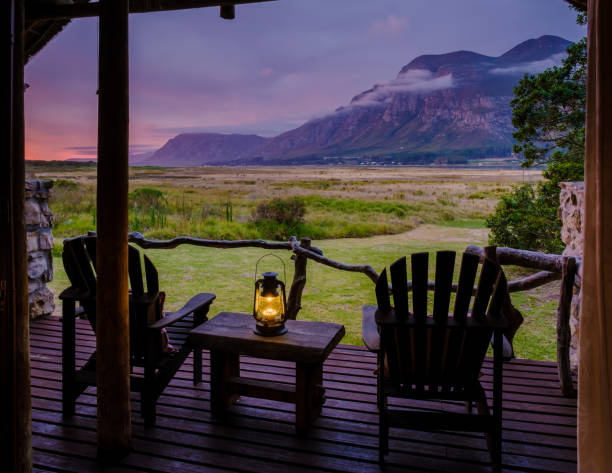
When considering Africa travel in July, Tanzania emerges as a premier destination. This month marks a sweet spot for many travelers, offering a unique blend of excellent wildlife viewing, pleasant weather for trekking, and ideal conditions for beach relaxation. Whether you dream of witnessing the Great Migration, conquering Mount Kilimanjaro, or unwinding on the spice-scented beaches of Zanzibar, July presents a compelling opportunity. This guide will walk you through everything you need to know to plan an unforgettable trip to Tanzania during this prime month.
Quick Answer
Africa travel in July is excellent in Tanzania. July falls within the dry season, offering superb wildlife viewing in parks like the Serengeti and Ngorongoro Crater, making it ideal for safaris. It’s also a prime month for Kilimanjaro trekking due to stable, dry weather. Zanzibar enjoys sunny days and lower humidity, perfect for beach holidays. Expect cooler mornings and evenings, especially at higher altitudes.
| Aspect | Details for July |
|---|---|
| Wildlife Viewing | Excellent, especially the Great Migration in northern Serengeti. Dry conditions concentrate animals around water sources. |
| Kilimanjaro Trekking | Prime season. Dry, clear skies, stable temperatures (cold at summit). Best chance for successful ascents. |
| Zanzibar Weather | Sunny, dry, low humidity. Pleasant temperatures for beaches and exploration. |
| Crowds | Moderate to high, especially in popular safari areas and on Kilimanjaro. Book in advance. |
| Temperatures | Varies: Safari areas 20-30°C (68-86°F), Kilimanjaro summit -5 to 5°C (23-41°F), Zanzibar 24-29°C (75-84°F). |
| Rainfall | Minimal to none in most safari areas and Zanzibar. Light showers possible on Kilimanjaro’s lower slopes. |
| Vegetation | Drier, sparser vegetation aids wildlife visibility on safari. |
Why Tanzania in July? The Benefits of Mid-Year Travel
Choosing Tanzania for your Africa travel in July means capitalizing on several advantages. The country offers diverse experiences, from thrilling wildlife encounters to challenging mountain expeditions and relaxing island escapes, all enhanced by the prevailing dry season conditions.
Prime Wildlife Viewing: The Great Migration
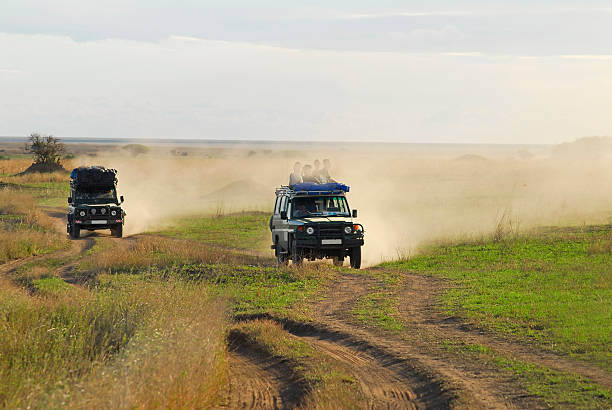
July is a highlight for safari enthusiasts. The Great Migration, a spectacular natural phenomenon, is typically in full swing in the northern Serengeti. Millions of wildebeest and zebras traverse the plains, often crossing the Grumeti River, which can present dramatic predator-prey interactions. Even outside the migration’s direct path, the dry season concentrates wildlife around permanent water sources, making game viewing more predictable and rewarding across parks like the Serengeti, Ngorongoro Conservation Area, Tarangire National Park, and Lake Manyara National Park.
Kilimanjaro Climbing Conditions
For trekkers, July is one of the best months to ascend Mount Kilimanjaro. The weather is generally dry and stable, with clear skies offering breathtaking views from the summit. While temperatures at higher altitudes, especially near Uhuru Peak, can be freezing, the lack of rain significantly increases the chances of a successful climb and makes the journey more comfortable. Popular routes like the Machame, Lemosho, and Marangu are accessible and well-traveled during this period.
Zanzibar’s Idyllic Beaches
Zanzibar, the semi-autonomous island off Tanzania’s coast, offers a perfect complement to a safari or trek. In July, the weather is typically sunny with gentle breezes and low humidity, creating ideal conditions for lounging on white-sand beaches, swimming in the turquoise Indian Ocean, and exploring historical Stone Town. The sea is generally calm, making it pleasant for water activities like snorkeling and diving.
Comfortable Safari Conditions
The dry season means less dust and mud, making road conditions within national parks generally better for game drives. The sparser vegetation also means animals are easier to spot as they gather around dwindling waterholes. While temperatures can be warm during the day, especially in the heat of the afternoon, mornings and evenings are often cool and pleasant.
Planning Your Tanzania Safari in July
A Tanzania safari in July requires careful planning to make the most of the excellent conditions. Understanding the parks, the migration’s location, and your interests will help tailor the perfect itinerary.
Where to Go: Key Safari Destinations
Serengeti National Park
July is peak season for the Serengeti, particularly the northern and central regions. This is where the Great Migration is usually found, offering unparalleled wildlife viewing opportunities. Look for herds of wildebeest and zebras, and the predators that follow them.
Ngorongoro Conservation Area
The Ngorongoro Crater offers incredible year-round game viewing, and July is no exception. The crater floor is a caldera teeming with wildlife, including the Big Five. The cooler temperatures can make game drives more comfortable.
Tarangire National Park
Known for its large elephant herds and iconic baobab trees, Tarangire is a fantastic destination in July. As other water sources dry up, elephants congregate in large numbers along the Tarangire River, making for spectacular sightings.
Lake Manyara National Park
This park offers diverse landscapes, from groundwater forests to alkaline lakes. While smaller, it’s home to tree-climbing lions, large troops of baboons, and a variety of birdlife. It’s often visited as a day trip or en route to other destinations.
Safari Itinerary Logic for July
A typical 7-10 day safari in July might focus on the northern circuit. An example itinerary logic could be:
- Day 1-2: Arrive in Arusha/Kilimanjaro. Transfer to your lodge, relax, and prepare.
- Day 3-4: Tarangire National Park. Focus on elephant herds and diverse birdlife.
- Day 5-7: Serengeti National Park. Spend multiple days exploring different regions, especially the northern Serengeti to witness the migration river crossings if timed perfectly.
- Day 8: Ngorongoro Crater. Descend into the crater for a full day of game viewing.
- Day 9: Lake Manyara National Park. Morning game drive before returning to Arusha.
- Day 10: Departure. Transfer to Kilimanjaro International Airport (JRO).
This structure allows for depth in each location, maximizing wildlife encounters during the optimal July conditions.
What to Pack for a July Safari
Packing smart is crucial for a comfortable safari. Layers are key due to temperature variations.
- Lightweight, breathable clothing (long-sleeved shirts and trousers for sun and insect protection)
- Warm fleece or jacket for cool mornings and evenings
- Waterproof jacket (lightweight) – occasional brief showers can occur, especially on Kilimanjaro
- Comfortable walking shoes/boots
- Hat with a wide brim for sun protection
- Sunglasses
- Sunscreen (high SPF)
- Insect repellent (with DEET)
- Binoculars
- Camera with extra batteries and memory cards
- Personal first-aid kit
- Reusable water bottle
- Adapter for electronics
- Small backpack for day trips
Kilimanjaro Trekking in July: Summit Success
July is considered a peak season for climbing Mount Kilimanjaro, offering some of the best conditions for reaching the summit.
Best Routes for July Climbs
Most routes are viable, but some are particularly well-suited for July’s dry weather:
- Machame Route: Popular for its scenic beauty and good acclimatization profile.
- Lemosho Route: Offers stunning views and a slower ascent, enhancing acclimatization.
- Marangu Route: Known as the ‘Coca-Cola’ route, it’s the only one with hut accommodation, making it comfortable in cooler July nights.
- Northern Circuit: The longest route, offering the highest success rates due to excellent acclimatization.
Regardless of the route, expect clear skies and cold temperatures, especially at higher altitudes and the summit. Summit night can be particularly challenging due to the cold, often dropping well below freezing.
What to Pack for Kilimanjaro in July
Layering is absolutely essential for Kilimanjaro. Temperatures can range from mild on the lower slopes to extreme cold at the summit.
- Base Layers: Moisture-wicking thermal underwear (tops and bottoms).
- Mid Layers: Fleece jackets or sweaters for insulation.
- Outer Layer: Waterproof and windproof jacket and trousers (Gore-Tex or similar).
- Insulation Layer: A warm down or synthetic insulated jacket for summit night.
- Footwear: Broken-in, waterproof hiking boots.
- Socks: Several pairs of thick wool or thermal hiking socks.
- Headwear: Warm hat that covers the ears, a balaclava or neck gaiter, and sunglasses.
- Gloves: Warm, waterproof gloves or mittens, plus thinner liner gloves.
- Sleeping Bag: A 4-season sleeping bag rated for at least -15°C (5°F).
- Trekking Poles: Highly recommended for stability and reducing strain.
- Headlamp: With extra batteries, essential for summit night.
- Sun Protection: High SPF sunscreen, lip balm with SPF, and sunglasses.
- Hydration: Water bottles or a hydration reservoir (insulated to prevent freezing).
- First-Aid Kit: Personal medications, blister treatment, pain relievers.
Kilimanjaro Preparation for July Climbs
Physical fitness is paramount. Begin training several months in advance, focusing on cardiovascular endurance and strength training, particularly for your legs and core. Practice hiking with a weighted backpack. Mental preparation is also key; understand the challenges and maintain a positive attitude.
Zanzibar Holidays in July: Sun, Sand, and Spice
July is a fantastic time to visit Zanzibar, offering a pleasant escape with warm, sunny days and minimal rainfall.
Best Beaches and Activities
The north and east coasts of Zanzibar are particularly popular in July. Nungwi and Kendwa in the north offer stunning sunsets and calmer waters, while the east coast (e.g., Paje, Jambiani) is known for its beautiful beaches and kite surfing opportunities.
Activities to enjoy:
- Beach Relaxation: Lounging on pristine white sands.
- Water Sports: Swimming, snorkeling, diving (especially around Mnemba Atoll), kite surfing, and windsurfing.
- Stone Town Exploration: Discover the UNESCO World Heritage site’s rich history, architecture, and vibrant markets.
- Spice Tours: Learn about the island’s history as a spice producer.
- Dolphin Tours: Visit Kizimkazi for a chance to see dolphins.
Weather in Zanzibar in July
July is part of the ‘Kusi’ season, characterized by dry, sunny weather and a pleasant breeze. Temperatures average between 24-29°C (75-84°F) with low humidity, making it very comfortable for outdoor activities and beach time.
What to Pack for Zanzibar in July
Focus on light, breathable clothing suitable for warm weather and beach activities.
- Light cotton clothing (shorts, t-shirts, sundresses)
- Swimwear
- Beach cover-ups
- A light sweater or shawl for cooler evenings or air-conditioned spaces
- Sandals or flip-flops
- Water shoes (optional, for rocky areas or water sports)
- Sun hat or cap
- Sunglasses
- High SPF sunscreen
- Insect repellent
- Camera
- A good book
Combining Experiences: Safari, Kilimanjaro, and Zanzibar in July
For the ultimate Tanzania adventure in July, consider combining these experiences. A typical itinerary might look like this:
Sample 14-Day Tanzania Itinerary: July Adventure
Focus: Wildlife, Mountain, Beach
- Day 1: Arrive Kilimanjaro International Airport (JRO), transfer to Arusha.
- Day 2: Arusha – preparation and rest.
- Day 3-5: Tarangire National Park & Lake Manyara. Explore diverse landscapes and large herds.
- Day 6-8: Serengeti National Park. Full days of game drives, focusing on the northern sector for migration potential.
- Day 9: Ngorongoro Crater. Descend for a unique wildlife experience.
- Day 10: Fly from Arusha to Zanzibar. Transfer to beach hotel.
- Day 11-13: Zanzibar. Relax on the beach, explore Stone Town, take a spice tour.
- Day 14: Departure from Zanzibar International Airport (ZNZ).
Sample 10-Day Tanzania Itinerary: Safari & Kilimanjaro Focus
Focus: Wildlife & Kilimanjaro Trek
- Day 1: Arrive JRO, transfer to Arusha.
- Day 2: Arusha – safari briefing and preparation.
- Day 3-5: Northern Circuit Safari (Tarangire, Manyara, Ngorongoro).
- Day 6: Drive to Moshi (Kilimanjaro gateway town). Meet your guide, final preparations.
- Day 7-10: Kilimanjaro Trek (e.g., 5-day Marangu or Machame route).
- Day 11: Descend Kilimanjaro, transfer back to Arusha/Moshi.
- Day 12: Departure from JRO.
Note: Kilimanjaro treks are typically 5-9 days depending on the route chosen. The itineraries above are examples and can be customized.
Common Mistakes to Avoid for Africa Travel in July
Planning your Africa travel in July requires attention to detail to ensure a smooth and enjoyable experience. Here are some common pitfalls to sidestep:
- Underestimating July Crowds: July is a popular month. Booking flights, accommodations, and popular safari lodges well in advance (6-12 months) is crucial, especially for 2026 and 2027 trips.
- Not Packing Appropriately for Kilimanjaro: The extreme cold at the summit is often underestimated. Insufficient warm gear can lead to a failed summit attempt or severe discomfort.
- Assuming All Areas are Dry: While generally dry, brief, localized showers can still occur, particularly on Kilimanjaro’s lower slopes. A light waterproof layer is wise.
- Ignoring Acclimatization on Kilimanjaro: Rushing the climb significantly increases the risk of altitude sickness. Choose a longer route and ascend slowly.
- Over-scheduling Safari Days: While game viewing is excellent, allow for downtime. Long days in the vehicle can be tiring, especially in the July heat.
- Not Budgeting for Park Fees and Extras: Tanzania’s park fees are substantial and are typically not included in initial tour quotes. Factor in tips, drinks, and souvenirs.
- Booking Last Minute: Especially for prime July travel, last-minute bookings limit options and can be more expensive. Plan ahead for 2026 and 2027.
- Ignoring Visa Requirements: Ensure you have the necessary visas for Tanzania well in advance of your travel dates.
Who is Africa Travel in July Best For?
Africa travel in July appeals to a broad range of travelers, each drawn by different aspects of Tanzania’s offerings:
- Wildlife Enthusiasts: July is prime time for safaris, especially to witness the Great Migration in the Serengeti.
- Adventure Seekers: Kilimanjaro trekking conditions are excellent, making it ideal for those seeking a physical challenge.
- Beach Lovers: Zanzibar offers perfect weather for relaxation and water sports.
- Photographers: The dry season often means clearer skies and more visible wildlife, ideal for capturing stunning images.
- Families: Safaris can be adapted for families, and Zanzibar provides a safe, enjoyable environment for children.
- Honeymooners: The combination of safari thrills and beach romance makes Tanzania a popular honeymoon destination in July.
- First-Time African Travelers: Tanzania’s well-established tourism infrastructure and diverse offerings make it an accessible and rewarding introduction to the continent.
Alternatives to Tanzania in July
While Tanzania shines in July, other African destinations offer compelling experiences during this month:
- Kenya: Also experiencing its dry season, Kenya offers excellent game viewing in the Masai Mara, often with the Great Migration arriving later in July or August.
- Botswana: July is peak season for Botswana’s Okavango Delta and Chobe National Park. It’s the dry season, concentrating wildlife and offering fantastic boat safaris and game drives. Expect higher prices.
- South Africa: Winter in South Africa. Kruger National Park offers good game viewing due to sparser vegetation. It’s also whale watching season along the coast.
- Rwanda/Uganda: While it’s the shoulder season, July can still be good for gorilla trekking. There might be fewer crowds and slightly lower prices.
However, for the unique combination of the Great Migration spectacle, Kilimanjaro’s prime climbing conditions, and Zanzibar’s idyllic beaches, Tanzania in July is hard to beat.
Planning Your 2026-2027 Tanzania Trip in July
To ensure your Africa travel in July 2026 or 2027 is exceptional, start planning early. The demand for this popular travel window means that the best accommodations and guides get booked up quickly.
Booking Timeline Recommendations
| Timeframe | Action |
|---|---|
| 12+ Months Out | Research destinations, tour operators, and preferred travel style. Book Kilimanjaro permits and popular lodges if possible. |
| 9-12 Months Out | Book international flights. Secure your preferred safari lodges or tented camps, especially for migration viewing areas. Confirm Kilimanjaro route and dates. |
| 6-9 Months Out | Book internal flights (e.g., Arusha to Zanzibar). Finalize safari itinerary details. Book Zanzibar accommodation. |
| 3-6 Months Out | Apply for visas. Get necessary vaccinations and malaria prophylaxis. Purchase travel insurance. Start Kilimanjaro training. |
| 1-3 Months Out | Confirm all bookings. Pack and test gear. Arrange airport transfers. |
| 1 Month Out | Finalize packing list. Exchange currency. Inform bank of travel plans. |
Choosing the Right Tour Operator
Selecting a reputable tour operator is key to a successful Tanzania trip. Look for operators with:
- Extensive experience in Tanzania.
- Positive reviews and testimonials.
- Knowledgeable and certified guides.
- Commitment to responsible tourism and community engagement.
- Flexibility to customize itineraries.
- Clear communication channels.
When planning for July 2026 or 2027, reach out to operators early to discuss your specific interests and budget.
Budget Considerations for July Travel
Tanzania in July is considered peak season, so expect prices to reflect this. Costs vary significantly based on accommodation style (luxury lodges vs. mid-range camps vs. budget options), the length of your trip, chosen activities, and the number of people in your group.
Key cost components include:
- International Flights: Book early for better rates.
- Accommodation: Lodges and camps range from moderately priced to ultra-luxury.
- Park Fees: These are fixed per person per day and are a significant part of the safari budget.
- Kilimanjaro Trekking: Includes park fees, crew wages, food, and equipment rental. Longer routes are more expensive.
- Internal Flights: If flying between destinations (e.g., safari airstrip to Zanzibar).
- Tours and Activities: Guided tours, spice tours, diving, etc.
- Visas, Vaccinations, Travel Insurance.
- Tips for Guides and Staff.
- Personal Expenses: Souvenirs, drinks, etc.
While July is peak season, careful planning and choosing a reputable operator can help you manage costs effectively for your 2026-2027 adventure.
Frequently Asked Questions (FAQs) about Africa Travel in July
Q1: Is July a good month for a safari in Tanzania?
Yes, July is an excellent month for a Tanzania safari. It falls within the dry season, offering superb wildlife viewing opportunities, especially the Great Migration in the northern Serengeti. Animals are concentrated around water sources, making them easier to spot.
Q2: What is the weather like in Tanzania in July?
July is generally dry and cool, particularly in the mornings and evenings. Daytime temperatures in safari areas typically range from 20-30°C (68-86°F). On Kilimanjaro, it is cold, especially at higher altitudes, with summit temperatures often below freezing. Zanzibar is warm and sunny with low humidity, averaging 24-29°C (75-84°F).
Q3: Is July a good time to climb Mount Kilimanjaro?
Absolutely. July is considered one of the best months to climb Kilimanjaro due to the dry weather and clear skies, which provide the best conditions for reaching the summit. However, it is cold, especially at night and on summit day.
Q4: Is July a good month for Zanzibar holidays?
Yes, July is an ideal month for Zanzibar. It’s part of the dry season, offering sunny days, minimal rainfall, and pleasant temperatures with low humidity, perfect for beach activities and exploring the island.
Q5: Will I see the Great Migration in the Serengeti in July?
July is a prime month for witnessing the Great Migration, often in the northern Serengeti. Herds may be preparing for or undertaking river crossings, particularly the Grumeti River, which can be dramatic viewing.
Q6: Are there many tourists in Tanzania in July?
July is a peak tourist season, especially for safaris and Kilimanjaro treks, due to the favorable weather. Popular parks and routes can be busy, so booking accommodations and tours well in advance for 2026 and 2027 is highly recommended.
Q7: What should I pack for a safari in Tanzania in July?
Pack light, neutral-colored clothing for game drives, plus warm layers for cool mornings/evenings. Essentials include a fleece jacket, hat, sunscreen, insect repellent, binoculars, and a camera. For Kilimanjaro, bring serious cold-weather gear.
Q8: Is it expensive to travel to Tanzania in July?
July is a peak season, so travel costs can be higher compared to the low season. Flights, accommodation, and tour packages are generally more expensive due to high demand. Booking early can help secure better rates for your 2026-2027 trip.
Q9: Do I need malaria precautions for Tanzania in July?
Yes, malaria is present year-round in most of Tanzania. It’s advisable to consult your doctor or a travel clinic about appropriate malaria prophylaxis and other recommended vaccinations well before your trip.
Q10: Can I combine a safari, Kilimanjaro trek, and Zanzibar in July?
Yes, combining these experiences is very popular and logistically feasible in July. A typical trip might involve a 4-7 day safari, followed by a Kilimanjaro climb (5-9 days), and concluding with a relaxing 3-5 days in Zanzibar. Allow at least 14-21 days for such a trip.
Your Unforgettable Africa Travel in July Starts Here
Tanzania in July offers a remarkable spectrum of experiences, from the raw drama of the African savanna to the majestic heights of Kilimanjaro and the tranquil shores of Zanzibar. The dry season conditions provide optimal viewing, climbing, and relaxation opportunities, making it a highly sought-after period for Africa travel. By planning ahead, understanding the nuances of this popular month, and working with experienced local experts, you can craft a journey that exceeds all expectations. Whether you’re aiming for a breathtaking safari, an epic mountain ascent, or a serene beach escape, July in Tanzania is a winning choice.
Ready to plan your dream Africa travel in July 2026 or 2027? Contact our team of Tanzania specialists today to start crafting your personalized itinerary. We can help you navigate the best parks, routes, and accommodations to ensure your trip is everything you’ve imagined.
Get in touch:
WhatsApp: +255616946642
Email: topguideadventures@gmail.com
Backup Email: info@topguideadventures.com
Plan your Africa travel in July with Top Guide Adventures
Tell us your travel dates, group size, comfort level, and dream experience. We will help you shape a clear, realistic, and memorable Tanzania itinerary.







 Veedesigner
 Fatma Kizanga
 Benjamin Waryuba
 Philip Philip
 John jr Itaja
 Antonia Optatus
 Edith Kanyere
 Neema Iddy
 Kelvin Boniphace
 Damari Maiga



