
Updated planning guide for 2026-2027
Vaccine Requirements For Africa: Expert Guide
Planning a trip to Africa? Understand the essential vaccine requirements for your journey. This guide covers popular destinations like Tanzania, Kenya, and Uganda, offering practical advice for a healthy adventure in 2026-2027.
WhatsApp +255616946642 | topguideadventures@gmail.com | info@topguideadventures.com
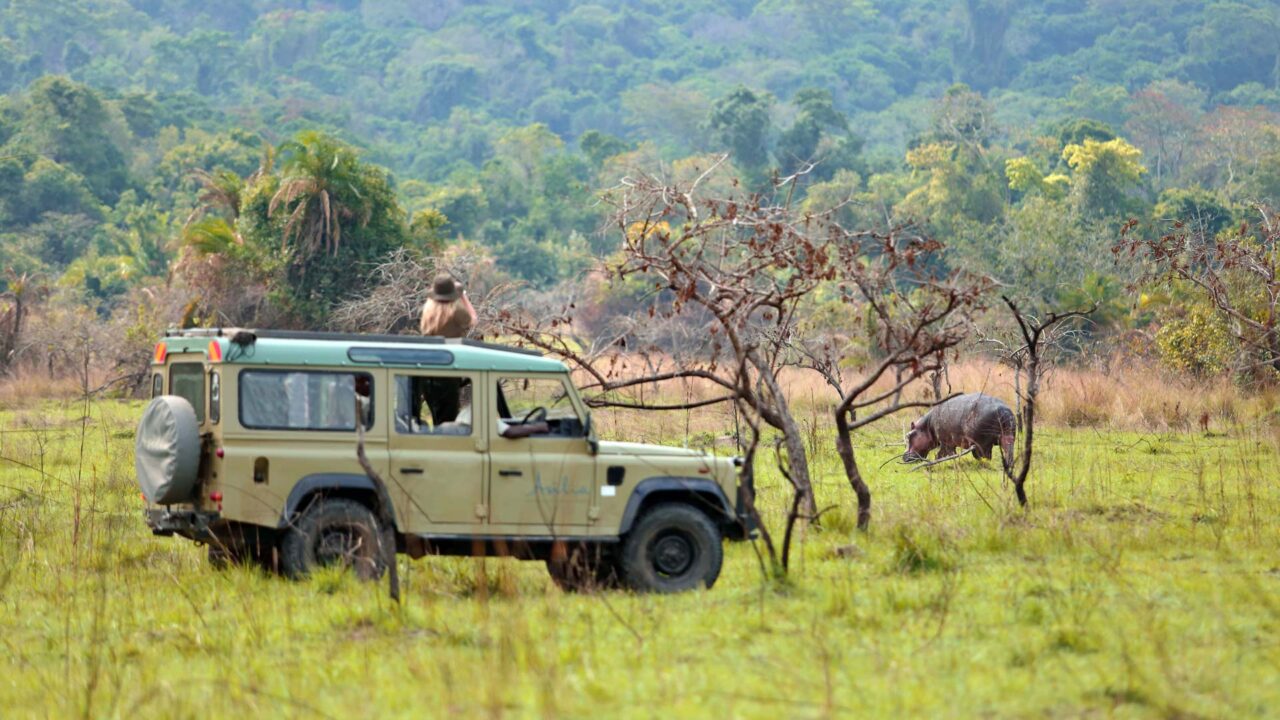

Vaccine Requirements for Africa: Your Essential Planning Guide
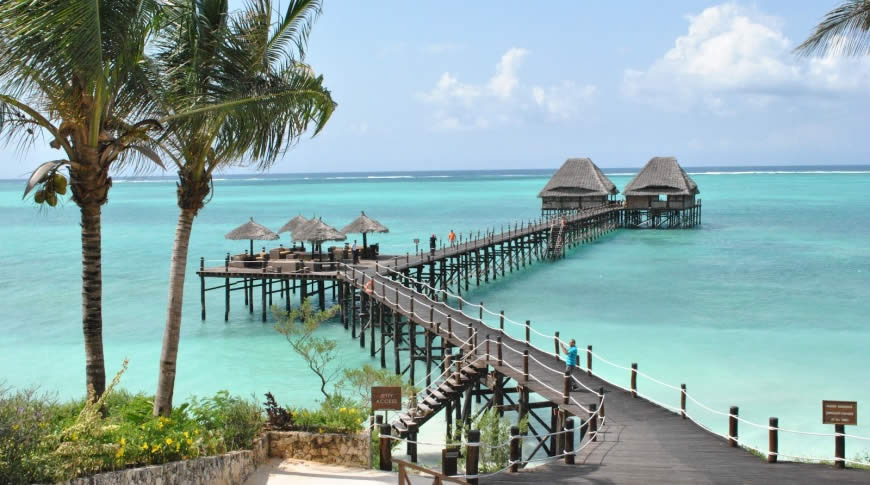
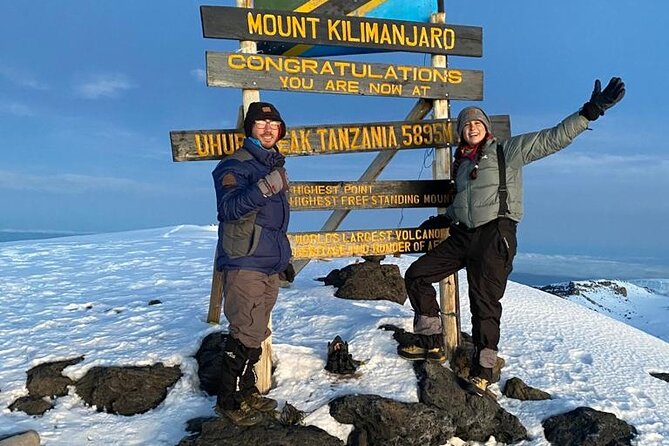
Africa, a continent of breathtaking landscapes, diverse wildlife, and vibrant cultures, calls to travelers seeking unforgettable experiences. Whether you dream of witnessing the Great Migration on a Tanzania safari, summiting Mount Kilimanjaro, relaxing on Zanzibar’s pristine beaches, or exploring the gorillas in Uganda or Rwanda, proper planning is key to a smooth and healthy journey. A crucial part of this preparation involves understanding the specific vaccine requirements for Africa. This guide provides detailed, practical information to help you navigate health protocols, ensuring your adventure in 2026 and 2027 is both safe and enjoyable.
Navigating health recommendations for international travel can seem complex, especially when dealing with multiple countries. Each nation in Africa has its own set of entry regulations and public health advisories. For travelers heading to popular destinations like Tanzania, Kenya, or Uganda, knowing which vaccinations are recommended or mandatory is paramount. This article will break down the essential health considerations, common vaccinations, and how to prepare effectively for your African adventure, focusing on the needs of tourists planning trips for the 2026-2027 travel seasons.
Table of Contents
- Quick Facts on African Travel Health
- Understanding African Vaccine Requirements
- Why Vaccine Requirements Matter for Your Trip
- Best Time to Address Health Preparations
- Destination-Specific Health Advice
- Common Vaccinations for African Travel
- Other Health Considerations
- Travel Health Planning Checklist
- Common Mistakes to Avoid
- Who Needs to Pay Close Attention?
- Alternative Health Approaches
- Planning Your 2026-2027 Trip: Health Focus
- Booking Your African Adventure: Health Integration
- Frequently Asked Questions
Quick Facts on African Travel Health
| Aspect | Details |
|---|---|
| Consultation Timing | At least 4-6 weeks before departure. |
| Key Vaccinations | Yellow Fever, Hepatitis A & B, Typhoid, Tetanus, Polio, Rabies, Meningitis. |
| Malaria Prevention | Recommended for most safari and coastal areas. |
| COVID-19 | Check current entry requirements for your specific destination. |
| Documentation | Yellow Fever Vaccination Certificate is often mandatory for entry. |
| Travel Insurance | Essential for medical emergencies. |
Understanding African Vaccine Requirements
The landscape of health regulations for entering African countries is dynamic and can vary significantly from one nation to another. While some vaccinations are universally recommended for travel to sub-Saharan Africa, others are country-specific or depend on your travel itinerary within a country. The most critical requirement often encountered is the Yellow Fever vaccination, which is mandatory for entry into many African nations, especially if you are arriving from or have transited through a country with a risk of Yellow Fever transmission.
Beyond Yellow Fever, a range of other immunizations are advised by health organizations like the WHO and CDC to protect travelers from diseases prevalent in the region. These include protection against Hepatitis A and B, Typhoid, Tetanus, Diphtheria, Polio, and sometimes Rabies and Meningitis, depending on the activities planned and specific risk factors. It’s not just about meeting entry requirements; it’s about ensuring your personal health and well-being throughout your journey. For instance, if you’re planning a multi-country safari in 2026-2027, you’ll need to cross-reference the requirements for each nation you intend to visit.
COVID-19 protocols have also been a significant factor in international travel. While many restrictions have eased, it is vital to check the latest entry requirements regarding vaccination status, testing, and passenger locator forms for your specific destination in Africa shortly before your departure. These rules can change with little notice.
Why Vaccine Requirements Matter for Your Trip
Adhering to vaccine requirements for Africa is not merely a bureaucratic hurdle; it’s a fundamental aspect of responsible travel that directly impacts your safety, the health of local communities, and the overall success of your adventure. Ignoring these recommendations can lead to serious health consequences, including contracting preventable diseases that could potentially ruin your trip or have long-term health effects.
Personal Health Protection: Many diseases common in parts of Africa, such as Yellow Fever, Hepatitis A, Typhoid, and Malaria, can cause severe illness. Vaccinations and preventative measures are your first line of defense, significantly reducing your risk of falling sick. This is particularly important for strenuous activities like Kilimanjaro trekking, where a health setback could be dangerous.
Entry Compliance: For many African countries, a valid Yellow Fever vaccination certificate is a mandatory entry requirement. Failure to present this document upon arrival can result in being denied entry, forced vaccinations at the airport (which can be costly and time-consuming), or even deportation. This is a non-negotiable aspect for many border controls.
Community Health: By getting vaccinated, you also protect the communities you visit. You reduce the risk of introducing or reintroducing diseases into populations that may have lower immunity or limited access to advanced healthcare. This is a crucial element of ethical and sustainable tourism.
Peace of Mind: Knowing you have taken the necessary health precautions allows you to focus on enjoying your African experience, whether it’s the thrill of a safari, the challenge of a mountain climb, or the relaxation on a tropical island. It removes a significant layer of potential worry.
Insurance Validity: Some travel insurance policies may have clauses regarding pre-existing conditions or illnesses contracted due to failure to take recommended medical precautions. Ensuring you meet health requirements can protect your insurance coverage.
Best Time to Address Health Preparations
The golden rule for addressing health preparations for any international trip, including to Africa, is to start early. Ideally, you should begin planning and consulting with a healthcare professional at least 4 to 6 weeks before your intended departure date. This timeframe is crucial for several reasons:
- Vaccine Effectiveness: Some vaccines require multiple doses administered over several weeks to become fully effective. For example, the Hepatitis B vaccine series is typically given over a period of six months, though a rapid schedule is available. Others, like the Yellow Fever vaccine, provide immunity shortly after administration, but it’s best not to leave it to the last minute.
- Availability: Certain vaccines may not be readily available at all clinics. Booking an appointment in advance ensures that your travel clinic has the necessary supplies or can order them for you.
- Consultation Time: Travel health consultations can be comprehensive. Your doctor or travel nurse will assess your specific health needs based on your destination, duration of stay, planned activities, and personal medical history. This discussion requires adequate time.
- Immunity Incubation: Some vaccines take a couple of weeks after the final dose to provide full protection. Starting early ensures you are protected before you even leave home.
- Documentation: The Yellow Fever certificate, if required, is usually issued immediately after vaccination. However, ensuring you have this document well in advance prevents last-minute panic.
For trips planned in 2026 or 2027, begin this process in late 2025 or early 2026, depending on your exact travel dates. Proactive planning is the cornerstone of a healthy and stress-free African adventure.
Destination-Specific Health Advice
Africa is a vast continent, and health recommendations can differ significantly between countries. While general advice applies, it’s essential to research the specific requirements for the nations you plan to visit. Here’s a look at some popular destinations and their common health considerations:
Tanzania (including Kilimanjaro & Zanzibar)
Yellow Fever: A Yellow Fever vaccination certificate is often required for entry into Tanzania, especially if arriving from a country with a risk of Yellow Fever transmission or if you have spent time in such a country. Even if not arriving from a risk country, it’s often recommended and may be checked at immigration.
Malaria: Malaria is prevalent in most parts of Tanzania, including the mainland safari areas and Zanzibar. Chemoprophylaxis (antimalarial medication) is strongly recommended. Mosquito bite prevention is also crucial.
Other Recommended Vaccinations: Hepatitis A, Typhoid, Tetanus, Diphtheria, Polio, and Hepatitis B are generally advised.
Kenya
Yellow Fever: Similar to Tanzania, a Yellow Fever certificate is often mandatory for entry into Kenya, particularly if arriving from a risk country. It is advisable to have it even if not arriving from a risk country, as it may be checked.
Malaria: Malaria risk exists throughout Kenya, including Nairobi, although the risk is lower at higher altitudes. Antimalarial medication and mosquito bite prevention are recommended.
Other Recommended Vaccinations: Hepatitis A, Typhoid, Tetanus, Diphtheria, Polio, and Hepatitis B are commonly advised.
Uganda
Yellow Fever: The Yellow Fever vaccination is MANDATORY for entry into Uganda. You will be required to show your International Certificate of Vaccination or Prophylaxis (ICVP) at immigration. Failure to do so may result in vaccination at the airport.
Malaria: Malaria is a significant risk in Uganda. Antimalarial medication and strict mosquito bite prevention measures are essential.
Other Recommended Vaccinations: Hepatitis A, Typhoid, Tetanus, Diphtheria, Polio, Hepatitis B, and sometimes Rabies (especially for those planning extensive rural travel or working with animals).
Rwanda
Yellow Fever: A Yellow Fever vaccination certificate is often required for entry into Rwanda, particularly if arriving from a Yellow Fever risk country. It’s wise to have it even if not, as it may be requested.
Malaria: Malaria is present in Rwanda, though risk levels can vary by region and season. Antimalarial medication and mosquito bite prevention are recommended, especially for lower-altitude areas.
Other Recommended Vaccinations: Hepatitis A, Typhoid, Tetanus, Diphtheria, Polio, and Hepatitis B are generally advised.
Botswana, Namibia, South Africa
These Southern African nations generally have lower risks of Yellow Fever transmission and often do not mandate the Yellow Fever vaccination for entry unless arriving from a risk country. However, Hepatitis A, Typhoid, and Tetanus are commonly recommended. Malaria is a concern in specific regions (e.g., northern Botswana, northern Namibia), and prophylaxis is advised for those areas.
Important Note: Always verify the latest entry requirements with the official embassy or consulate of the country you are visiting, and consult with a travel health professional. Regulations can change.
Common Vaccinations for African Travel
When preparing for a trip to Africa, several vaccinations are frequently recommended or required. Understanding these can help you discuss them effectively with your healthcare provider.
- Yellow Fever: This is perhaps the most critical vaccine for African travel. It’s a live virus vaccine, and a single dose provides lifelong protection for most people (as per WHO recommendations). It is often mandatory for entry into many African countries. You will receive an International Certificate of Vaccination or Prophylaxis (ICVP), commonly known as the ‘Yellow Card’, which you must carry with you.
- Hepatitis A: Recommended for most travelers to Africa, as it is spread through contaminated food and water. This vaccine is usually given as two doses, several months apart, for long-term protection, but a single dose provides good protection for a trip.
- Typhoid: Also spread through contaminated food and water, Typhoid fever can be serious. This vaccine can be given orally or as an injection.
- Tetanus, Diphtheria, and Pertussis (Tdap): Routine booster shots are recommended to ensure immunity. Tetanus can be contracted from cuts or scrapes, which are more likely during adventurous activities.
- Polio: While polio has been eradicated in many parts of the world, it still exists in a few regions. A booster dose of the polio vaccine is often recommended for travelers to Africa.
- Hepatitis B: Recommended for travelers who may have close contact with local people, engage in medical procedures, or have sexual contact. It is also recommended for longer stays or if visiting areas where healthcare is limited. This is a series of shots.
- Rabies: Recommended for travelers spending extended periods in rural areas, working with animals, or those who might be at higher risk of animal bites. It is given as a series of shots.
- Meningitis (Meningococcal): Recommended for travelers going to areas where outbreaks are common, or for those with prolonged exposure in rural areas, particularly during the dry season. Some countries may require proof of vaccination for Hajj pilgrims, which can sometimes extend to other travelers.
It’s important to note that not all these vaccines are mandatory for entry, but they are highly recommended for personal health protection. Your travel clinic will help you prioritize based on your specific destinations and activities planned for your 2026-2027 adventure.
Other Health Considerations
Beyond vaccinations, several other health aspects are critical for a safe trip to Africa:
- Malaria Prevention: This is a major concern in many African countries, especially during safaris and visits to coastal areas like Zanzibar.
- Antimalarial Medication: Consult your doctor about the most suitable antimalarial drug for your destination. Different drugs are effective in different regions. You’ll need to start taking the medication before you travel, continue during your stay, and for a period after returning home.
- Mosquito Bite Prevention: This is equally important. Use insect repellent containing DEET or Picaridin, wear long-sleeved clothing and trousers, especially during dawn and dusk when mosquitoes are most active, and sleep under a mosquito net if available.
- Food and Water Safety: Travelers’ diarrhea is common and can be caused by consuming contaminated food or water.
- Drink bottled or purified water. Avoid tap water, ice cubes in drinks, and brushing your teeth with tap water.
- Eat well-cooked food. Be cautious with raw vegetables and fruits unless you peel them yourself. Avoid street food if you have a sensitive stomach.
- Altitude Sickness: If you are planning to trek Mount Kilimanjaro or ascend to high altitudes in other mountainous regions, altitude sickness is a significant risk. Acclimatization is key. Discuss this with your tour operator and doctor.
- Sun Protection: The African sun can be intense. Use high SPF sunscreen, wear a wide-brimmed hat, and sunglasses.
- Traveler’s Diarrhea: Besides food and water precautions, carry an anti-diarrheal medication and rehydration salts.
- Traveler’s Insurance: Comprehensive travel insurance that covers medical emergencies, evacuation, and pre-existing conditions is non-negotiable. Ensure it covers the specific activities you plan, like high-altitude trekking.
Travel Health Planning Checklist
To ensure you cover all essential health aspects for your African trip in 2026-2027, use this checklist:
- Schedule a consultation with a travel health professional (doctor or travel clinic) 4-6 weeks before departure.
- Discuss your itinerary, planned activities (safari, trekking, Zanzibar beaches), and personal medical history.
- Get recommended vaccinations, including Yellow Fever (if required), Hepatitis A, Typhoid, Tetanus, Polio, etc.
- Obtain and keep your International Certificate of Vaccination or Prophylaxis (ICVP), especially for Yellow Fever, in a safe place.
- Get a prescription for antimalarial medication and understand how and when to take it.
- Pack insect repellent (with DEET or Picaridin), sunscreen, a hat, and sunglasses.
- Pack a basic first-aid kit, including pain relievers, anti-diarrheal medication, and rehydration salts.
- Ensure your travel insurance is comprehensive and covers medical evacuation.
- Check the latest COVID-19 entry requirements for your specific destination countries.
- Research food and water safety guidelines for your destinations.
- If trekking Kilimanjaro or visiting high altitudes, understand altitude sickness prevention and management.
- Inform your tour operator (like Best Tanzania Tour Operator) of any significant health concerns or requirements.
Common Mistakes to Avoid
Many travelers make common mistakes when preparing for health requirements in Africa. Avoiding these can save you trouble, money, and health risks.
- Waiting too late to consult a doctor: This is the most common error. If you wait until a week before your trip, you won’t have time for vaccines to become effective or to complete series if needed.
- Assuming all countries have the same rules: Each nation has unique entry requirements and health risks. What applies to Kenya might not apply to Tanzania or Uganda.
- Forgetting the Yellow Fever certificate: This is critical. If it’s required and you don’t have it, you could be denied entry or face costly vaccinations at the airport. Always carry your original ICVP.
- Not understanding malaria risk: Some travelers underestimate the risk of malaria, especially in coastal areas like Zanzibar, which are very popular but have significant malaria transmission.
- Only relying on vaccines: Vaccines are essential, but they are not a complete solution. Mosquito bite prevention, food and water safety, and general hygiene are equally vital.
- Not getting travel insurance: Medical emergencies in remote areas can be extremely expensive. Comprehensive insurance is a must.
- Ignoring altitude sickness: For Kilimanjaro treks, not respecting altitude sickness symptoms or not acclimatizing properly can lead to serious consequences.
- Not checking the latest COVID-19 regulations: These can change rapidly and affect your ability to enter or transit through countries.
- Not informing the tour operator: Sharing your health needs with your tour operator helps them make necessary arrangements, especially for activities like Kilimanjaro climbs or specific dietary needs.
Who Needs to Pay Close Attention?
While all travelers to Africa should be mindful of health requirements, certain groups need to be particularly diligent:
- First-time visitors to Africa: The continent’s health landscape can be unfamiliar, so thorough research and consultation are essential.
- Travelers visiting multiple countries: Each country may have different requirements, and you must meet all of them. For example, a safari circuit including Tanzania, Kenya, and Uganda requires careful cross-referencing.
- Individuals with pre-existing medical conditions: These travelers must consult their doctor well in advance to ensure their conditions are stable and that travel will not exacerbate them. They also need to discuss any potential vaccine contraindications.
- Pregnant travelers: Specific precautions and vaccine recommendations apply to pregnant women due to potential risks to the fetus. Consultation with a specialist is vital.
- Elderly travelers: Older adults may have weaker immune systems or pre-existing conditions that require special attention and medical advice before travel.
- Travelers with specific activities planned: Those undertaking strenuous activities like Kilimanjaro trekking, or those planning to work with animals or in remote healthcare settings, may need additional vaccinations (e.g., Rabies) and specific advice.
- Travelers spending extended periods in rural areas: The risk of certain diseases, including mosquito-borne illnesses and rabies, is higher in less developed or remote regions.
Alternative Health Approaches
While vaccinations are the cornerstone of health preparation for Africa, some travelers explore complementary or alternative approaches. It’s crucial to understand that these are generally not substitutes for recommended vaccinations or preventative medications but can be considered supportive measures.
- Herbal Remedies: Some travelers use certain herbal remedies for general immune support or as natural insect repellents. However, their efficacy and safety for preventing specific diseases like malaria or Yellow Fever are not scientifically proven to the same extent as conventional medicine. Always discuss any herbal supplements with your doctor, as they can sometimes interact with prescribed medications.
- Homeopathy: Similar to herbal remedies, homeopathic treatments are sometimes used for general well-being. There is limited scientific evidence to support their effectiveness in preventing or treating diseases contracted in high-risk areas.
- Diet and Lifestyle: Maintaining a healthy diet, staying hydrated, and managing stress are universally beneficial for health and can support your immune system. These are excellent practices for any traveler.
- Acupuncture: Some individuals find acupuncture helpful for general well-being or managing travel-related stress. It is not a preventative measure for infectious diseases.
Important Caveat: Relying solely on alternative methods for disease prevention in areas with significant health risks like malaria or Yellow Fever is strongly discouraged and can be dangerous. Always prioritize evidence-based medical advice and recommended vaccinations and medications from qualified healthcare professionals. Consult your doctor about any alternative therapies you are considering.
Planning Your 2026-2027 Trip: Health Focus
As you begin planning your African adventure for 2026 or 2027, integrating health considerations from the outset will make the process smoother and more effective. Here’s how to approach it:
- Early Research: As soon as you decide on your destinations (e.g., Tanzania safari, Kilimanjaro climb, Zanzibar holiday), start researching the specific vaccine requirements and health advisories for those countries. Websites like the CDC (Centers for Disease Control and Prevention) and WHO (World Health Organization) are excellent resources.
- Consult Your Doctor: Book your travel health appointment 4-6 weeks before your planned departure. Bring your itinerary, including any internal flights or border crossings, as this information helps determine specific risks.
- Budget for Health Preparations: Factor in the cost of doctor’s visits, vaccinations, and antimalarial medication. Some vaccines can be expensive, and they are generally not covered by standard health insurance.
- Documentation: Ensure you understand which documents are required (e.g., Yellow Fever certificate) and keep them safe and accessible. Digital copies can be useful backups.
- Flexibility: Health regulations, especially concerning diseases like COVID-19, can change. Stay updated by checking official government travel advisories and your airline’s requirements closer to your travel date.
- Tour Operator Communication: If you book with a reputable operator like Best Tanzania Tour Operator, communicate any health needs or concerns. We can advise on local conditions and help coordinate aspects of your trip, such as ensuring mosquito nets are provided or discussing altitude acclimatization plans for Kilimanjaro.
Booking Your African Adventure: Health Integration
When you’re ready to book your dream trip, integrating health planning into the booking process is wise. This ensures that your preparations align with your travel dates and that your chosen operator is equipped to support your needs.
Choose a Reputable Tour Operator: Select a company with experience in your chosen destinations and activities. A good operator will often provide pre-travel information, including health and safety guidelines. For example, when planning a safari in Tanzania or a trek up Kilimanjaro, operators like Best Tanzania Tour Operator can offer specific advice tailored to these experiences.
Confirm Inclusions: Understand what your tour package includes. For Kilimanjaro treks, this might include guidance on altitude sickness and provision of mosquito nets. For safaris, it should include information on malaria prevention relevant to the specific parks you’ll visit.
Share Your Health Needs: When booking, inform your tour operator about any specific health requirements or concerns you have. This allows them to make necessary arrangements and provide relevant advice. For instance, if you have dietary restrictions due to a medical condition, let them know.
Timing Your Booking and Health Preparations: Book your trip first, then immediately begin your health preparations. This ensures you have confirmed travel dates for your doctor’s appointments and vaccinations. For trips in 2026 and 2027, booking 6-12 months in advance is common, allowing ample time for health planning.
Travel Insurance: Ensure your travel insurance is secured as soon as you book your trip. This protects your investment and provides essential medical coverage.
By coordinating your booking with your health preparations, you create a solid foundation for a safe and enjoyable African journey. For assistance with planning your safari, Kilimanjaro trek, or Zanzibar holiday, don’t hesitate to reach out.
Frequently Asked Questions
1. Is the Yellow Fever vaccine mandatory for all African countries?
No, not all African countries strictly mandate the Yellow Fever vaccine for all arrivals. However, it is mandatory for entry into many, particularly if you are arriving from or have transited through a country with a risk of Yellow Fever transmission. It is also often recommended for entry even if not strictly mandatory, and you may be asked to show your certificate. Always check the specific requirements for your destination country and any transit countries.
2. When should I get my Yellow Fever vaccination?
You should get your Yellow Fever vaccination at least 10 days before you travel to ensure the vaccine is effective and your certificate is valid upon arrival. Many countries require the certificate to be issued at least 10 days prior to entry.
3. What if I have a medical reason not to get the Yellow Fever vaccine?
If you have a medical contraindication to the Yellow Fever vaccine, you may be able to obtain a medical exemption certificate from your doctor. You will need to present this certificate, along with proof of your medical condition, upon arrival. Requirements can vary, so it’s best to check with the embassy or consulate of your destination country.
4. Do I need malaria medication for Zanzibar?
Yes, malaria is a significant risk in Zanzibar and throughout mainland Tanzania. Antimalarial medication is strongly recommended for all travelers visiting Zanzibar, in addition to strict mosquito bite prevention measures.
5. How do I get vaccinated for Kilimanjaro?
Vaccinations for Kilimanjaro are the same as for mainland Tanzania. You’ll need to consult a travel health clinic to get recommended vaccines like Yellow Fever, Hepatitis A, Typhoid, and Tetanus. Malaria prophylaxis is also advised for the lower slopes and surrounding areas. The climb itself doesn’t require specific vaccinations beyond those for general entry and health protection in Tanzania.
6. Are COVID-19 vaccines still required for travel to Africa in 2026-2027?
COVID-19 vaccination and testing requirements have been largely eased globally. However, it is essential to check the latest entry protocols for your specific African destination shortly before your travel date in 2026 or 2027, as requirements can change. Some countries might still have specific rules for unvaccinated travelers or require proof of vaccination for certain activities.
7. What is the difference between recommended and mandatory vaccinations?
Mandatory vaccinations (like Yellow Fever in many cases) are required by the destination country’s government for entry. Failure to comply can result in denied entry or mandatory vaccination at the point of arrival. Recommended vaccinations are advised by health organizations (like the CDC or WHO) to protect your personal health from diseases prevalent in the region but are not typically enforced as entry requirements.
8. Can I get vaccinated upon arrival in African countries?
While some vaccinations, like Yellow Fever, might be administered at the airport upon arrival if you lack the required certificate, this is often a costly, time-consuming, and potentially less controlled process. It’s far better to get vaccinated and obtain your certificate before you travel.
9. What should I pack for a safari in terms of health?
Pack a comprehensive first-aid kit including insect repellent, sunscreen, any personal medications, pain relievers, anti-diarrheal medication, rehydration salts, and any prescribed antimalarial drugs. Ensure you have your vaccination certificates readily accessible.
10. How far in advance should I book my travel health appointment for a 2027 trip?
For a trip in 2027, aim to book your travel health appointment between mid-2026 and early 2027, ideally 4-6 weeks before your departure date. This allows ample time for vaccinations to become effective and for any necessary follow-up consultations.
Ready for Your African Adventure?
Understanding and preparing for the vaccine requirements for Africa is a vital step in planning a safe and successful trip. Whether you’re dreaming of the vast plains of the Serengeti, the summit of Kilimanjaro, or the turquoise waters of Zanzibar, thorough health preparation ensures you can focus on the incredible experiences awaiting you. Remember to consult with a travel health professional well in advance, typically 4-6 weeks before your departure, to discuss recommended vaccinations, malaria prevention, and any other health concerns specific to your itinerary for 2026-2027.
At Best Tanzania Tour Operator, we are committed to helping you plan an unforgettable and safe journey. We can provide guidance on local health advisories and ensure your safari, Kilimanjaro trek, or Zanzibar holiday is planned with your well-being in mind. Don’t let health concerns overshadow your excitement. Let us help you navigate the details so you can focus on the adventure.
Contact us today to start planning your trip:
WhatsApp: +255616946642
Email: topguideadventures@gmail.com
Backup Email: info@topguideadventures.com
Let’s make your African dream a reality, safely and memorably. We look forward to assisting you with your vaccine requirements for Africa and crafting your perfect itinerary.
Plan your vaccine requirements for Africa with Top Guide Adventures
Tell us your travel dates, group size, comfort level, and dream experience. We will help you shape a clear, realistic, and memorable Tanzania itinerary.

 Veedesigner
 Fatma Kizanga
 Benjamin Waryuba
 Philip Philip
 John jr Itaja
 Antonia Optatus
 Edith Kanyere
 Neema Iddy
 Kelvin Boniphace
 Damari Maiga



