
Updated planning guide for 2026-2027
Travel Documents For Africa: Essential Guide
Planning an African adventure? This comprehensive guide details all the essential travel documents for Africa you'll need, from passports and visas to health certificates and driving permits. Get prepared for your 2026-2027 journey.
WhatsApp +255616946642 | topguideadventures@gmail.com | info@topguideadventures.com
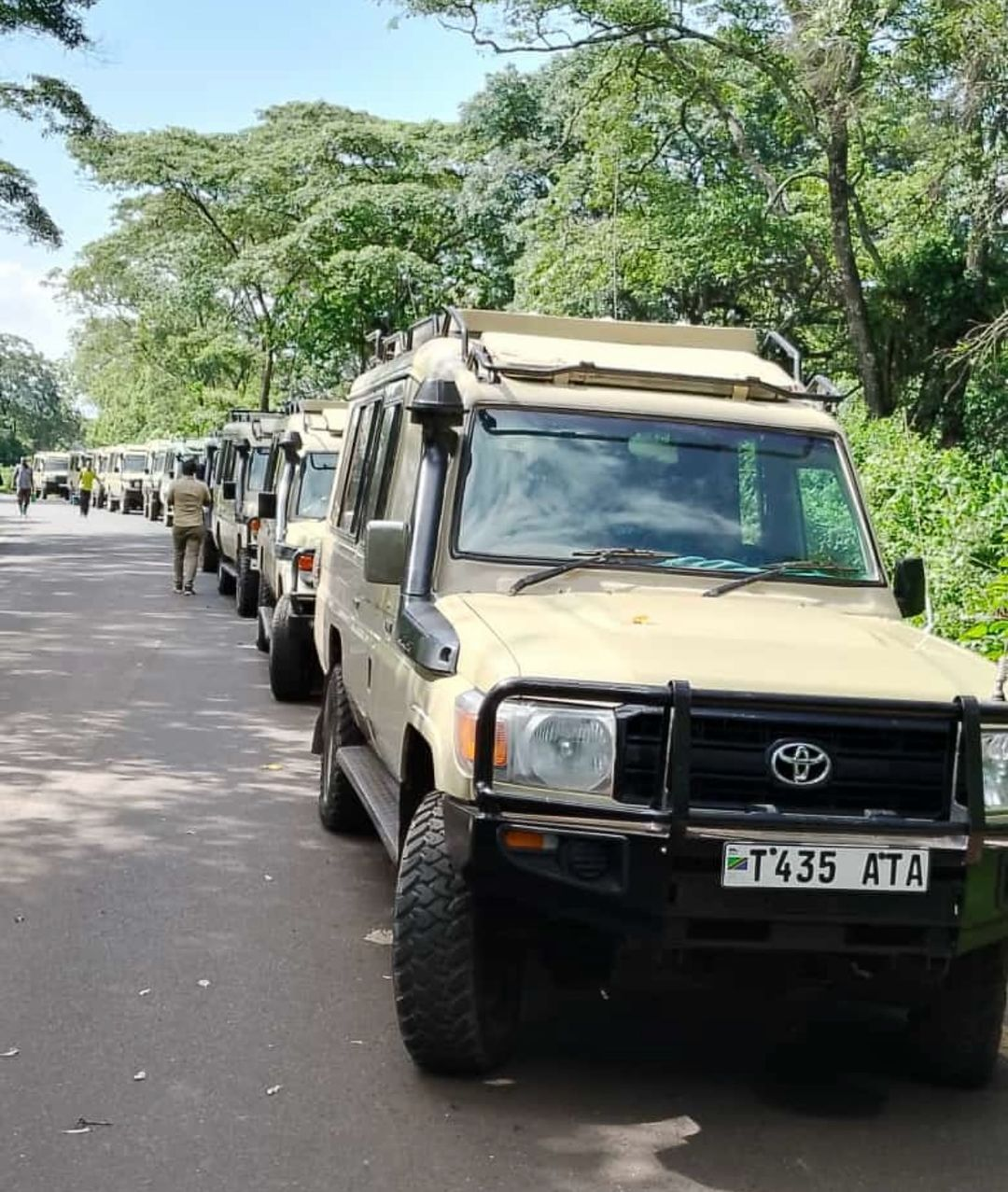

Travel Documents for Africa: Your Essential Planning Guide
Africa is a continent of incredible diversity, from the vast savannas of East Africa to the vibrant cultures of the West and the stunning coastlines of the South. Planning a trip to this captivating continent is an exciting prospect, but it also requires careful preparation, especially when it comes to your travel documents. Understanding the specific requirements for passports, visas, vaccinations, and other essential paperwork is crucial for a smooth and enjoyable journey. This guide will walk you through everything you need to know about travel documents for Africa, ensuring you are fully prepared for your 2026-2027 adventure.
Many travelers wonder, “What are the most important travel documents for Africa?” The answer depends heavily on your nationality, the specific countries you plan to visit, and the purpose of your trip. However, a few core documents are universally required. Navigating these requirements can seem daunting, but with the right information, it becomes a manageable part of your travel planning. This comprehensive resource aims to demystify the process, offering practical advice and detailed insights to help you secure all necessary travel documents for Africa well in advance.
Quick Answer: Key Travel Documents for Africa
At a minimum, most travelers to African nations will require:
- A valid passport with at least six months’ validity beyond your intended stay and sufficient blank pages.
- Visas for the countries you plan to visit (unless exempt).
- Proof of onward or return travel.
- Yellow Fever vaccination certificate (if arriving from or transiting through a country with a risk of Yellow Fever).
- Travel insurance documentation.
Table of Contents
- Passport Requirements for African Travel
- Visa Information: Navigating Entry Requirements
- Health and Vaccinations: Staying Safe and Compliant
- Other Essential Documents to Carry
- Country-Specific Document Considerations
- Planning Timeline for Your Documents
- Common Mistakes to Avoid with Travel Documents
- Who is This Guide For?
- Alternatives and Other Considerations
- 2026-2027 African Travel Document Planning Tips
- Booking Your African Adventure: Document Check
- Frequently Asked Questions About Travel Documents for Africa
Quick Facts About Travel Documents for Africa
| Document Type | Key Considerations | Importance |
|---|---|---|
| Passport | Minimum 6 months validity, 2-3 blank pages. Check expiry dates well in advance. | Essential for international travel. |
| Visas | Varies by nationality and destination. Apply early. E-visas are increasingly common. | Required for entry into most African countries. |
| Yellow Fever Certificate | Mandatory for entry from or transit through risk areas. Check specific country requirements. | Crucial for border control compliance. |
| Travel Insurance | Must cover medical emergencies, evacuation, trip cancellation, lost luggage. | Highly recommended for safety and financial protection. |
| International Driving Permit (IDP) | If you plan to rent a car or drive. Check local regulations. | Required in some countries for car rentals. |
| Proof of Accommodation/Itinerary | May be requested at immigration. | Supports your travel purpose. |
Passport Requirements for African Travel
Your passport is your primary identification and entry document for any international travel, and Africa is no exception. When preparing your travel documents for Africa, pay close attention to your passport’s condition and validity.
Validity: The Six-Month Rule
Almost every African country requires your passport to be valid for at least six months beyond your intended date of departure from that country. This means if your passport expires in, say, three months, and you plan to stay for two weeks, you will likely be denied entry. This rule is in place to account for unforeseen travel delays or extensions. Always check the specific requirements for each country you plan to visit, but err on the side of caution by ensuring your passport has ample validity.
Blank Pages: Space for Stamps
Immigration officials need space to place entry and exit stamps, and sometimes visa pages. A common requirement is for your passport to have at least two to three blank pages available for these stamps. If your passport is nearly full, you may need to apply for a new one before your trip. Missing blank pages can also lead to denial of entry.
Condition of Your Passport
Ensure your passport is in good condition. Significant damage, such as water damage, tears, or missing pages, can render it invalid. Border officials are meticulous, and any unusual wear and tear could raise questions.
Lost or Stolen Passports
It’s wise to have a plan in case your passport is lost or stolen while abroad. Keep photocopies of your passport’s main page and any relevant visas separate from your actual passport. Store digital copies securely online or on your phone. If your passport is lost, you will need to contact your country’s embassy or consulate in the African country you are visiting to obtain emergency travel documents.
Visa Information: Navigating Entry Requirements
Visa requirements are perhaps the most complex aspect of preparing travel documents for Africa, as they vary significantly based on your nationality and the destination country. Failure to obtain the correct visa can result in denied entry, fines, or even deportation.
Who Needs a Visa?
Citizens of many Western countries (e.g., USA, UK, Canada, Australia, EU nations) often require visas for many African countries. However, some nations have reciprocal visa-free agreements or offer visas on arrival. It is imperative to research the specific visa policy for your nationality for *each* country on your itinerary.
Types of Visas
- Tourist Visas: The most common type for travelers. They allow you to enter a country for leisure purposes for a specified period.
- Transit Visas: Required if you are passing through a country for a short period en route to another destination.
- Business Visas: For those traveling for work-related activities.
- Multiple-Entry Visas: Allow you to enter and exit a country multiple times within a specified period. Essential if your itinerary involves returning to a country.
How to Obtain a Visa
- Embassy/Consulate: The traditional method involves applying at the embassy or consulate of the destination country in your home country. This often requires a physical visit, submitting forms, photos, and supporting documents, and paying a fee.
- Visa on Arrival (VOA): Some countries offer visas that can be purchased at the airport or border crossing upon arrival. While convenient, this can lead to long queues and potential issues if requirements are not met precisely. It’s generally recommended to secure visas in advance if possible.
- E-Visas: Many African nations are adopting online visa application systems (e-visas). This is often the most convenient method, allowing you to apply and receive your visa electronically before you travel. Examples include Kenya, Uganda, Rwanda, and Zambia.
Key Visa Application Tips
- Apply Early: Visa processing times can vary significantly, from a few days to several weeks or even months. Start your visa applications as soon as you have your travel dates confirmed.
- Check Requirements Carefully: Pay close attention to the required documents, application forms, fees, and processing times. Incomplete applications are often rejected.
- Supporting Documents: You may need to provide proof of accommodation, flight itineraries, proof of sufficient funds, and a letter of invitation (for certain purposes).
- Visa Fees: Be prepared to pay visa fees, usually in the local currency or USD. Keep receipts.
- Entry and Exit Dates: Ensure your visa dates align perfectly with your planned entry and exit. Overstaying your visa can lead to penalties.
For a Tanzanian safari or Zanzibar holiday, U.S. citizens and many other nationalities require a visa. While a visa on arrival is often possible, applying for an e-visa in advance is highly recommended for a smoother process. The same applies to other East African destinations like Kenya and Uganda.
Health and Vaccinations: Staying Safe and Compliant
Your health is paramount, and ensuring you have the necessary vaccinations and health documentation is a critical part of preparing your travel documents for Africa. Compliance with health regulations also prevents potential issues at border control.
Yellow Fever Vaccination
This is one of the most commonly mandated vaccinations for travel to many African countries. If you are arriving from, or have transited for more than 12 hours through, a country with a risk of Yellow Fever transmission (which includes many African nations), you will likely need to present a valid International Certificate of Vaccination or Prophylaxis (ICVP), commonly known as the Yellow Fever certificate. This certificate is often checked rigorously at immigration and customs. Get vaccinated at least 10 days before arrival to ensure its validity.
Other Recommended Vaccinations
While not always mandatory for entry, several other vaccinations are highly recommended by health organizations like the WHO and CDC for travel to Africa. Consult with a travel health professional or your doctor at least 4-6 weeks before your trip to discuss:
- Hepatitis A and B
- Typhoid
- Tetanus and Diphtheria
- Polio
- Rabies (especially if you plan activities involving animals or will be in remote areas)
- Influenza
- Measles, Mumps, and Rubella (MMR)
- Meningitis (particularly for the meningitis belt in Sub-Saharan Africa)
Malaria Prevention
Malaria is prevalent in many parts of Africa, especially in tropical and subtropical regions. While not a document requirement for entry, it is a critical health consideration. Discuss malaria prophylaxis (anti-malarial medication) with your doctor. Ensure you also pack insect repellent containing DEET or Picaridin, and consider permethrin-treated clothing.
COVID-19 Requirements (Check Current Regulations)
As of the latest information, many countries have relaxed or removed COVID-19 related travel requirements, such as vaccination proof or PCR tests. However, regulations can change. It is essential to check the most up-to-date requirements for your destination country and any transit countries shortly before your departure. Official government websites or your tour operator are the best sources for this information.
Travel Insurance: A Non-Negotiable Document
While not always a mandatory entry requirement, comprehensive travel insurance is strongly advised and sometimes required by tour operators. Ensure your policy covers:
- Medical emergencies and repatriation
- Emergency evacuation (especially important for remote safari locations or Kilimanjaro treks)
- Trip cancellation and interruption
- Lost or stolen baggage and personal effects
- Activities you plan to undertake (e.g., trekking, game drives).
Carry a copy of your insurance policy details and emergency contact numbers with you.
Other Essential Documents to Carry
Beyond passports, visas, and health certificates, several other documents are vital for a smooth travel experience. Having these readily accessible can save you time and stress.
Proof of Onward or Return Travel
Most immigration authorities require proof that you intend to leave their country. This is typically demonstrated by a return flight ticket or a ticket for onward travel to another country. Be prepared to present this upon arrival if asked.
Proof of Accommodation and Itinerary
In some cases, immigration officers may ask for details about where you will be staying and your planned activities. Having printouts or digital copies of your hotel bookings, safari itinerary, or a letter from your tour operator can be helpful.
International Driving Permit (IDP)
If you plan to rent a car or drive in any African country, you will likely need an International Driving Permit (IDP) in addition to your home country’s driver’s license. The IDP translates your license into multiple languages and is recognized in many countries. Check the specific requirements for car rental agencies and local traffic laws.
Copies of Important Documents
As mentioned earlier, keep physical and digital copies of all your important documents: passport, visas, flight tickets, hotel reservations, travel insurance, and vaccination certificates. Store these separately from the originals. This is invaluable if originals are lost or stolen.
Emergency Contact Information
Have a list of emergency contacts, including family members back home, your tour operator, your embassy, and your travel insurance provider. Keep this readily accessible.
Student or Senior IDs
If you are a student or senior citizen, carrying relevant identification cards might grant you discounts on certain attractions or transport. While not strictly required travel documents for Africa, they can offer savings.
Country-Specific Document Considerations
Africa is a vast continent with 54 countries, each with its own unique regulations. While the core documents are similar, specific requirements can differ. Here are a few examples, with a focus on popular tourist destinations relevant to our services:
Tanzania
- Passport: Valid for at least 6 months, with at least one blank page.
- Visa: Required for most nationalities. E-visas are available and recommended. Visa on arrival is also an option.
- Yellow Fever: Required if arriving from a country with a risk of Yellow Fever.
- Other: Proof of onward travel may be requested.
Kenya
- Passport: Valid for at least 6 months, with at least one blank page.
- Visa: Required for most nationalities. An e-visa is mandatory and must be obtained online before travel.
- Yellow Fever: Required if arriving from a country with a risk of Yellow Fever.
- Other: Proof of onward travel may be requested.
Uganda
- Passport: Valid for at least 6 months, with at least one blank page.
- Visa: Required for most nationalities. E-visas are available and recommended.
- Yellow Fever: Required if arriving from a country with a risk of Yellow Fever.
- Other: Proof of onward travel may be requested.
South Africa
- Passport: Valid for at least 30 days beyond your intended stay, with at least two blank pages. (Note: This is stricter than the 6-month rule for some other countries).
- Visa: Visa-free for citizens of many countries for stays up to 90 days. Always verify for your specific nationality.
- Yellow Fever: Not required unless arriving from a Yellow Fever risk country.
- Children: South Africa has strict regulations for minors traveling with adults, requiring unabridged birth certificates and parental consent letters.
This highlights the importance of thorough research. Always consult the official immigration website of the country you are visiting or your tour operator for the most current and accurate information regarding travel documents for Africa.
Planning Timeline for Your Documents
Proactive planning is key to ensuring you have all your travel documents for Africa in order. Here’s a suggested timeline:
| Timeframe | Action | Notes |
|---|---|---|
| 6-12 Months Before Travel | Check Passport Expiry | Ensure it meets the 6-month validity rule. Renew if necessary. |
| 4-6 Months Before Travel | Research Visa Requirements | Identify visa needs for all countries. Check application processes and timelines. |
| Consult Doctor for Vaccinations | Schedule appointments for recommended and mandatory vaccinations (like Yellow Fever). | |
| 2-4 Months Before Travel | Apply for Visas | Submit visa applications, especially for those requiring embassy visits or longer processing. |
| Book Travel Insurance | Secure comprehensive coverage. | |
| 1-2 Months Before Travel | Obtain Yellow Fever Certificate | Ensure it’s issued at least 10 days before departure. |
| Arrange International Driving Permit | If needed. | |
| 2-4 Weeks Before Travel | Confirm All Documents | Double-check visa validity, passport pages, and insurance details. |
| Make Copies | Create physical and digital copies of all essential documents. | |
| 1 Week Before Travel | Pack Documents | Organize originals and copies in a secure, accessible place. |
Common Mistakes to Avoid with Travel Documents
Many issues travelers face stem from simple oversights. Being aware of common pitfalls can save you significant trouble when preparing your travel documents for Africa:
- Underestimating Passport Validity: Believing your passport is valid because it hasn’t expired yet, without considering the 6-month rule.
- Not Checking Blank Pages: Assuming you have enough blank pages when you don’t.
- Visa Application Delays: Waiting too long to apply for visas, leading to rushed processing or missed travel dates.
- Incorrect Visa Type: Applying for a single-entry visa when you need a multiple-entry visa, or vice-versa.
- Forgetting the Yellow Fever Certificate: Especially when transiting through or arriving from a risk country.
- Incomplete Visa Applications: Not providing all required supporting documents, leading to rejection.
- Not Having Proof of Onward Travel: Being unprepared to show immigration you plan to leave.
- Not Securing Adequate Travel Insurance: Opting for minimal coverage or none at all, leaving you vulnerable to high medical costs.
- Relying on Outdated Information: Assuming visa or health requirements haven’t changed since your last trip or from what a friend told you. Always check official sources.
- Not Making Copies: Traveling with only original documents, making recovery difficult if lost or stolen.
Who is This Guide For?
This guide is designed for:
- First-time travelers to Africa: Providing a foundational understanding of document needs.
- Experienced travelers: Offering a refresher and highlighting potential new requirements or e-visa options.
- Safari enthusiasts: Detailing documents needed for countries like Tanzania, Kenya, and Botswana.
- Kilimanjaro trekkers: Covering visa and health requirements for Tanzania.
- Zanzibar holidaymakers: Ensuring smooth entry into Tanzania.
- Adventure seekers: Highlighting documents for various activities and regions.
- Anyone planning a trip to any African nation: Providing a comprehensive overview applicable across the continent, with specific examples.
Whether you’re planning a luxury safari in 2026, a challenging trek in 2027, or a relaxed beach holiday, understanding your travel documents for Africa is the first step to a successful trip.
Alternatives and Other Considerations
While this guide focuses on mandatory documents, consider these related aspects:
- Dual Nationality: If you hold dual citizenship, research which passport to use for entry and exit. Generally, you should enter and exit a country using the same passport.
- Traveling with Minors: As noted with South Africa, many countries have specific requirements for children, including birth certificates and consent letters, especially if one parent is not traveling.
- Customs Declarations: Be aware of what you can and cannot bring into a country.
- Currency: While not a document, carrying some local currency or USD for visa fees and initial expenses is practical.
2026-2027 African Travel Document Planning Tips
Planning your trip for the upcoming years? Here are specific tips for managing your travel documents for Africa in 2026 and 2027:
- Embrace E-Visas: More countries are adopting e-visa systems. Familiarize yourself with these platforms as they are often the most efficient way to get your visa. Check official government portals only.
- Stay Updated on Health Regulations: While COVID-19 restrictions are easing, health protocols can change. For instance, new vaccination requirements or health advisories could emerge. Regularly check WHO and your destination country’s Ministry of Health websites.
- Passport Renewals: If your passport expires in late 2026 or 2027, start the renewal process early. Processing times can be unpredictable.
- Visa Policy Changes: Governments may alter visa policies. If you are planning a multi-country trip across several African nations in 2026-2027, re-verify visa requirements closer to your travel dates, especially if your initial research was done far in advance.
- Digital Copies are Key: By 2026-2027, digital storage solutions will be even more integrated. Ensure your cloud storage or secure phone apps are up-to-date for easy access to document copies.
- Factor in Processing Times: Visa and passport processing can take longer than expected. Build buffer time into your planning for 2026-2027 travel.
- Consult Your Tour Operator: For trips booked with us for 2026 or 2027, we can provide the latest guidance on document requirements specific to your itinerary. Don’t hesitate to ask.
Booking Your African Adventure: Document Check
When you’re ready to book your dream safari, Kilimanjaro climb, or Zanzibar getaway, make sure your travel documents are at the forefront of your mind. Here’s how to integrate document checks into your booking process:
- Before Booking Flights/Tours: Verify visa requirements. If a visa is complex or has a long processing time, ensure you can obtain it before committing to non-refundable flights or tours.
- With Your Tour Operator: When discussing your itinerary with us at Best Tanzania Tour Operator, mention your nationality. We can guide you on the specific visa and health document requirements for Tanzania and neighboring countries for your 2026 or 2027 trip.
- Review Terms and Conditions: Understand the cancellation policies related to not having the correct travel documents. While operators are usually understanding, failure to meet basic requirements is often the traveler’s responsibility.
- Post-Booking Confirmation: Once your trip is booked, immediately confirm your passport’s validity and start the visa application process if needed. This ensures you have ample time.
- Pre-Departure Checklist: We can provide a comprehensive pre-departure checklist that includes a final review of all your travel documents for Africa.
Our goal is to make your African travel experience as smooth as possible, starting from the planning stages. Ensuring your travel documents for Africa are in order is a partnership, and we are here to assist.
Frequently Asked Questions About Travel Documents for Africa
Do I need a visa for Tanzania?
Most nationalities require a visa for Tanzania. You can apply for an e-visa online in advance, which is recommended, or obtain a visa on arrival. Check the official Tanzanian immigration website for the most current requirements based on your nationality.
How long does my passport need to be valid for travel to Africa?
Generally, your passport must be valid for at least six months beyond your intended date of departure from the African country you are visiting. Some countries, like South Africa, have slightly different requirements (e.g., 30 days beyond stay). Always verify for each specific destination.
Is the Yellow Fever vaccine mandatory for all African countries?
The Yellow Fever vaccination certificate is mandatory for entry into many African countries if you are arriving from, or have transited through, a country with a risk of Yellow Fever. It’s not universally mandatory for all countries, but it is very commonly checked, especially for East and Southern Africa. Always confirm the specific requirements for your itinerary.
Can I get a visa on arrival for Kenya?
As of recent regulations, Kenya primarily uses an e-visa system, and visas on arrival are generally not available or are highly restricted. It is mandatory for most visitors to apply for and obtain an e-visa before traveling to Kenya. Ensure you apply through the official Kenyan e-visa portal.
What should I do if my passport is lost or stolen in Africa?
If your passport is lost or stolen, report it to the local police immediately to get a police report. Then, contact your country’s embassy or consulate in the African country you are in. They can assist you in obtaining emergency travel documents to return home or continue your journey.
Do I need travel insurance for my safari in Tanzania for 2026?
While not always a strict entry requirement, comprehensive travel insurance is highly recommended for any trip to Tanzania, especially for safaris or Kilimanjaro treks in 2026. It should cover medical emergencies, evacuation, trip cancellation, and lost belongings. Many tour operators also require proof of insurance.
How many blank pages do I need in my passport for Africa?
Most African countries require at least two to three blank pages in your passport for entry and exit stamps and any necessary visa pages. If your passport is nearly full, you should renew it before your trip.
Are there any specific document requirements for children traveling to South Africa?
Yes, South Africa has stringent regulations for minors. Travelers with children under 18 must carry an unabridged birth certificate. If traveling with only one parent, a notarized consent letter from the absent parent is required. If traveling alone, consent from both parents is needed. These rules are strictly enforced.
What is an International Driving Permit (IDP)?
An International Driving Permit is a translation of your national driver’s license into multiple languages. It is required in many African countries if you plan to rent a car or drive. You must have your original driver’s license along with the IDP.
Can I rely on information from 2024 for my 2027 trip regarding travel documents for Africa?
No, it’s not advisable to rely solely on information from past years. Visa policies, health recommendations, and travel regulations can change frequently. Always consult official government websites or your tour operator for the most current information for your specific travel dates in 2027.
Your African Adventure Awaits: Plan Your Documents Now
Navigating the requirements for travel documents for Africa is a critical step in planning your adventure. From ensuring your passport has sufficient validity and blank pages to understanding complex visa regulations and mandatory health checks, careful preparation is key. By addressing these requirements well in advance, you can avoid last-minute stress and focus on the incredible experiences that await you.
Whether you’re dreaming of a Tanzania safari, a trek up Mount Kilimanjaro, or a serene holiday in Zanzibar, having the correct travel documents for Africa is your ticket to a memorable journey. Start your planning early, consult reliable sources, and when in doubt, reach out for expert advice.
Ready to plan your unforgettable trip? Contact us at Best Tanzania Tour Operator. We specialize in crafting bespoke African adventures and can guide you through the necessary preparations, including document advice tailored to your itinerary.
Get Expert Assistance with Your Travel Documents for Africa:
For personalized advice and seamless trip planning, connect with our experienced team:
- WhatsApp: +255616946642
- Email: topguideadventures@gmail.com
- Backup Email: info@topguideadventures.com
Let us help you prepare for your 2026-2027 African journey!
Plan your travel documents for Africa with Top Guide Adventures
Tell us your travel dates, group size, comfort level, and dream experience. We will help you shape a clear, realistic, and memorable Tanzania itinerary.






 Veedesigner
 Fatma Kizanga
 Benjamin Waryuba
 Philip Philip
 John jr Itaja
 Antonia Optatus
 Edith Kanyere
 Neema Iddy
 Kelvin Boniphace
 Damari Maiga



