
Updated planning guide for 2026-2027
Best Age For Kids To Go On Safari: Expert Guide
Planning a family safari in Tanzania? This comprehensive guide helps you determine the best age for your children to experience the magic of the African bush, covering everything from preparation to booking.
WhatsApp +255616946642 | topguideadventures@gmail.com | info@topguideadventures.com
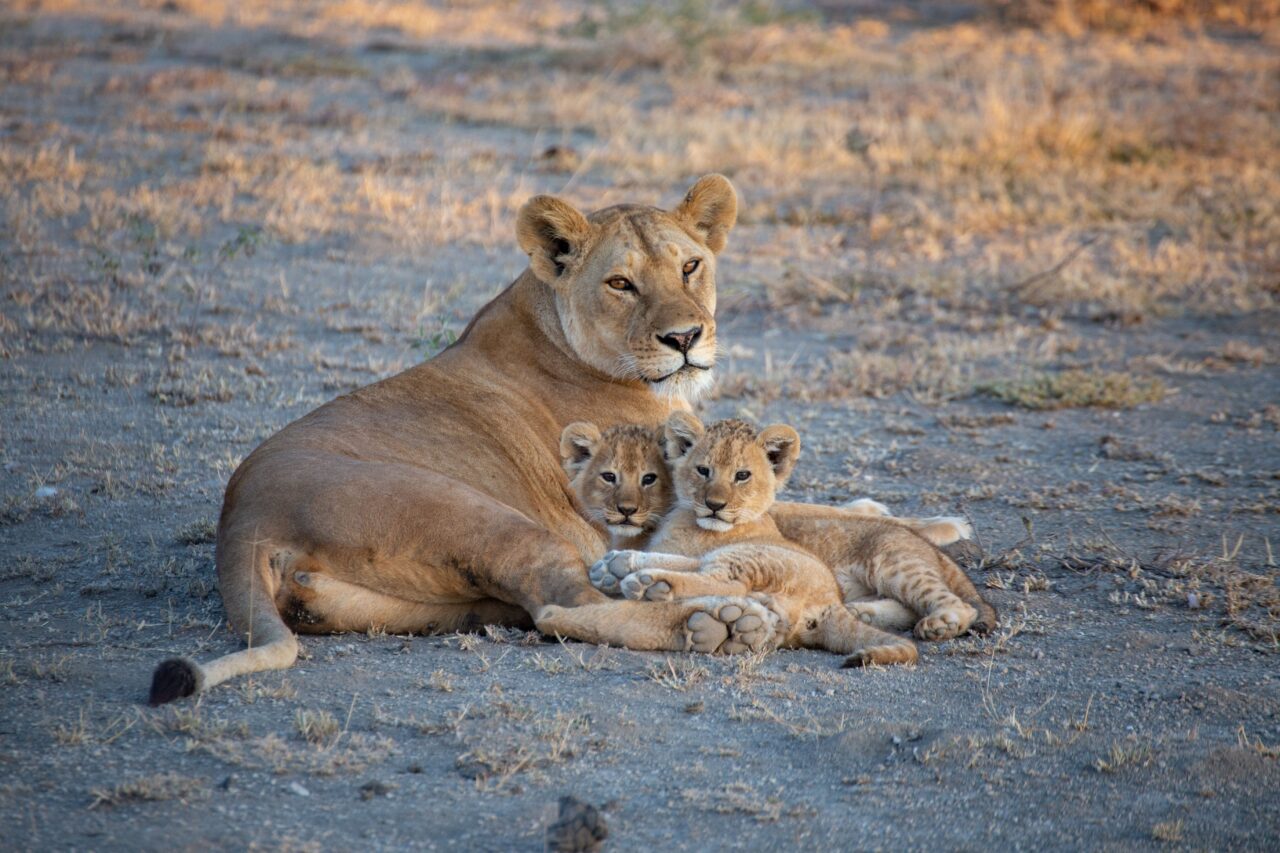

Best Age for Kids to Go on Safari: Your Complete Planning Guide
Deciding when to introduce your children to the wonders of an African safari is a significant family decision. The magic of seeing lions, elephants, and giraffes in their natural habitat is unforgettable, but the experience needs to align with your children’s maturity, interests, and physical capabilities. This guide explores the considerations for the best age for kids to go on safari, offering practical advice for families planning a trip to Tanzania, a premier safari destination, for 2026 and 2027.
Quick Answer:
While there’s no single ‘perfect’ age, many families find that children aged 6-8 years and older are typically ready for a Tanzania safari. At this age, they can often sit through game drives, appreciate the wildlife, understand safety instructions, and have longer attention spans. However, younger children can also enjoy safaris with specific accommodations and adjusted expectations. The key is to match the safari experience to your child’s individual temperament and your family’s travel style.
Table of Contents
- Quick Safari Facts for Families
- Understanding the Safari Experience for Children
- Why Age Matters: Key Considerations
- Safari Readiness by Age Group
- Best Time for a Family Safari in Tanzania (2026-2027)
- Tanzania’s Kid-Friendly Safari Regions
- Sample 7-Day Family Safari Itinerary (Kid-Focused)
- What to Expect on a Tanzania Safari with Children
- Packing and Preparation for Young Safari-Goers
- Common Mistakes to Avoid When Planning a Family Safari
- Who is a Tanzania Safari Best Suited For?
- Alternatives to a Traditional Safari for Younger Kids
- Planning Your 2026-2027 Family Safari: Key Steps
- Booking Your Tanzania Family Safari
- Frequently Asked Questions (FAQs)
Quick Safari Facts for Families
| Aspect | Details for Families |
|---|---|
| Ideal Age Range (General) | 6-8+ years old, but adaptable for younger children. |
| Key Considerations | Child’s temperament, stamina, interest, safety awareness, travel duration. |
| Tanzania’s Strengths | Diverse wildlife, iconic parks (Serengeti, Ngorongoro), experienced guides, family-friendly lodges. |
| Pace of Travel | Slower pace, shorter game drives, more downtime recommended for younger kids. |
| Accommodation Options | Family tents, adjoining rooms, lodges with pools, child-friendly amenities. |
| Activities | Game drives, walking safaris (age permitting), cultural visits, bird watching. |
| Health & Safety | Consult doctor for vaccinations, malaria precautions, strict adherence to guide’s instructions. |
Understanding the Safari Experience for Children
A safari is more than just spotting animals; it’s an immersive journey into nature, culture, and a different way of life. For children, it can be a profound educational experience, fostering a love for wildlife and conservation. However, it also involves early mornings, long drives in open vehicles, and exposure to potentially unfamiliar environments. Understanding these core elements helps in assessing suitability.
The typical safari day often starts before sunrise to catch animals when they are most active. This might mean waking up children at dawn, which can be challenging for some. Game drives, the primary way to see wildlife, can last several hours. While exciting, this requires children to sit relatively still and quietly in a vehicle, often sharing space with others. The sheer scale of the landscape, the sounds of the bush, and the close proximity to wildlife can be exhilarating but also overwhelming for some children.
Moreover, safaris often involve travel between different locations, which can mean more time in vehicles. Lodges and camps vary greatly, from rustic to luxurious, and while many are family-friendly, it’s crucial to choose accommodations that cater to children’s needs, offering safety, comfort, and perhaps recreational activities like swimming pools.
Why Age Matters: Key Considerations
The ‘best age for kids to go on safari’ is less about a strict number and more about aligning the safari experience with a child’s developmental stage and personality. Here are the critical factors:
Child’s Temperament and Maturity
Is your child easily excited or anxious? Can they follow instructions from adults, especially regarding safety? A child who is generally calm, curious, and able to manage their excitement is likely to adapt better. Conversely, a highly sensitive or easily overstimulated child might find the experience too intense, especially if they are very young.
Attention Span and Stamina
Safari game drives can be long. Younger children, typically under 5, often have shorter attention spans. They might get bored or restless after an hour or two, making extended drives difficult. Older children (6+) generally have more patience and can appreciate the nuances of wildlife viewing for longer periods.
Physical Capabilities
Children need to be able to sit comfortably in safari vehicles for extended periods. They also need to be able to walk short distances safely, especially if participating in guided bush walks (which have age restrictions, usually 12+). The heat and dust can also be factors to consider for younger children.
Safety Awareness
A crucial aspect of safari travel is safety. Children must understand and adhere to strict rules: never leaving the vehicle without permission, staying seated, not shouting or making sudden movements that could startle animals, and respecting boundaries. Children who can grasp these safety protocols are better prepared.
Interest in Wildlife and Nature
While any child can be amazed by a lion, a genuine interest in animals and the natural world will significantly enhance their safari experience. If your child is already captivated by nature documentaries or books about animals, they are more likely to be engaged and enjoy the adventure.
Logistical Comfort
For younger children, consider the practicality of travel. Long flights, early mornings, and limited access to familiar comforts (like specific snacks or toys) need to be manageable. Choosing family-friendly lodges with amenities like pools can provide necessary downtime and fun.
Safari Readiness by Age Group
Let’s break down safari readiness by common age groups, keeping in mind individual differences.
Babies and Toddlers (0-3 years)
Generally Not Recommended for a Full Safari.
- Challenges: Very sensitive to environmental changes (heat, dust, noise), require constant supervision, unpredictable sleep/feeding schedules, limited understanding of safety rules, long drives are impractical, potential health risks (malaria, vaccinations).
- Considerations: If you must travel with infants, choose very short, focused trips, stay in one accessible lodge, and manage expectations significantly. Many lodges have age restrictions for children.
Preschoolers (4-5 years)
Possible with Significant Modifications and Managed Expectations.
- Potential: Can be fascinated by animals, enjoy shorter, more frequent game drives. Can appreciate simple activities like looking for animals or birds.
- Challenges: Short attention spans, can become restless quickly, may struggle with safety rules, require frequent breaks, sensitive to heat and long travel.
- Tips: Opt for very short game drives (1-2 hours), choose lodges with pools and playgrounds, pack familiar snacks and entertainment, focus on easy-to-spot animals, and be prepared to cut drives short. Zanzibar holidays might be a better introduction to East Africa for this age.
Early Elementary (6-8 years)
Often Considered the Sweet Spot for a First Safari.
- Potential: Better attention spans, can understand and follow safety instructions more reliably, show genuine interest in wildlife, can endure slightly longer game drives (2-3 hours). They often remember and talk about the experience for years.
- Advantages: Can actively participate in spotting animals, enjoy learning about different species, appreciate the ‘adventure’ aspect. Lodges are generally more accommodating.
- Considerations: Still need breaks, early mornings can be tough, and prolonged travel days need careful planning. Choose parks with high animal density for maximum viewing opportunities.
Late Elementary / Middle School (9-12 years)
Excellent Age for a Full Safari Experience.
- Potential: Can appreciate the complexity of ecosystems, enjoy longer game drives, understand conservation issues, and participate more actively. They are usually very curious and engaged.
- Advantages: Can handle longer travel days, participate in more activities like guided walks (depending on specific park rules and lodge offerings), and have a deeper understanding of what they are seeing.
- Considerations: Ensure the itinerary isn’t *too* packed, allowing for downtime. Their interest might shift, so engage them in planning what they want to see.
Teenagers (13+ years)
Ideal Age for a Comprehensive and Engaging Safari.
- Potential: Can fully appreciate the wildlife, landscapes, and cultural aspects. They can handle extended game drives, participate in bush walks, and engage with guides about conservation.
- Advantages: Often see safaris as a cool adventure, can handle more challenging or remote locations, and are capable of understanding the importance of conservation efforts. They might even enjoy photography or journaling.
- Considerations: May need some input into the itinerary to ensure their interests are met. Connectivity might be a concern for some, so discuss expectations.
Best Time for a Family Safari in Tanzania (2026-2027)
Choosing the right time of year impacts wildlife viewing, weather, and crowds. For families, balancing these factors is key. Here’s a look at the seasons in Tanzania for 2026 and 2027:
| Season | Months | Pros for Families | Cons for Families | Notes for 2026-2027 |
|---|---|---|---|---|
| Dry Season (Peak) | June – October | Excellent wildlife viewing (animals congregate around water sources), clear skies, comfortable temperatures, fewer mosquitoes. Great for spotting the Great Migration in Serengeti. | Most popular and expensive time, higher crowds, need to book well in advance. | Likely to be busy in 2026 and 2027. Book accommodations and internal flights early. Consider shoulder months like June or October for slightly fewer crowds and potentially better rates. |
| Short Rains | November – December | Fewer crowds, greener landscapes, baby animals start appearing, potentially lower prices. Good for bird watching. | Unpredictable rain showers (usually brief), can make some roads muddy, fewer large predators visible due to dispersed prey. | A good option if you want fewer crowds and don’t mind occasional rain. The landscape is beautiful. |
| Long Rains (Green Season) | January – March | Lush scenery, excellent for birding, calving season for wildebeest (Serengeti), very few tourists, lowest prices. | Heavy, prolonged rains can disrupt travel and game viewing, can be hot and humid, some lodges may close. | Not ideal for first-time family safaris due to potential travel disruptions. However, for experienced travelers or those seeking solitude and photography opportunities, it can be rewarding. March offers a transition with improving conditions. |
| Shoulder Season | April – May | End of long rains, lush landscapes, very few tourists, lowest prices. | Can still experience rain, some roads might be difficult, wildlife can be more dispersed. | Generally considered the least ideal time for a safari due to potential for heavy rain, but offers extreme value if conditions are good. |
Recommendation for Families: The dry season (June-October) is often best for a first family safari due to reliable weather and wildlife viewing. However, if you prefer fewer crowds and potentially better value, consider late September/October or early December. Always book for 2026 and 2027 well in advance, especially for peak season.
Tanzania’s Kid-Friendly Safari Regions
Tanzania offers a vast array of national parks and conservation areas. For families, certain regions provide a more accessible and engaging experience.
Serengeti National Park
Why it’s Great: Iconic for its vast plains and the Great Migration. High concentrations of wildlife mean frequent sightings of lions, elephants, giraffes, zebras, and more. The sheer scale is awe-inspiring.
Considerations: It’s vast, so choosing a central or accessible area is key. Game drives can be long. Family-friendly lodges are available.
Ngorongoro Conservation Area
Why it’s Great: The Ngorongoro Crater is a UNESCO World Heritage Site and a natural amphitheater teeming with wildlife, including the Big Five. Game drives are concentrated within the crater floor, offering high chances of sightings in a shorter time. It’s also home to Maasai communities, offering cultural insights.
Considerations: Access to the crater floor is regulated, with time limits and vehicle restrictions. Driving down into the crater can be steep, but manageable for most vehicles. Accommodation options are available on the crater rim or nearby.
Tarangire National Park
Why it’s Great: Known for its large elephant herds and iconic baobab trees. It’s generally less crowded than the Serengeti and Ngorongoro. Offers a good mix of diverse landscapes and wildlife.
Considerations: Excellent for shorter visits or as part of a Northern Circuit itinerary. Good family lodges exist.
Lake Manyara National Park
Why it’s Great: Famous for its tree-climbing lions (though sightings are not guaranteed) and large troops of baboons. It’s a compact park, making it ideal for shorter game drives or a day trip. The diverse habitats support a wide range of animals and birds.
Considerations: Best for a half-day or full-day visit as part of a larger itinerary. Offers a good introduction to safari for younger children.
Northern Circuit Overview
A common and highly recommended route for families is the Northern Circuit, which typically includes:
- Day 1: Arrive Kilimanjaro International Airport (JRO), transfer to Arusha.
- Day 2: Drive to Tarangire National Park (elephants, baobabs).
- Day 3: Full day in Tarangire or drive to Lake Manyara.
- Day 4: Explore Lake Manyara, then drive to Ngorongoro Conservation Area.
- Day 5: Full day game drive in the Ngorongoro Crater.
- Day 6: Drive to Serengeti National Park (Central Serengeti).
- Day 7: Morning game drive in Serengeti, fly back to Arusha/JRO.
This circuit offers a great variety of landscapes and wildlife, with manageable driving distances between parks, making it suitable for families.
Sample 7-Day Family Safari Itinerary (Kid-Focused)
This itinerary is designed for families with children aged 6-12, focusing on varied experiences, manageable travel times, and opportunities for rest and fun.
Day 1: Arrival in Arusha
Arrive at Kilimanjaro International Airport (JRO). Meet your guide and transfer to a comfortable lodge in Arusha. Relax, acclimatize, and enjoy a welcome dinner. This allows everyone to settle in before the safari begins.
Focus: Relaxation, acclimatization.
Day 2: Arusha to Tarangire National Park
After breakfast, drive to Tarangire National Park. Known for its massive baobab trees and large elephant herds. Enjoy an afternoon game drive. Choose a lodge with a pool for the kids to enjoy after the drive.
Focus: Elephants, baobab trees, easy wildlife viewing.
Drive Time: Approx. 2-3 hours.
Day 3: Tarangire Exploration & Transfer to Karatu
Morning game drive in Tarangire, focusing on areas you may have missed. After lunch, drive towards the Ngorongoro Highlands, staying in a lodge or guest house in Karatu. This area is cooler and offers beautiful views.
Focus: More wildlife, scenic drive, change of environment.
Drive Time: Approx. 2-3 hours.
Day 4: Ngorongoro Crater Descent
Descend into the Ngorongoro Crater for a full day of game viewing. This compact ecosystem is home to a high density of animals, including the Big Five. Picnic lunch on the crater floor. Return to your Karatu lodge in the late afternoon.
Focus: Big Five, high concentration of animals, unique crater experience.
Drive Time: Approx. 1 hour to crater, 5-6 hours game drive.
Day 5: Cultural Visit & Drive to Serengeti
Morning visit to a local Maasai village or a cultural heritage center for an interactive experience. Afterward, drive to the Serengeti National Park, with a stop at Olduvai Gorge (optional, depending on children’s interest). Settle into your lodge/camp in the Central Serengeti.
Focus: Culture, history, scenic drive into the Serengeti.
Drive Time: Approx. 3-4 hours to Serengeti.
Day 6: Serengeti National Park
Full day exploring the Serengeti. Focus on areas known for big cats. Early morning and late afternoon game drives are most productive. Enjoy the vast plains and incredible wildlife sightings. Consider a bush breakfast or sundowner.
Focus: Big cats, migration (seasonal), vast landscapes.
Day 7: Serengeti Morning Drive & Departure
Enjoy a final early morning game drive in the Serengeti. After breakfast, transfer to the Seronera Airstrip for a scenic bush flight back to Arusha or Kilimanjaro International Airport (JRO) for your onward journey.
Focus: Final wildlife sightings, convenient departure.
Flight Time: Approx. 1-1.5 hours.
What to Expect on a Tanzania Safari with Children
Setting realistic expectations is crucial for a successful family safari.
Wildlife Sightings
While Tanzania boasts incredible wildlife density, sightings are never guaranteed. Children need to understand that animals are wild and may not always be visible or cooperative. Focus on the excitement of the search and the unique encounters you do have.
Game Drives
Game drives are the core of the safari. Expect to spend time in a 4×4 safari vehicle. For younger children, shorter drives (2-3 hours) are ideal. Bring snacks, drinks, binoculars, and nature guides. Engaging activities like ‘I Spy’ or scavenger hunts can help keep them entertained.
Accommodation
Many lodges and tented camps in Tanzania are family-friendly. Look for options with family rooms, adjoining rooms, swimming pools, and child-friendly meal options. Campsites can be more basic but offer a more immersive experience; choose wisely based on your family’s comfort level.
Food and Drink
Safari lodges typically offer buffet-style meals with a variety of international and local dishes. Most can cater to dietary requirements if notified in advance. Ensure children drink plenty of bottled water to stay hydrated.
Health and Safety
This is paramount. Always follow your guide’s instructions. Never exit the vehicle unless in a designated safe area. Keep a safe distance from wildlife. Consult your doctor about necessary vaccinations and malaria prophylaxis well before your trip.
Pace of Travel
A good family safari is not rushed. It involves a balance of exciting game drives, downtime at the lodge (especially for swimming or resting), and opportunities for children to simply absorb the environment. Avoid packing too many activities into one day.
Packing and Preparation for Young Safari-Goers
Packing smart makes a big difference. Think layers, comfort, and practicality.
Clothing
- Neutral Colors: Khaki, beige, olive green, brown. Avoid bright colors (attract insects) and dark blue/black (attract tsetse flies).
- Layers: Lightweight long-sleeved shirts and trousers for sun and insect protection, especially in the early morning and evening. T-shirts and shorts for warmer midday.
- Warm Layers: A fleece or warm jacket for cool mornings and evenings.
- Comfortable Shoes: Closed-toe walking shoes or trainers. Sandals for relaxing at the lodge.
- Hat: Wide-brimmed hat for sun protection.
- Swimsuit: For lodges with pools.
Essential Gear
- Sunscreen: High SPF.
- Insect Repellent: With DEET.
- Sunglasses.
- Small Backpack: For day trips, carrying water, snacks, camera.
- Binoculars: Essential for spotting wildlife. Consider child-sized ones.
- Camera: With extra batteries and memory cards. Let kids have their own simple camera.
- First-Aid Kit: Including any personal medications, antiseptic wipes, plasters, pain relievers, motion sickness medication, and rehydration salts.
- Hand Sanitizer.
- Wet Wipes: Invaluable for cleaning up on the go.
- Books & Games: Animal identification books, travel journals, quiet games for downtime.
Health Preparations
- Doctor Consultation: Visit your pediatrician and a travel clinic 6-8 weeks before departure. Discuss vaccinations (e.g., Hepatitis A, Typhoid) and malaria prevention.
- Malaria Precautions: Follow your doctor’s advice on antimalarial medication and mosquito bite prevention (repellent, nets, long clothing).
- Travel Insurance: Ensure it covers medical emergencies and evacuation.
Common Mistakes to Avoid When Planning a Family Safari
Avoiding these common pitfalls can ensure a smoother and more enjoyable experience for everyone.
Mistake 1: Not Considering Child’s Temperament
Assuming all children will love every aspect of a safari without considering their individual personalities, fears, or sensitivities. Always tailor the trip to your child.
Mistake 2: Over-Scheduling the Itinerary
Trying to cram too much into each day. Children need downtime, rest, and flexibility. Rushing from one activity to another leads to exhaustion and meltdowns.
Mistake 3: Choosing the Wrong Accommodation
Selecting lodges or camps that are not family-friendly or lack amenities like pools can make downtime challenging for kids.
Mistake 4: Ignoring Safety Instructions
Underestimating the importance of rules like staying in the vehicle or not feeding animals. This can lead to dangerous situations.
Mistake 5: Inadequate Packing
Forgetting essentials like sunscreen, insect repellent, warm layers, or appropriate clothing can make children uncomfortable.
Mistake 6: Not Involving Children in Planning
When age-appropriate, involving children in choosing activities or learning about animals can increase their excitement and engagement.
Mistake 7: Expecting Constant Big Animal Sightings
While Tanzania offers incredible wildlife, animals are wild. Managing expectations about seeing specific animals on demand is key.
Mistake 8: Not Consulting a Doctor Early Enough
Delaying health consultations for vaccinations and malaria advice can lead to last-minute stress and potential health risks.
Who is a Tanzania Safari Best Suited For?
A Tanzania safari, especially when planned thoughtfully around the best age for kids to go on safari, is ideal for:
- Adventurous Families: Those seeking a unique, educational, and exciting travel experience that breaks from the norm.
- Nature and Wildlife Enthusiasts: Families with children who already show an interest in animals, conservation, or the natural world.
- Families Seeking Educational Travel: Safaris offer unparalleled opportunities to learn about ecosystems, biodiversity, and different cultures.
- Families with Older Children (8+): Children in this age group can generally appreciate the experience more fully, follow instructions, and have the stamina for game drives.
- Families Looking for a Deeply Immersive Experience: Tanzania offers a raw, authentic African wilderness experience that creates lasting memories.
- Families with a Moderate to High Budget: Safaris can be a significant investment, requiring careful planning and budgeting.
Alternatives to a Traditional Safari for Younger Kids
If you have very young children (under 5) or a child who is particularly sensitive, a full safari might not be the best introduction. Consider these alternatives:
- Zanzibar Holiday: Combine a short safari in a nearby area (like Arusha National Park for a day trip) with a relaxing beach holiday in Zanzibar. The island offers beautiful beaches, snorkeling, spice tours, and a chance to see some wildlife at Jozani Forest (colobus monkeys). This offers a taste of East Africa without the intensity of a multi-day safari.
- Day Trips from Arusha: Explore areas like Arusha National Park for a shorter game drive experience, or visit a local cultural center or coffee plantation.
- Wildlife Parks Closer to Home: If you’re not ready for an international trip, explore local zoos, wildlife sanctuaries, or nature reserves to gauge your child’s interest and stamina.
- Educational Wildlife Centers: Many zoos and aquariums have excellent educational programs and behind-the-scenes tours that can simulate aspects of a safari in a controlled environment.
Planning Your 2026-2027 Family Safari: Key Steps
Planning a safari for 2026 or 2027 requires foresight. Here’s a step-by-step approach:
1. Research and Decide on the Best Age for Your Child
Review the age group considerations and honestly assess your child’s readiness and your family’s travel style. This is the foundational step.
2. Set Your Budget
Safaris are an investment. Determine a realistic budget that covers flights, accommodation, park fees, internal transfers, guides, and any extras. Factor in the cost for each family member.
3. Choose Your Destinations and Duration
For families, the Northern Circuit of Tanzania (Serengeti, Ngorongoro, Tarangire) is often ideal. Decide on the length of your safari – 5-7 days is common for families, allowing for a good experience without being too long.
4. Select the Best Time to Travel (2026-2027)
Consider the seasons, crowds, and your child’s school holidays. The dry season (June-October) is popular but busy. Shoulder seasons might offer better value and fewer crowds.
5. Find a Reputable Tour Operator
This is critical for family safaris. Look for operators with experience in family travel, good safety records, and flexible itineraries. They can advise on the best age for kids to go on safari for your specific needs.
6. Book Early
Especially for 2026 and 2027 travel, particularly if you’re planning for peak season or school holidays. Popular family-friendly lodges and internal flights get booked up months in advance.
7. Health Preparations
Schedule doctor’s appointments for vaccinations and malaria advice 6-8 weeks before departure.
8. Pack Appropriately
Use the packing list provided to ensure you have all necessary clothing and gear.
9. Prepare Your Children
Talk to your children about what they will see and experience. Read books about African animals, watch documentaries, and explain the safety rules in a way they can understand.
Booking Your Tanzania Family Safari
Booking your safari is the final, exciting step. Here’s how to approach it:
Work with an Experienced Tour Operator
A reputable tour operator will be your best resource. They can:
- Advise on the best age for kids to go on safari for your family.
- Suggest child-friendly lodges and itineraries.
- Handle all logistics, including park fees, vehicle hire, and guide arrangements.
- Provide pre-trip information and support.
For a personalized family safari experience in Tanzania, consider reaching out to local experts. You can connect with us via:
WhatsApp: +255616946642
Email: topguideadventures@gmail.com
Backup Email: info@topguideadventures.com
What to Ask Your Tour Operator
- What is your experience with family safaris and children of specific ages?
- Can you recommend child-friendly lodges and activities?
- What are the age restrictions for any activities (e.g., walking safaris)?
- What is your safety protocol for children on safari?
- What is included in the safari package (park fees, meals, accommodation, guide, vehicle)?
- What are the payment terms and cancellation policy?
- Can you assist with internal flight bookings if needed?
Booking Timeline for 2026-2027
- 12+ Months in Advance: For peak season travel (July-October) or if you have specific lodge requests. This is ideal for securing the best family rooms and preferred dates.
- 6-9 Months in Advance: For shoulder season travel or if you are flexible with accommodation. This is generally a good timeframe for most family safari bookings.
- 3-6 Months in Advance: For off-peak season travel. While still possible, availability may be more limited.
Booking early ensures peace of mind, better availability, and potentially better rates, especially when planning for popular travel years like 2026 and 2027.
Frequently Asked Questions (FAQs)
Q1: What is the absolute youngest age a child can go on safari?
While there’s no strict minimum age set by parks, most tour operators and lodges recommend against bringing babies and toddlers (under 4) on a full safari due to safety, health, and logistical challenges. Some family-friendly lodges may accept younger children, but the safari experience itself will need significant modification.
Q2: Are safaris safe for children in Tanzania?
Yes, safaris in Tanzania can be very safe for children when planned correctly and safety rules are strictly followed. Reputable tour operators prioritize safety, using experienced guides who know how to manage wildlife encounters and ensure children’s well-being. It’s essential for children to understand and adhere to all instructions given by their guide.
Q3: What if my child gets scared of the animals?
It’s possible for children to feel a bit scared, especially when seeing large or potentially intimidating animals like lions or elephants up close. If this happens, reassure your child, keep a respectful distance, and focus on the exciting aspects. Sometimes, seeing animals from a safer distance in a more controlled environment (like from the lodge) can help. Open communication with your guide is key.
Q4: What kind of accommodation is best for families?
Look for lodges or tented camps that offer family rooms or adjoining rooms, swimming pools, and child-friendly menus. Some lodges even have dedicated play areas or offer supervised activities. Safari camps can offer a more immersive experience, but ensure they are equipped for families.
Q5: How long should a family safari be?
For families, a 5-7 day safari is often ideal. This allows enough time to experience different parks and wildlife without being too tiring for children. Shorter trips (3-4 days) are possible, focusing on one or two parks, especially for younger children.
Q6: Do we need vaccinations for Tanzania?
Yes, it is highly recommended to consult your doctor or a travel clinic 6-8 weeks before your trip. Recommended vaccinations often include Hepatitis A, Typhoid, and Tetanus. Malaria prophylaxis is also usually advised for most safari areas. Always follow professional medical advice.
Q7: How do we deal with long game drives?
For younger children, opt for shorter, more frequent game drives (2-3 hours). For older children, longer drives are more manageable. Keep them entertained with binoculars, spotting guides, ‘I Spy’ games, and snacks. Be prepared to return to the lodge if they become too restless.
Q8: What if my child has dietary restrictions?
Most reputable safari lodges and tour operators are very accommodating of dietary needs. Ensure you communicate any allergies, intolerances, or preferences (vegetarian, vegan, etc.) well in advance, ideally at the time of booking. They will do their best to cater to your child’s requirements.
Q9: Is it better to book a private safari or a group tour for families?
For families, a private safari is generally recommended. It offers flexibility in terms of timing, pace, and itinerary, allowing you to cater to your children’s needs and interests. Group tours can be more rigid and might not suit younger children or specific family dynamics.
Q10: When is the best time to book a safari for 2026 or 2027?
For popular travel years like 2026 and 2027, especially if you plan to travel during peak season (June-October) or school holidays, booking 9-12 months in advance is highly recommended to secure preferred lodges and guides.
Ready to Plan Your Family’s Unforgettable Tanzania Safari?
The best age for kids to go on safari is when your family is ready to embrace the adventure. Tanzania offers a magical introduction to the wild for children and adults alike. Let us help you craft the perfect safari experience tailored to your family’s needs, ensuring safety, comfort, and unforgettable wildlife encounters for 2026 and 2027.
Contact our expert team today to start planning:
WhatsApp: +255616946642
Email: topguideadventures@gmail.com
Backup Email: info@topguideadventures.com
Plan your best age for kids to go on safari with Top Guide Adventures
Tell us your travel dates, group size, comfort level, and dream experience. We will help you shape a clear, realistic, and memorable Tanzania itinerary.







 Veedesigner
 Fatma Kizanga
 Benjamin Waryuba
 Philip Philip
 John jr Itaja
 Antonia Optatus
 Edith Kanyere
 Neema Iddy
 Kelvin Boniphace
 Damari Maiga



