
Updated planning guide for 2026-2027
Africa Family Itinerary: Best Guide
Discover how to create an unforgettable Africa family itinerary. This guide covers everything from choosing destinations and activities to packing and booking for your 2026-2027 adventure.
WhatsApp +255616946642 | topguideadventures@gmail.com | info@topguideadventures.com
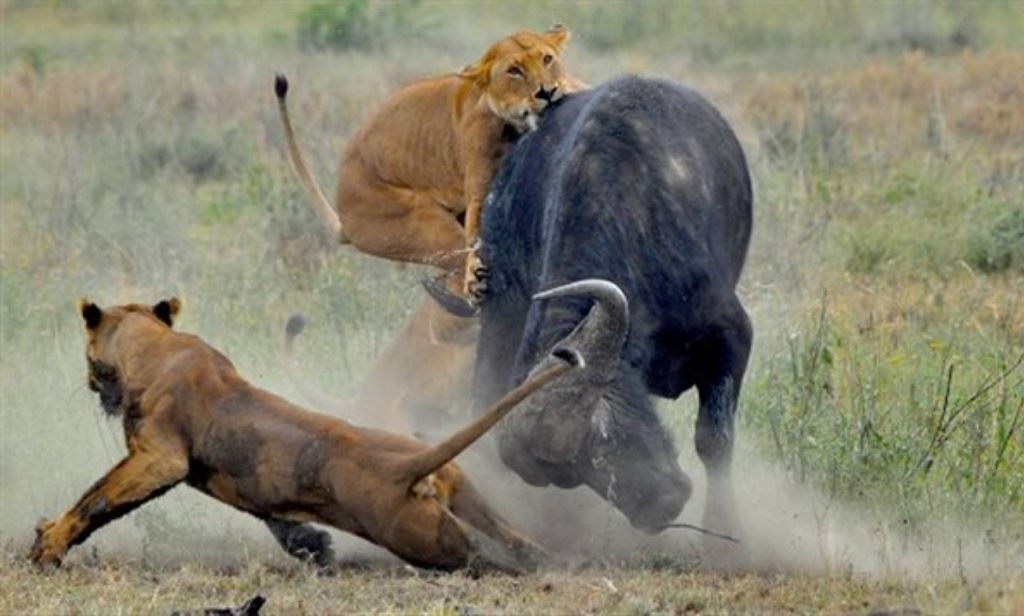
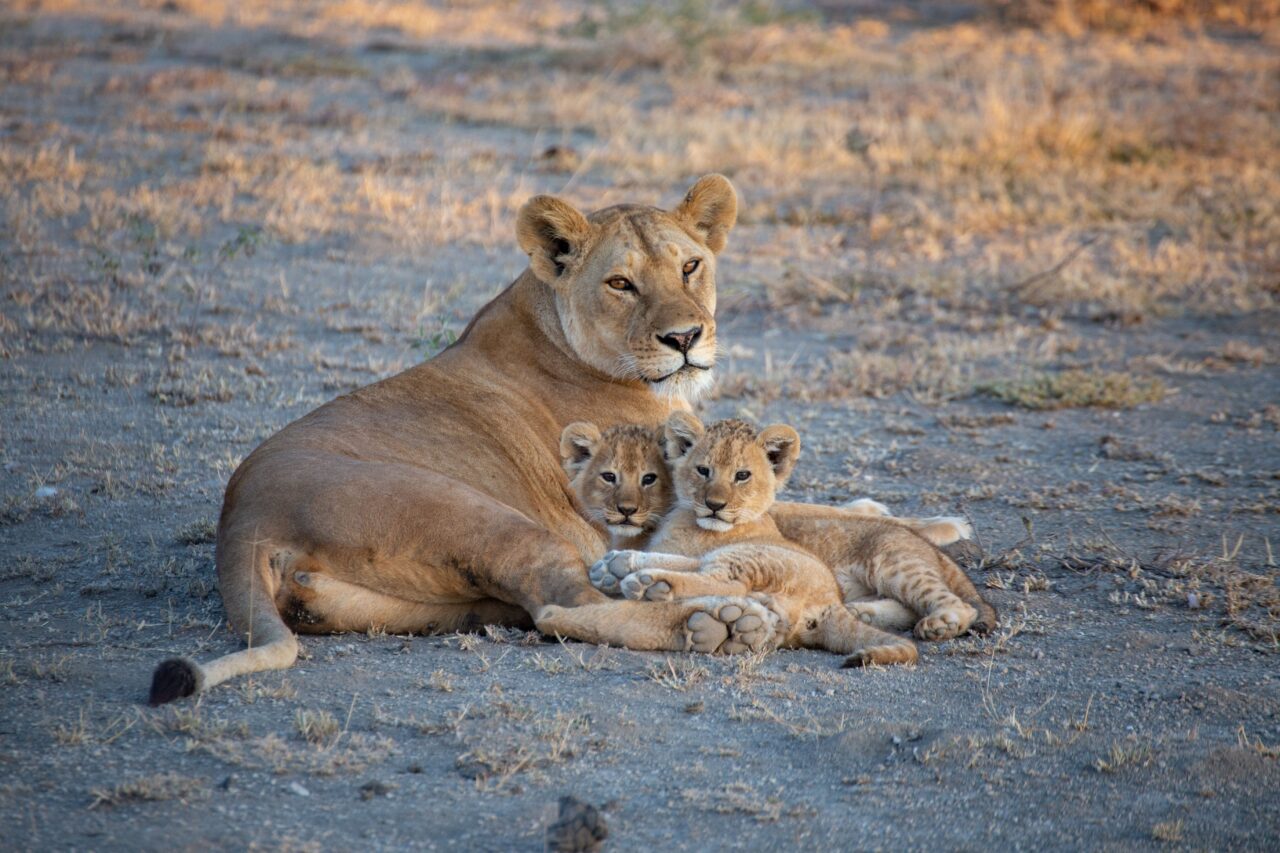
Planning an Africa family itinerary is an exciting prospect, promising a journey filled with wonder, education, and shared experiences that will create lasting memories. From the vast plains teeming with wildlife to the vibrant cultures and stunning landscapes, Africa offers a diverse range of adventures perfectly suited for all ages. This comprehensive guide is designed to help you navigate the complexities of planning a family trip to Africa, ensuring a smooth, safe, and enriching experience for everyone involved. We’ll cover everything from selecting the right destinations and crafting a balanced itinerary to essential packing advice and booking considerations for 2026 and 2027.
| Aspect | Details |
|---|---|
| Primary Focus | Creating a balanced, engaging, and safe travel plan for families in Africa. |
| Key Destinations | Tanzania (Serengeti, Ngorongoro, Zanzibar), Kenya (Maasai Mara), South Africa (Kruger), Rwanda (Gorillas), Botswana (Okavango Delta). |
| Ideal Duration | 10-21 days, depending on the number of destinations and activities. |
| Best Time to Travel | Varies by region; generally June-October (dry season) and December-February for wildlife viewing. Zanzibar is great year-round with specific considerations for rain. |
| Key Activities | Wildlife safaris, cultural village visits, guided nature walks, beach relaxation, historical tours, educational experiences. |
| Considerations | Age of children, health and safety, accommodation types, transportation, budget, specific interests. |
Table of Contents
- Introduction to Africa Family Adventures
- Why Choose Africa for Your Family Vacation?
- Foundational Planning for Your Africa Family Itinerary
- Selecting the Best Destinations for Families
- Sample Africa Family Itinerary Ideas
- What to Expect on an Africa Family Trip
- Essential Inclusions, Packing, and Preparation
- Common Mistakes to Avoid When Planning
- Who is an Africa Family Itinerary Best Suited For?
- Alternatives to a Traditional Africa Family Itinerary
- Planning Your Trip for 2026-2027
- Booking Your Africa Family Adventure
- Frequently Asked Questions
- Ready to Plan Your Family’s African Journey?
Introduction to Africa Family Adventures
An Africa family itinerary is more than just a holiday; it’s an educational journey that can profoundly impact young minds and create bonds that last a lifetime. Imagine your children’s faces lighting up as they spot a lion pride on the savannah, learn about ancient cultures from local guides, or marvel at the vibrant underwater world of the Indian Ocean. Africa offers unparalleled opportunities for adventure, learning, and connection. This guide is your starting point for crafting a personalized and rewarding experience that caters to the unique needs and interests of your family. We aim to provide practical, actionable advice to help you build an itinerary that balances excitement with comfort, ensuring a memorable trip for every family member, from toddlers to teenagers and beyond.
Why Choose Africa for Your Family Vacation?
Africa presents a unique proposition for family travel, offering experiences that are both thrilling and educational. It’s a continent that ignites curiosity and fosters a deeper understanding of the natural world and diverse human cultures.
- Unparalleled Wildlife Encounters: Witnessing the “Big Five” (lion, leopard, elephant, rhino, buffalo) in their natural habitat is an awe-inspiring experience that children will remember forever. Beyond the iconic, Africa boasts incredible biodiversity, from giraffes and zebras to hippos and countless bird species.
- Educational Opportunities: Safaris are living classrooms. Children can learn about animal behavior, ecosystems, conservation efforts, and the delicate balance of nature. Cultural interactions provide insights into different ways of life, traditions, and histories, broadening perspectives.
- Adventure for All Ages: Africa isn’t just about safaris. Families can enjoy gentle nature walks, boat trips, learning traditional crafts, exploring historical sites, and relaxing on beautiful beaches. The range of activities can be tailored to suit the energy levels and interests of younger children and teenagers alike.
- Digital Detox and Real-World Connection: In many parts of Africa, the focus is on the present moment and the natural environment. This encourages families to disconnect from screens and reconnect with each other and the world around them.
- Sense of Wonder and Discovery: Africa is a continent of vast landscapes, stunning sunsets, and star-filled night skies. It offers a sense of adventure and discovery that is increasingly rare in our modern world.
- Contribution to Conservation: Responsible tourism in Africa directly supports conservation efforts and local communities. Many lodges and operators are deeply involved in protecting wildlife and empowering local populations, offering families a chance to travel with purpose.
Foundational Planning for Your Africa Family Itinerary
Creating a successful Africa family itinerary begins with a solid foundation of planning. This involves considering the specific needs of your family and understanding the logistical realities of travel on the continent.
1. Define Your Family’s Interests and Pace
Before looking at destinations, have a family discussion. What excites everyone? Are your children fascinated by animals, interested in history, or do they simply love playing on the beach? Do you prefer a fast-paced trip seeing many places, or a more relaxed pace with ample downtime? Understanding these preferences will guide your destination and activity choices.
2. Consider the Ages of Your Children
Travel experiences need to be age-appropriate. Very young children might struggle with long game drives or remote locations. Teenagers might appreciate more adventurous activities or opportunities for cultural immersion. Some parks and lodges are more family-friendly than others, offering specific amenities or activities for children.
3. Health and Safety First
Consult your doctor well in advance regarding necessary vaccinations and malaria precautions. Ensure you have adequate travel insurance that covers medical emergencies and evacuation. Familiarize yourself with local safety guidelines and choose reputable tour operators and accommodations.
4. Budget Considerations
Africa offers a range of travel styles, from luxury lodges to more budget-friendly options. Factor in the cost of flights, accommodation, activities, internal transport, visas, and personal expenses. A well-planned itinerary can help manage costs effectively.
5. Seasonality and Weather
Africa’s weather varies significantly by region and season. The dry season is often best for wildlife viewing as animals congregate around water sources, but it can be cooler. The wet season brings lush landscapes and fewer crowds, with potential for dramatic skies. For beach destinations like Zanzibar, consider rainfall patterns.
Selecting the Best Destinations for Families
Africa is vast, and choosing the right destinations is crucial for a family-friendly itinerary. Here are some top contenders, particularly focusing on Tanzania, which offers a fantastic blend of wildlife, culture, and relaxation.
Tanzania: The Classic Family Safari and Beach Combination
Tanzania is a premier destination for family adventures. Its well-established tourism infrastructure, incredible wildlife density, and diverse landscapes make it an ideal choice.
- Serengeti National Park: Famous for the Great Migration, the Serengeti offers endless plains teeming with wildlife. Family-friendly lodges often have pools and activities for children. Game drives can be adapted for shorter durations if needed.
- Ngorongoro Conservation Area: The Ngorongoro Crater is a natural wonder, boasting a high concentration of wildlife within a compact area. This means shorter, more rewarding game drives, perfect for younger attention spans. The Maasai villages offer cultural insights.
- Tarangire National Park: Known for its large elephant herds and baobab trees, Tarangire is a great addition, especially during the dry season. It’s often less crowded than the Serengeti.
- Lake Manyara National Park: Famous for its tree-climbing lions and diverse birdlife, Lake Manyara offers a more intimate safari experience and is easily accessible.
- Zanzibar: After the excitement of a safari, Zanzibar provides a perfect tropical escape. Families can enjoy pristine beaches, snorkeling, spice tours, and exploring the historic Stone Town. The calm waters on some beaches are ideal for children.
Other Notable Family-Friendly Destinations
- Kenya (Maasai Mara): Similar to the Serengeti, the Maasai Mara offers incredible wildlife viewing and is part of the Great Migration. It’s well-suited for families, with many lodges offering family tents and child-focused activities.
- South Africa (Kruger National Park & Surrounds): Kruger is one of the most accessible and well-developed parks. Many private reserves bordering Kruger offer excellent malaria-free options and family-friendly lodges with dedicated rangers for children.
- Botswana (Okavango Delta): For families seeking a more exclusive and pristine wilderness experience, Botswana is excellent, though often at a higher price point. Mokoro (dugout canoe) excursions can be a unique adventure.
- Rwanda/Uganda (Gorilla Trekking): For older children and adventurous families, trekking to see mountain gorillas is a profound experience. This requires a good level of fitness and is typically for children aged 15 and above.
Sample Africa Family Itinerary Ideas
Here are a few itinerary concepts to inspire your Africa family adventure. These are flexible and can be customized based on your family’s interests, pace, and budget.
Sample Itinerary 1: Classic Tanzania Family Safari & Beach (12 Days)
Day 1-2: Arrival in Arusha & Cultural Immersion
- Arrive at Kilimanjaro International Airport (JRO).
- Transfer to your lodge near Arusha. Relax and acclimatize.
- Optional: Visit a local Maasai village or a coffee plantation for an introduction to Tanzanian culture.
Day 3-5: Tarangire National Park & Lake Manyara
- Drive to Tarangire National Park, known for its elephant herds and baobab trees. Enjoy game drives.
- Proceed to Lake Manyara for a shorter game drive, looking for tree-climbing lions and abundant birdlife.
- Stay in family-friendly lodges with swimming pools.
Day 6-8: Ngorongoro Crater Exploration
- Descend into the Ngorongoro Crater for a full-day game drive. The dense wildlife population ensures excellent sightings.
- Consider a visit to a Maasai boma for cultural interaction.
- Stay in lodges on the crater rim or nearby Karatu.
Day 9-11: Serengeti National Park Adventure
- Fly or drive to the Serengeti. Focus on central or southern areas depending on the time of year for migration viewing.
- Enjoy morning and afternoon game drives, seeking out predators and diverse herbivores.
- Lodges often offer guided walks or cultural visits.
Day 12: Fly to Zanzibar & Beach Relaxation
- Morning game drive in the Serengeti, then fly to Zanzibar.
- Transfer to your beach resort. Relax, swim, and enjoy the Indian Ocean.
Day 13-14: Zanzibar Exploration & Departure
- Explore Stone Town’s historic alleys and markets.
- Take a spice tour to learn about local agriculture.
- Enjoy water activities like snorkeling or dhow cruises.
- Depart from Zanzibar International Airport (ZNZ).
Sample Itinerary 2: Southern Tanzania Family Focus (8 Days)
This itinerary focuses on the southern circuit, often less crowded and offering a more intimate wildlife experience.
Day 1: Arrival in Dar es Salaam & Transfer to Selous
- Arrive at Julius Nyerere International Airport (DAR).
- Fly directly to the Selous Game Reserve (now Nyerere National Park).
- Check into your lodge and enjoy an afternoon boat safari on the Rufiji River.
Day 2-4: Selous Game Reserve
- Experience diverse game drives, focusing on the Rufiji River and its surroundings.
- Activities can include walking safaris (age permitting) and boat excursions.
- Selous is known for wild dogs and large elephant populations.
Day 5-7: Ruaha National Park
- Fly from Selous to Ruaha National Park, Tanzania’s largest park.
- Ruaha offers a wilder, more rugged safari experience with fewer vehicles.
- Game drives focus on predators, large herds of elephants and buffalo, and unique antelope species.
Day 8: Departure
- Enjoy a final morning activity in Ruaha, followed by a flight back to Dar es Salaam for your international departure.
What to Expect on an Africa Family Trip
Preparing your family for what to expect can make the journey smoother and more enjoyable. Africa is a continent of contrasts, and understanding these can enhance the experience.
- Wildlife Sightings: While wildlife viewing is a highlight, sightings are not guaranteed. Patience is key. Game drives often involve early mornings and late afternoons when animals are most active. Some animals are more elusive than others.
- Accommodation: Family-friendly lodges and camps are increasingly common. They often feature family rooms or adjoining rooms, swimming pools, and sometimes dedicated children’s programs or activities. Expect a range from comfortable tented camps to luxurious lodges. Some remote camps may have limited electricity or Wi-Fi.
- Transportation: Safaris typically involve 4×4 safari vehicles with pop-up roofs for game viewing. Internal flights are common for covering long distances efficiently, especially for trips involving Zanzibar or more remote parks. Roads can be bumpy and dusty.
- Culture and People: You will encounter diverse cultures. Engaging respectfully with local communities, learning a few basic phrases in Swahili (like ‘Jambo’ for hello and ‘Asante’ for thank you), and being open to new experiences will enrich your trip.
- Pace of Travel: Family trips often benefit from a slightly slower pace than adult-only travel. Build in downtime for rest, swimming, or simply enjoying the surroundings. Early mornings for game drives can be tiring for younger children.
- Food: Most lodges offer a mix of international and local cuisine. Buffets are common, catering to various tastes. Dietary restrictions can usually be accommodated with advance notice.
- Connectivity: Wi-Fi and mobile phone service can be spotty or non-existent in many remote safari areas. Embrace this as an opportunity to disconnect and focus on the present.
Essential Inclusions, Packing, and Preparation
Proper packing and preparation are vital for a comfortable and successful family safari. Focus on practical, comfortable items.
Key Items to Pack:
- Clothing: Lightweight, neutral-colored clothing (khaki, beige, olive green) is best for safaris to avoid startling animals. Include long-sleeved shirts and trousers for sun and insect protection, t-shirts, shorts, and a warm fleece or jacket for cool mornings and evenings.
- Footwear: Comfortable walking shoes or hiking boots, sandals or flip-flops for the lodge.
- Sun Protection: High SPF sunscreen, wide-brimmed hats, sunglasses.
- Insect Repellent: A strong, DEET-based repellent is recommended.
- Personal First-Aid Kit: Include any necessary personal medications, plasters, antiseptic wipes, pain relievers, and motion sickness medication.
- Camera and Binoculars: Essential for wildlife viewing. Consider extra batteries and memory cards.
- Reusable Water Bottle: Stay hydrated and reduce plastic waste.
- Small Backpack: For day trips and carrying essentials.
- Swimwear: For hotel pools or beach days.
- Lightweight Rain Jacket: Especially if traveling during the shoulder or wet seasons.
- Comfortable Sleepwear.
- Toiletries: While lodges provide some, bring your preferred brands.
What to Leave at Home:
- Brightly colored clothing.
- Camouflage clothing (often restricted).
- High-heeled shoes.
- Valuable jewelry.
- Excessive electronics.
Preparation Checklist:
- Visas: Check visa requirements for your nationality well in advance.
- Vaccinations & Health: Consult your doctor 6-8 weeks before travel. Obtain necessary vaccinations and malaria prophylaxis.
- Travel Insurance: Ensure comprehensive coverage for medical emergencies, evacuation, and trip cancellation.
- Passports: Ensure passports are valid for at least six months beyond your return date and have sufficient blank pages.
- Currency: Familiarize yourself with local currency and payment methods. USD is widely accepted for park fees and tips, but local currency is needed for smaller purchases.
- Emergency Contacts: Keep a list of important contacts, including your tour operator, embassy, and insurance provider.
- Pack Smart: Soft-sided duffel bags are often preferred over hard suitcases for internal flights due to space limitations on small aircraft.
- Children’s Entertainment: Pack a few books, travel games, or drawing supplies for downtime or long transfers.
Common Mistakes to Avoid When Planning
Avoiding common pitfalls can significantly improve your family’s travel experience. Be mindful of these frequent errors:
- Over-scheduling: Trying to fit too much into a short period is exhausting, especially for children. Build in rest days and free time.
- Underestimating Travel Times: Distances in Africa can be vast, and road travel can be slow. Factor in realistic travel times between locations. Internal flights can save significant time.
- Ignoring Seasonality: Traveling during peak rainy seasons in some areas can lead to inaccessible roads and fewer wildlife viewing opportunities. Research the best time for your chosen destinations and activities.
- Not Consulting Children: Involving children in the planning process, even in small ways, can build excitement and ownership of the trip.
- Packing Inappropriately: Forgetting essential items like sun protection or packing unsuitable clothing can lead to discomfort.
- Underestimating Health Risks: Failing to consult a doctor about vaccinations and malaria prevention can have serious consequences.
- Choosing the Wrong Accommodation: Not all lodges are family-friendly. Ensure accommodations meet your family’s needs for safety, space, and amenities.
- Not Budgeting for Extras: Park fees, tips, souvenirs, and personal expenses can add up. Ensure your budget accounts for these.
- Booking with Unverified Operators: Always choose reputable tour operators with good reviews and transparent booking policies.
Who is an Africa Family Itinerary Best Suited For?
An Africa family itinerary is wonderfully versatile and can be tailored for various family dynamics and interests. It’s particularly well-suited for:
- Families seeking educational adventures: Children learn about wildlife, conservation, and different cultures in a hands-on, engaging way.
- Families with a love for nature and animals: The unparalleled wildlife viewing opportunities are a major draw.
- Families looking for a unique and memorable experience: Africa offers a departure from typical beach or theme park holidays, creating deeper connections and lasting memories.
- Adventurous families: Those open to exploring diverse landscapes, engaging in new activities, and experiencing different ways of life.
- Families with children aged 6 and above: While younger children can enjoy adapted safaris, older children often get more out of the experience, understanding the wildlife and cultural aspects better. Teenagers can appreciate the adventure and photography opportunities.
- Families interested in conservation: Many tours support conservation efforts, allowing families to contribute positively to the places they visit.
For families with very young children (under 5), a more relaxed itinerary focusing on one or two accessible locations with shorter game drives and plenty of downtime at family-friendly lodges is recommended. Consider destinations with good infrastructure and medical facilities nearby.
Alternatives to a Traditional Africa Family Itinerary
While a classic safari-and-beach itinerary is popular, Africa offers many other ways to experience the continent with your family. These alternatives cater to different interests and paces:
- Cultural Immersion Focused Trip: Spend more time visiting local communities, participating in workshops (like beadwork or cooking), and learning about traditional life. This could involve homestays or community-run lodges.
- Adventure & Activity Focused Trip: For families with older children and teens, focus on activities like hiking (e.g., Mount Kilimanjaro’s shorter routes, Mount Kenya), white-water rafting (e.g., Zambezi River), or exploring unique geological sites.
- Conservation & Volunteering Trip: Some organizations offer family-friendly volunteer opportunities focused on wildlife monitoring, habitat restoration, or community projects. This provides a deeper sense of purpose.
- Island Hopping & Marine Life: Beyond Zanzibar, explore other East African islands like Pemba or the Seychelles for incredible snorkeling, diving, and marine exploration.
- Historical & Architectural Exploration: Focus on cities with rich histories like Stone Town (Zanzibar), Lamu (Kenya), or explore ancient ruins like Great Zimbabwe.
- Combination with Other African Regions: For a more extensive trip, combine East Africa with a different region, such as South Africa for its diverse landscapes and attractions, or North Africa for its ancient history and unique culture.
Planning Your Trip for 2026-2027
Planning your Africa family itinerary for 2026 or 2027 requires foresight, especially for popular destinations and peak travel times. Early booking is highly recommended.
Key Considerations for 2026-2027:
- Book Accommodation and Internal Flights Early: For prime safari seasons (like the Great Migration or school holidays), family rooms and preferred lodges get booked up 9-12 months in advance. Internal flights, especially those to Zanzibar or remote parks, should also be booked early.
- Monitor Migration Patterns: If seeing the Great Migration is a priority, research expected patterns for late 2026 and 2027. While unpredictable, general movements are understood.
- Visa and Health Requirements: Check for any changes in visa regulations or recommended health protocols for Tanzania and other potential destinations for 2026-2027.
- Travel Trends: Consider emerging trends like sustainable tourism, community-based travel, and family wellness retreats, which are likely to grow in popularity.
- Flexibility: While booking early is key, maintain some flexibility in your plans. Unforeseen circumstances can arise, and a good tour operator can help navigate changes.
- Budgeting for Inflation: It’s wise to factor in potential price increases for travel services in 2026 and 2027. Get quotes from operators for your desired travel window.
Booking Your Africa Family Adventure
Choosing the right tour operator is paramount for a successful and stress-free family trip. Here’s how to approach booking:
1. Research Reputable Tour Operators:
Look for companies specializing in family safaris and with a strong presence in your chosen destinations (like Tanzania). Check reviews on independent platforms, ask for recommendations, and ensure they are licensed and insured.
2. Communicate Your Needs Clearly:
When contacting operators, be specific about your family’s ages, interests, desired pace, budget, and any special requirements (dietary, mobility, etc.). A good operator will listen and tailor a proposal.
3. Understand Inclusions and Exclusions:
Carefully review what is included in your package. This typically covers accommodation, most meals, park fees, game drives, and internal transfers. Exclusions often include international flights, visas, travel insurance, tips, and personal expenses.
| Included | Typically Excluded |
|---|---|
| Accommodation | International Flights |
| Most Meals (Full Board on Safari) | Visa Fees |
| Park Entrance Fees | Travel Insurance |
| Game Drives with Experienced Guides | Tips for Guides and Staff |
| Internal Transfers (Road/Flight) | Drinks (Alcoholic & Some Soft Drinks) |
| Crater Fees (Ngorongoro) | Personal Expenses (Souvenirs, Laundry) |
4. Ask About Safety Protocols:
Inquire about the safety measures in place for game drives, transfers, and accommodation, especially concerning children. Ensure guides are trained in first aid.
5. Payment and Cancellation Policies:
Understand the deposit requirements, payment schedule, and cancellation terms. Ensure these are fair and clearly stated.
6. Confirm Itinerary Details:
Review the proposed itinerary to ensure it aligns with your family’s interests and pace. Ask for clarification on any aspect you don’t understand.
Frequently Asked Questions
Q1: What is the best time of year for an Africa family itinerary?
A1: For wildlife viewing in Tanzania, the dry season (June to October) is generally best, as animals congregate around water sources. December to February is also a good period. For Zanzibar, weather is pleasant year-round, though brief showers can occur in April-May and November. Consider your family’s tolerance for heat and crowds when choosing.
Q2: Are safaris safe for young children?
A2: Yes, safaris can be safe and enjoyable for children, but it depends on the child’s temperament and the itinerary. Most reputable operators offer family-friendly lodges and can tailor game drives to be shorter and more engaging for kids. It’s crucial to choose operators experienced with families and to follow guide instructions strictly.
Q3: What vaccinations are needed for Tanzania?
A3: Consult your doctor or a travel clinic at least 6-8 weeks before your trip. Routine vaccinations should be up-to-date. Yellow fever vaccination may be required depending on your travel route. Malaria prophylaxis is often recommended for safari areas. Your doctor will provide personalized advice.
Q4: How much does a Tanzania family safari cost?
A4: Costs vary significantly based on accommodation style (budget, mid-range, luxury), duration, number of parks visited, and internal travel methods. A rough estimate for a mid-range family safari in Tanzania, excluding international flights, could range from $300-$600+ per person per day. It’s best to get a custom quote based on your specific needs for 2026-2027.
Q5: What kind of clothing should we pack for a family safari?
A5: Pack lightweight, neutral-colored clothing (khaki, beige, olive green). Include long-sleeved shirts and trousers for sun and insect protection, a warm fleece or jacket for cool mornings/evenings, comfortable walking shoes, hats, and sunglasses. Avoid bright colors and camouflage.
Q6: Can we combine a safari with a beach holiday?
A6: Absolutely! Tanzania offers an excellent combination of safari experiences in parks like the Serengeti and Ngorongoro, followed by relaxation on the beautiful beaches of Zanzibar. This provides a diverse and engaging itinerary for the whole family.
Q7: What if my child gets bored on safari?
A7: Choose lodges that offer children’s activities, swimming pools, or nature walks. Engage children by teaching them about the animals beforehand, using binoculars, and encouraging them to keep a wildlife journal. Shorter, more frequent game drives can also help.
Q8: Is it possible to arrange a custom Africa family itinerary?
A8: Yes, custom itineraries are highly recommended for families. Working with a specialist tour operator allows you to tailor the trip to your family’s specific interests, pace, budget, and the ages of your children. This ensures a more personalized and enjoyable experience.
Q9: What about connectivity and Wi-Fi on safari?
A9: Expect limited or no Wi-Fi and mobile phone service in most remote safari areas. Some lodges offer Wi-Fi in common areas, but it can be slow. Embrace this as an opportunity to disconnect and focus on the experience.
Q10: How far in advance should we book for 2026 or 2027?
A10: For popular travel times like school holidays or peak safari seasons, booking 9-12 months in advance is strongly advised to secure preferred accommodation and internal flights, especially for family rooms.
Ready to Plan Your Family’s African Journey?
Crafting the perfect Africa family itinerary is a journey in itself. With its incredible wildlife, diverse cultures, and breathtaking landscapes, Tanzania offers an unforgettable experience for families. Whether you dream of witnessing the Great Migration, exploring the Ngorongoro Crater, or relaxing on the beaches of Zanzibar, we are here to help you design a trip that perfectly suits your family’s needs and interests. Let us handle the details so you can focus on creating cherished memories.
Contact us today to start planning your 2026-2027 adventure:
WhatsApp: +255616946642
Email: topguideadventures@gmail.com
Backup Email: info@topguideadventures.com
We look forward to helping you create an exceptional Africa family itinerary!
Plan your Africa family itinerary with Top Guide Adventures
Tell us your travel dates, group size, comfort level, and dream experience. We will help you shape a clear, realistic, and memorable Tanzania itinerary.







 Veedesigner
 Fatma Kizanga
 Benjamin Waryuba
 Philip Philip
 John jr Itaja
 Antonia Optatus
 Edith Kanyere
 Neema Iddy
 Kelvin Boniphace
 Damari Maiga



