
Updated planning guide for 2026-2027
Malaria Free Safari With Kids: Your Expert Tanzania Guide
Discover how to plan a safe and memorable malaria free safari with kids in Tanzania. This comprehensive guide provides essential information for families looking to explore the wonders of Tanzania in 2026-2027, covering destinations, health, itineraries, and booking advice.
WhatsApp +255616946642 | topguideadventures@gmail.com | info@topguideadventures.com
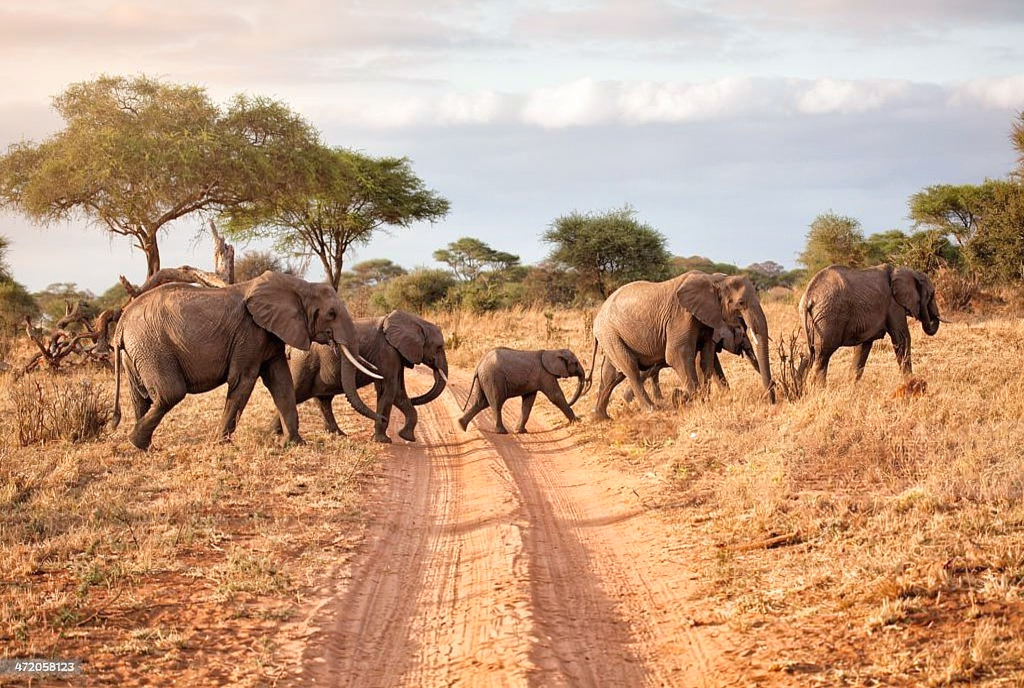

Malaria Free Safari With Kids: Your Expert Tanzania Guide
Planning a safari adventure for your family is an exciting prospect. When you envision a malaria free safari with kids in Tanzania, you picture wide-eyed wonder at majestic wildlife, thrilling game drives, and unforgettable moments shared under the vast African sky. However, the thought of traveling with children to a destination like Tanzania can also bring up questions about health, safety, and suitability. This guide is designed to provide you with comprehensive, practical information to plan a successful and worry-free family safari experience, focusing on regions and strategies that minimize malaria risk.
Tanzania offers some of the world’s most iconic wildlife viewing opportunities, from the vast plains of the Serengeti to the unique ecosystem of the Ngorongoro Crater. While malaria is present in many parts of the country, strategic planning allows families to experience these marvels while prioritizing their children’s well-being. We’ll explore destinations with lower malaria transmission, discuss preventative measures, and outline how to structure an itinerary that is both engaging for children and comfortable for parents. For families looking to travel in 2026 or 2027, early preparation is key to securing the best experiences and accommodations.
Quick Answers for Your Family Safari
- Can I have a malaria free safari with kids in Tanzania? Yes, by choosing specific regions and taking appropriate precautions, you can significantly reduce malaria risk.
- Which areas in Tanzania are considered lower risk for malaria? Higher altitude areas like the Ngorongoro Crater, parts of Arusha, and Kilimanjaro National Park generally have lower mosquito populations. Coastal areas and lower-lying parks like the Serengeti can have higher risk, though precautions are still effective.
- What are the best safari parks in Tanzania for families with young children? Tarangire National Park (known for elephants), Lake Manyara National Park (tree-climbing lions, diverse birdlife), and the Ngorongoro Crater offer incredible viewing with varied landscapes and easier accessibility for younger travelers.
- What health precautions are recommended for children? Consult your pediatrician or a travel clinic well in advance of your trip for up-to-date advice on malaria prophylaxis, vaccinations, and insect repellent strategies.
- When is the best time to go for a malaria free safari with kids? The dry seasons (June to October and December to February) generally have fewer mosquitoes.
Table of Contents
- Quick Facts: Tanzania Family Safari
- Understanding Malaria Risk in Tanzania for Families
- Why Prioritize a Malaria Free Approach for Kids?
- Best Time for a Malaria Free Safari With Kids (2026-2027)
- Tanzania’s Safari Regions: A Focus on Lower Risk Areas
- Sample 7-Day Northern Circuit Malaria Aware Itinerary for Families
- What to Expect on a Tanzania Family Safari
- Essential Inclusions and Packing for Kids
- Pre-Trip Preparation: Health and Logistics
- Common Mistakes to Avoid When Planning
- Who is a Malaria Free Safari With Kids Best Suited For?
- Alternatives to a Strictly Malaria Free Approach
- Planning Your 2026-2027 Tanzania Family Safari
- Booking Your Tanzania Family Safari
- Frequently Asked Questions
Quick Facts: Tanzania Family Safari
| Category | Details for Families |
|---|---|
| Primary Focus | Wildlife viewing, cultural experiences, family bonding. |
| Key Destinations | Northern Circuit (Serengeti, Ngorongoro, Tarangire, Lake Manyara), Zanzibar (for relaxation). |
| Malaria Risk Strategy | Focus on higher altitude parks, diligent use of repellents, appropriate clothing, and consulting travel medicine professionals for prophylaxis. |
| Best Age for Kids | Generally 6+ years, but depends on child’s temperament and family’s comfort level. Younger children can travel with extra planning. |
| Accommodation Types | Family-friendly lodges, tented camps with family suites, some hotels in towns. |
| Travel Duration | 7-14 days is common for the Northern Circuit. |
| Ideal Travel Seasons | Dry seasons: June-October, December-February (fewer mosquitoes). |
Understanding Malaria Risk in Tanzania for Families
Malaria is a mosquito-borne disease caused by Plasmodium parasites. In Tanzania, it is endemic in most regions, particularly at lower altitudes and during the rainy seasons when mosquito breeding is highest. The Anopheles mosquito, which transmits malaria, is most active between dusk and dawn.
For families, especially those with young children, the risk of malaria is a significant consideration. While it’s challenging to find areas in Tanzania that are entirely malaria-free, the risk can be substantially reduced by following a multi-pronged strategy. This involves selecting destinations known for lower transmission rates, implementing strict personal protection measures, and, most importantly, consulting with healthcare professionals regarding appropriate preventative medication (prophylaxis) for all family members, including children.
The goal of a ‘malaria free safari’ approach is not to guarantee zero risk, but to minimize it to the greatest extent possible through informed choices and diligent preparation. This means understanding where and when mosquitoes are most prevalent and tailoring your safari experience accordingly.
Why Prioritize a Malaria Free Approach for Kids?
Children, especially those under five, are more vulnerable to severe malaria. Their immune systems are still developing, making them less equipped to fight off the infection. Even in older children, malaria can lead to significant illness, disrupting a much-anticipated family holiday and potentially requiring medical attention that can be difficult to access in remote safari locations.
Beyond the direct health risks, a malaria free approach offers peace of mind. Parents can relax and fully immerse themselves in the safari experience without the constant worry about mosquito bites and potential illness. This psychological benefit is invaluable when creating lasting family memories. For families planning a trip in 2026 or 2027, starting with a clear understanding of health priorities will set the stage for a smoother planning process.
Best Time for a Malaria Free Safari With Kids (2026-2027)
The timing of your safari significantly impacts mosquito activity and, therefore, malaria risk. Tanzania experiences two main seasons:
- The Dry Seasons (Lower Mosquito Activity):
- June to October: This is a popular time for safaris, coinciding with the Great Migration in the northern Serengeti. Cooler temperatures and less rainfall mean fewer mosquitoes. This period is excellent for families aiming for a malaria free experience.
- December to February: This is the short dry season. While there might be occasional rains, it’s generally less humid and mosquito-prone than the long rainy season. This can be a good option for families looking to travel in early 2027.
- The Wet Seasons (Higher Mosquito Activity):
- March to May: This is the long rainy season, characterized by heavy downpours. Mosquito populations are at their peak, making it less ideal for those prioritizing a malaria free safari with kids.
- November: This is a transitional month, often with scattered showers. Mosquito activity can increase.
For families with young children, aiming for the peak dry season (June-October) or the short dry season (December-February) is generally recommended to naturally reduce exposure to mosquitoes. Planning for 2026 or 2027 means you can book well in advance to secure spots during these optimal periods.
Tanzania’s Safari Regions: A Focus on Lower Risk Areas
While no safari destination in Tanzania is entirely risk-free, some areas naturally present a lower risk due to altitude and climate. Focusing your itinerary on these regions is a smart strategy for a malaria free safari with kids.
The Northern Circuit: A Family Favorite with Lower Risk Potential
The Northern Circuit is the most popular safari circuit in Tanzania, offering a concentrated collection of world-renowned parks. It’s also generally considered to have lower malaria transmission rates compared to Zanzibar or southern parks, primarily due to its higher altitudes.
- Ngorongoro Conservation Area (NCA): This is a standout for families. The Ngorongoro Crater floor is at a significant altitude (around 1,800 meters or 5,900 feet), which naturally limits mosquito populations. The dense wildlife population within the crater offers incredible viewing opportunities without extensive travel between locations, making it ideal for children.
- Tarangire National Park: Known for its large elephant herds and baobab trees, Tarangire is at a moderate altitude. While mosquitoes are present, especially near the river, the risk is manageable with precautions. Its accessibility and diverse wildlife make it a hit with families.
- Lake Manyara National Park: Famous for its tree-climbing lions and abundant birdlife, Lake Manyara is at a lower altitude than Ngorongoro but higher than many other parks. The park is relatively compact, offering good viewing without long drives.
- Serengeti National Park: The vast Serengeti plains are legendary. While parts of the Serengeti are at lower altitudes and can have higher mosquito activity, especially during the wet season, strategic choices can mitigate risk. Staying in camps/lodges at higher elevations or traveling during the dry season helps. Many family-friendly lodges are available.
Arusha Region: Gateway to Safaris
Arusha town and its surrounding areas, including Arusha National Park (which features Mount Meru), are at higher altitudes and generally have very low malaria risk. Arusha serves as the starting point for most Northern Circuit safaris and offers a good place to acclimatize.
Areas to Be More Cautious About
- Zanzibar: While a beautiful destination for post-safari relaxation, Zanzibar is a tropical island with higher humidity and thus higher mosquito activity and malaria risk. If visiting Zanzibar, strict adherence to preventative measures is crucial.
- Southern Tanzania Parks (e.g., Ruaha, Selous): These parks are generally at lower altitudes and can have higher malaria risk, especially during the wet season. They are often visited during different itineraries and may be less suitable for a primary focus on a malaria free safari with kids.
By focusing on the Northern Circuit, particularly the Ngorongoro Crater and surrounding highlands, you can significantly enhance the malaria free aspect of your family safari.
Sample 7-Day Northern Circuit Malaria Aware Itinerary for Families
This sample itinerary focuses on the Northern Circuit, prioritizing wildlife viewing and minimizing travel time between locations, with an emphasis on areas offering lower malaria risk. This is a template; your actual trip in 2026 or 2027 can be customized.
| Day | Location | Activities | Accommodation Focus | Malaria Risk Consideration |
|---|---|---|---|---|
| Day 1 | Arrive Kilimanjaro International Airport (JRO) & Transfer to Arusha | Welcome, transfer to hotel, relax, briefing for safari. | Family-friendly lodge in Arusha. | High altitude, very low risk. Use repellent as a general precaution. |
| Day 2 | Arusha to Tarangire National Park | Morning drive to Tarangire. Afternoon game drive, focusing on elephants and diverse birdlife. | Tented camp or lodge near Tarangire. | Moderate altitude. Mosquitoes can be present, especially near water. Strict repellent use from dusk. |
| Day 3 | Tarangire National Park | Full day of game drives in Tarangire. Explore different areas of the park. | Same as Day 2. | Continue precautions. |
| Day 4 | Tarangire to Lake Manyara National Park & transfer to Karatu | Morning drive to Lake Manyara. Explore the park (tree-climbing lions, primates). Drive to Karatu, a highland town. | Lodge in Karatu (higher altitude). | Lake Manyara has moderate risk. Karatu is higher altitude, lower risk. |
| Day 5 | Ngorongoro Crater Tour | Descend into the Ngorongoro Crater for a full-day game drive. Incredible wildlife density. Picnic lunch on the crater floor. | Lodge in Karatu or on the crater rim. | Crater floor altitude is significant. Higher altitude rim lodges are even lower risk. Excellent for a malaria aware experience. |
| Day 6 | Karatu to Serengeti National Park (Central) | Drive to Serengeti, stopping at Olduvai Gorge (optional). Afternoon game drive in Serengeti. | Tented camp or lodge in Central Serengeti. | Serengeti altitude varies. Central Serengeti can have moderate risk, especially near rivers. Focus on dusk/dawn protection. |
| Day 7 | Serengeti National Park & Departure Prep | Morning game drive in Serengeti. Transfer back to Arusha or fly from a local airstrip to JRO for departure. | N/A (departure day). | Continue precautions until departure. |
Note: This itinerary can be extended to include more days in the Serengeti, or modified to include other activities. For example, adding a visit to Mto wa Mbu village for cultural interaction can be very engaging for children.
What to Expect on a Tanzania Family Safari
A safari with children is a unique experience, blending adventure with the realities of traveling with younger ones. Here’s what you can anticipate:
- Wildlife Encounters: Expect awe-inspiring sightings of elephants, giraffes, zebras, lions, hippos, and countless other animals. Children are often captivated by the sheer scale and diversity of wildlife.
- Game Drives: These are typically conducted in custom-built 4×4 safari vehicles with pop-up roofs for optimal viewing. Drives can range from a few hours to a full day, with breaks. For younger children, shorter, more frequent drives might be preferable.
- Accommodation: Options range from comfortable lodges with swimming pools and family rooms to more adventurous tented camps. Many lodges cater specifically to families with amenities and activities.
- Pace of Travel: A family safari often benefits from a slightly slower pace. Minimizing long drives between parks and allowing for downtime at lodges can make the experience more enjoyable for everyone.
- Food: Most lodges and camps offer a variety of international and local dishes. Buffets are common, allowing children to choose what they like. Special dietary needs can usually be accommodated with advance notice.
- Safety: Safari operators prioritize safety. Vehicles are driven by experienced guides, and lodges have safety protocols in place. Strict adherence to your guide’s instructions is paramount.
- The ‘Wild’ Factor: While efforts are made for comfort, you are in a wild environment. Expect dust, heat, insects (even with precautions), and the occasional early morning wake-up call from nature.
Essential Inclusions and Packing for Kids
Packing smart is crucial for a comfortable and safe family safari. Focus on practical, comfortable items and don’t forget essentials for children.
What Your Safari Package Should Include (Generally):
| Included | Not Typically Included |
|---|---|
| Park entrance fees | International flights |
| Accommodation during safari | Visa fees |
| All meals (breakfast, lunch, dinner) during safari | Travel insurance |
| 4×4 safari vehicle with pop-up roof and experienced driver/guide | Tips for guides, lodge staff, drivers |
| Bottled water in the safari vehicle | Personal expenses (souvenirs, drinks) |
| Airport transfers | Malaria prophylaxis and other personal medications |
| All listed activities in the itinerary | Laundry services (unless specified) |
Packing List for Kids (and Adults!)
- Clothing:
- Lightweight, neutral-colored long-sleeved shirts and trousers (essential for sun and insect protection, especially at dawn and dusk).
- T-shirts and shorts for warmer parts of the day.
- A warm fleece or jacket for cool mornings and evenings (especially in the Ngorongoro Highlands).
- Comfortable walking shoes or sturdy trainers.
- Sandals or flip-flops for around the lodge.
- Swimsuits (if accommodation has a pool).
- Pajamas.
- Health & Safety:
- Insect Repellent: High DEET concentration (30-50%) is recommended.
- Sunscreen: High SPF, broad-spectrum.
- Hats: Wide-brimmed hats for sun protection.
- Sunglasses.
- Basic First-Aid Kit: Including plasters, antiseptic wipes, pain relievers (children’s doses), motion sickness medication, any personal prescriptions.
- Hand Sanitizer.
- Malaria Prophylaxis: As prescribed by your doctor.
- After-bite cream.
- Gear:
- Binoculars (essential for spotting wildlife!). Consider child-sized ones.
- Camera and extra memory cards/batteries.
- Small backpack for day trips.
- Reusable water bottles.
- Books, travel games, or small toys for downtime.
- Travel-sized toiletries.
- Adapters for electronics.
Tip for Kids: Pack a few familiar comfort items, like a favorite stuffed animal or blanket, to help them settle in.
Pre-Trip Preparation: Health and Logistics
Thorough preparation is key to a successful and safe malaria free safari with kids. Start planning well in advance, especially if you are looking at dates in 2026 or 2027.
Health Consultations
- Consult Your Pediatrician/Travel Clinic: This is the most critical step. Schedule an appointment at least 6-8 weeks before your departure. Discuss your itinerary, focusing on the specific regions you plan to visit in Tanzania.
- Malaria Prophylaxis: Get specific advice on the most suitable malaria medication for children, including correct dosages and administration. Understand the side effects and how to manage them.
- Vaccinations: Ensure all routine childhood vaccinations are up-to-date. Your doctor may recommend additional vaccines like Hepatitis A, Typhoid, or Yellow Fever (if applicable based on your travel path).
- Traveler’s Diarrhea: Discuss preventative measures and treatment options for traveler’s diarrhea, which can affect children more severely.
Logistics and Documentation
- Passports and Visas: Ensure all passports are valid for at least six months beyond your return date. Check visa requirements for Tanzania for your nationality and apply in advance if necessary.
- Travel Insurance: Comprehensive travel insurance is non-negotiable. Ensure it covers medical emergencies, evacuation, trip cancellation, and lost baggage.
- Flight Bookings: Book international and any domestic flights well in advance, especially for peak seasons in 2026-2027.
- Itinerary Planning: Work with a reputable tour operator to craft an itinerary that suits your family’s pace and interests, prioritizing lower-risk areas.
- Emergency Contacts: Keep a list of emergency contacts, including your tour operator, insurance provider, and local embassy.
Common Mistakes to Avoid When Planning
Many families dream of a Tanzania safari, but a few common oversights can detract from the experience. Being aware of these can help you plan a smoother trip.
- Not Consulting a Doctor Early Enough: Waiting until the last minute for health advice can lead to rushed decisions and potential health risks. Start this process months in advance.
- Underestimating Travel Times: Tanzania is vast. Driving between parks can be long. Families with children benefit from itineraries that minimize extensive travel days and include more time in each location.
- Overpacking or Underpacking: Packing too much makes travel cumbersome, while forgetting essentials like insect repellent or warm layers can lead to discomfort. Stick to the recommended packing list.
- Ignoring Altitude Differences: Not all parks are at the same altitude. Higher areas like Ngorongoro are naturally better for reducing mosquito exposure. Failing to consider this can impact your malaria risk strategy.
- Booking with Unvetted Operators: Choose a tour operator with a proven track record of handling family safaris and understanding health considerations. Look for reviews and testimonials.
- Assuming All Safaris Are the Same: Different parks offer different experiences. Tailor your park choices to your family’s interests and the goal of a malaria free safari.
- Not Planning for Downtime: Children need breaks. An itinerary packed with back-to-back activities can be exhausting. Build in time for relaxation at lodges.
Who is a Malaria Free Safari With Kids Best Suited For?
A malaria free safari approach in Tanzania is ideal for:
- Families with Young Children: Particularly those under 5 years old, where vulnerability to severe malaria is higher.
- Parents Seeking Peace of Mind: For those who want to minimize health worries and focus on enjoying the incredible wildlife and family time.
- Travelers Who Prefer Higher Altitude Destinations: Families who are drawn to the stunning landscapes and wildlife of the Ngorongoro Crater and surrounding highlands.
- First-Time Safari Goers with Children: It provides a structured and well-understood approach to experiencing Tanzania’s highlights safely.
- Families Planning for 2026-2027: Early planners who want to secure the best accommodations and itineraries during the dry seasons.
While this approach prioritizes reduced risk, it’s important to remember that no travel to tropical regions is entirely risk-free. Diligent preparation and consultation with health professionals remain paramount.
Alternatives to a Strictly Malaria Free Approach
While aiming for a malaria free safari is a sensible goal, it’s important to acknowledge that other valid approaches exist, depending on your family’s risk tolerance, age of children, and travel style. These alternatives still involve significant precautions:
- Comprehensive Malaria Prevention Strategy: This involves strict adherence to malaria prophylaxis as prescribed by your doctor for all family members, combined with vigilant use of insect repellent, protective clothing, and staying in accommodations with good mosquito-proofing. This approach allows access to a wider range of destinations, including those at lower altitudes or coastal areas like Zanzibar, with a managed risk.
- Focus on Specific Low-Risk Periods: Traveling exclusively during the peak dry seasons (June-October, December-February) in any region of Tanzania naturally lowers mosquito activity and, consequently, malaria risk.
- Shorter Stays in Higher Risk Areas: If you wish to visit areas with slightly higher risk, such as parts of the Serengeti during specific times, keeping your stay brief and focusing on midday activities can reduce exposure.
The key is always to have an informed discussion with your travel doctor and tour operator to choose the strategy that best fits your family’s needs and comfort level.
Planning Your 2026-2027 Tanzania Family Safari
Planning a safari for future years, such as 2026 or 2027, offers a distinct advantage: time. This allows for meticulous preparation and securing the best options.
Timeline for Planning (2026-2027)
| Timeframe Before Travel | Key Actions |
|---|---|
| 12-18 Months Out | Initial research on destinations, best times to travel, family safari suitability. Identify potential tour operators. Start saving. |
| 9-12 Months Out | Consult travel clinic/pediatrician for initial health advice. Book international flights. Confirm your preferred tour operator and discuss itinerary options. Secure your dates. |
| 6-9 Months Out | Finalize safari itinerary. Book accommodation and internal transfers/flights. Apply for visas if needed. Purchase travel insurance. |
| 3-6 Months Out | Attend follow-up health appointments. Obtain malaria prophylaxis prescriptions. Purchase safari gear and clothing. Involve children in planning by showing them pictures and videos. |
| 1-3 Months Out | Start malaria prophylaxis as prescribed. Pack non-essential items. Confirm all booking details. Share itinerary with emergency contacts. |
| 2-4 Weeks Out | Final health check. Pack essential items. Ensure all medications are ready. Confirm flight details. Get local currency. |
| Week of Travel | Final packing. Charge electronics. Rest well. Double-check all documents. |
Starting early for a 2026 or 2027 trip ensures you can tailor the experience precisely to your family’s needs, securing family suites in sought-after lodges and prime safari dates during the best seasons.
Booking Your Tanzania Family Safari
Choosing the right tour operator is paramount for a successful family safari, especially when prioritizing a malaria free experience with kids. Here’s how to approach booking:
- Research Reputable Operators: Look for companies with extensive experience in Tanzania, specializing in family safaris. Check reviews on independent platforms.
- Ask Specific Questions: Don’t hesitate to ask about their approach to family travel, child safety protocols, vehicle suitability for children, and their understanding of malaria risk mitigation in different regions.
- Customization is Key: A good operator will work with you to tailor an itinerary. They should be flexible enough to adjust the pace, duration of game drives, and accommodation choices to suit your children’s ages and needs.
- Clarity on Inclusions/Exclusions: Ensure you have a clear understanding of what your safari package includes (e.g., park fees, meals, accommodation, guide) and what you will need to pay for separately (e.g., tips, personal expenses, drinks).
- Communication: A responsive and clear communication channel is vital. You should feel comfortable asking questions and receiving detailed, prompt answers.
- Contract and Payment Terms: Understand the deposit requirements, payment schedule, and cancellation policy. Ensure you receive a formal contract.
For your 2026 or 2027 family safari, consider contacting specialists who can guide you through the complexities of planning a malaria free safari with kids. For personalized assistance and expert advice, reach out to:
WhatsApp: +255616946642
Email: topguideadventures@gmail.com
Backup Email: info@topguideadventures.com
They can help craft a bespoke itinerary that balances adventure with safety, ensuring a memorable experience for your entire family.
Frequently Asked Questions
1. Is it truly possible to have a malaria free safari with kids in Tanzania?
While it’s impossible to guarantee zero risk in any tropical destination, you can significantly minimize malaria risk by focusing on higher altitude areas like the Ngorongoro Crater, traveling during the dry seasons, using effective insect repellents, wearing protective clothing, and most importantly, consulting with your doctor about appropriate malaria prophylaxis for children. The goal is a malaria-aware safari.
2. What are the most child-friendly safari parks in Tanzania for malaria concerns?
The Ngorongoro Crater is excellent due to its high altitude. Tarangire and Lake Manyara are also good options, offering diverse wildlife and manageable altitudes. While the Serengeti is a must-see, planning your stay in specific areas and seasons can help manage risk.
3. When is the best time for a malaria free safari with kids in 2026 or 2027?
The dry seasons are best: June to October and December to February. These periods naturally have fewer mosquitoes, reducing overall exposure. Planning for these times in 2026 or 2027 is highly recommended.
4. What specific health precautions should I take for my children?
Consult your pediatrician or a travel clinic 6-8 weeks before your trip. They will advise on the correct malaria prophylaxis, dosages, and administration for children, as well as necessary vaccinations and general travel health advice.
5. What if my child gets sick on safari?
Reputable tour operators have procedures for medical emergencies. They can arrange for a doctor visit or evacuation if necessary. Ensure your travel insurance covers comprehensive medical emergencies and medical evacuation.
6. Are there any specific activities that increase malaria risk for children?
Activities that occur at dusk and dawn, when mosquitoes are most active, carry a higher risk. This includes early morning game drives and evening game drives. Staying in accommodations with good mosquito netting and screens is also crucial.
7. How can I make a long safari drive more comfortable for my kids?
Pack snacks, drinks, books, and travel games. Ensure they wear comfortable clothing and have sun protection. Many vehicles have pop-up roofs, allowing for better viewing and air circulation. Shorter, more frequent drives can also be beneficial.
8. What kind of accommodation is best for families with young children?
Lodges with family rooms, swimming pools, and child-friendly dining options are ideal. Tented camps can also be suitable if they offer family tents and a secure environment.
9. Do I need to worry about malaria on Zanzibar?
Yes, Zanzibar is a tropical island with higher humidity and mosquito activity, thus a higher malaria risk. If you plan to visit Zanzibar, strict adherence to malaria prevention measures is essential. Consider a shorter stay or focus on mainland Tanzania for a malaria-aware safari.
10. How do I choose a reliable tour operator for a malaria free safari with kids?
Look for operators with specific experience in family safaris, positive reviews, clear communication, and a willingness to customize itineraries based on health and family needs. Companies like Top Guide Adventures are experienced in crafting such trips.
Ready to Plan Your Unforgettable Malaria Free Safari With Kids in Tanzania?
A malaria free safari with kids in Tanzania is an achievable and incredibly rewarding experience. By focusing on the right destinations, planning meticulously, and prioritizing health and safety, you can create a trip filled with wonder, adventure, and cherished family memories. Whether you are planning for 2026, 2027, or beyond, the journey begins with expert guidance.
Let us help you craft the perfect safari adventure for your family. We understand the unique needs of traveling with children and are dedicated to ensuring a safe, enjoyable, and truly unforgettable experience. From selecting the best child-friendly lodges to designing an itinerary that balances thrilling wildlife encounters with comfortable pacing, we are here to support you every step of the way.
Get in touch with our experienced team today to start planning your dream Tanzania family safari:
WhatsApp: +255616946642
Email: topguideadventures@gmail.com
Backup Email: info@topguideadventures.com
We look forward to helping you create a safari that your family will talk about for years to come!
Plan your malaria free safari with kids with Top Guide Adventures
Tell us your travel dates, group size, comfort level, and dream experience. We will help you shape a clear, realistic, and memorable Tanzania itinerary.







 Veedesigner
 Fatma Kizanga
 Benjamin Waryuba
 Philip Philip
 John jr Itaja
 Antonia Optatus
 Edith Kanyere
 Neema Iddy
 Kelvin Boniphace
 Damari Maiga



