
Updated planning guide for 2026-2027
Hidden Safari Parks In Tanzania Without Crowds: Best Guide 2026-2027
Escape the typical safari routes and explore Tanzania's lesser-known national parks for a more intimate wildlife encounter. This guide covers everything you need to know for planning your 2026-2027 adventure.
WhatsApp +255616946642 | topguideadventures@gmail.com | info@topguideadventures.com
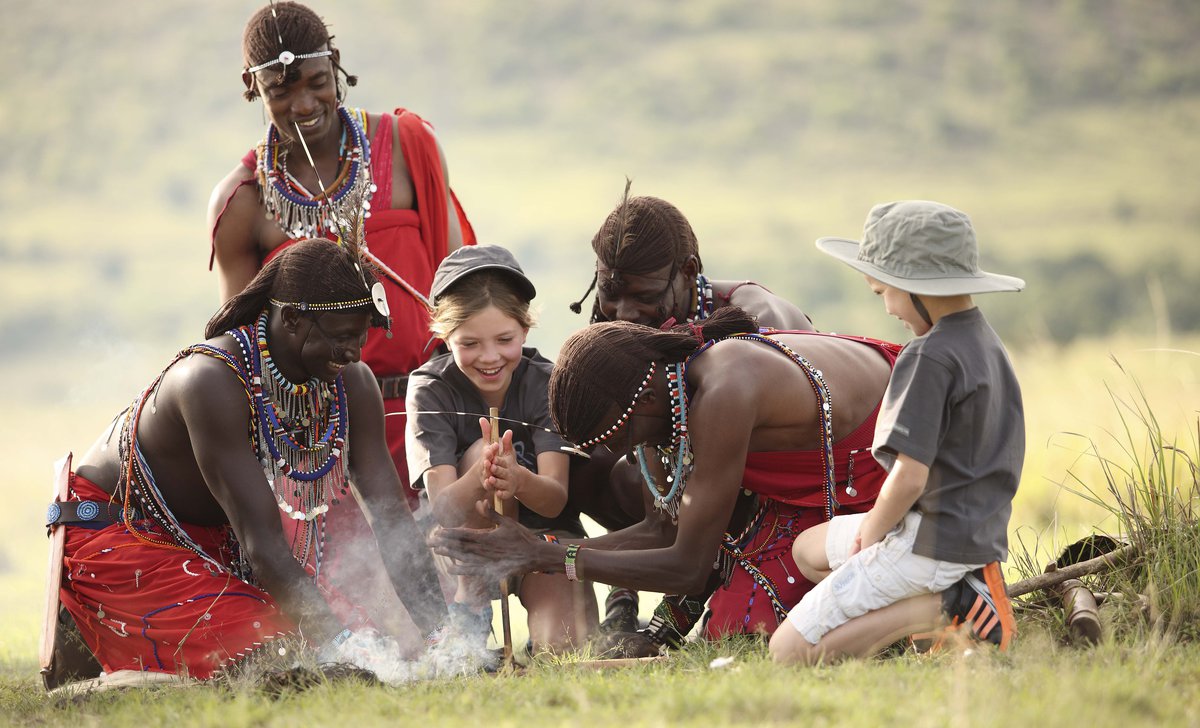

Hidden Safari Parks in Tanzania Without Crowds: Your Essential Travel Guide
Tanzania is synonymous with iconic safari destinations like the Serengeti and Ngorongoro Crater. While these parks offer unparalleled wildlife viewing, they also attract significant numbers of visitors. For travelers seeking a more secluded and authentic wildlife experience, Tanzania boasts a wealth of hidden safari parks and reserves that promise incredible encounters without the crowds. This guide is designed to help you plan an unforgettable 2026-2027 safari to these less-traveled gems.
Quick Answer: Your Gateway to Serene Safaris
For those looking to experience Tanzania’s magnificent wildlife away from the usual tourist trails, focusing on parks like Katavi, Ruaha, Selous (Nyerere National Park), and the Mahale Mountains offers a profound sense of wilderness. These destinations provide exceptional game viewing, diverse landscapes, and a genuine connection to nature, especially appealing for safaris planned for 2026 and 2027.
| Park Name | Key Features | Best For | Accessibility |
|---|---|---|---|
| Ruaha National Park | Large elephant herds, predators, vast plains | Serious wildlife enthusiasts, photographers | Fly-in or long overland drive |
| Katavi National Park | Hippo and buffalo populations, remote wilderness | Adventurous travelers, solitude seekers | Fly-in only |
| Nyerere National Park (formerly Selous) | River safaris, diverse wildlife, Rufiji River | Boating safaris, varied landscapes | Fly-in or overland from Dar es Salaam |
| Mahale Mountains National Park | Chimpanzee trekking, Lake Tanganyika | Primate lovers, unique lake-based safari | Fly-in to Kigoma, then boat |
| Grumeti Game Reserve | Western Serengeti, Great Migration river crossings | Exclusive migration viewing, luxury seekers | Fly-in |
Why Choose Hidden Safari Parks in Tanzania Without Crowds?
The allure of Tanzania’s famous parks is undeniable. However, the concentration of visitors can sometimes detract from the feeling of being in the wild. Opting for less-visited parks offers several distinct advantages:
- Authentic Wilderness Experience: With fewer vehicles, you’ll feel a greater sense of isolation and immersion in nature. Animal sightings are often more natural and undisturbed.
- Exclusive Encounters: Imagine having a pride of lions or a herd of elephants all to yourself. This is common in the more remote parks.
- Diverse Landscapes: Beyond the typical savanna, these parks showcase varied terrains, from vast river systems to dense forests and rugged mountains.
- Unique Wildlife: While the Big Five are present in many, some parks offer specialized viewing opportunities, such as chimpanzees or large concentrations of specific species.
- Conservation Focus: Many of these less-visited areas are managed with a strong emphasis on conservation and community involvement, offering a more responsible travel choice.
Understanding Tanzania’s Lesser-Known Safari Destinations
Tanzania’s vastness allows for a multitude of ecosystems, each supporting unique wildlife populations. While the northern circuit parks (Serengeti, Ngorongoro, Tarangire, Lake Manyara) are popular for good reason, the southern and western circuits offer a different, often more intense, safari experience.
Ruaha National Park: The Wild Heart of Tanzania
Ruaha is Tanzania’s largest national park and is renowned for its dramatic landscapes, including the Great Ruaha River, and its healthy populations of predators, especially lions and wild dogs. It’s also a stronghold for elephants, with some of the largest herds in the country.
- Wildlife Highlights: Expect to see large prides of lions, abundant elephants, greater and lesser kudu, Sable antelope, Roan antelope, cheetahs, leopards, and African wild dogs. Birdlife is also exceptional.
- Landscape: A mix of open plains, acacia woodlands, and the spectacular Great Ruaha River gorge.
- Activities: Game drives, walking safaris (highly recommended for a different perspective), and bird watching.
- Best Time to Visit: The dry season (June to October) is ideal for game viewing as animals congregate around water sources. The wet season (November to May) offers lush scenery and fantastic birding.
Katavi National Park: Untamed and Remote
Katavi is one of Africa’s most untouched wilderness areas. Its name comes from the Katabe river, and the park is famous for its massive concentrations of hippos and buffaloes, especially during the dry season when they gather in large numbers in the few remaining waterholes. It’s a place for those who truly want to feel like they are on the edge of civilization.
- Wildlife Highlights: Enormous herds of buffalo, large hippo pods, elephants, giraffes, zebras, hartebeest, and a good number of predators including lions and crocodiles.
- Landscape: Dominated by floodplains, acacia woodlands, and seasonal lakes.
- Activities: Primarily game drives. Due to its remoteness, it’s best suited for experienced safari-goers.
- Best Time to Visit: The dry season (June to October) is when the park is most accessible and wildlife is concentrated.
Nyerere National Park (formerly Selous Game Reserve): Riverine Safari Paradise
Nyerere National Park, formerly the vast Selous Game Reserve, is one of the largest protected areas in Africa. It’s famous for its diversity, encompassing miombo woodlands, open plains, and the vital Rufiji River system. The river offers unique boating safaris, a contrast to typical game drives.
- Wildlife Highlights: Large elephant and buffalo herds, hippos, crocodiles, lions, leopards, cheetahs, wild dogs, and abundant birdlife. It’s also a critical area for black rhinos (though sightings are rare and require luck).
- Landscape: Diverse, featuring the Rufiji River, lakes, swamps, and woodlands.
- Activities: Game drives, walking safaris, and particularly, boat safaris on the Rufiji River and its channels, which provide excellent opportunities to see hippos, crocodiles, and water birds up close.
- Best Time to Visit: The dry season (July to October) is best for game viewing as animals are drawn to the river. The wet season offers greener landscapes and is good for birding.
Mahale Mountains National Park: Chimpanzees and Lake Tanganyika
Located on the shores of Lake Tanganyika, Africa’s second-deepest lake, Mahale is a magical place. It’s most famous for its habituated wild chimpanzees, offering a rare opportunity for trekking to observe these fascinating primates in their natural habitat. The stunning lake views add another layer to the experience.
- Wildlife Highlights: The primary draw is chimpanzee trekking. You can also see Angolan colobus monkeys, red-tailed monkeys, and a variety of birdlife. The lake itself is home to numerous fish species.
- Landscape: Steep, forested mountains cascading down to the crystal-clear waters of Lake Tanganyika.
- Activities: Chimpanzee trekking is the main activity. Also, swimming, snorkeling, and boat trips on Lake Tanganyika are popular.
- Best Time to Visit: The dry season (June to October) is best for trekking, as the forest paths are less slippery.
Grumeti Game Reserve: Exclusive Serengeti Experience
While technically part of the Serengeti ecosystem, Grumeti Game Reserve is a private concession in the western Serengeti. It offers an exclusive and luxurious safari experience, particularly famous for dramatic wildebeest river crossings during the Great Migration. It provides a crowd-free alternative for experiencing this natural spectacle.
- Wildlife Highlights: Excellent predator sightings (lions, leopards, cheetahs), abundant plains game, and during migration season (typically May to July), spectacular wildebeest and zebra river crossings.
- Landscape: Rolling plains, acacia woodlands, and the Grumeti River.
- Activities: Game drives, walking safaris, and night drives (often not permitted in public areas).
- Best Time to Visit: For migration river crossings, aim for May to July. For general game viewing, year-round is good, but dry season (June to October) is often preferred.
Planning Your 2026-2027 Off-the-Beaten-Path Safari
Planning a safari to these less-visited parks requires careful consideration, as logistics can be more complex than for the northern circuit. Here’s a breakdown of key planning aspects for 2026-2027 trips.
Best Time to Visit Hidden Parks
While the dry season (June to October) is generally considered the prime time for wildlife viewing across Tanzania due to animals concentrating around water sources, each park has nuances.
| Park | Dry Season (June-Oct) | Green Season (Nov-May) |
|---|---|---|
| Ruaha | Excellent game viewing, large herds, dry riverbeds. Best for predators. | Lush scenery, great birding, fewer visitors, some roads may be difficult. |
| Katavi | Peak season. Massive buffalo & hippo concentrations. Most accessible. | Very difficult access, park often closed or impassable. Best avoided for safaris. |
| Nyerere (Selous) | Good game viewing, river levels may be lower, excellent for boat safaris. | Greener landscapes, good birding, higher chance of rain affecting activities. |
| Mahale | Best for chimpanzee trekking, drier paths, clearer lake views. | Lush forest, more challenging trekking, potential for rain. |
| Grumeti | Excellent game viewing, potential for migration river crossings (May-July). | Green season, fewer tourists, good for general game viewing. |
Getting There: Accessibility and Logistics
Reaching these parks typically involves a combination of flights and ground transfers.
- Fly-in Safaris: The most efficient way to access Katavi, Ruaha, Mahale, and Grumeti is via light aircraft from Arusha or Dar es Salaam. These flights are scenic but add significantly to the cost.
- Overland Travel: Ruaha and Nyerere can be reached by road from Dar es Salaam or other safari hubs. This is a much longer journey (often 2-3 days to Ruaha) and requires a sturdy 4×4 vehicle. It’s a more adventurous and budget-friendly option but time-consuming.
- Transfers: Once you land at a local airstrip, your lodge will typically arrange a 4×4 vehicle for game drives and transfers.
Accommodation Options
Accommodation in these remote parks is generally limited to a few well-appointed safari lodges and tented camps. These often offer an all-inclusive experience, covering meals, drinks, and safari activities. Expect comfortable to luxurious options, designed to blend with the environment and provide an intimate safari feel.
Sample Itinerary Logic: A Southern Circuit Focus (10 Days)
This sample itinerary focuses on Ruaha and Nyerere National Park, offering a blend of predator action and riverine exploration. It assumes arrival and departure from Dar es Salaam for logistical simplicity.
Days 1-4: Ruaha National Park
- Day 1: Arrive at Dar es Salaam (DAR). Connect to a scheduled flight to Ruaha Airstrip (IDA). Transfer to your lodge. Afternoon game drive.
- Day 2: Full day of game drives in Ruaha, focusing on predator sightings and elephant herds.
- Day 3: Morning walking safari, followed by an afternoon game drive. Explore different sectors of the park.
- Day 4: Morning game drive. Fly from Ruaha Airstrip to the airstrip serving Nyerere National Park. Transfer to your lodge.
Days 5-7: Nyerere National Park
- Day 5: Full day exploring Nyerere. Morning game drive, afternoon boat safari on the Rufiji River.
- Day 6: Option for a full-day game drive to a different section of the park or combine a morning game drive with another boat safari.
- Day 7: Morning activity (game drive or boat safari). Fly from Nyerere airstrip back to Dar es Salaam. Overnight in Dar or connect to your international flight.
Additional Days (Optional):
- Add 2-3 days to include Katavi for a true wilderness immersion (requires additional flights and is logistically more complex).
- Add 2-3 days to include Mafia Island for marine activities after your safari.
Sample Itinerary Logic: Western Circuit – Chimpanzees and Lake (10 Days)
This itinerary focuses on Mahale Mountains National Park, offering a unique primate experience combined with the beauty of Lake Tanganyika. It requires flights via Kigoma.
Days 1-2: Travel to Kigoma and Lake Tanganyika
- Day 1: Arrive at Dar es Salaam (DAR). Fly to Kigoma (TKQ). Transfer to your lodge on the shores of Lake Tanganyika.
- Day 2: Relax by the lake, enjoy swimming or snorkeling. Prepare for chimpanzee trekking.
Days 3-6: Mahale Mountains National Park
- Day 3: Boat transfer from your lodge to Mahale Mountains National Park base camp. Settle in. Afternoon relaxation or short walk.
- Day 4: Full day of chimpanzee trekking. Hike into the forest to find habituated chimp families.
- Day 5: Another day for chimpanzee trekking or exploring other trails in Mahale. Enjoy the lake views.
- Day 6: Optional activities: bird watching, exploring the lake by boat, or a final trek.
Days 7-8: Return Journey and Optional Add-ons
- Day 7: Boat transfer back to Kigoma. Fly from Kigoma to Arusha or Zanzibar (depending on onward travel plans).
- Day 8: Connect to your international flight or begin another Tanzanian adventure (e.g., Northern Circuit or Zanzibar).
Additional Days (Optional):
- Add 2-3 days to explore the Gombe Stream National Park (famous for Jane Goodall’s work with chimpanzees) near Kigoma.
- Combine with a safari in the western Serengeti (e.g., Grumeti) for a diverse experience.
What to Expect on Your Secluded Safari
Expect an experience that feels more intimate and raw. The absence of crowds means:
- More Personal Service: Lodges and camps are often smaller, offering highly personalized attention.
- Uninterrupted Wildlife Viewing: You won’t be sharing sightings with dozens of other vehicles.
- Sense of Adventure: The remoteness and less developed infrastructure contribute to a feeling of true exploration.
- Varied Terrain: Be prepared for different types of game drives, including walking safaris and boat trips, depending on the park.
- Basic Infrastructure: While lodges are comfortable, expect less connectivity and fewer amenities than in major tourist hubs. This is part of the charm.
Packing and Preparation for Remote Safaris
Packing for these parks is similar to other Tanzanian safaris, but with a few considerations for remoteness:
- Clothing: Neutral-colored, lightweight clothing (khaki, olive green, beige). Long sleeves and trousers for sun and insect protection. A warm fleece or jacket for cool mornings/evenings. Comfortable walking shoes and sandals.
- Sun Protection: High SPF sunscreen, wide-brimmed hat, sunglasses.
- Insect Repellent: Especially important for evenings and near water.
- Camera Gear: Extra batteries, memory cards, zoom lens. Binoculars are essential.
- First-Aid Kit: Include personal medications, pain relievers, antiseptic wipes, and bandages.
- Personal Items: Hand sanitizer, wet wipes, a headlamp or flashlight (useful in camps).
- Documents: Passport, visa, yellow fever certificate, travel insurance details.
- Cash: For tips and any small purchases. US Dollars are widely accepted.
Important Note on Luggage for Fly-in Safaris:
Light aircraft have strict luggage weight restrictions, typically 15-20 kg (33-44 lbs) per person in soft-sided bags. Please confirm with your tour operator.
Common Mistakes to Avoid
When planning a safari to these less-visited parks, travelers sometimes make these common errors:
- Underestimating Travel Times: Overland journeys can be long and arduous. Factor in sufficient time.
- Ignoring Luggage Restrictions: For fly-in safaris, strict limits on soft-sided bags are crucial.
- Expecting Northern Circuit Infrastructure: These parks are wilder. Don’t expect paved roads or extensive visitor centers.
- Not Booking in Advance: Due to limited accommodation and flight availability, especially for 2026-2027, booking well ahead is essential.
- Not Considering the Dry Season for Katavi: Katavi is largely inaccessible and less rewarding during the wet season.
- Failing to Pack Appropriately: The remoteness means you can’t easily buy forgotten items.
Who Are These Hidden Parks Best For?
These destinations are ideal for:
- Experienced Safari-Goers: Those who have perhaps visited the more popular parks and are seeking a deeper, more authentic experience.
- Nature Enthusiasts: Travelers who appreciate solitude, raw landscapes, and a genuine sense of wilderness.
- Photographers: The lack of crowds and dramatic scenery offer exceptional photographic opportunities.
- Adventurous Travelers: Those willing to embrace slightly more challenging logistics for a unique reward.
- Travelers Seeking Exclusivity: Those who want to avoid large groups and have private wildlife encounters.
Alternatives to the Most Popular Parks
While the Serengeti and Ngorongoro are world-renowned, consider these alternatives if you’re seeking a similar wildlife experience with fewer people:
- Tarangire National Park: Often less crowded than its northern circuit neighbors, especially outside peak migration times. Known for its large elephant herds and baobab trees.
- Lake Manyara National Park: While small, it can get busy. However, its diverse habitats (forest, soda lake, savanna) offer varied wildlife and are easily combined with other parks.
- Western Serengeti (e.g., Grumeti): As mentioned, this offers an exclusive Serengeti experience, especially for migration viewing.
Planning Your 2026-2027 Safari: Key Considerations
Booking your safari for 2026 or 2027 requires early planning, especially for these sought-after, less-crowded destinations. The demand for unique, off-the-beaten-path experiences is growing.
- Book 9-12 Months in Advance: Especially if you’re traveling during peak dry season (June-October) or wish to stay at specific, popular lodges.
- Flexibility with Dates: If possible, consider traveling slightly outside the absolute peak months (e.g., May or November) for potentially better availability and value.
- Work with an Expert Operator: Navigating the logistics of remote parks is best done with a specialist tour operator who understands the nuances of each location, flight schedules, and lodge availability.
- Budget Accordingly: Fly-in safaris to these remote parks are generally more expensive than overland trips to the northern circuit due to flight costs and often exclusive lodge rates.
Your Safari Planning Checklist (2026-2027)
- Define Your Interests: What wildlife are you most keen to see? Are primates, large predators, or birdlife your priority?
- Choose Your Parks: Select 2-3 parks that align with your interests and desired experience (e.g., Ruaha for predators, Mahale for chimps).
- Determine Safari Length: A minimum of 7-10 days is recommended for exploring 2 remote parks.
- Set Your Budget: Understand that fly-in safaris to these areas are a premium experience.
- Consult a Tour Operator: Get expert advice on itineraries, lodges, and flights.
- Book Flights & Accommodation: Secure your spots early, especially for 2026-2027.
- Arrange Visas & Vaccinations: Check requirements well in advance.
- Purchase Travel Insurance: Comprehensive cover is essential.
- Pack Smart: Adhere to luggage restrictions for flights.
- Prepare for the Experience: Embrace the adventure and remoteness.
Booking Your Tanzania Safari: Expert Advice
Choosing the right tour operator is crucial for a successful safari to Tanzania’s hidden gems. You need a company that:
- Has extensive knowledge of the southern and western circuits.
- Can arrange complex flight logistics.
- Understands the specific appeal and requirements of each park.
- Offers personalized itineraries tailored to your interests and budget.
We at Best Tanzania Tour Operator specialize in crafting unique safari experiences that go beyond the ordinary. We can help you navigate the complexities of planning a trip to hidden safari parks in Tanzania without crowds, ensuring an unforgettable adventure for 2026-2027.
Our team has firsthand experience with these remote destinations and works with trusted local partners to provide exceptional service. We can assist with:
- Custom itinerary design.
- Booking internal flights and lodge accommodations.
- Arranging all ground transfers.
- Providing expert advice on the best time to visit and what to expect.
Ready to plan your exclusive Tanzanian safari? Contact us today to start designing your dream trip. Let us help you discover the magic of Tanzania’s wild heart, away from the tourist trails.
Get in touch:
WhatsApp: +255616946642
Email: topguideadventures@gmail.com
Backup Email: info@topguideadventures.com
Frequently Asked Questions (FAQs)
- Q1: Are these hidden safari parks safe for tourists in 2026-2027?
- Yes, Tanzania’s national parks are generally safe for tourists. The main safety considerations are wildlife encounters, which are managed by experienced guides. It’s important to always follow your guide’s instructions. The remoteness of these parks means you are in a true wilderness environment, so adherence to safety protocols is key.
- Q2: How much more expensive are these parks compared to the Serengeti?
- Safaris to the southern and western circuits are typically more expensive than to the northern circuit. This is primarily due to the higher cost of internal flights required to reach these remote locations, and often, the exclusive nature and higher operational costs of the lodges situated there. Expect a premium for the exclusive experience.
- Q3: Can I combine a trip to hidden parks with the Northern Circuit?
- Yes, it is possible but requires careful planning and sufficient time. For example, you could fly from the Serengeti to Arusha and then take a flight to Ruaha or Nyerere. However, it’s often more rewarding to dedicate a full safari to the southern or western circuit to fully appreciate their unique offerings without feeling rushed.
- Q4: What is the best way to see chimpanzees in Tanzania?
- The premier location for chimpanzee trekking in Tanzania is Mahale Mountains National Park. Gombe Stream National Park is another option, though it’s smaller and more focused on research.
- Q5: Are walking safaris available in these parks?
- Yes, walking safaris are a fantastic way to experience the bush more intimately and are offered in parks like Ruaha and Nyerere, usually by specific lodges. They provide a different perspective than game drives, allowing you to focus on smaller details and track signs.
- Q6: What kind of wildlife can I expect to see in Ruaha?
- Ruaha is renowned for its large elephant herds and significant populations of predators, including lions, leopards, cheetahs, and African wild dogs. You can also find greater and lesser kudu, Sable antelope, Roan antelope, giraffes, zebras, and a vast array of birdlife.
- Q7: Is Katavi National Park suitable for first-time safari-goers?
- Katavi is a truly wild and remote destination, best suited for experienced safari-goers who appreciate solitude and rugged wilderness. Its remoteness and limited infrastructure might be overwhelming for first-time visitors who may prefer the more established routes of the Northern Circuit initially.
- Q8: How do I book a safari to these hidden parks for 2026-2027?
- The best approach is to contact a reputable tour operator specializing in Tanzanian safaris. They can help you craft a custom itinerary, book necessary flights and accommodations, and manage all the logistical details. For planning your hidden safari parks in Tanzania without crowds trip for 2026-2027, reach out to us for expert assistance.
- Q9: What is the best time to see the Great Migration in the Western Serengeti (Grumeti)?
- The wildebeest migration typically passes through the Grumeti area of the western Serengeti between May and July. This is when you have the best chance to witness dramatic river crossings as the herds move across the Grumeti River.
- Q10: What should I pack for a remote safari in Tanzania?
- Pack lightweight, neutral-colored clothing, sturdy walking shoes, sun protection (hat, sunglasses, sunscreen), insect repellent, a good camera with zoom lenses, binoculars, and a personal first-aid kit. If flying, be mindful of strict luggage weight limits (usually 15-20kg in soft bags).
Choosing to explore Tanzania’s hidden safari parks is a decision that rewards travelers with unparalleled intimacy with nature and a profound sense of discovery. For your 2026-2027 adventure, let us guide you to these extraordinary, crowd-free wildlife sanctuaries.
Start planning your exclusive safari today!
WhatsApp: +255616946642
Email: topguideadventures@gmail.com
Backup Email: info@topguideadventures.com
Plan your Hidden Safari Parks in Tanzania Without Crowds with Top Guide Adventures
Tell us your travel dates, group size, comfort level, and dream experience. We will help you shape a clear, realistic, and memorable Tanzania itinerary.







 Veedesigner
 Fatma Kizanga
 Benjamin Waryuba
 Philip Philip
 John jr Itaja
 Antonia Optatus
 Edith Kanyere
 Neema Iddy
 Kelvin Boniphace
 Damari Maiga



