
Updated planning guide for 2026-2027
Best Off-The-Beaten-Path Destinations In Tanzania: Complete Guide 2026-2027
Looking for Tanzania's hidden gems? This guide explores the best off-the-beaten-path destinations, offering unique adventures and authentic experiences away from the crowds. Perfect for travelers seeking something different in 2026-2027.
WhatsApp +255616946642 | topguideadventures@gmail.com | info@topguideadventures.com
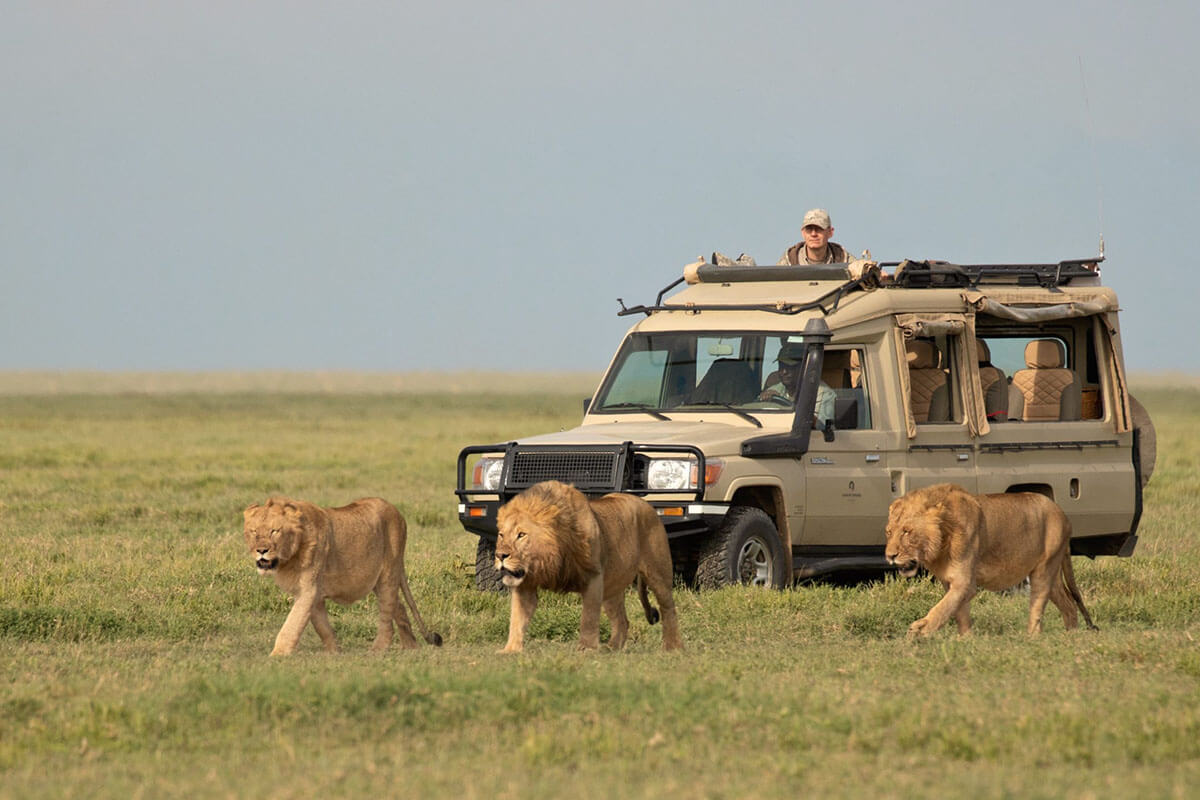

Discover Tanzania’s Best Off-the-Beaten-Path Destinations
Tanzania is globally renowned for its iconic safari destinations like the Serengeti, Ngorongoro Crater, and Mount Kilimanjaro. While these places offer unparalleled wildlife viewing and adventure, they also attract significant visitor numbers. For the discerning traveler in 2026-2027 seeking a more intimate and authentic connection with Tanzania’s diverse landscapes and cultures, venturing off the typical tourist trail reveals a wealth of extraordinary experiences. These less-visited areas provide unique wildlife encounters, deeper cultural immersion, and a sense of genuine discovery.
This guide is designed for those who want to explore Tanzania beyond the headlines. We’ll highlight some of the best off-the-beaten-path destinations, offering practical advice for planning your trip, understanding what to expect, and how to make the most of your adventure. Whether you’re interested in remote wildlife sanctuaries, unique cultural interactions, or stunning, less-explored natural beauty, Tanzania has much to offer.
Table of Contents
- Quick Facts: Off-the-Beaten-Path Tanzania
- Why Explore Off-the-Beaten-Path Tanzania?
- Top Off-the-Beaten-Path Destinations
- Ruaha National Park: The Wild Heart of Tanzania
- Nyerere National Park (formerly Selous): Riverine Wilderness
- Katavi National Park: Unspoiled, Untamed, Unforgettable
- Gombe Stream National Park: Chimpanzee Encounters
- Mahale Mountains National Park: Primates and Lake Tanganyika
- Tarangire’s Lesser-Known Areas & Neighboring Reserves
- Uluguru Mountains: Hiking and Cultural Immersion
- Lake Eyasi: The Land of the Hadzabe and Datoga
- Best Time to Visit Off-the-Beaten-Path Destinations
- Sample Routes and Itinerary Logic
- What to Expect on an Off-the-Beaten-Path Trip
- Planning and Preparation
- Common Mistakes to Avoid
- Who Are These Destinations Best For?
- Alternatives to Consider
- Planning Your 2026-2027 Adventure
- Booking Advice
- Frequently Asked Questions (FAQs)
- Ready to Explore Tanzania’s Hidden Gems?
Quick Facts: Off-the-Beaten-Path Tanzania
| Attribute | Details |
|---|---|
| Primary Attractions | Remote wildlife, unique cultures, pristine landscapes, trekking, primate viewing. |
| Accessibility | Often requires charter flights or longer overland journeys; less developed infrastructure. |
| Visitor Numbers | Significantly lower than popular parks like Serengeti. |
| Accommodation | Limited lodges, tented camps, and basic guesthouses. |
| Best For | Experienced travelers, nature enthusiasts, photographers, those seeking solitude and authenticity. |
| Seasonality | Dry season generally preferred for wildlife viewing, but distinct advantages in wet season for birding and specific landscapes. |
Why Explore Off-the-Beaten-Path Tanzania?
Tanzania’s well-trodden paths offer incredible sights, but the country’s true magic often lies in its quieter corners. Choosing an off-the-beaten-path adventure means:
- Unrivaled Wildlife Encounters: Without the crowds, wildlife is often more relaxed and visible. You might find yourself alone with a pride of lions or a herd of elephants, creating a profoundly personal connection.
- Authentic Cultural Immersion: Many less-visited areas are home to indigenous communities who have maintained traditional lifestyles. Interacting with them offers a genuine glimpse into a way of life rarely seen by outsiders.
- Pristine, Undisturbed Landscapes: Explore vast wilderness areas that remain largely untouched by mass tourism. These regions offer breathtaking scenery and a sense of vastness.
- Greater Sense of Adventure: Reaching these destinations often involves more challenging logistics, adding an element of adventure and accomplishment to your journey.
- Support for Local Communities: By choosing to visit these areas, you contribute directly to the economies of remote communities and support conservation efforts in regions that may receive less funding.
Top Off-the-Beaten-Path Destinations
While popular parks draw the majority of visitors, Tanzania boasts several incredible, less-explored areas that promise unforgettable experiences. Here are some of the standout destinations:
Ruaha National Park: The Wild Heart of Tanzania
Ruaha is Tanzania’s largest national park and is rapidly gaining recognition for its wild, untamed beauty and impressive predator populations. It’s a place where the landscape feels ancient and powerful.
- Wildlife: Ruaha is famous for its large elephant herds, significant lion populations (including the rare prides that hunt buffalo), cheetahs, leopards, and wild dogs. The park also hosts over 570 bird species. Its buffalo herds are also impressive.
- Landscape: Dominated by the Great Ruaha River, the park features dramatic rocky escarpments, acacia woodlands, and open plains. The river’s seasonal changes create dynamic habitats.
- Activities: Game drives are the primary activity, but walking safaris offer an intimate perspective of the bush, and night drives reveal nocturnal wildlife. Boat safaris on the river during the dry season are also a highlight.
- Why it’s off-the-beaten-path: Its remote location in southern Tanzania means it’s less accessible than the northern circuit parks, requiring either a flight or a long overland journey. This keeps visitor numbers low.
- Best time to visit: The dry season (June to October) is ideal for wildlife viewing as animals congregate around water sources. The wet season (November to May) offers lush scenery, excellent birding, and fewer visitors.
Nyerere National Park (formerly Selous): Riverine Wilderness
Nyerere National Park, formerly the Selous Game Reserve, is one of Africa’s largest protected areas and offers a unique safari experience centered around the Rufiji River system.
- Wildlife: Known for its large elephant and buffalo populations, wild dogs, lions, leopards, and a vast array of birdlife. It’s also a crucial sanctuary for the endangered wild dog.
- Landscape: Characterized by the meandering Rufiji River, oxbow lakes, miombo woodlands, and open plains. The river is the lifeblood of the park.
- Activities: Boat safaris on the Rufiji River are a signature experience, offering close-up views of hippos, crocodiles, and water birds. Game drives explore different sectors of the vast park, and walking safaris are permitted in certain areas, providing a more immersive experience.
- Why it’s off-the-beaten-path: While more accessible than Ruaha, its size means that even with more visitors than Ruaha, it feels vast and uncrowded. The focus on river-based activities differentiates it from typical game drives.
- Best time to visit: The dry season (June to October) is excellent for game viewing, especially along the river. The shoulder months (May, November) can offer good value and fewer crowds.
Katavi National Park: Unspoiled, Untamed, Unforgettable
Katavi is perhaps Tanzania’s most remote and wild national park, offering an experience that feels truly like stepping back in time. It’s a destination for the adventurous traveler seeking raw, untouched wilderness.
- Wildlife: Katavi is legendary for its massive herds of buffalo and elephants, especially during the dry season when they gather in huge numbers at the remaining water sources. It also boasts healthy populations of lions, leopards, hippos, crocodiles, and a variety of antelopes.
- Landscape: Defined by floodplains, acacia woodlands, and two large, seasonal lakes (Lake Katavi and Lake Chada). The landscape transforms dramatically between the wet and dry seasons.
- Activities: Primarily game drives, with walking safaris offering a more intimate connection with the environment. The sheer scale of wildlife concentrations during the dry season is a spectacle in itself.
- Why it’s off-the-beaten-path: Its extreme remoteness in western Tanzania makes it the most challenging to access, typically requiring charter flights. This isolation preserves its wild character and keeps visitor numbers to an absolute minimum.
- Best time to visit: The dry season (June to October) is essential for witnessing the dramatic wildlife gatherings. The landscape can be challenging but rewarding during the wet season for those seeking a truly remote experience.
Gombe Stream National Park: Chimpanzee Encounters
Located on the shores of Lake Tanganyika, Gombe is Tanzania’s smallest national park but offers one of the most profound wildlife experiences: tracking wild chimpanzees.
- Wildlife: Famous for its wild chimpanzee populations, studied by Jane Goodall. You can also find other primates like baboons and colobus monkeys, and diverse birdlife.
- Landscape: Steep, forested valleys and hillsides leading down to the clear waters of Lake Tanganyika. The terrain is rugged and requires hiking.
- Activities: The main activity is guided chimpanzee trekking, where you follow habituated troops. Swimming in Lake Tanganyika and birdwatching are also popular.
- Why it’s off-the-beaten-path: Its location on the far western border, accessible only by boat from Kigoma town, makes it a destination requiring dedicated travel. It’s not a typical safari park.
- Best time to visit: Chimpanzee trekking is possible year-round, but the dry season (June to October) generally offers easier hiking conditions.
Mahale Mountains National Park: Primates and Lake Tanganyika
Adjacent to Gombe, Mahale Mountains National Park is another primate paradise, offering a more remote and luxurious chimpanzee trekking experience on the shores of Africa’s second-deepest lake.
- Wildlife: Home to a significant population of wild chimpanzees, as well as red colobus monkeys, Angolan colobus, and various other primates and bird species.
- Landscape: Rugged, forested mountains that plunge dramatically into the crystal-clear waters of Lake Tanganyika. The contrast between the mountains and the lake is stunning.
- Activities: Guided chimpanzee trekking is the highlight. Swimming, snorkeling, and kayaking on Lake Tanganyika are also fantastic ways to enjoy the surroundings. Boat trips offer opportunities to see hippos and crocodiles.
- Why it’s off-the-beaten-path: Accessibility is similar to Gombe, requiring travel to Kigoma and then a boat trip. The park is dedicated to conservation and low-impact tourism.
- Best time to visit: The dry season (June to October) is ideal for trekking and enjoying the lake.
Tarangire’s Lesser-Known Areas & Neighboring Reserves
While Tarangire National Park itself is popular, exploring its less-visited corners or nearby conservancies can offer a more exclusive experience.
- Wildlife: Tarangire is famous for its large elephant herds, baobab trees, and diverse birdlife. The Marula and acacia woodlands are teeming with life.
- Landscape: Rolling hills, acacia woodlands, and the seasonal Tarangire River. Some areas are denser woodland, others more open savannah.
- Activities: Game drives, walking safaris (in designated areas and conservancies), and night drives are excellent. Exploring community-run conservancies bordering the park provides a different perspective and supports local initiatives.
- Why it’s off-the-beaten-path: By staying in exclusive-use areas or conservancies bordering the main park, you gain access to private concessions for walking and night safaris, and you’ll encounter far fewer vehicles.
- Best time to visit: Dry season (June to October) for concentrated wildlife. Wet season (November to May) for lush scenery and birding.
Uluguru Mountains: Hiking and Cultural Immersion
Southwest of Dar es Salaam, the Uluguru Mountains offer a refreshing change from the plains, with opportunities for hiking, birdwatching, and experiencing local village life.
- Attractions: Lush montane forests, waterfalls, diverse flora and fauna, and stunning views. The mountains are home to unique plant species and a rich birdlife.
- Activities: Hiking to various viewpoints and waterfalls, guided walks through local villages, birdwatching, and learning about traditional agriculture.
- Why it’s off-the-beaten-path: It’s a destination for trekkers and cultural tourists rather than traditional safari-goers, and it’s not part of the main tourist circuit.
- Best time to visit: Dry seasons (June to October and December to February) are best for hiking.
Lake Eyasi: The Land of the Hadzabe and Datoga
Southwest of the Ngorongoro Conservation Area, Lake Eyasi is a shallow, alkaline lake surrounded by arid landscapes, and it’s the ancestral home of the Hadzabe hunter-gatherers and the Datoga pastoralists.
- Attractions: The primary draw is the opportunity to respectfully visit and interact with the Hadzabe, one of the last hunter-gatherer tribes in Africa, and the skilled Datoga metalworkers. The landscape itself is stark and beautiful.
- Activities: Guided visits to Hadzabe communities to observe their traditional hunting and gathering practices (with respect and permission), visiting Datoga blacksmiths, and enjoying the unique desert-like scenery.
- Why it’s off-the-beaten-path: It requires a dedicated trip and is not on the standard Northern Circuit route, making it a less common addition for many tourists.
- Best time to visit: The dry season (June to October) is generally more comfortable for visiting, though the landscape is striking year-round.
Best Time to Visit Off-the-Beaten-Path Destinations
The ideal time to visit Tanzania’s off-the-beaten-path destinations depends heavily on the specific location and your priorities. However, some general guidelines apply:
| Destination Category | Dry Season (June – Oct) | Wet Season (Nov – May) | Notes |
|---|---|---|---|
| Southern Parks (Ruaha, Nyerere, Katavi) | Excellent for wildlife viewing; animals concentrate around water. Lush green landscapes are gone. Fewer mosquitoes. Best for photography with clear skies. | Lush scenery, great for birding. Fewer visitors. Some roads may be difficult. Katavi’s lakes are full. | Dry season is generally preferred for seeing large mammals. |
| Western Parks (Gombe, Mahale) | Easier trekking conditions. Good for lake activities. Clearer views. | Can be wetter, making trekking more challenging. Wildlife is more dispersed but still viewable. | Year-round possibility, but dry season offers comfort. |
| Cultural/Hiking (Lake Eyasi, Uluguru) | More comfortable for walking and village visits. Starkly beautiful landscapes. | Can be hot and humid, but landscapes are greener. | Dry season is often more pleasant for active exploration. |
| Conservancies (e.g., near Tarangire) | Wildlife congregates, making game viewing easier. Ideal for walking safaris. | Birding is exceptional. Landscapes are vibrant. Fewer people. | Both seasons offer unique benefits. |
When planning for 2026-2027, consider booking in advance, especially for the dry season, as unique accommodations in these remote areas have limited availability.
Sample Routes and Itinerary Logic
Combining off-the-beaten-path destinations often requires careful planning due to travel times and logistics. Here’s a look at how you might structure a trip, focusing on logical flow and minimizing backtracking.
Option 1: Southern Circuit Immersion (Focus: Big Wildlife & Vast Landscapes)
Duration: 8-12 days
Logic: Fly into Dar es Salaam (DAR), then take a charter flight to your first southern park. This minimizes long overland travel.
| Day | Location | Activities | Notes |
|---|---|---|---|
| 1 | Arrive Dar es Salaam (DAR) | Overnight stay in Dar. | Prepare for onward travel. |
| 2-4 | Ruaha National Park | Game drives, walking safaris, night drives. | Fly from DAR to Msembe airstrip. Stay 3 nights. |
| 5-7 | Nyerere National Park (Selous) | Boat safaris, game drives, walking safaris. | Fly from Ruaha to Nyerere (various airstrips). Stay 3 nights. |
| 8 | Depart from Nyerere | Fly back to Dar es Salaam for international departure or onward travel. |
Extension: For a longer trip, add 3-4 days in Katavi National Park. This would typically involve a charter flight from Nyerere or Ruaha to Katavi, requiring at least 10-14 days total.
Option 2: Primate & Lake Adventure (Focus: Chimpanzees & Unique Scenery)
Duration: 7-10 days
Logic: Fly into Kilimanjaro (JRO) or Dar es Salaam (DAR), then fly to Kigoma, the gateway to Gombe and Mahale.
| Day | Location | Activities | Notes |
|---|---|---|---|
| 1 | Arrive JRO or DAR | Overnight. | Connect to Kigoma flight. |
| 2 | Fly to Kigoma | Boat transfer to Gombe Stream NP. | Settle into lodge. |
| 3-4 | Gombe Stream National Park | Chimpanzee trekking, swimming, hiking. | Stay 2-3 nights. |
| 5 | Boat transfer to Mahale Mountains NP | Settle into lodge. | Scenic boat journey along Lake Tanganyika. |
| 6-7 | Mahale Mountains National Park | Chimpanzee trekking, lake activities (swimming, snorkeling). | Stay 2-3 nights. |
| 8 | Depart from Mahale | Boat transfer back to Kigoma, then fly to Dar es Salaam for international departure. |
Option 3: Cultural & Remote Exploration (Focus: Tribes & Unique Landscapes)
Duration: 6-9 days
Logic: Combine a cultural experience with a less-visited park, often starting or ending near Arusha or Kilimanjaro.
| Day | Location | Activities | Notes |
|---|---|---|---|
| 1 | Arrive Kilimanjaro (JRO) | Transfer to Arusha. | Rest and prepare. |
| 2-3 | Lake Eyasi | Visit Hadzabe and Datoga communities, explore landscape. | Overland from Arusha, stay in a lodge/camp near Eyasi. |
| 4-6 | Tarangire National Park (or bordering conservancy) | Game drives, walking safaris, night drives. | Drive from Lake Eyasi to Tarangire. Stay in a lodge/camp. |
| 7 | Depart from JRO | Drive back to Arusha/JRO for departure. |
Note on Routes: These are sample itineraries. Actual routes will be customized based on your interests, time, budget, and desired pace. Travel between these remote parks often involves charter flights, which significantly impact cost and logistics.
What to Expect on an Off-the-Beaten-Path Trip
Venturing into less-visited areas of Tanzania brings unique rewards but also requires a different mindset compared to a standard safari.
- Fewer Tourists: You will likely have wildlife sightings to yourself or with very few other vehicles. This allows for a more intimate and less disruptive experience.
- More Remote Locations: Accommodations are often fewer, more exclusive, and designed to blend into the environment. They might be tented camps or small lodges.
- Less Developed Infrastructure: Roads can be rougher, and access might require charter flights. Expect fewer amenities than in major tourist hubs.
- Wildlife Behavior: With less human presence, animals may behave more naturally and be less habituated to vehicles.
- Unique Activities: Opportunities for walking safaris, boat trips, and cultural interactions are often more prevalent and central to the experience.
- Cost: While some remote areas can be more affordable due to simpler lodges, the necessity of charter flights for many off-the-beaten-path destinations can significantly increase the overall cost of a trip.
- Connectivity: Mobile phone reception and Wi-Fi can be limited or non-existent in very remote areas. This is an opportunity to disconnect and immerse yourself.
Planning and Preparation
Successful planning for an off-the-beaten-path Tanzania trip requires attention to detail.
What to Pack
Packing for these destinations is similar to a standard safari but with a few key considerations:
- Clothing: Lightweight, neutral-colored clothing (khaki, olive green, brown) for game drives. Long-sleeved shirts and trousers for sun and insect protection. A warmer layer for cool mornings and evenings. Comfortable walking shoes are essential, especially for walking safaris and primate treks.
- Sun Protection: High SPF sunscreen, wide-brimmed hat, and sunglasses are crucial.
- Insect Repellent: Especially important for evenings and in areas with standing water.
- Binoculars: Essential for wildlife viewing.
- Camera Gear: Extra batteries, memory cards, and potentially a zoom lens for wildlife photography.
- First-Aid Kit: Include personal medications, basic wound care, and any remedies for common travel ailments.
- Headlamp/Torch: Useful for navigating camps at night.
- Reusable Water Bottle: Many camps offer filtered water refills.
- Small Backpack: For day trips and carrying essentials.
- Cash: For tips and small purchases in remote areas (USD in small denominations is widely accepted).
Health and Safety Considerations
- Vaccinations: Consult your doctor or a travel clinic well in advance regarding recommended vaccinations (e.g., Yellow Fever, Hepatitis A, Typhoid) and malaria prophylaxis.
- Malaria: Tanzania is a malaria-risk country. Take all necessary precautions, including medication, insect repellent, and wearing protective clothing.
- Travel Insurance: Comprehensive travel insurance, including medical evacuation, is non-negotiable. Ensure it covers activities like walking safaris and primate trekking.
- Water: Drink only bottled or purified water. Avoid ice in drinks unless you are certain it’s made from purified water.
- Sun Exposure: The African sun is intense. Stay hydrated and protect your skin.
- Wildlife Encounters: Always follow your guide’s instructions. Maintain a safe distance from animals and never feed them.
- Remote Areas: Be aware that medical facilities can be basic or hours away. This underscores the importance of travel insurance and a well-stocked first-aid kit.
Choosing Your Travel Style
Off-the-beaten-path adventures can cater to various styles:
- Luxury Tented Camps: For those who want to experience remoteness without sacrificing comfort. These camps offer excellent service, fine dining, and comfortable amenities in stunning locations.
- Mid-Range Lodges/Camps: A good balance of comfort and authenticity, often found in or near national parks.
- Budget/Community Camps: For the truly adventurous traveler, these might involve more basic accommodations, sometimes managed by local communities, offering a very authentic experience.
- Walking Safaris: Focus on exploring on foot with experienced guides, offering a deep connection to the environment.
- Photographic Safaris: Tailored for photographers, with longer hours in the field and specialized vehicles.
Common Mistakes to Avoid
To ensure your off-the-beaten-path adventure is successful, steer clear of these common pitfalls:
- Underestimating Travel Times: Distances in Tanzania are vast, and road conditions can be poor. Factor in ample travel time, especially for overland journeys.
- Not Booking Flights in Advance: Charter flights to remote parks are essential and have limited capacity. Book these well in advance, especially for peak seasons.
- Overpacking: Luggage restrictions on small aircraft can be strict (often 15-20 kg per person in soft bags). Pack light and efficiently.
- Expecting the Same Experience as Popular Parks: Off-the-beaten-path means different logistics, fewer amenities, and sometimes more challenging conditions. Embrace the adventure.
- Ignoring Health Precautions: Do not skip malaria prophylaxis or necessary vaccinations.
- Rushing the Itinerary: Remote destinations deserve time to be appreciated. Avoid trying to cram too much into a short period.
- Not Engaging with Local Culture Respectfully: When visiting communities, always do so with a guide who can facilitate respectful interactions and ensure local customs are honored.
Who Are These Destinations Best For?
These less-traveled paths are ideal for:
- Experienced Travelers: Those who have traveled before and are comfortable with less structured or more challenging logistics.
- Nature Enthusiasts & Photographers: People seeking pristine wilderness, unique wildlife, and incredible photographic opportunities away from crowds.
- Adventurers: Travelers who enjoy a sense of discovery, are open to new experiences, and don’t mind roughing it a bit for incredible rewards.
- Those Seeking Solitude: Individuals or couples who desire a peaceful, intimate connection with nature and wildlife.
- Repeat Visitors to Tanzania: Travelers who have already experienced the classic safari circuit and want to see a different side of the country.
- Cultural Explorers: Those keen on authentic interactions with indigenous communities and learning about traditional ways of life.
Alternatives to Consider
If the most remote destinations seem too challenging or expensive, consider these alternatives that offer a less crowded experience while still being accessible:
- North Serengeti (Kogatende/Lamai): During the Great Migration (June-October), the northern Serengeti offers excellent game viewing with fewer vehicles than the central Serengeti.
- South Serengeti (Ndutu): During the calving season (December-March), the southern Serengeti/Ndutu area is fantastic for predator action.
- Community Wildlife Management Areas (WMAs): Areas bordering national parks, like those near Tarangire or Ruaha, offer walking safaris and exclusive-use concessions with fewer vehicles.
- Mkomazi National Park: A conservation success story, Mkomazi offers a rugged landscape and good wildlife viewing, with a focus on rhino and wild dog conservation. It’s less visited than the Northern Circuit parks.
Planning Your 2026-2027 Adventure
Planning a trip to Tanzania’s off-the-beaten-path destinations for 2026-2027 requires early engagement. Here’s a timeline and key considerations:
| Timeline | Action | Notes |
|---|---|---|
| 12-18 Months Out | Research Destinations & Tour Operators | Identify which off-the-beaten-path areas appeal most. Look for operators with experience in these remote locations. |
| 9-12 Months Out | Book Key Components | Secure charter flights (crucial for remote parks), book preferred accommodation (limited availability), and confirm your tour itinerary. |
| 6-9 Months Out | Health Consultations & Visas | Schedule doctor’s appointments for vaccinations and malaria advice. Check visa requirements for Tanzania. |
| 3-6 Months Out | Finalize Details & Pack | Confirm all bookings. Begin purchasing gear. Start a packing list. |
| 1-3 Months Out | Physical Preparation & Insurance | If trekking is involved, ensure you are physically prepared. Finalize travel insurance. |
| 0-1 Month Out | Currency & Final Checks | Obtain some USD for tips. Confirm flight details. Pack. |
For 2026-2027 trips, particularly those involving charter flights and exclusive camps, booking 12-18 months in advance is highly recommended to secure the best options and availability.
Booking Advice
When booking your off-the-beaten-path Tanzania adventure, partner with a reputable tour operator who specializes in these unique destinations. They will have the local knowledge and connections to handle the complex logistics.
- Choose a Specialist Operator: Look for companies with proven experience in arranging trips to parks like Ruaha, Katavi, Gombe, and Mahale. They will understand the flight schedules, lodge availability, and best times to visit.
- Be Clear About Your Expectations: Communicate your interests (e.g., specific wildlife, cultural experiences, photography) and your comfort level with remoteness and logistics.
- Understand Inclusions/Exclusions: Ask for a detailed breakdown of what your safari package includes (e.g., park fees, accommodation, meals, drinks, activities, internal flights) and what it doesn’t (e.g., international flights, visas, tips, personal expenses).
- Discuss Charter Flights: These are often the most significant cost component for remote destinations. Get clear quotes and understand the luggage restrictions.
- Ask About Sustainability: Choose operators who support responsible tourism, conservation efforts, and local communities.
- Read Reviews (with caution): While reviews can be helpful, remember that off-the-beaten-path experiences are subjective. Focus on reviews that mention the operator’s logistical competence and guide quality.
- Payment Terms: Understand the deposit and final payment schedule.
For personalized planning and booking assistance for your 2026-2027 trip to Tanzania’s best off-the-beaten-path destinations, contact us. We specialize in creating unforgettable, tailor-made adventures.
Frequently Asked Questions (FAQs)
Q1: Are off-the-beaten-path destinations in Tanzania safe?
A1: Yes, these destinations are generally safe when visited with reputable tour operators and experienced guides. Safety protocols are in place for wildlife encounters and travel. However, remoteness means relying on your guide and operator for logistical and emergency support. Always follow safety guidelines.
Q2: How much more expensive are these destinations compared to the Northern Circuit?
A2: They can be significantly more expensive, primarily due to the cost of charter flights required to access them. Accommodation in exclusive camps can also be premium. While park fees might be comparable, the transportation costs are usually the major differentiator.
Q3: What is the best way to travel between remote parks like Ruaha and Katavi?
A3: The most practical and time-efficient way is by charter aircraft. Overland travel between these parks is extremely long, difficult, and often not feasible or recommended for tourists. Your tour operator will arrange these flights.
Q4: Can I combine off-the-beaten-path destinations with popular ones like the Serengeti?
A4: Yes, it’s possible, but it requires careful itinerary planning and often involves flying between locations. For example, you could fly from the Serengeti to Ruaha, or from Lake Eyasi to Arusha for onward travel to the Northern Circuit. This is best managed by an experienced operator.
Q5: Is it possible to do walking safaris in these remote areas?
A5: Absolutely. Walking safaris are a highlight of many off-the-beaten-path destinations, including Ruaha, Nyerere, and private conservancies. They offer an intimate and immersive way to experience the bush, always led by armed rangers and experienced guides.
Q6: What are the accommodation options like in these remote parks?
A6: Accommodation is typically in tented camps or small, intimate lodges. These are designed to offer comfort and a connection to nature, ranging from comfortable mid-range to luxurious options. They are often eco-friendly and designed to minimize their environmental impact.
Q7: How do I book a trip to these destinations for 2026-2027?
A7: The best approach is to contact a specialist Tanzania tour operator. They can help you craft a bespoke itinerary, arrange necessary flights, and book suitable accommodations. Early booking for 2026-2027 is highly recommended.
Q8: What if I want to see the Great Migration but avoid crowds?
A8: For the Great Migration, consider visiting the northern Serengeti (Kogatende/Lamai) between June and October, or the southern Serengeti/Ndutu area during the calving season (December to March). While still popular, these areas can offer a less crowded experience than the central Serengeti, especially if you stay in exclusive-use areas or conservancies.
Q9: What are the visa requirements for Tanzania?
A9: Most nationalities require a visa to enter Tanzania. You can typically apply for a visa online in advance or obtain one on arrival at major entry points. Check the official Tanzanian immigration website for the most current requirements for your nationality.
Q10: What is the best time of year for chimpanzee trekking in Gombe or Mahale?
A10: Chimpanzee trekking is possible year-round. However, the dry season (June to October) generally offers more pleasant trekking conditions with less rain and mud. During the wet season, chimpanzees may be more dispersed as food is abundant everywhere.
Ready to Explore Tanzania’s Best Off-the-Beaten-Path Destinations?
Tanzania’s hidden gems offer an unparalleled opportunity for authentic adventure, profound wildlife encounters, and deep cultural immersion. If you’re ready to step away from the crowds and discover the true wild heart of Tanzania, we are here to help you craft the perfect journey for 2026-2027.
Let us design a bespoke itinerary that matches your interests, budget, and travel style. We handle all the intricate details, from charter flights to exclusive accommodations, ensuring a smooth and unforgettable experience in Tanzania’s most remote and spectacular landscapes.
Contact us today to start planning your extraordinary Tanzanian adventure:
- WhatsApp: +255616946642
- Email: topguideadventures@gmail.com
- Backup Email: info@topguideadventures.com
Discover the magic of Tanzania beyond the usual tourist trails. Your ultimate off-the-beaten-path Tanzania adventure awaits!
Plan your Best Off-the-Beaten-Path Destinations in Tanzania with Top Guide Adventures
Tell us your travel dates, group size, comfort level, and dream experience. We will help you shape a clear, realistic, and memorable Tanzania itinerary.

 Veedesigner
 Fatma Kizanga
 Benjamin Waryuba
 Philip Philip
 John jr Itaja
 Antonia Optatus
 Edith Kanyere
 Neema Iddy
 Kelvin Boniphace
 Damari Maiga



