
Updated planning guide for 2026-2027
Tanzania Hidden Gems: Best Places Most Tourists Miss: Complete Guide 2026-2027
Go beyond the usual safari circuit and find Tanzania's best-kept secrets. This guide reveals unique destinations and experiences often overlooked by mainstream tourism, offering a richer, more authentic adventure for 2026-2027.
WhatsApp +255616946642 | topguideadventures@gmail.com | info@topguideadventures.com

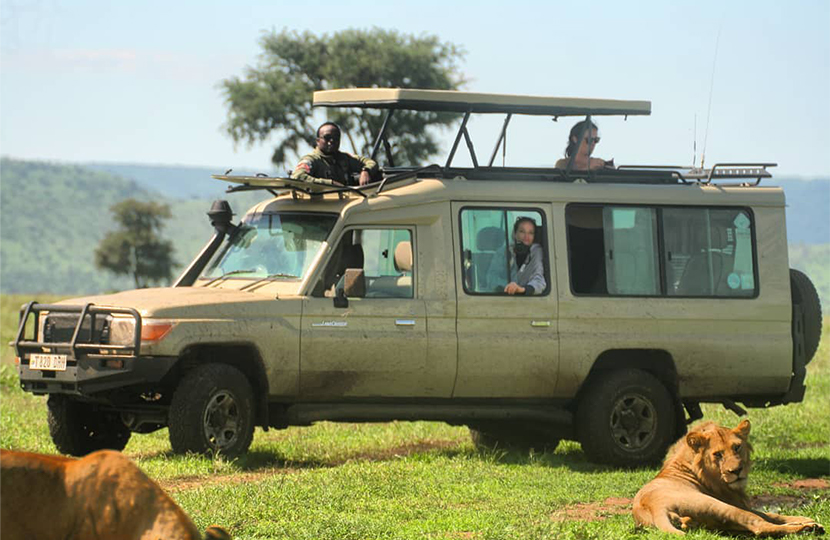
Tanzania Hidden Gems: Best Places Most Tourists Miss
When planning a trip to Tanzania, the iconic names immediately come to mind: the Serengeti, the Ngorongoro Crater, Mount Kilimanjaro, and the spice-scented beaches of Zanzibar. These are, without question, spectacular destinations that draw visitors from around the globe. However, Tanzania is a vast and remarkably diverse country, holding many treasures that lie just beyond the well-trodden tourist paths. For travelers seeking a more intimate, authentic, and perhaps even more profound connection with this East African nation, exploring its hidden gems offers unparalleled rewards. These are the places most tourists miss, but which can elevate your Tanzanian adventure from memorable to truly extraordinary.
This comprehensive guide is designed for the discerning traveler looking to experience the full spectrum of what Tanzania has to offer. We will explore destinations and activities that provide unique cultural encounters, breathtaking natural beauty, and thrilling adventures, all while offering a respite from the crowds. Whether you are planning for 2026, 2027, or beyond, understanding these less-visited locales can shape an itinerary that is both spectacular and deeply personal.
Quick Answer: What are Tanzania’s hidden gems?
Tanzania’s hidden gems include destinations like the Selous Game Reserve (now Nyerere National Park) for its vast wilderness and boat safaris, Ruaha National Park for its raw, untamed beauty and large predator populations, Lake Natron for its unique flamingo breeding grounds and dramatic landscapes, Mahale Mountains National Park for chimpanzee trekking, the Usambara Mountains for lush forests and hiking, and the coastal towns of Kilwa and Mafia Island for history and marine life. These offer experiences often missed by those sticking to the Northern Circuit.
| Location/Activity | Key Features | Why It’s a Hidden Gem | Best For |
|---|---|---|---|
| Nyerere National Park (Selous) | Vast wilderness, boat safaris, diverse wildlife | Less crowded than Northern Circuit, unique riverine ecosystem | Wildlife viewing, relaxation, unique safari experiences |
| Ruaha National Park | Largest park in Tanzania, rugged landscapes, large lion prides | Remote, wild, high concentration of predators, few tourists | Serious wildlife enthusiasts, photographers, adventurous travelers |
| Lake Natron | Flamingo breeding site, salt flats, Ol Doinyo Lengai volcano | Striking natural spectacle, unique geology, cultural significance | Nature lovers, photographers, cultural immersion |
| Mahale Mountains National Park | Chimpanzee trekking, pristine Lake Tanganyika shores | Remote jungle, habituated chimps, stunning lake setting | Primate enthusiasts, trekkers, those seeking tranquility |
| Usambara Mountains | Lush rainforests, hiking trails, endemic species, local villages | Cooler climate, rich biodiversity, community tourism potential | Hikers, birdwatchers, nature lovers, cultural explorers |
| Kilwa Kisiwani & Songo Mnara | Swahili coast ruins, UNESCO World Heritage site | Rich history, archaeological significance, coastal charm | History buffs, culture seekers, offbeat explorers |
| Mafia Island | Diving, snorkeling, whale shark encounters (seasonal), marine park | Less developed than Zanzibar, pristine coral reefs, marine focus | Marine life enthusiasts, divers, eco-tourists |
Why Seek Out Tanzania’s Hidden Gems?
The allure of Tanzania’s famous parks is undeniable, but for many, the true magic lies in discovering places where the footprint of mass tourism is light. Seeking out these hidden gems offers several distinct advantages:
- Authentic Experiences: Less crowded environments often lead to more genuine interactions with local communities and wildlife. You’re more likely to have a game drive to yourself or a quiet moment observing nature without disturbance.
- Unique Biodiversity: Different ecosystems support different flora and fauna. Exploring beyond the typical routes can reveal species and landscapes not found in the more popular areas.
- Deeper Cultural Immersion: Many lesser-known regions are home to distinct ethnic groups with unique traditions. Engaging with these communities offers a richer understanding of Tanzania’s cultural mosaic.
- Peace and Tranquility: If your goal is to escape the hustle and bustle and connect with nature on a deeper level, these quieter destinations provide the perfect sanctuary.
- Sense of Discovery: There’s an inherent excitement in visiting places that feel undiscovered, offering a personal sense of adventure and exploration.
The Southern Circuit: Vast Wilderness and Fewer Crowds
While the Northern Circuit (Serengeti, Ngorongoro, Tarangire, Lake Manyara) is Tanzania’s tourism powerhouse, the Southern Circuit offers a dramatically different, yet equally compelling, safari experience. It’s characterized by its immense size, wilder feel, and significantly fewer visitors.
Nyerere National Park (formerly Selous Game Reserve)
As Tanzania’s largest protected area, Nyerere National Park is a UNESCO World Heritage Site offering a scale of wilderness that is truly awe-inspiring. It was renamed from Selous Game Reserve to Nyerere National Park in 2021, honoring Tanzania’s first president, Julius Nyerere, and to better reflect its conservation status.
What to Expect: Nyerere is renowned for its diverse landscapes, including the Rufiji River basin, miombo woodlands, and open plains. It’s particularly famous for its boat safaris on the Rufiji River, offering a unique perspective to observe hippos, crocodiles, elephants, and abundant birdlife. Walking safaris are also a popular activity here, allowing for a more intimate connection with the bush. While lions, leopards, and cheetahs are present, the park is perhaps most celebrated for its large populations of elephants, wild dogs, and its sheer size, which allows for a feeling of vast, untouched wilderness.
Why it’s a Hidden Gem: Despite its size and ecological importance, Nyerere receives a fraction of the visitors that the Northern Circuit parks do. This means you can often enjoy game drives and other activities with very few other vehicles around, offering a more exclusive and immersive experience. The focus on riverine activities provides a different kind of safari adventure.
Traveler Type: Ideal for those seeking a wilder, less crowded safari, interested in boat safaris and walking safaris, and who appreciate vast, undeveloped landscapes. It’s a great addition for a longer Tanzanian itinerary or as an alternative to the more popular northern parks.
Ruaha National Park
Ruaha is Tanzania’s largest national park and the third largest in Africa. It’s a park of rugged beauty, dramatic escarpments, and a wild, untamed atmosphere that appeals to the serious safari enthusiast.
What to Expect: The park’s defining feature is the Great Ruaha River, which forms its southeastern boundary and is a lifeline for wildlife, especially during the dry season. Ruaha is famous for having one of the highest concentrations of elephants in Tanzania and is particularly renowned for its large lion prides, often numbering 20 or more individuals. It’s also a stronghold for endangered wild dogs and cheetahs. The landscape is varied, featuring rocky outcrops, acacia woodlands, and the Great Rift Valley escarpment.
Why it’s a Hidden Gem: Ruaha’s remoteness is its greatest asset and also why it remains a hidden gem. Reaching Ruaha typically requires a small bush plane flight from Dar es Salaam or connecting flights from other safari hubs, which deters many tourists. This remoteness ensures an exclusive safari experience, often with just your vehicle and the wildlife. The sheer scale and wildness of Ruaha provide an unparalleled sense of adventure.
Traveler Type: Best suited for experienced safari-goers, photographers, and those who prioritize wild, remote landscapes and exceptional predator viewing. It’s for travelers who appreciate solitude and the raw essence of the African bush.
The Northern Highlands: Unique Landscapes and Cultural Encounters
Beyond the famous peaks of Kilimanjaro, the northern regions of Tanzania hold unique geological wonders and cultural heartlands that are often overlooked.
Lake Natron
Lake Natron is a starkly beautiful, highly alkaline lake situated in the northern part of Tanzania, near the Kenyan border. It’s a place of dramatic, almost alien landscapes, made famous by its association with the Lesser Flamingo.
What to Expect: The lake’s high salt and mineral content creates a vibrant red and orange hue, giving it an otherworldly appearance. During certain times of the year, the lake becomes a crucial breeding ground for millions of Lesser Flamingos, forming a breathtaking spectacle. The surrounding landscape is dotted with soda ash deposits and hot springs. Looming over the region is Ol Doinyo Lengai, the only active volcano in the Rift Valley, which Maasai people consider sacred. Day hikes to waterfalls and excursions to the lake shore are common activities.
Why it’s a Hidden Gem: Lake Natron is often visited as a stopover or day trip en route to or from the Serengeti or for those climbing Kilimanjaro. However, its unique geological features and the flamingo spectacle are often underestimated. The challenging access and extreme conditions deter many, preserving its raw, natural beauty and the cultural integrity of the local Maasai communities.
Traveler Type: Perfect for photographers, geology enthusiasts, birdwatchers, and those interested in Maasai culture. It’s a destination that offers a different kind of natural wonder compared to traditional safaris.
Usambara Mountains
The Usambara Mountains, part of the Eastern Arc Mountains, are a haven of biodiversity, lush rainforests, and cooler temperatures, offering a stark contrast to the plains and coast.
What to Expect: These mountains are a biodiversity hotspot, home to numerous endemic plant and animal species, including rare birds and butterflies. The primary activities here are hiking and trekking through verdant forests, visiting waterfalls, and exploring charming villages. The cooler climate makes it a refreshing escape. You can trek to viewpoints offering stunning panoramas, visit local farms, and learn about traditional agriculture. The mountains are divided into the West Usambaras (more accessible, with towns like Lushoto) and the East Usambaras (more pristine rainforest, near Amani Nature Reserve).
Why it’s a Hidden Gem: The Usambaras are bypassed by most tourists who are focused on safaris or Zanzibar. Their appeal lies in their tranquility, natural beauty, and the opportunity for active exploration on foot. It offers a chance to see a different side of Tanzania’s natural environment and engage with local communities in a peaceful setting.
Traveler Type: Suited for hikers, nature lovers, birdwatchers, botanists, and those seeking a peaceful retreat and cultural interaction away from the typical tourist trail.
Western Tanzania: Primate Encounters and Lakeside Serenity
The western part of Tanzania is a world away from the popular northern parks, offering unique primate trekking opportunities and stunning lake environments.
Mahale Mountains National Park
Nestled on the shores of Lake Tanganyika, Africa’s second-deepest lake, Mahale Mountains National Park is one of the most spectacular and remote primate destinations in Africa.
What to Expect: The primary draw of Mahale is the chance to trek and observe wild chimpanzees in their natural habitat. The park is home to a well-habituated population of chimps, making it possible to spend time with them under the guidance of experienced trackers. Beyond the chimps, the park boasts diverse birdlife and other primates like red colobus monkeys. The landscape is a stunning combination of dense tropical rainforest clinging to steep mountain slopes that plunge dramatically into the crystal-clear waters of Lake Tanganyika. Activities include chimpanzee trekking, hiking, birdwatching, and relaxing by the lake, with opportunities for swimming and kayaking.
Why it’s a Hidden Gem: Mahale is exceptionally remote, typically accessed by light aircraft from Dar es Salaam or Arusha, followed by a boat transfer to lodges. This inaccessibility means it receives very few visitors, ensuring an intimate and exclusive experience. The combination of jungle trekking, chimpanzee encounters, and lakeside beauty is unique and found in few other places.
Traveler Type: Perfect for primate enthusiasts, trekkers, and travelers seeking a truly remote and pristine wilderness experience. It requires a significant investment in travel time and cost, making it a destination for those who truly want to get off the beaten path.
Gombe Stream National Park
While Mahale is known for chimps, Gombe Stream, also on the shores of Lake Tanganyika, is historically famous for the pioneering research of Jane Goodall.
What to Expect: Gombe is Africa’s smallest national park, but it offers incredible opportunities to see chimpanzees, particularly the Kasakela chimpanzee community that Goodall studied. Trekking here involves following trails through the forest to find the chimps. Other primates, including olive baboons, vervet monkeys, and red-tailed monkeys, are also common. The park’s steep hillsides and forest provide a beautiful backdrop for hiking and enjoying the lake views.
Why it’s a Hidden Gem: Like Mahale, Gombe is remote and requires flying into Kigoma town and then taking a boat. Its fame is largely tied to scientific research rather than mass tourism, keeping visitor numbers low. It offers a more accessible, though still requiring effort, primate trekking experience compared to Mahale, with a rich scientific history.
Traveler Type: Ideal for those fascinated by primates, particularly chimpanzees, and interested in the history of primatology. It suits travelers looking for a focused wildlife experience in a less-visited region.
Coastal Treasures: History and Marine Wonders
Tanzania’s coastline offers more than just Zanzibar. Ancient Swahili cities and secluded islands hold their own unique allure.
Kilwa Kisiwani and Songo Mnara
These two small islands off the southern Tanzanian coast are home to the ruins of ancient Swahili city-states, recognized as a UNESCO World Heritage site. They represent a vital piece of East African history.
What to Expect: Kilwa Kisiwani was once one of the most important trading ports on the Swahili coast, with impressive stone structures including the Great Mosque, the Palace of Husuni Kubwa, and the Fort of Kilwa. Songo Mnara features a smaller but significant collection of ruins. Exploring these sites offers a journey back in time to the era of the sultans and international trade. The islands themselves are beautiful, with fishing villages and pristine beaches, offering a glimpse into coastal life.
Why it’s a Hidden Gem: Most tourists head straight for Zanzibar, completely missing these historically significant and atmospheric ruins. Their remote location and the effort required to reach them mean that visitors are few, allowing for a contemplative exploration of the past.
Traveler Type: Perfect for history buffs, archaeologists, cultural explorers, and those seeking a quiet, off-the-beaten-path coastal experience rich in historical context.
Mafia Island
While Zanzibar is a bustling tourist hub, Mafia Island offers a more laid-back, rustic, and nature-focused island experience.
What to Expect: Mafia is renowned for its exceptional marine life and protected coral reefs within the Mafia Island Marine Park. It’s a prime destination for diving and snorkeling, with vibrant coral gardens and a rich diversity of fish. The island is also famous for its seasonal whale shark encounters, typically occurring from October to March. Beyond marine activities, Mafia offers quiet beaches, mangrove forests, and a relaxed pace of life. It’s a destination for unwinding and immersing oneself in the ocean’s wonders.
Why it’s a Hidden Gem: Mafia is significantly less developed and less visited than Zanzibar. Its charm lies in its undeveloped nature, pristine marine environment, and the chance to experience a more authentic island lifestyle. The focus is heavily on marine conservation and eco-tourism.
Traveler Type: Ideal for divers, snorkelers, marine enthusiasts, eco-tourists, and anyone looking for a peaceful, unspoiled island getaway away from the crowds.
Tanzania Hidden Gems: Geographic Overview
Here’s a general idea of where these hidden gems are located relative to the popular Northern Circuit.
Northern Circuit (Popular): Arusha, Kilimanjaro, Tarangire, Lake Manyara, Ngorongoro, Serengeti.
Northern Highlands (Hidden Gems):
- Lake Natron: Northwest, between Serengeti and Arusha/Kilimanjaro.
- Usambara Mountains: Northeast, east of Arusha, near the coast.
Southern Circuit (Hidden Gems):
- Nyerere National Park (Selous): South of Dar es Salaam.
- Ruaha National Park: Central-south, west of Dar es Salaam.
Western Tanzania (Hidden Gems):
- Mahale Mountains National Park: Far west, on Lake Tanganyika.
- Gombe Stream National Park: Far west, on Lake Tanganyika, north of Mahale.
Coastal Treasures (Hidden Gems):
- Kilwa Kisiwani & Songo Mnara: South coast, south of Dar es Salaam.
- Mafia Island: South coast, south of Zanzibar, east of Kilwa.
Sample Itinerary Logic: Combining Hidden Gems
Integrating these hidden gems into a Tanzanian itinerary requires careful planning due to distances and logistics. Here are a few ideas for combining these unique locations, catering to different interests.
Itinerary Idea 1: The Ultimate Wilderness Explorer (2-3 Weeks)
This itinerary focuses on experiencing Tanzania’s most remote and wild landscapes.
Days 1-3: Arrival in Dar es Salaam & Transfer to Nyerere National Park
Arrive in Dar es Salaam (DAR), transfer to a light aircraft for a flight to a camp in Nyerere. Settle in and begin game drives, focusing on riverine wildlife and boat safaris.
Days 4-6: Nyerere National Park Exploration
Continue exploring Nyerere with a mix of game drives, boat safaris on the Rufiji River, and perhaps a walking safari.
Days 7-9: Flight to Ruaha National Park
Fly from Nyerere to Ruaha. Settle into your lodge and start exploring the vast wilderness, seeking out lions and other predators.
Days 10-12: Ruaha National Park Deep Dive
Full days of game drives in Ruaha, appreciating its rugged beauty and high predator density. Focus on photographic opportunities.
Days 13-15: Flight to Mahale Mountains National Park
Fly from Ruaha (likely via a connection) to the airstrip near Mahale. Boat transfer to your lodge on Lake Tanganyika. Begin preparations for chimpanzee trekking.
Days 16-18: Mahale Mountains & Chimpanzee Trekking
Spend your days trekking to find and observe chimpanzees. Enjoy the stunning lake setting, swimming, and relaxing.
Day 19: Departure
Boat transfer back to the airstrip for your flight to Dar es Salaam and onward international departure.
Itinerary Idea 2: Culture, Coast & Primates (2 Weeks)
This itinerary blends historical sites, island relaxation, and primate encounters.
Days 1-2: Arrival in Dar es Salaam & Transfer to Kilwa
Arrive in Dar es Salaam (DAR). Take a domestic flight to Kilwa. Check into your lodge and begin exploring the historic ruins of Kilwa Kisiwani and Songo Mnara.
Days 3-4: Kilwa Exploration & Coastal Life
Continue exploring the UNESCO World Heritage sites. Enjoy the local culture and relax on the beaches.
Days 5-7: Transfer to Mafia Island
Fly from Kilwa to Mafia Island. Settle into your beach lodge and begin exploring the marine park through diving or snorkeling.
Days 8-10: Mafia Island Marine Adventures
Focus on the underwater world – diving, snorkeling, and potentially whale shark excursions if in season. Relax on the beaches.
Days 11-13: Flight to Gombe Stream National Park
Fly from Mafia (likely via Dar es Salaam) to Kigoma. Take a boat transfer to your lodge in Gombe Stream National Park. Prepare for primate trekking.
Days 14-15: Gombe Stream & Chimpanzee Trekking
Trek to observe chimpanzees and other primates. Enjoy the forest environment and the views of Lake Tanganyika.
Day 16: Departure
Boat transfer back to Kigoma for your flight to Dar es Salaam and international departure.
Planning Your 2026-2027 Hidden Gems Adventure
Visiting Tanzania’s lesser-known destinations requires more detailed planning than a standard Northern Circuit safari. Here are key considerations for your 2026-2027 trip:
Best Time to Visit
The best time to visit Tanzania generally aligns with the dry seasons, but specific hidden gems have nuances:
| Destination | Dry Season (June-Oct) | Green Season (Nov-May) | Notes |
|---|---|---|---|
| Nyerere (Selous) & Ruaha | Excellent. Wildlife congregates around water sources. Cooler temperatures. | Hotter, wetter. Lush landscapes, fewer tourists, good for birding. Some roads may be impassable. | Dry season is prime for wildlife viewing. |
| Lake Natron | Dry and hot. Flamingoes may be present. Ol Doinyo Lengai is climbable. | Hot and humid. Flamingo breeding season is often Nov-Apr. Access can be tricky. | Flamingo viewing is seasonal. Climbing Ol Doinyo Lengai is best in dry season. |
| Usambara Mountains | Pleasant, cooler temperatures. Good for hiking. | Can be wet, but landscapes are very lush. Good for birding. | Year-round destination, but dry periods are more comfortable for hiking. |
| Mahale & Gombe | Dry season. Chimpanzee trekking is generally good. Lake Tanganyika is calmer. | Hot and humid. Can be very wet. Trekking can be more challenging. | Dry season is preferred for comfort and accessibility. Whale sharks around Mafia are seasonal. |
| Kilwa & Mafia Island | Dry and warm. Ideal for historical exploration and beach relaxation. | Hot and humid, with potential for heavy rains. Whale shark season (Oct-Mar) falls partly in this period. | Dry season is generally best for weather. Whale sharks are a major draw during their season. |
Logistics and Transportation
Getting to these hidden gems is part of the adventure and requires planning:
- Flights: Most remote parks (Ruaha, Nyerere, Mahale, Gombe) are accessed via light aircraft charter or scheduled bush flights from Arusha or Dar es Salaam. These are essential and add to the cost.
- Road Travel: For areas like Lake Natron or the Usambara Mountains, 4×4 vehicles are necessary. Road conditions can be challenging, especially in the wet season.
- Boat Transfers: Access to lodges on Lake Tanganyika (Mahale, Gombe) or islands like Mafia often involves boat transfers from the nearest airstrip or mainland port.
- Time: Factor in significant travel time between locations. Journeys that look short on a map can take a full day or more when involving multiple flights and transfers.
Accommodation Options
Accommodation in these areas ranges from rustic tented camps to comfortable lodges. Options are generally more limited and exclusive than in the Northern Circuit, often designed to blend with the environment and offer intimate experiences.
Packing Essentials
While general safari packing advice applies, consider these specifics for hidden gems:
- Lightweight, breathable clothing: For warm climates like Nyerere, Ruaha, and the coast.
- Rain gear: Especially if traveling in the green season or to rainforest areas like Usambara or Mahale.
- Sturdy hiking boots: Essential for trekking in Mahale, Gombe, and Usambara.
- Swimsuit: For beach relaxation or swimming in Lake Tanganyika.
- Insect repellent: Crucial for all areas, especially near water.
- Sun protection: Hat, sunglasses, high SPF sunscreen.
- Binoculars: For wildlife viewing.
- Camera with extra batteries and memory cards: You’ll want to capture these unique sights.
- Personal first-aid kit: For minor ailments.
- Water purification tablets or a reusable water bottle: To minimize plastic waste.
Common Mistakes to Avoid
When planning a trip to Tanzania’s hidden gems, avoiding common pitfalls can ensure a smoother and more rewarding experience:
- Underestimating travel times: Distances are vast, and transfers can be time-consuming. Don’t try to cram too much into a short period.
- Not booking internal flights in advance: Bush flights are essential for many locations and have limited capacity. Book well ahead for 2026-2027.
- Ignoring seasonality: Visiting during the wrong season can lead to difficult travel conditions or missed wildlife opportunities (e.g., flamingoes at Natron, whale sharks at Mafia).
- Assuming infrastructure is similar to the North: Lodges and services in remote areas are often simpler and require a different mindset.
- Not budgeting for internal flights and transfers: These are significant costs that can double the price of a safari compared to driving.
- Packing inappropriate gear: Forgetting hiking boots for Mahale or rain gear for the Usambaras can hinder your experience.
- Expecting the same density of sightings as the Serengeti: While wildlife is abundant, its distribution in vast parks like Ruaha can mean longer game drives between sightings.
Who Are Tanzania’s Hidden Gems Best For?
These destinations are not for every traveler. They are best suited for:
- Adventurous travelers: Those who don’t mind longer journeys and potentially rougher conditions in pursuit of unique experiences.
- Nature and wildlife enthusiasts: Especially primate lovers, birdwatchers, and those interested in specific ecosystems or predator behavior.
- Photographers: The dramatic landscapes and unique wildlife offer incredible photographic opportunities.
- History and culture buffs: For those interested in ancient ruins, Swahili heritage, or local tribal traditions.
- Travelers seeking solitude: Those who want to escape crowds and have a more private, intimate connection with nature and culture.
- Repeat visitors to Tanzania: Those who have already experienced the Northern Circuit and want to discover more of the country’s diversity.
Alternatives to the Usual Tourist Trail
If you’re looking for alternatives to the most popular Tanzanian experiences, consider these:
- Instead of a quick Serengeti trip: Spend more time in Nyerere National Park for a broader sense of wilderness or head to Ruaha for intense predator action.
- Instead of just climbing Kilimanjaro: Explore the Usambara Mountains for a different kind of hiking and cultural immersion.
- Instead of a typical Zanzibar beach holiday: Opt for Mafia Island for a more focused marine experience and whale shark encounters, or explore the historical depth of Kilwa.
- Instead of a short Lake Manyara visit: Venture west to Mahale or Gombe for life-changing chimpanzee trekking experiences.
Planning Your 2026-2027 Trip: Key Considerations
As you look ahead to planning your Tanzanian adventure for 2026 or 2027, keep these planning tips in mind for exploring hidden gems:
Tanzania Hidden Gems Planning Checklist
- Define Your Priorities: Are you most interested in primates, predators, history, or relaxation? This will guide your destination choices.
- Set Your Budget: Factor in internal flights, lodge costs (often all-inclusive), park fees, and transfers. Remote destinations are generally more expensive.
- Determine Trip Duration: Allow ample time for travel between locations. A minimum of 10-14 days is recommended for even one or two hidden gems, with 3 weeks ideal for combining multiple.
- Research Your Destinations: Understand the specific activities, best times to visit, and logistical requirements for each chosen location.
- Book Internal Flights Early: For 2026-2027 travel, secure your bush flight seats as early as possible, especially for peak season.
- Choose Your Operator Wisely: Select a tour operator experienced with these remote areas. They will handle complex logistics.
- Consider Travel Insurance: Essential for any trip, but especially when traveling to remote areas.
- Health Precautions: Consult your doctor about necessary vaccinations and malaria prophylaxis well in advance.
- Visa Requirements: Ensure your visa is sorted before you travel.
- Pack Appropriately: Refer to packing lists tailored to your chosen destinations and activities.
Booking Advice for Tanzania’s Hidden Gems
Booking a trip to explore Tanzania’s hidden gems requires a reliable partner. Here’s how to approach it:
Work with an Experienced Tour Operator: This is crucial. Navigating the logistics of light aircraft flights, remote lodges, and multi-location itineraries is complex. A reputable operator will:
- Have in-depth knowledge of the destinations.
- Secure the best accommodation and flight options.
- Handle all transfers and permits.
- Provide expert guides.
- Offer support throughout your trip.
Be Specific with Your Requests: Clearly communicate your interests (e.g., chimpanzees, specific bird species, historical sites) and your desired pace of travel. This helps the operator craft the perfect itinerary.
Understand Inclusions and Exclusions: Always clarify what is included in your package. Typically, this includes accommodation, meals, park fees, internal flights, transfers, and guided activities. Exclusions often cover international flights, visas, travel insurance, tips, and personal expenses.
| Included | Typically Excluded |
|---|---|
| Accommodation in selected lodges/camps | International flights |
| All meals (as specified by lodges) | Visa fees |
| Park entrance fees for specified parks | Travel insurance |
| Scheduled internal flights (e.g., DAR-Ruaha, Ruaha-Mahale) | Gratuities for guides and lodge staff |
| All ground and boat transfers as per itinerary | Drinks (alcoholic and soft drinks, unless specified) |
| Shared game drives with a professional guide | Personal expenses (souvenirs, laundry) |
| Primate trekking permits (where applicable) | Optional activities not listed in the itinerary |
Booking Timeline for 2026-2027: For trips to hidden gems, especially those involving light aircraft, it’s advisable to book at least 9-12 months in advance. This is particularly true for peak seasons and for securing specific lodges that have limited capacity.
Contact Us to Plan Your Adventure: Ready to explore the lesser-known wonders of Tanzania? We specialize in crafting bespoke itineraries that go beyond the ordinary. Let us help you discover Tanzania’s hidden gems for an unforgettable 2026-2027 journey.
Start Planning Your Tanzania Hidden Gems Adventure!
Don’t miss out on the most unique and authentic experiences Tanzania has to offer. Contact our expert team today to start designing your personalized itinerary to Tanzania’s hidden gems.
WhatsApp: +255616946642
Email: topguideadventures@gmail.com
Backup Email: info@topguideadventures.com
Let us craft your dream safari, trekking, or beach holiday, focusing on the best places most tourists miss.
Frequently Asked Questions (FAQs)
Common Questions About Tanzania’s Hidden Gems
Q1: Are Tanzania’s hidden gems safe to visit?
A1: Yes, Tanzania is generally a safe country for tourists. The hidden gems often involve remote areas, but reputable tour operators manage logistics and safety meticulously. Standard travel precautions apply, and it’s always wise to stay informed about local conditions.
Q2: How much more expensive are hidden gems compared to the Northern Circuit?
A2: They can be more expensive, primarily due to the cost of internal flights, boat transfers, and often more exclusive, remote lodge accommodations. However, the value comes from the unique experiences and exclusivity.
Q3: Can I combine the Northern Circuit with these hidden gems?
A3: Absolutely. Many travelers choose to combine a few days in the popular Northern Circuit with a visit to one or two hidden gems for a well-rounded experience. This requires careful itinerary planning to account for travel time.
Q4: What is the best way to see chimpanzees in Tanzania?
A4: The best places for chimpanzee trekking are Mahale Mountains National Park and Gombe Stream National Park in western Tanzania. Mahale is known for its stunning lake setting and habituated chimps, while Gombe is famous for Jane Goodall’s research.
Q5: Is it possible to visit Lake Natron during the flamingo breeding season?
A5: Yes, the Lesser Flamingo breeding season at Lake Natron typically runs from November to April. Visiting during this time offers a spectacular chance to see millions of flamingos, though conditions can be hot and humid.
Q6: What kind of wildlife can I expect in Ruaha National Park?
A6: Ruaha is renowned for its large lion prides, significant elephant populations, and endangered wild dogs. You can also expect to see cheetahs, leopards, buffalo, giraffes, zebras, and a wide variety of antelope species, set against a backdrop of dramatic landscapes.
Q7: How do I get to Mafia Island?
A7: Mafia Island is typically reached by a short domestic flight from Dar es Salaam. There are also infrequent ferry services, but flying is the most convenient and recommended method for tourists.
Q8: Are these places suitable for families with young children?
A8: Some hidden gems, like Mafia Island or Nyerere (with specific lodges), can be family-friendly. However, remote trekking locations like Mahale or Gombe, and areas with challenging logistics, might be better suited for older children or adults.
Q9: What is the best time for whale shark sightings around Mafia Island?
A9: The whale shark season around Mafia Island generally runs from October to March, with peak sightings often occurring between November and February. It’s a highlight for marine enthusiasts.
Q10: How far in advance should I book a trip to Tanzania’s hidden gems for 2026-2027?
A10: For 2026-2027 travel, especially to remote locations requiring internal flights and specific lodge bookings, it’s highly recommended to book at least 9-12 months in advance to secure availability and preferred arrangements.
Plan your Tanzania Hidden Gems: Best Places Most Tourists Miss with Top Guide Adventures
Tell us your travel dates, group size, comfort level, and dream experience. We will help you shape a clear, realistic, and memorable Tanzania itinerary.







 Veedesigner
 Fatma Kizanga
 Benjamin Waryuba
 Philip Philip
 John jr Itaja
 Antonia Optatus
 Edith Kanyere
 Neema Iddy
 Kelvin Boniphace
 Damari Maiga



