
Updated planning guide for 2026-2027
Best Tanzania Itinerary Without Zanzibar: Complete Travel Guide 2026-2027
Discover the ultimate Tanzania itinerary focused on mainland adventures, excluding Zanzibar. This comprehensive guide details the best parks, activities, planning tips, and booking advice for an unforgettable safari experience in 2026-2027.
WhatsApp +255616946642 | topguideadventures@gmail.com | info@topguideadventures.com

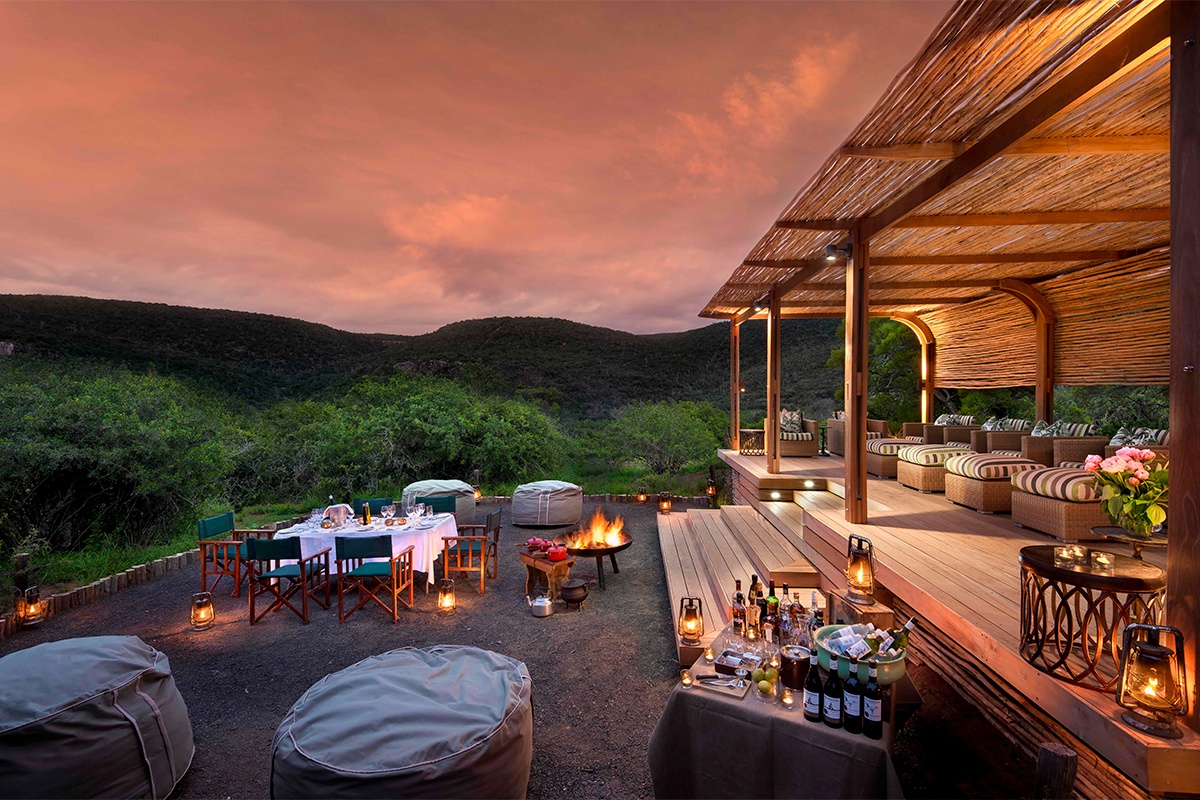
Your Definitive Guide to the Best Tanzania Itinerary Without Zanzibar
Many travelers dream of Tanzania, picturing vast savannas teeming with wildlife, the iconic silhouette of Mount Kilimanjaro, and the vibrant spice island of Zanzibar. However, a truly spectacular Tanzanian adventure can be crafted solely on the mainland, offering an unparalleled immersion into Africa’s natural wonders and cultural richness. This detailed guide focuses on creating the best Tanzania itinerary without Zanzibar, designed for those who wish to concentrate on safaris, trekking, and cultural experiences across the mainland’s diverse landscapes. Whether you’re planning for 2026 or 2027, we provide all the essential information to help you build your perfect trip.
Choosing to explore Tanzania’s mainland exclusively opens up a world of possibilities. You can dedicate more time to the Serengeti’s Great Migration, witness the unique ecosystem of the Ngorongoro Crater, track chimpanzees in Gombe Stream, or conquer the Roof of Africa. This guide will help you navigate these choices, ensuring a well-rounded and memorable journey.
Quick Answer: What’s the Best Tanzania Itinerary Without Zanzibar?
A top-tier Tanzania itinerary without Zanzibar typically involves a combination of the Northern Safari Circuit (Serengeti, Ngorongoro, Tarangire, Lake Manyara) for classic wildlife viewing, potentially extended to include western parks like Mahale or Gombe for chimpanzee trekking, or southern parks like Ruaha and Selous for a more remote experience. For adventurers, adding a Mount Kilimanjaro climb is a popular choice. A common duration is 7-14 days, but this can be customized extensively.
| Aspect | Details |
|---|---|
| Focus Areas | Northern Safari Circuit, Western Tanzania (Chimps), Southern Tanzania (Remote Safari), Mount Kilimanjaro |
| Best Time (Safari) | June-October (Dry Season, Great Migration in Serengeti), January-February (Calving Season) |
| Best Time (Kilimanjaro) | January-March and June-October (Dry, clear weather) |
| Typical Duration | 7-14 days for safari; 5-9 days for Kilimanjaro; 10-21 days for combined safari & trek |
| Key Activities | Game drives, walking safaris, cultural tours, chimpanzee tracking, mountain climbing |
| Visa Requirements | Generally required for most nationalities; can be obtained online or on arrival. Check current regulations. |
| Health Precautions | Consult your doctor regarding malaria prophylaxis and recommended vaccinations. Yellow fever vaccination may be required. |
Why Focus on a Tanzania Itinerary Without Zanzibar?
While Zanzibar offers beautiful beaches and historical sites, focusing solely on mainland Tanzania provides a different, yet equally profound, travel experience. This approach allows for:
- Deeper Wildlife Immersion: Spend more days in renowned parks like the Serengeti and Ngorongoro, increasing your chances of witnessing incredible animal sightings and behaviors.
- Diverse Landscapes: Explore a wider range of ecosystems, from the vast plains and acacia-dotted savannas to dense forests and volcanic craters.
- Adventure Pursuits: Dedicate time to challenging treks like Mount Kilimanjaro or discover the elusive chimpanzees in their natural habitat in western Tanzania.
- Cultural Connections: Engage more deeply with local communities, visit Maasai villages, and understand the rich cultural heritage of Tanzania’s people.
- Logistical Simplicity (for some): For certain travel styles, focusing on the mainland can streamline logistics, especially when combining safari and trekking.
Understanding Tanzania’s Mainland Regions for Your Itinerary
Tanzania is a large country with distinct geographical and wildlife zones. For an itinerary without Zanzibar, your choices largely fall into these categories:
1. The Northern Safari Circuit
This is the most popular safari destination in Tanzania, renowned for its high concentration of wildlife and iconic landscapes. It’s the cornerstone of most mainland-focused itineraries.
- Serengeti National Park: Famous for the Great Migration, vast plains, and abundant predators. The experience varies depending on the time of year and which region of the Serengeti you visit (central, north, south, west).
- Ngorongoro Conservation Area: Home to the Ngorongoro Crater, a UNESCO World Heritage site and a natural amphitheater teeming with wildlife. It’s one of the best places to see the Big Five in a single day.
- Tarangire National Park: Known for its large elephant herds, baobab trees, and diverse birdlife, especially during the dry season when animals congregate around the Tarangire River.
- Lake Manyara National Park: Famous for its tree-climbing lions, large troops of baboons, and diverse bird species, set against the backdrop of the Great Rift Valley escarpment.
2. Mount Kilimanjaro
The highest free-standing mountain in the world, Kilimanjaro is a bucket-list item for many trekkers. It’s often combined with a safari.
- Routes: Marangu, Machame, Lemosho, Shira, Rongai, Northern Circuit. Each offers different scenery, difficulty, and acclimatization profiles.
3. Western Tanzania (Chimpanzee Parks)
For those seeking a different primate experience, the western parks offer incredible opportunities to see chimpanzees.
- Gombe Stream National Park: Famous for Jane Goodall’s research, offering intimate chimpanzee tracking in a lush rainforest setting. It’s quite remote and requires light aircraft access.
- Mahale Mountains National Park: Also home to chimpanzees, this park offers stunning scenery with mountains meeting Lake Tanganyika. It’s even more remote than Gombe.
4. Southern Tanzania (Less Crowded Safaris)
These parks offer a more wild and remote safari experience, with fewer tourists.
- Ruaha National Park: Tanzania’s largest national park, known for its large elephant and lion populations, wild dogs, and rugged landscapes.
- Selous Game Reserve (Nyerere National Park): One of Africa’s largest game reserves, offering boat safaris on the Rufiji River, walking safaris, and classic game drives. It’s now split into Nyerere National Park (tourism) and Selous Game Reserve (conservation).
5. Cultural & Other Destinations
- Arusha National Park: A smaller park often visited for day trips or as an introduction to Tanzania’s wildlife, featuring Mount Meru and Momella Lakes.
- Cultural Heritage Centre (Arusha): A good place to learn about Tanzanian art and culture.
- Local Villages: Opportunities to visit Maasai, Hadzabe, or Datoga communities for cultural immersion.
Tanzania Mainland Regions Overview (Conceptual Route)
Arusha (Start/End Point) -> Tarangire NP -> Lake Manyara NP -> Ngorongoro Crater -> Serengeti NP (Central/North/West)
(Optional Additions)
-> Mount Kilimanjaro (Climb)
-> Western Tanzania (Gombe/Mahale via flight)
-> Southern Tanzania (Ruaha/Selous via flight or long drive)
-> Arusha (Return)
Crafting Your Best Tanzania Itinerary Without Zanzibar: Sample Routes
The ideal itinerary depends on your interests, time, and budget. Here are a few popular structures for 2026-2027 planning:
Sample Itinerary 1: Classic Northern Circuit Safari (7-10 Days)
This is perfect for first-time visitors focusing on wildlife and iconic sights.
Day 1: Arrival in Arusha
Arrive at Kilimanjaro International Airport (JRO), transfer to your lodge in Arusha. Relax and prepare for your safari.
Day 2: Arusha to Tarangire National Park
After breakfast, drive to Tarangire. Enjoy an afternoon game drive, focusing on elephants and baobab trees.
Day 3: Tarangire to Lake Manyara
Morning game drive in Tarangire. Afterward, drive to Lake Manyara, known for its tree-climbing lions and birdlife. Afternoon game drive.
Day 4: Lake Manyara to Ngorongoro Crater
Morning visit to Lake Manyara. Then, ascend to the Ngorongoro Conservation Area. Descend into the crater for an afternoon game drive. Overnight on the crater rim or nearby.
Day 5: Ngorongoro Crater to Serengeti National Park
After a final morning game drive in Ngorongoro (optional), drive to the Serengeti, stopping at Olduvai Gorge (optional). Arrive in the central Serengeti (Seronera area) for an afternoon game drive.
Day 6-7: Serengeti National Park
Two full days exploring the Serengeti. Depending on the season, focus on the Great Migration route (e.g., northern Serengeti for river crossings in July-September, southern for calving in January-February). Optional hot air balloon safari.
Day 8: Serengeti to Arusha
Enjoy a final morning game drive in the Serengeti. Fly from a Serengeti airstrip back to Arusha, or drive back, depending on your preference and time.
Day 9: Departure or Optional Activities
Depending on your flight schedule, you can relax, do some souvenir shopping, or enjoy a day trip around Arusha (e.g., Arusha NP).
Day 10: Departure
Transfer to JRO for your onward flight.
Sample Itinerary 2: Northern Circuit Safari & Kilimanjaro Trek (12-18 Days)
This combines the best of safari with the challenge of climbing Kilimanjaro.
Day 1-7: Northern Circuit Safari
Follow Days 1-7 of the Classic Northern Circuit Safari (Arusha, Tarangire, Manyara, Ngorongoro, Serengeti).
Day 8: Serengeti to Arusha
Morning game drive in Serengeti. Fly from Serengeti to Arusha. Rest and prepare for the trek.
Day 9: Arusha to Machame Gate, Trek to Machame Camp
Begin your Kilimanjaro trek via the Machame Route (a popular choice for its scenery and acclimatization).
Day 10: Machame Camp to Shira Camp
Trek through diverse vegetation zones.
Day 11: Shira Camp to Barranco Camp
Cross the Shira Plateau and descend to Barranco Camp, famous for the Barranco Wall climb.
Day 12: Barranco Camp to Karanga Camp
Ascend the Barranco Wall and trek to Karanga.
Day 13: Karanga Camp to Barafu Camp
Trek to Barafu Camp, the base for your summit attempt.
Day 14: Summit Day – Barafu Camp to Uhuru Peak, Descend to Mweka Camp
Start your summit push around midnight. Reach Uhuru Peak at sunrise. Descend to Mweka Camp.
Day 15: Mweka Camp to Mweka Gate, Drive to Arusha
Descend to Mweka Gate. Meet your driver and transfer back to Arusha for a well-deserved rest.
Day 16-17: Relaxation or Optional Activities
Rest, explore Arusha, or take a day trip to Arusha National Park.
Day 18: Departure
Transfer to JRO for your flight.
Sample Itinerary 3: Serengeti & Western Tanzania Chimpanzee Trek (10-14 Days)
For those prioritizing primate encounters alongside the Serengeti experience.
Day 1: Arrival in Arusha
Arrive at JRO, transfer to Arusha.
Day 2: Arusha to Serengeti National Park
Fly from Arusha Airport (ARK) to a Serengeti airstrip. Transfer to your lodge and begin your first game drive.
Day 3-4: Serengeti National Park
Two full days of game drives in the Serengeti, focusing on wildlife viewing and the Great Migration.
Day 5: Serengeti to Kigoma (via flight)
Fly from Serengeti to Kigoma, a town on the shores of Lake Tanganyika. Transfer to your lodge in Kigoma or near Gombe Stream.
Day 6-8: Gombe Stream National Park
Spend three days tracking chimpanzees. Enjoy guided walks in the forest, observe chimpanzee behavior, and explore the park’s diverse flora and fauna. Boat trips on Lake Tanganyika are also possible.
Day 9: Kigoma to Arusha
Fly from Kigoma back to Arusha. Relax or explore Arusha.
Day 10: Departure
Transfer to JRO for your flight.
Best Time to Visit Tanzania for Mainland Adventures (2026-2027)
The optimal time for your Tanzania itinerary without Zanzibar depends heavily on your priorities:
| Activity | Best Months | Notes |
|---|---|---|
| Northern Circuit Safari (General Wildlife) | June – October (Dry Season) | Clear skies, lush landscapes, animals congregate around water sources. Excellent for predator sightings. |
| Great Migration (Serengeti) | Jan-Feb (Calving Season – South), May-July (Wildebeest move North), July-Oct (River Crossings – North) | Specific timing can vary slightly each year. |
| Tarangire Elephants | June – October | Largest concentration of elephants. |
| Ngorongoro Crater | Year-round | Excellent game viewing anytime due to permanent resident wildlife. |
| Mount Kilimanjaro Trek | Jan-Mar and June-Oct (Dry Seasons) | Clear skies, less rain, better visibility. Avoids the main rainy seasons (April-May, Nov). |
| Chimpanzee Trekking (Gombe/Mahale) | June – October (Dry Season) | Easier to navigate trails. However, chimps can be tracked year-round. |
| Southern Tanzania (Ruaha/Selous) | June – October (Dry Season) | Animals are easier to spot as vegetation thins and they gather at water. |
| Shoulder Seasons | March-May (Long Rains) & Nov-Dec (Short Rains) | Fewer crowds, lower prices, dramatic landscapes, birdwatching is excellent. Be prepared for rain. |
What to Expect: The Safari and Trekking Experience
Safari Experience
A typical safari involves early morning and late afternoon game drives in 4×4 safari vehicles with pop-up roofs. These are the best times for wildlife viewing as animals are most active. Expect comfortable lodges or tented camps ranging from basic to luxurious. Guides are knowledgeable about animal behavior, tracking, and local culture. Some parks offer walking safaris or night drives for a different perspective.
Kilimanjaro Trekking Experience
Trekking Kilimanjaro is a serious physical undertaking. It involves ascending for several days, camping on the mountain, and enduring challenging conditions, especially on summit night. Acclimatization is key. You’ll be accompanied by a team of guides, porters, and cooks. The scenery changes dramatically as you ascend through different ecological zones.
Chimpanzee Trekking Experience
This involves hiking through dense rainforests with a guide to locate troops of chimpanzees. Once found, you’ll have a limited time to observe them. It’s a more intimate wildlife encounter than a typical safari, requiring patience and a good level of fitness.
Planning Your Tanzania Mainland Trip: Key Considerations
Choosing Your Parks and Activities
For Wildlife Enthusiasts: Focus on the Northern Circuit (Serengeti, Ngorongoro, Tarangire, Manyara). Add Ruaha or Selous for a less crowded, more wild experience if time permits.
For Adventurers: Combine the Northern Circuit with a Mount Kilimanjaro climb. Or, if primates are your interest, add Gombe or Mahale.
For Culture Buffs: Integrate visits to Maasai villages, Hadzabe hunter-gatherers, or cultural heritage centers. Consider walking safaris which often involve local guides.
Duration of Your Trip
- 7-10 Days: Ideal for the Northern Circuit safari.
- 10-14 Days: Allows for the Northern Circuit plus a shorter trek or more in-depth exploration of one park.
- 12-18 Days: Suitable for combining the Northern Circuit with a Kilimanjaro climb.
- 14-21+ Days: Can accommodate Northern Circuit, Kilimanjaro, and either Western or Southern Tanzania.
Accommodation Options
Tanzania offers a wide range:
- Budget: Basic guesthouses, campsites.
- Mid-Range: Comfortable lodges, tented camps with en-suite facilities.
- Luxury: High-end lodges, exclusive tented camps, private reserves with premium services.
- Kilimanjaro: Camping on the mountain.
Transportation
- Road: Most safaris use custom 4×4 safari vehicles with pop-up roofs. Roads can be rough, especially in parks.
- Air: Scheduled and charter flights are available between major hubs (Arusha, Serengeti airstrips, Kigoma, Mwanza, Dar es Salaam, Kilimanjaro). Essential for accessing remote parks like Gombe, Mahale, Ruaha, and Selous efficiently.
Budget and Costs
Tanzania is not a budget destination, especially for safaris. Costs are influenced by:
- Accommodation: Luxury lodges are significantly more expensive than mid-range or budget options.
- Park Fees: These are set by the government and are a substantial part of the cost.
- Transportation: Private 4×4 safaris are more costly than group tours. Internal flights add up.
- Duration: Longer trips naturally cost more.
- Activities: Hot air balloon safaris, cultural visits, and Kilimanjaro climbs add to the overall expense.
A mid-range 7-day Northern Circuit safari can range from USD 2,500 to USD 4,000 per person, excluding international flights. Kilimanjaro climbs vary widely by route and operator, typically from USD 2,000 to USD 5,000+ per person.
Health and Safety
Health: Consult your doctor 6-8 weeks before travel regarding malaria prophylaxis, vaccinations (Yellow Fever is often required if arriving from certain countries), and other health advice. Drink bottled water and be cautious with food.
Safety: Tanzania is generally safe for tourists, especially when traveling with reputable operators. Stick to recommended areas, be aware of your surroundings, and avoid walking alone at night in towns. Safari vehicles are safe for wildlife viewing.
Packing Essentials for Your Tanzania Mainland Adventure
Packing smart is crucial for comfort and preparedness.
Safari Packing List:
- Lightweight, neutral-colored clothing (khaki, beige, green)
- Long-sleeved shirts and trousers for sun/insect protection
- Fleece or warm jacket for cool mornings/evenings
- Comfortable walking shoes or sturdy trainers
- Hat with a wide brim for sun protection
- Sunglasses
- Sunscreen (high SPF)
- Insect repellent (with DEET)
- Camera with extra batteries and memory cards
- Binoculars (essential for wildlife viewing)
- Reusable water bottle
- Small backpack for day use
- Personal first-aid kit
- Adapter for electronics
- Swimsuit (for lodges with pools)
- Headlamp or flashlight
Kilimanjaro Trekking Additions:
- Warm layers (down jacket, thermal base layers)
- Waterproof and windproof outer shell
- Sturdy hiking boots (broken in!)
- Warm hat and gloves
- High-quality sleeping bag (can often be rented)
- Trekking poles
- Waterproof duffel bag for porters
- Headlamp with extra batteries
- High-energy snacks
Common Mistakes to Avoid in Your Tanzania Itinerary
Planning a trip to Tanzania is exciting, but avoiding common pitfalls can save you time, money, and stress.
- Underestimating Travel Times: Distances are large, and roads can be slow. Factor in ample travel time between locations.
- Not Booking in Advance: Especially for peak season (June-October) and popular lodges or Kilimanjaro climbs, booking 6-12 months ahead is recommended for 2026-2027.
- Overpacking: Light, breathable clothing is best. Laundry services are often available.
- Ignoring Acclimatization on Kilimanjaro: Rushing the climb significantly increases the risk of altitude sickness. Choose a longer route.
- Focusing Only on the Big Five: Tanzania offers incredible biodiversity beyond the Big Five. Appreciate the smaller mammals, birds, and diverse plant life.
- Not Considering Seasonality: Wildlife viewing and weather conditions vary greatly. Plan your itinerary according to the best time for your desired experiences.
- Choosing the Cheapest Operator: While budget is a factor, extremely low prices can indicate compromised safety, poor equipment, or underpaid staff. Go for value and reliability.
- Not Having Travel Insurance: Essential for medical emergencies, trip cancellations, and lost luggage.
Who is a Tanzania Itinerary Without Zanzibar Best For?
This type of itinerary is ideal for:
- Dedicated Wildlife Enthusiasts: Those who want maximum time observing animals in their natural habitat.
- Adventurous Trekkers: Individuals or groups aiming to climb Mount Kilimanjaro.
- Nature Photographers: Seeking diverse landscapes and abundant wildlife subjects.
- Primate Lovers: Interested in tracking chimpanzees in Gombe or Mahale.
- Travelers Seeking Remote Experiences: Those drawn to the wilder, less-visited parks of Southern Tanzania.
- Families with Older Children: Looking for educational and exciting adventure holidays.
- Repeat Visitors to Tanzania: Who have already experienced Zanzibar and want to explore the mainland further.
Alternatives to a Pure Mainland Itinerary
If you’re torn between mainland and island experiences, consider these:
- Short Safari + Zanzibar: A 3-4 day Northern Circuit safari followed by 3-4 days on Zanzibar. This is a very common and popular combination.
- Safari & Coastal Exploration (Mainland): Instead of Zanzibar, explore coastal areas like Dar es Salaam or Bagamoyo for a different cultural and historical perspective, or visit Mafia Island for marine activities.
Planning Your 2026-2027 Tanzania Trip: A Timeline
Proactive planning is key for a successful trip. Here’s a suggested timeline:
| Timeframe | Action Items |
|---|---|
| 12+ Months Before | Research destinations, decide on focus (safari, trek, combo), determine budget, start researching tour operators. |
| 9-12 Months Before | Book Kilimanjaro climb (crucial for permits and availability), book popular safari lodges/camps for peak season. Confirm your tour operator. |
| 6-9 Months Before | Book international flights. Finalize your itinerary details with your tour operator. |
| 3-6 Months Before | Apply for visas. Get necessary vaccinations and malaria prophylaxis prescriptions. Purchase travel insurance. Start buying essential gear (hiking boots, specialized clothing). |
| 1-3 Months Before | Confirm all bookings. Pack your main luggage. Make final payments. Inform your bank of travel dates. |
| 1-4 Weeks Before | Final gear check. Exchange currency. Download offline maps/apps. Confirm airport transfers. |
| During Trip | Stay flexible, enjoy the experience, and stay in touch with your operator for any needs. |
| Post-Trip | Share your experiences, provide feedback, and start planning your next adventure! |
Booking Advice for Your Tanzania Itinerary
Choosing the right tour operator is paramount for a safe and enjoyable experience.
- Research Reputable Operators: Look for companies with good reviews, clear communication, and experienced guides. Check affiliations with industry bodies.
- Ask for Customization: A good operator will tailor an itinerary to your specific interests, budget, and pace.
- Understand Inclusions: Clarify what is covered (accommodation, meals, park fees, guides, vehicles, internal flights, Kilimanjaro crew and equipment).
- Get a Detailed Quote: Ensure the quote is itemized so you understand the costs.
- Read the Fine Print: Understand cancellation policies, payment terms, and what’s excluded.
- Communicate Clearly: Discuss your expectations, dietary needs, and any special requests upfront.
For a personalized and expertly guided best Tanzania itinerary without Zanzibar, we are here to help. Our team at Top Guide Adventures specializes in crafting unforgettable safari and trekking experiences across Tanzania’s mainland. We ensure high standards of safety, comfort, and authenticity.
Contact us for your dream Tanzanian adventure:
WhatsApp: +255616946642
Email: topguideadventures@gmail.com
Backup Email: info@topguideadventures.com
Frequently Asked Questions (FAQs)
Q1: Is it possible to have a great Tanzania trip without visiting Zanzibar?
Absolutely. Tanzania’s mainland offers world-class safaris in the Serengeti and Ngorongoro, the challenge of Mount Kilimanjaro, unique chimpanzee tracking, and vast, untamed wilderness in its southern parks. Many travelers focus solely on the mainland for a richer wildlife and adventure experience.
Q2: How many days are recommended for a Tanzania safari without Zanzibar?
For a good overview of the Northern Circuit (Serengeti, Ngorongoro, Tarangire, Lake Manyara), 7 to 10 days is ideal. If you wish to add Kilimanjaro or explore southern/western parks, you’ll need at least 12-21 days.
Q3: What is the best time for a safari in Tanzania in 2026?
The dry season from June to October offers excellent game viewing as animals congregate around water sources. For the Great Migration, timing is key: January-February for calving season in the south, and July-October for river crossings in the north. Each season has its unique appeal.
Q4: How much does a Tanzania safari without Zanzibar typically cost?
Costs vary significantly based on accommodation style, duration, and activities. A mid-range 7-day Northern Circuit safari often ranges from $2,500 to $4,000 per person. Luxury options can be $5,000+ per person, while more budget-conscious camping safaris might be lower.
Q5: Is Mount Kilimanjaro trekking included in a typical mainland itinerary?
Yes, climbing Mount Kilimanjaro is a popular mainland activity and is often combined with a safari. It requires 5-9 days depending on the route chosen, in addition to safari days.
Q6: What are the visa requirements for Tanzania?
Most nationalities require a visa. You can often apply for an e-visa online in advance or obtain one on arrival at major entry points. It’s best to check the latest requirements with the Tanzanian embassy or immigration website for your nationality well before your 2027 travel dates.
Q7: Is it safe to travel to Tanzania for a safari?
Tanzania is considered a safe safari destination. Reputable tour operators prioritize client safety. The main risks are related to wildlife (maintain a safe distance) and petty crime in urban areas. Health precautions like malaria prevention are important.
Q8: Can I combine the Northern Circuit with Western Tanzania for chimpanzee trekking?
Yes, this is possible but requires flying between regions due to the vast distances. A 10-14 day itinerary could include 3-4 days in the Serengeti and 3-4 days in Gombe or Mahale, with travel days factored in.
Q9: What vaccinations are recommended for Tanzania?
Consult your doctor or a travel clinic. Routine vaccinations should be up-to-date. Yellow Fever vaccination is often mandatory if arriving from or transiting through an endemic country. Malaria prophylaxis is usually recommended.
Q10: How far in advance should I book my 2027 Tanzania safari?
For peak season travel (June-October), booking 9-12 months in advance is highly recommended to secure preferred accommodation and ensure availability, especially for popular operators and Kilimanjaro climbs.
Plan Your Unforgettable Tanzania Mainland Adventure Today!
An itinerary focused on Tanzania’s mainland offers an immersive journey into the heart of East African wildlife, stunning natural landscapes, and thrilling adventures. Whether you dream of witnessing the Great Migration, standing atop Kilimanjaro, or tracking chimpanzees, a well-planned trip will leave you with lifelong memories. For expert advice and tailor-made travel experiences for 2026-2027, reach out to our dedicated team.
Let us help you craft the best Tanzania itinerary without Zanzibar, perfectly suited to your interests and travel style. We handle all the details so you can focus on the adventure.
Connect with Top Guide Adventures:
WhatsApp: +255616946642
Email: topguideadventures@gmail.com
Backup Email: info@topguideadventures.com
Plan your Best Tanzania Itinerary Without Zanzibar with Top Guide Adventures
Tell us your travel dates, group size, comfort level, and dream experience. We will help you shape a clear, realistic, and memorable Tanzania itinerary.







 Veedesigner
 Fatma Kizanga
 Benjamin Waryuba
 Philip Philip
 John jr Itaja
 Antonia Optatus
 Edith Kanyere
 Neema Iddy
 Kelvin Boniphace
 Damari Maiga



