
Updated planning guide for 2026-2027
Kilimanjaro, Safari And Zanzibar Itinerary: Expert Trekking Guide 2026-2027
Combine the thrill of climbing Mount Kilimanjaro, the adventure of a Serengeti safari, and the relaxation of Zanzibar beaches. This comprehensive guide details the perfect Kilimanjaro, Safari and Zanzibar itinerary for your 2026-2027 trip.
WhatsApp +255616946642 | topguideadventures@gmail.com | info@topguideadventures.com
Kilimanjaro, Safari and Zanzibar Itinerary: The Ultimate Tanzanian Adventure
Combining Mount Kilimanjaro, a thrilling wildlife safari, and the idyllic beaches of Zanzibar offers an unparalleled Tanzanian experience. This classic combination allows travelers to witness Africa’s highest peak, encounter the Big Five in their natural habitat, and unwind on tropical shores. Planning such a trip requires careful consideration of logistics, timing, and personal preferences. This guide provides a comprehensive overview to help you craft your ideal Kilimanjaro, Safari and Zanzibar itinerary, ensuring an unforgettable adventure for 2026-2027.
Contents
- Quick Facts
- Trip Overview
- Why Combine These Destinations?
- Best Time to Travel
- Sample Kilimanjaro, Safari and Zanzibar Itinerary
- Kilimanjaro Trekking Details
- Tanzania Safari Details
- Zanzibar Relaxation Details
- Geographic Flow: From Peak to Plains to Paradise
- What to Expect: The Experience
- Packing and Preparation
- Common Mistakes to Avoid
- Who is This Itinerary Best Suited For?
- Alternatives and Variations
- Planning Your 2026-2027 Trip
- Booking Your Tour Package
- Frequently Asked Questions
- Ready to Plan Your Adventure?
Quick Facts
| Aspect | Details |
|---|---|
| Primary Destinations | Mount Kilimanjaro, Northern Tanzania Safari Circuit, Zanzibar Island |
| Activities | High-altitude trekking, wildlife viewing, cultural experiences, beach relaxation, water sports |
| Typical Duration | 10-21 days (depending on trek length and safari duration) |
| Best Months | January-March, June-October (dry seasons) |
| Key Wildlife Areas | Serengeti National Park, Ngorongoro Conservation Area, Tarangire National Park, Lake Manyara National Park |
| Kilimanjaro Routes | Marangu, Machame, Lemosho, Shira, Rongai, Northern Circuit |
| Zanzibar Highlights | Stone Town, Nungwi, Kendwa, Paje, Matemwe, spice tours |
Trip Overview
A journey that blends the physical challenge of summiting Africa’s highest peak, the awe-inspiring spectacle of vast savannas teeming with wildlife, and the serene beauty of an Indian Ocean archipelago is a dream for many. This Kilimanjaro, Safari and Zanzibar itinerary is designed to deliver exactly that. It typically begins with acclimatizing and trekking Mount Kilimanjaro, followed by an immersive safari experience in Tanzania’s renowned national parks, and concludes with a well-deserved period of relaxation on the pristine beaches of Zanzibar. This structure allows for a logical progression from high-altitude exertion to wildlife encounters and finally, to coastal tranquility.
Why Combine These Destinations?
The synergy between these three iconic Tanzanian experiences is what makes this itinerary so compelling:
- Diverse Adventures: It offers a remarkable range of activities, from the physical and mental challenge of a mountain climb to the thrill of wildlife spotting and the pure relaxation of a tropical island.
- Iconic Landmarks: You’ll stand on the roof of Africa, witness the Great Migration (seasonally), and explore the historic alleys of Stone Town.
- Cultural Immersion: Beyond the main attractions, there are opportunities to interact with local communities, learn about Swahili culture, and understand the lives of the Maasai people.
- Logistical Efficiency: While extensive, these destinations are well-connected within Tanzania, making a multi-faceted trip feasible with proper planning. Tour operators specialize in creating smooth transitions between each segment.
- Unforgettable Memories: The combination creates a rich tapestry of experiences – conquering a personal challenge, witnessing nature’s grandeur, and enjoying tropical paradise.
Best Time to Travel
The ideal timing for your Kilimanjaro, Safari and Zanzibar itinerary depends on your priorities, particularly regarding weather and wildlife viewing. Tanzania experiences two main dry seasons and two rainy seasons.
| Period | Weather | Kilimanjaro | Safari | Zanzibar |
|---|---|---|---|---|
| Jan-Mar (Dry) | Warm, dry, clear skies. Good visibility. Possible short rains late March. | Excellent for trekking, though can be cold at summit. | Excellent. Animals gather at water sources. Good for Great Migration calving season in Serengeti. | Excellent. Hot, sunny, ideal for beaches. |
| Apr-May (Long Rains) | Heavy, prolonged rainfall. Humid. | Difficult, muddy trails. Reduced visibility. Not recommended. | Vegetation is lush, fewer tourists, but roads can be challenging. Migration may be harder to track. | Rainy, humid, often overcast. Not ideal for beach holidays. |
| Jun-Oct (Dry) | Cooler, dry, clear skies. Pleasant temperatures. | Excellent for trekking. Considered the best months by many. | Excellent. Animals concentrated around water sources. Great Migration typically in Western or Northern Serengeti. | Good. Sunny, less humid than rainy season. Pleasant temperatures. |
| Nov-Dec (Short Rains) | Intermittent, light showers. Warm. | Possible, but weather can be unpredictable. | Animals disperse due to scattered rains. Can be good for birdwatching. | Warm, humid, with occasional showers. Can be a good time for lower prices. |
Recommendation for 2026-2027: For the best overall experience with good weather across all three activities, aim for January to March or June to October. If your priority is witnessing the Great Migration river crossings, plan for July to October, which places you in the Northern Serengeti. This period is also excellent for Kilimanjaro and Zanzibar, though Zanzibar can be cooler during the June-August months.
Sample Kilimanjaro, Safari and Zanzibar Itinerary
This is a popular 14-day itinerary, offering a balanced experience. It can be extended or shortened based on your preferences and available time.
| Day | Activity | Location | Notes |
|---|---|---|---|
| Day 1 | Arrival in Tanzania | Kilimanjaro International Airport (JRO) / Arusha | Met by guide, transfer to hotel in Arusha. Briefing for Kilimanjaro climb. |
| Day 2 | Kilimanjaro Trekking – Day 1 | Marangu Gate to Mandara Huts | Route: Marangu. 5-7 hours trek. Altitude: 1800m to 2700m. |
| Day 3 | Kilimanjaro Trekking – Day 2 | Mandara Huts to Horombo Huts | Route: Marangu. 5-6 hours trek. Altitude: 2700m to 3700m. |
| Day 4 | Kilimanjaro Trekking – Day 3 | Horombo Huts to Kibo Hut | Route: Marangu. 4-5 hours trek. Altitude: 3700m to 4700m. Acclimatization day possible at Horombo. |
| Day 5 | Kilimanjaro Summit Attempt | Kibo Hut to Uhuru Peak and down to Horombo | Route: Marangu. Midnight start for summit. Altitude: 4700m to 5895m (Uhuru Peak) and descent to 3700m. Very challenging day. |
| Day 6 | Kilimanjaro Descent | Horombo Huts to Marangu Gate | Route: Marangu. 5-6 hours trek. Transfer back to Arusha. Rest. |
| Day 7 | Safari – Day 1 | Arusha to Tarangire National Park | Full day game drive. Known for baobab trees and large elephant herds. Overnight near Tarangire. |
| Day 8 | Safari – Day 2 | Tarangire to Ngorongoro Conservation Area | Morning game drive in Tarangire. Drive to Ngorongoro. Overnight at crater rim lodge or Karatu. |
| Day 9 | Safari – Day 3 | Ngorongoro Crater Tour | Full day game drive inside the Ngorongoro Crater. High chance of seeing the Big Five. |
| Day 10 | Safari – Day 4 | Ngorongoro to Serengeti National Park | Drive to Serengeti via Olduvai Gorge. Afternoon game drive in Serengeti. Overnight in Central Serengeti. |
| Day 11 | Safari – Day 5 | Serengeti National Park | Full day game drive in Serengeti. Focus on wildlife viewing and migration patterns (seasonal). |
| Day 12 | Fly to Zanzibar | Serengeti Airstrip to Zanzibar | Morning game drive, then transfer to airstrip for flight to Zanzibar. Transfer to beach hotel. |
| Day 13 | Zanzibar Relaxation | Zanzibar Beach | Relax on the beach, swim, snorkel, or explore local villages. |
| Day 14 | Departure | Zanzibar | Transfer to Zanzibar Airport for onward flight. |
Note: This sample uses the Marangu route for Kilimanjaro for simplicity in this example. Other routes like Machame or Lemosho are often preferred for better acclimatization and higher success rates.
Kilimanjaro Trekking Details
Climbing Kilimanjaro is a significant undertaking. Success depends on choosing the right route, proper acclimatization, fitness, and experienced guides.
- Routes: Popular routes include Marangu (hut accommodation), Machame (camping, popular for acclimatization), Lemosho (scenic, good acclimatization), Shira (high start, challenging), Rongai (drier side, good for rainy season), and Northern Circuit (longest, best acclimatization). The choice impacts duration, scenery, and difficulty. A 7-day Machame or Lemosho trek is often recommended for a good balance of acclimatization and success rate.
- Duration: Typically 5 to 9 days. Longer routes offer better acclimatization and thus higher summit success rates.
- Physical Demands: It’s a non-technical climb, but the altitude is extreme. Cardiovascular fitness is essential.
- Guides and Porters: Ethical treatment of porters is crucial. Choose operators committed to fair wages and good working conditions.
- Accommodation: Varies from basic huts (Marangu) to camping on other routes.
Tanzania Safari Details
Tanzania’s Northern Circuit is world-renowned for its incredible wildlife density and diverse landscapes.
- Key Parks:
- Serengeti National Park: Famous for vast plains, huge wildebeest herds (Great Migration), lions, cheetahs, leopards, and elephants.
- Ngorongoro Conservation Area: A UNESCO World Heritage Site featuring the Ngorongoro Crater, an intact volcanic caldera teeming with wildlife, including the endangered black rhino.
- Tarangire National Park: Known for its large elephant herds, baobab trees, and diverse birdlife, especially during the dry season.
- Lake Manyara National Park: Famous for its tree-climbing lions, flamingos, and diverse bird species.
- Duration: Safaris typically range from 3 to 7 days. A 4-5 day safari is common for this combined itinerary.
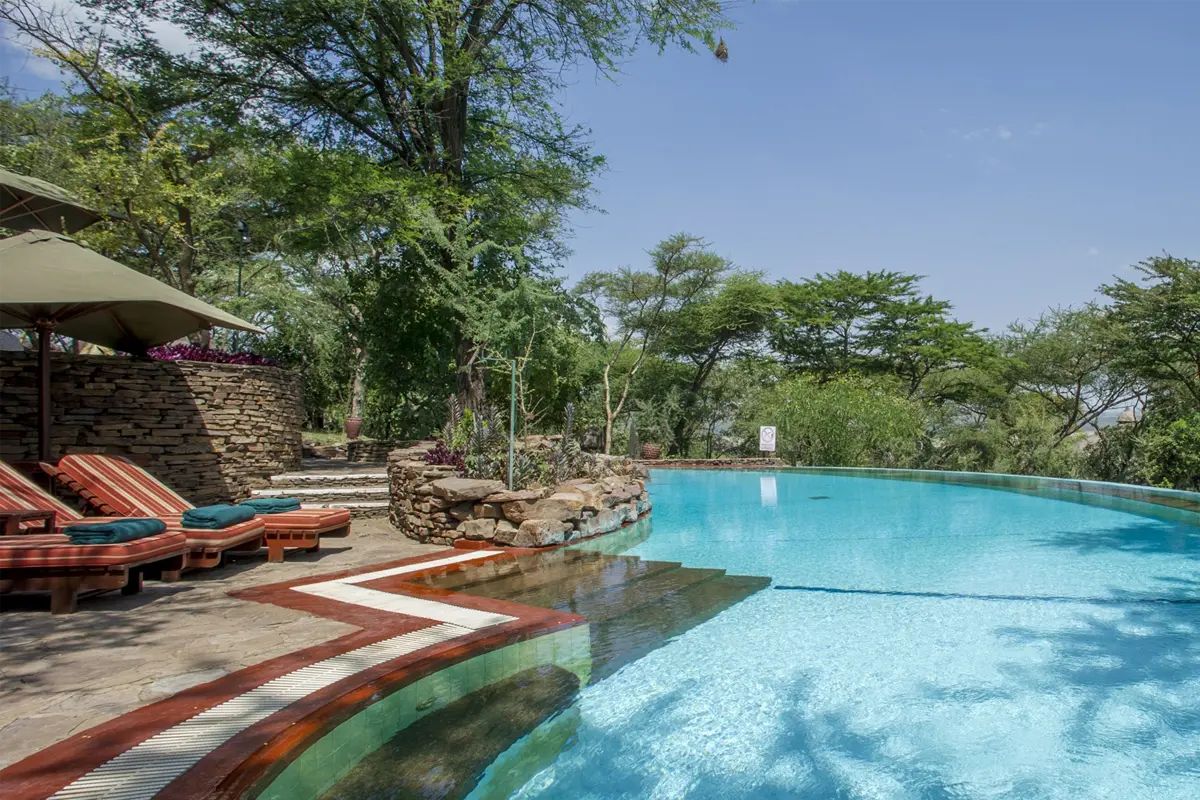
- Accommodation: Options range from budget-friendly tented camps to luxurious lodges, often located within or near the parks.
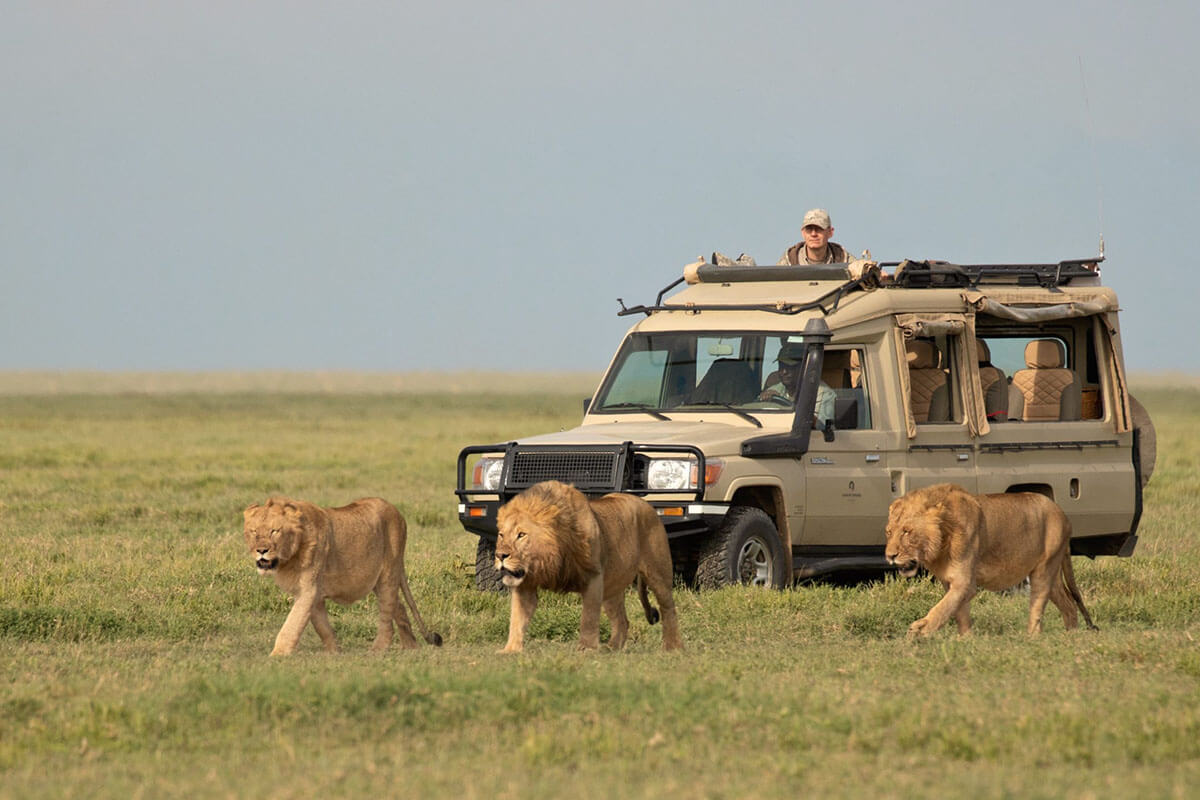
- Game Drives: Usually conducted in custom-built 4×4 safari vehicles with pop-up roofs for optimal viewing.
Zanzibar Relaxation Details
This exotic island archipelago offers a perfect counterpoint to the adventure of Kilimanjaro and the safari.
- Activities: Beach relaxation, swimming, snorkeling, diving (especially around Mnemba Atoll), spice tours, exploring Stone Town’s UNESCO World Heritage sites, dhow cruises, and visiting Jozani Forest (home to red colobus monkeys).
- Areas:
- Nungwi & Kendwa: Northern tip, known for stunning sunsets, white sand beaches, and calm, clear waters.
- Paje & Jambiani: Southeast coast, popular for kite surfing, vibrant local life, and tidal beaches.
- Matemwe: Northeast coast, more tranquil, good for diving and snorkeling.
- Stone Town: Historic heart of Zanzibar City, a UNESCO site with narrow alleys, bustling markets, and rich Swahili and Arab influences.
- Duration: Typically 3 to 5 days are sufficient to relax and explore key highlights.
Geographic Flow: From Peak to Plains to Paradise
Understanding the geographical flow helps in planning and minimizing travel time.
| Stage | Starting Point | Destination | Mode of Transport | Approx. Time |
|---|---|---|---|---|
| 1. Kilimanjaro Ascent | Arusha | Kilimanjaro National Park (various gates) | Vehicle to gate, then trekking | 5-9 days trekking |
| 2. Descent & Safari Transfer | Kilimanjaro National Park (Marangu Gate) | Arusha | Vehicle | ~2-3 hours |
| 3. Northern Circuit Safari | Arusha | Tarangire, Ngorongoro, Serengeti | Safari Vehicle (4×4) | 3-7 days safari |
| 4. Safari to Zanzibar | Serengeti Airstrip (e.g., Seronera) | Zanzibar Airport (ZNZ) | Small bush plane | ~1.5-2 hours flight |
| 5. Zanzibar Exploration & Departure | Zanzibar Airport (ZNZ) | Beach Resorts / Stone Town / ZNZ | Vehicle / Walking / Dhow | 3-5 days + departure |
This sequence is generally the most efficient. Starting with Kilimanjaro allows you to get acclimatized before the safari, and ending on Zanzibar provides a relaxed conclusion. Flying from the Serengeti directly to Zanzibar saves significant travel time compared to driving back to Arusha and then flying.
What to Expect: The Experience
This itinerary is a demanding yet incredibly rewarding journey. Expect a mix of physical exertion, awe-inspiring natural beauty, and cultural encounters.
- Kilimanjaro: A significant physical and mental challenge. Days are spent trekking, often in dramatic landscapes. Nights are spent in basic huts or tents. The summit night is particularly arduous, involving a steep climb in the dark and cold. Success is not guaranteed, but the journey itself is transformative.
- Safari: Early mornings and late afternoons are prime game-viewing times. You’ll spend hours in a safari vehicle, often on bumpy tracks. Expect incredible wildlife sightings, vast landscapes, and the sounds and smells of the African bush. Accommodation ranges from comfortable to luxurious.
- Zanzibar: A stark contrast to the previous stages. Expect warm tropical weather, beautiful beaches, crystal-clear waters, and a relaxed pace of life. The culture is a blend of African, Arab, and Indian influences.
- Logistics: While tour operators handle much of the planning, be prepared for early starts, long travel days between locations (even with flights), and varying accommodation standards.
- Guides: You will be accompanied by experienced guides throughout your Kilimanjaro trek and safari. They are knowledgeable about flora, fauna, and local culture.
Packing and Preparation
Thorough preparation is key for this multi-faceted trip.
Kilimanjaro Preparation:
- Fitness: Focus on cardiovascular fitness (hiking, running, cycling) and strength training. Practice hiking with a weighted backpack.
- Gear: Essential items include sturdy, broken-in hiking boots, waterproof and windproof outer layers, warm layers (fleece, down jacket), thermal base layers, waterproof pants, a good sleeping bag, a headlamp, sunglasses, sunscreen, and a hat. Specialized gear like trekking poles and gaiters are highly recommended.
- Acclimatization: This is the most crucial factor for summit success. Choose a longer route and ascend slowly.
- Medical: Consult your doctor about altitude sickness medication (e.g., Diamox) and vaccinations.
Safari Preparation:
- Clothing: Lightweight, neutral-colored clothing (khaki, green, brown). Avoid bright colors. Long sleeves and pants protect against sun and insects. A warm jacket is needed for early morning/late evening game drives. Comfortable walking shoes.
- Health: Malaria precautions are essential for safari and Zanzibar. Consult your doctor. Insect repellent with DEET is crucial.
- Gear: Binoculars, camera with zoom lens, sun hat, sunglasses, sunscreen, small backpack.
Zanzibar Preparation:
- Clothing: Light, breathable clothing, swimwear, cover-ups, a light jacket or shawl for evenings. Respectful attire is required when visiting villages or Stone Town (shoulders and knees covered).
- Health: Sunscreen, insect repellent, basic first-aid kit.
- Gear: Beach towel, sandals, waterproof bag for boat trips.
General Travel Items:
- Passport and visas (check requirements well in advance for 2026-2027 travel)
- Travel insurance (essential, covering high-altitude trekking and remote areas)
- Adaptor for electronics
- Personal medications
- Cash (USD is widely accepted for tips and small purchases, but local currency is useful)
Common Mistakes to Avoid
To ensure a smooth and enjoyable trip, be aware of these common pitfalls:
- Underestimating Kilimanjaro: Many people focus on fitness but neglect acclimatization. Altitude sickness is the primary reason for not reaching the summit. Choose a longer route.
- Rushing the Itinerary: Trying to cram too much into too little time leads to exhaustion and less enjoyment. Allow buffer days.
- Poor Route Choice: Selecting the shortest Kilimanjaro route for budget or time reasons significantly reduces summit chances.
- Inadequate Packing: Not packing appropriate gear for Kilimanjaro’s varying temperatures or for safari’s sun and insects can lead to discomfort.
- Ignoring Health Advice: Failing to take malaria precautions or consult a doctor about vaccinations and altitude sickness medication.
- Choosing the Cheapest Operator: While budget is a factor, extremely low prices can indicate compromised safety, guide quality, porter welfare, or equipment.
- Not Allowing for Travel Time: Internal flights and road transfers can take longer than expected. Factor in this time.
- Forgetting Travel Insurance: This is non-negotiable, especially for Kilimanjaro.
Who is This Itinerary Best Suited For?
This comprehensive Kilimanjaro, Safari and Zanzibar itinerary is ideal for:
- Adventurous Travelers: Those seeking a blend of physical challenge, wildlife encounters, and tropical relaxation.
- Active Individuals: People who are reasonably fit and enjoy hiking, exploring, and being outdoors.
- Nature Enthusiasts: Anyone fascinated by wildlife, diverse ecosystems, and dramatic landscapes.
- Bucket List Travelers: Those aiming to tick off iconic African experiences like summiting Kilimanjaro and seeing the Big Five.
- Couples and Honeymooners: The mix of adventure and romance, culminating in a Zanzibar honeymoon, is very popular.
- Families with Older Children/Teens: For families with teenagers who are fit and adventurous, this can be an incredibly bonding experience.
It is generally not suitable for those seeking a purely relaxing beach holiday, individuals with significant mobility issues, or those who are not comfortable with basic camping or high-altitude environments.
Alternatives and Variations
While the Kilimanjaro, Safari, and Zanzibar combination is classic, several variations can be tailored:
- Kilimanjaro + Safari Only: For those not interested in beaches, focusing on a longer safari or a more in-depth cultural experience in the Arusha region.
- Safari + Zanzibar Only: A popular choice for those who prefer to skip the mountain climb but still want the iconic wildlife and beach experience.
- Kilimanjaro + Zanzibar Only: For those who want the challenge of the climb and the relaxation of the island, skipping the safari.
- Add-ons:
- G Adventures/Intrepid Style: Combine with a visit to Rwanda or Uganda for gorilla trekking.
- Cultural Tours: Extend your safari with visits to local Maasai villages or other communities.
- More National Parks: Include parks like Ruaha or Selous (though these are in Southern Tanzania and require flights, making them harder to combine logistically with the Northern Circuit and Kilimanjaro).
- Short Kilimanjaro Routes: While not recommended for summit success, a 5-day Marangu can be done if time is extremely limited, but expect lower chances.
Planning Your 2026-2027 Trip
Planning ahead is crucial, especially for trips in 2026 and 2027. Here’s a timeline:
Planning Timeline for 2026-2027
- 12-18 Months Before:
- Research tour operators and destinations.
- Determine your budget.
- Choose your preferred Kilimanjaro route and safari duration.
- Book your trip with a reputable operator. Confirm inclusions/exclusions.
- Start a Kilimanjaro training program.
- 6-9 Months Before:
- Book international flights.
- Arrange necessary visas (if applicable).
- Purchase travel insurance.
- 3-6 Months Before:
- Consult your doctor regarding vaccinations and malaria prophylaxis.
- Purchase Kilimanjaro gear and safari essentials.
- 1-2 Months Before:
- Finalize packing list.
- Confirm all travel arrangements and obtain necessary documents.
- Inform your bank of your travel dates.
- 1-2 Weeks Before:
- Pack your bags.
- Exchange some currency if needed.
- Confirm airport transfers.
Booking popular Kilimanjaro routes and safari lodges for peak seasons in 2026 and 2027 well in advance is highly recommended. Early booking also often secures better rates.
Booking Your Tour Package
Choosing the right tour operator is paramount for a successful Kilimanjaro, Safari and Zanzibar itinerary. Here’s what to look for:
- Reputation and Reviews: Look for operators with consistently positive reviews, particularly regarding safety, guide quality, and ethical practices (e.g., porter welfare).
- Experience: Ensure they have extensive experience running Kilimanjaro treks and safaris in Tanzania.
- Safety Standards: Inquire about their safety protocols, emergency procedures, and the qualifications of their guides (especially for Kilimanjaro).
- Inclusions: Clearly understand what is included in the price – park fees, accommodation, meals, guides, porters, transfers, internal flights, etc.
- Exclusions: Be aware of what you’ll need to pay for separately – tips, personal expenses, visa fees, some meals, drinks.
- Communication: A good operator will be responsive, transparent, and helpful in answering all your questions.
- Customization: Can they tailor the itinerary to your specific needs and interests?
Contact Us for a Custom Itinerary:
When planning your Kilimanjaro, Safari and Zanzibar itinerary for 2026 or 2027, let us help you create the perfect adventure. We specialize in crafting unforgettable Tanzanian experiences.
WhatsApp: +255616946642
Email: topguideadventures@gmail.com
Backup Email: info@topguideadventures.com
Frequently Asked Questions
FAQs
Q1: How many days are needed for a Kilimanjaro, Safari and Zanzibar itinerary?
A: A comfortable itinerary typically requires a minimum of 10 days for a short Kilimanjaro trek (5 days) plus a 3-day safari and 2 days for travel/Zanzibar. However, for a better experience and higher Kilimanjaro success rate, 14-21 days is ideal, allowing for longer treks (7-8 days), more extensive safaris (4-5 days), and ample time in Zanzibar.
Q2: Is it safe to climb Kilimanjaro?
A: Kilimanjaro is considered safe when climbed with reputable operators who prioritize safety protocols, experienced guides, and proper acclimatization. Altitude sickness is the primary risk, and it is managed by slow ascent and recognition of symptoms. Choosing a good operator is crucial for safety.
Q3: What is the best Kilimanjaro route for beginners?
A: For beginners, routes that offer better acclimatization and a higher success rate are recommended. The Machame (7 days) and Lemosho (7-8 days) routes are very popular choices. The Marangu route is sometimes chosen for its hut accommodation, but its direct ascent profile makes acclimatization more challenging.
Q4: What is the Great Migration, and when is the best time to see it?
A: The Great Migration is the annual movement of over 1.5 million wildebeest, zebras, and antelopes across the Serengeti ecosystem. The best time to witness specific events like river crossings is typically from July to October in the Northern Serengeti. Calving season is in the Southern Serengeti from late January to March.
Q5: Do I need malaria tablets for Zanzibar and the safari?
A: Yes, malaria is present in Tanzania, including Zanzibar. It is highly recommended to consult your doctor or a travel clinic about malaria prophylaxis and other necessary vaccinations before your trip. Using insect repellent is also essential.
Q6: What kind of accommodation can I expect?
A: Accommodation varies greatly. On Kilimanjaro, you’ll find basic huts (Marangu) or tents. Safaris offer a range from budget tented camps to mid-range lodges and luxury tented camps or lodges. Zanzibar provides a wide range of beach resorts, boutique hotels, and guesthouses.
Q7: How much should I tip guides and porters?
A: Tipping is customary and a significant part of the income for guides, porters, and safari drivers. Your tour operator will provide recommended tipping guidelines, which usually range from $10-$20 per day per traveler for guides and $7-$15 per day per traveler for porters/drivers, depending on the operator and group size. It’s generally paid in USD.
Q8: Can I drink the tap water?
A: It is not advisable to drink tap water in Tanzania. Bottled water is readily available and usually provided on safaris and Kilimanjaro treks. Many operators also offer purified water refills.
Q9: What is the best way to get from the safari to Zanzibar?
A: The most efficient and recommended way is to take a short domestic flight from an airstrip in the Serengeti (e.g., Seronera) or Arusha (ARK) directly to Zanzibar (ZNZ). This saves considerable travel time compared to driving back to Arusha and then flying.
Q10: What are the visa requirements for Tanzania for 2026-2027?
A: Most nationalities require a visa for Tanzania. This can often be obtained online in advance (e-visa) or upon arrival at Kilimanjaro International Airport (JRO) or Zanzibar Airport (ZNZ). It’s best to check the latest requirements for your specific nationality on the official Tanzanian immigration website well before your 2026-2027 travel dates.
Ready to Plan Your Kilimanjaro, Safari and Zanzibar Itinerary?
Creating the perfect Kilimanjaro, Safari and Zanzibar itinerary is a journey in itself. Let our expert team at Best Tanzania Tour Operator guide you through every step. We specialize in crafting unforgettable adventures that combine the thrill of summiting Africa’s highest peak, the wonder of its wildlife, and the serene beauty of its coastlines. Whether you’re planning for 2026 or 2027, we can tailor a trip to your exact needs and budget.
Get in touch today to start planning your dream Tanzanian adventure:
WhatsApp: +255616946642
Email: topguideadventures@gmail.com
Backup Email: info@topguideadventures.com
Plan your Kilimanjaro, Safari and Zanzibar Itinerary with Top Guide Adventures
Tell us your travel dates, group size, comfort level, and dream experience. We will help you shape a clear, realistic, and memorable Tanzania itinerary.







 Veedesigner
 Fatma Kizanga
 Benjamin Waryuba
 Philip Philip
 John jr Itaja
 Antonia Optatus
 Edith Kanyere
 Neema Iddy
 Kelvin Boniphace
 Damari Maiga



