
Updated planning guide for 2026-2027
Udzungwa Wildlife Guide: Complete 2026-2027
Your comprehensive guide to exploring the unique biodiversity and stunning landscapes of Udzungwa Mountains National Park. Plan your unforgettable 2026-2027 trip.
WhatsApp +255616946642 | topguideadventures@gmail.com | info@topguideadventures.com
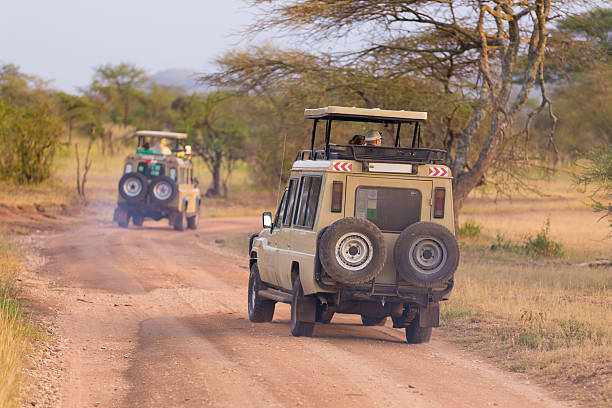
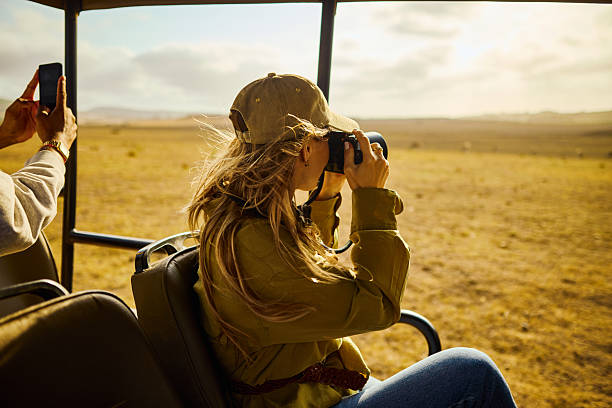
Udzungwa Wildlife Guide: Your Gateway to Tanzania’s Hidden Gem
Welcome to the ultimate Udzungwa Wildlife Guide, your essential resource for planning an extraordinary adventure in Udzungwa Mountains National Park. Often overshadowed by the more famous northern circuit safaris, Udzungwa offers a distinct and deeply rewarding experience for nature lovers, hikers, and wildlife enthusiasts. This guide will equip you with all the knowledge needed to plan a successful and memorable trip to this unique corner of Tanzania, whether you’re looking at 2026 or 2027 travel.
Udzungwa is not a typical safari destination. Instead of vast open plains teeming with big herds, you’ll find a lush, biodiverse rainforest and mountain ecosystem. This is a place for forest walks, birdwatching, discovering endemic species, and experiencing a different side of Tanzanian natural beauty. Our goal is to provide you with practical, actionable advice, drawing on years of experience operating tours in Tanzania.
Quick Answers for Udzungwa Travelers
- What is Udzungwa known for? Udzungwa is renowned for its pristine rainforests, unique plant life, and high number of endemic species, including primates and birds. It’s a biodiversity hotspot.
- Is Udzungwa good for wildlife viewing? Yes, but it’s different from a savannah safari. Expect to see monkeys, unique birds, and smaller mammals. The focus is on the forest ecosystem rather than large predators.
- What activities are available? Hiking and trekking are the main activities, with trails leading to waterfalls and viewpoints. Birdwatching and primate spotting are also popular.
- When is the best time to visit Udzungwa? The dry seasons (June to October and December to February) are generally best for hiking, though the park is accessible year-round.
- Do I need a guide in Udzungwa? Yes, it is mandatory to hire a park ranger or guide for all trails within Udzungwa Mountains National Park.
Udzungwa Quick Facts
| Feature | Details |
|---|---|
| Location | South-Central Tanzania, near Ifakara |
| Main Entrance | Sanza (near Mang’ula) |
| Park Size | Approx. 1,990 sq km |
| Key Ecosystems | Rainforest, montane forest, grassland |
| Notable Wildlife | Sanze mangabey, Iringa red colobus, diverse birdlife, elephants (occasional), antelopes |
| Main Activities | Hiking, Birdwatching, Primate Tracking, Nature Walks |
| Mandatory Guide | Yes, park rangers/guides required |
| Accommodation | Basic lodges/camps near park entrance, hotels in nearby towns (e.g., Ifakara) |
Understanding Udzungwa Mountains National Park
Udzungwa Mountains National Park is part of the Eastern Arc Mountains, a chain of ancient mountains running across eastern Tanzania and Kenya. These mountains are recognized globally for their exceptional biodiversity and high levels of endemism, meaning many species are found nowhere else on Earth. The park is a mosaic of different habitats, from dense tropical rainforests to montane forests, grasslands, and miombo woodlands. This varied landscape supports an incredible array of life.
Unlike parks like the Serengeti or Tarangire, Udzungwa is not characterized by large, open savannas or massive migratory herds. Instead, its appeal lies in its rich, intricate ecosystem. The dense forest canopy hides a wealth of life. Visitors come here for the unique opportunity to trek through pristine forests, listen to the chorus of birds, spot elusive primates, and feel immersed in a truly wild environment. It’s a destination that rewards patience and observation.
Why Udzungwa is a Must-Visit for Nature Enthusiasts
The primary draw of Udzungwa is its status as a biodiversity hotspot. Scientists have identified numerous species endemic to the Eastern Arc Mountains, and Udzungwa is home to many of them. This includes:
- Primates: Udzungwa is famous for two endemic primates: the Sanje mangabey (Cercocebus sanjei) and the Iringa red colobus (Procolobus gordonorum). Spotting these unique monkeys in their natural habitat is a highlight for many visitors.
- Birds: The park boasts over 400 bird species, with several endemic to the region. Birdwatchers will find a paradise here, with opportunities to see species like the Udzungwa forest partridge, Dappled mountain robin, and various sunbirds and turacos.
- Plants: The flora is equally remarkable, with ancient trees, ferns, and orchids creating a lush, verdant environment. The park is a living laboratory for botanists.
- Insects: Udzungwa is also home to several endemic insect species, contributing to its status as a unique ecological zone.
Beyond the specific species, the landscape itself is stunning. Towering trees draped in vines, crystal-clear streams, and dramatic waterfalls create a visually spectacular setting. The opportunity to hike through such untouched natural beauty is a significant part of the Udzungwa experience.
Best Time to Visit Udzungwa
Udzungwa Mountains National Park can be visited year-round, but the best time for hiking and wildlife viewing depends on your preferences regarding weather and accessibility.
Udzungwa Seasonality Guide
| Season | Months | Weather & Conditions | Pros | Cons |
|---|---|---|---|---|
| Dry Season (Long) | June – October | Sunny, cooler temperatures, less humidity. Roads are generally in good condition. | Ideal for hiking, excellent visibility, comfortable trekking conditions. Lower chance of rain. | Can be busier with local tourists. Some vegetation might be drier. |
| Short Rains | November – December | Intermittent showers, can be humid. | Fewer visitors, lush green scenery. | Trails can become muddy and slippery. Some rain can disrupt hiking plans. |
| Dry Season (Short) / Rainy Season (Long) | January – February | Generally dry and hot, but can experience sporadic heavy downpours. | Good for birding, fewer crowds. | Heat can be intense. Possibility of rain can affect hiking. |
| Rainy Season (Long) | March – May | Heavy, consistent rainfall. High humidity. Trails are very muddy and potentially hazardous. | Very lush and green. Lowest visitor numbers. Good for specific flora/fauna that thrive in wet conditions. | Hiking is very difficult and often not recommended. Trails can be impassable. Many facilities might be less operational. |
Recommendation for 2026-2027: For the best trekking experience, aim for the dry seasons: June to October 2026 or June to October 2027. If you prefer fewer crowds and don’t mind occasional rain, the shoulder months of November-December 2026 or January-February 2027 can also be excellent choices.
Getting to Udzungwa and Park Entrances
Udzungwa Mountains National Park is located in south-central Tanzania, approximately 350 km from Dar es Salaam and 70 km from Mikumi National Park. The most common access point is via the town of Mang’ula, which is close to the main park entrance at Sanza.
By Road:
- From Dar es Salaam: This is the most common route. You can hire a private vehicle or take a public bus. The journey typically takes 5-7 hours. The road is paved for most of the way.
- From Iringa: If you are coming from the Southern Highlands, the drive is also feasible, often connecting via Mikumi.
- From Mikumi National Park: Udzungwa is a short drive (about 1 hour) from Mikumi, making it a popular combination for travelers.
Park Entrances:
- Sanza (Main Entrance): Located near Mang’ula village, this is the primary entry point for visitors. Most trails, including the popular ones to Prince’s Trail and Sanje Waterfalls, start from here.
- Mhukutu (Udzungwa Falls): Another entry point, often used for longer treks or specific routes.
Important Note: While public transport is available, for a more comfortable and flexible experience, especially when traveling with luggage or combining Udzungwa with other destinations, arranging private transport through a tour operator is highly recommended. This is particularly true for reaching the park entrance and navigating the local roads.
Udzungwa Area Overview (Text Map)
Dar es Salaam (Coast)
|
| (A7 Highway – ~350 km)
|
Morogoro (Town)
|
| (A7 Highway – ~150 km)
|
Mikumi National Park (Safari Gateway)
|
| (Local Road – ~70 km)
|
Mang’ula Village (Access Town)
|
| (Park Road – ~5 km)
|
Sanza Entrance Gate (Udzungwa Mountains NP)
|
| (Trails Begin)
|
Sanje Waterfalls (Popular Hike Destination)
Prince’s Trail (Primate Tracking)
Key Trails and Activities in Udzungwa
The primary way to experience Udzungwa is by hiking. The park offers a range of trails, varying in difficulty and length. All hikes require a mandatory park ranger or guide.
1. The Prince’s Trail (Primate Tracking)
- Duration: Half-day to full-day.
- Difficulty: Moderate to challenging, depending on the extent of the trek.
- Highlights: This trail is renowned for its excellent chances of spotting the endemic Iringa red colobus and Sanje mangabey. The forest here is dense and beautiful, with opportunities for birdwatching.
- What to Expect: You’ll follow your guide through the forest, listening for calls and looking for movement in the canopy. The terrain can be steep and muddy in places.
2. Sanje Waterfalls Trail
- Duration: Half-day hike.
- Difficulty: Moderate.
- Highlights: This is perhaps the most popular trail. It leads to the impressive Sanje Waterfalls, which cascade down over 170 meters in three stages. The views from the top are spectacular, and the lower pools offer a refreshing spot for a dip (though caution is advised).
- What to Expect: The trail winds through the forest, gradually ascending. You’ll hear the falls long before you see them. The final section involves a steep climb to the top of the falls.
3. Lumemo Trail
- Duration: Full-day hike.
- Difficulty: Challenging.
- Highlights: This longer trail offers a deeper immersion into the forest and a chance to see more varied wildlife and birdlife. It can be combined with other routes for a more extensive exploration.
- What to Expect: A more strenuous trek through dense forest, often involving river crossings and significant elevation changes.
4. Mwanihana Trail (Multi-day Trek)
- Duration: 2-3 days.
- Difficulty: Very challenging.
- Highlights: This is for serious trekkers. It leads to the summit of Mwanihana Peak (2,170m), offering panoramic views and a chance to explore different forest types. It’s a more remote and demanding experience.
- What to Expect: Requires camping in the park and a high level of fitness. You’ll experience varied terrain and potentially encounter different fauna at higher altitudes.
Birdwatching
With over 400 species recorded, Udzungwa is a prime destination for birdwatchers. The endemic Udzungwa forest partridge is a major draw, though notoriously difficult to spot. Other sought-after species include the Dappled mountain robin, Udzungwa scrub robin, Yellow-breasted dwarf kingfisher, and various turacos and sunbirds. Early mornings and late afternoons are the best times for birding.
Photography
The lush green environment, dramatic waterfalls, and unique wildlife provide fantastic photographic opportunities. Be prepared for low-light conditions under the forest canopy. Wide-angle lenses are useful for landscapes and forest scenes, while telephoto lenses are essential for capturing wildlife and birds.
Sample Udzungwa Itinerary (3 Days / 2 Nights)
This sample itinerary focuses on experiencing the highlights of Udzungwa, combining hiking and wildlife spotting. It can be customized to fit your interests and time.
Day 1: Arrival and Forest Exploration
- Morning: Depart from Dar es Salaam or Mikumi. Arrive at Mang’ula village near Udzungwa Mountains National Park.
- Late Morning: Check into your accommodation near the park entrance. Meet your assigned park ranger/guide.
- Afternoon: Begin with a moderate hike on the Sanje Waterfalls trail. Ascend to the first and second tiers of the falls, enjoying the forest scenery and the impressive cascades. Take a refreshing dip in the lower pools if conditions permit.
- Late Afternoon: Return to your lodge.
- Evening: Relax and prepare for the next day’s adventure.
Day 2: Primate Tracking and Birdwatching
- Morning: After breakfast, head to the Prince’s Trail for a dedicated primate tracking excursion. Your guide will help you search for the endemic Sanje mangabey and Iringa red colobus. This trek can be extended for more in-depth exploration and birdwatching opportunities.
- Lunch: Enjoy a packed lunch amidst the forest.
- Afternoon: Continue your exploration, perhaps focusing on birdwatching in specific areas known for avian diversity. Alternatively, take a shorter nature walk to discover more about the unique flora.
- Late Afternoon: Return to your accommodation.
- Evening: Enjoy dinner and share stories of your primate sightings.
Day 3: Deeper Forest Hike or Departure
- Morning: Depending on your interest and energy levels, you can opt for a more challenging hike like a section of the Lumemo Trail or revisit a favorite spot for photography or birding. Alternatively, enjoy a leisurely breakfast and depart.
- Late Morning: Begin your journey back to Dar es Salaam, Mikumi, or your next destination in Tanzania.
Customization: This itinerary can be extended to include longer treks like the Mwanihana trail (requiring camping and multi-day planning) or combined with a safari in nearby Mikumi National Park for a diverse Tanzanian experience.
What to Expect: Practicalities and Preparation
Visiting Udzungwa is an adventure that requires some preparation. Understanding what to expect will help you have a smoother trip.
Accommodation Options
Accommodation options directly within Udzungwa Mountains National Park are limited, typically consisting of basic park bandas or campsites. Most visitors opt for:
- Lodges/Camps near the Entrance: Several lodges and guesthouses are located in or near Mang’ula village, close to the Sanza entrance. These range from budget-friendly to mid-range.
- Hotels in Ifakara: The larger town of Ifakara offers more hotel choices, but it’s a longer drive to the park entrance.
- Camping: Designated campsites are available within the park, offering a more immersive experience.
For guests booking through a tour operator, arrangements for suitable accommodation will be made as part of the package.
Food and Drink
If you are staying at a lodge, meals will typically be provided. For day trips and hikes, you will need to carry packed lunches and sufficient drinking water. It is advisable to carry water purification tablets or a filter as a backup. Food stalls are not common within the park itself.
Park Fees and Guide Costs
Park entrance fees, camping fees, and guide fees are standard for Udzungwa Mountains National Park. These are usually paid at the park gate or entrance office. Tour operators will include these in your package price.
- Park Entrance Fees: These are charged per person per day.
- Guide Fees: A daily fee is charged for the mandatory park ranger/guide.
- Camping Fees: If you plan to camp, there are additional fees per person per night.
It’s important to confirm the current fee structure with your tour operator or the park authorities before your visit.
Connectivity and Facilities
Mobile phone reception can be patchy within the park and even in some surrounding areas. Wi-Fi is generally unavailable within the park and limited at most lodges. Be prepared to disconnect and enjoy the natural surroundings. There are basic toilet facilities at the park entrance and sometimes at trailheads, but not along the trails themselves.
Packing List for Udzungwa
Proper packing is crucial for comfort and safety, especially when hiking in a tropical forest environment. Here’s a comprehensive list:
Essential Gear for Udzungwa
- Clothing:
- Lightweight, breathable hiking trousers (2 pairs)
- Long-sleeved shirts (for sun and insect protection)
- T-shirts (moisture-wicking)
- Fleece or warm layer (evenings can be cooler at higher altitudes)
- Waterproof and windproof jacket (essential, even in dry season)
- Comfortable hiking socks (several pairs)
- Hat with a brim (for sun protection)
- Swimsuit (for waterfalls, if desired)
- Footwear:
- Sturdy, broken-in hiking boots (waterproof recommended)
- Comfortable shoes or sandals for camp/lodge
- Gear:
- Backpack (day pack for hikes)
- Reusable water bottle or hydration reservoir
- Water purification tablets or filter
- Sunscreen (high SPF)
- Insect repellent (with DEET or Picaridin)
- Personal first-aid kit (band-aids, antiseptic wipes, pain relievers, personal medications)
- Camera and extra batteries/memory cards
- Binoculars (highly recommended for wildlife and bird spotting)
- Headlamp or flashlight (with extra batteries)
- Small towel
- Documents & Money:
- Passport and visa (if required)
- Travel insurance details
- Park entry permits/booking confirmations
- Cash (Tanzanian Shillings for small purchases, tips)
- Optional:
- Trekking poles (very useful on steep/slippery trails)
- Notebook and pen
- Book for downtime
Common Mistakes to Avoid in Udzungwa
To ensure your Udzungwa adventure is smooth and enjoyable, be aware of these common pitfalls:
- Underestimating the Terrain: While not Kilimanjaro, Udzungwa trails can be steep, uneven, and very muddy, especially after rain. Proper footwear and a reasonable level of fitness are essential.
- Not Hiring a Guide: It’s mandatory and for good reason. Guides are knowledgeable about the trails, wildlife, and safety. They are crucial for spotting endemic species and navigating the forest.
- Insufficient Water: Staying hydrated is vital, especially in the humid forest environment. Always carry more water than you think you’ll need.
- Poor Footwear: Hiking in trainers or unsupportive shoes can lead to injuries or discomfort on slippery, uneven paths.
- Ignoring Weather Changes: Tropical rain showers can appear suddenly. Always carry a waterproof jacket, even on seemingly clear days.
- Expecting Savannah Wildlife: Udzungwa’s wildlife is different. Don’t expect to see lions or large herds. Focus on the unique primates, birds, and insects.
- Not Protecting Against Insects: Mosquitoes and other biting insects are present. Use repellent, wear long sleeves and trousers, especially at dawn and dusk.
- Overpacking Lightly: While you don’t want to carry excess weight, forgetting essentials like a rain jacket or good hiking boots can significantly impact your experience.
Who is Udzungwa Best Suited For?
Udzungwa Mountains National Park appeals to a specific type of traveler. It’s ideal for:
- Nature Lovers and Biodiversity Enthusiasts: Those fascinated by unique ecosystems, endemic species, and pristine natural environments.
- Hikers and Trekkers: Individuals who enjoy exploring on foot, from moderate day hikes to more challenging multi-day treks.
- Birdwatchers: Serious birders seeking to spot rare and endemic species in a challenging habitat.
- Photographers: Those looking for unique shots of rainforests, waterfalls, and specialized wildlife.
- Travelers Seeking Off-the-Beaten-Path Experiences: Visitors who want to explore a less crowded, more authentic natural destination in Tanzania.
- Those Combining with Other Tanzanian Destinations: Udzungwa is a perfect addition to a northern circuit safari or a trip to Mikumi.
It is less suited for:
- Travelers whose primary goal is to see the ‘big five’ predators in large numbers.
- Those seeking luxury lodges and high-end amenities within the park itself.
- Individuals with significant mobility issues, as most activities involve walking and hiking.
Alternatives to Udzungwa
While Udzungwa offers a unique experience, other destinations in Tanzania provide different but equally compelling natural encounters:
Udzungwa vs. Other Tanzanian Destinations
| Destination | Primary Focus | Wildlife Type | Activities | Terrain | Best For |
|---|---|---|---|---|---|
| Udzungwa Mountains NP | Biodiversity, Endemics, Rainforests | Primates, Birds, Insects | Hiking, Birdwatching, Primate Tracking | Steep Forested Mountains | Nature enthusiasts, hikers, birders, those seeking unique ecosystems. |
| Serengeti NP | Great Migration, Big Game Safaris | Large Mammals (Lions, Elephants, Wildebeest, etc.) | Game Drives, Hot Air Balloon Safaris | Vast Grasslands, Savannah | Classic big game safari experience, seeing large herds. |
| Tarangire NP | Elephants, Baobab Trees, Birdlife | Large Mammal Concentrations (esp. elephants), diverse bird species | Game Drives, Walking Safaris (in designated areas) | Savannah, Baobab-dotted plains, riverine areas | Elephant encounters, birdwatching, drier season safari. |
| Mount Kilimanjaro | Trekking, Mountain Climbing | High-altitude flora and fauna, limited wildlife sightings at lower elevations | Multi-day trekking/climbing | Volcanic slopes, diverse climatic zones | Challenging treks, summiting Africa’s highest peak. |
| Mahale Mountains NP | Chimpanzee Trekking, Lake Tanganyika | Chimpanzees, diverse primates, aquatic life | Chimpanzee trekking, boat trips, hiking | Lush Forests, Steep slopes, Lake shore | Close encounters with wild chimpanzees, unique lake setting. |
While Serengeti offers iconic safari experiences and Kilimanjaro the ultimate trek, Udzungwa provides a more intimate and scientifically significant encounter with Tanzania’s rich natural heritage.
Planning Your 2026-2027 Udzungwa Trip
Planning ahead is key to a successful trip, especially when considering future travel dates like 2026 and 2027. Here are some tips:
- Book in Advance: For peak seasons (June-October), it’s advisable to book your accommodation and any required transport at least 3-6 months in advance. For 2026-2027, starting your planning now is a good idea.
- Choose Your Season Wisely: As detailed earlier, the dry seasons are best for hiking. If you’re planning for 2026 or 2027, consider booking during these months for optimal conditions.
- Combine with Other Destinations: Udzungwa pairs well with a safari in Mikumi or Ruaha National Parks. Consider a multi-destination itinerary to experience more of Tanzania.
- Fitness Level: Be realistic about your fitness. If you’re not an avid hiker, choose shorter trails like the lower sections of Sanje Waterfalls. If you’re fit, consider longer treks.
- Health Precautions: Consult your doctor about necessary vaccinations and malaria prophylaxis well in advance of your 2026-2027 trip.
- Travel Insurance: Ensure you have comprehensive travel insurance that covers trekking and medical emergencies.
2026-2027 Specifics:
- Visa Requirements: Check the latest visa regulations for Tanzania for your nationality for 2026-2027.
- Flight Bookings: If flying into Kilimanjaro International Airport (JRO) or Julius Nyerere International Airport (DAR), booking flights for 2026-2027 several months ahead can secure better fares.
- Tour Operator Consultation: Reach out to reputable tour operators early to discuss your plans for 2026-2027. They can help craft custom itineraries and advise on the best times and activities.
Booking Your Udzungwa Adventure
Booking your trip to Udzungwa can be done in several ways, but working with a local, experienced tour operator offers the most benefits.
Why Book with a Local Operator?
- Expertise: Local operators have in-depth knowledge of Udzungwa and Tanzania, including current conditions, best guides, and accommodation options.
- Logistics: They handle all the complex logistics, from transport and park fees to guide arrangements and accommodation bookings.
- Customization: They can tailor your itinerary to your specific interests, fitness level, and budget.
- Support: You have a local contact person available for assistance throughout your trip.
- Value: While not always the cheapest, they often provide the best value by ensuring quality services and a well-organized experience.
What to Look For in a Tour Operator
- Experience: Look for operators with a proven track record of organizing trips to Udzungwa and Tanzania.
- Reviews: Check online reviews and testimonials from previous clients.
- Communication: A good operator will be responsive, clear, and helpful in their communication.
- Itinerary Flexibility: They should be willing to customize your trip.
- Transparency: Ensure all costs and inclusions are clearly outlined.
Booking Process
1. Inquiry: Contact your chosen tour operator with your desired dates (e.g., for 2026-2027), interests, group size, and budget.
2. Proposal: The operator will send you a detailed itinerary and quote.
3. Customization: Discuss any changes or specific requests.
4. Confirmation: Once you agree, you’ll receive a booking confirmation and terms and conditions.
5. Deposit: A deposit is typically required to secure your booking.
6. Pre-Trip Information: You’ll receive detailed information about packing, health, and what to expect.
7. Final Payment: The remaining balance is usually due a few weeks before your departure.
8. Enjoy Your Trip!
For a personalized Udzungwa Wildlife Guide experience and to plan your adventure for 2026 or 2027, reach out to us. We specialize in creating unforgettable Tanzanian journeys.
Ready to Explore Udzungwa?
Let us help you craft your perfect Udzungwa Mountains National Park adventure. We offer custom safari packages, hiking tours, and combined itineraries across Tanzania.
Contact us today:
WhatsApp: +255616946642
Email: topguideadventures@gmail.com
Backup Email: info@topguideadventures.com
Plan your Udzungwa Wildlife Guide experience for 2026-2027 with experts you can trust.
Frequently Asked Questions (FAQs)
Your Udzungwa Questions Answered
Q1: Is Udzungwa safe for tourists?
Yes, Udzungwa is generally safe for tourists. Standard safety precautions apply, such as listening to your guide, staying on marked trails, and being aware of your surroundings. Malaria is present in the region, so consult your doctor about prophylaxis and use insect repellent.
Q2: Can I visit Udzungwa as a day trip?
Yes, it is possible to visit Udzungwa for a day trip, particularly from Mikumi or Ifakara. The Sanje Waterfalls trail is a popular choice for a day hike. However, to truly appreciate the park’s biodiversity and tranquility, spending at least one or two nights is recommended.
Q3: What is the difference between Udzungwa and other Tanzanian parks?
Unlike savannah parks focused on large mammals and predator sightings, Udzungwa is a mountainous rainforest ecosystem. Its appeal lies in its unique flora, endemic primates and birds, and hiking opportunities rather than typical game drives.
Q4: Do I need special gear for hiking in Udzungwa?
Essential gear includes sturdy, broken-in hiking boots, waterproof clothing, insect repellent, sunscreen, and a good daypack. Trekking poles are highly recommended for the steep and often slippery trails.
Q5: Can I see elephants in Udzungwa?
While elephants are known to occur in the park, they are elusive and sightings are rare, especially on the main tourist trails. Udzungwa is not a primary destination for elephant viewing.
Q6: What are the accommodation options like?
Accommodation ranges from basic park bandas and campsites within or near the park to more comfortable lodges in Mang’ula village. Ifakara town offers more hotel choices but is further from the park entrance.
Q7: Is Udzungwa suitable for families with young children?
While some very short, easy walks might be manageable, the main trails can be challenging for young children due to steepness and terrain. Udzungwa is generally better suited for active adults and older teenagers.
Q8: How much does a trip to Udzungwa typically cost?
Costs vary significantly based on accommodation choices, duration, and whether you book a private tour or use public transport. Park fees, guide fees, and accommodation are the main components. A private guided tour for 2-3 days typically falls into the mid-range budget for Tanzania.
Q9: Can I trek to Mwanihana Peak?
Yes, the Mwanihana trail is a challenging multi-day trek. It requires good fitness, camping gear, and arrangements for camping permits and specialized guides. It’s an expedition-style trek suitable for experienced hikers.
Q10: What currency should I use in Udzungwa?
The local currency is the Tanzanian Shilling (TZS). While larger lodges might accept USD or credit cards, it’s best to have Shillings for park fees, guide tips, and any small purchases in local villages. USD is widely accepted for tour packages.
Q11: What should I tip my guide in Udzungwa?
Tipping is customary for guides and rangers. A common guideline is around $20-30 USD per day for the guide, shared among the group. Your tour operator can provide more specific advice for 2026-2027.
Q12: When is the best time to book my 2026-2027 Udzungwa trip?
For the peak dry seasons (June-October), booking 6-9 months in advance is recommended for 2026-2027 to secure preferred accommodation and guides. For other seasons, 3-6 months is usually sufficient.
The Udzungwa Mountains National Park is a destination that offers a profound connection with nature. Its unique biodiversity, stunning landscapes, and challenging trails make it a rewarding experience for those who seek adventure beyond the typical safari. With careful planning and the right guidance, your Udzungwa Wildlife Guide experience will be a highlight of your travels in Tanzania.
Plan your Udzungwa Wildlife Guide with Top Guide Adventures
Tell us your travel dates, group size, comfort level, and dream experience. We will help you shape a clear, realistic, and memorable Tanzania itinerary.







 Veedesigner
 Fatma Kizanga
 Benjamin Waryuba
 Philip Philip
 John jr Itaja
 Antonia Optatus
 Edith Kanyere
 Neema Iddy
 Kelvin Boniphace
 Damari Maiga



