
Updated planning guide for 2026-2027
Best Time To Visit Udzungwa Mountains: Complete Guide 2026-2027
Planning a trip to Udzungwa Mountains National Park? This comprehensive guide details the best time to visit for optimal weather, wildlife viewing, and hiking experiences, covering all you need to know for your 2026-2027 adventure.
WhatsApp +255616946642 | topguideadventures@gmail.com | info@topguideadventures.com
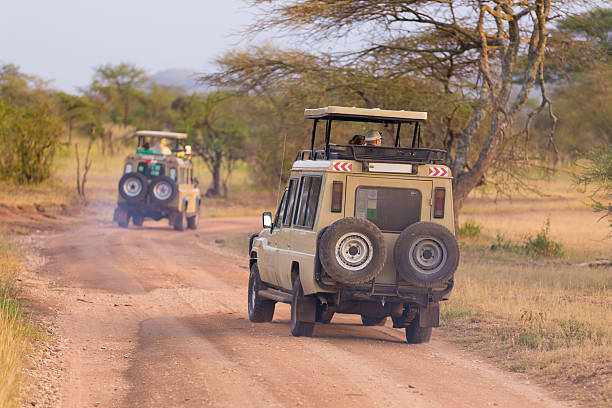
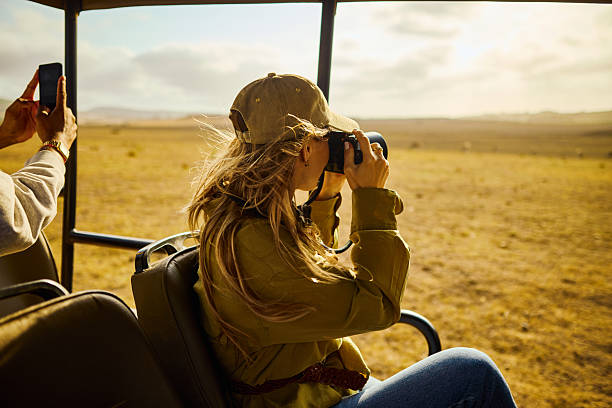
Your Essential Guide to the Best Time to Visit Udzungwa Mountains
The Udzungwa Mountains National Park, a jewel in Tanzania’s Southern Circuit, offers a unique escape for nature lovers and adventurers. Unlike many Tanzanian destinations focused on savannah safaris, Udzungwa is characterized by its pristine, ancient rainforests, dramatic escarpments, and incredible biodiversity, particularly its endemic species. For travelers seeking an experience beyond the typical safari, understanding the best time to visit Udzungwa Mountains is crucial for a rewarding adventure. This guide provides an in-depth look at the seasons, activities, and planning considerations to help you make the most of your 2026-2027 trip.
Udzungwa Mountains Quick Facts
| Location: | Tanzania, Southern Highlands, near Ifakara |
| Key Features: | Primary rainforest, montane forest, unique biodiversity, waterfalls, hiking trails |
| Main Activities: | Hiking, birdwatching, primate spotting, waterfall visits, nature photography |
| Accessibility: | Accessible via road from Morogoro or Iringa, nearest airport is Mufindi (limited flights) or Kilombero airstrip. Often combined with Ruaha or Mikumi National Parks. |
| Terrain: | Steep, mountainous, dense forest, can be muddy and slippery. |
| Best Time to Visit: | June to October (dry season), December to February (short dry spells) |
Why Udzungwa Mountains Deserves a Spot on Your Itinerary
Udzungwa is a biological hotspot, part of the Eastern Arc Mountains, recognized for its high levels of endemism. This means you can find species here that exist nowhere else on Earth. It’s a walker’s paradise, offering a different perspective on Tanzania’s natural beauty. Instead of vast plains, imagine trekking through lush forests, crossing streams, and reaching viewpoints that reveal stunning panoramas. The park is home to iconic waterfalls like Sanje and Luhombero, providing refreshing spots and spectacular photo opportunities. For birdwatchers, it’s a dream destination, and primate enthusiasts can spot unique species like the Udzungwa red colobus monkey.
Choosing the right time to visit significantly impacts your experience. The weather dictates the ease of hiking, the visibility of wildlife, and the overall comfort of your journey. Understanding the local climate patterns is the first step to planning a successful trip to this extraordinary natural reserve.
Udzungwa Mountains Seasonal Overview
| Season | Months | Weather Conditions | Pros | Cons | Best For |
|---|---|---|---|---|---|
| Long Dry Season | June – October | Sunny days, cool nights, low humidity, minimal rainfall. | Ideal hiking conditions, clear skies, easier trail navigation, good for photography. | Can be cooler at higher altitudes, peak tourist season (though still uncrowded compared to other parks). | Hiking, waterfall visits, birdwatching, primate spotting, general exploration. |
| Short Rains | November – December | Intermittent showers, can be humid. | Lush landscapes, fewer visitors, potential for migratory bird sightings. | Trails can become muddy and slippery, some rain may disrupt hiking plans. | Birdwatching, experiencing the forest in its vibrant green state. |
| Long Rains | January – April | Heavy and consistent rainfall, high humidity, overcast skies. | Very lush scenery, waterfalls are at their most powerful, lowest visitor numbers. | Extremely challenging hiking conditions, trails can be impassable, limited wildlife visibility due to dense foliage, potential for transport disruptions. | Dedicated botanists or researchers; generally not recommended for typical tourism. |
| Short Dry Season | May | Transition month, can have lingering rains early on, clearing by end of month. | Fewer crowds, landscapes begin to recover, potentially good prices. | Weather can be unpredictable, trails may still be wet. | Budget travelers, those seeking solitude. |
| Second Short Dry Season | December – February (often overlaps with Short Rains) | Often includes dry spells amidst the rainy season, can be hot and humid. | Can offer windows of good weather for hiking, lush scenery from earlier rains. | Rain is still a significant factor, trails can be wet, humidity can be high. | Flexible travelers looking for a mix of conditions. |
Understanding the Seasons for Your Udzungwa Trip
Tanzania experiences distinct wet and dry seasons, and Udzungwa Mountains National Park is no exception. The best time to visit hinges on your priorities, whether it’s ease of trekking, wildlife encounters, or simply enjoying pleasant weather.
The Dry Season: June to October
This period is widely considered the best time to visit Udzungwa Mountains for most travelers. The weather is characterized by sunny days, low humidity, and minimal rainfall. Temperatures are pleasant, though they can be cooler at higher elevations, especially in the mornings and evenings.
- Hiking Conditions: Trails are generally dry and less slippery, making hiking significantly easier and safer. You can cover more ground and enjoy the treks without the constant concern of mud and rain.
- Wildlife Viewing: While Udzungwa is not primarily a wildlife-viewing destination in the same vein as Serengeti or Masai Mara, the drier conditions can make spotting primates and birds slightly easier as they may venture closer to paths.
- Waterfalls: The waterfalls are still impressive, though they may not be at their absolute peak flow compared to the rainy season.
- Photography: Clear skies provide excellent lighting conditions for capturing the lush forest scenery and dramatic landscapes.
This is also a popular time for international travel to Tanzania, so while Udzungwa remains less crowded than other parks, booking accommodations and guides in advance for 2026 or 2027 is advisable.
The Transition Periods: December to February & November to December
These months represent a mixed bag of weather, often referred to as the short rainy season or the period with short dry spells. December to February can experience significant rainfall, but often in the form of afternoon thunderstorms rather than all-day downpours. November and December are transitional, with increasing chances of rain as the year progresses.
- Pros: The landscapes are incredibly vibrant and green due to recent rains. Waterfalls are usually flowing well. Visitor numbers are typically lower than in the main dry season.
- Cons: Trails can become muddy and challenging. Humidity levels rise. Rain showers can interrupt planned activities.
- Traveler Type: This period can suit flexible travelers who don’t mind occasional rain and are looking for a more serene experience. Birdwatchers might find it rewarding due to the lush environment.
The Long Rains: January to April
This is the wettest period in Udzungwa Mountains National Park. Expect heavy, persistent rainfall, high humidity, and overcast skies. While the rainforest thrives under these conditions, making it exceptionally green and vibrant, it presents significant challenges for visitors.
- Hiking: Trails can become waterlogged, extremely muddy, and potentially dangerous. Some paths might even become impassable due to landslides or flooded streams.
- Wildlife: Dense foliage can obscure views, and animals may retreat deeper into the forest.
- Accessibility: Road conditions leading to the park can deteriorate, potentially causing travel delays or disruptions.
- Recommendation: Generally, this period is not recommended for typical tourism in Udzungwa. It is best suited for researchers or those with a specific interest in experiencing the rainforest at its most intense and are prepared for challenging conditions.
A Note on May: The Shoulder Month
May is a transition month as the long rains begin to subside. You might experience lingering showers early in the month, but by late May, the weather typically starts to clear. This can be a good time for budget-conscious travelers or those seeking fewer crowds. However, trails may still be wet and muddy, so preparedness is key.
Planning Your Udzungwa Adventure for 2026-2027
When planning your visit, especially for future years like 2026 and 2027, consider how the best time to visit Udzungwa Mountains aligns with your overall Tanzania itinerary. Udzungwa is often combined with other Southern Circuit parks like Ruaha or Mikumi, or even with a Zanzibar beach holiday.
Udzungwa Travel Planning Checklist
| Research & Inspiration: | Understand Udzungwa’s unique ecosystem, activities, and best times to visit. |
| Define Your Interests: | Are you primarily interested in hiking, birding, specific waterfalls, or a combination? |
| Choose Your Dates: | Select the best time based on your priorities (e.g., June-Oct for dry, easy hiking). |
| Select a Tour Operator: | Choose a reputable operator experienced in Udzungwa and Tanzania. |
| Book Flights: | International flights to Kilimanjaro (JRO) or Zanzibar (ZNZ), then domestic connections. |
| Arrange Internal Transfers: | Flights or road transport to reach the Udzungwa region. |
| Book Accommodation: | Lodges or campsites near the park entrances. |
| Secure Permits & Guides: | Essential for park entry and trekking. Often handled by tour operators. |
| Pack Appropriately: | Rain gear, sturdy hiking boots, insect repellent, sun protection, layers. |
| Health Precautions: | Consult your doctor about vaccinations and malaria prophylaxis. |
| Visa Requirements: | Check Tanzania’s visa policy for your nationality. |
| Travel Insurance: | Ensure comprehensive coverage for trekking and medical emergencies. |
Sample Udzungwa Itinerary Logic
Most visits to Udzungwa involve a combination of hiking to viewpoints and waterfalls. A typical itinerary focuses on the main access points, primarily the Mwanihana National Park Headquarters area near Mang’ula.
Day 1: Arrival and Preparation
- Arrive in Dar es Salaam or Kilimanjaro International Airport (JRO).
- Transfer to your accommodation in Morogoro or Ifakara, depending on your entry point.
- Meet with your guide to discuss the itinerary, safety briefing, and final preparations.
- Overnight in Morogoro/Ifakara.
Day 2: Udzungwa Forest Camp and Waterfall Hike
- Morning transfer to the Udzungwa Mountains National Park Headquarters (near Mang’ula).
- Register and meet your park ranger/guide.
- Begin the hike towards the stunning Sanje Waterfall. This is a popular, moderately challenging trek.
- The trail takes you through diverse forest types, offering opportunities to spot primates and unique flora.
- Reach the first, second, and third tiers of Sanje Waterfall. Enjoy a picnic lunch with breathtaking views.
- Descend back to the park headquarters.
- Overnight at a lodge or campsite near Mang’ula or in Ifakara.
Day 3: Primate Trekking or Longer Hike
- Option 1: Hike to the Udzungwa Red Colobus Monkey viewpoint. This is a shorter, less strenuous trek focused on spotting this endemic species.
- Option 2: Undertake a more challenging hike towards the Lumemo or Luhombero waterfalls, which requires a full day and a higher level of fitness.
- Alternatively, explore the Kihansi Falls area (note: access can sometimes be restricted due to conservation efforts).
- Return to your accommodation.
Day 4: Departure or Extension
- Enjoy a final breakfast amidst the sounds of nature.
- Transfer back to Morogoro, Iringa, or your next destination.
- Possible onward travel to Mikumi National Park for a safari experience or to Zanzibar for relaxation.
Key Trails and What to Expect
The most popular trails originate from the park headquarters near Mang’ula.
- Sanje Waterfall Trail: This is the most common trek. It’s a steep, steady climb that takes about 2-3 hours to reach the top of the falls. The trail passes through primary rainforest and offers incredible views. The falls themselves cascade over 100 meters. You’ll likely encounter various monkeys and birds along the way. The trail can be muddy, especially after rain.
- Prince Bernhard’s Trail (to Lumemo Waterfall): A more strenuous, full-day hike that leads to Lumemo Waterfall. This trek is longer and more challenging, requiring good fitness.
- Mwanihana Peak Trail: For serious trekkers, this is a multi-day expedition to the second-highest peak in Udzungwa. This requires extensive preparation, camping gear, and experienced guides.
- Red Colobus Monkey Trail: A shorter, easier walk focused on spotting the rare Udzungwa red colobus monkey.
What to Pack for Udzungwa
Given the rainforest environment and the nature of the activities, packing appropriately is essential for comfort and safety. Layering is key.
- Sturdy Hiking Boots: Waterproof and with good grip are a must. Ensure they are broken in.
- Lightweight, Quick-Dry Trousers and Shirts: Long sleeves and trousers protect against insects, scratches, and the sun.
- Waterproof Rain Jacket and Trousers: Essential, even in the dry season, as light showers can occur.
- Warm Layers: Fleece jacket or sweater for cooler mornings and evenings, especially at higher altitudes.
- Insect Repellent: With a high DEET concentration for mosquitoes and other biting insects.
- Sun Protection: Sunscreen, wide-brimmed hat, sunglasses.
- Reusable Water Bottle or Hydration Pack: Staying hydrated is crucial.
- Basic First-Aid Kit: Including blister treatment, pain relievers, and any personal medications.
- Camera and Binoculars: For capturing the scenery and wildlife.
- Small Backpack: For day hikes to carry water, snacks, and rain gear.
- Headlamp or Flashlight: Useful for early mornings or evenings.
- Trekking Poles: Highly recommended for stability on slippery or steep trails.
Common Mistakes to Avoid
Many visitors make small errors that can detract from their experience. Knowing these in advance can help you avoid them.
- Underestimating the Terrain: Udzungwa is mountainous. Trails are often steep and can be very slippery, especially during or after the rainy season. Don’t assume it’s a casual walk.
- Not Packing Adequate Rain Gear: Even during the dry season, unexpected showers can occur in a rainforest environment.
- Wearing Inappropriate Footwear: Sneakers or casual shoes are not suitable. You need sturdy hiking boots with good ankle support and grip.
- Forgetting Insect Repellent: Mosquitoes and other biting insects are present, particularly near water sources and in the evenings.
- Not Hiring a Local Guide: Guides are mandatory for park entry and trekking. They are invaluable for navigation, safety, spotting wildlife, and understanding the local ecology.
- Overpacking: While you need essentials, avoid carrying excessively heavy loads, as this will make hiking more difficult.
- Ignoring Health Advice: Consult your doctor about necessary vaccinations and malaria prevention well in advance of your trip.
- Trying to See Too Much: Udzungwa is best enjoyed at a moderate pace. Rushing through hikes can be exhausting and less enjoyable.
Who is Udzungwa Mountains Best For?
Udzungwa is not a typical safari destination, so it appeals to a specific type of traveler. It’s an excellent addition to a Tanzania itinerary for those who:
- Love Hiking and Trekking: The primary draw is the network of trails through pristine forests.
- Are Interested in Biodiversity and Endemism: Udzungwa is a hotspot for unique plants, insects, and primates.
- Are Birdwatchers: The diverse habitats support a wide array of bird species, including many endemics.
- Seek a Different Tanzanian Experience: If you want to see Tanzania beyond the savannah and iconic wildlife, Udzungwa offers a refreshing contrast.
- Are Physically Fit: While there are easier walks, many of the rewarding hikes involve steep ascents and descents.
- Appreciate Nature and Serenity: It’s a place to connect with nature in a less crowded, more intimate setting.
It may not be ideal for travelers with significant mobility issues or those who are only interested in easily accessible viewpoints and minimal physical exertion.
Alternatives to Udzungwa Mountains
While Udzungwa is unique, other destinations in Tanzania offer different but equally compelling natural experiences.
Udzungwa vs. Other Tanzanian Natural Attractions
| Destination | Primary Appeal | Best Time to Visit | Activities | Terrain |
|---|---|---|---|---|
| Udzungwa Mountains | Rainforest hiking, endemic species, waterfalls | June-Oct (dry) | Hiking, birdwatching, primate spotting | Steep, muddy, forested mountains |
| Mount Kilimanjaro | Africa’s highest peak, challenging trek | Jan-Mar & Jun-Oct (dry seasons) | Trekking, mountaineering | High-altitude, varied climates, rugged paths |
| Mahale Mountains National Park | Chimpanzee trekking, pristine beaches on Lake Tanganyika | June-Oct & Dec-Feb (dry seasons) | Chimpanzee tracking, hiking, boat trips, swimming | Steep, forested mountains, lake shores |
| Gombe Stream National Park | Chimpanzee research, rugged coastline on Lake Tanganyika | June-Oct & Dec-Feb (dry seasons) | Chimpanzee tracking, hiking, birdwatching | Steep, forested hillsides, lake shores |
| Ruaha National Park | Wild, remote safari, large elephant and lion populations | June-Oct (dry season for best game viewing) | Game drives, walking safaris | Savannah, rocky hills, riverbeds |
Planning Your Udzungwa Trip for 2026-2027
Booking your trip to Udzungwa for 2026 or 2027 requires thoughtful planning, especially if you’re combining it with other Tanzanian destinations. Early booking is recommended, particularly for the peak dry season.
When to Book
- 12+ Months in Advance: For peak season travel (June-October 2026/2027), especially if you have specific accommodation preferences or are traveling during holidays.
- 6-9 Months in Advance: For the shoulder seasons or if you are flexible with accommodation. This is generally a good timeframe for most travel plans.
- 3-6 Months in Advance: For travel during the less popular rainy season, though booking still ensures guide availability and avoids last-minute rushes.
Choosing a Tour Operator
A reliable tour operator is essential for navigating the logistics of visiting Udzungwa. They will handle park permits, guide arrangements, accommodation, and internal transfers. Look for operators with specific experience in the Southern Circuit and Udzungwa Mountains.
Top Guide Adventures is a local Tanzanian tour operator specializing in custom safari, Kilimanjaro treks, Zanzibar holidays, and unique adventure experiences. They have in-depth knowledge of Udzungwa Mountains National Park and can tailor an itinerary to your specific interests and fitness levels. They ensure you have experienced guides and understand the local conditions.
Travel Styles and Budget Considerations
Udzungwa can cater to various travel styles, from budget-conscious backpackers to those seeking more comfort.
- Budget Travel: Camping within or near the park can significantly reduce costs. Using public transport to reach nearby towns and arranging day trips with local guides is also an option, though this requires more self-sufficiency.
- Mid-Range Travel: Staying in comfortable lodges or tented camps outside the park and booking guided day treks through a reputable operator offers a good balance of comfort and value.
- Luxury Travel: While true luxury lodges are scarce directly within Udzungwa, you can arrange higher-end accommodation in nearby towns like Mikumi or Iringa and opt for private guided experiences. Focus on exclusive guiding services and comfortable transfers.
The cost of visiting Udzungwa is primarily driven by park entry fees, guide fees, accommodation, and transportation. Hiking fees are usually per day per person.
Frequently Asked Questions About Udzungwa Mountains
When is the absolute best time to visit Udzungwa Mountains for hiking?
The period from June to October is widely considered the best time to visit Udzungwa Mountains for hiking. During these months, the long dry season brings sunny days, lower humidity, and significantly less rainfall, making the trails less slippery and more enjoyable to traverse. Clear skies also offer better visibility for the stunning forest landscapes.
Can I visit Udzungwa Mountains during the rainy season?
Visiting during the rainy season (January to April) is possible but not recommended for most tourists. The trails can become extremely muddy, slippery, and potentially impassable, posing safety risks. Heavy rains can also disrupt travel plans and limit wildlife visibility. However, if you are an experienced trekker prepared for challenging conditions and are seeking lush scenery with very few other visitors, it might be considered.
What kind of wildlife can I expect to see in Udzungwa?
Udzungwa Mountains National Park is a biodiversity hotspot, particularly known for its endemic primates, such as the Udzungwa red colobus and the Matupi colobus. You can also spot various other monkeys, diverse birdlife (including many endemic species), insects, and small mammals. It’s not a destination for spotting large savannah animals like lions or elephants; its wildlife is more about unique forest dwellers.
Do I need a guide to hike in Udzungwa?
Yes, hiring a local guide is mandatory for all hiking activities within Udzungwa Mountains National Park. Park rangers are also often stationed at trailheads. Guides are essential for navigation, safety, understanding the local flora and fauna, and ensuring you adhere to park regulations. Your tour operator will arrange this for you.
What are the main hiking trails in Udzungwa?
The most popular trail leads to Sanje Waterfall, offering impressive views and a moderate challenge. Other notable trails include the Prince Bernhard’s Trail to Lumemo Waterfall (more strenuous) and shorter walks focused on primate spotting. For experienced trekkers, there are multi-day routes to peaks like Mwanihana.
How difficult are the hikes in Udzungwa?
The difficulty varies. The hike to Sanje Waterfall is moderately challenging due to its steepness and potential for muddy sections. Other trails can range from easy walks to very strenuous, multi-day treks. It’s important to be honest about your fitness level when planning your hikes.
What should I pack for a trip to Udzungwa Mountains?
Essential items include sturdy, waterproof hiking boots; quick-drying, long-sleeved clothing; a good waterproof rain jacket and trousers; warm layers for cooler evenings; insect repellent; sun protection (hat, sunscreen); a reusable water bottle; and a basic first-aid kit. Trekking poles are highly recommended.
Can I combine Udzungwa with other destinations in Tanzania?
Absolutely. Udzungwa is often combined with safaris in nearby Southern Circuit parks like Mikumi and Ruaha. It can also be a great addition to a trip that includes Mount Kilimanjaro or a beach holiday in Zanzibar. Planning your logistics with a tour operator is key for seamless transitions.
What is the best time to visit Udzungwa Mountains for birdwatching?
While birdwatching is good year-round, the transitional periods and the early part of the dry season (June to October) can be excellent. The lush vegetation after rains can attract migratory birds, and the drier conditions make them easier to spot. The diverse forest habitats within Udzungwa are a magnet for endemic and migratory species.
Are there any safety concerns for visitors to Udzungwa?
The primary safety concerns relate to the hiking conditions: steep, slippery trails and potential for falls. Following your guide’s instructions, wearing appropriate footwear, and using trekking poles are crucial. Malaria is present in Tanzania, so take precautions. Always ensure you have adequate travel insurance that covers trekking activities.
What are the accommodation options near Udzungwa?
Accommodation options range from basic campsites within the park or nearby to lodges and guesthouses in towns like Mang’ula, Ifakara, or further afield in Morogoro and Iringa. The quality and availability can vary, so booking in advance, especially for 2026-2027, is recommended.
Is Udzungwa suitable for family travel?
Udzungwa can be suitable for families with older children who are fit and enjoy hiking. The Sanje Waterfall trail, while steep, is manageable for active families. Shorter, easier walks focused on primate spotting might be more appropriate for younger children. It’s less suitable for very young children or those with limited mobility.
Book Your Udzungwa Adventure with Experts
Choosing the best time to visit Udzungwa Mountains is your first step towards an unforgettable experience. Whether you dream of trekking through ancient rainforests, spotting rare primates, or standing by majestic waterfalls, Udzungwa offers a unique natural spectacle. For seamless planning and an authentic local experience, partner with a trusted tour operator.
Top Guide Adventures is dedicated to crafting personalized Tanzanian adventures. We have extensive knowledge of Udzungwa Mountains National Park and can help you plan the perfect trip for 2026-2027, ensuring you experience the best of what this incredible destination has to offer, no matter your interests or fitness level. Let us handle the details so you can focus on the adventure.
Contact us today to start planning your Udzungwa journey:
- WhatsApp: +255616946642
- Email: topguideadventures@gmail.com
- Backup Email: info@topguideadventures.com
Let’s create your dream Udzungwa adventure!
Plan your Best Time to Visit Udzungwa Mountains with Top Guide Adventures
Tell us your travel dates, group size, comfort level, and dream experience. We will help you shape a clear, realistic, and memorable Tanzania itinerary.







 Veedesigner
 Fatma Kizanga
 Benjamin Waryuba
 Philip Philip
 John jr Itaja
 Antonia Optatus
 Edith Kanyere
 Neema Iddy
 Kelvin Boniphace
 Damari Maiga



