
Updated planning guide for 2026-2027
Kondoa Rock Art Sites Guide: Complete 2026-2027
Discover the ancient wonders of Tanzania's Kondoa Rock Art Sites. This guide provides essential information for planning your visit to this UNESCO World Heritage site, covering history, best times to visit, and practical travel advice for 2026-2027.
WhatsApp +255616946642 | topguideadventures@gmail.com | info@topguideadventures.com
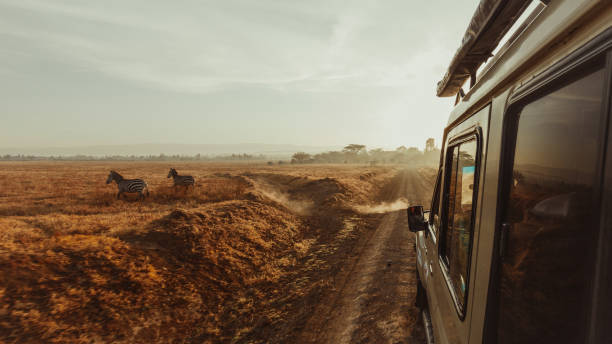

Kondoa Rock Art Sites: Your Essential Tanzania Travel Guide
The Kondoa Rock Art Sites in Tanzania offer a profound glimpse into the continent’s ancient past. This UNESCO World Heritage site, located in the Kondoa District of the Dodoma Region, preserves one of the richest concentrations of rock art in Africa, with paintings dating back thousands of years. For travelers seeking cultural immersion and a connection to human history, a visit to Kondoa is an unparalleled experience. This guide will equip you with everything you need to plan an insightful and memorable journey to these remarkable sites for your 2026 or 2027 travels.
Understanding the significance and logistics of visiting Kondoa is key to appreciating its value. These are not just ancient drawings; they are narratives of hunter-gatherer societies, their beliefs, rituals, and daily lives, offering a direct link to human evolution and expression. As a leading Tanzania tour operator, we are dedicated to helping you explore these treasures responsibly and thoroughly.
Table of Contents
- Quick Facts About Kondoa Rock Art Sites
- What Are the Kondoa Rock Art Sites?
- Why Visit the Kondoa Rock Art Sites?
- Best Time to Visit Kondoa Rock Art Sites
- Location and Access: Getting to Kondoa
- Exploring the Key Rock Art Sites
- What to Expect During Your Visit
- Sample Itinerary: Kondoa Rock Art Exploration
- Planning Your Kondoa Rock Art Trip
- Packing Essentials for Kondoa
- Common Mistakes to Avoid
- Who Should Visit the Kondoa Rock Art Sites?
- Alternatives to Kondoa Rock Art Sites
- 2026-2027 Planning Considerations
- Booking Your Kondoa Rock Art Tour
- Frequently Asked Questions (FAQs)
Quick Facts About Kondoa Rock Art Sites
| Aspect | Details |
|---|---|
| Location | Kondoa District, Dodoma Region, Tanzania |
| UNESCO Status | World Heritage Site since 2006 |
| Significance | One of Africa’s richest rock art concentrations, spanning over 10,000 years. |
| Art Styles | Hunter-gatherer (ancient), Agro-pastoralist (later) |
| Key Themes | Animals, human figures, abstract symbols, daily life, rituals. |
| Accessibility | Requires guided tours; some sites involve hiking. |
| Nearest Major Town | Kondoa Town |
| Travel Time from Dodoma | Approx. 2-3 hours by road |
| Travel Time from Arusha/Dar es Salaam | Longer journeys, often combined with other destinations. |
What Are the Kondoa Rock Art Sites?
The Kondoa Rock Art Sites are a collection of over 150 rock shelters and caves scattered across a rugged landscape, featuring an extraordinary array of prehistoric paintings. These sites are recognized globally for their immense cultural and historical value, offering a unique window into the lives of early human inhabitants of this region. The art is broadly divided into two main styles:
- Ancient Hunter-Gatherer Art: Characterized by red and white ochre pigments, these paintings often depict animals, hunting scenes, and abstract symbols. They are typically found in deeper shelters and are believed to be among the oldest, possibly dating back as far as 10,000 years or more.
- Later Agro-Pastoralist Art: These paintings, often appearing later in time, are more figurative and depict human activities, domestic animals, and social events. They show a progression in artistic style and subject matter, reflecting changes in society.
The sheer scale and diversity of the art, combined with its exceptional preservation, make Kondoa a vital archaeological and anthropological treasure. The area’s landscape, with its escarpments and rock formations, provides a dramatic backdrop to these ancient galleries.
Why Visit the Kondoa Rock Art Sites?
Visiting the Kondoa Rock Art Sites is an opportunity to connect with humanity’s distant past in a tangible way. It’s an experience that resonates deeply for several reasons:
- Unrivaled Historical Insight: These paintings are primary source documents of prehistoric life in East Africa. They provide invaluable information about the fauna of the region over millennia, the tools and techniques used by ancient peoples, their social structures, and their spiritual beliefs.
- Artistic Masterpieces: The skill and artistry displayed in the paintings are remarkable. The dynamic depictions of animals, the careful composition of scenes, and the symbolic representations demonstrate a sophisticated understanding of form and expression.
- UNESCO World Heritage Status: Recognition as a World Heritage site underscores the universal value of Kondoa. It means the site is considered to be of outstanding universal value to humanity and is protected for future generations.
- Off-the-Beaten-Path Adventure: While Tanzania is famous for its safaris and Kilimanjaro climbs, Kondoa offers a different kind of adventure – a journey into deep history and cultural heritage. It provides a unique perspective away from the more conventional tourist trails.
- Educational Experience: For those interested in archaeology, anthropology, art history, or simply the story of human development, Kondoa is an open-air museum offering profound learning opportunities.
Best Time to Visit Kondoa Rock Art Sites
The climate in the Kondoa region is generally semi-arid. The best time to visit is during the dry seasons when the weather is most pleasant for exploring the outdoor sites and the roads are in better condition. Tanzania experiences two dry seasons:
- June to October: This is the main dry season, characterized by cooler temperatures and very little rainfall. It’s an ideal time for walking and exploring the rock shelters without the discomfort of heat or rain.
- December to February: This is a shorter, warmer dry season. While still good for visiting, it can be hotter than the June-October period.
The rainy seasons (March-May and November) can bring heavy downpours, making some tracks difficult to navigate and potentially limiting access to certain sites. The landscape is greener during and immediately after the rains, which can be visually appealing, but practicality often favors the dry periods for this type of exploration.
Location and Access: Getting to Kondoa
The Kondoa Rock Art Sites are spread across a significant area, primarily concentrated around the town of Kondoa. Getting there typically involves a combination of travel methods:
- From Arusha: The journey from Arusha usually involves a drive south towards Dodoma, then turning off towards Kondoa. This is a substantial drive, often taking a full day or requiring an overnight stop en route. It can be combined with safaris in northern Tanzania.
- From Dar es Salaam: Similar to Arusha, it’s a long drive, typically heading towards Dodoma and then Kondoa. This route is also best broken up.
- From Dodoma: The capital city, Dodoma, is the closest major urban center. The drive from Dodoma to Kondoa town takes approximately 2 to 3 hours on a paved road, making it a more manageable starting point.
Road Conditions: While the main road to Kondoa town is generally paved, access to the actual rock art sites often involves driving on unpaved tracks, especially in more remote areas. A sturdy 4×4 vehicle is highly recommended, particularly during or just after the rainy seasons.
Local Guides: It is essential to engage local guides who are knowledgeable about the sites and can navigate the terrain safely. These guides are often employed by the Tanzania Tourist Board or local communities and are crucial for understanding the art and its context. Your tour operator will arrange these for you.
Exploring the Key Rock Art Sites
The Kondoa region boasts numerous rock shelters, but several are particularly significant and accessible for visitors. Your guide will help you select the most relevant sites based on your interests and time, but some of the most renowned include:
- Kolo (Kolo-Kolo): This is one of the most famous and accessible clusters of rock art. The shelters here contain a rich variety of paintings, including many depicting animals and human figures. The site’s layout allows for relatively easy exploration.
- Amak’ombe: Known for its clear and well-preserved paintings, this site offers detailed imagery that tells stories of the past.
- Majimoto: This site is noted for its unique artistic styles and the quality of its preservation, providing further insights into the evolution of rock art in the region.
- Other Sites: Many other shelters exist, some more remote and requiring more strenuous hiking. These might include sites with more abstract or less discernible art, but which hold significant archaeological importance.
The exploration typically involves short hikes from where the vehicle can reach the vicinity of the shelters. The guides will point out specific paintings, explain their possible meanings, and provide historical context.
What to Expect During Your Visit
A visit to the Kondoa Rock Art Sites is an immersive experience, different from a typical safari or beach holiday. Here’s what you can generally expect:
- Guided Exploration: You will always be accompanied by a local guide. They are essential for locating the sites, interpreting the art, and ensuring your safety.
- Walking and Hiking: While some sites are easily accessible, others require walking over uneven terrain, climbing short, steep paths, or navigating rocky areas. Comfortable walking shoes are a must.
- Environmental Conditions: The climate can be hot, especially during midday. You’ll be exposed to the elements, so sun protection is vital. Water is crucial.
- Art Interpretation: The guides will explain the significance of the paintings, their age, the pigments used, and the theories behind their creation. It’s a journey of discovery, and open-mindedness is key as many interpretations are based on archaeological evidence and local knowledge.
- Cultural Sensitivity: You are visiting sites of immense cultural importance. Respectful behavior is paramount. Follow your guide’s instructions regarding where to walk and what not to touch.
- Basic Facilities: Expect very basic facilities. There are no large visitor centers or amenities at the individual sites. The focus is on the natural and historical environment.
Sample Itinerary: Kondoa Rock Art Exploration
This sample itinerary assumes you are starting from Dodoma or a nearby location. It can be adapted and extended as part of a larger Tanzania tour.
| Day | Morning | Afternoon | Evening |
|---|---|---|---|
| Day 1: Travel to Kondoa & First Site Visit | Depart from Dodoma after breakfast in a 4×4 vehicle. Drive towards Kondoa town (approx. 2-3 hours). Meet your local guide in Kondoa. | Drive to the Kolo rock art sites. Guided exploration of selected shelters, learning about the ancient hunter-gatherer art. Enjoy a packed lunch amidst the scenery. | Check into your accommodation near Kondoa. Relax and discuss the day’s discoveries. |
| Day 2: Deeper Exploration & Agro-Pastoral Art | After breakfast, drive to another cluster of sites, such as Amak’ombe or Majimoto. Focus on exploring shelters with later agro-pastoralist art and understanding the transition in styles. | Continue exploring sites, perhaps including a short hike to a more secluded shelter. Learn about the environmental context and the significance of the rock art for local communities today. Enjoy a picnic lunch. | Return to your accommodation. Optional: Visit Kondoa town for a brief cultural insight or souvenir shopping if available. |
| Day 3: Further Sites & Departure | Visit any remaining key sites or explore a different area based on your guide’s recommendation and your interests. This could involve a more significant hike to a less-visited but important shelter. | Enjoy a final guided walk and reflection at a chosen site. Have lunch. Begin your journey back to Dodoma or your next destination. | Arrive at your next destination (e.g., Dodoma) in the late afternoon or evening. |
Note: This is a sample and can be customized. For those coming from Arusha or Dar es Salaam, Day 1 would involve significant travel time to reach Kondoa. It can be integrated into a longer cultural tour of central Tanzania.
Planning Your Kondoa Rock Art Trip
Successful planning is crucial for an enriching visit to Kondoa. Consider these aspects:
- Duration: A minimum of 2 full days dedicated to the art sites is recommended to see a representative selection. If traveling from afar, add travel days.
- Transportation: A 4×4 vehicle is almost essential for navigating the tracks to the sites. Ensure your tour operator provides a reliable vehicle and experienced driver.
- Accommodation: Options near Kondoa town are limited, often consisting of basic guesthouses or lodges. For a more comfortable experience, you might need to stay further afield or opt for a well-equipped mobile camp if arranged by your tour operator.
- Guides: Booking through a reputable tour operator ensures you have qualified local guides who are government-licensed and knowledgeable.
- Combination Trips: Kondoa is often combined with other destinations in Tanzania. It can be a stopover on a route between northern safari parks (like Tarangire, Lake Manyara) and southern parks (like Ruaha), or as part of a cultural circuit including areas like Lake Eyasi.
Packing Essentials for Kondoa
Given the remote nature and outdoor focus, packing wisely is important:
- Clothing: Lightweight, breathable clothing suitable for warm weather. Long sleeves and trousers are recommended for sun protection and to guard against insects. A hat is essential.
- Footwear: Sturdy, comfortable walking shoes or hiking boots. Trainers are acceptable if you don’t anticipate strenuous hiking.
- Sun Protection: High SPF sunscreen, sunglasses, and a wide-brimmed hat.
- Insect Repellent: Especially for evenings, though less of an issue during dry, sunny days at exposed sites.
- Water Bottle: Staying hydrated is critical. Carry a reusable water bottle; your tour operator will ensure you have access to safe drinking water.
- Camera: To capture the stunning landscapes and, where permitted, the art (check guide’s advice on photography).
- Small Backpack: For carrying water, snacks, camera, and personal items during excursions.
- Personal First-Aid Kit: With any personal medications, basic pain relievers, and antiseptic wipes.
- Binoculars: Optional, for enjoying the expansive views.
Common Mistakes to Avoid
To ensure a smooth and respectful visit, be aware of these common pitfalls:
- Underestimating Travel Time: Kondoa is not easily accessible from major tourist hubs like Arusha or Dar es Salaam. Factor in significant travel time.
- Not Hiring a Local Guide: The sites are spread out and often unmarked. A guide is not just for interpretation but also for navigation and safety.
- Ignoring Sun Protection: The Tanzanian sun can be intense. Neglecting sun protection can lead to severe sunburn and heatstroke.
- Touching the Paintings: This is strictly forbidden and can cause irreparable damage to the ancient art. Always follow your guide’s instructions.
- Expecting Luxury Amenities: Accommodation and facilities in the Kondoa area are generally basic. Manage your expectations for comfort.
- Not Carrying Enough Water: Dehydration is a serious risk, especially during hikes. Always ensure you have ample water.
- Visiting During the Rainy Season: While possible, it can be challenging due to road conditions and potential site inaccessibility.
Who Should Visit the Kondoa Rock Art Sites?
The Kondoa Rock Art Sites are best suited for travelers who:
- Are interested in history, archaeology, and anthropology.
- Seek authentic cultural experiences away from mass tourism.
- Appreciate ancient art and human heritage.
- Are comfortable with basic facilities and more adventurous travel.
- Enjoy walking and light hiking in natural environments.
- Are planning a longer trip to Tanzania and want to explore beyond the typical safari circuit.
This destination is less ideal for travelers seeking luxury resorts, bustling nightlife, or quick, easy-to-access attractions. It requires a willingness to engage with a more remote and historically rich environment.
Alternatives to Kondoa Rock Art Sites
While Kondoa is unique, Tanzania offers other cultural and historical attractions. If Kondoa doesn’t fit your itinerary or interests, consider:
- Shanga (Arusha): A social enterprise employing people with disabilities, offering workshops and unique crafts. More contemporary and accessible.
- Hadza and Datoga cultural tours (near Lake Eyasi): These tours offer interactions with indigenous tribes, providing a living cultural experience, though not ancient art.
- Stone Town, Zanzibar: A UNESCO World Heritage site with rich Swahili and Omani history, architecture, and culture.
- Bagamoyo: A historic coastal town with a significant past as a trading port and a center for the slave trade, offering historical ruins and museums.
- Olduvai Gorge (Serengeti ecosystem): While primarily an archaeological site focused on early human fossils, it offers a glimpse into prehistoric human activity.
Each of these offers a different facet of Tanzania’s rich cultural and historical landscape. Kondoa remains distinct for its ancient rock art focus.
2026-2027 Planning Considerations
When planning your trip for 2026 or 2027, keep these forward-looking tips in mind:
- Book in Advance: As interest in unique cultural destinations grows, booking your tours and accommodation, especially for the peak dry seasons of 2026 and 2027, is advisable.
- Flexibility: While planning is key, maintain some flexibility. Road conditions can change, and local circumstances might require minor itinerary adjustments.
- Combine with Other Interests: Consider how Kondoa fits into a broader trip. It’s an excellent addition to a safari in the northern circuit or a journey through central Tanzania. Planning these combinations well in advance is crucial for logistics.
- Sustainability: Choose tour operators committed to responsible tourism, supporting local communities and conservation efforts around the Kondoa Rock Art Sites.
- Stay Informed: Check for any updates on site access, guide requirements, or local regulations closer to your travel dates for 2026-2027.
Booking Your Kondoa Rock Art Tour
Booking a tour to the Kondoa Rock Art Sites requires careful consideration to ensure a well-organized and enriching experience. As a dedicated Tanzania tour operator, we simplify this process for you.
Why Book with Us?
- Expertise: We have extensive experience in crafting custom itineraries that include cultural and historical sites like Kondoa.
- Local Knowledge: We work with trusted local guides and drivers who know the Kondoa region intimately.
- Logistics Management: We handle all the complexities of transportation (4×4 vehicles), accommodation, guide arrangements, and park/site fees.
- Customization: Whether you want to focus solely on the art sites or integrate them into a larger safari or cultural tour, we tailor the trip to your interests and budget.
- Support: We provide pre-trip information, 24/7 support during your journey, and ensure a safe and memorable adventure.
What to Expect When Booking:
- Inquiry: Contact us with your travel dates, interests, and any specific requirements for your 2026 or 2027 visit.
- Consultation: We will discuss your preferences, suggest suitable itineraries, and provide detailed information about the Kondoa Rock Art Sites.
- Customized Itinerary & Quote: We will then send you a detailed, personalized itinerary and a transparent quote.
- Confirmation & Deposit: Once you approve the itinerary, a deposit will be required to secure your booking.
- Pre-Trip Preparation: We provide packing lists, essential information, and answer any last-minute questions before your departure.
Let us help you plan an unforgettable journey to the Kondoa Rock Art Sites. Contact us today to start creating your personalized adventure.
WhatsApp: +255616946642
Email: topguideadventures@gmail.com
Backup Email: info@topguideadventures.com
Frequently Asked Questions (FAQs)
What are the Kondoa Rock Art Sites?
The Kondoa Rock Art Sites are a collection of over 150 rock shelters in Tanzania featuring ancient paintings that offer significant insights into prehistoric human life, culture, and environment in East Africa. They are a UNESCO World Heritage Site.
When is the best time to visit the Kondoa Rock Art Sites?
The best time to visit is during the dry seasons: June to October and December to February. These periods offer pleasant weather for exploration and better road conditions.
How do I get to the Kondoa Rock Art Sites?
Access is typically via a 4×4 vehicle. The closest major town is Kondoa, accessible from Dodoma (approx. 2-3 hours), Arusha, or Dar es Salaam (longer journeys). Local guides are essential for reaching and exploring the sites.
Do I need a guide to visit the Kondoa Rock Art Sites?
Yes, a local guide is mandatory. They are crucial for navigation, understanding the art, ensuring safety, and respecting the cultural significance of the sites. Tour operators will arrange this.
What is the art like?
The art consists of paintings in rock shelters, primarily in red and white ochre. They depict animals, human figures, hunting scenes, and abstract symbols, reflecting the lives of ancient hunter-gatherers and later agro-pastoralist communities.
Can I take photos of the rock art?
Photography is usually permitted for personal use, but it’s essential to ask your guide. Flash photography is often discouraged as it can potentially damage the pigments over time. Always follow guide instructions.
What kind of accommodation is available near Kondoa?
Accommodation options near Kondoa town are generally basic, ranging from simple guesthouses to modest lodges. For more comfortable stays, it’s best to discuss options with your tour operator, who might arrange higher-standard lodges or even mobile camping.
Is the Kondoa Rock Art Sites visit suitable for families with young children?
It can be suitable for families with older children who can appreciate the history and manage light hiking. However, the remote location, basic facilities, and need for quiet observation might make it less ideal for very young children.
What should I pack for a trip to Kondoa in 2026-2027?
Pack lightweight clothing, sturdy walking shoes, sun protection (hat, sunscreen, sunglasses), insect repellent, a reusable water bottle, and a small backpack. Comfortable clothing for warm weather is essential.
How much walking is involved?
The amount of walking varies. Some sites are easily accessible from the vehicle, while others require short to moderate hikes over uneven terrain. Your guide will assess suitability based on your fitness level.
Plan Your Visit to the Kondoa Rock Art Sites
The Kondoa Rock Art Sites are a remarkable testament to human creativity and history. Planning your visit with an experienced and reputable tour operator is key to a rewarding experience. We specialize in creating immersive cultural journeys across Tanzania, ensuring you have the knowledge, support, and logistics needed to explore this incredible UNESCO World Heritage Site. Let us help you discover the ancient stories etched in stone. Contact us to begin planning your unique Kondoa Rock Art Sites adventure for 2026-2027.
WhatsApp: +255616946642
Email: topguideadventures@gmail.com
Backup Email: info@topguideadventures.com
Plan your Kondoa Rock Art Sites Guide with Top Guide Adventures
Tell us your travel dates, group size, comfort level, and dream experience. We will help you shape a clear, realistic, and memorable Tanzania itinerary.







 Veedesigner
 Fatma Kizanga
 Benjamin Waryuba
 Philip Philip
 John jr Itaja
 Antonia Optatus
 Edith Kanyere
 Neema Iddy
 Kelvin Boniphace
 Damari Maiga



