
Updated planning guide for 2026-2027
Tanzania Unesco Sites: Kondoa Rock Paintings: Complete Guide 2026-2027
Explore the ancient wonders of Tanzania's Kondoa Rock Paintings, a UNESCO World Heritage site. This comprehensive guide details what to expect, how to plan your trip, and why this prehistoric art is a must-see for any traveler in 2026-2027.
WhatsApp +255616946642 | topguideadventures@gmail.com | info@topguideadventures.com
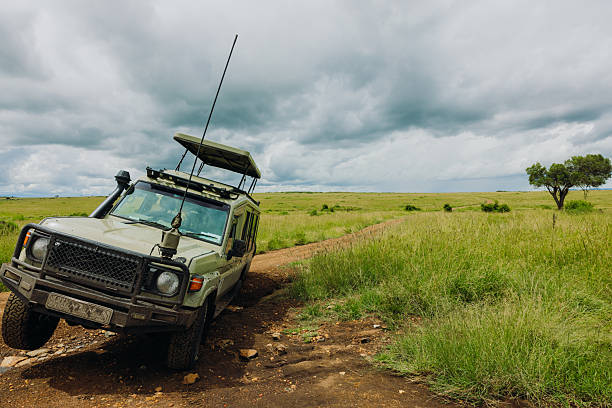

Kondoa Rock Paintings: Tanzania UNESCO Sites Essential Travel Guide 2026-2027
When considering the rich cultural heritage of Tanzania, many travelers immediately think of the vast plains of the Serengeti or the spice-scented islands of Zanzibar. However, nestled within the Dodoma Region lies a treasure of immense historical and artistic significance: the Kondoa Rock Paintings. Recognized as a UNESCO World Heritage site, this remarkable collection of ancient rock art offers a unique window into the lives, beliefs, and practices of early human inhabitants of this region. For travelers seeking a deeper understanding of Tanzania’s past and a journey beyond the typical safari circuit, exploring the Kondoa Rock Paintings is an unforgettable experience. This guide provides everything you need to plan your visit to this extraordinary site, including what to expect, the best times to go, and how to make the most of your cultural exploration in 2026-2027.
Quick Answers
What are the Kondoa Rock Paintings? They are a vast collection of prehistoric rock art, comprising over 150 sites with thousands of paintings, depicting human activities, animals, and abstract symbols, offering insights into ancient cultures.
Why are they a UNESCO World Heritage site? They are recognized for their outstanding universal value as a rare and exceptionally well-preserved record of human history and artistic expression spanning thousands of years.
Where are they located? In the Kondoa District of the Dodoma Region, central Tanzania.
What is the best way to visit? Typically, visits are arranged as part of a multi-day tour from Dodoma or Arusha, often combined with other cultural attractions or national parks.
When is the best time to visit? The dry seasons (June to October and December to February) offer the most comfortable weather for exploration.
Table of Contents
- Quick Facts about Kondoa Rock Paintings
- A Deeper Look at the Kondoa Rock Paintings
- Why Kondoa Rock Paintings Matter
- Best Time to Visit Kondoa Rock Paintings
- Location and Area Overview
- Sample Itinerary: Exploring Kondoa and Beyond
- What to Expect During Your Visit
- What to Pack and Prepare
- Common Mistakes to Avoid
- Who is Kondoa Rock Paintings Best Suited For?
- Alternatives to Kondoa Rock Paintings
- Planning Your Visit for 2026-2027
- Booking Your Kondoa Rock Paintings Tour
- Frequently Asked Questions
Quick Facts about Kondoa Rock Paintings
| Attribute | Details |
|---|---|
| Location | Kondoa District, Dodoma Region, Tanzania |
| UNESCO Status | World Heritage Site (inscribed 2006) |
| Art Period | Spans over 10,000 years, with paintings from different periods and cultures. |
| Number of Sites | Over 150 documented rock shelter sites. |
| Key Themes in Art | Human figures, animals (game and domestic), hunting scenes, rituals, social life, abstract patterns. |
| Primary Access Points | Kondoa town, accessible from Dodoma or Arusha. |
| Visiting Requirements | Guided tours are essential; local guides are mandatory for access and interpretation. |
| Accommodation | Basic guesthouses in Kondoa town; more options in Dodoma or Arusha. |
A Deeper Look at the Kondoa Rock Paintings
The Kondoa Rock Paintings are not a single cave or a small collection of artworks. Instead, they represent a vast archaeological landscape encompassing over 150 distinct rock shelter sites scattered across a significant area. These shelters, often found in sandstone hills and escarpments, contain thousands of individual paintings created over millennia. The art is characterized by its diverse styles, techniques, and thematic content, reflecting the evolution of human societies in this part of East Africa.
The paintings are primarily executed in red, yellow, and white ochre, applied to the rock surfaces. They depict a wide array of subjects, from detailed representations of local wildlife – including antelopes, giraffes, and elephants – to human figures engaged in activities such as hunting, dancing, and ceremonies. Some shelters feature abstract geometric patterns, while others show evidence of later artistic traditions, including depictions of domestic animals and even human-like figures with distinct cultural markers.
Archaeological research suggests that the earliest paintings could date back as far as 10,000 years, with subsequent layers and styles added by different cultural groups over subsequent millennia. This long continuity makes Kondoa an invaluable site for understanding prehistoric and historic human settlement, migration, and cultural development in Tanzania. The site’s recognition by UNESCO in 2006 underscores its global importance as a unique repository of human artistic and cultural heritage.
Why Kondoa Rock Paintings Matter
The Kondoa Rock Paintings are significant for several compelling reasons, making them a vital destination for those interested in history, art, and human origins:
- Prehistoric Record: They provide an unparalleled visual record of human life and environmental conditions in East Africa from the late Stone Age to the Iron Age and beyond. The paintings document the fauna that inhabited the region, the technologies used by ancient peoples, and their social and spiritual practices.
- Artistic Evolution: The layers of paintings within different shelters showcase the development of artistic styles and techniques over thousands of years. This allows for a study of how artistic expression has changed and adapted within a specific geographical context.
- Cultural Continuity and Change: The site illustrates the continuity of human settlement and cultural practices, as well as the changes brought about by new technologies, migrations, and societal structures. The presence of later paintings, some attributed to pastoralist groups, highlights this evolution.
- Spiritual and Social Insights: Many of the paintings are believed to have had ritualistic or spiritual significance. They offer clues about the belief systems, ceremonies, and social organization of the communities that created them, providing a tangible link to the intangible aspects of past lives.
- Rare Preservation: Unlike many rock art sites around the world, the Kondoa paintings are remarkably well-preserved due to the dry climate and the protective nature of the rock shelters. This preservation allows for detailed study and appreciation of the art’s original forms and colors.
- Tangible Heritage: As a UNESCO World Heritage site, Kondoa is recognized for its outstanding universal value. Its protection and promotion contribute to the global effort to preserve humanity’s shared cultural and natural heritage for future generations.
Best Time to Visit Kondoa Rock Paintings
Planning your visit during the optimal season will significantly enhance your experience. Tanzania’s climate is generally divided into dry and rainy seasons, and understanding these is key to comfortable travel.
| Season | Months | Pros | Cons | Suitability for Kondoa |
|---|---|---|---|---|
| Long Dry Season | June – October | Sunny, clear skies, cooler temperatures, less humidity. Ideal for walking and outdoor activities. | Can be very dry and dusty. Peak tourist season for other Tanzanian destinations. | Excellent. Comfortable for hiking to the sites and exploring. |
| Short Rains | November – December | Scenery becomes greener, temperatures can be pleasant. | Intermittent showers, can make some paths muddy. | Good. Usually manageable showers, but flexibility is needed. |
| Long Rains | March – May | Lush landscapes, fewer tourists. | Heavy and prolonged rainfall, can disrupt travel, make roads impassable, and increase humidity. | Challenging. Not ideal due to potential travel disruptions and uncomfortable conditions. |
| Short Dry Season | January – February | Warm, sunny days, often with brief showers in the afternoon. Good for photography. | Can be quite hot. | Very Good. Generally pleasant for exploration, though can be warm. |
Recommendation for 2026-2027: The Long Dry Season (June to October) and the Short Dry Season (January to February) are the most recommended periods for visiting the Kondoa Rock Paintings. These times offer the best weather for exploring the sites on foot, with minimal risk of rain interrupting your activities.
Location and Area Overview
The Kondoa Rock Paintings are situated in the Kondoa District, which is part of the Dodoma Region in central Tanzania. This region is characterized by its semi-arid landscape, featuring rolling hills, rocky outcrops, and savannah vegetation. The rock shelters themselves are typically found within sandstone formations that have been eroded over time, creating overhangs and cavities that provided natural protection for ancient artists.
Accessibility:
- From Dodoma: The capital city, Dodoma, is the closest major administrative center. The drive from Dodoma to Kondoa town is approximately 2-3 hours by road. From Kondoa town, local guides will take you to the various rock art sites.
- From Arusha: Arusha, a common starting point for many Tanzanian safaris and treks, is further away. The journey from Arusha to Kondoa town can take 5-7 hours by road, depending on road conditions. This makes it a longer day trip or more feasible as an overnight stop on a larger itinerary.
The Landscape: The areas around the rock art sites are often characterized by local villages, agricultural land, and natural bush. The walk to many of the shelters can involve some moderate hiking, often on dusty trails, through the scenic, rugged terrain. The shelters themselves are often nestled into hillsides, requiring a short climb to access.
Key Sites: While there are over 150 sites, some of the most frequently visited and significant include:
- Kolo: One of the most accessible areas, with several shelters containing well-preserved paintings.
- Mng’olia: Known for its particularly vivid and extensive artwork.
- Amak’waya: Features a diverse range of depictions.
Note: The exact locations and access routes are best managed by local guides who are familiar with the terrain and the significance of each site.
Sample Itinerary: Exploring Kondoa and Beyond
The Kondoa Rock Paintings are often visited as part of a broader cultural or overland tour in Tanzania. Here’s a sample itinerary that incorporates the site, offering a blend of cultural immersion and natural beauty. This example assumes starting from Arusha.
| Day | Location | Activities | Notes |
|---|---|---|---|
| Day 1 | Arusha to Kondoa Town | Morning departure from Arusha. Scenic drive through central Tanzania. Arrive in Kondoa town in the afternoon. Settle into accommodation. | Long travel day (approx. 5-7 hours). Option to stop at roadside markets. |
| Day 2 | Kondoa Rock Paintings Exploration | Full day guided tour of selected Kondoa Rock Painting sites (e.g., Kolo, Mng’olia). Learn about the art, history, and cultural significance from local guides. Packed lunch. | Requires moderate walking and hiking. Wear comfortable shoes and sun protection. |
| Day 3 | Kondoa to Dodoma / Cultural Visit | Morning visit to a local village or a community project near Kondoa. Drive to Dodoma (approx. 2-3 hours). Visit local markets or historical sites in Dodoma. Overnight in Dodoma. | Experience local life and understand the contemporary context of the region. |
| Day 4 | Dodoma to Tarangire National Park | Morning drive from Dodoma to Tarangire National Park (approx. 4-5 hours). Begin afternoon game drive in Tarangire, known for its large elephant herds and baobab trees. Overnight at lodge/camp near Tarangire. | Transition from cultural exploration to wildlife viewing. |
| Day 5 | Tarangire National Park | Full day game drives in Tarangire National Park. Explore different areas of the park, seeking out diverse wildlife. | Enjoy the unique landscapes and abundant wildlife. |
| Day 6 | Tarangire to Arusha | Morning game drive in Tarangire. Drive back to Arusha in the afternoon. End of tour services. | Relax and reflect on your Tanzanian adventure. |
Customization: This itinerary can be extended to include other destinations like Lake Manyara, the Ngorongoro Crater, or a longer stay in Dodoma for deeper cultural engagement. Conversely, it can be shortened if time is limited, focusing solely on a day trip to Kondoa from Dodoma.
What to Expect During Your Visit
Visiting the Kondoa Rock Paintings is a different kind of experience compared to a typical safari. It’s an immersive journey into prehistory and anthropology.
- Guided Experience: You will always be accompanied by a local guide. These guides are knowledgeable about the history, the art, and the local culture. They are essential for accessing the sites and understanding their significance.
- Walking and Hiking: Expect to do a fair amount of walking. Accessing many of the rock shelters involves hiking over uneven terrain, sometimes uphill, on dirt paths. The duration and difficulty can vary from site to site, ranging from short walks to more moderate climbs.
- The Art: The paintings are ancient and, while remarkably preserved, they are not always as vibrant or as large as modern art. You’ll need to look closely, often with your guide’s assistance, to discern the figures and their details. Some paintings are faded, while others retain striking clarity.
- The Shelters: The art is located in natural rock shelters or overhangs. These are not man-made structures but natural geological features that provided protection from the elements for both the artists and their creations.
- Environmental Conditions: The climate is semi-arid. Expect dry, dusty conditions, especially during the dry seasons. Temperatures can range from pleasant to quite warm, particularly during the midday sun.
- Cultural Sensitivity: You will be visiting areas where local communities live. It’s important to be respectful of their customs, traditions, and privacy. Your guides will help navigate any cultural nuances.
- Basic Facilities: Facilities at the sites themselves are minimal. You won’t find visitor centers or amenities. The focus is on the natural and historical landscape. Accommodation and dining are typically in Kondoa town or a nearby lodge.
What to Pack and Prepare
Proper preparation is key to a comfortable and enjoyable visit to the Kondoa Rock Paintings.
Essential Packing List:
- Comfortable Walking Shoes: Sturdy, broken-in hiking boots or trainers are essential for navigating the trails.
- Lightweight, Breathable Clothing: Long-sleeved shirts and long trousers are recommended to protect against the sun, dust, and insects. Opt for neutral colors.
- Sun Protection: A wide-brimmed hat, sunglasses, and high SPF sunscreen are crucial.
- Reusable Water Bottle: Staying hydrated is vital. Ensure you carry enough water, as it may not always be readily available at the sites.
- Insect Repellent: While not a heavily infested area, it’s wise to have repellent, especially for early mornings or late afternoons.
- Camera and Extra Batteries/Power Bank: You’ll want to capture the unique art and landscapes.
- Small Backpack: To carry water, snacks, camera, and personal items during hikes.
- Binoculars (Optional): Can be useful for spotting distant wildlife or details in the landscape.
- Personal First-Aid Kit: Include any personal medications, blister treatment, and basic wound care.
- Hand Sanitizer: For hygiene, especially before eating.
- Cash (Tanzanian Shillings): For small purchases, tips for guides, or local crafts.
Preparation Tips:
- Book in Advance: Arrange your tour and guides through a reputable operator well in advance, especially for 2026-2027 travel.
- Physical Fitness: Be prepared for moderate walking and some inclines. If you have mobility issues, discuss this with your tour operator to see if specific sites can be accessed.
- Hydration: Drink plenty of water in the days leading up to and during your visit.
- Cultural Awareness: Read up on basic Tanzanian customs and etiquette. Your guide will also provide context.
- Flexibility: Travel in Tanzania can sometimes involve unexpected changes. Maintain a flexible attitude.
Common Mistakes to Avoid
To ensure your visit to the Kondoa Rock Paintings is as rewarding as possible, be aware of these common pitfalls:
- Not Hiring a Local Guide: This is not optional. Local guides are mandatory and are essential for understanding the art and history, and for navigating the sites safely.
- Underestimating the Walking: Many visitors expect a simple stroll. Be prepared for actual hiking, sometimes on steep or uneven ground.
- Ignoring the Sun and Heat: The Tanzanian sun can be intense. Not wearing sun protection or drinking enough water can lead to discomfort or heatstroke.
- Touching the Paintings: This is strictly forbidden and can damage the ancient art. Always follow your guide’s instructions.
- Expecting Modern Facilities: The sites are in a natural, remote setting. There are no toilets, cafes, or visitor centers at the shelters themselves.
- Visiting During the Rainy Season: Heavy rains can make roads impassable and trails muddy and dangerous, significantly impacting your ability to explore.
- Rushing the Experience: The Kondoa Rock Paintings are best appreciated with time and thoughtful observation. Rushing through multiple sites can diminish the impact.
- Not Informing Your Operator of Special Needs: If you have physical limitations, inform your tour operator beforehand so they can plan accordingly.
- Assuming All Paintings are Bright and Clear: Some art is faded, eroded, or very abstract. Patience and your guide’s expertise are key to appreciating it.
Who is Kondoa Rock Paintings Best Suited For?
The Kondoa Rock Paintings are a niche attraction that appeals to specific types of travelers:
- History Enthusiasts: Anyone fascinated by prehistory, archaeology, and the evolution of human societies will find Kondoa incredibly compelling.
- Cultural Explorers: Travelers who want to go beyond the standard tourist trail and engage with Tanzania’s deep historical and cultural roots.
- Art Lovers: Those interested in ancient art forms, rock art, and understanding artistic expression across different eras.
- Off-the-Beaten-Path Adventurers: Visitors looking for unique experiences that are less crowded and offer a different perspective on Tanzania.
- Educational Travelers: Students, researchers, or anyone keen to learn about anthropology, art history, and African heritage.
- Travelers Combining Culture and Safari: It fits well into longer itineraries that aim to provide a comprehensive Tanzanian experience, blending wildlife with significant cultural sites.
It is generally NOT suited for:
- Travelers with very limited time who only want to see the most famous wildlife destinations.
- Those seeking luxury amenities and easy accessibility at every stop.
- Individuals with significant mobility challenges who cannot manage walking on uneven terrain.
- Travelers who are not interested in history or cultural contexts beyond wildlife.
Alternatives to Kondoa Rock Paintings
While Kondoa is unique, Tanzania and neighboring countries offer other sites of historical and cultural interest. If Kondoa doesn’t fit your itinerary or you’re looking for similar experiences:
- Shona Rock Art (Zimbabwe): Zimbabwe boasts a significant number of rock art sites, notably the Matobo Hills National Park, which has thousands of paintings dating back thousands of years. These are often considered among the finest examples of rock art in Southern Africa.
- Tassili n’Ajjer (Algeria): This is one of the world’s most extensive collections of prehistoric rock art, featuring tens of thousands of engravings and paintings. However, it is in a remote desert region and requires specialized, often complex, logistical arrangements, making it a much more challenging trip.
- Datoga and Maasai Cultural Tours (Tanzania): While not rock art, these tours offer deep dives into the living cultures of Tanzania’s indigenous peoples, providing insights into their traditions, crafts, and way of life. This is a great alternative for those focused on contemporary cultural immersion.
- Kilimanjaro and Mount Meru Petroglyphs (Tanzania): While not as extensive as Kondoa, there are some petroglyph sites found on the lower slopes of these mountains, offering smaller glimpses into ancient human activity.
- Olduvai Gorge (Tanzania): While not rock art, Olduvai Gorge is a world-renowned archaeological site where some of the earliest human fossils and tools were discovered. It offers a different but equally profound insight into early human evolution in East Africa.
Kondoa remains a standout for its sheer scale, preservation, and its UNESCO status within Tanzania, offering a tangible connection to the region’s deep past.
Planning Your Visit for 2026-2027
Planning ahead is crucial for a successful and memorable trip to the Kondoa Rock Paintings, especially when looking at travel dates in 2026 and 2027. Early booking ensures better availability for accommodations, guides, and transport, particularly if you plan to travel during peak seasons.
Key Planning Considerations for 2026-2027:
- Best Time to Book: For travel in 2026 or 2027, we recommend booking your tour at least 6-9 months in advance. This is particularly important if you are combining Kondoa with popular safari destinations or trekking expeditions.
- Tour Operator Selection: Choose a reputable tour operator with experience in cultural tours and specific knowledge of the Kondoa region. Look for operators who emphasize responsible tourism and work closely with local guides.
- Itinerary Integration: Decide how Kondoa fits into your overall Tanzanian itinerary. Is it a standalone cultural detour, or part of a larger safari loop? This will affect travel times and logistics.
- Accommodation: Options are limited in Kondoa town itself, typically consisting of basic guesthouses. More comfortable stays are available in Dodoma or Arusha, requiring longer travel days to and from the sites.
- Transportation: Reliable 4×4 vehicles are usually used for overland travel in Tanzania. Ensure your chosen operator provides suitable transport, especially if roads are rough.
- Visa and Health Requirements: Check current Tanzanian visa regulations for your nationality and consult your doctor about recommended vaccinations and malaria precautions well in advance of your 2026-2027 trip.
- Budgeting: Factor in costs for transport, guides, park/site fees (if applicable), accommodation, meals, and personal expenses. While Kondoa is less expensive than major safari circuits, it still requires a budget.
- Flexibility: While planning is essential, maintain some flexibility. Road conditions or local circumstances can sometimes necessitate minor adjustments to the itinerary.
Booking Your Kondoa Rock Paintings Tour
Securing your visit to the Kondoa Rock Paintings involves choosing the right partner and understanding what to expect from the booking process. As a premier Tanzania tour operator, we specialize in creating authentic and enriching experiences.
Why Book with Us?
- Expert Local Knowledge: We have deep connections with the local communities around Kondoa and employ knowledgeable local guides who provide unparalleled insights into the rock art and regional culture.
- Tailored Itineraries: Whether you want a dedicated cultural immersion or a brief visit integrated into a broader safari, we craft itineraries to match your interests and timeframe.
- Responsible Tourism: We are committed to sustainable travel practices that benefit local communities and preserve the heritage sites.
- Seamless Logistics: From transport to accommodation and guiding, we handle all the details, ensuring a smooth and stress-free experience.
What to Include in Your Inquiry:
- Your preferred travel dates for 2026 or 2027.
- The number of travelers in your group.
- Your starting point (e.g., Arusha, Dodoma) and desired end point.
- Your interests (e.g., history, culture, art, integration with safari).
- Your desired accommodation style (e.g., budget guesthouse, mid-range hotel).
- Any specific requirements or preferences.
Our Commitment: We understand that planning a trip to a unique destination like the Kondoa Rock Paintings requires trust and clear communication. We are dedicated to providing you with all the information needed to make informed decisions. Our team is available to discuss your plans and answer any questions you may have.
Contact us today to start planning your unforgettable journey to the Kondoa Rock Paintings:
WhatsApp: +255616946642
Email: topguideadventures@gmail.com
Backup Email: info@topguideadventures.com
Frequently Asked Questions
Q1: How long does it take to explore the Kondoa Rock Paintings?
A: A dedicated visit to the main Kondoa Rock Painting sites typically requires at least one full day, with guided tours lasting 4-6 hours. If you are travelling from Dodoma, this can be done as a long day trip. If coming from Arusha, it’s best to allocate at least two days to allow for travel and a more thorough exploration.
Q2: Is it safe to visit Kondoa?
A: Yes, visiting Kondoa is generally safe. The main concerns are typical of travel in rural areas, such as road conditions and ensuring you have a reputable local guide. The local communities are welcoming, and the sites themselves are managed with visitor safety in mind. Always follow your guide’s advice.
Q3: Can I visit Kondoa Rock Paintings independently without a tour operator?
A: While you can arrange transport to Kondoa town independently, hiring a local guide for the rock art sites is mandatory and essential. Most travelers find it most efficient and enriching to book a package through a tour operator who handles transport, guide arrangements, and accommodation, especially for those coming from outside the immediate region.
Q4: What kind of accommodation is available in Kondoa?
A: Accommodation in Kondoa town is generally basic, consisting of local guesthouses or simple hotels. These offer clean rooms and essential amenities but are not luxurious. For more comfortable stays, visitors often opt to stay in Dodoma or Arusha and make day trips or shorter excursions to Kondoa.
Q5: Are the Kondoa Rock Paintings suitable for children?
A: Children can visit, provided they are able to walk moderate distances on uneven terrain and are interested in history and art. The educational value is high, but the physical aspect should be considered. Younger children might find long walks challenging.
Q6: What is the difference between paintings and petroglyphs?
A: Paintings are created by applying pigment (like ochre) to a rock surface. Petroglyphs, on the other hand, are created by removing part of the rock surface by incising, pecking, or rubbing. The Kondoa sites are primarily known for their paintings.
Q7: How much walking is involved at the Kondoa sites?
A: The amount of walking varies by site. Some sites are easily accessible with short walks from where the vehicle is parked. Others require a hike of 30 minutes to over an hour, sometimes involving inclines or rocky paths. Your guide will assess the best sites based on your fitness level and time.
Q8: Can I take photographs of the Kondoa Rock Paintings?
A: Yes, photography is generally permitted for personal use. However, flash photography is usually discouraged as it can potentially degrade the ancient pigments over time. Always ask your guide for permission and guidance before taking photos.
Q9: What are the main themes depicted in the paintings?
A: The themes are diverse and include human figures (often in ritualistic or daily activities), various species of animals (both wild and domestic), hunting scenes, abstract geometric patterns, and sometimes depictions of social structures or beliefs. The art evolved over thousands of years, so themes vary by period.
Q10: What should I do if I get sick during my visit?
A: If you fall ill, inform your guide immediately. They can assist in contacting your tour operator and arranging for medical attention if necessary. Ensure you have travel insurance that covers medical emergencies and evacuation. For 2026-2027 travel, robust travel insurance is highly recommended.
Plan Your Unforgettable Cultural Journey to the Kondoa Rock Paintings
The Kondoa Rock Paintings offer a rare and profound connection to humanity’s ancient past. They are a testament to the creativity, resilience, and cultural richness of the people who have inhabited this land for millennia. Visiting this UNESCO World Heritage site is an enriching experience that adds a unique dimension to any trip to Tanzania. Whether you are a history buff, an art enthusiast, or simply a curious traveler seeking authentic cultural encounters, the Kondoa Rock Paintings promise a memorable journey.
Let us help you craft the perfect itinerary to explore this extraordinary cultural treasure. Our expertise in Tanzanian travel ensures a well-organized, insightful, and enjoyable experience. We specialize in creating custom tours that blend cultural discovery with the adventure and natural beauty Tanzania is famous for.
Get in touch with us to discuss your travel plans for the Kondoa Rock Paintings and other Tanzanian adventures. We are here to help you create lasting memories for 2026-2027 and beyond.
WhatsApp: +255616946642
Email: topguideadventures@gmail.com
Backup Email: info@topguideadventures.com
Plan your Tanzania UNESCO Sites: Kondoa Rock Paintings with Top Guide Adventures
Tell us your travel dates, group size, comfort level, and dream experience. We will help you shape a clear, realistic, and memorable Tanzania itinerary.







 Veedesigner
 Fatma Kizanga
 Benjamin Waryuba
 Philip Philip
 John jr Itaja
 Antonia Optatus
 Edith Kanyere
 Neema Iddy
 Kelvin Boniphace
 Damari Maiga



