
Updated planning guide for 2026-2027
Sustainable Travel In Tanzania: Complete Guide 2026-2027
A detailed guide to sustainable travel in Tanzania, covering eco-friendly safari options, community-based tourism, conservation efforts, and practical planning advice for your trip in 2026-2027.
WhatsApp +255616946642 | topguideadventures@gmail.com | info@topguideadventures.com
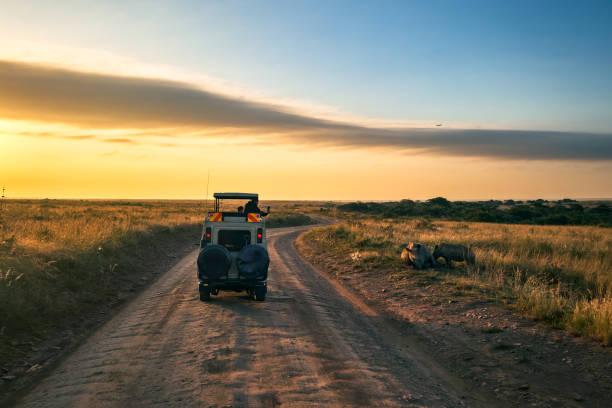

Sustainable Travel in Tanzania: An Expert Planning Guide
Planning a trip to Tanzania is an exciting prospect, filled with visions of vast savannas, iconic wildlife, and vibrant cultures. As more travelers seek meaningful experiences that benefit both people and the planet, sustainable travel in Tanzania has become a crucial consideration. This guide offers a deep dive into how you can explore this magnificent country responsibly, ensuring your adventure contributes positively to its conservation efforts and local communities. We’ll cover everything from choosing eco-conscious operators to understanding the impact of your choices, providing practical advice for your 2026-2027 journeys.
On This Page:
- Quick Facts About Sustainable Travel in Tanzania
- Why Sustainable Travel in Tanzania Matters
- Best Time to Visit for Sustainable Travel
- Key Regions and Sustainable Experiences
- Choosing a Sustainable Tanzania Safari
- Community-Based Tourism Initiatives
- Supporting Conservation Efforts
- Ethical Wildlife Viewing Practices
- Eco-Lodges and Sustainable Accommodation
- Responsible Cultural Immersion
- Planning Your Sustainable Tanzania Trip (2026-2027)
- Sample Sustainable Tanzania Itinerary
- Sustainable Packing List
- Common Mistakes to Avoid
- Who is Sustainable Travel in Tanzania Best For?
- Alternatives and Complementary Experiences
- Booking Your Sustainable Tanzania Adventure
- Frequently Asked Questions
Quick Facts About Sustainable Travel in Tanzania
| Aspect | Details for Sustainable Travel |
|---|---|
| Focus | Minimizing environmental impact, supporting local economies, preserving culture, ethical wildlife encounters. |
| Key Activities | Eco-safaris, community visits, conservation volunteering, walking safaris, cultural tours, responsible Zanzibar visits. |
| Accommodation | Eco-lodges, community-run guesthouses, camps with strong environmental policies. |
| Transportation | Minimizing flights within Tanzania, using shared vehicles where possible, opting for fuel-efficient transport. |
| Community Impact | Direct support through tours, purchasing local crafts, staying in community-owned accommodations. |
| Conservation Impact | Choosing operators who contribute to park fees, anti-poaching efforts, and wildlife research. |
| Best Season for Reduced Impact | Shoulder seasons (e.g., March-May, September-November) can mean fewer crowds and potentially lower prices, allowing for more authentic interactions. |
Why Sustainable Travel in Tanzania Matters
Tanzania is a jewel of biodiversity and cultural richness. Its iconic landscapes, from the Serengeti plains to the Ngorongoro Crater and the spice-scented island of Zanzibar, are home to incredible wildlife and diverse communities. However, this natural and cultural heritage faces pressures from tourism if not managed responsibly. Sustainable travel in Tanzania is not just a trend; it’s a necessity for ensuring these wonders endure for future generations.
Environmental Preservation: The vast protected areas are vital ecosystems. Unsustainable tourism practices, such as excessive waste, habitat disruption, and pollution, can harm wildlife and delicate environments. Responsible choices help protect these habitats.
Economic Empowerment: Tourism is a significant income source for Tanzania. Sustainable travel ensures that this income benefits local communities directly, rather than being concentrated among a few large foreign operators. This includes fair wages for guides and staff, support for local businesses, and investment in community projects.
Cultural Integrity: Tanzania boasts a rich mosaic of cultures, including the Maasai, Hadzabe, and Swahili peoples. Responsible tourism respects local traditions, avoids exploitation, and encourages authentic cultural exchange, fostering mutual understanding and appreciation.
Wildlife Welfare: Ethical wildlife viewing is paramount. Sustainable practices ensure animals are not stressed, disturbed, or harmed for tourist entertainment. This means maintaining safe distances, respecting their natural behaviors, and avoiding activities that disrupt their lives.
Long-Term Viability: By preserving natural resources and cultural heritage, sustainable tourism ensures that Tanzania remains an attractive destination for years to come. It fosters a positive feedback loop where conservation and responsible tourism reinforce each other.
Best Time to Visit for Sustainable Travel
While Tanzania is a year-round destination, certain periods offer a more sustainable travel experience, often coinciding with fewer crowds and more authentic interactions.
| Period | Description | Sustainability Advantage |
|---|---|---|
| January – February | Calving season in the Serengeti. Lush green landscapes. | Fewer crowds than peak dry season, good for photography. |
| March – May (Long Rains) | Green season, dramatic skies, fewer tourists. | Significantly fewer crowds, lower prices, excellent for birdwatching, photography, and a more intimate experience. Some roads may be challenging. |
| June – October (Dry Season) | The Great Migration is often in the western or northern Serengeti. Peak tourist season. | Best wildlife viewing opportunities, but higher visitor numbers. Choose operators with strict protocols to minimize impact. Shoulder months (June/Oct) can be less crowded. |
| November – December (Short Rains) | Scattered showers, landscapes become greener, wildlife disperses. | Fewer crowds, beautiful scenery, good wildlife viewing. |
For a truly sustainable experience, consider visiting during the shoulder or green seasons (March-May, November-December). These periods often provide a more authentic connection with nature and culture due to reduced tourist numbers, allowing for more meaningful interactions with local communities and less pressure on wildlife viewing areas.
Key Regions and Sustainable Experiences
Tanzania offers diverse landscapes and cultural encounters, each with opportunities for sustainable tourism.
Northern Circuit: The Classic Safari Heart
This is the most famous safari region, home to:
- Serengeti National Park: Witness the Great Migration. Choose lodges and operators committed to anti-poaching and conservation. Look for low-impact camping options.
- Ngorongoro Conservation Area: A UNESCO World Heritage Site. Focus on responsible crater visits, supporting the Maasai communities who co-exist here. Stay in lodges that employ local staff and source local produce.
- Tarangire National Park: Known for its large elephant herds and baobab trees. Opt for walking safaris led by experienced guides who emphasize minimal disturbance.
- Lake Manyara National Park: Famous for tree-climbing lions and birdlife. Engage with local communities on the park’s periphery for cultural exchanges.
Southern Circuit: Off-the-Beaten-Path Adventures
Less crowded and more wild, offering a deeper sense of exploration:
- Ruaha National Park: Tanzania’s largest park, home to wild dogs and large lion prides. Focus on walking safaris and smaller, eco-conscious camps.
- Selous Game Reserve (Nyerere National Park): Offers boat safaris on the Rufiji River. Choose operators who manage waste responsibly and contribute to anti-poaching efforts.
Zanzibar Archipelago: Island Paradise with a Conscience
Beyond the beaches:
- Stone Town: Explore its history and culture. Support local artisans, eat at local restaurants, and learn about its complex heritage.
- Spice Tours: Choose tours that educate about sustainable farming practices and benefit the farmers directly.
- Marine Conservation: Support eco-friendly dive centers and snorkeling operators who respect coral reefs and marine life. Look for initiatives that protect sea turtles and dolphins.
- Community Projects: Engage with initiatives focused on education, women’s empowerment, and local crafts.
Other Regions: Unique Cultural and Natural Encounters
- Mount Kilimanjaro: Trekking with operators who treat porters ethically, manage waste effectively, and contribute to environmental preservation on the mountain.
- Lake Victoria Region: Explore fishing villages and learn about local life. Support community-led tourism initiatives.
- Gombe Stream and Mahale Mountains: For chimpanzee trekking. These areas often have stricter regulations due to the sensitive nature of primate tourism. Choose lodges with proven conservation commitments.
Choosing a Sustainable Tanzania Safari
A safari is the quintessential Tanzanian experience. Making it sustainable requires careful selection of your tour operator and adherence to responsible practices.
What to Look For in a Sustainable Safari Operator:
- Certifications and Affiliations: While formal certifications can be scarce, look for operators who are transparent about their environmental and social policies. Membership in reputable tourism associations is a good sign.
- Local Ownership and Employment: Operators that are locally owned or heavily employ and train local staff ensure more economic benefits stay within Tanzania.
- Environmental Policies: Inquire about their waste management (e.g., no single-use plastics, proper disposal), water conservation, energy use (e.g., solar power), and use of fuel-efficient vehicles.
- Community Engagement: Do they partner with local communities? Do they support local schools, health clinics, or conservation projects? Do they facilitate respectful cultural interactions?
- Ethical Wildlife Viewing: They should have clear guidelines on maintaining distance from animals, not feeding them, and respecting their habitats. They should not offer activities that exploit wildlife.
- Fair Treatment of Staff: Especially important for Kilimanjaro treks, ensure they treat porters and guides ethically, with fair wages, proper gear, and adequate food.
- Contribution to Conservation: Do they contribute to park fees, wildlife research, or anti-poaching initiatives?
Practical Tips for Your Sustainable Safari:
- Minimize Internal Flights: Opt for longer stays in fewer locations to reduce the carbon footprint associated with frequent flights between parks.
- Choose Eco-Lodges: Select accommodation that demonstrates a commitment to sustainability.
- Respect Wildlife: Maintain a safe distance, never feed animals, and avoid loud noises that can disturb them.
- Leave No Trace: Pack out everything you pack in. Avoid single-use plastics.
- Support Local: Buy authentic crafts directly from artisans, eat at local eateries, and engage respectfully with local people.
Community-Based Tourism Initiatives
Community-based tourism (CBT) offers a powerful way to ensure that tourism benefits local people directly, fostering cultural understanding and providing alternative livelihoods. Tanzania has several excellent CBT projects.
Examples of CBT in Tanzania:
- Maasai Cultural Tourism Program: Visit Maasai villages, learn about their traditions, participate in daily activities, and purchase handicrafts directly from the artisans. This provides income and helps preserve their cultural heritage.
- Hadzabe Hunter-Gatherer Experiences: In areas like Lake Eyasi, some communities offer respectful visits to learn about the traditional hunting and gathering practices of the Hadzabe people. These tours are often led by members of the community and focus on education and cultural exchange.
- Ujamaa Villages: Experience life in traditional Swahili villages, particularly on the coast or islands, learning about local farming, fishing, and daily life.
- Local Craft Markets: Seek out markets where local artisans sell their work. Buying directly ensures the money goes to the creators.
How to Participate Responsibly:
- Book through Reputable Channels: Ensure the CBT project you choose is genuinely community-run and that profits are reinvested locally. Your tour operator should be able to facilitate this.
- Be Respectful: Always ask permission before taking photos of people. Dress modestly when visiting villages. Be open to learning and engaging without judgment.
- Ask Questions: Show genuine interest in their way of life. This fosters a more meaningful connection.
- Purchase Local Products: If you buy souvenirs, ensure they are locally made and ethically sourced.
Supporting Conservation Efforts
Tanzania’s wildlife and natural beauty are its greatest assets, and protecting them is paramount. Your travel choices can directly contribute to these efforts.
How Your Trip Supports Conservation:
- Park Fees: A significant portion of your tour cost goes towards park entrance fees. These fees are vital for funding park management, anti-poaching patrols, research, and habitat maintenance. Always ensure your operator pays these fees correctly.
- Choosing Conservation-Minded Operators: Many tour companies actively contribute to conservation projects, wildlife research, or anti-poaching units through donations or partnerships. Ask your operator about their specific contributions.
- Supporting Eco-Lodges: Lodges with strong environmental policies often invest in renewable energy, water conservation, waste reduction, and employ local rangers or conservation staff.
- Wildlife Research and Monitoring: Some tours may offer opportunities to learn about or even participate in citizen science projects related to wildlife monitoring, which directly aids conservation efforts.
- Responsible Tourism Practices: Simply by adhering to park rules, respecting wildlife, and minimizing your footprint, you contribute to the health of these ecosystems.
Ethical Wildlife Viewing Practices
Experiencing wildlife in its natural habitat is a privilege. Ethical viewing ensures the animals’ well-being and the integrity of their environment.
Key Principles for Ethical Wildlife Viewing:
- Maintain Distance: Always keep a safe and respectful distance from animals. Do not approach them, especially predators or young animals. Your guide should enforce this.
- No Feeding: Never feed wildlife. This habituates animals to humans, disrupts their natural diets, and can lead to aggressive behavior and disease transmission.
- Quiet and Calm: Avoid loud noises, sudden movements, or flashing camera lights that can startle or stress animals.
- Respect Habitats: Stay on designated tracks and roads. Do not disturb vegetation or collect any natural souvenirs (rocks, plants, feathers).
- Limit Viewing Time: Do not overstay your welcome at a sighting, especially if animals appear agitated or if cubs or young are present.
- Vehicle Etiquette: When viewing from a vehicle, do not surround animals. Allow other vehicles space. Avoid getting too close for photos.
- No Off-Road Driving: Unless part of a specifically sanctioned low-impact activity (like a walking safari with a guide), avoid off-road driving, which can damage vegetation and disturb wildlife.
- Avoid Driving at Night in Parks: This can disturb nocturnal animals and increase the risk of accidents.
Eco-Lodges and Sustainable Accommodation
Your choice of accommodation significantly impacts your trip’s sustainability. Tanzania offers a growing number of lodges and camps committed to eco-friendly practices.
What Makes Accommodation Sustainable?
- Environmental Management: Practices like solar power, rainwater harvesting, effective waste management (recycling, composting, avoiding single-use plastics), and wastewater treatment.
- Local Sourcing: Using locally grown produce for meals and sourcing building materials and furnishings from local communities.
- Community Support: Employing local staff, providing fair wages and training, supporting local schools, and contributing to community development projects.
- Conservation Contributions: Directly funding conservation initiatives, participating in wildlife monitoring, or operating with minimal ecological footprint.
- Education and Awareness: Informing guests about local culture, conservation efforts, and sustainable practices.
Finding Eco-Friendly Options:
- Ask Your Operator: A good sustainable tour operator will recommend lodges that align with your values.
- Look for Specific Practices: Websites or brochures of lodges often detail their sustainability efforts. Look for mentions of solar power, water conservation, local employment, and community projects.
- Consider Location: Lodges situated in or near protected areas that work in harmony with conservation goals are often good choices.
- Community-Run Camps: These offer a more rustic but highly impactful way to support local communities directly.
Responsible Cultural Immersion
Tanzania is home to diverse ethnic groups, each with unique traditions and ways of life. Respectful cultural immersion enriches your travel experience and supports local communities.
Tips for Respectful Cultural Interactions:
- Dress Modestly: Especially when visiting villages or religious sites. Cover shoulders and knees.
- Ask Permission for Photos: Always seek consent before taking pictures of people, particularly elders or children. Some communities may charge a small fee for photos.
- Learn Basic Phrases: A few words in Swahili (like ‘Jambo’ for hello, ‘Asante’ for thank you) can go a long way in showing respect and building rapport.
- Be Open-Minded: Approach different customs and beliefs with curiosity and respect, rather than judgment.
- Support Local Artisans: Purchase souvenirs directly from the people who make them. Bargain respectfully, understanding that this is their livelihood.
- Engage with Your Guide: Your guide is a bridge between cultures. Ask them about local customs and traditions, and they can help you navigate interactions appropriately.
- Avoid ‘Poverty Tourism’: Do not visit orphanages unless through a highly vetted, ethical program that prioritizes the children’s well-being and family reunification. Focus on cultural exchange and economic support through appropriate channels.
Planning Your Sustainable Tanzania Trip (2026-2027)
Planning ahead is key to a successful and sustainable trip. Here’s a step-by-step approach for your 2026-2027 adventure.
Planning Checklist:
- Define Your Interests: Wildlife, culture, adventure, relaxation? This helps tailor your itinerary.
- Choose Your Region(s): Northern Circuit, Southern Circuit, Zanzibar, Kilimanjaro?
- Select Your Travel Style: Budget, mid-range, luxury? This impacts accommodation and operator choices.
- Determine Trip Duration: A minimum of 7-10 days is recommended for a safari.
- Research Sustainable Operators: Look for companies with clear eco-policies and community engagement.
- Book in Advance: Especially for peak season (June-October) or specific eco-lodges. For 2026-2027, start planning 6-12 months ahead.
- Consider Seasonality: Align your trip with your interests and sustainability goals (e.g., fewer crowds in shoulder seasons).
- Visa Requirements: Check current visa regulations for your nationality.
- Health Precautions: Consult your doctor about vaccinations and malaria prophylaxis.
- Travel Insurance: Essential for any trip, ensure it covers adventure activities if applicable.
- Pack Responsibly: Focus on eco-friendly items.
- Learn Key Phrases: Swahili basics enhance cultural interactions.
- Set a Budget: Factor in park fees, accommodation, transport, activities, and personal expenses.
When planning for 2026-2027, be aware of potential changes in conservation policies or new community tourism initiatives. Booking with an experienced and ethical operator is your best bet for staying informed and ensuring your trip is aligned with sustainable principles.
Sample Sustainable Tanzania Itinerary (10 Days)
This itinerary focuses on the Northern Circuit with an emphasis on sustainability and responsible tourism.
Day 1-2: Arrival in Arusha & Cultural Introduction
Arrive at Kilimanjaro International Airport (JRO). Transfer to your eco-friendly lodge near Arusha. Visit a local craft market or a Maasai boma for a respectful cultural introduction. Learn about local life and responsible tourism practices from your guide.
Accommodation: Eco-lodge near Arusha.
Day 3-4: Tarangire National Park
Drive to Tarangire, known for its large elephant herds and baobab trees. Enjoy game drives with a focus on ethical viewing. Consider a guided walking safari to connect more deeply with the environment.
Accommodation: Eco-camp or lodge in/near Tarangire.
Day 5-6: Ngorongoro Conservation Area
Descend into the Ngorongoro Crater for a game drive. Support the conservation area by adhering to all rules. Visit a Maasai village for a genuine cultural exchange, ensuring the visit directly benefits the community.
Accommodation: Lodge on the crater rim or eco-lodge in Karatu.
Day 7-8: Serengeti National Park
Travel to the Serengeti, famed for its vast plains and the Great Migration. Opt for a low-impact tented camp that minimizes its footprint. Focus on observing wildlife from a distance and respecting their natural behavior.
Accommodation: Eco-tented camp in Serengeti.
Day 9: Lake Manyara & Return to Arusha
Morning game drive in Serengeti or Lake Manyara (depending on migration patterns and lodge location). Drive back towards Arusha, stopping at a local coffee plantation or community project if time permits.
Accommodation: Eco-lodge near Arusha.
Day 10: Departure
Enjoy a final breakfast. Transfer to Kilimanjaro International Airport (JRO) for your departure.
Note: This is a sample. It can be customized based on your interests, budget, and desired pace. For instance, you could swap Serengeti for the Southern Circuit for a less crowded experience, or add a few days in Zanzibar for cultural and coastal exploration.
Sustainable Packing List
Pack smart and light to reduce your environmental impact and make your journey more comfortable.
| Category | Recommended Items | Sustainability Note |
|---|---|---|
| Clothing | Lightweight, breathable, neutral-colored fabrics. Long-sleeved shirts, trousers, shorts. Fleece or warm jacket for evenings/mornings. Sun hat. Comfortable walking shoes/hiking boots. Sandals/flip-flops. | Choose durable, quick-drying fabrics. Avoid excessive clothing to minimize laundry needs. |
| Sun Protection | High SPF sunscreen (reef-safe if visiting Zanzibar), sunglasses, wide-brimmed hat. | Opt for biodegradable sunscreens. Reusable water bottles are crucial. |
| Health & Hygiene | Personal first-aid kit, insect repellent (DEET-free options available), hand sanitizer, biodegradable toiletries (shampoo bars, solid soap). | Minimize plastic packaging. Use reusable containers. |
| Gear | Reusable water bottle (essential!), binoculars, camera with extra batteries/charger, headlamp/flashlight, small backpack for day trips, universal travel adapter. | Invest in durable, reusable items. Avoid disposable batteries where possible. |
| Documents | Passport, visa, flight tickets, insurance details, copies of important documents, vaccination certificates. | Keep digital copies accessible to reduce paper. |
| Optional | Small notebook and pen, book for downtime, small gifts for community visits (e.g., school supplies, ask your guide for appropriate items). | Choose eco-friendly or locally made gifts. |
What to Avoid: Single-use plastic water bottles, excessive plastic packaging, disposable items, camouflage clothing (often associated with military personnel and can be misunderstood). When purchasing items in Tanzania, try to buy locally made crafts and goods.
Common Mistakes to Avoid
Making these common errors can detract from your experience and negatively impact local environments and communities.
- Not Researching Tour Operators: Choosing a company without a strong commitment to sustainability can lead to unethical practices. Always vet your operator.
- Ignoring Cultural Norms: Failing to dress modestly, taking photos without permission, or being disrespectful can offend local people and damage relationships.
- Supporting Unethical Wildlife Practices: Engaging in activities that disturb or exploit animals (e.g., touching cubs, feeding wildlife) is harmful.
- Generating Excessive Waste: Relying on single-use plastics and not disposing of waste properly pollutes the environment.
- Over-Scheduling: Trying to cram too much into a short trip leads to rushed experiences and less appreciation for the destination. Allow time for spontaneous moments and genuine connection.
- Not Using Reusable Items: Relying on bottled water and disposable items creates unnecessary waste.
- Expecting Western Standards Everywhere: Tanzania is a developing country. Embrace the local way of life and be patient and understanding.
- Not Tipping Appropriately: Tipping is customary and forms a significant part of income for guides, drivers, and lodge staff. Understand the local tipping culture.
Who is Sustainable Travel in Tanzania Best For?
Sustainable travel in Tanzania appeals to a wide range of travelers, particularly those who are:
- Conscious Consumers: Travelers who actively seek to minimize their environmental footprint and maximize their positive social impact.
- Nature Enthusiasts: Those who have a deep appreciation for wildlife and natural landscapes and wish to see them preserved.
- Culture Seekers: Travelers interested in authentic interactions with local communities, learning about traditions, and supporting cultural heritage.
- Responsible Adventurers: Individuals who enjoy activities like trekking or safaris but want to ensure they are done ethically and sustainably.
- Long-Term Thinkers: People who understand that preserving destinations for future generations is important and are willing to make conscious choices to contribute.
- Families: Parents who want to teach their children about responsible travel, conservation, and global citizenship.
- Honeymooners and Couples: Seeking a meaningful and romantic escape that contributes positively to the places they visit.
While it requires a bit more thought and planning, the rewards of sustainable travel—deeper connections, more authentic experiences, and the knowledge that you’ve made a positive difference—are immense.
Alternatives and Complementary Experiences
While focusing on sustainable travel, consider these related experiences or alternatives that can enhance your trip:
- Voluntourism: For those wanting to contribute more directly, ethical voluntourism projects focusing on conservation, education, or community development can be integrated into a longer trip. Ensure the organization is reputable and genuinely benefits the local community.
- Citizen Science: Participate in wildlife monitoring programs or research projects if available. This offers a unique way to contribute to conservation knowledge.
- Conservation-Focused Safaris: Some operators offer specialized safaris that prioritize visiting areas with active conservation projects or focus on specific species conservation efforts.
- Walking Safaris: These offer a more intimate connection with the environment and are often conducted in areas with fewer vehicles, minimizing disturbance.
- Birdwatching Tours: Tanzania is a birding paradise. Opt for guides knowledgeable about local ecosystems and conservation challenges.
- Culinary Tourism: Explore Tanzania’s diverse cuisine through local markets, cooking classes, and farm-to-table dining experiences. This supports local agriculture and food traditions.
These experiences can often be combined with a standard sustainable safari or cultural tour to create a richer, more impactful journey.
Booking Your Sustainable Tanzania Adventure
Booking your trip is the final step, and doing it thoughtfully ensures your sustainable travel goals are met. For your 2026-2027 travel plans, start early.
Key Booking Considerations:
- Choose Your Operator Wisely: This is the most critical step. Look for a tour operator that is transparent about their sustainability practices, community involvement, and ethical treatment of staff. Ask specific questions about their policies on waste, energy, water, and local sourcing.
- Direct Communication: Contact operators directly. Have a conversation about your interest in sustainable travel. A good operator will be eager to share their commitments and tailor an itinerary that meets your needs.
- Understand Inclusions/Exclusions: Clearly know what your package includes (park fees, accommodation, meals, guide, transport) and what it doesn’t. Ensure park fees are clearly itemized and paid correctly.
- Accommodation Choices: Discuss your preference for eco-lodges or community-run accommodations with your operator.
- Itinerary Flexibility: While planning is important, allow for some flexibility, especially when dealing with wildlife sightings or unexpected local opportunities.
- Payment and Contracts: Ensure clear payment terms and a comprehensive contract. Understand cancellation policies.
- Ask About 2026-2027 Specifics: Inquire if there are any new conservation initiatives or community projects launching in 2026 or 2027 that you could potentially support or learn about.
Ready to plan your responsible Tanzanian adventure?
Contact us to discuss your vision for a sustainable trip. We specialize in crafting personalized itineraries that respect the environment, empower local communities, and provide unforgettable wildlife and cultural experiences. Let us help you plan your 2026-2027 journey with purpose.
WhatsApp: +255616946642
Email: topguideadventures@gmail.com
Backup Email: info@topguideadventures.com
Frequently Asked Questions
What does sustainable travel in Tanzania mean?
Sustainable travel in Tanzania means exploring the country in a way that minimizes negative impacts on the environment, respects and supports local cultures and communities, and contributes to conservation efforts. It’s about ensuring your visit benefits Tanzania long-term, rather than just being a temporary presence.
How can I ensure my safari is eco-friendly?
To ensure an eco-friendly safari, choose tour operators with clear environmental policies (waste management, water conservation, fuel efficiency), opt for eco-lodges, practice ethical wildlife viewing (maintain distance, no feeding), and minimize waste by using reusable items like water bottles.
Are there community-based tourism projects in Tanzania?
Yes, Tanzania has several community-based tourism (CBT) projects, such as the Maasai Cultural Tourism Program and initiatives around Lake Eyasi. These projects allow travelers to engage respectfully with local communities, learn about their traditions, and ensure that tourism revenue directly benefits them.
What are the best times for sustainable travel in Tanzania?
The shoulder seasons (March-May, November-December) are often ideal for sustainable travel as they typically have fewer tourists, leading to more authentic interactions and less pressure on popular sites. The green season (March-May) also offers lush landscapes and great photography opportunities with fewer visitors.
How do park fees contribute to conservation?
Park fees are a primary source of funding for Tanzania’s national parks and conservation areas. This revenue supports anti-poaching patrols, wildlife research, habitat management, infrastructure maintenance, and community development projects within and around the parks.
What should I pack for sustainable travel in Tanzania?
Pack light, durable, and neutral-colored clothing. Essential sustainable items include a reusable water bottle, biodegradable toiletries, reef-safe sunscreen (if visiting Zanzibar), and a good pair of binoculars. Avoid single-use plastics.
How can I avoid generating too much waste during my trip?
Bring a reusable water bottle and refill it whenever possible. Carry a reusable shopping bag for souvenirs. Opt for accommodations that minimize plastic packaging and practice waste reduction. Decline unnecessary single-use items like straws.
Is it safe to travel to Tanzania in 2026-2027?
Tanzania is generally a safe destination for tourists, especially when traveling with reputable tour operators. Standard travel precautions should be taken, and it’s advisable to stay informed about local conditions and any travel advisories. Ethical tour operators prioritize client safety.
How can I support local people directly?
You can support local people by purchasing handicrafts directly from artisans, eating at local restaurants, staying in community-run accommodations, and choosing tour operators that employ and train local staff and contribute to community development projects.
What are the ethical considerations for photographing wildlife and people?
For wildlife, always maintain a safe distance, avoid disturbing them, and never feed them. For people, always ask for permission before taking photographs, especially of individuals or in villages. Be respectful of their privacy and culture.
Plan your meaningful journey.
Experience the magic of Tanzania through sustainable travel. We are dedicated to creating exceptional travel experiences that respect the planet and uplift its people. Let us help you craft your perfect 2026-2027 adventure, focusing on responsible tourism practices.
WhatsApp: +255616946642
Email: topguideadventures@gmail.com
Backup Email: info@topguideadventures.com
Plan your Sustainable Travel in Tanzania with Top Guide Adventures
Tell us your travel dates, group size, comfort level, and dream experience. We will help you shape a clear, realistic, and memorable Tanzania itinerary.







 Veedesigner
 Fatma Kizanga
 Benjamin Waryuba
 Philip Philip
 John jr Itaja
 Antonia Optatus
 Edith Kanyere
 Neema Iddy
 Kelvin Boniphace
 Damari Maiga



