
Updated planning guide for 2026-2027
Tanzania Travel Planning Checklist: Complete Guide 2026-2027
Planning a trip to Tanzania? This detailed checklist covers everything you need to know for your safari, Kilimanjaro climb, or Zanzibar beach holiday, ensuring a smooth and unforgettable adventure for 2026-2027.
WhatsApp +255616946642 | topguideadventures@gmail.com | info@topguideadventures.com
Tanzania Travel Planning Checklist: Your Complete Guide for 2026-2027
Tanzania. The name itself conjures images of vast savannas teeming with wildlife, the majestic silhouette of Mount Kilimanjaro piercing the sky, and the exotic allure of spice-scented islands. For many, it represents the pinnacle of an African adventure. But with such a diverse and incredible destination, effective planning is key to transforming a dream trip into a reality. This comprehensive Tanzania travel planning checklist is designed to guide you through every step, from initial inspiration to final preparations, ensuring your 2026 or 2027 journey is everything you imagined.
Whether you’re dreaming of witnessing the Great Migration, conquering Africa’s highest peak, or relaxing on the pristine beaches of Zanzibar, this guide will help you organize your thoughts, make informed decisions, and pack the right gear. We cover essential aspects like choosing the best time to visit, understanding visa requirements, selecting reputable tour operators, and preparing for the unique environments you’ll encounter. Let’s get started on building your unforgettable Tanzanian experience.
Quick Answer: What is the Tanzania Travel Planning Checklist?
The Tanzania Travel Planning Checklist is a comprehensive guide for organizing a trip to Tanzania. It details essential steps, considerations, and preparations for safaris, Kilimanjaro treks, and Zanzibar holidays, covering everything from booking and visas to packing and health, specifically tailored for travelers planning for 2026-2027.
| Aspect | Details |
|---|---|
| Main Attractions | Serengeti National Park, Ngorongoro Crater, Mount Kilimanjaro, Zanzibar Archipelago, Tarangire National Park, Lake Manyara National Park. |
| Best Time for Safari | June to October (dry season, Great Migration), January to February (calving season). |
| Best Time for Kilimanjaro | January to March, June to October (dry, clearer skies). |
| Best Time for Zanzibar | June to October (dry season), December to February (warm, dry). |
| Visa Requirements | Most nationalities require a visa. Can often be obtained online (e-visa) or on arrival. Check current regulations. |
| Currency | Tanzanian Shilling (TZS). US Dollars are widely accepted for park fees, tours, and in tourist areas. |
| Language | Swahili (official), English (widely spoken in tourism). |
| Health Precautions | Consult your doctor about vaccinations and malaria prophylaxis well in advance. Yellow Fever certificate may be required. |
| Electrical Plug Type | Type D and G (230V). UK-style three-pin plug is common. |
Why Planning Your Tanzania Trip Matters
Tanzania is a vast country with diverse ecosystems and travel experiences. Proper planning ensures you maximize your time, budget, and enjoyment. It helps you avoid common pitfalls, such as booking during peak rainy seasons for your desired activity, underestimating travel times between locations, or overlooking essential health and visa requirements. A well-structured plan means less stress and more immersion in the incredible landscapes and cultures Tanzania offers. For 2026-2027 travel, starting your planning early allows access to better availability, especially for popular lodges, Kilimanjaro permits, and specific safari dates.
Choosing Your Tanzanian Adventure: Safari, Kilimanjaro, or Zanzibar?
Tanzania offers three distinct, yet often combinable, travel experiences. Understanding the nuances of each will help tailor your checklist.
Tanzania Safari: The Classic African Experience
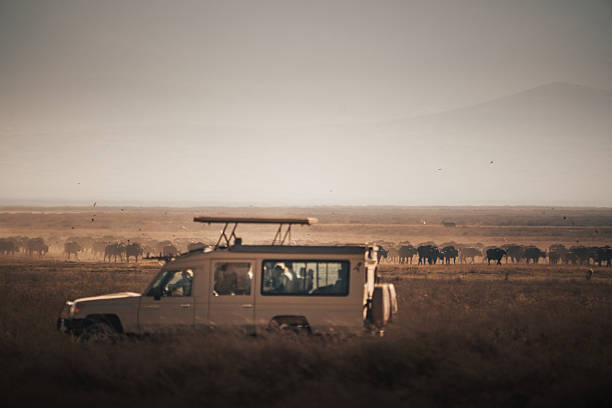
A Tanzanian safari is about encountering wildlife in its natural habitat across iconic national parks. The Northern Circuit, including the Serengeti, Ngorongoro, Tarangire, and Lake Manyara, is the most famous. Key considerations include:
- The Great Migration: If witnessing this natural spectacle is a priority, timing is crucial. The herds move in a circular pattern across the Serengeti, typically crossing the Grumeti River in July/August and the Mara River in October. Planning for 2027’s migration requires booking well in advance.
- Park Choices: Each park offers unique experiences. Serengeti for vast plains and migration, Ngorongoro for dense wildlife within a caldera, Tarangire for elephants and baobabs, and Lake Manyara for tree-climbing lions and birdlife.
- Accommodation: Options range from luxury tented camps and lodges to more budget-friendly options. Location is key for optimal wildlife viewing, especially during migration seasons.
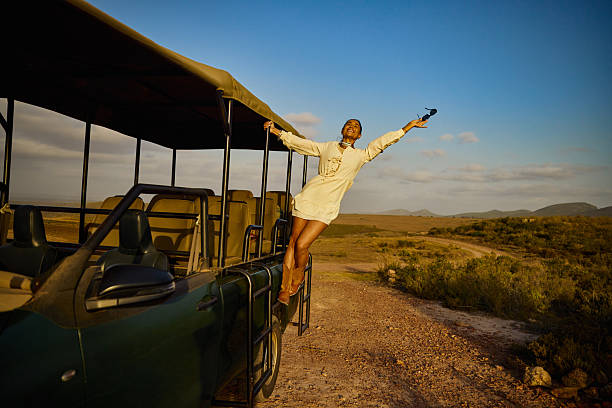
- Vehicle and Guide: A well-equipped 4×4 safari vehicle with a knowledgeable guide is essential.
Mount Kilimanjaro Trekking: Conquering the Roof of Africa
Climbing Kilimanjaro is a challenging but rewarding adventure. The focus here is on acclimatization, physical preparation, and choosing the right route. Key considerations:
- Route Selection: Popular routes include Marangu, Machame, Lemosho, and Rongai. Each varies in difficulty, scenery, acclimatization profile, and duration. Machame and Lemosho are often recommended for higher success rates due to better acclimatization.
- Duration: Most treks take 5-9 days. Longer routes generally offer better acclimatization and higher success rates. Planning for 2026 or 2027 treks means securing permits and guides early, as availability can be limited.
- Physical Fitness: A good level of cardiovascular fitness is essential. Start training months in advance.
- Gear: Specialized trekking gear is required. Renting is an option, but investing in good quality is recommended for comfort and safety.
- Guides and Porters: Ethical treatment of guides and porters is paramount. Choose operators committed to fair practices.
Zanzibar Holidays: Spice Islands and Turquoise Waters
Zanzibar offers a blend of history, culture, and relaxation. From the bustling streets of Stone Town to tranquil beaches, it’s a perfect complement to a safari or a destination in itself. Key considerations:
- Stone Town: Explore its UNESCO World Heritage site, visit spice farms, and learn about its rich history.
- Beaches: Nungwi and Kendwa in the north offer vibrant atmospheres and stunning sunsets. Paje and Jambiani on the southeast coast are popular for kitesurfing and a more relaxed vibe. Matemwe is known for its tranquility and proximity to Mnemba Atoll for diving/snorkeling.
- Activities: Beyond beaches, enjoy snorkeling, diving, dhow cruises, spice tours, and visiting Jozani Forest to see red colobus monkeys.
- Accommodation: From boutique hotels in Stone Town to beachfront resorts and private villas, options cater to all styles and budgets.
The Tanzania Travel Planning Checklist: Step-by-Step
Here’s a detailed breakdown to help you organize your Tanzania travel plans for 2026-2027.
Phase 1: Initial Inspiration & Decision Making (12+ Months Out)
This is where you define your dream trip.
- Define Your Interests: Are you primarily interested in wildlife, climbing Kilimanjaro, cultural experiences, beach relaxation, or a combination?
- Set Your Budget: Tanzania can cater to various budgets, but safaris and Kilimanjaro treks are significant investments. Research general costs for accommodation, activities, and tours. Factor in flights, visas, insurance, and personal spending.
- Determine Travel Dates: Consider the best time of year for your chosen activities (see section below). For 2026-2027, popular periods book up fast.
- Decide on Duration: How long can you realistically travel? A typical safari might be 5-7 days, Kilimanjaro 7-9 days, and Zanzibar 4-7 days. A combined trip could easily be 2-3 weeks.
- Research Destinations and Routes: Look into specific national parks, Kilimanjaro routes, or Zanzibar regions that appeal to you.
- Identify Potential Tour Operators: Look for operators specializing in Tanzania, with good reviews, clear communication, and ethical practices. Get initial quotes and compare inclusions.
Phase 2: Booking & Logistics (6-12 Months Out)
This phase involves securing the core elements of your trip.
- Choose and Book Your Tour Operator: Select a reputable operator. For safaris and Kilimanjaro, this is crucial for safety, logistics, and experience quality. For custom trips, communicate your needs clearly. For bespoke safaris and Kilimanjaro treks, contact operators like Top Guide Adventures.
- Book Flights: International flights to Kilimanjaro International Airport (JRO) or Zanzibar (ZNZ) are best booked in advance for better prices and availability.
- Secure Kilimanjaro Permits (If Applicable): Permits are limited and often included in tour packages, but confirm this. They are non-refundable and non-transferable.
- Confirm Safari/Trek Itinerary: Finalize your daily plan with your operator. Ensure it aligns with your interests and pace.
- Book Accommodation (If Independent): If not part of a package, book lodges or hotels, especially in popular areas or during peak season for 2026-2027.
- Travel Insurance: Purchase comprehensive travel insurance covering medical emergencies, evacuation (especially important for Kilimanjaro), trip cancellation, and lost belongings.
Phase 3: Health & Documentation (3-6 Months Out)
Focus on your well-being and official requirements.
- Consult Your Doctor/Travel Clinic: Discuss necessary vaccinations (e.g., Yellow Fever, Hepatitis A/B, Typhoid, Tetanus) and malaria prevention. Get advice on altitude sickness for Kilimanjaro.
- Obtain Visas: Check the latest visa requirements for your nationality. Most can apply for an e-visa online before traveling, or obtain one on arrival. Ensure your passport has at least six months validity beyond your intended stay and sufficient blank pages.
- Passport Validity: Double-check your passport’s expiration date.
- Driving License (If Renting a Car): Ensure you have an International Driving Permit if you plan to drive.
Phase 4: Preparation & Packing (1-3 Months Out)
Get ready for the adventure itself.
- Pack Smart: Create a detailed packing list based on your activities (see below). Focus on layers, breathable fabrics, and essential items.
- Gear Check: If trekking Kilimanjaro, ensure you have all necessary gear. Consider renting bulky items like sleeping bags or jackets if not purchasing.
- Currency Exchange: Obtain some US Dollars for initial expenses and park fees (if not included). While the Tanzanian Shilling is the local currency, USD is widely accepted in tourist sectors. Inform your bank about your travel dates.
- Learn Basic Swahili Phrases: A few simple phrases like ‘Jambo’ (Hello) and ‘Asante’ (Thank you) are appreciated.
- Photography Gear: Ensure cameras, extra batteries, and memory cards are ready. Consider a zoom lens for wildlife.
Phase 5: Final Checks (1-2 Weeks Out)
Last-minute details before departure.
- Confirm All Bookings: Reconfirm flights, accommodations, and tour details.
- Print Documents: Carry printed copies of your passport, visa, flight tickets, insurance policy, and tour operator contact information. Digital copies are good backups.
- Pack Essentials in Carry-On: Include medications, a change of clothes, valuables, and essential toiletries in your hand luggage.
- Inform Family/Friends: Share your itinerary and contact details with someone back home.
- Charge Electronics: Ensure all devices are fully charged.
Best Time to Visit Tanzania for Your Checklist
Tanzania has distinct seasons that significantly impact wildlife viewing, trekking conditions, and beach weather. Planning for 2026-2027 requires understanding these.
| Period | Weather | Safari Focus | Kilimanjaro Focus | Zanzibar Focus | Notes |
|---|---|---|---|---|---|
| June – October (Dry Season) |
Cooler temperatures, dry, sunny days. Minimal rain. | Peak Season. Excellent game viewing. Great Migration river crossings (July-Oct). Wildebeest calving season aftermath. All parks accessible. High demand. | Ideal. Clear skies, good visibility, stable weather. Cooler on the mountain. High demand for permits. | Ideal. Pleasant temperatures, dry, sunny. Good for beach activities, diving, snorkeling. High demand. | High season pricing. Book well in advance for 2026-2027. |
| November – December (Short Rains / Green Season) |
Intermittent short rains, warmer, humid. | Game viewing still good, especially Tarangire and Southern Serengeti. Grass is greener, landscapes beautiful. Fewer crowds. | Possible rain showers, can be cloudy. Less crowded. Still viable but requires flexibility. | Warm and humid, can have short rains. Still enjoyable, fewer crowds. | Shoulder season pricing. |
| January – February (Long Dry Season / Calving Season) |
Hot and dry. Minimal rain. | Calving Season in Southern Serengeti – excellent for predator sightings. Good general game viewing. | Good weather, clearer skies than rainy season. Can be hot at lower altitudes. | Hot, dry, and sunny. Ideal for beach holidays. | Popular for safari (calving) and Zanzibar. Book ahead. |
| March – May (Long Rains) |
Heavy, persistent rains, humid, overcast. Roads can be challenging. | Low Season. Lush green landscapes. Very few tourists. Game viewing can be challenging due to dispersed animals and vegetation. Lower prices. | Difficult. Very wet, muddy, high chance of clouds obscuring views. Not recommended for trekking. | Humid, rainy, cloudy. Can be very quiet. Some resorts may close. Lowest prices. | Best for budget travelers seeking fewer crowds, but weather is a significant factor. |
Tanzania Itinerary Planning: Sample Routes
Here are sample itinerary outlines. These are flexible and can be customized by your tour operator.
Sample 1: Classic Northern Circuit Safari (7 Days)
Focuses on the most popular parks.
- Day 1: Arrival in Arusha. Transfer to hotel, pre-safari briefing.
- Day 2: Tarangire National Park. Drive to Tarangire, known for elephants and baobab trees. Game drive. Overnight near park.
- Day 3: Lake Manyara National Park & transfer to Ngorongoro. Morning game drive in Lake Manyara (tree-climbing lions, flamingos). Drive to Ngorongoro Highlands. Overnight at lodge/camp.
- Day 4: Ngorongoro Crater. Full day game drive inside the Ngorongoro Crater, a UNESCO World Heritage Site teeming with wildlife.
- Day 5: Serengeti National Park. Drive into the Serengeti, stopping at Olduvai Gorge. Afternoon game drive. Overnight in Central Serengeti.
- Day 6: Serengeti National Park. Full day game drives in the Serengeti, seeking the Great Migration (depending on season) or resident wildlife.
- Day 7: Departure. Morning game drive en route to the airstrip for flight back to Arusha or Kilimanjaro International Airport (JRO) for departure.
Sample 2: Mount Kilimanjaro Trek (Machame Route – 7 Days)
A popular and scenic route with good acclimatization.
- Day 1: Machame Gate to Machame Camp. Trek through rainforest. (Approx. 5-7 hours hiking).
- Day 2: Machame Camp to Shira Camp. Ascend to moorland. (Approx. 4-6 hours hiking).
- Day 3: Shira Camp to Barranco Camp. Cross lava towers, descend to Barranco Valley. (Approx. 7-9 hours hiking).
- Day 4: Barranco Camp to Karanga Camp. Climb the Barranco Wall, then trek to Karanga. (Approx. 4-5 hours hiking).
- Day 5: Karanga Camp to Barafu Camp. Ascend through alpine desert. (Approx. 4-5 hours hiking).
- Day 6: Barafu Camp to Summit & Descent to Mweka Camp. Summit push (midnight start), descend to Mweka Camp. (Approx. 10-12 hours hiking).
- Day 7: Mweka Camp to Mweka Gate. Trek through rainforest to the gate. Transfer back to Arusha.
Sample 3: Zanzibar Beach & Culture (5 Days)
A blend of history and relaxation.
- Day 1: Arrival in Zanzibar & Stone Town. Transfer to hotel in Stone Town. Afternoon walking tour of the historic Old Town.
- Day 2: Spice Tour & Jozani Forest. Morning spice tour, learning about local flora. Afternoon visit to Jozani Forest to see red colobus monkeys.
- Day 3: Transfer to Northern Beach (e.g., Nungwi/Kendwa). Relax on the beach, swim, enjoy sunset.
- Day 4: Beach Activities & Optional Excursions. Snorkeling trip to Mnemba Atoll, dhow sunset cruise, or simply relax.
- Day 5: Departure. Morning at leisure before transfer to Zanzibar Airport (ZNZ) for departure.
What to Expect on Your Tanzania Trip
Understanding expectations helps refine your checklist.
On Safari
- Wildlife Sightings: While Tanzania boasts incredible wildlife density, sightings are never guaranteed. Patience and knowledgeable guides are key.
- Road Conditions: Roads within parks can be rough and dusty. Game drives involve bumpy rides.
- Accommodation: Lodges and camps vary from rustic to luxurious. Expect comfortable beds, en-suite facilities (usually), and meals provided. Power can be generator-dependent.
- Early Mornings: Safaris often start early to catch animals at their most active.
On Kilimanjaro
- Altitude Sickness: This is the primary concern. Symptoms include headache, nausea, and dizziness. Proper acclimatization, hydration, and slow ascent are crucial. Listen to your guide.
- Physical Demands: It’s a strenuous trek. Days involve long hours of walking, often on steep, uneven terrain.
- Weather: Conditions change rapidly, from warm rainforest to freezing alpine desert and icy summit conditions.
- Basic Facilities: Camping means basic facilities. Toilets are often pit latrines or chemical toilets. Showers are rare.
- Teamwork: You’ll be part of a team with guides, porters, and cooks.
In Zanzibar
- Heat & Humidity: Expect warm to hot and humid conditions, especially outside the dry seasons.
- Cultural Differences: Zanzibar is a Muslim island. Dress modestly when visiting villages or Stone Town (shoulders and knees covered). Beachwear is acceptable on beaches.
- Pace of Life: Things can move at a slower pace (‘pole pole’). Be patient.
- Touts: Be prepared for friendly but persistent touts, especially in Stone Town and popular beach areas. A polite ‘no, thank you’ usually suffices.
Packing List Essentials for Your Tanzania Checklist
Tailor this list to your specific activities.
For Safari:
- Lightweight, neutral-colored clothing (khaki, beige, green)
- Long-sleeved shirts and trousers (for sun and insect protection)
- Fleece or warm jacket (for cool mornings/evenings)
- Comfortable walking shoes or trainers
- Sandals or flip-flops for camp/lodge
- Sun hat with a wide brim
- Sunglasses
- High SPF sunscreen
- Insect repellent (with DEET)
- Binoculars (essential for wildlife viewing)
- Camera with zoom lens, extra batteries, memory cards
- Small backpack for day use
- Personal first-aid kit
- Reusable water bottle
- Swimsuit (for lodges with pools)
- Adapter for 230V sockets (Type D/G)
For Kilimanjaro Trekking:
- Base Layers: Moisture-wicking thermal tops and bottoms (merino wool or synthetic).
- Mid Layers: Fleece jacket or down vest for insulation.
- Outer Layer: Waterproof and windproof jacket and trousers (Gore-Tex or similar).
- Insulated Jacket: A warm down or synthetic puffer jacket for summit night and camp.
- Trekking Trousers: Lightweight, quick-drying hiking pants (2-3 pairs).
- Footwear: Broken-in, waterproof hiking boots. Camp shoes/sandals. Good quality hiking socks (wool, 4-6 pairs).
- Headwear: Warm beanie/woolen hat, sun hat, balaclava or neck gaiter for summit night.
- Gloves: Warm waterproof outer gloves and thinner liner gloves.
- Sleeping Bag: Rated to -15°C or -20°C (can often be rented).
- Headlamp: With extra batteries.
- Trekking Poles: Highly recommended for knee support.
- Backpack: 50-70 liter backpack for your gear, plus a daypack (25-35 liters).
- Water Bottles/Bladder: At least 3 liters capacity. Insulated sleeve recommended for cold.
- Sunscreen & Lip Balm: High SPF.
- Sunglasses: Category 3 or 4.
- Personal First-Aid Kit: Including blister treatment, pain relievers, altitude sickness medication (consult doctor).
- Toiletries: Biodegradable soap, wet wipes, hand sanitizer.
- Snacks: High-energy snacks.
For Zanzibar Holidays:
- Lightweight, breathable clothing (cotton, linen)
- Swimwear
- Cover-ups for modesty (e.g., sarong, t-shirt)
- Sun hat and sunglasses
- High SPF sunscreen
- Insect repellent
- Sandals, flip-flops, comfortable walking shoes
- Light rain jacket (especially during shoulder seasons)
- Adapter for 230V sockets (Type D/G)
- Snorkel gear (optional, can often be rented)
- Small day bag
Common Mistakes to Avoid in Your Tanzania Planning
Learn from others’ experiences to ensure a smoother trip.
- Underestimating Travel Times: Tanzania is large, and road travel can be slow. Factor in buffer time between locations.
- Not Booking in Advance: Especially for peak season 2026-2027 travel, popular lodges, Kilimanjaro permits, and good guides get booked up months, sometimes over a year, ahead.
- Ignoring Health Advice: Skipping vaccinations or malaria precautions can lead to serious illness. Consult a travel clinic 6-8 weeks before your trip.
- Packing Inappropriately: Too many heavy items, wrong type of clothing (e.g., dark colors on safari, insufficient warm gear for Kilimanjaro).
- Choosing the Wrong Season: Planning a safari during the peak rainy season might lead to dispersed wildlife and difficult travel.
- Not Budgeting for Everything: Remember park fees, tips, souvenirs, and potential unforeseen expenses.
- Relying Solely on Online Information: While useful, specific, up-to-date advice from local tour operators is invaluable.
- Not Considering Altitude Sickness Seriously: For Kilimanjaro, this is a major risk. Choose routes and operators that prioritize acclimatization.
Who is Tanzania Best Suited For?
Tanzania appeals to a wide range of travelers.
- Adventure Seekers: Kilimanjaro climbers, those seeking off-the-beaten-path safari experiences.
- Wildlife Enthusiasts: Photographers, nature lovers, families wanting to see iconic animals.
- Culture Explorers: Those interested in the history of Stone Town, Maasai culture, and local interactions.
- Relaxation Seekers: Beach lovers looking for white sands and turquoise waters in Zanzibar.
- Honeymooners & Couples: Romantic safaris, luxury lodges, and idyllic Zanzibar retreats.
- Families: Educational and exciting safaris, with options suitable for children.
Alternatives to Consider
If Tanzania doesn’t perfectly fit your criteria, consider these nearby or similar destinations.
- Kenya: Offers similar safari experiences (Maasai Mara, Amboseli) and is often slightly more budget-friendly.
- Uganda/Rwanda: For gorilla trekking and chimpanzee viewing, these are top destinations.
- Botswana/Namibia: Offer more exclusive, higher-end safari experiences, often with unique desert landscapes (Namibia).
- South Africa: Offers diverse wildlife (Kruger) and a well-developed tourism infrastructure, often more self-drive friendly.
- Zanzibar Alternatives: Pemba Island (more remote diving), Mafia Island (whale sharks, diving).
Tanzania Travel Planning for 2026-2027: Key Considerations
Planning for future years involves some specific points.
- Early Booking for Peak Seasons: For 2026 and 2027, especially if targeting the Great Migration or the June-October dry season, booking safaris and Kilimanjaro treks 12-18 months in advance is highly recommended.
- Visa and Health Updates: Regulations can change. Always check official government websites for the latest visa and health advisances closer to your travel date.
- Price Fluctuations: While operators provide quotes, be aware that prices for flights and park fees can increase. Lock in your booking with a deposit to secure current rates where possible.
- Operator Reliability: Research operators thoroughly. Look for those with consistent positive feedback and a strong online presence, indicating stability and customer satisfaction.
- Sustainability Practices: Consider operators committed to responsible tourism, conservation, and community support – increasingly important for future travel planning.
Booking Your Tanzania Adventure: Advice from the Experts
Making the right booking decisions is critical for a successful trip. Here’s how to approach it.
Choosing a Tour Operator
For safaris and Kilimanjaro treks, a reputable local operator is often the best choice. They have in-depth knowledge, established relationships with lodges and park authorities, and can offer competitive pricing. When choosing, consider:
- Specialization: Do they focus on Tanzania?
- Reviews and Testimonials: Look for recent, detailed feedback.
- Communication: Are they responsive, clear, and helpful?
- Inclusions: What exactly is covered in the price? Park fees, meals, accommodation, guides, vehicle, activities?
- Customization: Can they tailor an itinerary to your specific needs and budget?
- Ethical Practices: Do they treat their staff well? Are they involved in conservation?
For a personalized and expertly managed safari or Kilimanjaro climb in Tanzania, consider contacting Top Guide Adventures. They offer custom itineraries and have a deep understanding of the region. Reach them via WhatsApp at +255616946642 or email at topguideadventures@gmail.com (backup: info@topguideadventures.com).
Understanding Pricing
Tanzania trips, particularly safaris and Kilimanjaro treks, are not typically budget travel. Prices are influenced by:
- Time of Year: Peak season is more expensive.
- Accommodation Level: Luxury lodges cost more than mid-range or basic camps.
- Duration: Longer trips naturally cost more.
- Number of People: Group sizes can affect per-person cost, especially for Kilimanjaro where permits are per person.
- Inclusions: Fully inclusive packages offer certainty, while self-catering or partially guided trips might seem cheaper but have hidden costs.
Always ask for a detailed breakdown of what is included and excluded. Be wary of prices that seem too good to be true; they may indicate lower quality service, safety compromises, or hidden fees.
Booking Timeline Considerations for 2026-2027
A sensible timeline helps secure the best options.
| Time Before Travel | Key Actions |
|---|---|
| 12-18 Months | Research destinations, define interests, set budget. Identify and contact potential tour operators for quotes. Book Kilimanjaro treks and peak season safaris. |
| 8-12 Months | Book international flights. Finalize itinerary and book with chosen operator. Secure any specific accommodation requests. |
| 4-6 Months | Consult doctor for vaccinations and malaria advice. Apply for e-visas if available. Purchase travel insurance. |
| 2-3 Months | Start physical training for Kilimanjaro. Finalize packing list. Purchase non-rented gear. |
| 1 Month | Confirm all bookings. Arrange currency. Inform bank of travel. |
| 1-2 Weeks | Pack. Print all documents. Final check of passport validity. |
Frequently Asked Questions (FAQs) about Tanzania Travel Planning
Q1: Do I need a visa for Tanzania?
A: Most nationalities require a visa to enter Tanzania. You can typically apply for an e-visa online before your trip, or obtain one on arrival at major entry points. Always check the official Tanzanian immigration website for the most current requirements for your nationality well in advance of your 2026-2027 travel plans.
Q2: What is the best way to get around Tanzania?
A: For safaris and Kilimanjaro treks, you will typically travel with a dedicated 4×4 safari vehicle and driver-guide provided by your tour operator. Internal flights are common for longer distances (e.g., from Serengeti airstrips back to Arusha or Zanzibar). For Zanzibar, taxis, private transfers, and rental cars are options, though driving can be challenging.
Q3: Is Tanzania safe for tourists?
A: Tanzania is generally considered a safe destination for tourists, especially when traveling with reputable tour operators. Standard travel precautions apply: be aware of your surroundings, avoid displaying valuables, and don’t walk alone in unfamiliar areas at night. For Kilimanjaro, safety is paramount, and experienced guides are trained to handle emergencies.
Q4: What vaccinations are recommended for Tanzania?
A: It is crucial to consult a travel clinic or your doctor at least 6-8 weeks before your trip. Recommended vaccinations often include Yellow Fever (required if arriving from certain countries), Hepatitis A, Typhoid, Tetanus, and sometimes Rabies or Hepatitis B. Malaria prophylaxis is also usually advised.
Q5: Can I drink the tap water in Tanzania?
A: No, it is strongly advised not to drink tap water. Always drink bottled water, use water purification tablets, or use filtered water provided by your lodge or tour operator. Staying hydrated is essential, especially on safari and during a Kilimanjaro climb.
Q6: What currency should I use in Tanzania?
A: The local currency is the Tanzanian Shilling (TZS). However, US Dollars are widely accepted and often preferred for park fees, tour packages, and in tourist-oriented establishments. It’s advisable to carry USD in smaller denominations for tips and incidental expenses. ATMs are available in major towns, but can be unreliable.
Q7: How much should I tip my safari guide or Kilimanjaro crew?
A: Tipping is customary and appreciated. For safaris, a tip of $10-20 per day for your driver-guide is common. For Kilimanjaro, tipping is a significant part of the crew’s income. A general guideline is $250-350 per trekker for the entire crew (guides, cook, porters), distributed among them by the lead guide. Your operator will provide specific recommendations.
Q8: What is the best way to prepare for Kilimanjaro?
A: Physical fitness is key. Focus on cardiovascular exercises like hiking, running, or cycling for several months prior. Practice hiking with a weighted backpack. Mental preparation is also important; understand the challenges of altitude and cold. Choose a reputable operator that prioritizes acclimatization.
Q9: Can I combine safari and Zanzibar in one trip?
A: Absolutely! This is a very popular combination. Many travelers spend 3-5 days on safari in the Northern Circuit and then fly to Zanzibar for 4-7 days of beach relaxation and cultural exploration. This offers a fantastic contrast of experiences.
Q10: What are the electricity and plug types in Tanzania?
A: Tanzania uses 230V electricity and primarily Type D and Type G plugs (the UK-style three-pin plug). You will need a universal adapter if your devices use different plugs. Power outages can occur, so a power bank for charging electronics is useful.
Q11: How far in advance should I book my Tanzania trip for 2027?
A: For peak travel periods in 2027, such as the dry season (June-October) for safaris or the prime trekking windows for Kilimanjaro, booking 12-18 months in advance is highly recommended. This ensures availability for popular lodges, specific routes, and experienced guides.
Your Tanzania Travel Planning Checklist is Complete!
Planning a trip to Tanzania is an exciting process, and this comprehensive checklist aims to make it as smooth and informed as possible. From the vast plains of the Serengeti to the summit of Kilimanjaro and the shores of Zanzibar, Tanzania offers unparalleled adventures for 2026 and 2027. By following these steps, you’re well on your way to an unforgettable experience.
Ready to turn your plans into reality? For expert advice, custom itineraries, and seamless booking of your Tanzanian safari, Kilimanjaro trek, or Zanzibar holiday, get in touch with us at Top Guide Adventures. We are dedicated to creating your perfect African journey.
Contact us today:
- WhatsApp: +255616946642
- Email: topguideadventures@gmail.com
- Backup Email: info@topguideadventures.com
Plan your Tanzania Travel Planning Checklist with Top Guide Adventures
Tell us your travel dates, group size, comfort level, and dream experience. We will help you shape a clear, realistic, and memorable Tanzania itinerary.







 Veedesigner
 Fatma Kizanga
 Benjamin Waryuba
 Philip Philip
 John jr Itaja
 Antonia Optatus
 Edith Kanyere
 Neema Iddy
 Kelvin Boniphace
 Damari Maiga



