
Updated planning guide for 2026-2027
Eco-Friendly Travel In Tanzania: Complete Guide 2026-2027
Learn how to experience Tanzania's incredible wildlife and culture responsibly. This guide covers sustainable safari practices, eco-lodges, community engagement, and tips for a greener Tanzanian adventure in 2026-2027.
WhatsApp +255616946642 | topguideadventures@gmail.com | info@topguideadventures.com
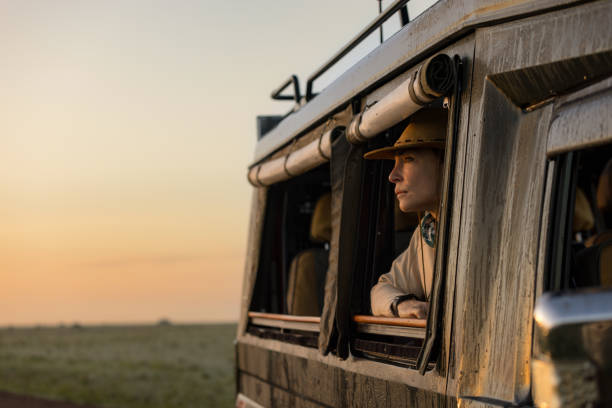

Your Comprehensive Guide to Eco-Friendly Travel in Tanzania
Tanzania, a land of breathtaking landscapes, abundant wildlife, and vibrant cultures, beckons travelers with promises of unforgettable adventures. From the vast plains of the Serengeti to the spice-scented shores of Zanzibar and the majestic peak of Kilimanjaro, this East African gem offers diverse experiences. As global awareness of environmental and social impacts grows, so does the desire to explore this magnificent country in a way that respects its natural beauty and supports its communities. This guide is crafted for those seeking to engage in eco-friendly travel in Tanzania, ensuring your journey contributes positively to conservation efforts and local well-being, especially as you plan for 2026 and 2027.
Choosing responsible tourism practices doesn’t mean sacrificing comfort or adventure; it means enhancing your travel experience by connecting more deeply with the destination and its people. We’ll explore how to select ethical tour operators, choose sustainable accommodations, minimize your environmental footprint, and support local economies. Whether you’re dreaming of a classic safari, a challenging trek, or a relaxing island escape, this guide provides the insights needed to make conscious choices for a more meaningful and sustainable trip to Tanzania.
Quick Answers
What is eco-friendly travel in Tanzania? It involves minimizing negative environmental and social impacts while maximizing positive contributions to conservation and local communities. This includes choosing sustainable accommodations, ethical tour operators, responsible wildlife viewing, and supporting local businesses.
Why is eco-friendly travel important in Tanzania? Tanzania’s natural resources and cultural heritage are vital for its economy and the well-being of its people. Responsible tourism helps protect biodiversity, combat climate change, preserve cultural traditions, and provide economic opportunities for local communities.
How can I find eco-friendly tour operators in Tanzania? Look for operators with clear sustainability policies, certifications (though not always available locally), strong community engagement programs, and positive reviews mentioning responsible practices. Direct communication about their approach is key.
What are some eco-friendly activities in Tanzania? Participating in community-based tourism projects, visiting conservation areas with strict regulations, choosing walking safaris led by knowledgeable local guides, and staying in eco-lodges are excellent options.
When is the best time for eco-friendly travel in Tanzania? The dry seasons (June to October and December to February) are popular for wildlife viewing and trekking, offering good conditions. However, shoulder seasons can be less crowded and offer opportunities to support tourism during quieter periods.
| Aspect | Details |
|---|---|
| Key Destinations | Serengeti, Ngorongoro, Tarangire, Ruaha, Selous (Nyerere), Kilimanjaro, Zanzibar, Mafia Island |
| Primary Activities | Wildlife Safaris, Mountain Trekking, Cultural Tours, Beach Holidays, Diving/Snorkeling |
| Sustainability Focus | Wildlife Conservation, Community Development, Reduced Carbon Footprint, Cultural Preservation |
| Best Time (General) | June-October (Dry Season), December-February (Dry Season) |
| Traveler Types | Nature Enthusiasts, Wildlife Photographers, Adventurers, Culture Seekers, Families |
| Planning Horizon | 6-12 months for peak seasons, 3-6 months for off-peak |
Understanding Eco-Friendly Travel in Tanzania
Eco-friendly travel, often used interchangeably with sustainable or responsible tourism, is about making conscious choices that benefit the environment, local communities, and the economy, while minimizing negative impacts. In Tanzania, a country heavily reliant on its natural wonders for tourism revenue, these principles are particularly critical.
Environmental Conservation: This is paramount. Tanzania hosts an incredible array of biodiversity, including the Great Migration in the Serengeti and the unique ecosystem of the Ngorongoro Crater. Eco-friendly travel aims to protect these habitats, conserve wildlife populations, and reduce pollution. This means adhering to park rules, avoiding single-use plastics, choosing lodges that manage waste and water responsibly, and supporting conservation initiatives.
Social and Cultural Responsibility: Tourism should empower local communities, not exploit them. Eco-friendly practices involve engaging respectfully with local cultures, supporting community-owned enterprises, ensuring fair wages for guides and staff, and contributing to local development projects. This can range from buying handicrafts directly from artisans to visiting villages and learning about their traditions.
Economic Benefits: Sustainable tourism ensures that tourism revenue stays within Tanzania and benefits local people. This involves choosing local guides, staying in locally owned accommodations, and purchasing goods and services from local businesses. It’s about creating a positive economic cycle that incentivizes conservation and cultural preservation.
The Importance for Tanzania: For a country where wildlife tourism is a major economic driver, the health of its ecosystems directly impacts livelihoods. Degradation of natural resources due to irresponsible tourism can lead to loss of wildlife, soil erosion, and water scarcity, ultimately harming the very attractions that draw visitors. By embracing eco-friendly travel, visitors become partners in safeguarding Tanzania’s natural and cultural heritage for future generations.
Why Eco-Friendly Travel Matters for Tanzania
Tanzania’s allure lies in its spectacular natural landscapes and wildlife. The Serengeti’s endless plains, the Ngorongoro Crater’s dense wildlife population, Mount Kilimanjaro’s challenging ascent, and the pristine beaches of Zanzibar are global treasures. However, these assets are fragile. Eco-friendly travel isn’t just a trend; it’s a necessity for the long-term viability of Tanzania’s tourism industry and the well-being of its people.
- Protecting Biodiversity: Tanzania is home to over 100,000 species of wildlife. Unregulated tourism can lead to habitat destruction, disturbance of wildlife, poaching, and the introduction of invasive species. Responsible travel practices, such as maintaining safe distances from animals, staying on designated paths, and supporting anti-poaching efforts, are crucial for preserving this rich biodiversity.
- Supporting Local Communities: Many Tanzanians depend on tourism for their livelihoods. Eco-friendly travel ensures that tourism revenue is distributed equitably, supporting local employment, education, healthcare, and infrastructure development. Community-based tourism initiatives, in particular, offer authentic cultural exchanges and direct economic benefits to villages.
- Preserving Cultural Heritage: Tanzania has a rich tapestry of cultures, from the Maasai to the Swahili coast. Responsible tourism respects local customs, traditions, and heritage sites. It encourages genuine interactions and learning, rather than commodifying culture for tourist consumption.
- Minimizing Environmental Footprint: The tourism sector can contribute to carbon emissions through transportation and energy consumption. Eco-friendly travel emphasizes lower-impact transportation, energy efficiency in accommodations, responsible waste management, and water conservation.
- Ensuring Long-Term Economic Stability: A healthy environment and vibrant local communities are the foundation of Tanzania’s tourism economy. By protecting these assets, eco-friendly travel helps ensure that tourism can continue to be a sustainable source of income and development for years to come, benefiting Tanzania in 2026, 2027, and beyond.
Best Time for Eco-Friendly Travel in Tanzania
Choosing the right time to visit Tanzania can significantly enhance your experience and align with eco-friendly principles. While the most popular times often coincide with peak wildlife viewing, considering shoulder seasons can offer a more intimate experience and support tourism during less busy periods.
| Season | Months | Weather & Wildlife | Eco-Travel Considerations |
|---|---|---|---|
| Green Season (Rainy) | November – March | Lush landscapes, fewer crowds, newborn animals (especially Dec-Feb). Rains are often short afternoon showers, though can be heavier in April/May. Good for birdwatching. | Lower prices, fewer tourists mean less pressure on resources. Supports lodges and communities during a slower period. Excellent for photography with dramatic skies. |
| Shoulder Season (Dry/Rain Transition) | April – May | Transitional weather, can be wet but often clearing. Landscapes are still green. Fewer animals may be concentrated. | Significant price reductions. Ideal for budget-conscious eco-travelers. Less crowded parks. |
| Dry Season (Peak) | June – October | Clear skies, dry conditions. Wildlife congregates around water sources, making game viewing excellent, especially the Great Migration in the Serengeti (timing varies). Ideal for Kilimanjaro trekking. | High demand means higher prices and more visitors. Choose operators with strict wildlife viewing protocols and accommodations with robust sustainability practices. Book well in advance for 2026-2027. |
| Dry Season (Second Peak) | December – February | Warm, dry weather. Good for general game viewing. Excellent for Zanzibar holidays. | Popular time, especially around holidays. Book early. Supports tourism during a good weather period. |
For Kilimanjaro Trekkers: The dry seasons (June-October and December-February) are optimal for climbing. However, trekking during the shoulder months of November or March can offer a more solitary experience with fewer climbers on the trails.
For Zanzibar Visitors: The dry seasons (December-February and June-October) offer the best beach weather. However, the shoulder months can still be pleasant with fewer crowds, allowing for a more relaxed and immersive experience with local culture.
Planning Your Eco-Friendly Tanzania Itinerary
Crafting an itinerary that aligns with eco-friendly principles requires thoughtful consideration of destinations, activities, and accommodations. The goal is to maximize your positive impact while minimizing your footprint.
Choosing Your Destinations Wisely
Tanzania offers a wealth of options. Prioritizing destinations that are actively managed for conservation and community benefit is key.
- Northern Circuit (Serengeti, Ngorongoro, Tarangire, Lake Manyara): These are iconic and well-managed parks. Look for lodges and camps that have strong environmental policies, employ local staff, and contribute to conservation fees. Consider visiting less crowded parks like Tarangire or Lake Manyara during peak season for a more relaxed experience.
- Southern Circuit (Ruaha, Selous/Nyerere National Park): These parks are vast and offer a more remote safari experience. They are often managed with a strong focus on conservation and community engagement. Lodges here often have significant conservation initiatives.
- Kilimanjaro National Park: Trekking Kilimanjaro can be done responsibly by choosing operators who adhere to Leave No Trace principles, ensure proper waste disposal by porters, and treat their trekking crews ethically.
- Zanzibar and Mafia Island: Focus on marine conservation efforts. Choose dive centers and resorts that support reef protection, sustainable fishing practices, and minimize plastic waste. Mafia Island is particularly known for its Marine Park.
- Community-Based Tourism Areas: Explore initiatives like those around Arusha, Mto wa Mbu, or the Usambara Mountains. These offer opportunities to engage with local cultures, learn traditional crafts, and directly support village economies.
Sustainable Activities
- Walking Safaris: Led by expert local guides, these offer a low-impact way to experience the bush and appreciate smaller details.
- Community Visits: Engage respectfully with local villages, learn about daily life, and purchase authentic crafts directly from artisans.
- Bird Watching Tours: Tanzania is a birdwatcher’s paradise. These tours are typically low-impact and support local guides.
- Diving and Snorkeling (responsibly): Choose operators committed to marine conservation, avoiding touching coral, and using reef-safe sunscreen.
- Cultural Tours: Focus on authentic experiences that respect local customs and traditions.
Sample Itinerary Logic (10-Day Northern Circuit Focus)
This sample focuses on balancing iconic sights with responsible practices, ideal for 2026-2027 planning.
Day 1-2: Arusha & Surrounds
- Arrive at Kilimanjaro International Airport (JRO).
- Transfer to an eco-conscious lodge near Arusha.
- Visit a local coffee plantation or a community project to understand local livelihoods and sustainable agriculture.
- Optional: Day trip to Arusha National Park for walking safaris and stunning views of Kilimanjaro and Meru.
Day 3-5: Tarangire National Park
- Drive to Tarangire, known for its large elephant herds and baobab trees.
- Stay at a camp/lodge with strong environmental credentials (e.g., solar power, waste management).
- Focus on morning and afternoon game drives, respecting wildlife viewing distances and time limits. Consider a guided walking safari if available.
Day 6-7: Ngorongoro Conservation Area
- Descend into the Ngorongoro Crater for exceptional wildlife viewing. Strict regulations are in place to protect the ecosystem.
- Stay at a lodge on the crater rim or in Karatu, prioritizing those with community links or conservation projects.
- Visit a Maasai village (ensure it’s a genuine cultural exchange, not just a tourist stop) or a local school supported by tourism.
Day 8-9: Serengeti National Park
- Fly into a Serengeti airstrip to minimize road impact, or drive through.
- Choose a tented camp that practices low-impact camping and supports conservation.
- Spend days on game drives, focusing on ethical wildlife photography and observing animal behavior without disturbance.
- If visiting during migration season, respect the delicate balance of the ecosystem.
Day 10: Departure
- Morning game drive or transfer to the nearest airstrip for a flight back to Arusha or Kilimanjaro for your international departure.
Route Illustration: Northern Tanzania Focus
| Start: Kilimanjaro Int’l Airport (JRO) |
| -> Arusha (Acclimatization, Community Visit) |
| -> Tarangire NP (Elephants, Baobabs, Walking Safari) |
| -> Ngorongoro Crater (Unique Ecosystem, Cultural Options) |
| -> Serengeti NP (Great Migration, Diverse Wildlife) |
| -> Return Flight to Arusha/JRO |
Choosing Sustainable Accommodations
Your choice of where to stay significantly impacts your eco-friendly travel efforts. Look for accommodations that demonstrate a commitment to sustainability.
- Eco-Lodges and Camps: These are specifically designed and operated with environmental principles in mind. They often feature:
- Renewable energy sources (solar power).
- Water conservation systems and responsible wastewater treatment.
- Waste reduction and recycling programs, often aiming for zero waste.
- Use of local, sustainable building materials.
- Support for local employment and sourcing of local produce.
- Involvement in conservation projects or partnerships with local communities.
- Community-Owned Lodges: Staying in lodges owned and operated by local communities provides direct economic benefits and supports cultural preservation. These often offer a more authentic cultural experience.
- Certifications: While formal eco-certifications can be less common or standardized in Tanzania compared to some other regions, look for operators and lodges that are transparent about their sustainability practices. Ask them directly about their policies on energy, water, waste, and community engagement.
- What to Ask Potential Accommodations:
- What are your energy sources? Do you use solar power?
- How do you manage water consumption and wastewater?
- What is your policy on single-use plastics?
- Where do you source your food and supplies?
- How do you support local employment and community development?
- Are you involved in any conservation initiatives?
Responsible Wildlife Viewing
Safaris are a highlight of Tanzanian travel, but they must be conducted responsibly to protect wildlife and their habitats.
- Respect Wildlife:
- Maintain a safe and respectful distance from all animals. Never approach or feed wildlife.
- Avoid disturbing animals, especially during sensitive times like mating, nesting, or when young are present.
- Do not drive off-road, as this damages vegetation and can disturb wildlife.
- Limit the time spent at sightings to avoid stressing animals.
- Vehicle Etiquette:
- Minimize noise. Keep voices down and avoid loud music.
- Do not litter from vehicles. Take all trash with you.
- Limit the number of vehicles at a sighting if possible.
- Choosing Guides and Operators:
- Select tour operators who train their guides in ethical wildlife viewing practices and conservation.
- Guides should be knowledgeable about animal behavior and park rules.
- Walking safaris, where permitted, offer an intimate and low-impact way to observe nature.
- Supporting Conservation Fees:
- Park entrance fees and conservation fees are vital for funding anti-poaching patrols, habitat management, and research. Ensure your operator pays these fees diligently.
Ethical Kilimanjaro Trekking
Climbing Kilimanjaro is a significant undertaking, and responsible trekking ensures the mountain’s environment is protected and porters are treated fairly.
- Porter Welfare: This is a critical aspect of ethical trekking.
- Choose operators who are members of KPAP (Kilimanjaro Porters Assistance Project) or have similar transparent policies regarding porter wages, food, accommodation, and equipment.
- Ensure porters are provided with adequate clothing, sleeping gear, and food.
- Avoid tipping individual porters directly in ways that could create conflict; follow established guidelines.
- Leave No Trace Principles:
- Pack out everything you pack in, including all trash, food scraps, and toilet paper.
- Stay on marked trails to prevent erosion.
- Use designated toilets or dig catholes properly if necessary, away from water sources.
- Minimize campfire impact (though fires are generally prohibited on Kilimanjaro).
- Waste Management:
- Operators should have a clear system for packing out all waste from the mountain.
- Avoid bringing unnecessary packaging.
- Operator Selection:
- Research operators thoroughly. Ask about their porter policies, waste management, and environmental practices on the mountain.
Responsible Zanzibar and Coastal Experiences
The islands and coast offer beautiful beaches, rich history, and marine life. Sustainable tourism here focuses on protecting fragile marine ecosystems and supporting local communities.
- Marine Conservation:
- Diving and Snorkeling: Choose operators committed to reef protection. Never touch or stand on coral. Use reef-safe sunscreen.
- Sustainable Fishing: Support local fishermen who practice traditional, sustainable methods. Avoid eating endangered species.
- Marine Parks: Visit and support designated marine parks (like Mafia Island Marine Park) which contribute to conservation funding.
- Community Engagement:
- Visit Stone Town with a local guide to learn about its history and culture respectfully.
- Support local artisans and businesses in markets.
- Participate in cultural tours that offer genuine insights into Swahili life.
- Waste Management:
- The islands are particularly vulnerable to plastic pollution. Minimize your use of single-use plastics. Participate in beach clean-ups if opportunities arise.
- Choose accommodations that actively manage their waste and avoid contributing to ocean pollution.
Minimizing Your Footprint
Every traveler can take steps to reduce their environmental impact.
- Reduce Plastic Use:
- Carry a reusable water bottle and purification system (filter, tablets). Many lodges offer filtered water refills.
- Bring a reusable shopping bag for souvenirs.
- Refuse plastic straws and bags whenever possible.
- Conserve Water and Energy:
- Take shorter showers.
- Turn off lights and fans when leaving your room.
- Reuse towels and linens to reduce laundry needs.
- Transportation Choices:
- Where possible, opt for shared transfers or smaller group tours.
- Consider flying between major destinations (e.g., Arusha to Serengeti) to save time and reduce road impact, especially for longer distances. Ensure the airline has its own sustainability initiatives.
- Walking and cycling are excellent for exploring local areas.
- Dietary Choices:
- Support restaurants that source local, seasonal ingredients.
- Reducing meat consumption can lower your carbon footprint.
- Offsetting Carbon Emissions:
- Consider calculating the carbon footprint of your flights and travel, and contributing to reputable carbon offsetting programs that support environmental projects in Tanzania or elsewhere.
Common Mistakes to Avoid in Eco-Friendly Travel
Even with the best intentions, travelers can sometimes inadvertently cause harm. Being aware of potential pitfalls is crucial for truly responsible travel.
- Choosing the Cheapest Option: The lowest price often means compromises on ethical labor practices, environmental standards, or conservation contributions. Invest in operators who prioritize sustainability.
- Ignoring Porter Welfare on Kilimanjaro: This is a significant ethical issue. Always choose KPAP-affiliated or demonstrably ethical operators.
- Disturbing Wildlife: Getting too close for a photo, feeding animals, or making excessive noise can cause stress and alter natural behaviors.
- Supporting Unethical Animal Encounters: Avoid places that offer direct contact with wild animals (e.g., petting lions), as these often involve cruel practices for training.
- Ignoring Waste Management: Littering, especially in parks or on beaches, can severely damage ecosystems. Always pack out what you bring in.
- Lack of Respect for Local Culture: Dressing inappropriately, taking photos without permission, or engaging in intrusive behavior can offend local communities.
- Over-reliance on Single-Use Plastics: This contributes to pollution, especially on islands like Zanzibar.
- Not Researching Operators Thoroughly: Many operators claim to be eco-friendly without genuine commitment. Look for transparency and evidence of their practices.
Who is Eco-Friendly Travel in Tanzania Best For?
This style of travel appeals to a broad range of individuals and groups who value conscious exploration.
- Conscious Travelers: Those who are aware of their environmental and social impact and actively seek ways to minimize it.
- Nature Enthusiasts & Wildlife Lovers: Individuals passionate about conservation and experiencing wildlife in its natural habitat without disturbance.
- Adventure Seekers: Trekkers, hikers, and those interested in active exploration who want to do so with minimal environmental impact.
- Culture Enthusiasts: Travelers interested in authentic cultural exchanges and supporting local communities directly.
- Families: Parents looking to instill values of environmental stewardship and cultural respect in their children through travel.
- Photographers: Those who seek ethical wildlife photography opportunities that respect animal welfare and natural behavior.
- Honeymooners & Couples: Seeking a meaningful and romantic getaway that contributes positively to the destination.
- Solo Travelers: Looking for safe, responsible, and enriching experiences that connect them with the destination.
Alternatives to Traditional Mass Tourism
If you’re looking for experiences that move beyond the typical tourist trail and offer deeper engagement, consider these alternatives within Tanzania:
- Community-Based Tourism Projects: Engage directly with villages, learn traditional skills, and contribute to local development. Examples include projects in the Usambara Mountains or near Arusha.
- Conservation-Focused Safaris: Partner with lodges or research projects actively involved in wildlife conservation, anti-poaching, or research.
- Voluntourism (with caution): While some voluntourism can be beneficial, thoroughly vet organizations to ensure they provide genuine, long-term support and don’t displace local workers. Focus on conservation or education initiatives.
- Homestays: Experience daily life in a Tanzanian village by staying with a local family, offering a unique cultural immersion.
- Off-the-Beaten-Path Parks: Explore less-visited parks like Ruaha, Katavi, or Saadani National Park for a more exclusive and less crowded wildlife experience, often with strong conservation ethics.
Planning Your 2026-2027 Eco-Friendly Trip
Planning ahead is crucial for securing the best eco-friendly options, especially for peak seasons in 2026 and 2027. Early booking ensures availability with reputable operators and accommodations.
Eco-Friendly Tanzania Planning Checklist (2026-2027)
- 12+ Months Out: Research destinations and eco-friendly tour operators. Inquire about their sustainability policies and community engagement.
- 9-12 Months Out: Book international flights. Consider carbon offsetting for flights.
- 6-9 Months Out: Confirm your chosen tour operator and accommodation. Discuss specific eco-friendly requests (e.g., avoiding plastics, local sourcing). Book Kilimanjaro climbs or popular safari dates.
- 4-6 Months Out: Plan your internal travel arrangements (flights, transfers).
- 2-3 Months Out: Apply for visas if required. Get necessary vaccinations and malaria prophylaxis. Purchase travel insurance.
- 1 Month Out: Pack smart. Focus on reusable items, eco-friendly toiletries, and appropriate clothing. Confirm all bookings.
- Week Of: Finalize currency exchange. Inform your bank of travel dates. Download offline maps and guides.
Booking Your Eco-Friendly Tanzania Adventure
Selecting the right tour operator is the most critical step in ensuring your eco-friendly travel in Tanzania is successful and impactful. Look for partners who are as committed to sustainability as you are.
- Research and Vet Operators:
- Look for companies with transparent sustainability policies clearly stated on their website.
- Check for affiliations with conservation organizations or community projects.
- Read reviews, paying attention to comments about ethical practices, guide knowledge, and responsible tourism.
- Don’t hesitate to ask direct questions about their environmental practices, waste management, community engagement, and porter welfare policies.
- Direct Communication is Key:
- Contact operators directly. A good operator will be happy to discuss their commitment to responsible tourism and tailor an itinerary that aligns with your values.
- For personalized and ethically-minded safaris, trekking, and Zanzibar holidays in 2026 and 2027, consider reaching out to experienced local operators.
- What to Expect from a Reputable Operator:
- Transparency: Clear pricing, detailed itineraries, and honest information about what’s included and excluded.
- Ethical Practices: Fair treatment of guides and staff, respect for wildlife, and adherence to park regulations.
- Sustainability Focus: Initiatives to reduce environmental impact, support local communities, and contribute to conservation.
- Expertise: Deep knowledge of Tanzania’s wildlife, culture, and conservation challenges.
- Customization: Ability to tailor your trip to your specific interests and eco-friendly preferences.
Ready to plan your responsible adventure? Contact us to discuss your dream eco-friendly travel in Tanzania. We are passionate about creating unforgettable experiences that benefit both our travelers and the beautiful country we call home. Whether it’s a thrilling safari, an inspiring Kilimanjaro trek, or a relaxing Zanzibar getaway for 2026-2027, we’re here to help you travel with purpose.
WhatsApp: +255616946642
Email: topguideadventures@gmail.com
Backup Email: info@topguideadventures.com
Plan your Eco-Friendly Travel in Tanzania with Top Guide Adventures
Tell us your travel dates, group size, comfort level, and dream experience. We will help you shape a clear, realistic, and memorable Tanzania itinerary.







 Veedesigner
 Fatma Kizanga
 Benjamin Waryuba
 Philip Philip
 John jr Itaja
 Antonia Optatus
 Edith Kanyere
 Neema Iddy
 Kelvin Boniphace
 Damari Maiga



