
Updated planning guide for 2026-2027
Tanzania Travel Insurance Guide: Complete 2026-2027
Planning a trip to Tanzania? This detailed guide covers everything you need to know about Tanzania travel insurance, ensuring your safari, Kilimanjaro trek, or Zanzibar holiday is protected.
WhatsApp +255616946642 | topguideadventures@gmail.com | info@topguideadventures.com
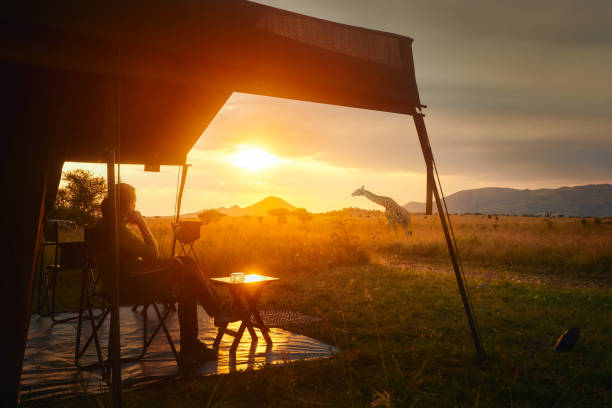
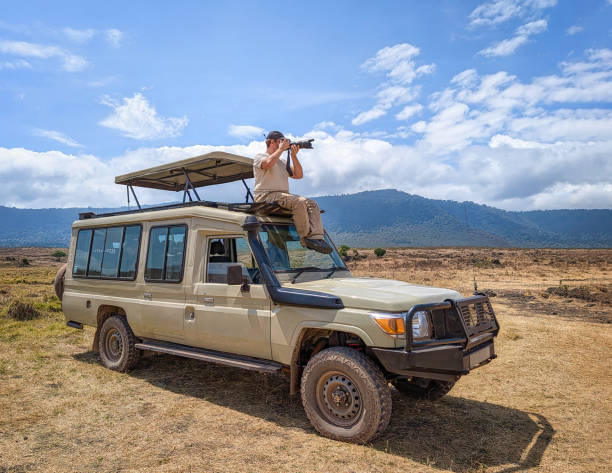
Understanding Tanzania Travel Insurance: Your Essential Planning Guide
A trip to Tanzania promises incredible adventures, from the vast plains of the Serengeti and the majestic peak of Kilimanjaro to the spice-scented shores of Zanzibar. To ensure your journey is as smooth and worry-free as possible, understanding and securing the right Tanzania travel insurance is a critical step in your planning process. This guide provides an in-depth look at what you need to consider, covering everything from medical emergencies and trip cancellations to adventure sports coverage.
Many travelers focus on the exciting aspects of their Tanzanian itinerary, like spotting the Big Five or reaching the Roof of Africa, and sometimes overlook the importance of robust travel insurance. However, unexpected events can occur, and having appropriate coverage can be the difference between a minor inconvenience and a significant financial burden.
This guide is designed for anyone planning a trip to Tanzania in the coming years, including those looking ahead to 2026 and 2027. We’ll break down the complexities of travel insurance, offer practical advice, and help you make informed decisions so you can focus on enjoying the breathtaking beauty and unique experiences Tanzania has to offer.
Quick Facts: Tanzania Travel Insurance Essentials
| Key Coverage Areas | Medical Expenses, Emergency Medical Evacuation, Trip Cancellation/Interruption, Lost/Stolen Baggage, Personal Liability. |
| Must-Have for Activities | Safari (driving, walking), Kilimanjaro Trekking, Zanzibar Watersports (snorkeling, diving), Cultural Tours. |
| Important Considerations | Pre-existing Medical Conditions, Policy Limits, Deductibles, Exclusions, Coverage for Companions. |
| When to Buy | As soon as you book your trip, ideally within 14-21 days of your first payment. |
| Provider Choice | Compare policies from reputable international and local providers. Check reviews and coverage details carefully. |
Why Tanzania Travel Insurance is Non-Negotiable
Tanzania is a destination that offers unparalleled experiences, but it also presents certain risks that are best mitigated with proper insurance. Here’s why it’s a vital part of your travel preparations:
Medical Emergencies and Evacuation
Healthcare facilities in Tanzania, while present, can vary significantly in quality and accessibility, especially in remote areas. Should you fall ill or suffer an injury, you might require:
- Emergency Medical Treatment: Coverage for doctor’s visits, hospital stays, and necessary medications.
- Medical Evacuation: This is crucial. If you have a serious medical issue, you may need to be transported to a better-equipped facility, potentially in another country. This service is extremely expensive and travel insurance is often the only way to cover it. For Kilimanjaro treks, this is paramount due to the altitude and remoteness.
- Repatriation of Remains: A somber but necessary consideration.
Trip Cancellation and Interruption
Flights, accommodations, and tour bookings for Tanzania often require significant upfront payments. If you are forced to cancel your trip before departure due to unforeseen circumstances (like a serious illness, death in the family, or natural disaster), or if your trip is cut short, travel insurance can reimburse you for non-refundable expenses.
Baggage and Personal Belongings
Losing your luggage, or having it stolen, can disrupt your trip. Travel insurance can cover the cost of replacing essential items or compensate for the loss of your belongings.
Adventure Activities
Tanzania is synonymous with adventure. Safaris, trekking Mount Kilimanjaro, diving in Zanzibar, or even walking safaris involve inherent risks. Standard travel insurance policies may not cover these activities, so you must ensure your policy specifically includes coverage for the adventures you plan.
Personal Liability
In the unlikely event that you accidentally cause injury to someone else or damage their property during your trip, personal liability coverage can protect you from significant financial claims.
What to Cover: Key Components of Tanzania Travel Insurance
When selecting a policy, scrutinize the coverage details. Here are the essential components to look for:
Medical Expenses Coverage
This is the most critical aspect. Ensure the coverage amount is substantial, typically at least $100,000 USD, but higher is always better, especially for remote destinations or strenuous activities. Check what is included: doctor’s fees, hospital charges, surgery, ambulance services, and prescription drugs.
Emergency Medical Evacuation and Repatriation
This coverage is non-negotiable for Tanzania. For Kilimanjaro treks, it’s especially vital. Look for policies with high limits for evacuation, often $250,000 USD or more. It should cover transportation to the nearest adequate medical facility and, if necessary, your return home.
Trip Cancellation and Interruption
Understand the reasons for cancellation or interruption that are covered. Common covered reasons include severe illness or injury to you or a close relative, natural disasters, or strikes affecting travel. Ensure the coverage amount matches your total non-refundable trip costs.
Baggage Loss, Theft, or Delay
This covers the loss or damage of your luggage. There are usually per-item limits and a maximum payout. Baggage delay coverage can help you purchase essential items if your luggage is delayed for a specified period (e.g., 12-24 hours).
Accidental Death and Dismemberment (AD&D)
This provides a payout if you die or suffer a severe injury as a result of an accident during your trip.
Personal Liability
Covers you if you are found legally liable for accidental injury or damage to property during your travels.
Rental Car Damage (Optional)
If you plan to rent a vehicle in Tanzania, consider this if your personal auto insurance doesn’t extend coverage internationally.
Specific Coverage Needs for Tanzania’s Diverse Activities
Tanzania offers a spectrum of travel experiences, and your insurance needs will vary depending on your chosen activities. It’s crucial to ensure your policy explicitly covers these:
Safari Coverage
Most standard policies cover typical safari activities like game drives in a vehicle. However, if your itinerary includes:
- Walking Safaris: Some policies may consider this a higher risk.
- Hot Air Balloon Safaris: Usually covered, but verify.
Ensure your medical and evacuation coverage is adequate for remote park locations where access to immediate medical care is limited.
Kilimanjaro Trekking Insurance
This is perhaps the most critical area for specialized insurance. Climbing Kilimanjaro involves significant risks, including altitude sickness, falls, and the need for rapid evacuation. Your policy MUST include:
- High Altitude Trekking: Specifically mention trekking above 5,000 meters (Kilimanjaro’s summit is 5,895m).
- Emergency Medical Evacuation: A very high limit is essential, as evacuation from Kilimanjaro can be costly.
- Search and Rescue: Coverage for search and rescue operations if you become lost or incapacitated.
- Trip Interruption: If you are medically unable to complete the trek.
Many standard travel insurance policies will exclude coverage for high-altitude trekking. You will likely need a specialized policy or an add-on for Kilimanjaro.
Zanzibar and Coastal Activities Insurance
Zanzibar offers beautiful beaches and vibrant marine life. If you plan on water activities:
- Snorkeling and Swimming: Generally covered.
- Scuba Diving: Ensure your policy covers diving, often requiring a certification or specific mention. Check depth limits.
- Kayaking, Paddleboarding: Usually covered, but confirm.
- Sailing: May require specific mention.
Medical evacuation from Zanzibar is also important, though generally more accessible than from mainland national parks.
Cultural Tours and City Exploration
If your trip focuses more on cultural immersion, city tours, and visiting historical sites, standard travel insurance with good medical and trip cancellation coverage will likely suffice. However, always check for any exclusions related to specific regions or activities.
Choosing the Right Policy: Factors to Consider
Navigating the world of travel insurance can be complex. Here are key factors to help you choose the best policy for your Tanzania adventure:
Policy Limits and Deductibles
Policy Limits: These are the maximum amounts the insurer will pay for specific claims. Ensure medical and evacuation limits are high enough. For trip cancellation, ensure the limit covers your total booking cost.
Deductibles (Excess): This is the amount you pay out-of-pocket before the insurance coverage kicks in. A lower deductible usually means a higher premium. Decide what level of risk you’re comfortable with.
Pre-existing Medical Conditions
If you have any ongoing medical conditions, you must declare them to the insurance provider. Failure to do so could invalidate your policy. Some policies offer coverage for pre-existing conditions with an additional premium, while others may exclude them entirely or require you to be symptom-free for a certain period before travel.
Exclusions and Limitations
Read the fine print carefully. Common exclusions include:
- Travel to countries under government advisory.
- Participation in extreme sports not listed or covered.
- Loss or theft of cash, credit cards, or documents.
- Illness or injury resulting from alcohol or drug abuse.
- War, civil unrest, or acts of terrorism.
- Unattended baggage.
For Tanzania, pay close attention to exclusions related to remote areas or specific adventure activities.
Coverage for Companions
Ensure the policy covers everyone in your travel party, especially if you are traveling with family or a group. Some policies offer family plans.
Provider Reputation and Reviews
Research insurance providers. Look for companies with good financial ratings and positive customer reviews regarding their claims process and customer service. Check if they have a strong global network for emergency assistance.
When to Purchase Your Tanzania Travel Insurance
The timing of your insurance purchase is crucial for maximizing coverage, particularly for trip cancellation benefits.
The Ideal Window
Purchase your Tanzania travel insurance as soon as you make your first non-refundable payment for your trip. This is often within 14 to 21 days of booking. This timeframe is critical for activating benefits like:
- Cancel For Any Reason (CFAR): If you opt for this expensive add-on, it typically must be purchased within 14-21 days of your initial deposit. CFAR allows you to cancel your trip for reasons not typically covered by standard policies and receive a partial refund (usually 50-75%).
- Pre-existing Condition Coverage: Many insurers require you to buy coverage within a specific period after your initial trip deposit to cover pre-existing conditions.
Last-Minute Purchases
Buying insurance very close to your departure date is possible, but you will miss out on crucial benefits like CFAR and potentially pre-existing condition coverage. It will primarily cover unforeseen events that occur after the policy is active.
Comparing Policy Options: A Planning Checklist
To make an informed decision, it’s helpful to compare policies side-by-side. Use this checklist:
Key Comparison Points
- Coverage Amount for Medical Expenses: Minimum $100,000 USD, preferably higher.
- Coverage Amount for Medical Evacuation/Repatriation: Minimum $250,000 USD, essential for Kilimanjaro.
- Trip Cancellation Coverage Amount: Should match total non-refundable trip cost.
- Trip Interruption Coverage Amount: Should cover remaining trip costs plus return travel.
- Deductible (Excess): How much you pay before insurance pays.
- Covered Activities: Does it explicitly include safari, trekking (specify altitude), diving, etc.?
- Pre-existing Condition Clause: Are they covered? What are the conditions?
- Baggage Coverage Limits: Per item and total.
- Provider Reputation: Look for customer reviews and financial stability.
- Emergency Assistance: 24/7 global assistance hotline.
Example Policy Comparison (Illustrative – Actual details vary by provider)
| Feature | Policy A (Standard) | Policy B (Adventure Focus) | Policy C (Budget) |
|---|---|---|---|
| Medical Expenses | $100,000 USD | $250,000 USD | $50,000 USD |
| Med Evac/Repatriation | $150,000 USD | $500,000 USD | $50,000 USD |
| Trip Cancellation | Up to $5,000 USD | Up to $10,000 USD | Up to $2,000 USD |
| Kilimanjaro Coverage | No | Yes (Specify altitude) | No |
| Deductible | $250 USD | $500 USD | $100 USD |
| Best For | General travel, light activities | Serious trekkers, adventure seekers | Minimal coverage needs |
Planning Your 2026-2027 Tanzania Trip: Insurance Considerations
As you plan your Tanzanian adventure for 2026 or 2027, keep these forward-looking tips in mind regarding your travel insurance:
Early Bird Planning
The earlier you book your trip and insurance, the better. This is particularly true for Kilimanjaro treks or specialized safaris, as availability can be limited. Booking and insuring early also secures the best rates and ensures you don’t miss out on crucial coverage windows.
Policy Changes and Updates
Insurance policies and regulations can change. Always review the policy documents for the specific year you are traveling, even if you have purchased insurance before. Pay attention to any updates in coverage for specific regions or activities.
Health Recommendations for Tanzania
Consult your doctor well in advance of your trip regarding necessary vaccinations (e.g., Yellow Fever, Hepatitis A & B) and malaria prophylaxis. Ensure your insurance policy covers emergency treatment for any illnesses contracted during your trip, including those related to vaccinations or prophylactic medications. For 2026-2027 travel, stay updated on any evolving health advisories for Tanzania.
Travel Advisories
Keep an eye on travel advisories issued by your home country’s government regarding Tanzania. While most standard policies cover travel to countries with general advisories, severe warnings or travel bans might lead to exclusions. Ensure your policy covers unforeseen events that might arise due to political instability or natural disasters.
Common Mistakes to Avoid When Buying Tanzania Travel Insurance
Many travelers make unintentional errors that can lead to denied claims or inadequate coverage. Avoid these pitfalls:
Mistake 1: Assuming Standard Insurance is Enough
Many people purchase travel insurance as an add-on from their airline or credit card company without fully understanding its limitations. These policies often have lower coverage limits and may exclude key activities like high-altitude trekking or scuba diving.
Mistake 2: Not Declaring Pre-existing Conditions
This is a major reason for claim denials. Be completely honest about your medical history. If you’re unsure whether a condition is ‘pre-existing,’ ask the insurer.
Mistake 3: Underinsuring Your Trip Cost
If you cancel your trip, you want to recover all your non-refundable expenses. Ensure the trip cancellation coverage amount accurately reflects the total cost of your flights, accommodations, tours, and any other pre-paid items.
Mistake 4: Not Reading the Policy Wording (The Fine Print)
This document is your contract. It details exactly what is and isn’t covered, the claim procedures, and the exclusions. Don’t just look at the summary of benefits.
Mistake 5: Waiting Too Long to Purchase
As mentioned, buying insurance late can mean forfeiting essential benefits like pre-existing condition coverage or CFAR. The earlier, the better.
Mistake 6: Forgetting Specific Activity Coverage
If you’re climbing Kilimanjaro or planning to dive in Zanzibar, ensure these activities are explicitly named or covered under a broad adventure sports clause. Altitude and specific risks associated with these activities require specialized coverage.
Who is Tanzania Travel Insurance Best For?
Tanzania travel insurance is essential for virtually everyone traveling to the country, but certain traveler types will find specific aspects particularly crucial:
- Adventure Seekers: Those planning Kilimanjaro treks, multi-day safaris with walking components, or extensive water sports in Zanzibar need robust coverage for high-risk activities and medical evacuation.
- Families: Comprehensive medical coverage, trip cancellation, and baggage protection are vital when traveling with children, as unexpected illnesses or disruptions can be more challenging.
- Solo Travelers: Being alone means you are solely responsible for your well-being and finances. Strong medical and evacuation coverage is paramount.
- Budget Travelers: While it might seem like an unnecessary expense, a medical emergency or trip cancellation can be financially devastating for someone on a tight budget. Insurance is a critical safety net.
- Senior Travelers: Age can sometimes be a factor in pre-existing condition coverage and evacuation costs. Ensuring adequate medical and evacuation coverage is key.
- Luxury Travelers: While you may have more resources, the cost of high-end accommodations and exclusive tours means trip cancellation coverage should match these values. High-value personal items also warrant good baggage coverage.
Alternatives to Comprehensive Travel Insurance (and Why They Fall Short)
While not recommended as replacements for comprehensive insurance, some travelers consider alternatives or supplementary options. It’s important to understand their limitations:
Credit Card Travel Insurance
Many premium credit cards offer travel insurance benefits. These can be useful for certain aspects like rental car insurance or lost baggage, but they often have:
- Lower medical and evacuation limits.
- Strict eligibility requirements (e.g., must pay for the trip with the card).
- Exclusions for high-risk activities like Kilimanjaro trekking.
- Limited trip cancellation/interruption coverage.
It’s best to view these as supplementary rather than primary coverage for a trip like Tanzania.
Limited Single-Trip Policies
Some providers offer very basic, cheaper policies that might cover only a few specific risks, like lost baggage or minor medical issues. These are inadequate for the potential medical and evacuation needs in Tanzania.
Reliance on National Health Systems
If your home country has a reciprocal healthcare agreement with Tanzania, it may cover some basic medical costs. However, these agreements rarely cover emergency evacuation, specialized treatments, or repatriation, which are often the most expensive aspects of medical emergencies abroad.
DIY Coverage (Self-Insuring)
Attempting to self-insure by setting aside money for potential emergencies is extremely risky. A single major medical evacuation can cost tens of thousands of dollars, far exceeding what most people can realistically save. It also doesn’t cover non-refundable trip costs if you have to cancel.
Booking Your Tanzania Trip: Integrating Insurance
When booking your Tanzanian safari, Kilimanjaro trek, or Zanzibar holiday with us, integrating insurance is a straightforward process. We can guide you on the types of coverage that are most relevant to the itineraries you choose.
Our Role as Your Tour Operator
As a leading Tanzania tour operator, we are committed to ensuring your safety and peace of mind. While we do not sell insurance directly, we provide comprehensive information and advice on what you need. We can:
- Advise on the types of activities included in your itinerary that require specific insurance coverage (e.g., high-altitude trekking for Kilimanjaro).
- Provide details on the remote locations you will visit, highlighting the importance of robust medical evacuation coverage.
- Help you understand the typical costs associated with potential emergencies so you can ensure your insurance limits are adequate.
Recommendation for Providers
We recommend that our clients research and purchase their travel insurance from reputable international providers known for comprehensive coverage and reliable emergency assistance services. Some popular options include World Nomads, SafetyWing, Allianz Travel Insurance, and others. Always compare policies based on your specific needs.
What to Do If You Need Assistance During Your Trip
If you experience a medical emergency or another covered event during your trip:
- Contact Your Insurer’s Emergency Assistance Line IMMEDIATELY. This number is usually available 24/7. Do not incur significant expenses (like arranging your own evacuation) without their pre-approval, as this can jeopardize your claim.
- Report the incident: Follow their instructions for reporting the event and providing necessary documentation (medical reports, police reports for theft, etc.).
- Keep all receipts: For any expenses incurred that you expect to be reimbursed for.
Frequently Asked Questions About Tanzania Travel Insurance
Q1: Do I really need travel insurance for Tanzania?
A1: Yes, absolutely. Tanzania is a destination where medical emergencies can be costly and complex to manage due to remoteness and varying healthcare standards. Comprehensive Tanzania travel insurance is essential for medical care, evacuation, and trip disruptions.
Q2: What is the most important coverage for a Kilimanjaro trek?
A2: The most critical coverage for a Kilimanjaro trek is high-limit emergency medical evacuation and repatriation. Altitude sickness and other medical emergencies at high altitudes require rapid and often expensive transport to medical facilities. Ensure your policy explicitly covers trekking at altitudes above 5,000 meters.
Q3: Will my standard travel insurance cover safari activities?
A3: Most standard policies cover typical game drives in vehicles. However, if your safari includes walking safaris or other more adventurous elements, you must verify that these specific activities are covered. Always check the policy wording.
Q4: Can I buy travel insurance after I have already booked my trip?
A4: Yes, you can buy travel insurance after booking your trip. However, to access benefits like coverage for pre-existing medical conditions or ‘Cancel For Any Reason’ (CFAR) coverage, you typically need to purchase the policy within 14-21 days of making your initial trip deposit. For 2026-2027 travel, aim to purchase it as soon as possible after booking.
Q5: What if I have a pre-existing medical condition?
A5: You must declare all pre-existing medical conditions to your insurance provider when applying. Failure to do so can invalidate your policy. Some policies offer coverage for pre-existing conditions with an additional premium, while others may have specific waiting periods or exclusions.
Q6: How much should my travel insurance for Tanzania cost?
A6: The cost varies significantly based on your age, trip duration, coverage limits, chosen activities, and the provider. It can range from a small percentage of your trip cost to a more substantial amount for specialized coverage like Kilimanjaro trekking. It’s generally a small investment compared to the potential cost of an uninsured emergency.
Q7: Does travel insurance cover lost or stolen cameras and electronics?
A7: Most policies offer coverage for lost, stolen, or damaged baggage, which includes electronics. However, there are usually per-item limits and overall maximum payouts. It’s wise to check these limits and consider additional coverage if you are bringing very expensive equipment.
Q8: What is the difference between trip cancellation and trip interruption?
A8: Trip cancellation covers your non-refundable expenses if you must cancel your trip before you depart. Trip interruption covers costs if your trip is cut short after you have departed, including the cost of getting you home and any unused portion of your prepaid arrangements.
Q9: Should I get insurance from my tour operator or a third-party provider?
A9: While some tour operators offer insurance packages, it’s often best to compare these with specialized third-party travel insurance providers. This allows you to find a policy that best fits your specific needs, activities, and budget. We recommend independent research for the best Tanzania travel insurance.
Q10: What if I need to make a claim in 2026 or 2027?
A10: Keep all documentation related to your trip and the incident. Contact your insurer’s claims department as soon as possible and follow their outlined procedure. Having your policy number and details of the event readily available will speed up the process.
Secure Your Tanzanian Adventure with Confidence
Your dream trip to Tanzania, whether it’s a thrilling safari, an awe-inspiring Kilimanjaro climb, or a relaxing Zanzibar escape, deserves to be protected. Understanding and obtaining the right Tanzania travel insurance is a fundamental part of responsible travel planning. It offers peace of mind, knowing that you are covered against unforeseen medical events, trip disruptions, and other potential issues.
We are dedicated to helping you create an unforgettable Tanzanian experience. By taking the time to secure appropriate travel insurance, you are investing in the safety and security of your adventure. For 2026 and 2027, ensure your plans are fully protected.
Don’t leave your trip to chance. Review your itinerary, assess your risks, and choose a comprehensive travel insurance policy that meets your needs. If you have any questions about activities that may require specific coverage for your planned Tanzania tour, please do not hesitate to reach out.
Contact us today to start planning your tailor-made Tanzanian adventure and discuss insurance considerations:
WhatsApp: +255616946642
Email: topguideadventures@gmail.com
Backup Email: info@topguideadventures.com
Plan your Tanzania Travel Insurance Guide with Top Guide Adventures
Tell us your travel dates, group size, comfort level, and dream experience. We will help you shape a clear, realistic, and memorable Tanzania itinerary.







 Veedesigner
 Fatma Kizanga
 Benjamin Waryuba
 Philip Philip
 John jr Itaja
 Antonia Optatus
 Edith Kanyere
 Neema Iddy
 Kelvin Boniphace
 Damari Maiga



