
Updated planning guide for 2026-2027
Tanzania Travel Mistakes To Avoid: Complete Guide 2026-2027
Planning a trip to Tanzania? Avoid common pitfalls with this comprehensive guide. Learn what not to do for your safari, Kilimanjaro climb, or Zanzibar vacation to ensure a smooth and memorable experience in 2026-2027.
WhatsApp +255616946642 | topguideadventures@gmail.com | info@topguideadventures.com
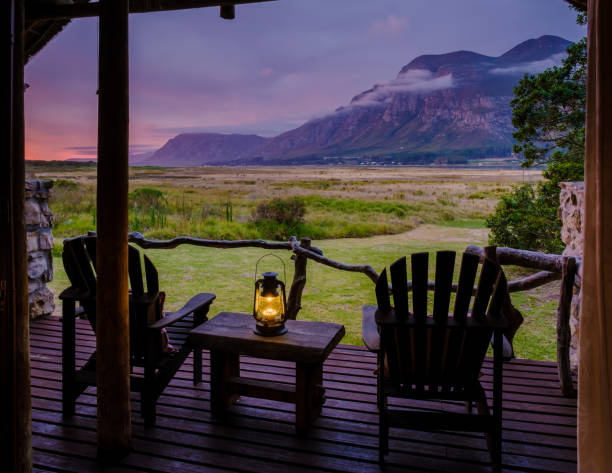
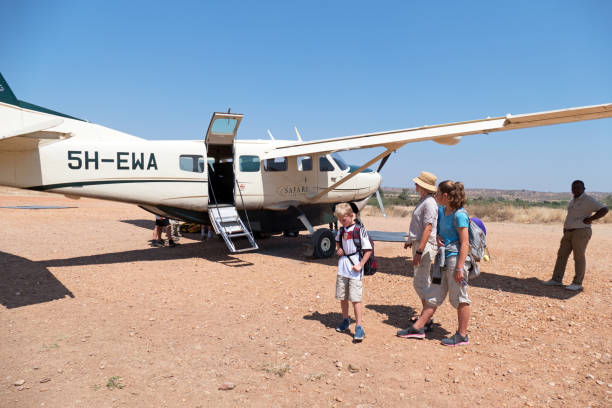
Tanzania offers an unparalleled African travel experience, from the vast plains of the Serengeti to the roof of Africa, Kilimanjaro, and the exotic spice island of Zanzibar. However, like any complex destination, planning a trip can present challenges. Understanding and avoiding common Tanzania travel mistakes is key to ensuring your adventure is everything you dreamed of and more. This guide provides expert insights to help you navigate potential pitfalls, whether you’re planning a 2026 safari, a 2027 Kilimanjaro ascent, or a relaxing Zanzibar getaway.
Table of Contents
- Quick Facts About Tanzania Travel
- Understanding Tanzania’s Appeal
- Why Avoiding These Mistakes Matters
- Best Time to Visit Tanzania (And Potential Pitfalls)
- Key Regions and Travel Flow
- Sample Tanzania Itinerary Logic
- What to Expect on Your Tanzanian Adventure
- Top Tanzania Travel Mistakes to Avoid
- Packing and Preparation Essentials
- Who is a Tanzania Trip Best For?
- Alternatives to Consider
- Planning Your Trip for 2026-2027
- Booking Your Tanzania Tour: Expert Advice
- Frequently Asked Questions
Quick Facts About Tanzania Travel
| Aspect | Details |
|---|---|
| Official Name | United Republic of Tanzania |
| Capital | Dodoma (official), Dar es Salaam (largest city, former capital) |
| Major International Airports | Kilimanjaro International Airport (JRO), Julius Nyerere International Airport (DAR), Abeid Amani Karume International Airport (ZNZ) |
| Currency | Tanzanian Shilling (TZS) |
| Languages | Swahili (national), English (widely spoken in tourism) |
| Visa Requirements | Required for most nationalities; can be obtained online or on arrival. Check current regulations. |
| Time Zone | East Africa Time (EAT), UTC+3 |
| Health Precautions | Consult your doctor regarding vaccinations (e.g., Yellow Fever) and malaria prophylaxis. |
Understanding Tanzania’s Appeal
Tanzania is a destination that captures the imagination. It’s a land of dramatic landscapes and incredible biodiversity. The iconic Serengeti National Park is synonymous with the Great Migration, a natural spectacle of millions of wildebeest, zebras, and gazelles traversing the plains. Ngorongoro Conservation Area, a UNESCO World Heritage Site, boasts a unique caldera teeming with wildlife, offering dense animal populations in a compact area. For adventurers, Mount Kilimanjaro, Africa’s highest peak, presents a formidable yet achievable trekking challenge.
Beyond the mainland’s natural wonders, the Zanzibar Archipelago offers a different kind of allure. Stone Town, a UNESCO World Heritage site, is a historical maze of narrow streets, vibrant markets, and rich Swahili-Arab culture. The islands also feature pristine white-sand beaches, turquoise waters perfect for diving and snorkeling, and a laid-back atmosphere that contrasts sharply with the intensity of a safari.
Why Avoiding These Mistakes Matters
The difference between a good trip and an exceptional one often lies in meticulous planning and avoiding common oversights. Tanzania’s scale, diverse activities, and logistical considerations mean that small planning errors can lead to significant disruptions, unexpected costs, or missed opportunities. For instance, booking safaris during peak migration times without understanding crowd levels or weather patterns can detract from the experience. Similarly, underestimating the physical demands of Kilimanjaro or misjudging travel times between locations can lead to disappointment.
By proactively addressing potential Tanzania travel mistakes, you can maximize your enjoyment, ensure your safety, and make the most of your precious vacation time and budget. This guide aims to equip you with the knowledge to plan a seamless and rewarding Tanzanian journey for 2026 or 2027.
Best Time to Visit Tanzania (And Potential Pitfalls)
Choosing the right time to visit Tanzania is crucial and depends heavily on your primary interests. Each season offers a different experience, and knowing these nuances can prevent disappointment.
| Season | Months | Pros | Cons & Mistakes to Avoid |
|---|---|---|---|
| Dry Season (Peak) | June – October | Excellent wildlife viewing (animals congregate around water sources), pleasant temperatures, ideal for Kilimanjaro treks. The Great Migration is typically in the western and northern Serengeti during these months. | Mistake: Not booking well in advance. This is peak season, and lodges/camps and flights fill up quickly, leading to higher prices and limited availability. Overcrowding at popular spots can occur. Kilimanjaro routes can be busy. |
| Short Rains | November – December | Fewer tourists, greener landscapes, potential for calving season (especially late Dec/Jan), lower prices. | Mistake: Expecting perfect weather. Rains can be unpredictable, potentially impacting road conditions in parks and making some areas less accessible. Wildlife viewing can be more dispersed. |
| Long Rains (Low Season) | March – May | Very few tourists, significantly lower prices, lush scenery, good birdwatching, wildebeest calving season in the Serengeti (early months). | Mistake: Underestimating the impact of heavy rains. Many roads within parks can become impassable, forcing itinerary changes or cancellations. Some lodges may close. Kilimanjaro trekking is generally discouraged due to mud, low visibility, and difficult conditions. Not checking park accessibility. |
| Shoulder Season (Post-Long Rains) | January – February | Good wildlife viewing, greener landscapes, start of calving season, pleasant weather before the short rains. | Mistake: Assuming it’s always dry. While generally good, brief showers can occur. The Great Migration is often in the southern Serengeti/Ndutu area for calving. |
Great Migration Timing Nuances
A common mistake is assuming the Great Migration is a static event. It’s a constant cycle. While the peak dry season (June-October) is excellent for seeing large herds, the exact location varies. If your heart is set on a specific event, like the river crossings (typically July-September, but unpredictable), research detailed migration forecasts closer to your travel dates for 2026 or 2027. Booking a safari focused solely on the migration without understanding its fluidity can lead to disappointment.
Key Regions and Travel Flow
Tanzania is a large country, and understanding the geography is vital to avoid inefficient travel. Most international visitors arrive at Kilimanjaro International Airport (JRO) for Northern Circuit safaris and Kilimanjaro climbs, or Julius Nyerere International Airport (DAR) for Southern Circuit safaris, coastal areas, and onward travel to Zanzibar.
A typical Northern Circuit itinerary might include:
- Arusha: Gateway town, starting point for safaris and treks.
- Tarangire National Park: Known for elephants and baobab trees.
- Lake Manyara National Park: Famous for tree-climbing lions and diverse birdlife.
- Ngorongoro Conservation Area: The caldera, a unique wildlife haven.
- Serengeti National Park: Vast plains, iconic for the Great Migration.
- Optional: Mount Kilimanjaro trek (often before or after safari).
A Southern Circuit trip might involve:
- Dar es Salaam: Main hub for southern access.
- Selous Game Reserve (Nyerere National Park): Largest game reserve, boat safaris, walking safaris.
- Ruaha National Park: Remote, wild, known for large predator populations.
Zanzibar is typically accessed by a short flight from Arusha or Dar es Salaam.
Underestimating Travel Times
Mistake: Assuming you can cover vast distances quickly. Roads within parks can be rough, and travel between parks, while seemingly short on a map, can take many hours. For example, driving from the Serengeti to Arusha can take a full day. Trying to cram too many parks into a short itinerary is a common error that leads to rushed experiences and excessive travel time.
Sample Tanzania Itinerary Logic
A well-structured itinerary balances wildlife viewing, adventure, and relaxation. Here’s a logic for a classic Northern Circuit safari combined with Kilimanjaro:
| Day | Activity | Notes |
|---|---|---|
| 1 | Arrive JRO, transfer to Arusha. | Rest and acclimatize. Pre-trek briefing if climbing Kilimanjaro. |
| 2-7 | Kilimanjaro Trek (e.g., Machame Route). | Focus on acclimatization and summit bid. Proper gear and guide are essential. |
| 8 | Descend Kilimanjaro, transfer to Arusha/Moshi. | Rest and recovery. |
| 9 | Arusha to Tarangire NP. | Afternoon game drive. Known for elephants. |
| 10 | Tarangire NP to Lake Manyara NP. | Morning game drive in Tarangire, then drive to Manyara for afternoon game drive. |
| 11 | Lake Manyara to Ngorongoro Crater. | Morning game drive in Manyara, then drive to Ngorongoro rim. Descend into the crater for a full afternoon game drive. |
| 12 | Ngorongoro to Serengeti NP. | Drive to Serengeti, stopping at Olduvai Gorge (optional). Afternoon game drive. |
| 13-14 | Serengeti National Park. | Full days of game drives. Focus on central Serengeti or follow migration based on season. |
| 15 | Serengeti to Arusha/JRO. | Morning game drive, then drive back to Arusha for departure or onward travel. |
Mistake: Trying to fit too much into too little time. This sample is already quite packed. A common error is trying to add more parks or activities without extending the trip, leading to constant rushing.
What to Expect on Your Tanzanian Adventure
Tanzania offers a rich and varied experience. Understanding these elements helps manage expectations and avoid surprises:
- Wildlife Encounters: Safaris are not zoos. While wildlife is abundant, sightings are not guaranteed. Patience and skilled guiding are crucial.
- Vast Landscapes: Expect long drives through diverse scenery, from savannahs to forests and mountains.
- Varying Road Conditions: Roads within national parks can be rough, bumpy, and dusty, especially in the wet season. This is part of the adventure but can be tiring.
- Accommodation Styles: Options range from luxury lodges and tented camps to more basic park accommodation. Tented camps can range from canvas shelters with en-suite bathrooms to more luxurious setups.
- Cultural Interactions: Opportunities exist to visit local villages or interact with Maasai communities. Respectful engagement is key.
- Kilimanjaro’s Challenge: It’s a strenuous trek requiring physical and mental fortitude. Altitude sickness is a real risk.
- Zanzibar’s Pace: A slower, more relaxed pace, especially on the beaches, contrasting with the safari intensity.
Top Tanzania Travel Mistakes to Avoid
Let’s dive into the specific pitfalls travelers often encounter. Avoiding these Tanzania travel mistakes will significantly enhance your trip.
1. Underestimating Visa and Health Requirements
The Mistake: Leaving visa applications or health consultations to the last minute. Regulations can change, and certain vaccinations (like Yellow Fever for re-entry to some countries) might be mandatory or highly recommended. Malaria is present in many areas.
The Solution: Start researching visa requirements for your nationality months in advance. Consult your doctor or a travel clinic at least 6-8 weeks before your departure for recommended vaccinations and malaria prophylaxis. Check the latest entry requirements for Tanzania and any transit countries.
2. Booking Flights or Tours Too Late
The Mistake: Assuming availability will remain high. Tanzania is a popular destination, especially during the dry season (June-October) and around holidays. Last-minute bookings often mean higher prices and limited choices for flights, prime safari lodges, and popular Kilimanjaro routes.
The Solution: For travel in 2026 or 2027, especially for peak season, book your international flights and core safari/trekking arrangements at least 6-12 months in advance. Popular Kilimanjaro routes like Machame or Lemosho fill up quickly.
3. Choosing the Wrong Safari Operator
The Mistake: Opting solely for the cheapest option without due diligence. Low-cost operators may cut corners on vehicle maintenance, guide training, accommodation quality, or ethical wildlife practices, compromising safety and enjoyment.
The Solution: Research reputable tour operators. Look for companies with strong reviews, clear communication, experienced guides, and a commitment to responsible tourism. A mid-range to higher-end operator often provides better value through superior service and expertise. Consider local operators for deeper insights and better community integration.
4. Overpacking or Underpacking
The Mistake: Bringing too many unnecessary items, especially for Kilimanjaro where weight limits apply for porters, or forgetting essential items like insect repellent, sunscreen, or appropriate clothing for varying temperatures.
The Solution: Pack light, neutral-colored clothing for safaris (avoid bright colors and dark blue/black). For Kilimanjaro, a detailed packing list is essential, focusing on layers, waterproofs, and good hiking boots. Always include a warm fleece, waterproof jacket and trousers, hat, gloves, and high SPF sunscreen. Insect repellent and a basic first-aid kit are vital for all Tanzania trips.
5. Ignoring Altitude Sickness on Kilimanjaro
The Mistake: Believing you are immune or can push through symptoms. Altitude sickness (Acute Mountain Sickness – AMS) is a serious risk on Kilimanjaro and can be life-threatening if ignored.
The Solution: Choose a longer route (7-8 days) for better acclimatization. Go ‘pole pole’ (slowly slowly). Stay well-hydrated. Inform your guide immediately of any symptoms (headache, nausea, dizziness). Never ascend if you have moderate to severe AMS symptoms. A reputable operator will prioritize safety and acclimatization.
6. Expecting Guaranteed Wildlife Sightings
The Mistake: Believing every game drive will be filled with dramatic predator action. While Tanzania boasts incredible wildlife density, nature is unpredictable.
The Solution: Be patient and enjoy the entire safari experience – the landscapes, birdlife, and smaller creatures. Trust your guide’s expertise in tracking animals. Consider longer stays in parks like the Serengeti to increase chances of diverse sightings.
7. Not Budgeting for Park Fees and Extras
The Mistake: Focusing only on the tour package price and forgetting that park entry fees, conservation fees, crater service fees (Ngorongoro), and daily allowances for guides can add significantly to the total cost. Also, forgetting about tips, souvenirs, and personal expenses.
The Solution: Ask your tour operator for a detailed breakdown of what is included and excluded. Factor in a realistic budget for tips for guides, drivers, porters, and lodge staff, as well as personal spending money.
8. Misunderstanding Zanzibar’s Vibe
The Mistake: Expecting it to be just another beach destination without appreciating its unique culture and history. Also, not being aware of local customs, especially during Ramadan.
The Solution: Explore Stone Town’s history, take a spice tour, and engage respectfully with the local culture. Dress modestly when away from beach resorts, particularly in towns and villages. If traveling during Ramadan, be mindful of fasting locals and adjust your behavior accordingly (e.g., avoid eating or drinking publicly during fasting hours).
9. Over-scheduling or Trying to See Too Much
The Mistake: Creating an itinerary that involves constant travel between locations, leaving little time for relaxation or spontaneous exploration. Tanzania is vast, and travel days can be long and tiring.
The Solution: Prioritize quality over quantity. Choose a few key regions or parks and spend adequate time in each. Allow for downtime. For a 10-14 day trip, focus on either the Northern Circuit or a combination of a Southern Circuit park and Zanzibar, rather than trying to do both extensively.
10. Not Considering Local Etiquette
The Mistake: Failing to respect local customs, such as greeting people properly, asking permission before taking photos of individuals, or dressing inappropriately in public areas.
The Solution: Learn a few basic Swahili phrases like ‘Jambo’ (Hello) and ‘Asante’ (Thank you). Always ask permission before photographing people. Dress modestly outside of beach areas – covering shoulders and knees is advisable.
11. Inadequate Travel Insurance
The Mistake: Purchasing a basic policy that doesn’t cover high-risk activities like Kilimanjaro trekking or remote safari areas, or not having adequate medical evacuation coverage.
The Solution: Ensure your travel insurance specifically covers trekking at high altitudes (for Kilimanjaro) and includes comprehensive medical evacuation coverage. Read the policy details carefully.
12. Relying Solely on Mobile Connectivity
The Mistake: Assuming you’ll have constant internet or phone signal, especially in national parks or remote areas. Connectivity is often limited to lodges or specific towns.
The Solution: Download offline maps and important information. Inform loved ones of your itinerary and expected communication blackouts. Purchase a local SIM card if you need frequent access, but understand its limitations in wilderness areas.
Packing and Preparation Essentials
Proper preparation is crucial. Here’s a checklist to help you avoid common packing mistakes:
| Category | Items | Notes |
|---|---|---|
| Clothing (Safari) | Neutral-colored shirts & trousers, comfortable shorts, fleece jacket, waterproof jacket, hat, scarf. | Avoid bright colors, black, and blue. Layers are key. |
| Clothing (Kilimanjaro) | Moisture-wicking base layers, thermal mid-layers, heavy-duty waterproof/windproof outer shell (jacket & trousers), down jacket, thermal gloves, warm hat. | Focus on quality and layering. Check specific route requirements. |
| Footwear | Comfortable walking shoes (for evenings/lodges), broken-in hiking boots (for Kilimanjaro), sandals/flip-flops. | Essential for Kilimanjaro. Ensure boots are waterproof and well-fitted. |
| Health & Hygiene | Personal first-aid kit, prescription medications, insect repellent (DEET), high SPF sunscreen, after-sun lotion, hand sanitizer, toiletries. | Consult doctor for specific needs. Pack enough medication. |
| Gear & Accessories | Binoculars, camera with extra batteries/memory cards, headlamp/torch, power bank, travel adapter, reusable water bottle, sunglasses, dry bag. | Essential for wildlife viewing and trekking. |
| Documents | Passport (valid for 6+ months), visa, flight tickets, insurance details, vaccination certificates, copies of all important documents. | Keep physical and digital copies separate. |
Who is a Tanzania Trip Best For?
Tanzania appeals to a broad range of travelers, but it’s particularly suited for:
- Wildlife Enthusiasts: Those eager to witness diverse African fauna in its natural habitat.
- Adventure Seekers: Individuals looking for the challenge of climbing Mount Kilimanjaro or exploring remote wilderness.
- Nature Lovers: People who appreciate stunning landscapes, from vast plains to volcanic craters and tropical islands.
- Culture Explorers: Travelers interested in experiencing Swahili culture, historical sites like Stone Town, and interactions with local communities.
- Photographers: The dramatic scenery and abundant wildlife offer endless photographic opportunities.
- Honeymooners & Couples: The combination of luxury lodges, romantic beaches, and unique experiences makes it ideal.
It might be less suitable for travelers seeking bustling city life, extensive shopping, or budget backpacking infrastructure. The focus is on nature, adventure, and authentic experiences.
Alternatives to Consider
While Tanzania is exceptional, other East African destinations offer similar experiences:
- Kenya: Famous for the Maasai Mara, offering similar Great Migration viewing and diverse wildlife.
- Uganda/Rwanda: Primary destinations for gorilla trekking, a unique primate experience not found in Tanzania.
- Botswana: Known for luxury, low-volume tourism, and the Okavango Delta’s unique water-based safaris.
- South Africa: Offers a more developed tourism infrastructure, easier self-drive options, and malaria-free parks (though different wildlife experience).
Each offers a distinct flavor, and the best choice depends on your specific priorities, budget, and desired experiences for 2026-2027.
Planning Your Trip for 2026-2027
Planning ahead is crucial for a successful trip, especially for 2026-2027 travel. Here are some key considerations:
- Book Early for Peak Season: As mentioned, June to October 2026 and 2027 are prime times. Secure your preferred accommodation and flights 9-12 months in advance.
- Consider Shoulder Seasons: For potentially lower prices and fewer crowds, look at November-December or January-February 2027. Be mindful of the short rains.
- Kilimanjaro Routes: For 2026-2027 climbs, popular routes like Machame, Lemosho, and Marangu are best booked early. Longer routes (7-8 days) are recommended for better acclimatization.
- Safari Focus: Decide if you want to focus on the Great Migration (Serengeti), crater wildlife (Ngorongoro), elephants (Tarangire), or the wilder south (Ruaha/Selous). Tailor your itinerary accordingly.
- Zanzibar Combination: If adding Zanzibar, decide on the length of stay and activities (beach relaxation, Stone Town exploration, spice tours, diving).
- Budget Realistically: Tanzania can be an expensive destination due to park fees and logistics. Factor in all costs for 2026-2027 travel.
Booking Your Tanzania Tour: Expert Advice
Selecting the right tour operator is paramount to avoiding Tanzania travel mistakes. Here’s how to approach booking:
1. Research and Shortlist Operators
Look for operators with extensive experience in Tanzania, positive client testimonials, and clear communication channels. Local operators often provide authentic experiences and better value.
2. Request Detailed Itineraries and Quotes
Don’t accept vague proposals. Ask for day-by-day itineraries, including accommodation names, park fees, meals included, and transportation details. Compare quotes carefully, understanding what each includes.
3. Ask About Guide Qualifications
Your safari guide or Kilimanjaro guide is central to your experience. Inquire about their training, experience, language proficiency, and knowledge of flora and fauna.
4. Understand Inclusions and Exclusions
This is critical. Common exclusions include international flights, visas, travel insurance, tips, personal expenses, and sometimes drinks. Clarify everything.
| Typical Inclusions | Typical Exclusions |
|---|---|
| Accommodation during safari/trek | International flights |
| All park and conservation fees | Visa fees |
| Crater service fee (Ngorongoro) | Travel and medical insurance |
| Meals as specified (e.g., full board on safari) | Tips for guides, drivers, porters, staff |
| Professional English-speaking guide/driver | Personal expenses (souvenirs, laundry) |
| 4×4 safari vehicle with pop-up roof | Drinks (alcoholic and soft) |
| Kilimanjaro climbing crew (guides, porters, cook) | Optional activities (e.g., hot air balloon safari, village visits) |
| Bottled water during game drives | Vaccinations and malaria medication |
5. Clarify Payment Terms and Cancellation Policy
Understand the deposit required, payment schedule, and the cancellation policy. This is especially important for trips booked far in advance for 2026-2027.
6. Communication is Key
A good operator will be responsive and helpful. If you find it difficult to get clear answers or feel pressured, it might be a sign to look elsewhere. Don’t hesitate to reach out with questions.
For a personalized itinerary and expert guidance to avoid common Tanzania travel mistakes, contact us:
WhatsApp: +255616946642
Email: topguideadventures@gmail.com
Backup Email: info@topguideadventures.com
Frequently Asked Questions
Q1: What is the biggest mistake first-time visitors make when planning a Tanzania safari?
A1: The biggest mistake is often underestimating the time and planning required, leading to last-minute bookings and potentially higher costs or limited availability. Another common error is trying to cram too many parks into a short trip, resulting in excessive travel time and rushed experiences. For 2026-2027 travel, booking at least 6-9 months in advance for peak season is highly recommended.
Q2: How much should I budget for park fees in Tanzania?
A2: Park fees are a significant part of the safari cost in Tanzania. They vary by park and are charged per person, per day. For example, Serengeti and Ngorongoro fees can be substantial. A typical daily park fee might range from $60-$80 USD per person, with the Ngorongoro Crater fee being higher. Your tour operator should provide a detailed breakdown of these costs.
Q3: Is it safe to travel to Tanzania?
A3: Tanzania is generally considered a safe country for tourists, especially in safari areas and tourist hubs. However, like any destination, petty crime can occur in cities. It’s wise to be aware of your surroundings, avoid displaying valuables, and stick to reputable tour operators. For Kilimanjaro, safety is paramount; always climb with experienced, certified guides.
Q4: What currency should I use in Tanzania?
A4: The official currency is the Tanzanian Shilling (TZS). However, US Dollars are widely accepted and often preferred for park fees, tour operator payments, and larger purchases. It’s advisable to have a mix of USD (newer bills, printed after 2009) and TZS for smaller expenses, tips, and local markets.
Q5: Can I drink the tap water in Tanzania?
A5: No, it is not recommended to drink tap water. Always opt for bottled water, which is readily available. Most tour operators provide bottled water during game drives and on Kilimanjaro climbs. You can also use water purification tablets or filters if you are concerned about plastic waste, but ensure they are effective against bacteria and viruses.
Q6: What is the best way to book a Kilimanjaro climb for 2027?
A6: The best way to book a Kilimanjaro climb for 2027 is through a reputable and experienced tour operator. Look for companies that prioritize safety, use qualified guides, offer good acclimatization itineraries (7-8 days recommended), and provide quality equipment and support crew. Booking 8-12 months in advance is advisable for popular routes and dates.
Q7: Do I need to tip my guides and staff in Tanzania?
A7: Tipping is customary and greatly appreciated in Tanzania for safari guides, drivers, Kilimanjaro porters, cooks, and lodge staff. Your tour operator should provide recommended tipping guidelines. It’s a significant part of their income. Ensure you budget for tips as they are often excluded from initial tour quotes.
Q8: What are the main differences between the Northern and Southern Circuit safaris?
A8: The Northern Circuit (Serengeti, Ngorongoro, Tarangire, Manyara) is more popular, offers denser wildlife viewing (especially during migration), and has better infrastructure. The Southern Circuit (Selous/Nyerere, Ruaha) is more remote, wilder, offers walking safaris and boat safaris, and generally has fewer tourists and lower prices, but requires more travel time.
Q9: How important is travel insurance for a Tanzania trip?
A9: Travel insurance is absolutely essential. It should cover medical emergencies, trip cancellations or interruptions, lost luggage, and importantly, medical evacuation, especially if you plan to climb Kilimanjaro or visit remote areas. Ensure the policy covers adventure activities.
Q10: What are the essential vaccinations for Tanzania?
A10: Consult your doctor or a travel clinic well in advance. Common recommendations include Hepatitis A, Typhoid, Tetanus, and potentially Hepatitis B. Yellow Fever vaccination is often required for entry, especially if arriving from or traveling to other endemic countries. Malaria prophylaxis is also highly recommended for most areas.
Ready to Plan Your Unforgettable Tanzania Adventure?
Avoiding common Tanzania travel mistakes ensures your safari, Kilimanjaro trek, or Zanzibar holiday is a resounding success. With careful planning and the right partner, you can experience the magic of Tanzania without the stress of oversights. Whether you’re aiming for the Serengeti plains in 2026 or the summit of Kilimanjaro in 2027, expert guidance makes all the difference.
Let us help you craft your dream Tanzanian journey. We specialize in creating tailor-made safari and adventure experiences that cater to your interests and budget, ensuring you avoid the pitfalls and focus on the wonder.
Contact us today to start planning your perfect Tanzania travel experience:
WhatsApp: +255616946642
Email: topguideadventures@gmail.com
Backup Email: info@topguideadventures.com
Plan your Tanzania Travel Mistakes to Avoid with Top Guide Adventures
Tell us your travel dates, group size, comfort level, and dream experience. We will help you shape a clear, realistic, and memorable Tanzania itinerary.







 Veedesigner
 Fatma Kizanga
 Benjamin Waryuba
 Philip Philip
 John jr Itaja
 Antonia Optatus
 Edith Kanyere
 Neema Iddy
 Kelvin Boniphace
 Damari Maiga



