
Updated planning guide for 2026-2027
Car Hire In Tanzania: What You Should Know: Complete Guide 2026-2027
Your comprehensive guide to car hire in Tanzania, covering everything from choosing the right vehicle and understanding costs to navigating local roads and booking your ideal self-drive safari or independent travel experience for 2026-2027.
WhatsApp +255616946642 | topguideadventures@gmail.com | info@topguideadventures.com
Car Hire in Tanzania: Your Comprehensive Planning Guide
Planning a trip to Tanzania is exciting. Whether you dream of spotting the Big Five on a vast savannah, conquering the heights of Kilimanjaro, or relaxing on the spice-scented beaches of Zanzibar, Tanzania offers incredible experiences. For many independent travelers, the idea of car hire in Tanzania presents a unique opportunity for flexibility and deeper exploration. However, it also comes with its own set of considerations. This guide will walk you through everything you need to know about arranging car hire in Tanzania, ensuring your adventure is safe, enjoyable, and perfectly suited to your travel style for 2026-2027.
This detailed overview aims to provide clarity on vehicle options, driving conditions, essential legalities, and practical tips for anyone considering a self-drive holiday in this magnificent East African nation. We will cover the nuances of renting a car for safaris, inter-city travel, and exploring beyond the usual tourist paths.
Quick Overview: Car Hire in Tanzania
| Aspect | Details |
|---|---|
| Vehicle Types | 4×4 SUVs (most popular for safaris), Saloon Cars (for city/highway), Minibuses (for groups) |
| Driving Side | Left |
| Road Conditions | Variable: Paved main roads, unpaved secondary roads, rough tracks in parks. 4×4 essential for off-road/park access. |
| International Driving Permit (IDP) | Required, alongside your national license. |
| Insurance | Comprehensive insurance is crucial. Understand coverage details. |
| Key Regions | Arusha (gateway to Northern Circuit), Dar es Salaam (gateway to Southern Circuit), Zanzibar. |
| Best For | Independent travelers, photographers, those seeking flexibility, longer stays, budget-conscious travelers (compared to guided tours). |
| Considerations | Fuel availability, navigation, local driving habits, mechanical support, safety. |
Table of Contents
Why Consider Car Hire in Tanzania?
Opting for car hire in Tanzania offers a distinct travel experience compared to organized tours. The primary allure is unparalleled freedom and flexibility. You dictate your pace, linger longer at a captivating wildlife sighting, or make spontaneous detours to explore a local village. For travelers who prefer to chart their own course, a rental vehicle is essential. It can also be a more economical choice for longer stays or for groups sharing costs, especially when factoring in the daily rates of guided excursions.
Self-driving allows for a more intimate connection with the landscape and culture. You can stop at roadside markets, interact with local communities, and discover hidden gems that might be missed on a standard tour itinerary. This level of independence is particularly appealing for photographers, birdwatchers, or anyone with a keen interest in off-the-beaten-path exploration. When planning for 2026-2027, consider how much control you want over your daily schedule and how deeply you wish to immerse yourself in Tanzania’s diverse environments.
Understanding Your Vehicle Options
Selecting the right vehicle is paramount for a successful trip in Tanzania. The type of car you choose will depend heavily on your intended destinations and activities.
4×4 SUVs: The Safari King
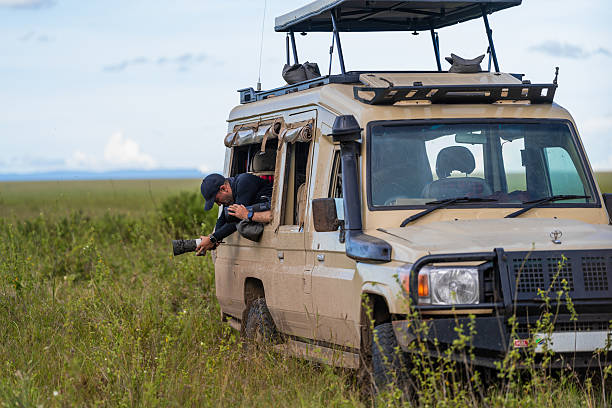
For most visitors planning a safari, a 4×4 SUV is the non-negotiable choice. Vehicles like Toyota Land Cruisers or Land Rovers are the workhorses of Tanzanian safaris. Their high ground clearance is vital for navigating rough terrain, sandy tracks, and river crossings. The four-wheel-drive capability is essential for venturing into national parks, conservancies, and off-road areas where standard vehicles would get stuck. Many safari-spec 4x4s come with features like pop-up roofs for optimal game viewing and photography, spare tires, and robust suspension systems designed for durability.
When renting a 4×4 for safari, consider the size of your group and the amount of luggage. A standard 4×4 might comfortably seat 4-5 passengers with luggage, but for larger groups or extensive gear, a longer-wheelbase version or a minibus might be necessary. Ensure the vehicle is well-maintained and equipped with essentials like a first-aid kit and tools.
Saloon Cars: For Paved Journeys
If your itinerary primarily involves travel between major towns on paved roads, such as between Dar es Salaam and Arusha, or for exploring Zanzibar’s main routes, a standard saloon car might suffice. These are generally more fuel-efficient and easier to maneuver in urban environments. However, they are entirely unsuitable for entering national parks or venturing onto unpaved roads, which constitute a significant portion of Tanzania’s travel network outside of main highways.
Minibuses and Vans: Group Travel
For larger families or groups of friends, renting a minibus or a larger van can be a practical solution. These vehicles offer more seating capacity and space for luggage. Like saloon cars, they are best suited for travel on paved roads. If your group intends to go on safari, you would still require a specialized 4×4 vehicle, and a minibus might be used for transfers to and from airports or between lodges on good roads, with safari activities conducted in dedicated 4x4s.
Driving in Tanzania: What to Expect
Driving in Tanzania is an adventure in itself. Understanding the local conditions and customs is key to a safe and enjoyable journey.
Road Conditions
Road quality in Tanzania is highly variable. Major highways connecting large cities like Arusha, Dar es Salaam, and Dodoma are often paved and in reasonable condition, though potholes can appear unexpectedly. Secondary roads can range from well-maintained gravel to challenging dirt tracks. Within national parks and game reserves, roads are typically unpaved, consisting of dirt, sand, and gravel. These tracks can become deeply rutted or impassable during the rainy season. A 4×4 vehicle with good ground clearance is essential for navigating these areas safely.
Driving Laws and Regulations
Tanzania drives on the left-hand side of the road. Speed limits are generally posted but can vary. It is advisable to drive cautiously and adhere to posted limits, especially in populated areas. Always carry your driving license, IDP, and vehicle documents. Seatbelts are mandatory for all occupants. Be aware of police checkpoints, which are common, and ensure you have all necessary paperwork readily available.
Navigation and GPS
While major routes are relatively straightforward, navigating off the beaten path can be challenging. GPS devices or smartphone navigation apps (like Google Maps, Maps.me, or Waze) are highly recommended. Download offline maps before you travel, as mobile signal can be unreliable in remote areas. Consider renting a GPS device from your car hire company if you are not comfortable relying solely on your phone. It’s also wise to have a good paper map as a backup.
Fuel Stations and Availability
Fuel stations are common along major highways and in towns. However, in more remote areas, they can be few and far between. It is advisable to keep your fuel tank topped up whenever you have the opportunity, especially when heading into national parks or long stretches of undeveloped land. Diesel is widely available for most 4×4 vehicles. Be aware that fuel prices can fluctuate.
Understanding Local Driving Habits
Tanzanian driving can be unpredictable. Drivers often overtake aggressively, and it’s common to see vehicles, including large trucks and buses, driving at high speeds. Pedestrians, cyclists, and livestock frequently share the roads, particularly outside of urban centers. Always drive defensively, anticipate the actions of others, and maintain a safe distance. Avoid driving at night whenever possible, as visibility is poor, and animals on the road pose a significant hazard.
Legal Requirements for Car Hire
Ensuring you meet all legal requirements will prevent issues during your trip.
Driving License and IDP
You must possess a valid national driving license from your home country. In addition, you will need an International Driving Permit (IDP). The IDP serves as a translation of your national license and is required by Tanzanian law for foreign drivers. Both your national license and IDP must be presented when collecting your rental vehicle and are often checked at police roadblocks.
Age Restrictions
Most car rental companies in Tanzania have age restrictions for drivers. Typically, drivers must be at least 21 or 23 years old, and in some cases, up to 70 years old. Drivers under 25 may also be subject to a young driver surcharge. Always check the specific age policies of the rental company when booking.
Vehicle Registration and Papers
Ensure the rental company provides you with all necessary vehicle documentation, including the registration certificate, insurance papers, and a letter of authorization if required. These documents must be carried in the vehicle at all times and presented to authorities if requested.
Insurance and Safety Considerations
Adequate insurance and a focus on safety are crucial for a stress-free trip.
Insurance Coverage Explained
Comprehensive insurance is non-negotiable for car hire in Tanzania. This should cover damage to the vehicle, third-party liability, and theft. Understand the policy’s deductible (excess) – the amount you are liable for in case of damage or theft. Some rental companies offer optional excess reduction waivers. For safari vehicles, ensure that the insurance covers driving in national parks and on rough terrain. Check if your personal travel insurance provides any vehicle rental coverage.
Vehicle Maintenance and Support
When renting, inquire about the rental company’s breakdown assistance and emergency support. What is their response time? Do they have a network of mechanics? It’s wise to have a contact number for the rental company readily available. Ensure the vehicle is in good mechanical condition before you depart, check tire pressure, brakes, and all fluid levels. Carry a basic toolkit, a spare tire, and know how to change it.
Personal Safety on the Road
While Tanzania is generally safe for tourists, it’s important to take precautions. Avoid displaying valuable items openly. Keep doors locked and windows closed when driving through towns or areas with heavy pedestrian traffic. Never leave your vehicle unattended with luggage inside. If you encounter any issues or feel unsafe, drive to the nearest town or police station. For safaris, always listen to your guide’s advice regarding wildlife encounters.
Planning Your Tanzanian Route
Tanzania is vast, and choosing your route will significantly impact your car hire needs. Here are some popular areas:
The Northern Safari Circuit
This is Tanzania’s most famous safari region, encompassing:
- Serengeti National Park: Famous for the Great Migration and vast plains.
- Ngorongoro Conservation Area: Home to the stunning Ngorongoro Crater, a caldera teeming with wildlife.
- Tarangire National Park: Known for its large elephant herds and baobab trees.
- Lake Manyara National Park: Famous for its tree-climbing lions and diverse birdlife.
- Arusha National Park: Closer to Arusha town, good for shorter safaris and Mount Meru trekking.
This circuit is best explored with a 4×4, as roads within the parks can be challenging, especially during the wet season. The main roads between towns are paved.
The Southern Safari Circuit
Less visited but equally wild, the southern circuit includes:
- Ruaha National Park: Tanzania’s largest park, known for its dramatic landscapes and large predator populations.
- Selous Game Reserve (Nyerere National Park): Africa’s largest game reserve, offering boat safaris and walking safaris.
Travel between these parks and within them often involves rough, unpaved roads. A robust 4×4 is essential. Access to the southern circuit is often via Dar es Salaam.
Exploring Zanzibar
Zanzibar offers a different kind of adventure. While many visitors rely on taxis or organized transport, renting a car (often a small 4×4 or saloon car) provides the freedom to explore its beaches, spice farms, and historical sites at your own pace. Roads are generally better than on the mainland, but still can be narrow and winding, with occasional potholes. Driving is on the left.
Beyond the Obvious: Other Regions
For the more adventurous, consider exploring areas like:
- Lake Victoria Region: For a glimpse into local life and fishing communities.
- Kilimanjaro Region: Base for climbing Kilimanjaro, with opportunities to explore local towns and coffee plantations.
- Mafia Island: For diving and snorkeling. Access is typically by small aircraft, with limited car hire options on the island itself.
These areas may require more specific planning regarding vehicle suitability and road conditions.
Sample Self-Drive Itinerary Ideas
These are examples, and can be customized to your interests and duration.
10-Day Northern Circuit Highlights (Self-Drive Focus)
| Day | Location | Activities | Notes |
|---|---|---|---|
| 1 | Arrive Kilimanjaro Int. Airport (JRO), pick up 4×4. Drive to Arusha. | Settle in, car check. | Overnight Arusha. |
| 2-3 | Arusha to Tarangire NP. | Full days of game drives. | Camping or lodge. Expect rough roads. |
| 4-5 | Tarangire to Serengeti NP (Central). | Game drives, explore different areas. | Longer drive. Check park entry. 4×4 essential. |
| 6 | Serengeti NP (Central) to Ngorongoro Conservation Area. | Morning game drive in Serengeti, scenic drive to crater rim. | Accommodation on crater rim or nearby Karatu. |
| 7 | Ngorongoro Crater. | Full day game drive inside the crater. | Strict time limits. 4×4 required for descent. |
| 8 | Ngorongoro to Lake Manyara NP. | Game drive in Lake Manyara. | Short drive. See tree-climbing lions. |
| 9 | Lake Manyara to Arusha. | Optional visit to a local market or cultural site. Return car. | Prepare for departure. |
| 10 | Depart JRO. | Transfer to airport. |
14-Day Southern Circuit Adventure (Self-Drive Focus)
| Day | Location | Activities | Notes |
|---|---|---|---|
| 1 | Arrive Dar es Salaam (DAR), pick up 4×4. | Settle in, car check. | Overnight Dar es Salaam. |
| 2-4 | Dar es Salaam to Selous Game Reserve (Nyerere NP). | Game drives, boat safari on Rufiji River. | Long drive on unpaved roads. 4×4 essential. |
| 5-7 | Selous to Ruaha NP. | Extensive game drives. Known for predators. | Long drive. Remote. Robust 4×4 critical. |
| 8-10 | Ruaha NP to Mikumi NP. | Game drives. Easier access than Ruaha. | Good for a shorter safari experience. |
| 11 | Mikumi NP to Morogoro. | Scenic drive, explore Morogoro town. | Break journey back to Dar. |
| 12 | Morogoro to Dar es Salaam. | Return car. Relax or explore city. | |
| 13 | Dar es Salaam. | Optional day trip or relaxation. | |
| 14 | Depart DAR. | Transfer to airport. |
Cost Considerations for Car Hire
The cost of car hire in Tanzania can vary significantly based on several factors:
- Vehicle Type: A standard saloon car will be considerably cheaper than a long-wheelbase 4×4 Land Cruiser specifically kitted out for safari.
- Rental Duration: Longer rental periods often come with a lower daily rate.
- Season: Peak tourist seasons (e.g., July-October, December-February) may see higher prices.
- Insurance: Comprehensive insurance adds to the overall cost.
- Mileage: Some companies have mileage limits, and exceeding them incurs extra charges.
- Extras: GPS devices, child seats, roof racks, and additional drivers all add to the cost.
- One-Way Rentals: Dropping off the car at a different location from pickup usually incurs a significant surcharge.
Beyond the rental fee, budget for fuel, which can be a substantial expense, especially for 4x4s covering long distances. Also, factor in potential costs for park entrance fees (if not part of a guided package), road tolls, and any potential repairs or damage not fully covered by insurance.
Expert Booking Advice
To ensure a smooth car hire experience, follow these expert tips:
When to Book
For peak seasons (June to October, December to February) and for specific vehicle types like safari-ready 4x4s, book well in advance, ideally 3-6 months ahead. For travel during the shoulder or low seasons, you might have more flexibility, but booking at least 1-2 months in advance is still recommended to secure the best vehicles and rates for 2026-2027.
Choosing a Rental Company
Research thoroughly. Look for companies with a good reputation for vehicle maintenance, reliable customer service, and transparent pricing. Local companies can sometimes offer better rates than international chains, but ensure they are reputable. Read online reviews, check their fleet availability, and understand their policies regarding insurance, mileage, and breakdown assistance. Consider companies that specialize in safari vehicles if that’s your primary need.
What to Confirm Before You Depart
Before signing the contract and driving away, confirm the following:
- Vehicle Condition: Inspect the vehicle thoroughly for any existing damage (scratches, dents, interior wear) and ensure it is documented on the rental agreement. Check tires, lights, wipers, and all essential functions.
- Insurance Details: Fully understand what is covered, what the excess is, and the procedure for making a claim.
- Included Equipment: Confirm if essential items like a spare tire, jack, toolkit, and first-aid kit are present.
- Contact Information: Get a direct contact number for the rental company’s emergency or breakdown support.
- Fuel Policy: Understand whether the car is provided with a full tank and needs to be returned full, or if there’s another arrangement.
- Cross-Border Travel: If you plan to drive into neighboring countries (though generally not recommended for self-drive in Tanzania due to complex regulations), confirm if this is permitted and what documentation is required.
Common Mistakes to Avoid
To ensure your self-drive adventure is successful, steer clear of these common pitfalls:
- Underestimating Road Conditions: Assuming all roads are paved or easily navigable. Always plan for slower travel times and rougher terrain than you might expect.
- Not Booking Far Enough in Advance: Especially for reliable 4x4s during peak seasons.
- Skimping on Insurance: Opting for the cheapest insurance without understanding its limitations. Comprehensive cover is vital.
- Driving at Night: This is dangerous due to poor visibility, unlit vehicles, and wildlife on the roads.
- Ignoring Navigation: Relying solely on phone signal without offline maps or a backup.
- Not Checking Vehicle Thoroughly: Missing pre-existing damage can lead to unexpected charges.
- Running Out of Fuel: Failing to refuel when opportunities arise in remote areas.
- Overpacking: While you need essentials, excessive luggage can make a 4×4 cramped and difficult to manage.
Who is Car Hire Best For?
Car hire in Tanzania is an excellent option for:
- Independent Travelers: Those who value freedom and want to set their own pace.
- Budget-Conscious Travelers: When traveling in a group, sharing costs can make self-drive more affordable than guided tours.
- Photographers and Birdwatchers: Who need the flexibility to stop frequently and stay longer at sightings.
- Adventurous Explorers: Those who enjoy the challenge and reward of navigating new environments.
- Families or Groups: Who want to travel together and manage their own schedule.
- Longer Stays: For extended trips where daily guided tour costs would become prohibitive.
Alternatives to Car Hire
If self-driving doesn’t appeal, consider these alternatives:
- Guided Safari Tours: The most common option, offering convenience, expert guides, and pre-planned itineraries. You can choose from shared group tours or private tours.
- Private Driver-Guides: Hire a vehicle with a local driver-guide. This offers a balance of independence and local expertise, with the driver handling all navigation and vehicle logistics.
- Public Transport: For travel between major towns, local buses (daladalas) and intercity buses are very cheap but can be crowded, slow, and uncomfortable. Not suitable for national parks.
- Domestic Flights: For covering long distances quickly, especially to remote parks or islands like Zanzibar, domestic flights are an option, though more expensive.
- Taxis and Ride-Sharing: Available in cities and towns for local transport.
Planning Your 2026-2027 Trip
When planning your Tanzanian adventure for 2026-2027, consider these points specific to car hire:
| Aspect | Considerations for 2026-2027 |
|---|---|
| Booking Lead Time | Book your preferred 4×4 vehicle at least 6-9 months in advance for popular safari seasons in 2026 and 2027 to secure availability and potentially better rates. |
| Vehicle Availability | Demand for reliable safari 4x4s is consistently high. Confirm specific models and features with your rental agency. |
| Road Infrastructure | While major roads are improving, expect continued variability. Research recent road conditions for your planned routes, especially for less-traveled areas. |
| Fuel Prices | Monitor fuel price trends. While difficult to predict precisely for 2026-2027, it’s wise to budget generously for fuel. |
| Digital Navigation | Ensure your preferred navigation apps are updated and consider purchasing a local SIM card for better data connectivity if needed. Offline maps remain essential. |
| Park Regulations | National park fees and regulations can change. Verify current entry requirements and vehicle restrictions for parks you plan to visit in 2026-2027. |
| Travel Insurance | Ensure your travel insurance for 2026-2027 covers medical emergencies and any potential issues related to self-driving or vehicle incidents. |
Frequently Asked Questions
Q1: Is it safe to drive in Tanzania?
Driving in Tanzania requires caution due to varied road conditions, unpredictable local driving habits, and potential hazards like pedestrians and animals. However, it is manageable if you drive defensively, avoid night driving, stick to main routes where possible, and use a reliable 4×4 for off-road or park travel. Many travelers successfully undertake self-drive trips.
Q2: Do I need an International Driving Permit (IDP)?
Yes, an International Driving Permit (IDP) is required by law in Tanzania, in addition to your valid national driving license. Both must be carried while driving.
Q3: What type of vehicle is best for a Tanzanian safari?
A 4×4 SUV, such as a Toyota Land Cruiser or Land Rover, is essential for safaris in Tanzania. These vehicles have the necessary ground clearance, four-wheel-drive capability, and robust suspension to handle the rough terrain within national parks and game reserves.
Q4: Can I hire a car in Zanzibar?
Yes, car hire is available in Zanzibar, primarily for exploring the island. Saloon cars or smaller 4x4s are common. Roads are generally better than on the mainland but can be narrow and winding.
Q5: What are the main costs associated with car hire?
Besides the daily rental fee, expect to pay for fuel (which can be significant), insurance, potential mileage surcharges, and park entrance fees if you are self-driving within parks. Always confirm what is included in the rental price.
Q6: Is it possible to drive from mainland Tanzania to Zanzibar?
No, you cannot drive a rental car from the mainland to Zanzibar as there is no direct road connection. You would need to arrange separate transport for your vehicle via cargo ferry (complex and not recommended for tourists) or fly to Zanzibar and hire a separate vehicle there.
Q7: What should I do if my rental car breaks down?
Immediately contact your car rental company. They should provide a breakdown assistance number. Ensure you have this contact information readily available before you depart. If you are in a remote area, it may take time for assistance to arrive.
Q8: Can I use my navigation app on my phone?
Yes, navigation apps like Google Maps or Maps.me are very useful. However, it is crucial to download offline maps for Tanzania before you arrive, as mobile signal can be unreliable outside of major towns. Consider a physical map as a backup.
Q9: What is the typical duration for renting a car for a safari?
For a Northern Circuit safari, a 7-10 day rental is common. For longer trips or including the Southern Circuit, you might need 14 days or more. The duration depends entirely on your itinerary and how much ground you plan to cover.
Q10: Are there any restrictions on where I can drive a rental car?
Rental agreements typically specify where the vehicle can and cannot be driven. Driving off-road outside designated park tracks, or into countries not specified in the agreement, is usually prohibited and will void your insurance. Always adhere to the rental contract and park regulations.
Q11: What is the best time of year for self-drive in Tanzania for 2026-2027?
The dry seasons (June-October and December-February) are generally best for self-drive safaris as roads are more accessible and wildlife is concentrated around water sources. However, these are also peak seasons, so book well in advance for 2026-2027.
Ready to Plan Your Tanzanian Adventure?
Car hire in Tanzania offers an unparalleled sense of freedom for exploring this diverse and beautiful country. Whether you’re planning a self-drive safari through the Serengeti, an independent exploration of Zanzibar, or a journey across the mainland, careful planning and the right vehicle are key. By understanding the road conditions, legal requirements, and choosing a reputable rental company, you can ensure a safe and memorable trip.
If you’re considering a self-drive holiday but would also like to explore options for guided tours or private driver services, our team at Best Tanzania Tour Operator can help. We specialize in crafting customized Tanzanian experiences, from thrilling safaris and Kilimanjaro climbs to relaxing beach holidays. Let us assist you in making your 2026-2027 Tanzanian adventure perfect, whether you choose to drive yourself or opt for expert guidance.
Contact us today to discuss your travel plans:
WhatsApp: +255616946642
Email: topguideadventures@gmail.com
Backup Email: info@topguideadventures.com
Plan your Car Hire in Tanzania: What You Should Know with Top Guide Adventures
Tell us your travel dates, group size, comfort level, and dream experience. We will help you shape a clear, realistic, and memorable Tanzania itinerary.







 Veedesigner
 Fatma Kizanga
 Benjamin Waryuba
 Philip Philip
 John jr Itaja
 Antonia Optatus
 Edith Kanyere
 Neema Iddy
 Kelvin Boniphace
 Damari Maiga



