
Updated planning guide for 2026-2027
Road Conditions In Tanzania: Complete Guide 2026-2027
Planning a trip to Tanzania? Understanding road conditions is crucial for a smooth safari, Kilimanjaro trek, or Zanzibar holiday. This comprehensive guide details what to expect on Tanzanian roads, from major highways to park tracks, helping you prepare for your 2026-2027 adventure.
WhatsApp +255616946642 | topguideadventures@gmail.com | info@topguideadventures.com
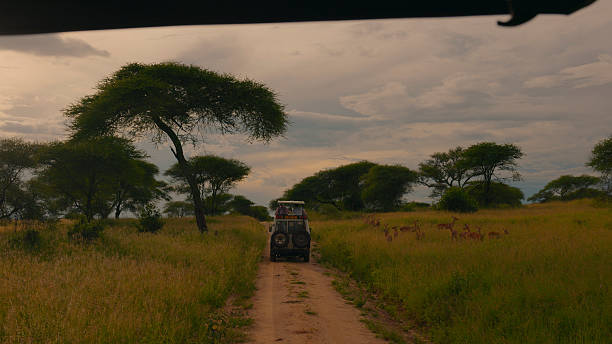
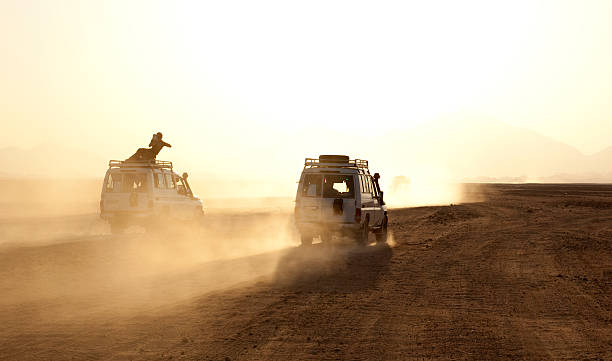
Understanding Road Conditions in Tanzania: Your Essential Planning Guide
Planning an adventure in Tanzania, whether it’s an exhilarating safari through the Serengeti, a challenging trek up Mount Kilimanjaro, or a relaxing holiday on the beaches of Zanzibar, requires a solid understanding of what to expect on the ground. Among the most critical factors for a successful and enjoyable trip are the road conditions in Tanzania. These can vary dramatically, influencing travel times, accessibility to remote locations, and the overall comfort of your journey. This guide aims to provide you with a detailed, practical overview to help you plan your Tanzanian exploration for 2026 and 2027 with confidence.
Navigating Tanzania’s infrastructure is a key part of the travel experience. While major routes are often paved, many roads leading to or within national parks, remote villages, or less-visited areas can be unpaved, dusty, rocky, or muddy, especially during the rainy seasons. Knowing what to anticipate allows you to choose appropriate transportation, pack correctly, and set realistic expectations for your itinerary. Let’s explore the nuances of Tanzanian road conditions across different regions and for various travel purposes.
Quick Facts: Road Conditions in Tanzania
| Aspect | Details |
|---|---|
| Major Highways (e.g., Arusha-Moshi, Dar-Morogoro) | Generally paved, good to fair condition, can experience traffic congestion near cities. |
| Roads to National Parks (e.g., Serengeti, Ngorongoro) | Paved access roads to park entrances; internal park roads are mostly unpaved, gravel, or dirt tracks. Condition varies by season and park maintenance. |
| Rural & Remote Area Roads | Often unpaved, can be rough, dusty in dry season, muddy and challenging in wet season. 4×4 vehicles are highly recommended. |
| Zanzibar Roads | Main roads are paved; smaller roads can be unpaved and bumpy. Traffic within Stone Town can be slow. |
| Driving Times | Can be significantly longer than distance suggests due to road quality and traffic. |
| Best Vehicle Type | 4×4 safari vehicles are standard for safaris. For general travel, a sturdy vehicle is advisable; 4×4 for off-the-beaten-path exploration. |
| Seasonality Impact | Dry season (June-Oct, Dec-Feb) offers better conditions; wet season (Mar-May, Nov) can make unpaved roads difficult or impassable. |
Table of Contents
- Road Condition Overview by Region
- Safari Routes: Serengeti, Ngorongoro, Tarangire, and More
- Getting to Kilimanjaro: Road Access to Trailheads
- Zanzibar Travel: Roads and Getting Around
- How Road Conditions Affect Your Tanzania Trip
- Seasonal Road Conditions: Wet vs. Dry Season
- Choosing the Right Vehicle for Tanzanian Roads
- Safety on Tanzanian Roads
- Tanzania Road Trip Planning Checklist (2026-2027)
- Booking Your Tanzania Adventure: What to Consider
- Frequently Asked Questions About Tanzania Road Conditions
Road Condition Overview by Region
Tanzania is a vast country, and its road network reflects this diversity. Understanding regional differences is key to managing travel expectations.
Northern Circuit (Arusha, Serengeti, Ngorongoro, Tarangire, Manyara)
This is the most popular safari circuit, and its road infrastructure is relatively better developed compared to other parts of the country, especially for tourist access.
- Arusha to Moshi: A major paved highway, generally in good condition. Travel time is about 1.5-2 hours.
- Arusha to Tarangire/Manyara: The main road is paved and well-maintained for most of the way. The final approach to park gates and internal roads are unpaved gravel or dirt.
- Ngorongoro Crater Access: The road leading up to the crater rim is paved and in good condition. Descent into the crater involves a steep, unpaved track.
- Serengeti National Park: Access roads from the main highway (near Makuyuni or Karatu) are unpaved. Once inside the park, roads are primarily dirt tracks. The condition of these tracks changes seasonally. The Grumeti and Mara River crossings can become challenging during the migration season (typically May-July and Oct-Nov) due to rain and river levels.
Southern Circuit (Selous/Nyerere, Ruaha)
These parks are more remote, and road conditions reflect this. They are less frequently visited by independent travelers and are primarily accessed by organized tours.
- Dar es Salaam to Selous (Nyerere National Park): The main road towards the park is paved for a significant portion. However, internal park roads and access to specific camps can be unpaved and rough.
- Ruaha National Park: This park is the most challenging to reach by road. The journey from Iringa or Dodoma involves long stretches of unpaved, often very rough, roads. 4×4 vehicles are essential.
Western Tanzania (Mahale, Katavi)
These parks are very remote and are typically accessed by light aircraft due to the extreme difficulty of road travel.
- Roads to these parks are generally poor, unpaved, and require significant travel time and specialized vehicles. Most tourists opt for flights.
Coastal Areas & Zanzibar
While the mainland coast has varying road qualities, Zanzibar offers a different experience.
- Mainland Coast (e.g., Dar es Salaam to Bagamoyo): Paved roads exist for major routes, but secondary roads can be unpaved.
- Zanzibar: The main roads connecting Stone Town to major towns like Nungwi, Kendwa, Paje, and Jambiani are paved and in reasonable condition. However, smaller roads leading to specific resorts or beaches can be unpaved, bumpy, and sometimes sandy. Driving within Stone Town is slow due to narrow streets and traffic.
Safari Routes: Serengeti, Ngorongoro, Tarangire, and More
For most safari-goers, the Northern Circuit is the primary focus. The road conditions in Tanzania within these parks are a crucial element of the safari experience.
Serengeti National Park
The Serengeti is vast, and its roads are its arteries. These are not paved roads in the conventional sense but rather tracks and paths that wildlife management crews maintain.
- Dry Season (June-October, December-February): Roads are generally dry, dusty, and firm. Travel is relatively smooth, though dust can be a nuisance. Visibility can be reduced in convoys.
- Wet Season (March-May, November): This is when conditions can become challenging. Heavy rains can turn the dirt tracks into thick mud, making some areas impassable. Certain river crossings, especially those for the Great Migration (Grumeti, Mara), can swell and become dangerous or impossible to cross without specialized vehicles and experienced guides. Park management may close certain tracks.
- Central Serengeti (Seronera): Roads are generally well-used and maintained due to high traffic.
- Western Corridor: Can become very muddy during the rains, impacting migration viewing if river crossings are affected.
- Northern Serengeti (Kogatende/Lamai): Similar seasonal challenges, especially with Mara River crossings.
- Southern Plains (Ndutu area): Roads are generally good in the dry season but can get very muddy when the rains start, coinciding with calving season.
Ngorongoro Conservation Area
The journey to the Ngorongoro Crater is often a highlight, and its roads are managed differently.
- Access to the Rim: The road from Karatu to the Ngorongoro Conservation Area gate and up to the crater rim lodges and viewpoints is paved and in good condition.
- Crater Floor: The descent into the crater is via a steep, unpaved track. Once on the floor, the roads are a mix of dirt and grass tracks. They are generally well-maintained by the park authority, but can become slippery and muddy after rain. Driving is restricted to designated tracks to protect the fragile ecosystem.
Tarangire National Park
Known for its baobab trees and large elephant herds.
- The main road from the park gate is unpaved. Internal roads are a network of dirt tracks. They are generally manageable in the dry season but can become dusty. During the wet season, some tracks might become temporarily impassable, especially in the southern parts of the park.
Lake Manyara National Park
A smaller park with diverse habitats.
- The main road leading into the park is unpaved. The park’s internal road network is also unpaved. Conditions are usually good year-round, though can be dusty in dry periods and slightly muddy after heavy rain.
Northern Circuit Safari Route Overview
A simplified illustration of a typical route, highlighting road types:
- Arusha (Paved highways)
- Tarangire National Park (Paved access, unpaved park roads)
- Lake Manyara National Park (Paved access, unpaved park roads)
- Ngorongoro Conservation Area (Paved access to rim, unpaved crater floor track)
- Serengeti National Park (Unpaved access, vast network of unpaved dirt tracks)
- Return to Arusha
Note: This is a simplified representation. Actual routes vary based on wildlife sightings and lodge locations.
Getting to Kilimanjaro: Road Access to Trailheads
For trekkers aiming to conquer Africa’s highest peak, Mount Kilimanjaro, road access to the various starting points (gates) is crucial. The condition of these roads generally allows for standard safari vehicles or 4x4s, depending on the specific route and time of year.
- Marangu Gate (Marangu Route): The road to Marangu Gate is paved and in good condition, easily accessible from Moshi.
- Machame Gate (Machame Route): The road from Moshi to the Machame Gate is mostly paved, with the final stretch being unpaved but generally well-maintained.
- Rongai Gate (Rongai Route): This gate is located on the northern side of Kilimanjaro, closer to the Kenyan border. The road access is unpaved and can be rough, especially during the wet season. A 4×4 vehicle is recommended for this approach.
- Lemosho Gate (Lemosho Route): The access road to Lemosho Gate is unpaved and can be quite challenging, particularly after rain. It requires a 4×4 vehicle.
- Shira Gate (Shira Route): Similar to Lemosho, the road is unpaved and can be rough, requiring a 4×4.
- Mweka Gate (Mweka Route): This is typically used for descent. The road is unpaved and can be steep and muddy when wet.
The primary concern for Kilimanjaro road access is the time of year. During the main rainy seasons (March-May and November), the unpaved routes, especially those for Lemosho, Shira, and Rongai, can become very muddy and difficult to navigate. Tour operators will typically use 4×4 vehicles and experienced drivers to manage these conditions. The journey from Moshi town to most of the starting gates takes between 1 to 3 hours, depending on the gate’s location and road quality.
Zanzibar Travel: Roads and Getting Around
Zanzibar, the ‘Spice Island’, offers a different set of road conditions compared to the mainland. While it’s not a safari destination in the same vein, getting around the island requires understanding its road network.
- Main Routes: Major roads connecting Stone Town to popular tourist hubs like Nungwi, Kendwa, Paje, Jambiani, and Matemwe are paved and generally in good condition. These are the routes most commonly used by taxis and transfers.
- Secondary & Local Roads: As you venture off the main routes to reach more secluded beaches, smaller guesthouses, or local villages, the roads often become unpaved. These can range from well-compacted dirt tracks to sandy paths, particularly near the coast.
- Stone Town: Driving within Stone Town is often challenging due to its narrow, winding alleyways, pedestrian traffic, and limited parking. It’s best explored on foot. Taxis will drop you as close as possible.
- Traffic: Traffic can be slow, especially in and around Stone Town and during peak hours. Expect to encounter local buses (dala-dalas), scooters, pedestrians, and bicycles.
- Vehicle Hire: Self-driving is possible, but often not recommended for tourists due to unfamiliarity with local driving habits, road conditions, and potential for minor issues. Hiring a car with a driver is a more common and stress-free option. If you do rent a car, a standard vehicle is usually sufficient for paved roads, but a 4×4 might be useful if you plan to explore very remote coastal tracks.
For day trips or transfers across the island, your tour operator or hotel will arrange transport. The journey times are influenced by the road quality and traffic. For example, Stone Town to Paje (Southeast coast) takes about 45-60 minutes on paved roads, while Stone Town to Nungwi (North coast) takes about 1.5 hours. For the most up-to-date information on local road conditions, especially for less-traveled areas, it’s always best to ask your local guides or accommodation providers.
How Road Conditions Affect Your Tanzania Trip
Understanding the road conditions in Tanzania isn’t just about knowing what to expect; it’s about how it directly impacts your travel plans and experience.
- Travel Times: This is the most significant impact. Distances that might seem short on a map can take many hours to cover. For instance, a 200km drive within a park might take 4-6 hours due to rough terrain, speed limits, and wildlife encounters. Factor this into your itinerary.
- Comfort: Long journeys on bumpy, dusty, or muddy roads can be tiring. This is why safari vehicles are designed with suspension and comfort in mind. If you’re prone to motion sickness, discuss this with your tour operator.
- Accessibility: Certain lodges or camps in remote areas might be inaccessible during the peak of the rainy season, requiring alternative arrangements or even light aircraft transfers.
- Itinerary Flexibility: Road conditions can sometimes force changes to daily plans. A guide might need to reroute due to a washed-out track or a particularly muddy section. Flexibility is key.
- Vehicle Choice: As discussed, the terrain dictates the vehicle. For most safaris, a 4×4 is standard. For Kilimanjaro treks, the access roads require robust vehicles.
- Cost: While not a direct cost for the road itself, the need for specialized vehicles (4x4s), longer travel times, and potential for vehicle maintenance due to rough roads are factored into tour pricing.
- Experience: For many, the journey on these roads is part of the adventure. Bouncing along a dusty track, spotting wildlife unexpectedly, or navigating a muddy patch adds to the authentic feel of a Tanzanian expedition.
Seasonal Road Conditions: Wet vs. Dry Season
The weather is the primary driver of seasonal changes in road conditions across Tanzania.
The Dry Season (Generally June to October, and December to February)
- Pros: Roads are generally firm, less dusty (though dust is always present in dry conditions), and easier to navigate. River crossings are typically lower and safer. Park access is usually straightforward. This is the peak tourist season for safaris and Kilimanjaro.
- Cons: Dust can be a significant issue, especially on game drives. Water sources can become scarce, concentrating wildlife around remaining waterholes, which can lead to more crowded viewing spots.
- Impact: Travel times are more predictable. Most routes are accessible.
The Wet Season (Generally March to May, and November)
- Pros: The landscape is lush and green, offering beautiful scenery. Wildlife is more dispersed. Fewer tourists mean a more intimate experience and potentially lower prices. This is the ‘green season’ for safaris.
- Cons: Unpaved roads can become extremely muddy, rutted, and even impassable. River crossings can be dangerous. Some lodges or camps in very remote areas might close or become difficult to reach. Kilimanjaro trekking can be more challenging due to mud and slippery trails. Visibility can be poor due to rain.
- Impact: Travel times become unpredictable. Itineraries may need adjustments. 4×4 vehicles are essential. Certain routes might be temporarily closed by park authorities. November can be a transition month with showers that might affect roads.
Seasonal Road Condition Summary
| Season | Months | Road Conditions | Impact on Travel |
|---|---|---|---|
| Dry Season (Peak) | June-Oct | Firm, dusty, generally good. River levels low. | Predictable travel, full accessibility. Peak tourist season. |
| Short Rains | Nov | Variable; can be muddy in places. | Potential for minor delays. |
| Long Rains (Peak) | Mar-May | Very muddy, rutted, some roads impassable. River levels high. | Unpredictable travel, possible route changes, 4×4 essential, some areas inaccessible. Low tourist season. |
| Dry Season (Secondary) | Dec-Feb | Generally good, can be hot. Some short rains possible. | Good travel conditions, busy period around holidays. |
Choosing the Right Vehicle for Tanzanian Roads
Your choice of vehicle is directly tied to the expected road conditions and your travel plans.
- Safari Game Drive Vehicles: For safaris in parks like the Serengeti, Ngorongoro, Tarangire, and Manyara, a 4×4 safari vehicle is standard. These are typically custom-built Land Cruisers or Land Rovers with pop-up roofs for optimal game viewing, comfortable seating, ample luggage space, and robust suspension to handle the rough tracks. They are essential for navigating park roads, which are unpaved and can be challenging.
- Kilimanjaro Transfer Vehicles: The vehicles used to transport trekkers from Moshi to the various Kilimanjaro gates are usually sturdy safari vehicles or 4x4s, especially for routes like Lemosho or Rongai where access roads are rough. For Marangu Gate, a standard 4×4 is usually sufficient.
- General Transport (Mainland): For travel between cities like Arusha and Moshi, or Arusha and Nairobi, standard sedans or minibuses on paved highways are common. However, if your itinerary involves venturing off the main roads, a 4×4 is highly recommended.
- Zanzibar Transport: For most tourist transfers and day trips on Zanzibar, standard cars or minibuses are used on the paved main roads. If you plan to explore very remote beach tracks or less-developed areas, a 4×4 might offer more comfort and capability.
- Self-Drive: If you opt for self-driving, a 4×4 is strongly advised for any exploration beyond major paved roads, offering better clearance and traction. However, hiring a driver is often preferred by tourists for safety, local knowledge, and to avoid the stress of navigating unfamiliar roads and driving styles.
When booking with a reputable tour operator, they will select the appropriate vehicle for your itinerary. Don’t hesitate to ask about the type of vehicle you will be using, as it’s a key component of your comfort and access to destinations.
Safety on Tanzanian Roads
Road safety is a concern everywhere, and Tanzania is no exception. While local drivers are accustomed to the conditions, visitors should be aware of potential hazards.
- Speed Limits: Adhere to speed limits, especially when traveling on paved roads between towns. In national parks, speed limits are strictly enforced to protect wildlife and ensure safety.
- Wildlife on Roads: Be constantly aware of animals on or near the road, particularly in national parks and game reserves. Drivers should slow down or stop to let wildlife pass.
- Night Driving: Night driving outside of major towns is generally discouraged and often prohibited within national parks. Poorly lit roads, wandering livestock, and wildlife make it hazardous.
- Road Conditions: Be prepared for sudden changes in road surfaces. Avoid driving off-road unless on designated tracks with an experienced guide.
- Vehicle Maintenance: Ensure any vehicle you use is well-maintained, with good tires, brakes, and lights.
- Seatbelts: Always wear seatbelts, even on rough roads.
- Local Driving Habits: Be aware that local driving styles can differ from what you are used to. Overtaking can be aggressive, and road rules may not always be strictly followed by all drivers.
- Potholes and Obstacles: Watch out for potholes, uneven surfaces, and unexpected obstacles.
- Dust: On unpaved roads, dust can significantly reduce visibility. Drivers should slow down when passing other vehicles.
For most tourists, traveling with a reputable tour operator means you will have an experienced, licensed driver who is familiar with Tanzanian roads and safety practices. This significantly mitigates many of the risks associated with driving.
Tanzania Road Trip Planning Checklist (2026-2027)
To ensure your trip to Tanzania is well-prepared, especially concerning travel logistics and road conditions, use this checklist for your 2026-2027 travel plans.
Pre-Trip Planning (6-12 Months Out)
- Define your primary interests: Safari? Kilimanjaro? Zanzibar? Combination?
- Research tour operators and request quotes.
- Discuss your desired pace and comfort level regarding travel time.
- Consider the best time of year for your chosen activities, factoring in road conditions.
- Book international flights.
Booking & Confirmation (3-6 Months Out)
- Finalize your itinerary with your chosen tour operator.
- Confirm vehicle type for safaris and transfers.
- Book accommodation, especially for peak seasons.
- Secure Kilimanjaro climbing permits and guides.
- Arrange travel insurance that covers adventure activities and medical evacuation.
Preparation (1-3 Months Out)
- Get necessary vaccinations and malaria prophylaxis.
- Apply for your Tanzanian visa (if required).
- Start packing: focus on appropriate clothing for varying climates and activities.
- Familiarize yourself with typical driving times between destinations based on road conditions.
- Inform your bank of your travel dates.
Final Arrangements (1-4 Weeks Out)
- Confirm all bookings and flight details.
- Make copies of important documents (passport, visa, insurance, flight tickets).
- Pack a small first-aid kit and any personal medications.
- Learn a few basic Swahili phrases.
- Ensure you have appropriate currency (USD is widely accepted for tourist services, but local currency is useful).
Upon Arrival
- Meet your guide/driver and discuss the itinerary and any immediate concerns regarding road travel.
- Stay hydrated and acclimatize.
- Be flexible and patient – travel in Tanzania is an adventure!
Booking Your Tanzania Adventure: What to Consider
When booking your Tanzania trip for 2026 or 2027, especially concerning travel logistics and road conditions, several factors are paramount.
- Choose a Reputable Tour Operator: This is the single most important step. Experienced operators have a deep understanding of the road conditions in Tanzania. They know which vehicles are best suited, how to navigate challenging routes, and how to adjust itineraries when necessary. Look for operators with good reviews and clear communication.
- Discuss Your Itinerary Thoroughly: Don’t just look at the destinations; discuss the travel time between them. Ask your operator to detail the expected driving durations, specifying whether roads are paved or unpaved. For example, a safari itinerary might list ‘Serengeti Game Drive’, but the travel to reach that drive can be significant on dirt tracks.
- Vehicle Type Matters: For safaris, a 4×4 safari vehicle is non-negotiable for comfort and accessibility in most parks. For Kilimanjaro, ensure the transport to the gate is suitable for the access road conditions.
- Seasonal Impact: Be explicit about the time of year you plan to travel. If you’re traveling during the long rains (March-May), ask how the operator plans to manage potential road challenges. Will they use alternative routes? Do they have contingency plans?
- Accommodation Location: Some lodges are in very remote locations. Understand how you will reach them and what the road conditions are like. Accessing a lodge deep within the Serengeti might involve hours on dirt tracks.
- Inclusions and Exclusions: Check what is included in your tour package. Does it cover park fees, all meals, accommodation, transfers, and activities? Understanding this helps in budgeting and managing expectations.
- Customization: If you have specific concerns about long drives or rough roads, discuss customization options. Perhaps a shorter transfer, a flight between parks, or a focus on areas with better road access could be arranged.
- Booking Timeline for 2026-2027: Popular safari periods (e.g., July-October for migration) and Kilimanjaro climbing seasons (January-March, June-October) book up quickly. For 2026 and 2027 trips, especially if you have specific dates or lodge preferences, booking 6-12 months in advance is advisable.
When you contact Top Guide Adventures, we can help you craft an itinerary that balances incredible experiences with realistic travel times and comfort, taking into account the specific road conditions for your chosen travel dates in 2026 or 2027.
Frequently Asked Questions About Tanzania Road Conditions
Q1: Are the roads in Tanzania generally paved?
A: Major inter-city highways are often paved and in good condition. However, roads within national parks, to remote areas, and in rural regions are predominantly unpaved, consisting of dirt tracks, gravel, or sand, which can be rough and challenging, especially during the wet season. Understanding the specific road conditions in Tanzania for your chosen destinations is vital.
Q2: What is the best time of year to travel to Tanzania to avoid bad road conditions?
A: The dry seasons (June-October and December-February) offer the best road conditions, with firm, dry tracks. The long rainy season (March-May) presents the most challenging conditions, with muddy and potentially impassable roads. November can be transitional with some rain.
Q3: What type of vehicle is best for a safari in Tanzania?
A: A 4×4 safari vehicle (typically a Land Cruiser or Land Rover with a pop-up roof) is essential for safaris in most Tanzanian national parks. These vehicles are designed to handle the unpaved, rough tracks and provide excellent visibility for game viewing.
Q4: How long does it take to drive between popular safari destinations?
A: Driving times can be significantly longer than distances suggest due to road conditions. For example, Arusha to Serengeti can take 6-8 hours or more, depending on the route and park entry points. Arusha to Tarangire is about 2-3 hours. Always factor in ample travel time.
Q5: Are roads in Zanzibar paved?
A: The main roads connecting major towns and tourist areas on Zanzibar are paved. However, many smaller roads leading to specific resorts or beaches are unpaved, can be bumpy, or sandy. Stone Town’s streets are narrow and best navigated on foot.
Q6: Is night driving safe in Tanzania?
A: Night driving outside of major towns is generally not recommended due to poor road lighting, potential for unlit vehicles, wandering livestock, and wildlife on the roads. It is also often prohibited within national parks.
Q7: What should I do if my vehicle gets stuck on a muddy road during the rainy season?
A: If you are on a guided tour, your driver will handle this. They are experienced in such situations and have recovery equipment or can call for assistance. If self-driving, stay calm, assess the situation, and if possible, seek help from other vehicles in the vicinity.
Q8: How do road conditions affect Kilimanjaro trekking?
A: Road conditions primarily affect access to the various trek starting gates. Routes like Lemosho and Rongai can have rough, muddy access roads, requiring 4×4 vehicles. Once on the mountain, the trails themselves become muddy and slippery during the rainy season, making the trek more challenging.
Q9: Can I drive myself around Tanzania?
A: Self-driving is possible, but generally not recommended for first-time visitors due to unfamiliar roads, driving styles, and potential for navigation challenges. Hiring a vehicle with an experienced local driver is the preferred and often safer option for tourists. If you do self-drive, a 4×4 is advisable for any off-paved road travel.
Q10: How can I get the most up-to-date information on road conditions for 2026-2027?
A: Your tour operator is your best source for current information. They have on-the-ground knowledge from their guides and drivers. Additionally, lodges and park authorities can provide updates, especially regarding specific park roads or seasonal closures.
Plan Your Tanzania Adventure with Expert Guidance
Navigating the road conditions in Tanzania is an integral part of planning a successful safari, trek, or holiday. By understanding what to expect, choosing the right travel partner, and preparing adequately, you can ensure a smooth and unforgettable journey. Whether you’re dreaming of the vast plains of the Serengeti, the summit of Kilimanjaro, or the beaches of Zanzibar, Top Guide Adventures is here to help you plan every step of your 2026-2027 Tanzanian adventure.
We specialize in creating custom-tailored experiences that account for all logistical aspects, including transportation and road travel, ensuring your comfort and safety. Let us handle the complexities so you can focus on the wonder of Tanzania.
Contact us today to start planning your dream trip:
- WhatsApp: +255616946642
- Email: topguideadventures@gmail.com
- Backup Email: info@topguideadventures.com
Plan your Road Conditions in Tanzania with Top Guide Adventures
Tell us your travel dates, group size, comfort level, and dream experience. We will help you shape a clear, realistic, and memorable Tanzania itinerary.







 Veedesigner
 Fatma Kizanga
 Benjamin Waryuba
 Philip Philip
 John jr Itaja
 Antonia Optatus
 Edith Kanyere
 Neema Iddy
 Kelvin Boniphace
 Damari Maiga



