
Updated planning guide for 2026-2027
Traveling Tanzania Without A Car: Complete Guide 2026-2027
Discover how to effectively travel Tanzania without relying on a personal car. This comprehensive guide covers everything from public transport options and private transfers to guided tours and self-drive alternatives for safaris, Kilimanjaro treks, and Zanzibar holidays.
WhatsApp +255616946642 | topguideadventures@gmail.com | info@topguideadventures.com
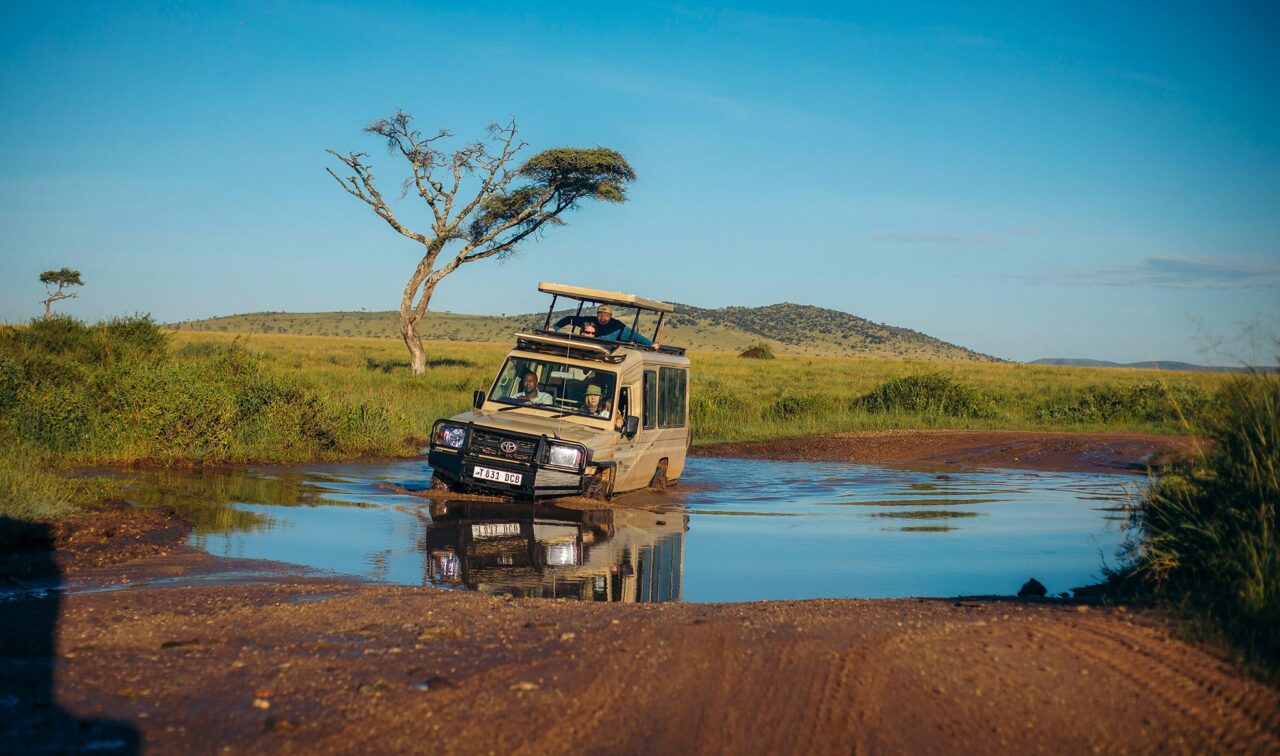
Traveling Tanzania Without a Car: Your Essential Planning Guide
Tanzania, a land of breathtaking landscapes, iconic wildlife, and vibrant cultures, beckons travelers from around the globe. Many envision exploring its vast expanses via a private safari vehicle or a rented car. However, a fulfilling and authentic Tanzanian experience is entirely achievable, and often more practical, when traveling Tanzania without a car. This guide is designed to equip you with all the knowledge needed to navigate the country, from the Serengeti plains to the spice-scented alleys of Stone Town, without the need for your own wheels.
Whether your dream involves witnessing the Great Migration, standing atop Kilimanjaro, or relaxing on Zanzibar’s pristine beaches, understanding the transportation landscape is key. We’ll explore the various options available, from public buses and shared taxis to organized tours and private transfers, detailing their pros, cons, and suitability for different travel styles and budgets. Planning your trip for 2026 or 2027? This guide provides timely insights into making informed decisions for a memorable adventure.
Quick Facts: Tanzania Travel Without a Car
| Aspect | Details |
|---|---|
| Primary Challenge | Navigating long distances and remote areas without personal vehicle access. |
| Key Solutions | Organized tours, private transfers, public buses (mishumaa), dala-dalas, domestic flights, ferries. |
| Best For | Budget travelers, those seeking local immersion, travelers prioritizing convenience and safety through guided services. |
| Main Destinations Covered | Serengeti, Ngorongoro, Tarangire, Kilimanjaro, Arusha, Zanzibar, Dar es Salaam. |
| Planning Horizon | Crucial to book tours and key transfers in advance, especially for 2026-2027 peak seasons. |
Understanding Your Transportation Options in Tanzania
When you decide on traveling Tanzania without a car, you open up a range of possibilities. The country’s infrastructure, while developing, supports various modes of transport, each offering a unique perspective on local life and travel.
1. Organized Tours & Safari Packages
For many, especially those new to Tanzania or seeking a hassle-free safari experience, opting for an organized tour is the most straightforward approach. Tour operators, like ourselves at Best Tanzania Tour Operator, handle all the logistics, including transportation.
- Safari Packages: These typically include a 4×4 safari vehicle with a driver-guide, accommodation, park fees, and meals. You are picked up and dropped off, and all game drives are conducted in the tour vehicle. This is the most common and recommended way to experience Tanzanian national parks.
- Kilimanjaro Treks: Climbing Kilimanjaro inherently involves organized tours. Operators provide guides, porters, cooks, and importantly, transport to and from the mountain gate, as well as accommodation before and after the climb.
- Zanzibar Tours: While Zanzibar is easier to navigate independently, organized day tours for spice tours, Stone Town exploration, or snorkeling trips include transport.
Pros: Maximum convenience, expert guides, safety, efficient use of time, all-inclusive pricing (often), access to specialized vehicles for safaris.
Cons: Less flexibility, can be more expensive than independent travel (though often more cost-effective when all inclusions are considered), limited spontaneous stops.
2. Private Transfers
For inter-city travel or reaching specific trailheads/ports, private transfers offer comfort and directness. These can be booked through tour operators, hotels, or dedicated transfer companies.
- Airport Transfers: Essential for arriving and departing, ensuring a smooth start and end to your trip.
- Inter-City Travel: For example, from Arusha to Moshi, or from the airport to your hotel.
- Kilimanjaro Base: Transport from Arusha/Moshi to Machame Gate, Marangu Gate, etc.
- Zanzibar Transfers: From the airport or ferry terminal to your beach resort or hotel.
Pros: Door-to-door service, comfortable, direct, good for groups or families, can be booked in advance.
Cons: Can be costly, especially for solo travelers. Less opportunity for spontaneous stops.
3. Public Buses (Mishumaa)
The backbone of long-distance travel for locals, public buses (often called ‘mishumaa’ meaning ‘lights’ due to their headlights) connect major towns and cities. They are a budget traveler’s primary option.
- Routes: Major routes include Dar es Salaam to Arusha, Arusha to Moshi, Dar es Salaam to Mbeya, etc.
- Comfort: Varies greatly. Some are modern and air-conditioned, others are basic. Journeys can be long and crowded.
- Booking: Tickets are usually bought at the bus station shortly before departure. Some popular routes might have online booking options or can be booked a day in advance through agents.
Pros: Very affordable, authentic local experience, connects most major towns.
Cons: Slow, can be uncomfortable, prone to delays, luggage security can be a concern, not suitable for reaching national parks or remote areas directly, limited English spoken by staff.
4. Dala-dalas
These are shared minibuses, the equivalent of matatus in Kenya. They are ubiquitous in towns and cities and operate on fixed routes within urban areas and sometimes to nearby villages.
- Usage: Ideal for getting around Arusha, Moshi, or Stone Town.
- Cost: Extremely cheap.
- Experience: Crowded, lively, and a true slice of local life.
Pros: Inexpensive, frequent service within towns, local immersion.
Cons: Can be very crowded, not suitable for long distances or carrying significant luggage, routes can be confusing for tourists.
5. Domestic Flights
For covering vast distances quickly, domestic flights are an excellent option, especially for reaching remote safari airstrips or islands like Zanzibar.
- Airlines: Precision Air, Auric Air, Coastal Aviation are common carriers.
- Routes: Arusha/Kilimanjaro Airport to Serengeti, Zanzibar, Dar es Salaam, etc.
- Cost: Significantly more expensive than buses but saves considerable travel time.
Pros: Fast, convenient for reaching remote areas, good for maximizing time on safari or island. Some offer scenic views.
Cons: Expensive, strict luggage restrictions (especially for smaller bush planes), limited flexibility.
6. Ferries
The primary mode of transport between mainland Tanzania (Dar es Salaam) and Zanzibar is the ferry. There are also local ferries on larger lakes, though less relevant for typical tourist routes.
- Dar es Salaam to Zanzibar: Frequent departures, varying classes of service. Book tickets in advance, especially during peak times.
Pros: Direct and common way to reach Zanzibar from the mainland.
Cons: Can be crowded, potentially rough seas, not the most comfortable journey for everyone.
Navigating Major Destinations Without a Car
Let’s break down how to travel Tanzania without a car in its most popular regions.
Tanzania Safaris (Serengeti, Ngorongoro, Tarangire, etc.)
This is where traveling without a car is not just possible, but often the standard and recommended approach. Safari vehicles are specialized, and self-driving in national parks is generally not permitted or advisable for tourists due to road conditions, wildlife, and navigation challenges.
- Organized Safari Packages: The overwhelming majority of safari-goers book packages. These include a 4×4 vehicle with a pop-up roof and a professional driver-guide. Your operator handles park entry, accommodation bookings, and all game drives. You are picked up from your arrival airport (e.g., Kilimanjaro International Airport – JRO) or hotel in Arusha and dropped off at the end of your safari.
- Internal Park Transport: Within parks like the Serengeti or Ngorongoro Crater, your safari vehicle is your transport for game drives. You’ll spend hours exploring, with your guide expertly navigating and spotting wildlife.
- Getting to the Parks: Most safaris start from Arusha. You’ll be driven from Arusha to the park gates. For destinations like the Serengeti, you might drive or take a short bush flight to a local airstrip, from where your safari vehicle picks you up.
Example Route Logic (7-Day Northern Circuit Safari):
- Day 1: Arrive JRO, transfer to Arusha hotel.
- Day 2: Drive Arusha to Tarangire National Park. Full day game drive. Stay at lodge/camp.
- Day 3: Morning game drive Tarangire, drive to Karatu (near Ngorongoro). Stay at lodge.
- Day 4: Ngorongoro Crater tour. Full day game drive. Stay at lodge in Karatu.
- Day 5: Drive to Serengeti National Park (Central/Seronera). Afternoon game drive. Stay at lodge/camp.
- Day 6: Full day game drives in Serengeti. Stay at lodge/camp.
- Day 7: Morning game drive Serengeti, drive back to Arusha or transfer to an airstrip for a flight to JRO/Zanzibar.
In this scenario, your only transport is the provided safari vehicle and transfers to/from Arusha or the airstrip. You don’t need to worry about driving.
Kilimanjaro Trekking
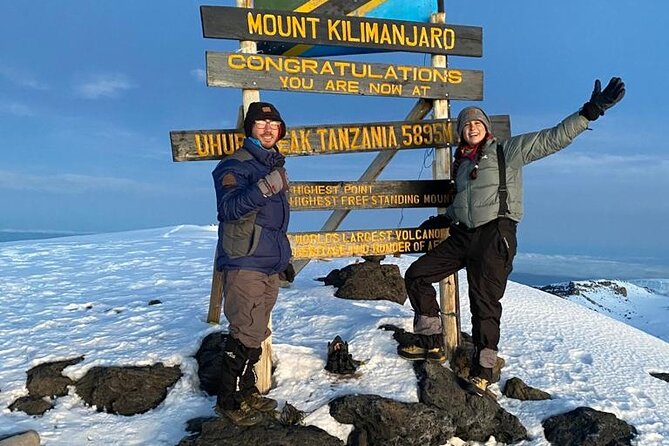
Climbing Kilimanjaro is an expedition, not a casual trip. Independent trekking is virtually non-existent and highly discouraged for safety and logistical reasons. All climbers use licensed tour operators.
- Operator Transport: Your tour operator will arrange:
- Transfers from your hotel in Moshi or Arusha to the Kilimanjaro National Park gate (e.g., Marangu Gate, Machame Gate).
- Transportation from the park exit gate back to your hotel.
- Often, transport to/from Kilimanjaro International Airport (JRO).
- On the Mountain: Your transport is your own two feet, guided by your team.
Route Example (Machame Route – 7 Days):
- Day 0: Arrive JRO, transfer to Moshi hotel. Briefing.
- Day 1: Transfer from Moshi to Machame Gate. Trek to Machame Camp.
- Day 2: Trek Machame Camp to Shira Camp.
- Day 3: Trek Shira Camp to Barranco Camp.
- Day 4: Trek Barranco Camp to Karanga Camp.
- Day 5: Trek Karanga Camp to Barafu Camp.
- Day 6: Summit attempt (Uhuru Peak) overnight, descend to Mweka Camp.
- Day 7: Trek Mweka Camp to Mweka Gate. Transfer back to Moshi hotel.
Your only concern is walking; all other movements are managed by the operator.
Zanzibar Holidays
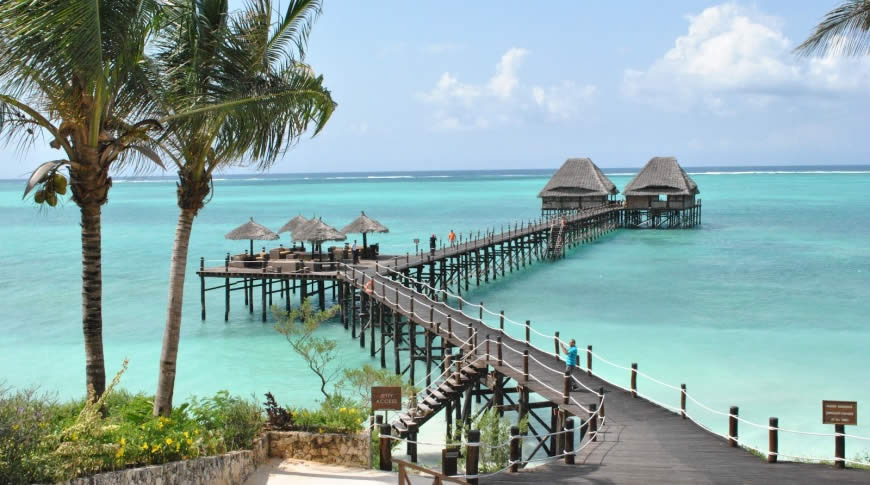
Zanzibar offers more flexibility for independent travel without a car, but it’s still very manageable without one.
- Airport/Ferry Transfers: Book in advance for seamless arrival.
- Stone Town: Easily walkable. Guided walking tours are recommended for historical context.
- Getting to Beaches:
- Taxis: Plentiful but negotiate fares beforehand.
- Private Transfers: Booked through hotels or tour operators.
- Dala-dalas: For the adventurous and budget-conscious, they connect Stone Town to various coastal villages, but journeys can be long and involve changes.
- Scooter/Motorbike Rental: Available but requires confidence on local roads and an international driving permit. Roads can be rough and traffic unpredictable.
- Day Trips: Spice tours, Prison Island, Jozani Forest, snorkeling trips (Mnemba Atoll) are usually booked as packages that include transport.
Pros for Zanzibar: Many accommodations are in walkable villages or resorts, day trips cover transport needs, taxis are readily available.
Cons: If you want to explore multiple remote beaches independently in one day, it can become logistically complex and costly with taxis. Dala-dalas are time-consuming.
Planning Your Trip: Key Considerations for Traveling Tanzania Without a Car
Successful travel without a car hinges on meticulous planning. Here’s what you need to consider for your 2026-2027 adventure.
Best Time to Visit
Tanzania has distinct seasons, affecting wildlife viewing, trekking conditions, and prices.
| Period | Weather | Wildlife | Trekking | Zanzibar | Notes |
|---|---|---|---|---|---|
| June – Oct (Dry Season) | Cool, dry, sunny. Ideal for safari. | Excellent. Animals congregate around water sources. Great Migration in Northern Serengeti. | Best for Kilimanjaro. Clearer skies, less rain. | Dry, sunny, pleasant. High season. | Peak safari season. Book well in advance for 2026-2027. |
| Nov – Mid-Dec (Short Rains) | Intermittent showers, humid. | Good. Migratory birds arrive. Calving season begins in Southern Serengeti (late Dec/Jan). | Can be wet and muddy. Less popular. | Rain showers, humid. Shoulder season. | Fewer crowds, potentially lower prices. |
| Mid-Dec – Feb (Dry/Hot Season) | Hot, dry, sunny. | Good. Calving season in Southern Serengeti. | Possible but hot. | Hot, sunny, humid. Peak season. | Christmas/New Year holidays are very busy. |
| Mar – May (Long Rains) | Heavy, prolonged rain, humid. | Good but challenging. Lush green landscapes. Fewer crowds. | Difficult. Muddy, slippery, cold at altitude. | Rainy, humid, cloudy. Low season. | Lowest prices. Roads can be challenging. |
Budgeting Without a Car
Traveling without a car can be budget-friendly or luxurious, depending on your choices.
- Public Transport: Using buses and dala-dalas is the cheapest way to get between towns.
- Organized Tours: While they seem more expensive upfront, they often offer better value by including transport, accommodation, park fees, guides, and meals, saving you the hassle and cost of piecing it together yourself. For safaris and Kilimanjaro, this is usually the most cost-effective and practical option.
- Domestic Flights & Private Transfers: These significantly increase costs but save time and add comfort.
- Accommodation: Camping on safari is cheapest, mid-range lodges are common, and luxury tented camps or lodges are available. Zanzibar offers everything from budget guesthouses to high-end resorts.
Cost Notes: Expect to spend more on transport if you’re not on a package tour, especially for remote locations. However, for safaris and Kilimanjaro, booking a comprehensive package often proves more economical and stress-free than attempting to arrange individual components.
Safety and Health
Safety is paramount when traveling Tanzania without a car.
- Organized Tours: You are with experienced guides and drivers who know the routes and local conditions. This is the safest option.
- Public Transport: Be aware of your belongings. Travel during daylight hours. Understand that breakdowns or delays can occur.
- Driving: If you consider renting a car (which is not the focus here, but for context), roads can be challenging, especially off main routes. Local driving standards differ.
- Health: Consult your doctor about vaccinations (Yellow Fever is mandatory for entry from some countries) and malaria prophylaxis. Drink bottled or purified water.
- Wildlife: Never approach wild animals. Listen to your guide’s instructions implicitly.
Sample Itinerary: 10-Day Northern Tanzania Discovery (No Car Needed)
This itinerary focuses on experiencing the highlights of Northern Tanzania, assuming you’ll be utilizing organized transfers and a safari package.
Day 1: Arrival in Arusha
Arrive at Kilimanjaro International Airport (JRO). You will be met by your transfer and taken to your hotel in Arusha. Relax and prepare for your safari.
Day 2: Arusha to Tarangire National Park
After breakfast, your safari vehicle and guide will pick you up. Drive to Tarangire National Park, famous for its large elephant herds and baobab trees. Enjoy a full day of game drives before overnighting at a lodge or tented camp near the park.
Day 3: Tarangire to Ngorongoro Highlands
Enjoy a final morning game drive in Tarangire. Afterwards, drive to the Ngorongoro Highlands, stopping at a local market if time permits. Check into your lodge or camp in Karatu.
Day 4: Ngorongoro Crater Tour
Descend into the Ngorongoro Crater, a UNESCO World Heritage Site teeming with wildlife. Spend the day exploring the crater floor, a unique ecosystem with a high concentration of animals, including the Big Five. Ascend in the late afternoon and return to your Karatu accommodation.
Day 5: Karatu to Serengeti National Park
Drive to the legendary Serengeti National Park, entering via the Naabi Hill Gate. Continue game driving en route to your accommodation in the Central Serengeti (Seronera area), known for its resident wildlife and year-round game viewing opportunities.
Day 6: Serengeti National Park
Full day dedicated to exploring the vast plains of the Serengeti. Track predators, witness herds, and soak in the incredible landscapes. Depending on the time of year, you might be positioned to see the Great Migration.
Day 7: Serengeti to Lake Victoria Region (Optional)
Optional: Enjoy a morning game drive in the Serengeti before driving towards the Lake Victoria region, perhaps visiting a local fishing village for a cultural insight. Alternatively, drive back towards Arusha with a stop at Mto wa Mbu for cultural interactions. Overnight near Lake Victoria or en route to Arusha.
Day 8: Lake Victoria / Mto wa Mbu to Arusha
If near Lake Victoria, enjoy some morning activities before driving back to Arusha. If you stopped at Mto wa Mbu, explore the local community and banana plantations. Arrive in Arusha in the afternoon and check into your hotel. Free time for souvenir shopping or relaxation.
Day 9: Arusha to Zanzibar
Transfer to Arusha Airport (ARK) for your short domestic flight to Zanzibar. Upon arrival at Zanzibar Airport (ZNZ), you’ll be met for a transfer to your hotel in Stone Town. Spend the afternoon exploring the historic alleys, markets, and architecture of Stone Town.
Day 10: Zanzibar Departure
Depending on your flight schedule, enjoy a final morning in Zanzibar. You will be transferred to Zanzibar Airport (ZNZ) for your onward flight.
This itinerary is fully managed by your tour operator, meaning all transfers and safari vehicles are pre-arranged. Your only transport is your feet and the provided vehicles.
What to Expect When Traveling Tanzania Without a Car
The experience of traveling Tanzania without a car is fundamentally about relying on trusted services and embracing the journey.
- Convenience: For safaris and Kilimanjaro, this is the most convenient way. You don’t worry about navigation, vehicle maintenance, or permits.
- Expertise: Safari guides are highly knowledgeable about wildlife, animal behavior, and park regulations. Kilimanjaro guides are trained in mountain safety and first aid.
- Time Efficiency: Organized tours are designed to maximize your experience within the time you have.
- Local Immersion: While organized tours keep you within a bubble, using local buses or dala-dalas offers deep immersion, though it requires more patience and flexibility.
- Pace: Travel days can be long, especially on public buses. Flights and private transfers speed things up.
- Flexibility: This is the main trade-off. If you love spontaneous detours and changing plans on a whim, it requires careful planning with your tour operator or accepting the limitations of public transport.
Packing and Preparation
Packing is crucial for comfort and preparedness, regardless of your transport method.
Safari Packing Essentials:
- Lightweight, neutral-colored clothing (khaki, beige, olive).
- Warm layers for early mornings/evenings (safari can be cool).
- Comfortable walking shoes/hiking boots (if doing any walking safaris).
- Sun hat, sunglasses, high SPF sunscreen.
- Insect repellent (DEET-based).
- Binoculars (essential for wildlife viewing).
- Camera with extra batteries and memory cards.
- Reusable water bottle.
- Small backpack for day trips.
- Personal first-aid kit.
- Adapter for electronics.
Kilimanjaro Trekking Packing Essentials:
This requires specialized gear. Your operator will provide a detailed list, but key items include:
- Layered clothing (base layers, fleece, down jacket).
- Waterproof and windproof outer shell.
- Sturdy, broken-in hiking boots.
- Warm hat and gloves.
- Sun protection (hat, sunglasses, sunscreen).
- Headlamp with extra batteries.
- Trekking poles.
- Waterproof duffel bag for porters and a smaller daypack.
- High-energy snacks.
Zanzibar Packing Essentials:
- Light, breathable clothing (cotton, linen).
- Swimwear.
- Sun protection (hat, sunglasses, sunscreen).
- Light rain jacket (especially during rainy seasons).
- Modest clothing for visiting villages or Stone Town (shoulders and knees covered).
- Sandals or flip-flops.
- Insect repellent.
Common Mistakes to Avoid When Traveling Tanzania Without a Car
Being aware of potential pitfalls can save you time, money, and stress.
- Underestimating Travel Times: Tanzania is vast. Journeys between destinations can take many hours, even with private transfers. Public buses take significantly longer.
- Not Booking in Advance: Especially for peak seasons (June-Oct, Dec-Feb) in 2026-2027, popular accommodations, internal flights, and safari packages book up quickly.
- Relying Solely on Public Transport for Safaris: It’s not feasible or safe to reach and navigate national parks using local buses. Always use an organized safari operator for park access.
- Not Negotiating Fares: For taxis and some informal services, always agree on the price *before* you start the journey.
- Ignoring Local Customs: Dress modestly when not at beach resorts, especially in Stone Town and rural areas.
- Not Having Enough Cash: While cards are accepted in larger hotels and some shops, smaller establishments, markets, and park fees often require cash (USD is widely accepted for tourist services, Tanzanian Shillings for local transactions).
- Overpacking: Especially for internal flights with strict luggage limits. Pack light and efficiently.
Who is Traveling Tanzania Without a Car Best For?
This travel style is ideal for several types of travelers:
- Budget Travelers: Opting for public buses and carefully chosen tours can significantly reduce costs.
- Solo Travelers: Joining group tours or using reliable transfers makes solo travel safe and efficient.
- Those Prioritizing Convenience and Expertise: For safaris and Kilimanjaro, organized tours remove all logistical burdens and provide expert guidance.
- Travelers Seeking Local Immersion: For shorter distances within towns or between closely connected areas, dala-dalas and local buses offer authentic experiences.
- Environmentally Conscious Travelers: Group tours and shared transport can have a lower carbon footprint per person than individual car rentals.
Alternatives to Traveling Without a Car
While this guide focuses on not having your own car, it’s worth noting alternatives that still involve managed transport:
- Renting a 4×4 with a Driver: This offers more flexibility than a standard tour package while still providing a driver. You can stop more spontaneously, but it’s more expensive than a group tour.
- Self-Drive Safari (Not Recommended for Most Tourists): Renting a 4×4 and driving yourself is possible for experienced off-road drivers but is complex, requires extensive knowledge of routes, permits, and vehicle maintenance, and is generally not recommended for first-time visitors or those unfamiliar with Tanzania. It can be more expensive than hiring a vehicle with a driver.
Planning Your 2026-2027 Trip: What’s New?
As you plan for 2026 and 2027, consider these points:
- Increased Demand: Tanzania remains a top destination. Popular safari seasons and trekking dates will likely see high demand. Book early for the best availability and potentially better rates.
- Sustainable Tourism: More operators are focusing on eco-friendly practices. Inquire about their policies.
- Digital Nomadism: While not directly transport-related, Wi-Fi availability is improving in major hubs, allowing for more flexibility in planning on the go. However, reliable internet is scarce in national parks.
- New Flight Routes: Keep an eye on new direct international flight routes that might make reaching Tanzania easier or more affordable.
Booking Advice for Traveling Tanzania Without a Car
Choosing the right tour operator is critical for a smooth experience.
- Research Operators: Look for established companies with good reviews and clear communication. For safaris and Kilimanjaro, choose operators specializing in these areas.
- Clear Inclusions/Exclusions: Understand exactly what is covered in your package (park fees, meals, accommodation type, guide services, transfers).
- Communication is Key: Ensure the operator responds promptly and clearly to your queries. This is a good indicator of their service level.
- Payment Terms: Understand deposit requirements and cancellation policies.
- Customization: A good operator will be happy to customize itineraries to suit your interests, budget, and pace, even when traveling Tanzania without a car.
Contact Us for Your Tanzania Adventure
Planning a trip to Tanzania without a car is entirely feasible and can lead to an incredibly rewarding experience. Whether you dream of wildlife encounters, mountain summits, or island paradises, we are here to help you craft the perfect itinerary. Let us handle the logistics so you can focus on the adventure.
For personalized safari packages, Kilimanjaro treks, Zanzibar holidays, or custom travel plans for 2026-2027, get in touch:
- WhatsApp: +255616946642
- Email: topguideadventures@gmail.com
- Backup Email: info@topguideadventures.com
Frequently Asked Questions (FAQs)
Can I travel around Tanzania using only public transport?
Yes, you can travel between major towns and cities using public buses (mishumaa) and within towns using dala-dalas. However, this method is not suitable for accessing national parks or remote safari starting points, where organized tours or private transfers are essential.
Is it safe to travel Tanzania without a car?
Yes, traveling Tanzania without a car is generally safe, especially when utilizing reputable tour operators for safaris and Kilimanjaro climbs. For public transport, standard precautions regarding belongings and travel times apply.
How do I get from Kilimanjaro Airport (JRO) to Arusha without a car?
The most common and recommended way is to pre-book a transfer with your hotel or tour operator. Taxis are also available at the airport, but it’s advisable to agree on the fare beforehand.
Is it possible to do a self-drive safari in Tanzania?
While technically possible for experienced drivers with proper 4×4 vehicles and permits, self-drive safaris are not recommended for most tourists due to challenging road conditions, navigation difficulties, wildlife unpredictability, and the need for local expertise. Organized safaris with a driver-guide are the standard and safest approach.
What is the best way to get to Zanzibar from Dar es Salaam without a car?
The most common method is by ferry. Regular ferry services operate between Dar es Salaam and Zanzibar. Booking tickets in advance is recommended, especially during peak travel times for 2026-2027.
How much does it cost to travel Tanzania without a car?
Costs vary greatly. Using public buses is very cheap for inter-city travel. Organized safari packages or Kilimanjaro treks are priced per person and include most expenses. Domestic flights and private transfers add significant cost. Traveling without a car can be very budget-friendly if you prioritize local transport and group tours.
Do I need to book my safari vehicle and guide in advance?
Absolutely. For any safari in Tanzania, you must have a registered safari vehicle and a licensed driver-guide. These are typically booked as part of a safari package well in advance, especially for popular travel dates in 2026 and 2027.
What are the luggage restrictions for domestic flights in Tanzania?
Domestic flights, especially those on smaller bush planes to safari airstrips, have strict weight and size limitations for luggage. Typically, this is around 15-20 kg (33-44 lbs) in soft duffel bags. Always check with your airline or tour operator.
Can I use ride-sharing apps like Uber in Tanzania?
Ride-sharing apps are not widely available or reliable in Tanzania, particularly outside of major cities like Dar es Salaam. In Arusha or other tourist hubs, local taxi services and pre-arranged transfers are the norm.
What is the best way to explore Stone Town in Zanzibar without a car?
Stone Town is a UNESCO World Heritage site and is best explored on foot. It is compact and walkable. Guided walking tours are highly recommended to understand its rich history and complex architecture.
Will I be able to travel Tanzania without a car in 2026-2027?
Yes, traveling Tanzania without a car is not only possible but often the most practical and recommended way for many popular activities like safaris and Kilimanjaro climbs. Planning and booking with reliable operators are key for a successful trip in 2026-2027.
Your Tanzania Adventure Awaits – Plan It with Us
Traveling Tanzania without a car is a sensible and often superior choice for experiencing its wonders. It allows you to focus on the incredible sights and sounds of this magnificent country, leaving the complexities of navigation and vehicle logistics to the experts. From the vast plains of the Serengeti to the mystical peaks of Kilimanjaro and the exotic shores of Zanzibar, your journey will be rich with adventure and memorable encounters.
We specialize in creating unforgettable Tanzanian experiences tailored to your preferences, all without the need for you to drive. Let us help you plan your perfect 2026-2027 safari, trek, or holiday. Contact us today to start building your dream itinerary:
- WhatsApp: +255616946642
- Email: topguideadventures@gmail.com
- Backup Email: info@topguideadventures.com
Plan your Traveling Tanzania Without a Car with Top Guide Adventures
Tell us your travel dates, group size, comfort level, and dream experience. We will help you shape a clear, realistic, and memorable Tanzania itinerary.

 Veedesigner
 Fatma Kizanga
 Benjamin Waryuba
 Philip Philip
 John jr Itaja
 Antonia Optatus
 Edith Kanyere
 Neema Iddy
 Kelvin Boniphace
 Damari Maiga



