
Updated planning guide for 2026-2027
Safety Tips For Transport In Tanzania: Complete Guide 2026-2027
Your comprehensive guide to ensuring safe and comfortable travel across Tanzania, from bustling city streets to remote safari tracks. Discover practical safety tips for all modes of transport.
WhatsApp +255616946642 | topguideadventures@gmail.com | info@topguideadventures.com
Your Ultimate Guide to Safety Tips for Transport in Tanzania
Planning a trip to Tanzania is an exciting prospect, promising breathtaking wildlife encounters, challenging mountain ascents, and idyllic island escapes. As you prepare for your adventure in 2026 or 2027, understanding how to navigate the country safely is paramount. Tanzania’s transport network is as diverse as its landscapes, ranging from reliable safari vehicles and charter flights to local buses and dhows. Each mode of travel presents unique considerations for traveler safety. This extensive guide provides essential safety tips for transport in Tanzania, ensuring your journey is as secure as it is memorable.
Table of Contents
- Quick Facts About Tanzanian Transport
- An Overview of Transport Options in Tanzania
- Why Prioritizing Transport Safety Matters
- Safari Transport Safety
- Kilimanjaro Trekking Transport Safety
- Zanzibar Transport Safety
- Intercity and Local Transport Safety
- Air Travel Safety
- Road Safety Essentials
- Water Transport Safety
- General Safety Practices for All Transport
- What to Pack for Safer Travel
- Common Mistakes to Avoid
- Who is This Guide For?
- Alternatives to Consider
- Planning Your Transport for 2026-2027
- Booking Your Transport: Expert Advice
- Frequently Asked Questions (FAQs)
Quick Facts About Tanzanian Transport
| Aspect | Details |
|---|---|
| Primary Roads | Paved main highways, often in good condition. Secondary roads can be rough, unpaved, and prone to washouts during the rainy season. |
| Public Buses (Daladalas) | Extremely common, affordable, and crowded. Can be a source of petty theft. Best for short, local trips. |
| Private Taxis/Ride-Sharing | Available in major cities. Always agree on fare beforehand or ensure a meter is used. Reputable companies are recommended. |
| Safari Vehicles | Specifically designed 4x4s (Land Cruisers, Land Rovers) with pop-up roofs for game viewing. Usually driven by experienced guides. |
| Air Travel | Domestic flights connect major cities and tourist hubs. Several reputable airlines operate. |
| Water Transport | Ferries (e.g., to Zanzibar), speedboats, and traditional dhows. Safety standards can vary, especially for smaller vessels. |
| Driving Side | Left-hand side. |
| Speed Limits | Vary, but often not strictly enforced. Generally lower in towns and on unpaved roads. |
An Overview of Transport Options in Tanzania
Tanzania offers a diverse range of transportation methods, each suited to different travel needs and budgets. Understanding these options is the first step to planning safe transit.
Safari Vehicles
For safaris in parks like the Serengeti, Ngorongoro Crater, and Tarangire, a sturdy 4×4 safari vehicle is standard. These are typically Land Cruisers or Land Rovers equipped with pop-up roofs for optimal game viewing. They are driven by professional guides who are knowledgeable about the parks, wildlife, and safe driving practices within the reserves. The safety of these vehicles is usually high, as they are maintained for rugged terrain and driven by experienced professionals.
Intercity Buses and Coasters
Buses are the backbone of public transport for longer distances between towns and cities. Options range from larger, more comfortable coaches for popular routes (like Arusha to Dar es Salaam) to smaller minibuses, known as daladalas, for shorter, local journeys. While affordable, these can be crowded, and safety can be a concern due to driving styles and road conditions.
Private Cars and Taxis
In urban centers like Dar es Salaam, Arusha, and Zanzibar City, taxis are readily available. It’s crucial to use reputable services, agree on fares before starting your journey, or opt for taxis with meters. Ride-sharing apps are also emerging in some cities. For longer private transfers, tour operators can arrange comfortable, air-conditioned vehicles with experienced drivers.
Air Travel
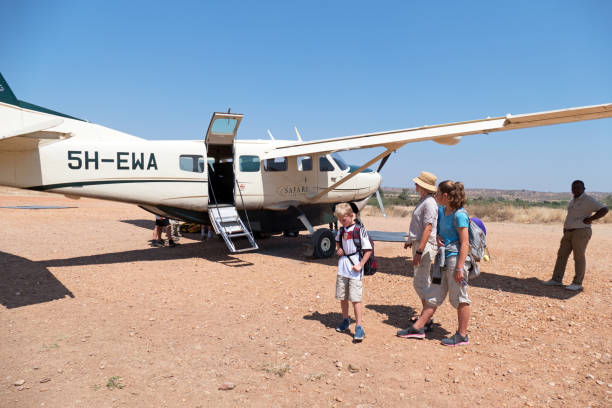
Domestic flights are a convenient and time-efficient way to cover vast distances. Several airlines operate between major hubs like Kilimanjaro International Airport (JRO), Julius Nyerere International Airport (DAR), and smaller airstrips serving national parks and islands like Zanzibar. This is generally the safest and quickest way to travel long distances.
Water Transport
The most common form of water transport for tourists is the ferry or speedboat service between the Tanzanian mainland (e.g., Dar es Salaam) and the Zanzibar archipelago. Traditional dhows are also popular for shorter excursions, especially around Zanzibar. Safety standards can vary significantly, particularly with smaller, privately-operated boats.
Motorbikes and Bicycles
While less common for long-distance tourist travel, motorbikes and bicycles are used locally. For tourists, renting a bicycle can be a good way to explore smaller towns or coastal areas, but always be aware of traffic and road conditions.
Why Prioritizing Transport Safety Matters
Tanzania’s infrastructure is developing, but it still presents challenges. Roads can be poorly maintained, particularly outside major routes, and driving standards can differ significantly from what travelers are accustomed to. Animal crossings are common in wildlife areas. Therefore, understanding and implementing safety measures is not just about comfort; it’s about preventing accidents, protecting your belongings, and ensuring a positive overall experience. For safari-goers, a breakdown in a remote area can be inconvenient and potentially risky. For trekkers, safe transport to the mountain base is the first step to a successful climb. For island visitors, secure passage to and from Zanzibar is vital.
Safari Transport Safety
Safari vehicles are designed for the job, but traveler behavior and guide professionalism are key to safety.
Vehicle Checks and Maintenance
Reputable tour operators invest in well-maintained 4×4 safari vehicles. Always ensure your vehicle has functioning seatbelts (though not always used in the open air of a safari vehicle, they are present), reliable tires, and appropriate safety equipment. Pop-up roofs should operate smoothly.
Experienced Guides
Your safari guide is your most important safety asset. They are trained to drive safely on rough terrain, navigate park rules, avoid dangerous wildlife encounters, and handle vehicle issues. They know when to approach wildlife and when to keep a safe distance.
Wildlife Etiquette
Never stand up or lean too far out of the vehicle when the roof is up. Always follow your guide’s instructions regarding animal proximity. Do not feed or try to touch wildlife. Maintain a safe distance, especially from large or potentially aggressive animals like elephants, lions, and buffalo.
During Game Drives
Keep all body parts inside the vehicle at all times. Secure loose items like cameras and hats, as they can fall out or be blown away. Be mindful of the vehicle’s movement; hold on if necessary, especially on bumpy roads.
Breakdowns and Emergencies
Reputable operators have communication systems (satellite phones or radios) for emergencies. If a breakdown occurs, stay with the vehicle unless instructed otherwise by your guide. Your guide will know how to signal for assistance or manage the situation.
Kilimanjaro Trekking Transport Safety
Getting to Kilimanjaro and back safely is the first phase of your trek.
Transport to Machame/Marangu Gate
Your trek operator will arrange transport from your accommodation in Moshi or Arusha to the Kilimanjaro National Park gates (e.g., Machame Gate, Marangu Gate). These are typically 4×4 vehicles or minibuses. Ensure the vehicle is in good condition and the driver is experienced with mountain roads.
Road Conditions
The roads leading to the park gates can be steep and winding, sometimes unpaved, especially during the rainy seasons. Drivers need to be skilled and cautious. It is advisable to travel during daylight hours for these transfers.
Communication
Ensure your tour operator has a reliable communication plan in place for transfers to and from the mountain. Confirm they have emergency contact procedures.
Luggage Transfer
Your main luggage will be transported separately to your starting point or accommodation after your trek. Ensure this is handled by a trusted service arranged by your operator.
Zanzibar Transport Safety
Zanzibar offers a mix of relaxed island vibes and bustling town life, with transport reflecting this.
Ferry and Speedboat Transfers
The most common way to reach Zanzibar from Dar es Salaam is by ferry or speedboat. Book with reputable companies. Arrive at the terminal early, especially for ferries. Be aware of your surroundings and belongings in crowded terminals. Ensure life jackets are available and in good condition before boarding, particularly on smaller boats.
Taxis and Private Transfers
In Stone Town and across the island, taxis are available. Always negotiate the fare before your trip. For airport transfers or longer journeys, pre-booking with your hotel or a tour operator is recommended for reliability and safety.
Scooter and Motorbike Rentals
Renting a scooter or motorbike is popular for exploring the island. However, roads can be narrow, unpaved, and have potholes. Traffic can be unpredictable. Always wear a helmet, ensure you have adequate insurance, and be a confident rider. If you are not experienced, it is best to avoid this option or hire a driver.
Daladalas
These local minibuses are very cheap and frequent but can be extremely crowded and driven erratically. They are best suited for short, local trips if you are comfortable with the conditions.
Dhow Trips
Sunset dhow cruises are a popular tourist activity. Ensure the dhow is seaworthy, has life-saving equipment, and the crew is experienced. Avoid overloading.
Intercity and Local Transport Safety
Navigating between cities and within them requires awareness.
Long-Distance Buses
For journeys between major cities like Arusha, Dar es Salaam, and Mwanza, larger buses are common. Choose reputable companies known for better maintenance and slightly more professional driving. Book tickets in advance where possible. Keep valuables secure and with you at all times. Be aware of your surroundings at bus stations, which can be busy and prone to petty theft.
Daladalas (Minibuses)
These are the most common form of local transport in towns and cities. They are cheap and frequent but can be very crowded, leading to pickpocketing risks. Driving can be aggressive. Use them for short distances if you are comfortable with close quarters and rapid stops/starts. Keep all belongings securely zipped and in front of you.
Shared Taxis and Taxis
Shared taxis (often sedans carrying multiple passengers) operate on fixed routes and are more affordable than private taxis. For private taxis, ensure the driver is licensed. Agree on the fare before setting off. In major cities, look for taxis associated with hotels or reputable companies.
Night Travel
It is generally advisable to avoid long-distance travel by road at night. Road conditions are harder to assess, visibility is poor, and the risk of accidents or other incidents can increase. If you must travel at night, opt for reputable bus companies or private transfers with experienced drivers.
Air Travel Safety
Domestic flights offer a safe and efficient way to travel across Tanzania.
Reputable Airlines
Choose well-established airlines operating domestic routes. These typically adhere to international safety standards. Check reviews and schedules. Major airports like JRO and DAR have good facilities.
Airstrip Safety
Some remote lodges and safari camps are accessed via small airstrips. These are usually managed efficiently, but be aware of your surroundings and follow instructions from ground staff.
Baggage Handling
Keep an eye on your luggage at all times. While major airlines have good baggage handling, smaller charter flights might have different procedures. Ensure your bags are properly tagged.
Emergency Procedures
Familiarize yourself with the airline’s safety briefing before takeoff. In case of any emergency, follow the instructions of the flight crew.
Road Safety Essentials
Road travel is common for safaris and intercity journeys. Awareness is key.
Driving Standards
Tanzanian driving can be unpredictable. Drivers may not always adhere strictly to traffic laws. Expect sudden stops, lane changes, and varying speeds. Defensive driving is crucial if you are driving yourself, but for tourists, relying on professional drivers is recommended.
Vehicle Condition
Ensure any vehicle you use for road travel is in good mechanical condition. Check tires, brakes, and lights if possible. For safari vehicles, ensure the driver is experienced and the vehicle is well-maintained.
Seatbelts
Always wear your seatbelt, even on short trips. While not always strictly enforced in all vehicle types, they are a vital safety feature.
Road Hazards
Be aware of potholes, uneven surfaces, and unpaved sections, especially after rain. Animals can suddenly appear on the road, particularly in rural and wildlife areas. Drivers should be alert for these.
Night Driving
As mentioned, avoid night driving whenever possible. If you must, ensure the vehicle has good headlights and the driver is experienced and alert.
Water Transport Safety
From ferries to dhows, water travel requires attention to safety.
Ferry and Boat Safety
When traveling by ferry or speedboat, especially between the mainland and Zanzibar, choose reputable companies. Check the vessel’s condition and ensure life jackets are available and in good condition for all passengers. Avoid overcrowded vessels. Follow crew instructions during boarding and the journey.
Dhows and Smaller Vessels
For excursions like sunset cruises on dhows, ensure the vessel is properly maintained and equipped with safety gear. The crew should be experienced. Stick to established tour operators for these activities.
Weather Conditions
Be aware of weather forecasts. Rough seas can make travel uncomfortable and unsafe, particularly on smaller boats. Reputable operators will cancel trips if conditions are dangerous.
General Safety Practices for All Transport
Beyond specific modes, universal safety tips apply.
Valuables and Belongings
Keep your belongings secure and out of sight. In crowded places like bus stations or daladalas, use a money belt or secure inner pockets for cash and important documents. Never leave luggage unattended.
Awareness of Surroundings
Always be aware of who is around you, especially in busy terminals or on public transport. Be cautious of overly friendly strangers offering unsolicited help, as this can sometimes be a distraction for theft.
Pre-booking and Reputable Providers
For significant transfers (airport to hotel, intercity, safari), book with reputable tour operators or hotels. This ensures you are using vetted drivers and well-maintained vehicles, reducing risk.
Communication
Ensure you have a local SIM card or international roaming for communication. Let someone know your travel plans and expected arrival times.
Emergency Contacts
Save important emergency numbers, including those of your tour operator, local police, and your embassy. Keep these accessible.
Health Considerations
Carry a basic first-aid kit. If you are prone to motion sickness, bring medication for boat or car journeys. Stay hydrated, especially on long journeys.
What to Pack for Safer Travel
While not directly transport items, some essentials enhance safety.
- Money Belt/Secure Pouch: For carrying cash, cards, and passport discreetly.
- Locks: Small padlocks for luggage zippers add an extra layer of security.
- Motion Sickness Medication: Essential for ferry rides or bumpy safari tracks.
- Hand Sanitizer and Wet Wipes: For hygiene, especially when using public transport.
- Reusable Water Bottle: Stay hydrated safely by refilling from trusted sources.
- Travel Adapter and Power Bank: To keep your phone charged for communication.
- Basic First-Aid Kit: For minor injuries.
- Comfortable, Breathable Clothing: Essential for long drives or rides.
- Sun Protection: Hat, sunglasses, and sunscreen are crucial, especially on open vehicles or boats.
Common Mistakes to Avoid
Many transport-related issues can be prevented by avoiding common pitfalls.
- Not agreeing on fares upfront: This leads to overcharging, especially with taxis.
- Using unverified transport providers: Opting for the cheapest option without checking reputation can be risky.
- Leaving belongings unattended: A common target for petty thieves in crowded areas.
- Traveling at night on rural roads: Significantly increases risk due to poor visibility and road conditions.
- Ignoring local advice: Listen to your guide or hotel staff regarding safe transport options and times.
- Overcrowding on boats/vehicles: This compromises safety and comfort.
- Not checking safety equipment: Especially important on ferries and boats (life jackets).
- Renting scooters without experience: Zanzibar’s roads can be challenging for novice riders.
Who is This Guide For?
This guide is designed for all travelers visiting Tanzania, whether you are planning a luxury safari, a challenging Kilimanjaro trek, a relaxing Zanzibar holiday, or a mix of these experiences. It is particularly useful for:
- First-time visitors to Tanzania.
- Independent travelers who may use local transport.
- Tourists seeking to understand the nuances of safari vehicle safety.
- Anyone concerned about road, air, or water transport safety.
- Travelers planning their trips for 2026 and 2027 who want comprehensive safety information.
Alternatives to Consider
While this guide focuses on safety for common transport, consider these alternatives for enhanced comfort and security:
- Private Transfers: For airport pick-ups, intercity journeys, and day trips, private transfers arranged by a reputable operator offer the highest level of comfort and safety.
- Charter Flights: For reaching remote safari camps or islands quickly and comfortably, charter flights are an excellent, albeit more expensive, option.
- Guided Day Tours: For exploring cities or specific attractions, joining a guided day tour ensures you are with experienced guides in safe, appropriate vehicles.
- Focusing on Operator-Provided Transport: For safari and Kilimanjaro treks, the best approach is to book with a comprehensive tour operator who handles all your transport needs, from airport transfers to safari drives and trek logistics.
Planning Your Transport for 2026-2027
When planning your Tanzanian adventure for 2026 or 2027, incorporate transport safety into your itinerary from the outset.
Early Booking
Book your main transport, especially international flights and safari packages (which include internal transfers), well in advance. This is crucial for securing preferred providers and potentially better rates.
Itinerary Logistics
Consider travel times between locations. Long drives on rough roads can be tiring. Factor in potential delays due to road conditions or weather, especially during the rainy seasons (typically March-May and November). Shorter, more frequent transfers or opting for flights can be safer and more efficient.
Choosing Your Operator
Your choice of tour operator is vital. A reputable company will prioritize your safety by using well-maintained vehicles, experienced drivers, and having robust emergency protocols. Do your research, read reviews, and inquire about their safety standards.
Budgeting for Transport
While public transport is cheap, it may compromise safety. Allocate a reasonable budget for private transfers, reputable bus companies, or domestic flights if safety and comfort are priorities for your 2026-2027 trip.
Understanding Seasonal Impacts
The rainy seasons can affect road conditions significantly. Plan your routes and transport methods accordingly. Some unpaved roads may become impassable, requiring alternative arrangements or detours.
Booking Your Transport: Expert Advice
Making informed booking decisions ensures a safer journey.
Safari Packages
When booking a safari, inquire about the type of vehicle used (4×4 Land Cruiser/Land Rover is standard), the experience of the drivers, and the operator’s safety and emergency procedures. A good operator will include all necessary park transfers and game drives in their package.
Kilimanjaro Treks
Ensure your Kilimanjaro operator arranges safe and reliable transport to and from the mountain gates. This is usually part of the package.
Zanzibar Transfers
For ferry or speedboat tickets, book with companies that have a good reputation for safety and reliability. Avoid purchasing tickets from touts at the terminal. For private transfers, use your hotel or a trusted local agency.
Domestic Flights
Book flights directly with airlines or through reputable travel agents. Compare prices but prioritize airlines with a strong safety record.
Private Car Hire
If hiring a private car and driver for extended travel, ensure the company is licensed and the driver is experienced. Discuss your itinerary and any specific safety concerns beforehand.
For personalized assistance with planning safe and memorable transport for your Tanzanian adventure in 2026-2027, contact us.
Contact Us for Safe Travel Planning:
- WhatsApp: +255616946642
- Email: topguideadventures@gmail.com
- Backup Email: info@topguideadventures.com
Let us help you arrange secure and comfortable transportation for your safari, Kilimanjaro climb, Zanzibar holiday, or custom tour.
Frequently Asked Questions (FAQs)
What is the safest way to travel between major cities in Tanzania?
The safest and most efficient way to travel between major cities like Arusha and Dar es Salaam is by domestic flight with a reputable airline. For those on a budget, well-established long-distance bus companies offer a more affordable option, but it’s advisable to choose day travel and keep valuables secure.
Are safari vehicles safe in Tanzania?
Yes, safari vehicles, typically 4×4 Land Cruisers or Land Rovers, are designed for the rugged terrain and are generally very safe when operated by experienced guides. Reputable tour operators maintain their vehicles rigorously. Always follow your guide’s instructions for safety during game drives.
What safety precautions should I take on ferries to Zanzibar?
When booking ferry or speedboat tickets to Zanzibar, choose reputable companies. Arrive early, be aware of your surroundings in crowded terminals, and ensure life jackets are available and in good condition before boarding. Avoid overcrowded vessels.
Is it safe to rent a scooter in Zanzibar?
Renting a scooter can be convenient for exploring Zanzibar, but it comes with risks. Roads can be narrow, unpaved, and have potholes. Traffic can be unpredictable, and local driving standards vary. Always wear a helmet, ensure you have adequate insurance, and only rent if you are an experienced and confident rider. If not, opt for taxis or private transfers.
Should I avoid night travel in Tanzania?
Yes, it is generally recommended to avoid long-distance travel by road at night in Tanzania. Poor road conditions, limited visibility, and potentially higher risks make daytime travel significantly safer.
What are daladalas, and are they safe for tourists?
Daladalas are local minibuses used for short-distance public transport within towns and cities. They are very affordable and frequent. However, they can be extremely crowded, and pickpocketing is a risk. Driving can also be erratic. While many locals use them daily, tourists should exercise extreme caution, keep belongings secure, and be prepared for a very local experience.
How do I ensure safe transport to Kilimanjaro?
Your Kilimanjaro tour operator will arrange transport from your accommodation to the park gates. Ensure you book with a reputable operator who uses well-maintained vehicles and experienced drivers familiar with the mountain roads. Confirm their emergency procedures.
What should I do if my safari vehicle breaks down?
If your safari vehicle breaks down, stay calm and remain inside the vehicle unless your guide instructs you otherwise. Reputable operators have communication systems to call for assistance. Your guide is trained to handle such situations safely.
Are taxis safe in Dar es Salaam and Arusha?
Taxis are available in major cities. To ensure safety, use taxis from reputable companies, those recommended by your hotel, or use ride-sharing apps where available. Always agree on the fare before starting your journey or ensure the meter is used.
How can I prepare my luggage for transport in Tanzania?
Use sturdy luggage, preferably soft-sided bags for safaris as they fit better in vehicles. Ensure all bags are securely locked and tagged with your contact information. Keep valuables, essential medications, and important documents in your carry-on or a small daypack that you keep with you.
What are the typical driving conditions for safaris in 2026-2027?
Safari driving conditions vary greatly. In popular parks like the Serengeti and Ngorongoro, main tracks are often well-trodden, but can be dusty and bumpy. Off-road driving is restricted. During the rainy seasons, tracks can become muddy and challenging, requiring skilled drivers and robust 4×4 vehicles. Operators plan routes to avoid the worst conditions.
How can I stay safe during transport in Tanzania?
To ensure safety tips for transport in Tanzania are followed, always choose reputable providers, be aware of your surroundings, secure your belongings, agree on fares in advance, and follow the advice of your guides and drivers. For specific advice tailored to your 2026-2027 travel plans, contact us.
Ready for a Safe Tanzanian Adventure?
Your journey through Tanzania should be filled with wonder, not worry. By understanding and implementing these safety tips for transport, you can navigate the country with confidence. From the thrilling wildlife encounters on safari to the serene beaches of Zanzibar and the majestic slopes of Kilimanjaro, safe transit is the foundation of an unforgettable experience. We are dedicated to ensuring your travel is as secure as it is spectacular.
Plan Your Secure Tanzanian Trip with Us!
Let us handle the logistics so you can focus on the adventure. We specialize in crafting safe, reliable, and unforgettable travel experiences across Tanzania, including safaris, Kilimanjaro treks, and Zanzibar holidays. We are committed to providing expert advice and ensuring your safety throughout your journey in 2026-2027.
Get in touch today for personalized assistance:
- WhatsApp Us: +255616946642
- Email Us: topguideadventures@gmail.com
- Alternative Email: info@topguideadventures.com
We look forward to helping you plan your adventure, incorporating all necessary safety tips for transport in Tanzania.
Plan your Safety Tips for Transport in Tanzania with Top Guide Adventures
Tell us your travel dates, group size, comfort level, and dream experience. We will help you shape a clear, realistic, and memorable Tanzania itinerary.







 Veedesigner
 Fatma Kizanga
 Benjamin Waryuba
 Philip Philip
 John jr Itaja
 Antonia Optatus
 Edith Kanyere
 Neema Iddy
 Kelvin Boniphace
 Damari Maiga



