
Updated planning guide for 2026-2027
Night Travel In Tanzania: Is It Safe?: Complete Guide 2026-2027
Explore the realities and safety considerations of night travel in Tanzania. This comprehensive guide covers everything you need to know for your 2026-2027 trip, from road conditions to local regulations and tips for a secure experience.
WhatsApp +255616946642 | topguideadventures@gmail.com | info@topguideadventures.com
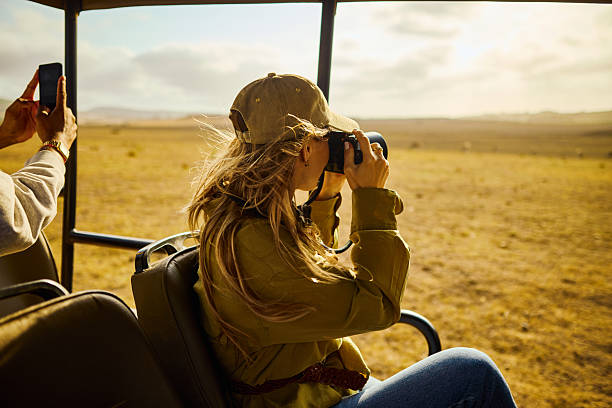
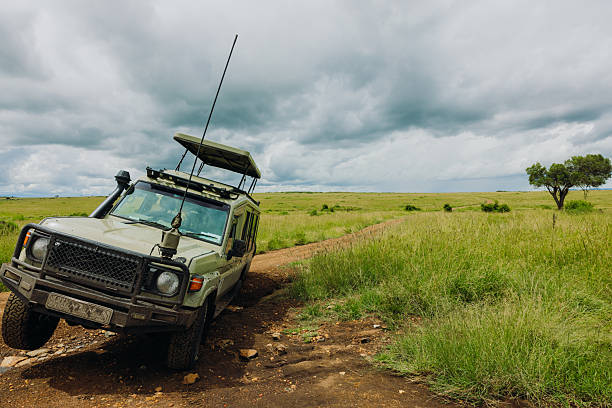
Night Travel in Tanzania: Is It Safe?
Tanzania, a land of breathtaking landscapes, iconic wildlife, and vibrant cultures, beckons travelers from around the globe. While most visitors focus on daytime adventures – thrilling safaris, challenging Kilimanjaro ascents, or relaxing Zanzibar beaches – the question of night travel in Tanzania: is it safe? often arises for those considering extended journeys, unique experiences, or simply needing to move between locations after sunset. This guide provides an in-depth look at the safety, feasibility, and considerations for traveling in Tanzania after dark.
Navigating any country at night presents unique challenges, and Tanzania is no exception. Understanding the local context, infrastructure, and potential risks is crucial for a secure and enjoyable trip. We’ll cover everything from road conditions and vehicle safety to local customs and how reputable tour operators manage nighttime transit. By the end of this article, you’ll have a clear picture of what to expect and how to plan for night travel in Tanzania, whether you’re heading to the Serengeti, Arusha, or the coast.
Quick Answers for Night Travel in Tanzania
| Aspect | Consideration |
|---|---|
| Road Safety | Generally challenging due to poor lighting, unpaved surfaces, and unpredictable obstacles. Advised against for independent travel. |
| Vehicle Condition | Crucial. Well-maintained vehicles with proper lighting and tires are essential. Operator-provided transport is recommended. |
| Wildlife Encounters | Possible on roads, especially in rural or park vicinities. Drivers must be alert. |
| Security Concerns | Standard precautions apply. Avoiding isolated areas and traveling with reputable guides minimizes risks. |
| Local Transport Options | Dala-dalas (minibuses) and boda-bodas (motorcycle taxis) operate but are generally not recommended for tourists at night due to safety. |
| Organized Tours | Reputable tour operators often include nighttime transfers as part of their packages, managed with experienced drivers and appropriate vehicles. This is the safest option. |
Table of Contents
- Tanzania After Dark: An Overview
- Why the Question of Night Travel Safety is Important
- Understanding Tanzania’s Road Conditions at Night
- Vehicle Safety: The Most Critical Factor
- Wildlife and Unexpected Obstacles
- General Security Considerations
- Local Transport Options: Dala-dalas and Boda-bodas
- The Safest Way: Organized Transfers with Tour Operators
- Sample Itinerary: Night Transfer Between Key Locations
- What to Expect During Night Travel
- Preparation and Packing for Night Travel
- Common Mistakes to Avoid
- Who is Night Travel in Tanzania Best For?
- Alternatives to Night Travel
- Planning Your 2026-2027 Trip: Key Considerations
- Booking Advice for Night Travel Services
- Frequently Asked Questions (FAQs)
Tanzania After Dark: An Overview
When the sun sets over Tanzania, the country transforms. The heat of the day recedes, and a different rhythm emerges. For many travelers, the day’s activities conclude with dinner and rest. However, for those on tight schedules, seeking unique experiences, or needing to cover long distances, the prospect of traveling after dark arises. This often leads to the critical question: Is night travel in Tanzania safe?
The reality is that night travel in Tanzania is generally not recommended for independent travelers, especially on longer inter-city routes. The primary concerns revolve around road conditions, vehicle safety, the presence of unlit obstacles, and the potential for security issues. Infrastructure, particularly outside major urban centers, often lacks adequate lighting, and road surfaces can be unpredictable. Wildlife can also wander onto roads, posing a significant hazard.
However, this doesn’t mean all night travel is inherently dangerous. Reputable tour operators, with experienced drivers, well-maintained vehicles, and a deep understanding of local conditions, often manage necessary nighttime transfers as part of comprehensive itineraries. These services are designed with safety as the paramount concern, employing best practices to mitigate risks.
Why the Question of Night Travel Safety is Important
Understanding the safety aspects of night travel in Tanzania is crucial for several reasons:
- Informed Decision-Making: Knowing the risks allows travelers to make informed choices about their itinerary and transportation. It helps avoid situations that could compromise their safety or enjoyment.
- Itinerary Planning: Many popular Tanzanian destinations require significant travel time. If a flight arrives late or departs early, or if you need to move between parks efficiently, understanding the limitations of night travel directly impacts how you can structure your trip.
- Avoiding Scams and Unsafe Services: Without proper knowledge, travelers might be tempted by cheaper, less reputable options for night transport, which can be significantly more dangerous.
- Managing Expectations: Tanzania’s charm lies in its natural beauty and cultural richness. Understanding that nighttime travel might be restricted or require special arrangements helps set realistic expectations for the journey.
- Peace of Mind: Knowing that you’ve planned your travel prudently, especially concerning nighttime transit, provides essential peace of mind, allowing you to focus on the incredible experiences Tanzania offers.
Understanding Tanzania’s Road Conditions at Night
The state of roads in Tanzania varies dramatically. Major highways connecting key cities like Arusha, Dar es Salaam, and Dodoma are often paved but can still present challenges after dark. Rural roads, and those leading to or within national parks, are frequently unpaved, dusty, and uneven. When darkness falls, these conditions are amplified:
- Lack of Lighting: Streetlights are rare outside of major towns. Roads are often pitch black, making it difficult for drivers to see the road ahead, potential hazards, or other vehicles.
- Unmarked Hazards: Potholes, speed bumps (sometimes unmarked), fallen branches, debris, and livestock can be invisible until it’s too late to react.
- Other Road Users: Bicycles, pedestrians, and slow-moving vehicles (like tractors or carts) may not have reflective markings or lights, making them difficult to spot.
- Dust and Visibility: On unpaved roads, dust kicked up by vehicles can drastically reduce visibility, even with headlights.
- Navigation Difficulties: Road signs can be sparse or damaged, and GPS can be unreliable in remote areas.
For these reasons, driving at night on unpaved or poorly lit roads is inherently risky. Experienced local drivers, accustomed to these conditions, can navigate them better than an unfamiliar tourist, but even they face increased risks.
Vehicle Safety: The Most Critical Factor
When considering night travel in Tanzania, the condition of the vehicle is paramount. A well-maintained vehicle is not just about comfort; it’s a critical safety component.
- Headlights and Taillights: All lights must be fully functional. Poor headlights reduce visibility for the driver, and lack of taillights makes the vehicle a hazard to others.
- Tires: Good tire tread and proper inflation are essential for grip, especially on potentially slippery or uneven surfaces. A blowout at night on a remote road can be a serious incident.
- Brakes: Reliable brakes are non-negotiable.
- Suspension: Good suspension helps maintain control on rough terrain.
- Driver Experience: The driver’s familiarity with the route, their alertness, and their ability to handle unexpected situations are as important as the vehicle itself.
This is where using a reputable tour operator becomes vital. Companies like Top Guide Adventures invest in maintaining their fleet and employ professional drivers who are trained to handle the specific challenges of Tanzanian roads, day and night. They ensure vehicles are equipped for potential issues, such as carrying spare tires, tools, and sometimes even extra fuel.
Wildlife and Unexpected Obstacles
Tanzania is teeming with wildlife, and not all of it stays within park boundaries, especially at night. Animals are more active during cooler periods, which can include dawn and dusk, and sometimes throughout the night.
- Road Crossings: Animals like antelopes, zebras, wildebeest, and even larger mammals such as elephants or buffalo can wander onto roads, particularly in areas bordering wildlife reserves or national parks.
- Livestock: In rural areas, domestic animals (cattle, goats, sheep) are often on or near roads and are usually unlit and unpredictable.
- Other Obstacles: Beyond wildlife, drivers must contend with fallen branches, rocks, and other debris that might be difficult to spot in the dark.
A skilled driver will anticipate these possibilities, drive at a reduced speed appropriate for visibility, and know how to react if an animal or obstacle appears suddenly. This is a significant reason why independent night driving is discouraged.
General Security Considerations
While Tanzania is generally a safe country for tourists, like any destination, it has its security considerations. These are amplified when traveling at night.
- Petty Crime: In urban areas, pickpocketing and bag snatching can occur, especially in crowded places or poorly lit streets.
- Roadside Robberies: While rare, there have been instances of opportunistic robberies targeting vehicles that have broken down or are traveling very slowly in isolated areas.
- Avoiding Unnecessary Stops: Traveling directly to your destination without making unscheduled stops in dark or unfamiliar locations is a key safety measure.
Reputable tour operators are aware of these potential issues and plan routes and timings to minimize exposure. They also brief their drivers on security protocols. Traveling with a known, trusted guide or driver significantly reduces these risks.
Local Transport Options: Dala-dalas and Boda-bodas
For locals, public transport is the primary way to get around. However, for tourists, these options come with significant safety caveats, especially at night.
- Dala-dalas (Minibuses): These are the backbone of public transport. They operate on fixed routes and are very affordable. However, they can be crowded, driven erratically, and are generally not recommended for tourists, particularly after dark, due to safety and comfort concerns. Their suspension and maintenance can be variable, and nighttime operation increases risks.
- Boda-bodas (Motorcycle Taxis): Boda-bodas are ubiquitous and convenient for short distances. However, they offer little protection, drivers may not adhere to traffic laws, and riding at night without helmets or proper lighting on the motorcycle is extremely dangerous. Tourists are strongly advised against using boda-bodas for any significant travel, and certainly not at night.
While these modes of transport are essential for many Tanzanians, they do not meet the safety standards expected or required by most international travelers. The risk of accidents, theft, or other incidents is considerably higher.
The Safest Way: Organized Transfers with Tour Operators
Given the challenges, the safest and most practical way to undertake night travel in Tanzania is through organized transfers arranged by a reputable tour operator. Companies like Top Guide Adventures specialize in safe and efficient transportation, even during nighttime hours.
Here’s why this approach is superior:
- Professional Drivers: Operators employ experienced drivers who are familiar with routes, local conditions, and safety protocols. They are trained to drive defensively, especially at night.
- Well-Maintained Vehicles: Tour operators invest in reliable vehicles that undergo regular maintenance, ensuring all safety features, including lights, brakes, and tires, are in optimal condition. Vehicles are typically 4x4s or sturdy minibuses suitable for Tanzanian roads.
- Pre-Planned Routes: Transfers are planned to use the best available roads, minimizing risks. Drivers know where to stop if necessary and have communication channels.
- 24/7 Support: If there’s a breakdown or an unexpected issue, you have a support network to assist you, which is not available with independent or local transport.
- Peace of Mind: Knowing your transfer is handled by professionals allows you to relax and focus on your journey, rather than worrying about the inherent risks of night driving.
If your itinerary necessitates nighttime travel, such as arriving at Kilimanjaro International Airport (JRO) late or needing to depart for a pre-dawn flight, booking this transfer with your tour operator is the recommended course of action. They can arrange for a driver to meet you directly at the airport or take you to your next destination.
Sample Itinerary: Night Transfer Between Key Locations
While we don’t recommend extended night driving, short transfers or movements between nearby locations can sometimes occur during the evening. Here’s a hypothetical scenario illustrating how a tour operator might manage such a transfer.
Example: Arusha to Moshi Transfer (Late Evening)
- 19:00: Depart from your lodge in Arusha after dinner. The vehicle is a well-maintained 4×4 with a professional driver. Headlights are checked, and tires are confirmed to be in good condition.
- 19:15: Drive through Arusha town. The driver is aware of potential pedestrian and vehicle traffic. Speed is kept moderate.
- 19:30: Exit Arusha, joining the main highway towards Moshi. The road is paved but can have some unlit sections and occasional unmarked speed bumps.
- 20:00: Approaching a rural area. The driver reduces speed slightly as visibility is reduced. They remain alert for any animals or livestock that might cross the road.
- 20:30: Arrive at your hotel in Moshi. The driver navigates the town’s streets cautiously to reach the accommodation safely.
Note: This is a relatively short (approx. 1.5-hour) and common transfer. Longer journeys, especially those involving unpaved roads, would be strongly advised against for night travel without exceptional circumstances and operator guarantees.
What to Expect During Night Travel
If you are undertaking a pre-arranged transfer at night, here’s what you can typically expect:
- Professionalism: Your driver will be experienced and professional. They will likely speak some English and be knowledgeable about the route.
- Vehicle Comfort: You’ll be in a comfortable, well-maintained vehicle, likely a 4×4, safari vehicle, or SUV, equipped with air conditioning.
- Reduced Visibility: Be prepared for dark roads. The outside environment will be largely invisible, punctuated by passing headlights or distant village lights.
- Slower Speeds: To ensure safety, drivers will travel at speeds appropriate for the conditions, which may be slower than daytime speeds.
- Quiet Journey: The focus will be on safe transit. Conversations might be quieter, and the driver will be concentrating on the road.
- Potential for Wildlife Sightings: While not a safari, you might catch glimpses of nocturnal animals or see eyes reflecting from the roadside.
- Arrival at Destination: You will be dropped off directly at your hotel, lodge, or airport.
It’s wise to have some essentials with you in the vehicle: water, snacks, a fully charged phone, and perhaps a book or entertainment for the journey, although the focus will likely be on the drive itself.
Preparation and Packing for Night Travel
Even with organized transfers, a little preparation can make your night travel smoother:
- Confirm Details: Before your trip, confirm the pickup time, location, and vehicle details with your tour operator. Ensure you have their contact number readily available.
- Charge Devices: Ensure your phone and any other essential devices are fully charged. A portable power bank is a good idea.
- Pack Essentials: Carry a small bag with water, snacks, any necessary medications, and a light jacket or sweater, as temperatures can drop at night.
- Inform Your Accommodation: If you are arriving late at a hotel, inform them in advance so they can arrange for your check-in.
- Communication: Ensure your phone has a local SIM card or international roaming enabled if you need to be reachable or contact your operator.
- Comfortable Clothing: Wear comfortable clothing suitable for sitting for extended periods.
For the most part, preparation for night travel is about ensuring your onward journey or arrival is as smooth as possible, relying on your tour operator for the actual transit safety.
Common Mistakes to Avoid
To ensure your safety and a positive experience when considering night travel in Tanzania, avoid these common pitfalls:
- Hiring Unofficial Taxis or Boda-bodas: Especially at night, these can be unreliable and dangerous. Stick to pre-booked services.
- Assuming Roads Are Well-Lit: Many roads are not. Expect darkness and drive/ride cautiously.
- Driving Too Fast: Speed is the enemy of safety on unfamiliar and potentially hazardous roads at night.
- Not Pre-Booking Transfers: Last-minute arrangements for night travel can lead to substandard or unsafe options. Always book in advance.
- Ignoring Driver Advice: If your experienced driver suggests a different route or a slower speed, trust their judgment.
- Traveling Alone at Night in Urban Areas: Stick to well-lit, populated areas if you must be out, or use reliable, pre-booked transport.
- Overlooking Vehicle Maintenance: If you are considering renting a car (not recommended for independent night travel), ensure it is in excellent condition.
Who is Night Travel in Tanzania Best For?
Given the safety considerations, direct night travel in Tanzania is primarily best suited for:
- Travelers Arriving or Departing by Air: Late-night arrivals or early-morning departures necessitate nighttime airport transfers. This is handled best by tour operators.
- Tourists on Tightly Scheduled Itineraries: Those who need to move between safari locations or destinations efficiently and have booked comprehensive packages with reputable operators who manage these transfers.
- Travelers Seeking Convenience: When a long day of activities concludes late, a pre-arranged transfer directly to your accommodation can be a welcome convenience.
- Experienced Travelers with Reputable Guides: Those who trust their guide and operator implicitly and understand the local context.
It is generally not recommended for:
- Independent Backpackers: Unless using highly reliable, pre-booked shuttle services with a proven track record.
- Budget Travelers Relying on Local Public Transport: Dala-dalas and boda-bodas at night pose significant risks.
- Anyone Unfamiliar with Driving in Africa: The combination of poor infrastructure and local driving styles is challenging even in daylight.
Alternatives to Night Travel
The best alternative to potentially risky night travel is to structure your itinerary to avoid it altogether:
- Plan for Daylight Travel: Aim to complete all inter-city or long-distance travel during daylight hours. This often means breaking up longer journeys into shorter segments.
- Overnight Stays En Route: If a journey is too long for one day, schedule an overnight stop in a town or city along the way. This breaks up the travel and allows you to continue in daylight.
- Fly Between Major Destinations: For longer distances (e.g., Kilimanjaro to Zanzibar, or Arusha to the Serengeti), consider domestic flights. This is faster, safer, and avoids road travel entirely. While more expensive, it’s often worth the peace of mind and time saved.
- Adjust Flight Schedules: If possible, book flights that arrive or depart during daylight hours to minimize the need for night transfers.
- Extend Your Trip Duration: Sometimes, the desire for night travel stems from trying to fit too much into too little time. Adding an extra day can allow for more relaxed, daytime travel.
For example, instead of driving from Arusha to Dar es Salaam overnight, you could fly or take a daytime bus, or break the journey with a night in Moshi or Morogoro.
Planning Your 2026-2027 Trip: Key Considerations
When planning your Tanzanian adventure for 2026-2027, integrating considerations for nighttime travel is essential, especially if your itinerary involves late arrivals or early departures.
2026-2027 Trip Planning Checklist
- Research Flight Times: Note your arrival and departure times. If they are outside standard daylight hours (roughly 06:00 to 18:30), factor in night transfers.
- Consult Your Tour Operator: Discuss any potential nighttime travel needs with your operator well in advance. They will advise on the safest and most practical solutions.
- Budget for Transfers: Organized night transfers are an added cost. Ensure this is included in your overall budget for 2026-2027.
- Review Itinerary Logic: Ensure your proposed itinerary doesn’t unnecessarily force night travel. Can any long drives be replaced with flights or broken up?
- Confirm Vehicle Type: For any necessary night transfers, confirm you will be in a reliable, well-maintained vehicle with an experienced driver.
- Pack Accordingly: Ensure you have essentials for comfort and communication during any potential nighttime journeys.
- Stay Informed: Keep abreast of any travel advisories or changes in road conditions relevant to your planned routes for 2026-2027.
By proactively addressing these points during your 2026-2027 planning, you can ensure that any necessary nighttime travel is managed safely and efficiently.
Booking Advice for Night Travel Services
If your travel plans necessitate night travel, here’s how to book it safely and effectively:
- Prioritize Reputable Tour Operators: This is the single most important piece of advice. Companies with a strong track record and positive reviews are more likely to have the infrastructure and expertise to handle night transfers safely. Contact operators like Top Guide Adventures.
- Be Specific About Your Needs: Clearly state your arrival/departure times and the need for nighttime transport when you inquire.
- Ask Detailed Questions: Don’t hesitate to ask about the type of vehicle, driver experience, and safety protocols. A reputable operator will be happy to provide this information.
- Get it in Writing: Ensure all arrangements, including pickup times, locations, and costs for any special transfers, are clearly documented in your booking confirmation.
- Avoid Last-Minute Bookings: Last-minute arrangements for night travel are often a red flag. Book these services as part of your overall tour package well in advance.
- Check Inclusions: Understand if airport transfers or other necessary nighttime movements are included in your tour package or if they are an additional cost.
When contacting providers, be clear about your requirements. For instance, if you need an airport transfer for a late arrival, state: “We require a safe and reliable transfer from Kilimanjaro International Airport (JRO) to Arusha on [Date] arriving at approximately [Time].”
Contact Top Guide Adventures for safe and reliable transfers:
WhatsApp: +255616946642
Email: topguideadventures@gmail.com
Backup Email: info@topguideadventures.com
Frequently Asked Questions (FAQs)
Common Questions About Night Travel in Tanzania
Q1: Is general road travel at night in Tanzania safe for tourists?
A1: Generally, it is not recommended for independent tourists. Roads often lack lighting, have unpaved sections, and can have unpredictable obstacles like potholes, unmarked speed bumps, and wandering animals. Reputable tour operators can manage specific nighttime transfers safely.
Q2: What are the biggest risks of night travel in Tanzania?
A2: The primary risks include poor road conditions, lack of visibility, potential for vehicle breakdowns in remote areas, encountering wildlife or livestock on roads, and general security concerns. For night travel in Tanzania, understanding these risks is key.
Q3: Can I use local public transport like dala-dalas or boda-bodas at night?
A3: It is strongly advised against. These services are often driven erratically, can be overcrowded, and offer minimal safety for tourists, especially after dark. Accidents and other incidents are more likely.
Q4: How can I safely get to my hotel if my flight arrives late at night?
A4: The safest option is to pre-book an airport transfer with a reputable tour operator. They will arrange for a professional driver with a well-maintained vehicle to meet you at the airport and take you directly to your accommodation.
Q5: Are safari game drives conducted at night?
A5: In most national parks and game reserves, official game drives must conclude before sunset. However, some private concessions or specialized night game drives are offered, usually requiring specific permits and conducted with experienced guides who are equipped for night conditions. These are different from general road travel.
Q6: What if my safari vehicle breaks down at night?
A6: If you are on a tour with a reputable operator, they will have protocols for this. They will have support vehicles or be able to dispatch assistance. It’s crucial to stay with your vehicle and follow your guide’s instructions. This is less of a concern with well-maintained vehicles.
Q7: How do I plan for night travel for my 2026-2027 Tanzania trip?
A7: Work with your tour operator to integrate any necessary nighttime transfers into your itinerary. Ensure flights align with daylight travel where possible, or budget for professional, pre-booked transfers. Planning for 2026-2027 requires early consultation.
Q8: Can I drive myself at night in Tanzania?
A8: It is generally not recommended for tourists to drive themselves at night in Tanzania due to the challenging road conditions, lack of lighting, and potential hazards. Relying on local expertise is safer.
Q9: What should I pack for a nighttime transfer?
A9: Pack essentials like water, snacks, a fully charged phone with a power bank, and a light jacket. Comfort is key for any extended drive.
Q10: Are there any specific areas in Tanzania where night travel is more or less safe?
A10: Night travel is generally less safe on rural, unpaved roads and roads close to national parks. Major, well-maintained highways between cities are slightly better but still carry risks. Urban areas have their own set of risks related to petty crime and traffic, but road conditions might be marginally better.
Ready to Plan Your Safe Tanzania Adventure?
Understanding the nuances of night travel in Tanzania: is it safe? is crucial for a well-planned trip. While independent night travel is generally discouraged due to safety concerns related to road conditions, visibility, and unpredictable obstacles, it doesn’t mean you have to avoid it entirely. For essential transfers, such as late-night airport arrivals or early-morning departures, relying on experienced, reputable tour operators is the safest and most practical solution.
At Top Guide Adventures, we prioritize your safety and comfort. We offer reliable, professional transfer services with experienced drivers and well-maintained vehicles, ensuring that any necessary nighttime journeys are managed with the utmost care. Whether you’re planning your 2026-2027 safari, Kilimanjaro trek, or Zanzibar holiday, let us handle your transportation needs so you can focus on enjoying the magic of Tanzania.
Contact us today to discuss your itinerary and ensure safe, secure travel throughout Tanzania:
WhatsApp: +255616946642
Email: topguideadventures@gmail.com
Backup Email: info@topguideadventures.com
Plan your Night Travel in Tanzania: Is It Safe? with Top Guide Adventures
Tell us your travel dates, group size, comfort level, and dream experience. We will help you shape a clear, realistic, and memorable Tanzania itinerary.







 Veedesigner
 Fatma Kizanga
 Benjamin Waryuba
 Philip Philip
 John jr Itaja
 Antonia Optatus
 Edith Kanyere
 Neema Iddy
 Kelvin Boniphace
 Damari Maiga



