
Updated planning guide for 2026-2027
Best Transport For Safari In Tanzania: Guide 2026-2027
Choosing the right transport is crucial for an unforgettable safari in Tanzania. This comprehensive guide details your options, from rugged 4×4 safari vehicles to internal flights, helping you plan the perfect 2026-2027 adventure.
WhatsApp +255616946642 | topguideadventures@gmail.com | info@topguideadventures.com
Best Transport for Safari in Tanzania: Your Complete Guide
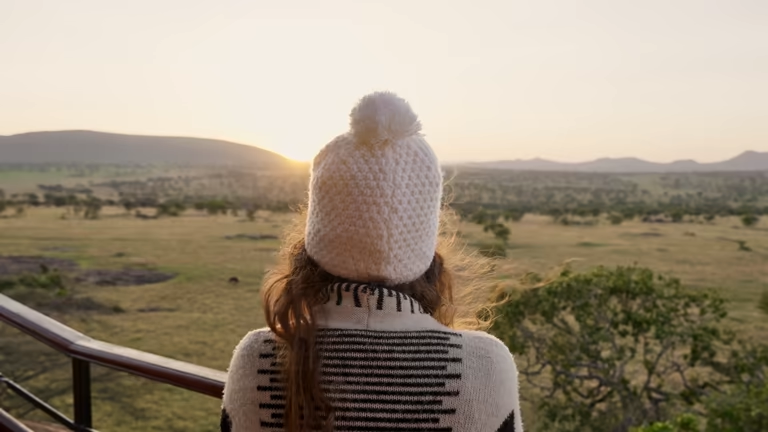
Planning a safari in Tanzania is an exciting prospect, filled with visions of vast savannas, incredible wildlife, and breathtaking landscapes. A critical element that shapes your entire experience is the best transport for safari in Tanzania. The choice of vehicle and how you navigate between destinations significantly impacts your comfort, access to remote areas, photographic opportunities, and overall enjoyment. This guide will walk you through every aspect, from the iconic safari vehicles to the practicalities of road and air travel, ensuring your 2026-2027 Tanzanian adventure is everything you dreamed of.
As a leading Tanzania tour operator, we understand the nuances of safari logistics. We’ve seen firsthand how the right transport can elevate a trip from good to extraordinary. We’ll share insights to help you make informed decisions, whether you’re looking for rugged exploration or a more comfortable journey.
Quick Facts: Tanzania Safari Transport
| Aspect | Details |
|---|---|
| Primary Safari Vehicle | Custom-built 4×4 Land Cruisers/Land Rovers. |
| Key Features | Pop-up roofs for viewing/photography, robust suspension, ample space. |
| Road Travel | Can be long distances; good roads in some areas, rough in others. |
| Internal Flights | Fastest way between major parks (e.g., Arusha to Serengeti). |
| Comfort Level | Varies by vehicle condition and driver. |
| Cost Factor | 4x4s are standard for most tours; flights add significant cost. |
| Photography | Pop-up roofs and open sides are essential. |
Table of Contents
- Why Transport Matters on a Tanzanian Safari
- The Iconic Safari Vehicle: Your Mobile Basecamp
- Essential Features of a Tanzania Safari Vehicle
- Choosing the Right Safari Vehicle for Your Needs
- Road Travel vs. Internal Flights: Making the Choice
- Understanding Tanzania’s Road Network for Safaris
- Navigating Tanzania’s Internal Flight Network
- Transport Considerations for Popular Safari Routes
- Serengeti & Ngorongoro Crater: Transport Logistics
- Tarangire & Lake Manyara: Transport Dynamics
- Southern Circuit (Selous/Ruaha): Transport Differences
- What to Expect from Your Safari Transport
- The Crucial Role of Your Safari Driver-Guide
- Packing and Preparation for Safari Transport
- Common Mistakes to Avoid with Safari Transport
- Who is the Best Transport for Safari in Tanzania Best For?
- Alternatives to Standard Safari Transport
- Planning Your 2026-2027 Safari Transport
- Booking Your Tanzania Safari Transport
- Frequently Asked Questions (FAQs)
Why Transport Matters on a Tanzanian Safari
Your safari vehicle is more than just a mode of transportation; it’s your window to the wild, your shelter from the elements, and often, your primary vantage point for observing wildlife. The right transport ensures you can reach prime viewing spots, get close enough for remarkable photographs, and travel between diverse ecosystems comfortably. Conversely, inadequate transport can lead to discomfort, missed opportunities, and a diminished appreciation for Tanzania’s natural wonders. For the best transport for safari in Tanzania, understanding the options and their implications is paramount.
Consider this: imagine being stuck in a vehicle with limited visibility on a bumpy road, or missing a fleeting leopard sighting because your vehicle couldn’t get close enough. These are scenarios best avoided. The right setup allows for game drives that are both thrilling and safe, maximizing your chances of seeing the ‘Big Five’ and countless other species.
The Iconic Safari Vehicle: Your Mobile Basecamp
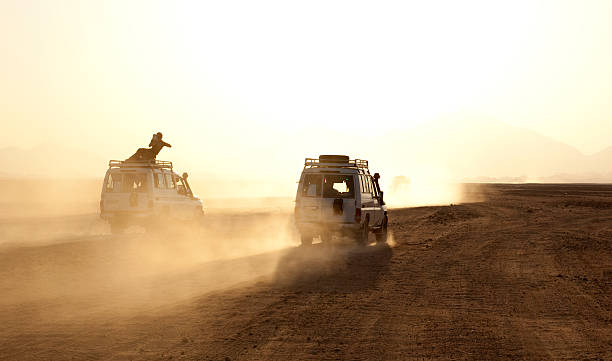
When you picture a safari in Tanzania, you likely envision a sturdy, open-sided vehicle navigating the plains. This is typically a 4×4 (four-wheel-drive) safari vehicle, most commonly a Toyota Land Cruiser or Land Rover Defender, specifically modified for safari use. These vehicles are the workhorses of the African bush, designed to handle challenging terrain while providing an optimal wildlife viewing experience.
These aren’t your average rental cars. They are built for durability, equipped with powerful engines, high ground clearance, and robust suspension systems to cope with the unpaved tracks and varied landscapes found in Tanzania’s national parks and reserves. They are the standard for reputable tour operators and are considered the best way to explore the country’s vast wilderness.
Essential Features of a Tanzania Safari Vehicle
What makes these vehicles so special and effective for safari? Several key features contribute to their suitability:
- Pop-Up Roof: This is arguably the most critical feature. The roof lifts upwards, allowing passengers to stand and peer out, providing unobstructed 360-degree views. This is essential for spotting animals and for photography, offering clear, wide shots without the obstruction of windows.
- Spacious Interior: While not luxurious, safari vehicles are designed to offer comfortable seating for game drives. Most are configured for 5-7 passengers, ensuring everyone has a window seat and ample legroom. Some can accommodate more, but this can impact individual viewing space.
- Long Wheelbase: This provides stability on uneven ground and allows for a smoother ride, reducing jolts and bumps.
- Large Windows: Even when the roof is down, the sides are typically open or feature large windows, facilitating easy viewing and photography.
- Storage Space: Adequate room for luggage, camera equipment, and supplies is crucial for longer safaris. Most vehicles have a rear compartment and often roof racks.
- Reliability: Built to withstand harsh conditions, these vehicles are maintained to high standards to prevent breakdowns in remote areas.
- High Ground Clearance: Essential for navigating rough tracks, crossing small streams, and clearing obstacles in the bush.
Choosing the Right Safari Vehicle for Your Needs
The type of safari you plan will influence the vehicle choice. For most standard Northern Circuit safaris (Serengeti, Ngorongoro, Tarangire, Manyara), a comfortable 4×4 Land Cruiser or Land Rover is ideal. If you’re planning a more remote expedition into parks like Ruaha or Selous (now Nyerere National Park), the vehicle’s robustness becomes even more important.
Group Size: For solo travelers or couples, a standard 5-seater vehicle is perfect. For families or small groups, a 7-seater offers more space. Larger groups might require two vehicles, which can be a great advantage for photography and spotting opportunities as you can communicate between vehicles.
Comfort vs. Ruggedness: While all safari vehicles are built for purpose, some tour operators maintain newer fleets with better shock absorption. If comfort is a high priority, especially for long driving days, inquire about the age and maintenance of the fleet. For photographers, ample space to set up tripods and equipment is key.
Road Travel vs. Internal Flights: Making the Choice
When planning your safari, one of the most significant decisions regarding transport is whether to rely on road travel or incorporate internal flights. Both have distinct advantages and disadvantages, influencing cost, time, and the overall safari experience.
Road Travel vs. Internal Flights: A Comparison
| Feature | Road Travel (4×4 Safari Vehicle) | Internal Flights |
|---|---|---|
| Cost | More economical, especially for shorter distances or smaller groups. Included in most safari package prices. | Significantly more expensive, adding a substantial amount to the overall trip cost. |
| Time Efficiency | Can be time-consuming due to distances and road conditions. | Fastest way to cover long distances between major parks. Saves significant travel time. |
| Wildlife Viewing Opportunities | Continuous game viewing en route between attractions and during drives. Allows for spontaneous stops. | Limited to airport transfers and game drives within parks. Misses the transitional landscapes. | Generous, typically one large duffel bag per person. | Strictly limited (usually 15-20 kg per person in soft bags). Requires careful packing. |
| Access to Remote Areas | Essential for exploring off-the-beaten-path locations and smaller airstrips. | Limited to parks with airstrips. Not suitable for all areas. |
| Comfort & Experience | Can be bumpy and dusty; direct interaction with the environment. | Comfortable flights, but can feel disconnected from the safari journey. |
For many travelers, a combination of both offers the best of both worlds. For instance, driving from Arusha to Tarangire and Lake Manyara, then flying from the Serengeti to Zanzibar or Kilimanjaro International Airport (JRO) can optimize time and experience.
Understanding Tanzania’s Road Network for Safaris
Tanzania’s road network is diverse. Within major national parks like the Serengeti and Tarangire, roads are primarily dirt tracks. While generally passable for 4×4 vehicles, they can become challenging during the rainy season, leading to delays or reroutes. The condition varies greatly, with some tracks being well-maintained and others quite rough.
Roads connecting major towns and between some parks are often paved, though quality can be inconsistent. For example, the road from Arusha to the park gates of Tarangire and Manyara is generally good. However, the journey into the Serengeti can involve long stretches of unpaved roads. This is where the expertise of your driver-guide and the capability of your 4×4 vehicle are crucial.
Travel Times: Be prepared for long driving days. A drive from Arusha to the Serengeti can take 6-8 hours, depending on the gate and accommodation location. This is why many opt for internal flights, especially for shorter itineraries.
Navigating Tanzania’s Internal Flight Network
Tanzania has a network of domestic airlines that operate scheduled flights between major hubs like Arusha, Kilimanjaro, Zanzibar, and various airstrips within national parks. These airstrips are strategically located to minimize travel time once you land.
Key Airstrips:
- Serengeti: Several airstrips serve different regions of the Serengeti, including Seronera, Kogatende, Grumeti, and Ndutu. Your choice depends on the time of year (for the Great Migration) and your accommodation location.
- Manyara: Has a small airstrip, though most fly into Arusha or directly to the Serengeti.
- Tarangire: Has a few airstrips, but again, driving is common.
- Ruaha: Msembe Airstrip is the main gateway.
- Selous (Nyerere): Several airstrips serve different camps.
Booking Flights: Flights are usually booked by your tour operator. Ensure you confirm luggage restrictions (soft bags only, typically 15-20 kg) and flight times. Delays can occur due to weather or operational reasons.
Cost: Internal flights are a significant added expense. A one-way flight from the Serengeti to Arusha can cost several hundred dollars per person. However, for itineraries of 7 days or less, or for those wanting to maximize time in the parks, they are often a worthwhile investment.
Transport Considerations for Popular Safari Routes
The best transport for safari in Tanzania is often dictated by the specific parks and regions you plan to visit. Different routes present unique logistical challenges and opportunities.
Tanzania Safari Route Overview (Northern Circuit)
Arusha (Start) -> Tarangire National Park -> Lake Manyara National Park -> Serengeti National Park -> Ngorongoro Conservation Area -> Arusha (End)
Transport Notes:
- Arusha to Tarangire/Manyara: Road travel (4-5 hours total).
- Manyara to Serengeti: Road travel (approx. 4-6 hours to Central Serengeti, longer to other sectors). Alternatively, drive to Manyara Airstrip/Arusha Airport and fly into Serengeti.
- Serengeti to Ngorongoro: Road travel (approx. 3-5 hours, often with a game drive en route).
- Ngorongoro to Arusha: Road travel (approx. 3-4 hours).
- Internal Flights: Can replace road travel between Arusha/Serengeti, Serengeti/Zanzibar, etc.
Serengeti & Ngorongoro Crater: Transport Logistics
Serengeti: Access is typically via road from Arusha or internal flights to one of its many airstrips. Once inside, a 4×4 safari vehicle is essential for game drives across its vast plains. The park has a network of tracks, and your driver-guide will navigate them to find wildlife. If you are there for the Great Migration, your transport choice might depend on which sector you are visiting (e.g., Kogatende for the river crossings, Ndutu for calving season).
Ngorongoro Crater: Access to the crater floor is strictly regulated. Only specific vehicles are allowed down, and there are time limits. Your safari vehicle will drive you to the crater rim, where you may transfer to a park-assigned vehicle for the descent, or your driver-guide will take you down if permitted and equipped. The drive down and around the crater floor is short but incredibly rewarding due to the high concentration of wildlife. The roads on the crater floor are generally in good condition.
Tarangire & Lake Manyara: Transport Dynamics
Tarangire: Known for its large elephant herds and baobab trees, Tarangire is accessed by road. The park’s tracks are mostly dirt and can be dusty, especially in the dry season. A 4×4 is crucial for navigating the park effectively and reaching areas where wildlife congregates, particularly around the Tarangire River.
Lake Manyara: Famous for its tree-climbing lions and large buffalo herds, Lake Manyara is a relatively small park. It’s easily accessible by road from Arusha. The roads within the park are generally in good condition, and a 4×4 safari vehicle is standard for exploring its diverse habitats, from groundwater forests to acacia woodlands and the lake shore.
Southern Circuit (Selous/Ruaha): Transport Differences
The Southern Circuit, comprising Nyerere National Park (formerly Selous Game Reserve) and Ruaha National Park, offers a different safari experience – wilder, less crowded, and often involving more rugged terrain. Transport here requires robust vehicles.
Nyerere National Park: This vast park offers diverse activities, including boat safaris on the Rufiji River and walking safaris, in addition to traditional game drives. While 4×4 vehicles are used for game drives, the distances can be long, and tracks can be challenging. Some camps may use specialized vehicles for specific activities.
Ruaha National Park: Ruaha is known for its remote feel and challenging landscapes. The roads are rougher, and the distances between points of interest are greater. A highly capable and well-maintained 4×4 is essential. For travelers prioritizing comfort and speed in this region, internal flights to Msembe Airstrip are often recommended, followed by transfers to lodges, with game drives conducted from the lodge’s vehicles or your own hired 4×4.
What to Expect from Your Safari Transport
When you book a safari with a reputable operator, your transport will generally be a custom-built 4×4 safari vehicle (Land Cruiser or Land Rover) driven by a professional driver-guide. Here’s a breakdown of what that typically entails:
- Daily Game Drives: Your vehicle will be your base for morning and afternoon game drives. These usually last 2-4 hours each, with a break for lunch and relaxation at your lodge or camp.
- Flexibility: Your driver-guide will tailor the game drives to your interests, seeking out specific animals and spending time at sightings you find particularly fascinating.
- Comfort Level: While not luxury vehicles, they are designed for the safari environment. Expect sturdy seats, ample space for your duffel bag, and the ability to stand up in the pop-up roof.
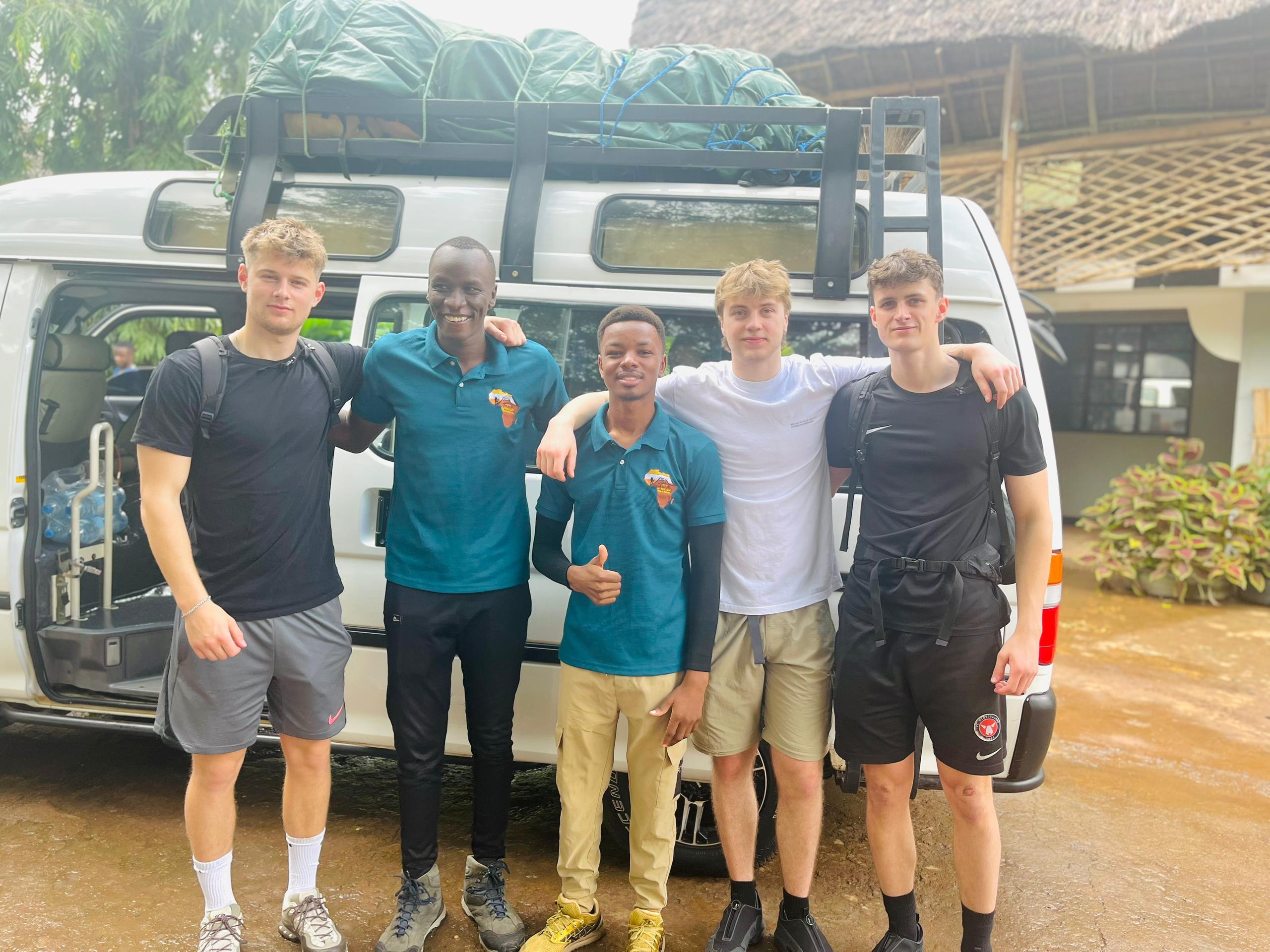
- Driver-Guide Interaction: Your driver-guide is your expert companion, sharing knowledge about wildlife, local culture, and the environment. They are skilled at spotting animals and navigating the terrain.
- Vehicle Maintenance: Reputable operators maintain their vehicles rigorously. However, breakdowns can happen in remote areas. Your guide will have communication equipment and knowledge to handle minor issues or arrange assistance.
- Shared vs. Private: Most safari packages include a private vehicle and guide for your group, offering maximum flexibility. Some budget options might involve shared vehicles, which means adhering to a schedule set by the group.
The Crucial Role of Your Safari Driver-Guide
It’s impossible to discuss the best transport for safari in Tanzania without highlighting the driver-guide. This individual is central to your safari experience. They are not just drivers; they are trained naturalists, mechanics, and cultural ambassadors.
- Wildlife Spotting: Their keen eyes and experience allow them to spot animals that you might otherwise miss – a camouflaged leopard in a tree, a pride of lions hidden in the grass, or a rare bird.
- Navigation: They know the parks and reserves intimately, understanding animal movements and the best routes to take, even in challenging conditions.
- Vehicle Handling: They are skilled at maneuvering the 4×4 vehicles over difficult terrain, ensuring a safe and relatively comfortable ride.
- Knowledge Sharing: They will educate you about animal behavior, ecosystems, conservation efforts, and the local culture, enriching your understanding and appreciation.
- Problem Solving: In the event of a minor vehicle issue or a wildlife encounter requiring specific management, they are trained to handle it effectively and safely.
Choosing a tour operator that invests in highly qualified and experienced driver-guides is as important as choosing the right vehicle.
Packing and Preparation for Safari Transport
Your safari transport will dictate some packing considerations, especially regarding luggage. Here’s what you need to know:
- Luggage Type: Always use soft-sided duffel bags. Hard suitcases are difficult to fit into the limited luggage space in safari vehicles. Backpacks are also acceptable if they are not too rigid.
- Luggage Size/Weight: For road safaris, most operators allow one large duffel bag per person (around 70-80 liters). If you plan to take internal flights, the weight limit is strictly enforced, usually 15-20 kg per person in soft bags. Check with your operator.
- Packing Essentials:
- Neutral-colored clothing (khaki, beige, green) that blends with the environment.
- Comfortable walking shoes or sturdy trainers.
- A warm layer for cool mornings and evenings (temperatures can drop significantly).
- Sun protection: wide-brimmed hat, sunglasses, high SPF sunscreen.
- Insect repellent.
- Camera equipment with extra batteries and memory cards. Consider a beanbag for stabilizing your camera on the vehicle.
- Binoculars are essential for spotting wildlife at a distance.
- A small backpack for essentials during game drives (water, snacks, camera, sunscreen).
Ensure you pack light but smart. Your driver-guide will have a cooler box for drinks and snacks, and often a first-aid kit.
Common Mistakes to Avoid with Safari Transport
To ensure you have the best experience with your safari transport, be aware of these common pitfalls:
- Assuming All Vehicles Are Equal: Not all safari vehicles are created equal. Older, poorly maintained vehicles can lead to discomfort and breakdowns. Always choose a reputable operator with a well-maintained fleet.
- Ignoring Luggage Restrictions: Especially when using internal flights, exceeding luggage limits can lead to costly repacking or leaving items behind.
- Overlooking Vehicle Comfort: For long drives, a comfortable vehicle with good suspension makes a big difference. Inquire about the vehicle type and its condition.
- Not Considering Driver-Guide Quality: The best vehicle is only as good as the person driving it. A knowledgeable and experienced guide is invaluable.
- Underestimating Travel Times: Tanzania’s distances are vast. Relying solely on road travel for short itineraries can mean spending more time driving than exploring.
- Not Discussing Photography Needs: If photography is a priority, discuss it with your operator. Some vehicles offer better seating arrangements or space for equipment.
- Booking the Cheapest Option Blindly: While budget is a factor, the cheapest safari often compromises on vehicle quality, guide expertise, or safety standards.
Who is the Best Transport for Safari in Tanzania Best For?
The most suitable transport for safari in Tanzania, typically a 4×4 safari vehicle, is ideal for:
- Wildlife Enthusiasts: Those who want the best possible views and photographic opportunities of animals in their natural habitat.
- First-Time Safari-Goers: It provides a safe, comfortable, and effective way to experience Tanzania’s iconic parks.
- Families: The spaciousness and open-air viewing are engaging for all ages.
- Photographers: The pop-up roof and open sides are essential for capturing high-quality images.
- Travelers Seeking Authenticity: It’s the classic safari experience, connecting you directly with the environment.
- Those on Multi-Park Itineraries: The 4×4 is versatile for navigating between different park terrains.
Internal flights are best for:
- Time-Constrained Travelers: Maximizing game viewing time by minimizing travel days.
- Travelers Prioritizing Comfort Over Cost: Avoiding long, potentially bumpy road journeys.
- Those Combining Distant Locations: E.g., Northern Circuit to Southern Circuit, or safari to Zanzibar.
Alternatives to Standard Safari Transport
While the 4×4 safari vehicle is the gold standard, a few alternatives exist, often for specific purposes or in certain regions:
- Safari Minibuses: Some budget operators use modified minibuses with pop-up roofs. While they can carry more people, they generally offer less flexibility, restricted viewing angles, and are less comfortable on rough terrain than dedicated 4x4s. They are less common for quality tours in Tanzania.
- Walking Safaris: Offered in specific areas (like parts of the Serengeti, Selous/Nyerere, and near Arusha), these provide an intimate connection with the bush on foot, guided by armed rangers. This is an activity, not a primary transport method between parks.
- Boat Safaris: Available on rivers like the Rufiji in Nyerere National Park, offering a unique perspective on wildlife. Again, this is an activity, not inter-park transport.
- Hot Air Balloon Safaris: Primarily a sunrise activity in the Serengeti, offering a breathtaking aerial view of the landscape and wildlife. It’s a special experience, not a mode of transport.
For the overall safari experience, from park entry to game drives, the 4×4 safari vehicle remains unparalleled in Tanzania.
Planning Your 2026-2027 Safari Transport
Planning ahead is key, especially for safaris in 2026 and 2027. Here’s how to approach your transport planning:
- Define Your Itinerary: Decide which parks you want to visit and for how long. This will immediately highlight whether road travel is feasible or if flights are necessary to cover distances.
- Consider Your Budget: Road travel is significantly cheaper than internal flights. Factor in the cost of flights if you choose that option.
- Prioritize Your Experience: Do you prefer a leisurely, scenic journey with constant game viewing opportunities (road), or do you want to maximize your time in specific parks by flying between them?
- Book in Advance: Especially for 2026-2027, popular safari vehicles and internal flights get booked up, particularly during peak seasons. Work with your tour operator early.
- Communicate Your Needs: If you have specific requirements (e.g., photography, comfort, group size), discuss them with your tour operator to ensure you get the right vehicle and driver-guide.
- Understand Inclusions: Clearly check what your safari package includes regarding transport. Is it a private 4×4? Are park fees and driver accommodation covered?
Safari Transport Planning Checklist (2026-2027)
- Define desired parks and duration.
- Assess budget for road vs. air travel.
- Decide on priority: scenery/journey vs. time in parks.
- Choose a reputable tour operator.
- Discuss vehicle type (4×4 Land Cruiser/Defender).
- Confirm driver-guide qualifications.
- Clarify luggage allowances (especially for flights).
- Inquire about vehicle condition and maintenance.
- Understand what transport is included in the package.
- Book well in advance for 2026-2027 travel.
Booking Your Tanzania Safari Transport
When booking your safari, the transport is usually part of a comprehensive package. Here’s how to ensure you secure the best transport for safari in Tanzania:
- Choose a Reputable Tour Operator: This is the most crucial step. Look for operators with excellent reviews, clear communication, and a strong emphasis on quality vehicles and experienced guides. We at Top Guide Adventures pride ourselves on our well-maintained fleet and expert driver-guides.
- Ask Specific Questions: Don’t hesitate to ask about the type of vehicle you’ll be using (e.g., Land Cruiser vs. Land Rover), its age, its maintenance schedule, and the qualifications of your driver-guide.
- Clarify Inclusions: Ensure your safari package explicitly states what transport is included. This typically covers the safari vehicle, driver-guide, fuel, and transport within the national parks. If internal flights are part of your itinerary, confirm they are included or will be quoted separately.
- Discuss Itinerary Logic: A good operator will advise on the most efficient and enjoyable transport plan for your chosen itinerary, suggesting when road travel makes sense and when flights would be beneficial.
- Request a Private Vehicle: For maximum flexibility and personalized experience, opt for a private safari vehicle. This allows you to set the pace and focus on your interests.
- Confirm Vehicle Configuration: If photography is a priority, mention it. Some operators can arrange vehicles with specific seating configurations or ensure you have a guide experienced with photographers.
- Read the Fine Print: Understand cancellation policies, what happens in case of vehicle breakdown, and any mileage limits (though rare with reputable operators).
For your 2026-2027 safari, booking at least 6-12 months in advance is highly recommended, especially if you have specific dates or require internal flights, as availability can be limited.
Ready to plan your Tanzanian adventure? Contact us for expert advice and tailor-made itineraries. We’re here to help you choose the best transport for safari in Tanzania for your dream trip.
WhatsApp: +255616946642
Email: topguideadventures@gmail.com
Backup Email: info@topguideadventures.com
Frequently Asked Questions (FAQs)
What is the standard vehicle for a Tanzania safari?
The standard and most recommended vehicle for a Tanzania safari is a custom-built 4×4 safari vehicle, typically a Toyota Land Cruiser or Land Rover Defender. These are equipped with pop-up roofs for excellent wildlife viewing and photography, robust suspension for rough terrain, and ample space for passengers and luggage.
Are safari vehicles comfortable?
Safari vehicles are designed for the bush, not for luxury road travel. They are generally comfortable enough for game drives, with sturdy seats and good suspension to absorb some of the bumps. However, expect a certain degree of jostling on unpaved park roads. The open-air nature and the ability to stand in the pop-up roof add to the experience.
How much luggage can I bring in a safari vehicle?
For road safaris, most operators allow one large duffel bag per person (around 70-80 liters). Hard suitcases are not recommended as they are difficult to store. If you are taking internal flights, luggage is strictly limited, usually to 15-20 kg per person in soft bags only. Always confirm with your tour operator.
Should I use internal flights or drive between parks?
This depends on your itinerary, budget, and time. Driving is more economical and offers continuous game viewing en route. Internal flights are much faster, saving significant travel time, but are considerably more expensive. For shorter trips (e.g., 5-7 days) or if you want to cover vast distances like Arusha to the Serengeti, flights are often recommended. For longer trips or if budget is a concern, driving is a great option.
What happens if the safari vehicle breaks down?
Reputable tour operators maintain their vehicles rigorously. However, breakdowns can occur in remote areas. Your driver-guide is trained to handle minor issues. For more serious problems, they will have communication equipment to call for assistance or a replacement vehicle from the operator’s base.
Can I choose the specific type of 4×4 vehicle?
While you can request a preference (e.g., Land Cruiser over Land Rover), most operators assign vehicles based on availability and suitability for the itinerary. The key is to ensure the operator uses well-maintained, custom-built 4×4 safari vehicles, regardless of the specific model.
What are the road conditions like in Tanzania’s national parks?
Roads within national parks are primarily unpaved dirt tracks. Their condition varies greatly; some are well-maintained, while others can be rough, dusty, and challenging, especially during the rainy season. A 4×4 vehicle with good clearance and suspension is essential for navigating them.
Is a private safari vehicle necessary?
A private safari vehicle offers the most flexibility and personalized experience. You can set your own pace, decide how long to spend at sightings, and tailor the game drives to your interests. While shared vehicles are more budget-friendly, they involve compromises on flexibility and individual attention. For the best experience, a private vehicle is highly recommended.
How do I book the best transport for safari in Tanzania for 2026-2027?
The best way is to book through a reputable Tanzania tour operator. They will arrange the safari vehicle, driver-guide, and any necessary internal flights as part of your package. It’s advisable to book 6-12 months in advance for 2026-2027 travel to secure your preferred dates and vehicles.
What is the role of the driver-guide in relation to the transport?
Your driver-guide is an integral part of your safari transport. They are not only skilled drivers capable of navigating challenging terrain but also knowledgeable naturalists who enhance your wildlife viewing experience. They choose the best routes, spot animals, and ensure your safety and comfort within the vehicle.
Plan Your Unforgettable Tanzania Safari with Expert Transport
Choosing the best transport for safari in Tanzania is a fundamental step in crafting your dream wildlife adventure. From the iconic, open-top 4×4 safari vehicles that bring you close to nature, to the efficiency of internal flights that save precious time, every decision impacts your journey. We are dedicated to providing you with a superior safari experience, ensuring your transport is safe, reliable, and optimized for wildlife viewing and photography.
Let us help you navigate the options and build an itinerary that perfectly suits your interests, budget, and travel style for 2026-2027. Whether you dream of the Great Migration in the Serengeti, the dense wildlife of the Ngorongoro Crater, or the vast plains of Tarangire, we have the expertise and the vehicles to make it happen.
Contact us today to start planning your tailor-made Tanzanian safari. We’re passionate about creating memories that last a lifetime.
Get in touch:
WhatsApp: +255616946642
Email: topguideadventures@gmail.com
Backup Email: info@topguideadventures.com
Plan your Best Transport for Safari in Tanzania with Top Guide Adventures
Tell us your travel dates, group size, comfort level, and dream experience. We will help you shape a clear, realistic, and memorable Tanzania itinerary.

 Veedesigner
 Fatma Kizanga
 Benjamin Waryuba
 Philip Philip
 John jr Itaja
 Antonia Optatus
 Edith Kanyere
 Neema Iddy
 Kelvin Boniphace
 Damari Maiga



