
Updated planning guide for 2026-2027
Transport During Rainy Season In Tanzania: Complete Guide 2026-2027
Planning a trip to Tanzania during the rainy season? This guide details everything you need to know about transport, from safari roads to flights, ensuring a smooth journey.
WhatsApp +255616946642 | topguideadventures@gmail.com | info@topguideadventures.com
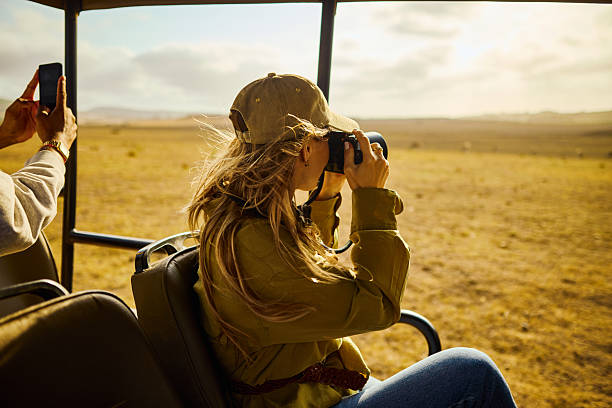
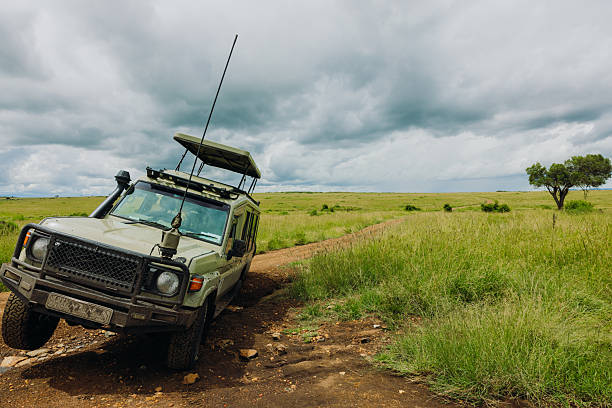
Transport During Rainy Season in Tanzania: Your Comprehensive Guide
Planning a trip to Tanzania between November and May, the period often referred to as the ‘rainy season,’ can be an incredibly rewarding experience. While many travelers associate this time with challenges, understanding the nuances of transport during rainy season in Tanzania is key to a successful and enjoyable adventure. From the vast savannahs of the Serengeti to the heights of Kilimanjaro and the beaches of Zanzibar, the country offers unique beauty and fewer crowds during these months. This guide will equip you with the essential knowledge to navigate the logistics, ensuring your safari, trek, or beach holiday is as smooth as possible.
The ‘rainy season’ in Tanzania isn’t a monolithic period of continuous downpours. It’s characterized by short, intense showers, often in the afternoon, followed by sunny spells. The landscapes become vibrantly green, wildlife viewing can be exceptional (especially for migratory birds and newborn animals), and prices for tours and accommodation are often more accessible. However, the rain does impact infrastructure, particularly roads, and can affect flight schedules. Knowing how to plan your transport is therefore crucial.
Quick Facts: Rainy Season Travel in Tanzania
| Aspect | Details for Rainy Season (Nov-May) |
|---|---|
| Main Rainy Periods | Long Rains (Mar-May), Short Rains (Nov-Dec) |
| Road Conditions | Can be muddy, especially in parks and rural areas. 4×4 vehicles are essential. Some routes may become impassable. |
| Flight Operations | Domestic flights generally operate, but delays or cancellations can occur due to weather. Scenic flights might be more affected. |
| Safari Vehicle Choice | A sturdy 4×4 safari vehicle with a pop-up roof is non-negotiable. Ensure it’s well-maintained. |
| Kilimanjaro Trekking | Routes remain open, but trails can be muddy and slippery. Higher altitudes may experience snow and ice. Proper gear is vital. |
| Zanzibar Travel | Ferries and flights to Zanzibar can be affected by rough seas or storms. Island roads are generally better but can have potholes. |
| Crowds | Significantly fewer tourists compared to the dry season. |
| Scenery | Lush green landscapes, vibrant flora, dramatic skies. |
Understanding Tanzania’s Rainy Seasons
Tanzania experiences two main rainy seasons: the ‘long rains’ (Machweo) from March to May, and the ‘short rains’ (Vuli) from November to December. The intensity and duration can vary year by year and by region.
- Short Rains (November – December): These are typically characterized by scattered showers, often in the late afternoon or overnight. They usually don’t disrupt travel significantly, and the landscapes begin to turn green. This is a good time for birdwatching.
- Dry Spell (January – February): A brief dry period often occurs between the short and long rains. This is a popular time for safaris due to good game viewing and generally clear skies.
- Long Rains (March – May): This is the more significant rainy season. Expect heavier downpours, more prolonged rain, and cloudy skies. While game viewing can still be excellent, road conditions within national parks can become challenging, making some areas less accessible. This is also calving season in the Serengeti, offering unique wildlife spectacles.
- Second Short Rains (Late October – Early November): Similar to the first short rains, these are usually brief and sporadic.
Impact of Rain on Different Transport Modes
The primary concern regarding transport during the rainy season is the condition of roads and potential disruptions to air and sea travel.
1. Safari Road Transport
This is where the rainy season has the most significant impact. National parks and game reserves in Tanzania are vast, and many internal roads are unpaved tracks. When the rains come, these tracks can turn into muddy, rutted paths, making them difficult, and sometimes impossible, to traverse.
- Vehicle Choice is Paramount: For safaris during the rainy season, a robust 4×4 (four-wheel-drive) safari vehicle is absolutely essential. These vehicles have higher ground clearance and the capability to navigate challenging terrain. Reputable tour operators will only use well-maintained 4x4s, typically Land Cruisers or Land Rovers, equipped with excellent suspension and powerful engines.
- Park Accessibility: Some parks are more affected than others. For instance, the Ngorongoro Conservation Area’s crater floor roads can become very muddy. Parks with extensive river systems or floodplains, like parts of the Serengeti, might have certain areas temporarily inaccessible. However, major game viewing circuits are usually kept passable.
- Travel Times: Expect journeys between destinations and within parks to take longer than during the dry season. Roads might be slower, and diversions could be necessary.
- Driver Expertise: The skill and experience of your safari driver-guide are invaluable during this period. They know the local conditions, can assess which roads are safe, and are adept at handling tricky situations.
2. Domestic Flights
Tanzania relies on a network of domestic flights for quick travel between major tourist hubs, especially for safaris and reaching remote airstrips. While generally reliable, flights can be affected by weather.
- Weather Delays/Cancellations: Heavy rain, fog, or strong winds can lead to flight delays or cancellations, particularly for smaller aircraft operating to remote airstrips. This is more common during the peak of the long rains (March-May).
- Airstrip Conditions: Some airstrips are grass-based and can become waterlogged, making them unusable for certain periods.
- Flexibility is Key: If your itinerary relies heavily on domestic flights, build in some buffer time. Have a backup plan if a flight is significantly delayed. Tour operators experienced with rainy season travel will often have contingency plans.
- Scenic Flights: Hot air balloon safaris, for example, are highly weather-dependent and may be cancelled with little notice during periods of heavy rain or strong winds.
3. Kilimanjaro Trekking Transport
While the Kilimanjaro trek itself is on foot, getting to the mountain base and the logistics around the trek are affected.
- Roads to Trailheads: The roads leading to the various park gates (e.g., Marangu, Machame, Lemosho) can become muddy and challenging. A 4×4 vehicle is essential for transport from Moshi or Arusha to the gate.
- Trail Conditions: The trekking paths themselves will be muddy, slippery, and potentially waterlogged, especially at lower and mid-altitudes. This requires sturdy, waterproof hiking boots and trekking poles for stability. Higher altitudes might see snow and ice, which can also be slippery.
- Porters and Guides: Your trekking crew will be experienced in navigating these conditions, but progress can be slower.
4. Zanzibar and Coastal Travel
Travel to and from Zanzibar, and around the island, also has considerations during the rainy season.
- Ferry Services: The ferry between Dar es Salaam and Zanzibar is a popular and affordable option. However, during rough seas caused by storms (more likely during the long rains), the crossing can be uncomfortable, bumpy, and occasionally cancelled for safety reasons.
- Flights to Zanzibar: Flights between mainland Tanzania (like Kilimanjaro International Airport or Dar es Salaam) and Zanzibar are generally more reliable than ferries during bad weather, but delays can still occur.
- Island Roads: While Zanzibar’s roads are generally better than safari tracks, heavy rain can lead to potholes filling with water, making driving more hazardous. Taxis and private transfers are available, but expect slower travel times.
Navigating Safaris During the Rainy Season
Despite the challenges, a rainy season safari can be incredibly rewarding. The key is proper planning and choosing the right operator.
Best Parks and Areas for Rainy Season Safaris
Some areas of Tanzania are more accessible and offer excellent experiences during the rains:
- Serengeti National Park: While some western and central areas can get wet, the central Seronera region often remains accessible and offers fantastic game viewing year-round. The southern Serengeti becomes a prime location from February to April due to the wildebeest migration’s calving season. The dramatic skies also make for stunning photography.
- Tarangire National Park: Known for its massive elephant herds, Tarangire can be excellent. The park’s baobab trees look magnificent against lush green foliage. Roads can get muddy, but generally remain passable.
- Lake Manyara National Park: This park is relatively compact and often remains accessible. Its diverse habitats support a good range of wildlife.
- Ruaha National Park: Located in southern Tanzania, Ruaha receives its rains slightly differently and can be a great option, though access roads can be challenging.
- Selous Game Reserve (Nyerere National Park): Also in the south, this vast reserve offers a different safari experience, including boat safaris, which are less affected by road conditions.
Itinerary Logic for Rainy Season Safaris
A well-designed itinerary will account for potential delays and focus on areas that remain accessible and productive.
Example 7-Day Serengeti & Ngorongoro Safari (Rainy Season Focus)
Day 1: Arrival in Arusha
Arrive at Kilimanjaro International Airport (JRO), meet your guide, and transfer to your lodge in Arusha. Briefing for your upcoming safari. (Roads to Arusha are generally good).
Day 2: Arusha to Tarangire National Park
Drive to Tarangire. The park’s main roads are usually manageable. Focus on areas known for elephants and birdlife. Overnight near the park.
Day 3: Tarangire to Serengeti National Park (Central)
Morning game drive in Tarangire, then drive towards the Serengeti. The journey can be long, so an early start is vital. Focus on the Seronera area, which is accessible year-round and known for big cats. Overnight in central Serengeti.
Day 4: Serengeti Exploration
Full day game drives in the central Serengeti. This area offers consistent wildlife sightings. Your guide will know the best routes to avoid impassable muddy sections.
Day 5: Serengeti to Ngorongoro Conservation Area
Morning game drive in Serengeti, then drive towards the Ngorongoro Crater rim. The drive to the crater rim is usually fine. Overnight on the crater rim.
Day 6: Ngorongoro Crater Tour
Descend into the Ngorongoro Crater for a morning game drive. The crater floor roads can get muddy, but park rangers work to keep them open. The concentration of wildlife here is incredible. Ascend in the afternoon and drive towards Karatu or back to Arusha.
Day 7: Departure
Transfer to Kilimanjaro International Airport (JRO) for your onward flight.
What to Expect on a Rainy Season Safari
- Lush Landscapes: The scenery is breathtakingly green and vibrant.
- Abundant Wildlife: Baby animals are often born during this time, and birdlife is spectacular. Predators are often active, especially during cooler, wetter periods.
- Fewer Crowds: You’ll likely have many game viewing areas to yourself.
- Dramatic Skies: Expect beautiful, moody skies, perfect for photography.
- Muddy Roads: Be prepared for bumpy, slower drives.
- Potential for Rain: Afternoon showers are common. Your safari vehicle will have a pop-up roof for viewing, but you might need to close it during heavy rain.
Kilimanjaro Trekking in the Rain
Trekking Kilimanjaro during the rainy season requires careful preparation, but it can be a quieter and more atmospheric experience.
Routes and Conditions
- Accessibility: All major routes (Machame, Lemosho, Marangu, Rongai, Umbwe) remain open. However, the lower sections of Machame, Lemosho, and Umbwe can become very muddy and slippery. Rongai, approaching from the north, is often drier. Marangu’s paved steps can also become slick.
- Weather: Expect rain, mist, and potentially strong winds at lower and mid-altitudes. Higher up, snow and ice are common, especially during the long rains.
- Visibility: Cloud cover can obscure views from the summit.
- Pace: Trekkers will likely move slower due to trail conditions.
Essential Gear for Rainy Season Treks
- Waterproofs: High-quality waterproof and windproof jacket and trousers are non-negotiable.
- Footwear: Sturdy, waterproof hiking boots with excellent grip. Gaiters are highly recommended to prevent mud and water from entering your boots.
- Trekking Poles: Essential for stability on slippery, muddy, and rocky terrain.
- Layers: Pack thermal base layers, fleece mid-layers, and a warm, waterproof outer layer.
- Waterproof Bags: Use dry bags or waterproof liners for your backpack and sleeping bag.
Zanzibar and Coastal Holidays
Zanzibar offers a tropical escape, and while the rainy season means more moisture, it also brings fewer tourists and lush greenery.
Travel to Zanzibar
- Ferries: Be prepared for potential delays or cancellations if the sea is rough. Book tickets in advance if possible, but check the schedule on the day.
- Flights: The most reliable way to travel. Book flights with carriers like Precision Air, Coastal Aviation, or ZanAir.
Getting Around Zanzibar
- Taxis and Private Transfers: Readily available. Agree on fares beforehand. Roads can be bumpy and potholed, especially after heavy rain.
- Local Dala-dalas: These are local minibuses. They are very cheap but can be crowded and slow, and stops are frequent.
- Scooter/Car Rental: Possible, but driving can be challenging with wet roads and unpredictable potholes. Ensure you have a valid license and insurance.
Activities in Zanzibar
Many activities continue as normal:
- Beach Time: While there might be occasional showers, you’ll still get plenty of sunshine. The sea can be choppier.
- Spice Tours: Operate year-round and are largely unaffected.
- Stone Town Tours: Perfectly fine, with plenty of indoor attractions like museums and markets.
- Diving/Snorkeling: Visibility can be reduced after heavy rain, but many operators still run trips.
Planning Your 2026-2027 Rainy Season Trip
Traveling during the rainy season, especially in 2026 and 2027, requires more detailed planning. Here’s how to approach it.
When to Travel Within the Rainy Season
- November-December (Short Rains): Generally a good balance. Fewer crowds, greener landscapes, and rain is usually short-lived. Ideal for birdwatchers and those seeking fewer tourists.
- January-February (Dry Spell): A popular window. Good weather, but more people and higher prices.
- March-May (Long Rains): The wettest period. Best for budget travelers who don’t mind potential travel disruptions and want to witness the wildebeest calving in the Serengeti. Many lodges offer significant discounts.
Booking Advice for Rainy Season Travel
- Choose a Reputable Tour Operator: This is paramount. An experienced operator will know which roads are passable, have reliable vehicles, and manage logistics effectively. They can adapt your itinerary on the fly if needed.
- Be Flexible: Build some flexibility into your itinerary and expectations. Delays can happen.
- Pack Appropriately: Detailed packing lists are essential (see below).
- Travel Insurance: Ensure your policy covers trip cancellations or interruptions due to weather.
- Communicate Your Concerns: Discuss your worries about the rainy season transport with your tour operator. A good operator will reassure you with their plans.
Packing Essentials for Rainy Season Transport
Proper packing is crucial for comfort and safety when transport might be challenging.
- Waterproof Outerwear: A good quality waterproof and breathable jacket and trousers.
- Waterproof Hiking Boots: Essential for Kilimanjaro and potentially for muddy areas around safari lodges.
- Gaiters: For Kilimanjaro treks.
- Trekking Poles: Highly recommended for stability.
- Quick-Dry Clothing: Lightweight, quick-drying fabrics are best.
- Warm Layers: Fleece jackets, thermal tops, and trousers for cooler evenings and higher altitudes.
- Insect Repellent: Mosquitoes can be more prevalent during the wet season.
- Sun Protection: Sunscreen, hat, and sunglasses are still necessary, as rain showers are often followed by strong sun.
- Waterproof Bags/Dry Bags: To protect electronics, cameras, and important documents.
- Small Towel: Quick-drying microfiber towels are useful.
- Headlamp/Torch: Essential for early mornings or evenings, especially if power is intermittent.
- Camera Protection: Waterproof covers or bags for your camera equipment.
Common Mistakes to Avoid
When planning for transport during Tanzania’s rainy season, certain pitfalls can be easily avoided with awareness:
- Assuming roads are always passable: Never assume that unpaved roads within parks or rural areas will be in good condition.
- Opting for a non-4×4 vehicle for safari: This is a recipe for getting stuck.
- Not building in buffer time: Especially if relying on domestic flights or long road transfers.
- Underestimating the rain: Even short showers can make tracks difficult.
- Ignoring local advice: Trust your driver-guide’s judgment on road conditions.
- Not checking ferry schedules: Especially if relying on the Zanzibar ferry during rough weather.
- Packing inadequate waterproofs: Cheap rain gear will not suffice.
Who is Rainy Season Travel Best For?
Travel during the rainy season, with its unique transport considerations, is ideal for:
- Budget Travelers: Prices for accommodation and tours are often lower.
- Photographers: The dramatic skies, lush landscapes, and newborn wildlife offer incredible photographic opportunities.
- Birdwatchers: Migratory birds are present, and resident birds are in breeding plumage.
- Nature Enthusiasts: Witnessing the landscape transform into a vibrant green paradise.
- Those Seeking Solitude: Enjoying the parks and attractions with significantly fewer tourists.
- Experienced Travelers: Those who understand the need for flexibility and have dealt with logistical challenges before.
Alternatives to Consider
If the thought of navigating the rainy season’s transport challenges is daunting, consider these alternatives:
- Travel During the Dry Season: The peak dry seasons are June to October and January to February. This offers the most reliable road conditions and generally sunny weather, but at higher prices and with more crowds.
- Focus on Specific Regions: Some areas are less affected. For instance, northern circuit parks like Serengeti and Ngorongoro are generally well-managed, and some lodges in central Serengeti have all-weather access.
- Prioritize Flights: For the 2026-2027 travel period, if you want to minimize road transport concerns, consider a safari itinerary that uses multiple domestic flights between parks. This adds cost but significantly reduces reliance on road conditions.
Planning Your 2026-2027 Trip: A Timeline
To ensure smooth transport during your rainy season adventure in Tanzania in 2026 or 2027, start planning early.
| Timeframe | Action |
|---|---|
| 10-12 Months Prior | Research destinations, tour operators, and your preferred travel dates within the rainy season. Contact operators for quotes and initial discussions. |
| 6-9 Months Prior | Book your main safari/trek/holiday package. Secure your preferred accommodations, especially if aiming for specific lodges that might be in high demand even in the low season. Discuss transport specifics with your operator. |
| 3-5 Months Prior | Book international flights. Confirm visa requirements. Start planning your packing list, focusing on waterproof gear. |
| 1-2 Months Prior | Purchase essential gear (waterproofs, boots, layers). Get necessary vaccinations and malaria prophylaxis. Finalize itinerary details with your operator, including any pre-booked domestic flights. |
| 1-2 Weeks Prior | Confirm all bookings. Pack your bags, ensuring electronics and valuables are protected. Inform your bank of your travel dates. |
| During Trip | Stay in communication with your tour operator. Be open to itinerary adjustments if weather necessitates. Enjoy the unique beauty of Tanzania! |
Booking Your Tanzania Adventure: Expert Advice
When booking your trip, especially focusing on transport during rainy season in Tanzania, working with a trusted local operator is crucial. We at Best Tanzania Tour Operator specialize in crafting unforgettable experiences, even during the wetter months.
- Custom Itineraries: We design trips around your interests and budget, factoring in the realities of seasonal transport.
- Experienced Guides: Our guides are seasoned professionals who know the terrain and weather patterns intimately.
- Reliable Vehicles: We use only well-maintained 4×4 safari vehicles and robust transport for all our clients.
- Contingency Planning: We always have backup plans in place for unforeseen weather-related issues.
Don’t let the term ‘rainy season’ deter you. With the right planning and the support of an expert team, your Tanzanian adventure in 2026-2027 can be spectacular. We can help you navigate the logistics of transport during rainy season in Tanzania, ensuring you experience the magic of this incredible country in comfort and safety.
Ready to plan your trip? Contact us today:
- WhatsApp: +255616946642
- Email: topguideadventures@gmail.com
- Backup Email: info@topguideadventures.com
Frequently Asked Questions (FAQs)
- Is it safe to travel to Tanzania during the rainy season?
- Yes, it is generally safe to travel. The main considerations are road conditions and potential flight/ferry delays. Reputable tour operators are well-equipped to handle these challenges. Safety protocols are always in place.
- Will all roads be impassable during the rainy season?
- No, not all roads. Major roads connecting towns are usually maintained. However, unpaved tracks within national parks and rural areas can become muddy and difficult. Experienced guides know which routes to use or avoid. Access to some areas might be temporarily restricted.
- What is the best time to visit Tanzania if I want to avoid the rain?
- The main dry seasons are June to October and January to February. These periods offer the most reliable weather and road conditions but are also peak tourist seasons with higher prices and more crowds.
- Are safaris still good during the rainy season?
- Yes, safaris can be excellent. Landscapes are lush, there are fewer tourists, and newborn animals are often seen. Birdlife is abundant. The Serengeti during calving season (Feb-Apr) is a highlight. The key is using a 4×4 vehicle and an experienced guide.
- Can I still climb Kilimanjaro during the rainy season?
- Yes, Kilimanjaro is open year-round. However, trails will be muddy and slippery, especially at lower altitudes. Proper waterproof gear and sturdy boots are essential. Higher altitudes may experience snow and ice.
- How does the rain affect travel to Zanzibar?
- Ferries between mainland Tanzania and Zanzibar can be affected by rough seas, leading to delays or cancellations. Flights are more reliable but can also experience weather-related delays. Island roads can become potholed after heavy rain.
- What kind of vehicle is best for rainy season safaris in Tanzania?
- A robust 4×4 (four-wheel-drive) safari vehicle is essential. These vehicles have higher ground clearance and the traction needed for muddy conditions. Ensure it’s well-maintained.
- Should I book domestic flights for my 2026-2027 trip during the rainy season?
- Domestic flights can be a good option to cover long distances quickly and reduce reliance on potentially difficult roads. However, be aware that flights can still be delayed or cancelled due to weather, especially for smaller airstrips. Always build in buffer time.
- What are the advantages of traveling during the rainy season in Tanzania?
- Advantages include fewer crowds, lower prices for tours and accommodation, lush green scenery, excellent birdwatching, and the chance to see newborn wildlife. It’s a more authentic and often more affordable experience.
- How much longer do journeys take during the rainy season?
- Journeys can take longer, sometimes significantly so, depending on the specific route and the intensity of the rain. A drive that might take 4 hours in the dry season could take 6-8 hours or more during the peak of the rainy season, especially if roads become challenging.
- Will my travel insurance cover weather-related disruptions in 2027?
- It’s crucial to check your travel insurance policy carefully. Many policies offer coverage for trip cancellations or interruptions due to adverse weather, but terms and conditions vary. Ensure your policy specifically addresses these possibilities for your 2027 travel plans.
Your Tanzania Rainy Season Adventure Awaits
Navigating transport during rainy season in Tanzania requires informed choices and the right partners. While the rains bring their own set of challenges, they also unveil a different, often more magical, side of Tanzania. With fewer tourists, vibrant landscapes, and unique wildlife spectacles, the rainy season offers an unparalleled travel experience for the prepared adventurer. Whether you’re dreaming of a Serengeti safari, a Kilimanjaro ascent, or a relaxing Zanzibar getaway in 2026 or 2027, understanding the logistics of transport is your first step to a flawless journey.
Let us help you plan your perfect Tanzanian adventure, ensuring that every aspect of your trip, including transport, is managed with expertise and care. We specialize in making your travel dreams a reality, rain or shine.
Contact us to discuss your tailor-made itinerary:
WhatsApp: +255616946642
Email: topguideadventures@gmail.com
Backup Email: info@topguideadventures.com
Plan your Transport During Rainy Season in Tanzania with Top Guide Adventures
Tell us your travel dates, group size, comfort level, and dream experience. We will help you shape a clear, realistic, and memorable Tanzania itinerary.







 Veedesigner
 Fatma Kizanga
 Benjamin Waryuba
 Philip Philip
 John jr Itaja
 Antonia Optatus
 Edith Kanyere
 Neema Iddy
 Kelvin Boniphace
 Damari Maiga



