
Updated planning guide for 2026-2027
Best Transport For Long Distances In Tanzania: Complete Guide 2026-2027
Navigate Tanzania's vast landscapes efficiently. This comprehensive guide details the best transport methods for long distances, covering private vehicles, public buses, trains, and domestic flights, crucial for planning your 2026-2027 adventure.
WhatsApp +255616946642 | topguideadventures@gmail.com | info@topguideadventures.com

Understanding Long-Distance Travel in Tanzania
Tanzania is a country of immense geographical diversity, stretching from the Indian Ocean coast to the Great Rift Valley and the shores of Lake Victoria. Traveling between its iconic destinations—such as the Serengeti, Mount Kilimanjaro, Zanzibar, and the Selous Game Reserve—often involves covering significant distances. Choosing the best transport for long distances in Tanzania is fundamental to a successful and enjoyable trip, especially as you plan for 2026 and 2027. The country’s infrastructure presents unique challenges and opportunities, meaning the ‘best’ option depends heavily on your budget, time constraints, comfort preferences, and the specific route you intend to take.
This guide aims to provide an in-depth look at all viable transport methods, helping you make informed decisions. We’ll explore the pros and cons of each, offer practical advice for navigating the system, and discuss how to integrate different transport modes for a well-rounded Tanzanian experience.
Quick Facts: Tanzania Long-Distance Travel
| Transport Mode | Typical Use Case | Pros | Cons | Best For |
|---|---|---|---|---|
| Private Safari Vehicle (4×4) | Safari parks, remote areas, Kilimanjaro base | Comfort, flexibility, wildlife viewing, off-road capability | Highest cost | Safari enthusiasts, Kilimanjaro trekkers, luxury travelers |
| Public Buses (e.g., Tanzania Express, Dar Rapid Transit) | Inter-city routes (major towns/cities) | Very affordable, extensive network | Slow, crowded, less comfortable, limited luggage space, safety concerns on some routes | Budget backpackers, local experience seekers |
| Shuttles/Coaster Buses | Popular tourist routes (e.g., Arusha-Moshi, Arusha-Dar) | More comfortable than public buses, fixed schedules, moderate cost | Less flexible than private, can still be crowded | Mid-range budget travelers, those seeking a balance of cost and comfort |
| Trains (Tanzania Railways Corporation – TRC) | Limited routes (e.g., Dar es Salaam to Kigoma/Mwanza) | Scenic, unique experience, affordable | Slow, infrequent, often delayed, limited network | Adventurous travelers, those with ample time, specific routes |
| Domestic Flights | Major hubs (e.g., Dar, Kilimanjaro, Zanzibar, Mwanza) | Fastest way to cover large distances | Most expensive, airport transfers needed, baggage restrictions | Time-constrained travelers, those prioritizing speed and convenience |
| Ferries | Zanzibar to mainland (Dar es Salaam) | Direct route, relatively affordable | Can be rough seas, basic comfort, security checks | Travelers between Zanzibar and Dar es Salaam |
Why Transport Choice Matters for Your Tanzania Trip
The best transport for long distances in Tanzania isn’t a one-size-fits-all solution. Your choice directly impacts your itinerary, budget, and overall experience. Consider these factors:
- Time Efficiency: Tanzania is vast. Domestic flights can save days of travel, while buses can add significant time. For safaris, overland travel between parks is common and part of the experience, but requires careful planning.
- Budget: Public transport is incredibly cheap but comes with compromises. Private transport, especially for safaris, is a significant investment but offers unparalleled comfort and flexibility.
- Comfort and Experience: Traveling in a well-maintained 4×4 with an experienced driver-guide is vastly different from a crowded, long-haul bus. The former enhances wildlife viewing and comfort, while the latter offers a glimpse into local life but can be physically demanding.
- Access and Flexibility: Private vehicles offer door-to-door service and the ability to stop at points of interest. Public transport adheres to fixed routes and schedules, limiting spontaneity.
- Safety: While generally safe, road conditions and driving standards can vary. Reputable tour operators prioritize well-maintained vehicles and experienced drivers.
Detailed Breakdown of Long-Distance Transport Options
1. Private Safari Vehicles (4×4 Land Cruisers/Land Rovers)
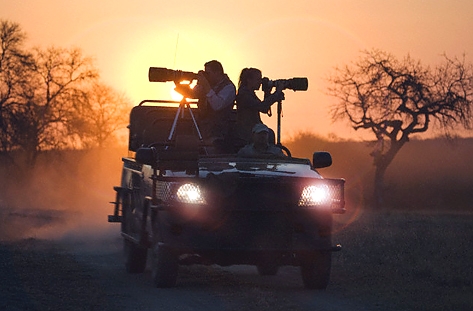
For many, a safari is the primary reason to visit Tanzania. The best transport for long distances in Tanzania when it comes to safaris is undoubtedly a dedicated private 4×4 vehicle. These are typically customized Land Cruisers or Land Rovers, equipped with pop-up roofs for optimal game viewing, comfortable seating, and ample space for luggage and photography gear.
Coverage: These vehicles are essential for navigating the rugged terrain within national parks like the Serengeti, Ngorongoro Conservation Area, Tarangire, and the southern parks. They are also the standard for travel between safari hubs like Arusha and the park gates, and for transfers to Kilimanjaro base camps.
Pros:
- Unmatched Wildlife Viewing: The pop-up roof provides unobstructed 360-degree views. Your driver-guide can maneuver the vehicle to get you closer to wildlife (ethically, of course).
- Comfort: Cushioned seats, suspension systems designed for rough terrain, and the ability to stop whenever needed for breaks or photos make these vehicles comfortable for long days.
- Flexibility: You set the pace. Your guide can adapt the itinerary based on wildlife sightings or your preferences.
- Expert Guidance: Safari vehicles come with a professional driver-guide who is knowledgeable about animal behavior, park geography, and optimal viewing spots.
- Safety and Reliability: Reputable operators maintain their vehicles meticulously, ensuring they are reliable for remote areas.
Cons:
- Cost: This is the most expensive option, often bundled into safari packages. The daily rate covers the vehicle, fuel, and driver-guide’s salary and accommodation.
Who it’s best for: Anyone prioritizing a classic safari experience, comfort, and the best possible wildlife viewing opportunities. This is standard for most Tanzania safari packages, including those booked for 2026-2027.
2. Public Buses (DALADALAS and Inter-city Coaches)
For the budget-conscious traveler or those seeking an authentic local experience, public buses are a ubiquitous mode of transport. These range from small, often crowded minibuses (daladalas) within cities to larger inter-city coaches connecting major towns and cities.
Coverage: Extensive network covering most of the country. You can get from Dar es Salaam to Arusha, Mbeya, Mwanza, and many other destinations.
Pros:
- Extremely Affordable: This is by far the cheapest way to travel long distances.
- Local Immersion: You’ll travel alongside Tanzanians, offering a genuine insight into daily life.
- Frequent Services: Major routes often have multiple departures daily.
Cons:
- Time-Consuming: Journeys can take significantly longer than other methods due to frequent stops, poor road conditions, and traffic.
- Comfort: Buses can be crowded, with limited legroom and luggage space. Air conditioning is not always guaranteed or functional.
- Safety Concerns: While many are safe, some older vehicles or less reputable services might have maintenance issues. Driving standards can be erratic.
- Luggage Security: While generally safe, it’s wise to keep valuables with you and be mindful of your bags.
- Language Barrier: While many Tanzanians speak Swahili, English might be less common among fellow passengers and some drivers.
Best for: Backpackers, independent travelers on a tight budget, those with plenty of time and a high tolerance for discomfort, and those who enjoy immersing themselves in local culture.
3. Shuttles and Coaster Buses
These are a step up from public buses, often operating on popular tourist routes. They are typically minibuses or coaster buses with a more fixed schedule and a slightly higher price point, offering a balance between cost and comfort.
Coverage: Common on routes like Arusha to Moshi, Arusha to Dar es Salaam, and sometimes connecting to border towns or major tourist hubs.
Pros:
- More Comfortable: Generally less crowded than public buses, with better seating and sometimes air conditioning.
- Faster than Public Buses: Fewer stops and often more direct routes.
- Moderate Cost: More expensive than public buses but significantly cheaper than private transfers or flights.
- Fixed Schedules: Easier to plan your journey around.
Cons:
- Less Flexible: You are tied to their schedule and route.
- Can Still Be Crowded: Depending on the service and route, they can fill up.
- Luggage Space: Can be limited, especially if the bus is full.
Best for: Travelers looking for a more comfortable and slightly faster option than public buses, without the high cost of private transport or flights. Popular for backpackers and mid-range travelers connecting between major cities like Arusha and Dar es Salaam.
4. Trains (Tanzania Railways Corporation – TRC)
The Tanzanian railway network is limited but offers a unique, albeit slow, way to travel between certain major cities. The most notable route for tourists is the Central Line, connecting Dar es Salaam to Kigoma on Lake Tanganyika and Mwanza on Lake Victoria. There’s also the Tanzania-Zambia Railway (TAZARA), but its tourist appeal is less direct for internal Tanzanian travel.
Coverage: Limited to specific inter-city routes. Not comprehensive for a typical safari or Kilimanjaro-focused itinerary.
Pros:
- Scenic Journeys: Offers a different perspective of the Tanzanian landscape.
- Affordable: Generally cheaper than flights and often comparable to or cheaper than buses for long distances.
- Unique Experience: A chance to travel like locals and experience a slower pace.
- More Space: Usually more legroom and space for luggage than buses.
Cons:
- Very Slow: Journeys can take multiple days.
- Infrequent: Services are not daily and can be subject to delays.
- Limited Network: Does not connect many key tourist destinations.
- Comfort Varies: First-class compartments offer more comfort, but availability can be limited.
Best for: Adventurous travelers with ample time, those interested in a slow travel experience, and those whose itinerary specifically aligns with the train routes (e.g., traveling between Dar es Salaam and Mwanza).
5. Domestic Flights
For covering vast distances quickly, domestic flights are the most efficient option. Several Tanzanian airlines operate flights between major hubs.
Coverage: Connects major cities and tourist hubs like Dar es Salaam, Kilimanjaro International Airport (JRO), Zanzibar (ZNZ), Mwanza, Arusha (ARK – though often less convenient than JRO for international arrivals), Mbeya, and coastal towns. Some flights also serve remote airstrips in national parks for fly-in safaris.
Pros:
- Speed: Dramatically reduces travel time. A flight from Dar es Salaam to Kilimanjaro region takes about an hour, compared to 8-10 hours by road.
- Comfort: Standard airline comfort.
- Convenience: Avoids long, potentially tiring road journeys.
Cons:
- Cost: The most expensive option, especially for last-minute bookings.
- Airport Transfers: You need to factor in time and cost for getting to/from airports.
- Baggage Restrictions: Strict limits on weight and size, particularly for flights to remote airstrips which use smaller aircraft.
- Limited Flexibility: Tied to flight schedules.
- Missed Scenery: You don’t see the landscape or experience local life along the way.
Best for: Time-constrained travelers, those who want to maximize their time in specific locations, and those traveling between distant regions (e.g., Zanzibar to Serengeti, or Kilimanjaro to Dar es Salaam). Fly-in safaris are also a popular luxury option.
6. Ferries
The primary ferry service for long-distance travel connects the island of Zanzibar to the mainland city of Dar es Salaam. This is a common and practical way to travel between these two popular destinations.
Coverage: Zanzibar (Stone Town) to Dar es Salaam (mainland port).
Pros:
- Direct Route: The most direct way to travel between Zanzibar and Dar es Salaam.
- Affordable: More economical than flying.
- Scenic Views: Offers views of the Indian Ocean and the Dar es Salaam skyline.
Cons:
- Rough Seas: Journeys can be uncomfortable or even cancelled during rough seas, especially during the rainy seasons.
- Basic Comfort: While some ferries are better than others, comfort levels can be basic.
- Security Checks: Standard port security procedures apply.
- Time: Takes several hours (typically 1.5-3 hours depending on the ferry and sea conditions).
Best for: Travelers moving between Zanzibar and Dar es Salaam who prioritize cost-effectiveness and don’t mind a potentially bumpy ride.
Sample Itinerary Logic: Integrating Transport Modes
A well-planned Tanzanian trip often involves combining different transport methods. Here’s a sample itinerary logic for a popular tourist route, demonstrating how to select the best transport for long distances in Tanzania:
Itinerary Focus: Northern Circuit Safari + Zanzibar
Day 1-2: Arrival in Arusha & Preparation
- Arrival: Fly into Kilimanjaro International Airport (JRO).
- Transfer to Arusha: Pre-booked private vehicle transfer from JRO to your Arusha hotel (approx. 1-1.5 hours). This is the most comfortable and reliable option after a long flight.
- Preparation: Meet your safari operator, final briefing.
Day 3-7: Northern Circuit Safari (Serengeti, Ngorongoro, Tarangire)
- Arusha to Tarangire/Lake Manyara: Private 4×4 safari vehicle. This allows for game drives en route and flexibility. (Approx. 2-4 hours driving).
- Within Parks (Serengeti, Ngorongoro Crater): Private 4×4 safari vehicle with pop-up roof. Essential for game viewing and navigating park roads. This is the standard and best transport for long distances in Tanzania within safari contexts.
- Park to Park Transfers: Private 4×4 safari vehicle. These are scenic drives, often including game viewing opportunities. (e.g., Serengeti to Ngorongoro gate can be 3-5 hours depending on location).
Day 8: Safari Ends, Transfer to Arusha/JRO
- Ngorongoro/Arusha to JRO: Private 4×4 safari vehicle. Ensures a comfortable and timely transfer to catch your flight. (Approx. 3-4 hours from Ngorongoro).
Day 9: Travel to Zanzibar
- JRO to Zanzibar (ZNZ): Domestic Flight. This is the fastest and most practical option. (Approx. 1-hour flight).
- Arrival in Zanzibar: Private transfer from ZNZ airport to your Stone Town or beach hotel.
Day 10-14: Zanzibar Exploration
- Island Transfers: Private car hire or organized transfers for exploring different parts of the island (e.g., Stone Town to Nungwi, Paje).
- Day Trips: Local taxis or organized tours.
Day 15: Departure
- Zanzibar to Dar es Salaam (if needed): Ferry or domestic flight. Ferry is cheaper if you have time; flight is faster.
- Departure: Fly from ZNZ or DAR to your next destination or home.
This itinerary demonstrates how a private 4×4 is the best transport for long distances in Tanzania during the safari portion, while domestic flights are key for inter-region travel (JRO to ZNZ), and ferries or flights are options for the mainland-Zanzibar connection.
Planning Your Long-Distance Travel for 2026-2027
Planning ahead is crucial, especially for travel in 2026-2027. The landscape of travel is always evolving, and booking in advance ensures availability and potentially better prices.
Booking Timeline Considerations
12-18 Months Prior:
- Major Safaris & Kilimanjaro Treks: Book your tour operator. This is especially important for peak seasons (June-October, December-February). Customizing itineraries, securing preferred accommodations, and confirming availability for specific dates is key. For Kilimanjaro, booking with a reputable company is paramount for safety and success.
- Research: Start researching operators and destinations.
6-12 Months Prior:
- Confirm Itinerary: Finalize your safari routes, trekking dates, and Zanzibar stays.
- Book Flights: International flights can often be booked cheaper this far out.
- Domestic Flights: Research and book key domestic flights, especially if traveling during peak times or to remote airstrips.
3-6 Months Prior:
- Visa Applications: Check visa requirements for Tanzania and apply if necessary.
- Vaccinations & Health: Consult your doctor about recommended vaccinations and malaria precautions.
- Travel Insurance: Purchase comprehensive travel insurance that covers medical emergencies, trip cancellations, and lost luggage.
1-3 Months Prior:
- Final Payments: Make final payments for your tours and accommodations.
- Pack: Begin gathering necessary gear, especially for Kilimanjaro or specific safari activities.
- Currency: Familiarize yourself with the Tanzanian Shilling (TZS) and plan for cash needs.
Seasonality and Transport
The best time to travel in Tanzania significantly influences transport choices and conditions:
- Dry Seasons (June-October, December-February): Ideal for safaris and trekking. Roads are generally in good condition, making overland travel more comfortable. Wildlife is concentrated around water sources, making game viewing excellent. These are peak travel times, so booking transport (especially private vehicles and flights) well in advance for 2026-2027 is essential.
- Short Rains (November): Can bring scattered showers. Roads remain generally passable.
- Long Rains (March-May): Lush landscapes, fewer tourists, and lower prices. However, many roads, especially in the southern parks and on Kilimanjaro’s ascent routes, can become muddy and difficult to navigate. Some internal flights might be affected by weather. Overland travel can be slower and less comfortable. Ferry services to Zanzibar can be more prone to cancellations due to rough seas.
What to Expect on the Road
Regardless of your chosen transport, expect the unexpected. Tanzania’s infrastructure is developing, and delays are common.
- Road Conditions: Vary greatly. Major highways between cities are often paved, but secondary roads and tracks within parks can be rough, dusty, or muddy.
- Driving Styles: Can be assertive. Be prepared for buses and trucks overtaking, and drivers using their horns.
- Stops: Road trips often involve stops at small towns for supplies, meals, or breaks.
- Scenery: Embrace the journey! You’ll see rural life, local markets, and diverse landscapes that you’d miss from a plane.
Common Mistakes to Avoid
To ensure your long-distance travel is smooth, be aware of these common pitfalls:
- Underestimating Travel Times: Always add buffer time. A journey marked as 6 hours on a map could easily take 8-10 in reality due to road conditions and traffic.
- Booking Last Minute: Especially during peak seasons for 2026-2027, popular transport options and accommodations get booked up months in advance.
- Relying Solely on Public Transport for Tight Schedules: If you have a flight to catch or a limited itinerary, public buses are a high-risk choice.
- Not Factoring in All Costs: Public transport fares might seem low, but consider potential extra costs for luggage, multiple connections, or unexpected delays. Flights require airport transfer costs.
- Ignoring Vehicle Maintenance: For overland travel not part of a tour, ensure any hired vehicle (especially if self-driving, which is rare and not recommended for tourists) is well-maintained. If using local transport, opt for newer, more reputable companies where possible.
- Not Staying Hydrated and Fed: Long journeys, especially on buses, can mean limited access to food and water. Carry plenty.
Who is Long-Distance Travel Best For?
Tanzania’s travel landscape suits various traveler types:
- The Safari Enthusiast: Prioritizes wildlife viewing and comfort. The best transport for long distances in Tanzania is a private 4×4 safari vehicle.
- The Adventurous Backpacker: Seeks authentic experiences on a budget. Public buses and shuttles are their primary modes.
- The Comfort-Seeking Traveler: Values a balance of efficiency and comfort. Domestic flights for long hauls and private transfers for shorter, critical routes are ideal.
- The Time-Pressed Tourist: Wants to see as much as possible in a limited timeframe. Domestic flights are essential for covering large distances quickly.
- The Culture Explorer: Wants to see local life. Public buses and trains offer this immersion.
Alternatives to Consider
While the above covers the main modes, consider these for specific situations:
- Motorbike Taxis (Boda-bodas): Excellent for short distances within towns or villages, but not suitable or safe for long inter-city travel.
- Tuk-Tuks: Similar to boda-bodas, good for short urban trips.
- Walking: Only feasible within towns or for short distances between attractions if safe and practical.
- Private Car Hire (Self-Drive): Generally not recommended for tourists due to road conditions, traffic, and navigation challenges. It’s far more practical and safer to hire a vehicle with a driver.
Booking Advice for 2026-2027 Travel
When booking your transport, especially for longer journeys, keep these tips in mind:
- Book with Reputable Operators: For safaris and Kilimanjaro treks, choose established tour operators. They handle all vehicle logistics, ensuring safety and reliability. For example, Top Guide Adventures is a trusted name for customized safaris and treks. You can reach them via WhatsApp at +255616946642 or email at topguideadventures@gmail.com / info@topguideadventures.com.
- Confirm Inclusions: If booking a package, clarify what transport is included. Is it a private 4×4 throughout? Are park entry fees, fuel, and driver’s accommodation covered?
- Compare Prices (but don’t compromise on safety): Get quotes from multiple operators for safari packages. For domestic flights, check airline websites directly or use aggregators, but be aware of baggage rules.
- Be Clear About Pick-up/Drop-off Points: Ensure you know exactly where and when you will be picked up and dropped off, especially when using public transport or shuttles.
- Have Backup Plans: Delays can happen. If your travel is critical (e.g., catching an international flight), have a contingency plan. Consider booking a domestic flight if time is tight.
Frequently Asked Questions (FAQs)
What is the best transport for long distances in Tanzania for safari trips?
The best transport for long distances in Tanzania for safari trips is a private, customized 4×4 safari vehicle (Land Cruiser or Land Rover) with a pop-up roof, driven by an experienced guide. This offers the best comfort, flexibility, and wildlife viewing opportunities.
Are public buses safe for long distances in Tanzania?
Public buses are generally safe for locals and many tourists. However, they can be crowded, uncomfortable, and prone to delays. For longer, crucial journeys where time is a factor, or if comfort is a priority, other options like shuttles or private vehicles are often preferred. Always choose reputable bus companies where possible.
How can I travel between Arusha and Zanzibar?
The most common and efficient ways to travel between Arusha and Zanzibar are by domestic flight (approx. 1 hour) or by taking a bus/private transfer to Dar es Salaam and then a ferry or flight to Zanzibar. For convenience and speed, a direct flight from Kilimanjaro Airport (JRO) to Zanzibar (ZNZ) is recommended.
Is it possible to travel by train in Tanzania for long distances?
Yes, it is possible to travel by train on limited routes, primarily the Central Line connecting Dar es Salaam to Kigoma or Mwanza. However, train services are slow, infrequent, and often delayed, making them unsuitable for most tourist itineraries focused on safaris or Kilimanjaro unless you have ample time and a specific interest in this mode of travel.
What is the most affordable way to travel long distances in Tanzania?
The most affordable way to travel long distances in Tanzania is by using public buses. These are very economical but come with significant trade-offs in terms of comfort, time, and convenience.
Should I book domestic flights for my 2026-2027 Tanzania trip in advance?
Yes, it is highly recommended to book domestic flights for your 2026-2027 Tanzania trip in advance, especially if you plan to travel during peak seasons (June-October, December-February) or need to connect to remote airstrips. Booking early can secure better prices and ensure availability.
What are the typical travel times for long distances by road?
Travel times by road can vary greatly. For example, Arusha to Dar es Salaam can take 8-10 hours by bus or shuttle, while Arusha to the Serengeti entrance can take 4-6 hours depending on road conditions and traffic. Always add buffer time to any estimated journey duration.
Can I hire a car and drive myself for long distances in Tanzania?
Self-driving for long distances in Tanzania is generally not recommended for tourists. The road conditions can be challenging, navigation can be difficult, and traffic laws and driving practices differ. Hiring a vehicle with a professional driver is much safer, more practical, and often more enjoyable.
What should I pack for long-distance bus journeys?
For long bus journeys, pack essentials like water, snacks, a power bank for your devices, a neck pillow, wet wipes, hand sanitizer, any personal medication, and a light jacket or sweater as temperatures can fluctuate. Keep valuables in a secure, accessible bag.
How do I book transport for Kilimanjaro treks?
Transport to Kilimanjaro base camps (like Marangu or Machame gate) is typically arranged by your trekking company as part of your package. This usually includes airport transfers and transport from Arusha to the mountain. For your international arrival at JRO and onward travel after the trek, you would arrange this separately or with your tour operator.
Conclusion: Making the Right Choice for Your Tanzanian Adventure
Selecting the best transport for long distances in Tanzania is a critical part of planning your trip. Whether you’re heading for the vast plains of the Serengeti, the summit of Kilimanjaro, or the spice-scented beaches of Zanzibar, your travel choices will shape your experience. For the iconic safari adventures and Kilimanjaro expeditions that many dream of for 2026-2027, investing in reliable, comfortable, and expert-guided private transport is often the most rewarding decision. For budget travelers, public transport offers an authentic, albeit challenging, way to see the country.
We understand that navigating these options can be complex. At Top Guide Adventures, we specialize in creating seamless travel experiences tailored to your preferences and budget. We handle all the logistics, ensuring you spend less time worrying about transport and more time enjoying Tanzania’s wonders.
Ready to plan your unforgettable Tanzanian journey? Contact us today to discuss your itinerary and let us help you find the perfect transport solutions.
Get in Touch for Your Custom Tanzania Trip!
Let us help you plan the perfect adventure. We offer expert advice on the best transport for long distances in Tanzania and craft bespoke itineraries for safaris, Kilimanjaro climbs, and Zanzibar holidays.
WhatsApp: +255616946642
Email: topguideadventures@gmail.com
Backup Email: info@topguideadventures.com
Plan your Best Transport for Long Distances in Tanzania with Top Guide Adventures
Tell us your travel dates, group size, comfort level, and dream experience. We will help you shape a clear, realistic, and memorable Tanzania itinerary.







 Veedesigner
 Fatma Kizanga
 Benjamin Waryuba
 Philip Philip
 John jr Itaja
 Antonia Optatus
 Edith Kanyere
 Neema Iddy
 Kelvin Boniphace
 Damari Maiga



