
Updated planning guide for 2026-2027
Child Safety In Tanzania Transport: Complete Guide 2026-2027
Planning a trip to Tanzania with children? This comprehensive guide focuses on child safety in Tanzania transport, offering practical advice for parents navigating safaris, city travel, and inter-city journeys.
WhatsApp +255616946642 | topguideadventures@gmail.com | info@topguideadventures.com
Child Safety in Tanzania Transport: An Essential Travel Guide
Bringing your children to Tanzania for a safari adventure, a relaxing Zanzibar holiday, or a challenging Kilimanjaro trek is an exciting prospect. As a leading tour operator dedicated to crafting unforgettable experiences, we understand that your children’s well-being is paramount. This guide provides in-depth information on child safety in Tanzania transport, covering everything from safari vehicles and public buses to private transfers and airport journeys. Our aim is to equip you with the knowledge to ensure safe and comfortable travel for your entire family throughout your 2026-2027 Tanzanian exploration.
Quick Facts: Child Safety in Tanzania Transport
| Aspect | Key Considerations for Children |
|---|---|
| Safari Vehicles | Seatbelts (where available), secure seating, supervision, window safety, acclimatization to movement. |
| Public Buses (Daladalas) | Generally not recommended for young children due to crowding and safety standards. Older children may experience it with extreme caution. |
| Private Transfers/Taxis | Request child seats/booster seats if possible, ensure driver familiarity with child safety, secure luggage. |
| Airport Transfers | Pre-booking with reputable companies, clear communication about child needs, secure vehicle. |
| Road Conditions | Vary significantly; expect potholes, unpaved roads, and unpredictable traffic. Drivers should be experienced. |
| Child Restraints | Availability can be limited; inquire and book in advance for private vehicles. |
| Supervision | Constant adult supervision is crucial in all transport situations. |
| Hydration & Snacks | Carry sufficient water and age-appropriate snacks for all journeys. |
Understanding Tanzania’s Transport Landscape for Families
Tanzania offers a diverse range of transportation options, each with its own set of considerations for families traveling with children. From the rugged tracks of the Serengeti to the bustling streets of Dar es Salaam, understanding these nuances is key to a smooth and safe journey. When we plan your family safari or holiday, child safety in Tanzania transport is a core part of our itinerary development.
Safari Vehicles: Your Mobile Basecamp
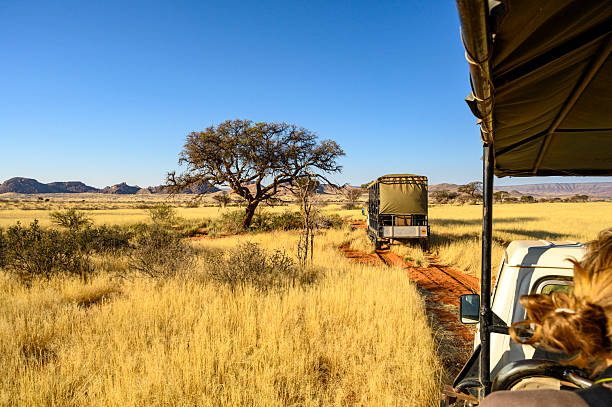
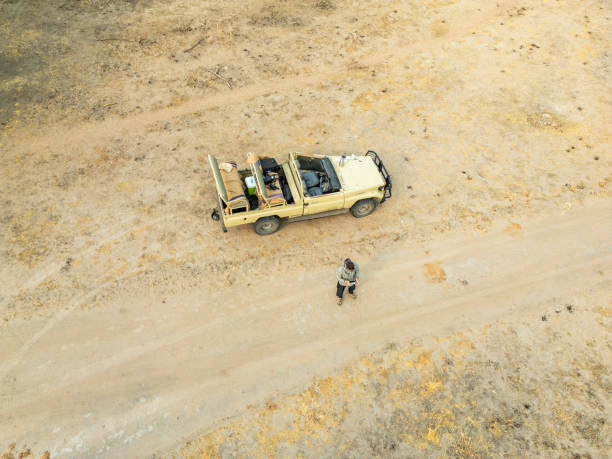
Safari vehicles are the primary mode of transport for game drives in Tanzania’s national parks and reserves. These are typically 4×4 Land Cruisers or Land Rovers, often customized for optimal wildlife viewing. For families, the safety and comfort of these vehicles are critical.
- Vehicle Type: Most reputable tour operators use sturdy, extended-wheelbase 4x4s designed to handle rough terrain. These offer more space than standard vehicles. Pop-top roofs are common, allowing for excellent viewing and ventilation.
- Seating and Seatbelts: While seatbelts are becoming more standard in newer safari vehicles, their availability and usage can vary. Always ensure your children are seated securely. For younger children, we work with operators who can provide secure seating arrangements or advise on the best positions within the vehicle. The open nature of some safaris means constant supervision is necessary, especially with the roof open.
- Window Safety: Children are naturally curious and may want to lean out of windows. Instruct them firmly about staying inside the vehicle at all times while driving, especially when near wildlife or on bumpy roads. The driver will often advise on safe practices.
- Ride Comfort: Safari routes often involve unpaved, bumpy roads. The suspension in 4x4s helps, but jolts are inevitable. Ensure children are seated comfortably and have something to hold onto. For very young children, consider the duration of game drives and potential for overstimulation or fatigue.
- Driver Expertise: Your safari driver-guide is trained not only in wildlife spotting but also in safe driving practices on challenging terrain. They understand how to navigate roads with children in mind.
Public Transport: Daladalas and Buses
Tanzania’s public transport system, particularly the ubiquitous ‘daladalas’ (minibuses), is a vibrant part of local life. However, for families with children, especially younger ones, these are generally not recommended for long distances or even significant urban travel.
- Crowding: Daladalas are often extremely crowded, with passengers standing in aisles and even hanging off the sides. This presents a significant safety risk for children, making it difficult to maintain a secure position and increasing the chance of falls or separation.
- Driving Style: Drivers can be erratic, often speeding and making sudden stops. This erratic driving, combined with poor road conditions, creates a hazardous environment for children.
- Hygiene and Comfort: Public buses can be hot, dusty, and lack adequate ventilation or seating. This can be uncomfortable and potentially unhealthy for children.
- Limited Suitability: While some adventurous older children might find a brief daladala ride an interesting cultural experience, it’s crucial to weigh this against the safety risks. For most family trips focused on enjoyment and safety, private transport is a far better choice.
Private Transfers and Taxis: A Safer Option
For airport transfers, travel between towns, or day trips in urban areas, private transfers and taxis offer a more controlled and safer environment for families.
- Booking in Advance: Always book private transfers through your tour operator or a reputable taxi company. This ensures you get a reliable vehicle and driver.
- Child Seats/Booster Seats: This is a crucial point for child safety in Tanzania transport. Availability of child seats or booster seats can be very limited, especially for taxis. If traveling with young children who require them, you MUST inquire and book this well in advance with your tour operator. Some families opt to bring their own portable booster seats.
- Vehicle Condition: Ensure the vehicle is in good condition, with functioning seatbelts for all passengers. Communicate your needs clearly when booking.
- Driver Communication: Discuss your route and any specific needs with your driver before you set off. A good driver will be attentive to passenger comfort and safety.
Airport Transfers: The First and Last Impression
Your arrival and departure experiences are significantly influenced by airport transfers. For families, a smooth, safe, and timely transfer is essential.
- Meet and Greet: Reputable operators will arrange a ‘meet and greet’ service where a representative holds a sign with your name, making it easy to find your driver after a long flight.
- Vehicle Allocation: Specify the number of adults and children, along with their ages, when booking your airport transfer. This helps ensure the correct vehicle size and, crucially, the availability of any requested child seats.
- Luggage Space: Ensure the vehicle has adequate space for your luggage, including any strollers or extra bags.
- Journey Time: Be aware of the travel time from the airport to your accommodation, especially if arriving late at night or with tired children.
Key Safety Considerations for Children in Tanzanian Transport
Beyond the type of vehicle, several overarching safety principles apply to child safety in Tanzania transport.
1. Seatbelts and Restraints
While seatbelt laws exist, enforcement and availability can be inconsistent, particularly in older vehicles or public transport. For private vehicles and safari vehicles arranged by reputable companies, seatbelts should be available. Always check and ensure they are used correctly by all passengers, especially children. If you are concerned about car seats for younger children, discuss this with your tour operator well in advance. Bringing a portable booster seat can be a practical solution for families planning extensive private transfers.
2. Constant Adult Supervision
This cannot be stressed enough. Whether in a safari vehicle with the roof open, a moving car, or waiting at a bus stop, children must be under constant, vigilant adult supervision. Distractions, even for a moment, can lead to accidents. Ensure that one adult is always designated to watch the children, especially during transit and when windows are open.
3. Vehicle Doors and Windows
Educate your children about vehicle doors and windows. Instruct them never to open a door or window without adult permission. On safari, while open windows and pop-top roofs are for viewing, children should be taught to keep their arms and heads inside the vehicle at all times. The movement of the vehicle and the proximity of wildlife make this a critical rule.
4. Secure Luggage
Ensure all luggage inside the vehicle is stowed securely. Loose items can become projectiles in case of sudden braking or a bump. In safari vehicles, luggage is usually stored in a designated area, but always double-check that smaller bags are not rolling around the passenger cabin.
5. Hydration and Snacks
Journeys in Tanzania, especially safaris, can be long and hot. Always carry plenty of water for everyone, particularly children. Age-appropriate snacks are also essential to keep children happy and occupied during transit. Dehydration can set in quickly, and hunger can lead to irritability.
6. Road Conditions and Driving Habits
Tanzania’s road network varies from excellent tarmac to deeply rutted dirt tracks. Drivers must be experienced in navigating these conditions, especially with children onboard. While reputable tour operators vet their drivers, be aware that unexpected road closures, traffic jams, or poor road surfaces can affect journey times and comfort. Encourage your driver to adopt a safe and steady pace, particularly on unpaved roads.
7. Travel Sickness
The bumpy roads and winding routes can induce travel sickness in some children. Ensure you have appropriate medication if needed, and keep windows open for fresh air where safe to do so. Having a supply of sick bags or containers is also advisable.
Planning Your Family Transport in Tanzania (2026-2027)
Successful family travel hinges on meticulous planning. When it comes to child safety in Tanzania transport, proactive preparation is key for your 2026-2027 trip.
Choosing the Right Tour Operator
Your choice of tour operator is the first and most critical step. A reputable company will:
- Prioritize safety in all aspects of your trip, including transport.
- Maintain a fleet of well-serviced vehicles suitable for families.
- Employ experienced, professional drivers who are skilled in safe driving and child passenger safety.
- Be transparent about vehicle features, including seatbelt availability and the possibility of child seats.
- Offer reliable airport transfers and inter-city transport.
Top Guide Adventures is committed to providing safe and comfortable transport for families. We carefully select our vehicles and drivers, ensuring they meet high safety standards. Contact us to discuss your family’s specific transport needs.
Communicating Your Needs
Be explicit about your family’s requirements when booking. This includes:
- Number of adults and children.
- Ages of children (crucial for car seat considerations).
- Any specific concerns regarding motion sickness or special needs.
- Requests for child seats or booster seats (and be prepared for limited availability).
Clear communication ensures that the tour operator can make the necessary arrangements, such as assigning a larger vehicle or confirming the availability of child restraints.
Itinerary Pacing
Long, arduous journeys can be tiring for children. Plan your itinerary with shorter travel days and ample breaks. For example, instead of driving directly from Arusha to the southern Serengeti in one day, consider breaking the journey with an overnight stay near a national park or a scenic location. This makes the travel experience more enjoyable for everyone.
Packing Essentials for Transit
Beyond clothing and essentials, consider these items for safer and more comfortable travel:
- Portable booster seat: If your child requires one and you cannot secure one locally.
- Comfort items: Favorite blankets, small pillows, or stuffed animals can provide comfort and a sense of security.
- Entertainment: Books, travel games, or downloaded movies on a tablet (with headphones!) can help pass the time on longer drives.
- Snacks and drinks: A dedicated bag with easily accessible, non-messy snacks and plenty of water.
- Wet wipes and hand sanitizer: Essential for hygiene, especially when stopping in public places.
- First-aid kit: Including motion sickness remedies, basic pain relievers suitable for children, and any personal medications.
Sample Family Safari Itinerary Logic (Illustrative)
Here’s how a family-focused safari itinerary might consider transport safety and comfort:
Example: 7-Day Northern Tanzania Family Safari
- Day 1: Arrival in Arusha. Meet and greet at Kilimanjaro International Airport (JRO) by our representative. Private transfer to your family-friendly lodge in Arusha. Focus on rest and acclimatization. Vehicle: Comfortable minivan or 4×4 with driver. Child safety: Secure seating, driver briefed on family.
- Day 2: Arusha to Tarangire National Park. After breakfast, scenic drive to Tarangire. Game drive en route. Shorter travel distance (approx. 2-3 hours). Vehicle: 4×4 safari vehicle. Child safety: Secure seating, constant supervision, windows up when near animals.
- Day 3: Tarangire National Park. Full day of game drives in Tarangire. Breaks taken as needed. Vehicle: 4×4 safari vehicle. Child safety: Driver ensures safe viewing distances, children remain inside.
- Day 4: Tarangire to Ngorongoro Conservation Area. Morning game drive in Tarangire, then drive towards the Ngorongoro Highlands (approx. 2-3 hours). Stay at a lodge on the crater rim or in Karatu. Vehicle: 4×4 safari vehicle. Child safety: Smooth driving on paved/good dirt roads, secure seating.
- Day 5: Ngorongoro Crater Tour. Descend into the crater for a game drive. Shorter duration (approx. 4-5 hours) to manage energy levels. Vehicle: 4×4 safari vehicle. Child safety: Strict rules about staying inside the vehicle, driver aware of family needs.
- Day 6: Ngorongoro to Lake Manyara National Park & Return to Arusha. Morning visit to Lake Manyara (shorter drive, approx. 1 hour). Afternoon drive back to Arusha (approx. 3-4 hours). Vehicle: 4×4 safari vehicle, then potentially a comfortable minivan for the final leg to Arusha. Child safety: Breaks planned, driver mindful of comfort.
- Day 7: Departure. Private transfer from your Arusha lodge to Kilimanjaro International Airport (JRO) for your onward flight. Child safety: Pre-arranged vehicle, confirmed child seat if requested.
Note: This is an illustrative itinerary. Actual routes and timings are customized based on family preferences and ages of children. We prioritize minimizing long, continuous drives.
Common Mistakes to Avoid Regarding Child Safety in Tanzania Transport
Even with the best intentions, some common pitfalls can compromise child safety. Being aware of these can help you avoid them.
- Underestimating Travel Times: Tanzania is vast, and road travel can be slower than expected due to road conditions and traffic. Assume journeys will take longer than initially estimated.
- Relying on Public Transport for Young Children: As detailed earlier, daladalas and crowded public buses are not suitable for families with young children. Stick to private or pre-arranged transfers.
- Not Pre-booking Child Seats: Assuming child seats will be available upon arrival for taxis or private transfers is a mistake. Availability is scarce; book these well in advance or bring your own.
- Allowing Children Unsupervised Access to Windows/Doors: Even on short trips, children can be tempted to open doors or lean out of windows. Constant vigilance is key.
- Ignoring Travel Sickness: Not preparing for motion sickness can lead to a miserable experience for children and parents. Pack medication and be ready with sick bags.
- Overpacking the Schedule: Trying to cram too much into one day, with long drives between activities, will exhaust children and increase the risk of accidents due to fatigue. Pace yourselves.
- Not Vetting Your Tour Operator: Choosing the cheapest option without verifying safety standards can be a false economy. A reputable operator invests in safe vehicles and experienced drivers.
Who is Child Safety in Tanzania Transport Best Suited For?
This information is essential for any family planning a trip to Tanzania with children of any age, from infants to teenagers. Specifically:
- Families with Young Children (Infants to 6 years): For whom comfort, secure seating, and minimizing travel stress are paramount.
- Families with School-Aged Children (7-12 years): Who may have more stamina but still require constant supervision and secure transport.
- Families with Teenagers (13+ years): Who might be more independent but still need clear safety instructions and safe vehicle environments.
- Parents concerned about road safety: Who want to ensure their children are protected in a country with varied road conditions and driving styles.
- Anyone booking independent travel or using local transport: This guide provides crucial awareness, though we strongly recommend organized tours for families.
Alternatives to Standard Transport in Tanzania
While safaris primarily use 4x4s and city travel often involves private cars, other transport modes exist. Understanding them helps in making informed choices.
- Internal Flights: For longer distances, particularly between major hubs like Arusha, Kilimanjaro, Dar es Salaam, Zanzibar, and safari airstrips, internal flights are a highly efficient and comfortable option. They significantly reduce travel time and the wear-and-tear of road journeys, making them ideal for families. Airlines like Precision Air and Coastal Aviation operate these routes. Child safety is generally high on scheduled flights.
- Boats/Ferries: The most common use is the ferry between mainland Tanzania (Dar es Salaam) and Zanzibar. While generally safe, ensure you book reputable services and that children are supervised, especially on deck. For excursions in Zanzibar, smaller boats are used; life jackets are essential for children.
- Walking Safaris: In certain areas (like Ngorongoro Conservation Area or specific conservancies), guided walking safaris are possible. These are conducted with armed rangers and guides and are suitable for older children (usually 12+ or 16+ depending on the operator and location) who can follow instructions precisely.
Planning for 2026-2027: What’s New and What to Expect
As you plan your family’s Tanzanian adventure for 2026 or 2027, consider these evolving aspects of travel and safety:
- Increased Focus on Sustainable Tourism: Many operators, including ourselves, are increasingly adopting eco-friendly practices. This can extend to vehicle maintenance and route planning to minimize environmental impact, which indirectly supports safer, more responsible travel.
- Technological Advancements: While not universally adopted, some higher-end operators might be introducing newer vehicles with better safety features. Always inquire about the age and maintenance of the fleet. GPS tracking is standard for most reputable safari vehicles.
- Continued Infrastructure Development: Road improvements are ongoing in Tanzania, though progress can be uneven. Some major routes may become smoother, but venturing off the beaten path will still require robust 4x4s and experienced drivers.
- Health Protocols: Stay updated on any health advisories or requirements for travel to Tanzania closer to your travel dates in 2026-2027. This might include vaccination recommendations or specific hygiene practices.
- Booking Trends: Early booking for 2026-2027 is highly recommended, especially for family travel. Popular lodges and safari vehicles, particularly those that can accommodate specific child safety needs, get booked up quickly.
Booking Advice for Families
When booking your Tanzanian family adventure, prioritize safety and reliability above all else. Here’s how:
- Choose a Reputable Tour Operator: Look for companies with extensive experience in family travel. Check reviews, ask for references, and ensure they have a clear safety policy. Top Guide Adventures specializes in creating safe, memorable family safaris.
- Discuss Child Safety in Tanzania Transport Explicitly: Don’t hesitate to ask detailed questions about vehicle safety, seatbelts, and the availability of child seats. A good operator will be prepared to answer these.
- Read Inclusions and Exclusions Carefully: Understand what your transport costs cover. Are airport transfers included? Are there limitations on daily driving distances?
- Consider Travel Insurance: Comprehensive travel insurance is non-negotiable for family travel. Ensure it covers medical emergencies, cancellations, and lost luggage.
- Book in Advance: Especially for peak seasons in 2026-2027, booking your safari, accommodation, and key transfers well in advance is crucial to secure your preferred options and ensure all family needs are met.
- Confirm Communication Channels: Ensure you have reliable ways to communicate with your tour operator before and during your trip. WhatsApp and email are standard.
Ready to Plan Your Safe Family Adventure?
Ensuring child safety in Tanzania transport is a cornerstone of a worry-free family holiday. At Top Guide Adventures, we pride ourselves on meticulous planning and unwavering commitment to your family’s well-being. From selecting the right safari vehicles to arranging comfortable and secure transfers, we handle the details so you can focus on creating lasting memories.
Contact us today to start planning your 2026-2027 Tanzanian safari:
WhatsApp: +255616946642
Email: topguideadventures@gmail.com
Backup Email: info@topguideadventures.com
Frequently Asked Questions (FAQs) about Child Safety in Tanzania Transport
Q1: Are safari vehicles in Tanzania equipped with seatbelts for children?
A1: Many newer safari vehicles are equipped with seatbelts. However, availability can vary. It’s essential to confirm with your tour operator when booking. For younger children, inquire about the possibility of car seats or booster seats, though these are not always standard. Always ensure children are seated securely and supervised.
Q2: Is it safe for children to travel on public transport like daladalas in Tanzania?
A2: Public transport, especially daladalas, is generally not recommended for families with young children due to overcrowding, erratic driving, and safety concerns. Private transfers or reputable tour operator vehicles are a much safer alternative for child safety in Tanzania transport.
Q3: Can I request a child car seat for airport transfers or private transfers in Tanzania?
A3: Yes, you can request child car seats or booster seats, but availability is very limited. You MUST arrange this well in advance with your tour operator. Some families choose to bring their own portable booster seats for peace of mind.
Q4: What are the main road safety concerns for children in Tanzania?
A4: Concerns include variable road conditions (potholes, unpaved surfaces), unpredictable traffic, and potentially less cautious driving habits than in some Western countries. Ensuring children remain inside the vehicle, are properly seated, and are supervised at all times are critical measures.
Q5: How can I prevent my child from getting travel sick on safari drives?
A5: Ensure they have a secure seat, keep windows open for fresh air where safe, avoid heavy meals before driving, and carry anti-motion sickness medication suitable for their age if recommended by a doctor. Shorten drives or take breaks if needed.
Q6: What should I pack to ensure my child’s comfort and safety during transport?
A6: Pack essentials like water, snacks, comfort items (blanket, small pillow), entertainment (books, tablet with headphones), wet wipes, hand sanitizer, and a basic first-aid kit including any necessary medications. A portable booster seat is also advisable if needed.
Q7: How long are typical safari drives, and are they suitable for young children?
A7: Game drives can vary, but typically range from 2-4 hours per session. Reputable operators tailor itineraries to family needs, incorporating breaks and avoiding excessively long drives. Discuss your children’s ages and stamina with your tour operator to plan appropriately.
Q8: Are there any specific safety rules for children on Kilimanjaro treks regarding transport to the starting point?
A8: The transport to Kilimanjaro’s base camps (like Marangu or Machame Gate) is usually via private vehicle or tour operator bus. Standard road safety rules apply: ensure seatbelts are used, children are supervised, and the driver follows safe practices. The focus shifts to trekking safety once at the mountain.
Q9: What if my child is scared of animals seen from the vehicle?
A9: Reassure your child that they are safe inside the vehicle and that the animals are at a distance. Educate them about animal behavior beforehand. Your guide can also help explain animal movements and ensure safe viewing distances.
Q10: How can I ensure safe child transport when traveling between mainland Tanzania and Zanzibar in 2026-2027?
A10: For the ferry crossing, book with reputable companies and ensure children are supervised, especially near the water. For transfers on both sides, use pre-booked private vehicles and discuss any child seat needs in advance. Internal flights are also a very safe and comfortable option for families.
Your Family’s Safety is Our Priority
Planning a trip to Tanzania with children involves careful consideration of every detail, especially child safety in Tanzania transport. Top Guide Adventures is dedicated to providing families with secure, comfortable, and unforgettable travel experiences. We leverage our local expertise and commitment to safety to ensure your journey is as smooth as it is exciting. Let us craft your perfect Tanzanian adventure for 2026-2027.
Get in touch to discuss your family’s needs and book your dream safari:
WhatsApp: +255616946642
Email: topguideadventures@gmail.com
Backup Email: info@topguideadventures.com
Plan your Child Safety in Tanzania Transport with Top Guide Adventures
Tell us your travel dates, group size, comfort level, and dream experience. We will help you shape a clear, realistic, and memorable Tanzania itinerary.







 Veedesigner
 Fatma Kizanga
 Benjamin Waryuba
 Philip Philip
 John jr Itaja
 Antonia Optatus
 Edith Kanyere
 Neema Iddy
 Kelvin Boniphace
 Damari Maiga



