
Updated planning guide for 2026-2027
Cross-Country Transport In Tanzania: Complete Guide 2026-2027
Planning your journey across Tanzania? This guide covers everything you need to know about cross-country transport, from public buses and private transfers to overland trips and safari logistics for 2026-2027.
WhatsApp +255616946642 | topguideadventures@gmail.com | info@topguideadventures.com

Cross-Country Transport in Tanzania: Your Complete Planning Guide
Tanzania, a land of vast savannas, towering mountains, and idyllic islands, offers incredible diversity. Traveling between its many wonders, whether it’s a safari in the Serengeti, a trek up Kilimanjaro, or relaxation on Zanzibar’s beaches, requires careful consideration of cross-country transport. Understanding your options, their pros and cons, and how to best arrange them is crucial for a smooth and enjoyable trip in 2026 and 2027.
This guide provides an in-depth look at navigating Tanzania’s extensive transport network. We’ll cover public options, private services, and the unique logistical challenges and solutions for multi-destination trips. Get ready to plan your Tanzanian adventure with confidence.
Quick Overview: Tanzania Transport Options
Public Transport: Dalla-dallas (minibuses), Intercity Buses, Local Ferries.
Private Transport: Safari Vehicles, Private Cars/Vans, Private Planes.
Rail: Limited passenger service (Tazara, Central Line).
Table of Contents
- Quick Facts About Tanzania Transport
- Why Understanding Cross-Country Transport Matters
- Exploring Your Cross-Country Transport Options
- Typical Cross-Country Routes and Itinerary Logic
- What to Expect on Tanzanian Roads and Journeys
- Best Time to Travel for Smooth Transport
- Your Cross-Country Transport Planning Checklist
- Packing and Preparation for Long Journeys
- Common Mistakes to Avoid with Tanzania Transport
- Who is Cross-Country Transport in Tanzania Best For?
- Alternatives to Standard Cross-Country Travel
- Planning Your 2026-2027 Tanzania Trip: Transport Focus
- Booking Your Cross-Country Transport: Expert Tips
- Frequently Asked Questions About Tanzania Transport
- Ready to Plan Your Tanzanian Journey?
Quick Facts About Tanzania Transport
| Aspect | Details |
|---|---|
| Primary Modes | Buses (Intercity & Local), Private Safari Vehicles, Dalla-dallas, Ferries, Internal Flights. |
| Main Hubs | Dar es Salaam, Arusha, Moshi, Zanzibar City, Mwanza. |
| Road Conditions | Variable: Major highways are generally good; secondary and unpaved roads can be rough. |
| Travel Pace | Can be slow due to road conditions, traffic, and frequent stops. Internal flights significantly reduce travel time. |
| Booking Public Transport | Often done at bus stations shortly before departure; advance booking advisable for popular routes/companies. |
| Safety Considerations | Standard travel precautions apply. Choose reputable bus companies. Be aware of surroundings. |
| Cost Range | Very affordable (dalla-dallas, local buses) to expensive (private vehicles, internal flights). |
Why Understanding Cross-Country Transport Matters
Tanzania is a vast country. Distances between key destinations can be significant, and the journey itself is often part of the adventure. Effective planning of cross-country transport directly impacts your travel experience in several key ways:
- Time Management: Knowing how long journeys take prevents over-scheduling and allows for realistic itinerary planning. A 6-hour drive can easily become 9 or 10.
- Budget Control: Transport is a major expense. Choosing between public buses, private transfers, or internal flights can drastically alter your trip’s cost.
- Comfort and Convenience: The comfort level varies dramatically. Public buses can be crowded and basic, while private vehicles offer air conditioning and flexibility.
- Access to Destinations: Some remote safari areas or trekking trailheads are only accessible by specific types of vehicles (e.g., 4×4 safari cruisers).
- Safety and Reliability: Opting for reputable companies and understanding road conditions contributes to a safer journey.
- Experiencing Local Culture: Using local transport like dalla-dallas offers a genuine glimpse into daily Tanzanian life, though it’s not for everyone.
For travelers planning safaris, Kilimanjaro climbs, or Zanzibar holidays, coordinating transport between these experiences is essential. A poorly planned transfer can lead to missed flights, lost trekking days, or extended waiting periods.
Exploring Your Cross-Country Transport Options
Tanzania offers a range of transport methods, each suited to different budgets, travel styles, and destinations. Understanding these is the first step to planning your routes.
Public Buses: The Budget Traveler’s Choice
Intercity buses are the backbone of long-distance travel for many Tanzanians and budget-conscious tourists. They connect major towns and cities across the country.
- Companies: Reputable companies like Scandinavia, Abood Bus Services, Kilimanjaro Express, and Dar Express operate modern, often air-conditioned coaches on popular routes.
- Routes: Common routes include Dar es Salaam to Arusha, Dar es Salaam to Mbeya, Arusha to Mwanza, and Moshi to Dar es Salaam.
- Comfort: Generally better than local buses. Seats are often assigned. Air conditioning is common on express services.
- Speed: Faster than local buses but significantly slower than flights. Expect journeys of 6-12 hours for medium distances (e.g., Arusha to Dar).
- Cost: Very affordable. A ticket from Arusha to Dar might cost around $20-$30 USD (prices fluctuate).
- Booking: Tickets can usually be purchased at the bus station on the day of travel, but booking a day or two in advance is recommended for popular services, especially during peak seasons.
- Pros: Economical, frequent services on main routes, can be comfortable on premium lines.
- Cons: Can be long journeys, prone to delays, less flexibility, luggage storage can be exposed to weather.
Dalla-dallas: For the Adventurous Local Experience
These are the ubiquitous minibuses that serve as local taxis and short-to-medium distance transport within regions and between smaller towns. They are the cheapest way to travel but are best suited for shorter hops and the truly adventurous.
- Experience: Expect crowded conditions, often with passengers standing. They make frequent stops. They are a cultural immersion.
- Routes: Cover vast networks connecting villages and towns.
- Comfort: Minimal. Basic seating, often no air conditioning.
- Speed: Very slow due to numerous stops.
- Cost: Extremely cheap.
- Booking: Simply show up at a dalla-dalla stand and tell the conductor where you want to go. Pay on board.
- Pros: Inexpensive, authentic local experience, access to smaller places.
- Cons: Uncomfortable for long distances, slow, can be chaotic, luggage space is limited and insecure. Not recommended for travelers with tight schedules or significant luggage.
Private Vehicles and Safari Cruisers
For safaris, Kilimanjaro treks, and comfortable inter-city travel, private vehicles are the most common and convenient option.
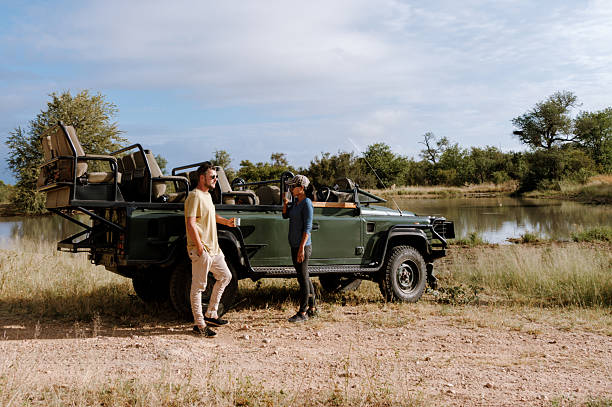
- Safari Vehicles: Customized 4×4 Land Cruisers or Land Rovers are essential for wildlife viewing in parks like the Serengeti, Ngorongoro, and Tarangire. They feature pop-up roofs for optimal game viewing and photography, and are driven by experienced guides. These are typically arranged as part of a safari package.
- Private Cars/Vans: For transfers between towns (e.g., Arusha to Moshi, Arusha to Kilimanjaro Airport, Dar es Salaam to Bagamoyo), private cars or vans offer comfort, air conditioning, and direct, flexible travel. You can hire a driver for a day or for specific transfers.
- Flexibility: Offers door-to-door service, stops at your convenience, and the ability to change plans on the go.
- Cost: The most expensive option. Prices vary based on vehicle type, duration, and driver/guide services. A private transfer between Arusha and Moshi might cost $100-$150 USD, while a full-day safari vehicle hire with a guide can be $250-$400+ USD per day.
- Booking: Always book in advance through a reputable tour operator. This ensures you get a reliable vehicle, an experienced driver/guide, and that all permits and park fees are handled correctly for safaris.
- Pros: Maximum comfort, flexibility, privacy, door-to-door service, essential for safaris.
- Cons: Most expensive option.
Tanzania’s Railways: A Scenic but Limited Option
Tanzania has two main railway lines, but passenger services are limited and often slow.
- TAZARA (Tanzania-Zambia Railway Authority): Connects Dar es Salaam to Zambia. Passenger services are infrequent and can be very slow.
- Central Line: Runs from Dar es Salaam to Kigoma on Lake Tanganyika, with a branch to Mwanza on Lake Victoria. Passenger services exist but are not always reliable or comfortable for tourists.
- Travel Experience: Can be scenic but journeys are long, often taking multiple days.
- Suitability: Generally not recommended for most tourists due to slow speeds, potential unreliability, and better alternatives available. It might appeal to the most adventurous or those specifically interested in train travel.
Ferries to Zanzibar and Islands
The most common way to travel between mainland Tanzania (Dar es Salaam) and the Zanzibar archipelago is by ferry.
- Service: Fast ferries operate multiple times daily between Dar es Salaam and Zanzibar’s Stone Town.
- Duration: The journey takes approximately 1.5 to 2 hours.
- Comfort: Varies by ferry company. Some are modern and air-conditioned, others more basic. Seasickness can be an issue for some, especially if the sea is rough.
- Cost: Relatively affordable, typically around $35-$50 USD one way.
- Booking: Tickets can be bought at the ferry terminal in Dar es Salaam or Zanzibar, but it’s wise to book a day in advance, particularly during busy periods.
- Alternative: Internal flights are available between Dar es Salaam and Zanzibar, offering speed and comfort but at a higher cost.
- Other Islands: Ferries also connect Zanzibar to other islands like Pemba, though less frequently.
Internal Flights: Speeding Up Long Distances
For travelers with limited time or those who prefer to maximize their experience at destinations rather than in transit, internal flights are a valuable option.
- Airports: Major airports include Kilimanjaro International Airport (JRO) near Arusha, Julius Nyerere International Airport (DAR) in Dar es Salaam, Abeid Amani Karume International Airport (ZNZ) in Zanzibar, and smaller airstrips serving national parks (e.g., Seronera in Serengeti).
- Airlines: Companies like Precision Air, Coastal Aviation, and Auric Air operate domestic routes.
- Routes: Popular routes connect Dar es Salaam to Zanzibar, Arusha to Zanzibar, Arusha to the Serengeti, and Dar es Salaam to the Serengeti.
- Cost: Significantly more expensive than buses. A flight from Arusha to Zanzibar can cost $150-$250 USD or more. Flights into national park airstrips are often booked as part of safari packages.
- Booking: Book flights well in advance, especially for the 2026-2027 peak travel seasons, as seats are limited.
- Pros: Fastest way to cover long distances, comfortable, saves valuable travel time.
- Cons: Most expensive option, baggage restrictions apply, less opportunity to see the landscape.
Typical Cross-Country Routes and Itinerary Logic
Understanding how destinations connect is key to building a logical itinerary. Most tourist itineraries revolve around a few core hubs and travel patterns.
Simplified Tanzania Travel Flow
- Northern Circuit Safari Focus:
Start: Kilimanjaro International Airport (JRO) or Arusha.
Transport: Private 4×4 safari vehicle with guide.
Route: Arusha -> Tarangire National Park -> Lake Manyara National Park -> Ngorongoro Conservation Area -> Serengeti National Park (via Central, North, or South depending on season) -> Return to Arusha/JRO.
Duration: Typically 3-7 days for the safari itself.
Next: Connect to Zanzibar (flight from Arusha/JRO) or Kilimanjaro climb (from Arusha). - Kilimanjaro Climb & Safari:
Start: Kilimanjaro International Airport (JRO) or Arusha.
Transport: Private vehicle to/from trailhead; 4×4 safari vehicle for safari.
Route: Arusha -> Kilimanjaro climb (e.g., Marangu, Machame routes) -> Arusha -> Northern Circuit Safari -> Arusha/JRO.
Duration: Climb 5-9 days, Safari 3-7 days. - Zanzibar & Mainland Combination:
Option A (Safari First): Arrive JRO -> Northern Circuit Safari -> Arusha/JRO -> Fly to Zanzibar (ZNZ) -> Zanzibar exploration -> Depart from ZNZ or fly back to DAR for departure.
Option B (Zanzibar First): Arrive ZNZ -> Zanzibar exploration -> Fly to Arusha/JRO -> Northern Circuit Safari -> Depart from JRO.
Option C (Southern Safari/Beach): Fly into DAR -> Southern Safari (Selous/Ruaha) -> Fly/ferry to Zanzibar -> Depart ZNZ/DAR. - Dar es Salaam & Coastal Travel:
Start: Julius Nyerere International Airport (DAR).
Transport: Private vehicle, bus, ferry.
Route: DAR -> Ferry to Zanzibar -> DAR -> Bus/private car to Bagamoyo, Pangani, or Mafia Island (requires flight/boat).
Note: Southern safaris (Selous/Ruaha) are often accessed via flights from DAR.
Itinerary Logic: Group activities by region to minimize travel time and cost. For example, do all Northern Circuit activities together before heading to Zanzibar. If flying, consider if it’s more efficient to fly into Kilimanjaro (JRO) for safaris/Kilimanjaro and then fly to Zanzibar, or fly into Dar es Salaam (DAR) for southern safaris and then ferry/fly to Zanzibar.
What to Expect on Tanzanian Roads and Journeys
Traveling across Tanzania, especially by road, is an experience in itself. Be prepared for a pace that is often slower than you might be used to.
- Road Conditions: Major highways connecting key cities (e.g., Arusha-Moshi, Dar-Arusha) are generally paved and in reasonable condition. However, secondary roads, especially those leading to national park gates or remote areas, can be unpaved, dusty, rocky, and bumpy. This is particularly true for internal tracks within parks.
- Traffic: Major cities like Dar es Salaam experience significant traffic congestion, which can add considerable time to journeys within or near the city.
- Travel Time: Distances are deceptive. A 300km journey might take 6-8 hours by bus or private car due to road quality, speed limits, and frequent stops. Internal flights are essential for covering large distances efficiently.
- Stops: Buses and private vehicles often make stops for meals, rest breaks, and sometimes for border crossings or police checks.
- Scenery: Road travel offers a fantastic opportunity to see the Tanzanian landscape, from bustling towns and villages to rural farmlands and open plains.
- Vehicle Condition: While reputable bus companies use modern fleets, older vehicles can be found on less common routes. Private hire vehicles are usually well-maintained, especially those used for safaris.
- Driver Behavior: Drivers are generally experienced with local conditions, but it’s wise to ensure your driver adheres to safe practices.
Best Time to Travel for Smooth Transport
While Tanzania is a year-round destination, certain times offer more predictable weather and better road conditions, which can impact cross-country travel.
- Dry Seasons (June to October, January to February): These periods generally offer the best road conditions. Roads are less likely to be affected by heavy rains, reducing the risk of delays or impassable routes. This is also peak tourist season, so booking transport in advance is crucial.
- Wet Seasons (March to May, November to December): The long rains (March-May) can make unpaved roads muddy and difficult, potentially causing significant delays or rerouting. Internal park roads can become challenging for safari vehicles. Internal flights might be more reliable during these times, though they can also be affected by heavy thunderstorms.
- Shoulder Seasons (e.g., late May, early November): Can offer a good balance of decent weather and fewer crowds, with transport services generally running well.
For Kilimanjaro treks, the dry seasons are preferred for climbing conditions. For safaris, dry seasons mean better game viewing as animals congregate around water sources, and easier vehicle access. For Zanzibar, dry seasons mean less rain and calmer seas for ferries.
Your Cross-Country Transport Planning Checklist
To ensure your cross-country transport in Tanzania is well-organized, use this checklist:
| Task | Status (✓) | Notes |
|---|---|---|
| Define your itinerary and key destinations. | List all locations you wish to visit. | |
| Estimate travel time between each location. | Add buffer time for delays. | |
| Determine your budget for transport. | Allocate funds for each leg of the journey. | |
| Research available transport options for each leg. | Compare public buses, private transfers, flights. | |
| Book international flights and internal flights (if applicable). | Book early for 2026-2027. | |
| Arrange safari vehicle hire and guide. | Book through a reputable tour operator. | |
| Book intercity bus tickets or private transfers. | Consider booking a few days in advance for popular routes. | |
| Arrange ferry tickets to Zanzibar. | Book in advance during peak season. | |
| Confirm pick-up times and locations. | Double-check with your tour operator or transport provider. | |
| Pack appropriately for journey comfort and luggage. | See packing section. | |
| Have local currency for smaller expenses. | Snacks, tips, etc. |
Packing and Preparation for Long Journeys
Comfort and preparedness are key for long journeys in Tanzania.
- Comfortable Clothing: Lightweight, breathable fabrics are essential. Layers are useful as temperatures can vary.
- Travel Pillow: Public buses and even private cars can be basic. A neck pillow can make a significant difference.
- Entertainment: Books, downloaded music, podcasts, or e-readers are great for passing the time. Ensure devices are fully charged.
- Snacks and Water: While stops are made, having your own supply of snacks (biscuits, nuts, dried fruit) and plenty of water is advisable. Bring a reusable water bottle.
- Hand Sanitizer and Wet Wipes: Essential for hygiene, especially when using public transport or stopping at roadside eateries.
- Power Bank: A portable charger is invaluable for keeping phones and other devices powered up during long travel days.
- Small Backpack: For day trips or keeping essentials accessible on the bus (water, snacks, camera, documents).
- Adaptor: Tanzania uses Type G sockets (UK style). Bring a universal adapter if needed.
- Motion Sickness Medication: If you’re prone to seasickness or car sickness, bring medication for ferry crossings or bumpy road sections.
- Documents: Keep copies of your passport, visa, and flight/booking confirmations easily accessible.
- Cash: Small denominations of Tanzanian Shillings for snacks, tips, or small purchases during stops.
Common Mistakes to Avoid with Tanzania Transport
Avoiding these common pitfalls will help ensure smoother travel:
- Underestimating Travel Times: The biggest mistake. Always add at least 30-50% buffer time to estimated journey durations, especially for road travel.
- Booking Last Minute: While spontaneous travel is possible, for popular routes or during peak seasons (like 2026-2027 holidays), booking buses, ferries, and especially flights well in advance is crucial.
- Relying Solely on Public Transport for Tight Schedules: If you have a flight to catch or a specific tour departure, don’t rely on local buses for critical transfers. Opt for private transfers or allow ample time.
- Not Confirming Luggage Allowances: Especially for internal flights, be aware of strict baggage weight and size limits. For buses, ensure your luggage can be securely stowed.
- Ignoring Road Conditions: Don’t expect smooth sailing everywhere. Be mentally prepared for bumpy, dusty, or slow journeys on unpaved roads.
- Not Booking Safari Vehicles in Advance: Safari vehicles and guides are in high demand. They must be booked through tour operators who manage park entries and logistics.
- Assuming all Transport is Air-Conditioned: While many intercity buses are, local buses and older vehicles may not be.
- Not Having Local Currency: For bus station purchases, roadside snacks, or small tips, having Tanzanian Shillings is essential.
- Not Verifying Reputable Operators: For private transfers or bus companies, stick to well-known and recommended providers to ensure safety and reliability.
Who is Cross-Country Transport in Tanzania Best For?
The diverse options mean Tanzania’s transport network can cater to various traveler types:
- Budget Backpackers: Dalla-dallas and local buses offer incredibly affordable ways to see the country, but require patience and flexibility.
- Mid-Range Travelers: Intercity buses provide a good balance of cost and comfort for longer distances. Private transfers for specific legs (e.g., airport to hotel, Arusha to Moshi) offer convenience.
- Luxury Travelers: Private vehicles, including air-conditioned cars and premium safari cruisers, offer the highest level of comfort and flexibility. Internal flights connect destinations quickly and comfortably.
- Safari Enthusiasts: Specialized 4×4 safari vehicles are a must-have for exploring national parks and are typically included in safari packages.
- Adventure Seekers: Those who enjoy immersing themselves in local life might enjoy the challenge and authenticity of dalla-dallas and local buses.
- Time-Conscious Travelers: Internal flights are essential for maximizing time spent at destinations rather than in transit, especially for shorter trips or complex itineraries.
Alternatives to Standard Cross-Country Travel
While buses, private cars, and flights are common, consider these alternatives for specific journeys:
- Overland Safaris: Some companies offer overland truck tours that cover multiple countries in East Africa, including Tanzania. These are budget-friendly, social, and cover major highlights with camping or basic lodge accommodation.
- Motorcycle Hire: For experienced riders comfortable with challenging roads and local traffic, motorcycle hire might be an option for specific, shorter inter-town journeys. This is generally not recommended for extensive cross-country travel due to safety concerns and road conditions.
- Bicycle Hire: For very short distances around towns or specific regions, bicycle hire can be a pleasant way to explore local life. Not suitable for cross-country travel.
- Private Charter Flights: For ultimate flexibility and speed between remote airstrips or for groups, chartering a small aircraft is an option, though very expensive.
Planning Your 2026-2027 Tanzania Trip: Transport Focus
As you plan for trips in 2026 and 2027, consider these transport-specific tips:
- Book Key Transport Early: If traveling during peak seasons (e.g., July-October, Christmas/New Year 2026-2027), book internal flights and popular bus routes several months in advance. Safari vehicle availability also needs early booking.
- Consider Itinerary Flow: Map out your destinations and think about the most logical transport connections. Starting in Arusha for a Northern Circuit safari and then flying to Zanzibar is a common and efficient flow.
- Factor in Border Crossings: If your trip involves crossing into neighboring countries (e.g., Kenya), research the transport options and visa requirements at border posts.
- Consult with Experts: A good tour operator can advise on the best transport methods for your specific itinerary and budget, and handle all bookings for you. This is especially valuable for complex multi-destination trips.
- Stay Updated on Travel Advisories: While not directly transport-related, any political or safety advisories could impact transport availability or route choices.
Booking Your Cross-Country Transport: Expert Tips
Making informed booking decisions can save you time, money, and stress.
- For Safaris & Kilimanjaro: Always book through a reputable tour operator like Best Tanzania Tour Operator (Top Guide Adventures). They will arrange specialized 4×4 safari vehicles, experienced guides, and manage all park entries and logistics. This is non-negotiable for a successful safari or climb. Contact us at WhatsApp +255616946642 or Email topguideadventures@gmail.com.
- For Intercity Buses: For premium services (Scandinavia, Abood, etc.) on popular routes (Dar-Arusha, Arusha-Moshi), buying tickets a day or two in advance at the main bus stations is usually sufficient. For less common routes or during peak times, book earlier.
- For Private Transfers (Airport to Hotel, Town to Town): Book these through your hotel or a trusted tour operator. This ensures reliability and pre-agreed pricing. Avoid hailing random cars for long distances.
- For Ferries to Zanzibar: Purchase tickets at the ferry terminal in Dar es Salaam or Zanzibar. Buying a day or two ahead is recommended during busy periods.
- For Internal Flights: Use flight comparison websites or book directly with the airlines (Precision Air, Coastal Aviation, Auric Air). Book as far in advance as possible, especially for 2026-2027 travel, to secure better prices and availability.
- Read Reviews: For bus companies or private transfer services you’re considering, look for recent traveler reviews.
- Confirm Inclusions: For private hires, clarify what is included (e.g., driver’s accommodation/meals, fuel, park fees if applicable) and what is not.
Frequently Asked Questions About Tanzania Transport
Q1: What is the most common way to travel between Arusha and the Serengeti?
A1: The most common and recommended way is via a private 4×4 safari vehicle with a driver-guide, arranged as part of your safari package. This offers the best experience for game viewing and navigating park roads. Internal flights to Serengeti airstrips (e.g., Seronera) are also an option for a faster, more comfortable journey, but are more expensive.
Q2: Can I rely on public buses for long-distance travel in Tanzania?
A2: For budget-conscious travelers with flexible schedules, yes. Reputable intercity bus companies offer reliable services on major routes. However, journeys can be long and prone to delays. For time-sensitive travel or critical connections, private transfers or flights are recommended. This is especially true for planning your 2026-2027 trips.
Q3: How do I get from Dar es Salaam to Zanzibar?
A3: The most popular method is by fast ferry, which takes about 1.5-2 hours. Alternatively, you can take a short internal flight (around 20-30 minutes) from Dar es Salaam (DAR) to Zanzibar (ZNZ), which is faster and more comfortable but more expensive.
Q4: Are there safety concerns with cross-country transport in Tanzania?
A4: Like anywhere, standard travel precautions are advised. Choose reputable bus companies and tour operators for private transport. Be aware of your surroundings and secure your belongings. Road conditions can be challenging, so drivers are trained to handle them. Overall, travel is generally safe when using established services.
Q5: How much should I budget for transport in Tanzania?
A5: This varies greatly. Local buses are extremely cheap (a few dollars for a long trip). Intercity buses might cost $20-$50 USD for a major route. Private transfers can range from $100-$200+ for a day or a significant transfer. Internal flights can be $150-$300+ per person per leg. Safari vehicle hire is typically included in safari package costs.
Q6: Can I travel by train from Arusha to Dar es Salaam?
A6: No, there is no direct train line connecting Arusha to Dar es Salaam. The nearest train services are on the Central Line (from Dar es Salaam towards Kigoma/Mwanza) or TAZARA (from Dar es Salaam towards Mbeya/Zambia), neither of which serves Arusha directly. The primary transport options between Arusha and Dar es Salaam are bus or flight.
Q7: What is the best way to travel with a lot of luggage?
A7: Private transfers or safari vehicles offer the most flexibility for luggage. Intercity buses have luggage compartments, but space can be limited and it might be exposed to weather. Internal flights have strict baggage allowances, so pack light or arrange for excess baggage if possible.
Q8: Should I book my transport in advance for 2026 or 2027?
A8: Yes, especially if you plan to travel during peak seasons (June-October, December-January). Internal flights, popular bus routes, and safari vehicles should be booked several months in advance to ensure availability and potentially better prices for your 2026-2027 travel plans.
Q9: How do I handle luggage on dalla-dallas?
A9: Luggage space on dalla-dallas is very limited, often on the roof rack under a tarp or crammed inside. It’s best to travel with a backpack or a small, soft-sided bag if using dalla-dallas for any significant distance. Valuables should always be kept with you.
Q10: What are the typical road conditions within national parks?
A10: Within national parks like the Serengeti or Ngorongoro, roads are mostly unpaved and can be sandy, rocky, or muddy depending on the season. This is why 4×4 safari vehicles with high ground clearance and experienced drivers are essential. They are designed to handle these conditions.
Ready to Plan Your Tanzanian Journey?
Navigating cross-country transport in Tanzania is an integral part of the adventure. Whether you dream of vast safaris, conquering Kilimanjaro, or relaxing on Zanzibar’s shores, we can help you craft the perfect itinerary. Our expert team at Best Tanzania Tour Operator (Top Guide Adventures) specializes in creating unforgettable Tanzanian experiences, ensuring your transport logistics are handled with care and efficiency for your 2026-2027 travels.
Let us take the complexity out of planning. Get in touch today to discuss your personalized trip!
WhatsApp: +255616946642
Email: topguideadventures@gmail.com
Backup Email: info@topguideadventures.com
Plan your Cross-Country Transport in Tanzania with Top Guide Adventures
Tell us your travel dates, group size, comfort level, and dream experience. We will help you shape a clear, realistic, and memorable Tanzania itinerary.







 Veedesigner
 Fatma Kizanga
 Benjamin Waryuba
 Philip Philip
 John jr Itaja
 Antonia Optatus
 Edith Kanyere
 Neema Iddy
 Kelvin Boniphace
 Damari Maiga



