
Updated planning guide for 2026-2027
Airport Security Rules In Tanzania: Complete Guide 2026-2027
Planning a trip to Tanzania? Understand the essential airport security rules and regulations to ensure a hassle-free journey through Kilimanjaro International Airport (JRO), Julius Nyerere International Airport (DAR), and other entry points. This guide covers everything from prohibited items to baggage allowances and customs procedures for 2026-2027 travel.
WhatsApp +255616946642 | topguideadventures@gmail.com | info@topguideadventures.com
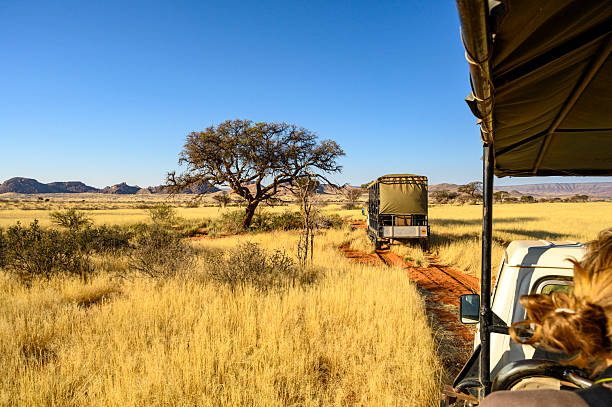
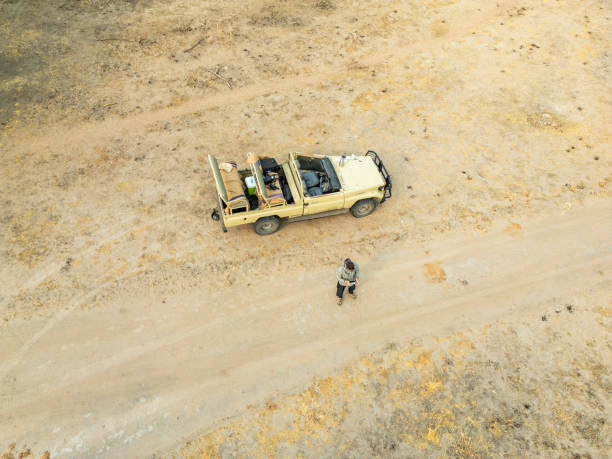
Understanding Airport Security Rules in Tanzania: A Complete Guide
Traveling to Tanzania for an unforgettable safari, a challenging Kilimanjaro climb, or a relaxing Zanzibar beach holiday is an exciting prospect. To ensure your journey is as smooth as possible, understanding the Airport Security Rules in Tanzania is crucial. This guide provides detailed information for travelers planning their trips in 2026 and 2027, covering everything from what you can and cannot pack to customs procedures and general airport etiquette. Knowing these rules will help you avoid delays and unnecessary stress, allowing you to focus on the incredible experiences that await you.
Quick Facts for Tanzania Airports
| Aspect | Details |
|---|---|
| Primary International Airports | Kilimanjaro International Airport (JRO), Julius Nyerere International Airport (DAR) |
| Other Key Airports | Abeid Amani Karume International Airport (ZNZ) for Zanzibar |
| Security Agency | Tanzania Airports Authority (TAA) Security, in coordination with other national security bodies. |
| Liquids Rule | Generally follows the 3-1-1 rule (3.4 oz/100ml containers in one quart-sized clear bag) for carry-on, though stricter checks can occur. |
| Prohibited Items (General) | Explosives, firearms (unless declared and permitted), flammable materials, sharp objects (beyond specific limits), certain chemicals. |
| Duty-Free Allowances | Standard allowances for alcohol, tobacco, and perfumes apply; check current regulations upon arrival. |
| Customs Declaration | Required for certain goods, including large amounts of currency, commercial items, and restricted goods. |
Navigating Tanzania’s Airport Security: What to Expect
Tanzania’s airport security operates with the primary goal of ensuring the safety and security of all passengers and staff. While procedures are similar to international standards, there can be local nuances. Understanding these can make your arrival and departure much smoother. For travelers arriving in 2026 or 2027, familiarizing yourself with these rules before you pack will save considerable time and potential hassle at the airport.
Arrival Procedures
Upon arrival at JRO, DAR, or ZNZ, you will proceed through immigration, baggage claim, and then customs. Security checks are integrated into these processes. Be prepared to present your passport, visa (if required), and any necessary health declarations. Baggage screening is standard, and customs officers will be present to inspect declarations and answer any questions.
Departure Procedures
Departing from Tanzania involves check-in, security screening, and immigration. The security screening process for departing passengers is thorough. You will be asked to remove certain items from your carry-on baggage for individual screening. This typically includes electronics larger than a mobile phone, liquids, and any items that may be flagged by the X-ray scanner.
Carry-On Baggage Rules in Tanzania
Your carry-on baggage is the bag you take with you into the aircraft cabin. Strict rules apply to what you can bring in this bag to ensure passenger safety. For travelers to Tanzania in 2026-2027, adhering to these guidelines is essential.
Liquids, Aerosols, and Gels (LAGs)
The international standard for liquids in carry-on baggage generally applies. This means:
- All liquids, aerosols, and gels must be in containers of 100ml (3.4 ounces) or less.
- These containers must be placed inside a single, transparent, resealable plastic bag of approximately 20cm x 20cm (8 inches x 8 inches).
- Each passenger is limited to one such bag.
- This bag must be removed from your carry-on luggage and placed separately in the security screening tray.
Exceptions: Essential medicines, baby food, and special dietary requirements may be permitted in larger quantities, but you may be asked to provide proof or undergo additional screening. It is always best to declare these items to security personnel.
Electronic Devices
Laptops, tablets, and larger electronic devices usually need to be removed from your carry-on bag and screened separately. Ensure they are easily accessible. Smaller devices like mobile phones and cameras are typically allowed to remain in your bag, but always be prepared for individual inspection.
Sharp Objects and Tools
Most sharp objects intended for practical use are prohibited in carry-on baggage. This includes knives (with blades longer than 6 cm or 2.4 inches), scissors (with blades longer than 6 cm or 2.4 inches), box cutters, and razor blades. Small nail scissors or electric shavers are usually permitted.
Other Prohibited Items in Carry-On
- Firearms and ammunition (unless declared and properly stored in checked baggage, subject to strict regulations).
- Explosive and flammable substances (e.g., fireworks, lighter fluid).
- Self-defense sprays (e.g., pepper spray).
- Sporting equipment that can be used as a bludgeon (e.g., baseball bats, golf clubs).
- Certain types of batteries (e.g., loose lithium batteries, which should ideally be in carry-on, but rules can vary).
Checked Baggage Rules for Tanzania
Checked baggage is the luggage you hand over to the airline at the check-in counter. While security is less stringent on what you can pack in terms of size and quantity, certain items remain prohibited for safety reasons.
Prohibited Items in Checked Baggage
- Explosives and Flammable Materials: Fireworks, flares, lighter fluid, gasoline, paints, and aerosols that are flammable.
- Batteries: Loose lithium batteries are generally not allowed in checked baggage due to fire risk. They should be in carry-on. Spare batteries for personal use are often permitted in carry-on only.
- Self-Heating Products: Certain items that heat themselves chemically.
- Chemicals: Oxidizers and organic peroxides.
- Weapons: While firearms can sometimes be transported in checked baggage, they must be declared, unloaded, and securely packed in a locked case. Ammunition also has strict regulations. It is highly recommended to check with your airline well in advance for their specific policies and Tanzanian import/export regulations.
Baggage Allowances
Baggage allowances vary significantly by airline and fare class. Always check your airline’s website for:
- Weight limits for checked bags (often 20-23 kg for economy, more for business/first class).
- Number of checked bags allowed.
- Size restrictions for both checked and carry-on luggage.
For safaris in Tanzania, especially when using light aircraft transfers between parks, strict weight limits (often 15-20 kg total, including hand luggage and camera equipment) are common. This is a critical detail to note for your 2026-2027 travel plans.
Customs Regulations in Tanzania
When you arrive in Tanzania, you will pass through customs after collecting your baggage. This is where you declare items you are bringing into the country. Understanding these regulations helps prevent issues.
Items to Declare
- Currency: If you are carrying more than USD 10,000 (or its equivalent) in cash or traveler’s checks, you must declare it.
- Commercial Goods: Items intended for sale or business use.
- Restricted Goods: Certain items require special permits or are prohibited.
- Alcohol and Tobacco: While there are allowances for personal use, exceeding them requires declaration and potential duty payment. Typically, this is around 1 litre of spirits and 200 cigarettes or 50 cigars.
- New Electronics: While generally allowed for personal use, very large quantities might raise questions.
Prohibited Items for Import
- Narcotics and Illegal Drugs.
- Pornographic materials.
- Unauthorised firearms and ammunition.
- Certain agricultural products without proper phytosanitary certificates to prevent the introduction of pests and diseases.
- Second-hand clothing in large commercial quantities (personal use is generally fine).
What You Can Bring Duty-Free (for personal use)
- A reasonable quantity of personal effects.
- A reasonable amount of tobacco products (e.g., 200 cigarettes) and alcoholic beverages (e.g., 1 litre).
- Perfumes and toiletries for personal use.
It is always wise to check the latest official Tanzanian Revenue Authority (TRA) guidelines for up-to-date information relevant to your 2026-2027 trip.
Specific Considerations for Safari and Kilimanjaro Travelers
For those planning a Tanzanian safari or a Kilimanjaro trek, specific packing and security considerations apply, often dictated by the logistics of travel within the country.
Light Aircraft Transfers
Many safari itineraries involve travel between national parks via light aircraft. These planes have strict weight and size limitations for baggage, often around 15-20 kg (33-44 lbs) per person, including hand luggage. Soft-sided duffel bags are usually preferred over hard-shell suitcases, as they are easier to load and fit into the aircraft’s limited cargo space. Ensure your main luggage complies with these requirements; excess baggage may need to be forwarded separately at an additional cost or left behind.
Kilimanjaro Trekking Gear
While trekking, you’ll have a main backpack and a daypack. Your main backpack is carried by porters. Security in terms of items you carry on your person is important for preventing loss or theft, especially in communal areas like campsites or huts. For the main duffel bag carried by porters, ensure it’s durable and waterproof. Items like sleeping bags, warm clothing, and personal effects are essential. Avoid packing valuables that you cannot afford to lose, as porterage involves a lot of handling.
Valuables and Electronics on Safari
When on safari, you’ll likely have your camera gear, phones, and perhaps a tablet. Keep these items secure and with you at all times. Your safari vehicle has limited space, and your guide will assist, but personal vigilance is key. For electronics, consider bringing portable power banks as charging opportunities can be infrequent, especially on remote safari camps.
Prohibited Items for Park Entry
While not strictly airport security, some national parks and conservation areas have rules about what can be brought in. For example, single-use plastics are banned in many Tanzanian national parks. Check with your tour operator for specific park regulations.
Planning Your Travel in 2026-2027: Key Security Tips
Preparing in advance is the best way to ensure a smooth travel experience through Tanzania’s airports. Here are some planning tips for 2026-2027 trips:
1. Pack Smartly
- Check Airline Policies: Before you even pack, review your airline’s baggage rules for both carry-on and checked luggage.
- Duffel Bags for Safaris: If your itinerary includes light aircraft transfers, opt for soft-sided duffel bags.
- Liquids Management: Consolidate your liquids according to the 3-1-1 rule for carry-on. Consider solid toiletries to bypass liquid restrictions.
- Valuables in Carry-On: Always keep essential medications, travel documents, electronics, and valuables in your carry-on bag.
2. Documents and Identification
- Passport Validity: Ensure your passport is valid for at least six months beyond your intended stay and has sufficient blank pages.
- Visas: Check visa requirements for your nationality and apply in advance if necessary.
- Health Certificates: Yellow fever vaccination certificates may be required, especially if arriving from or transiting through certain countries. Check current health advisories.
3. Pre-Book and Confirm
If you are using a tour operator, they will guide you on specific packing needs and any logistical considerations related to airport security and internal travel. Confirm baggage allowances and any special requirements for internal flights with your operator.
4. Stay Informed
Airport security rules can change. Before your 2026 or 2027 trip, check the official websites of the Tanzania Airports Authority and your airline for any last-minute updates.
Common Mistakes to Avoid Regarding Airport Security
Many travelers encounter minor hiccups at airports due to a lack of awareness about security rules. Here are some common mistakes to steer clear of:
- Packing prohibited items in carry-on: This is the most frequent mistake. Items like large scissors, nail files, or even certain toiletries can cause delays.
- Ignoring liquid rules: Trying to bring larger liquid containers in carry-on is a common reason for items being confiscated.
- Not checking airline baggage weight/size limits: Especially critical for safari trips with light aircraft. Arriving at the airport with overweight or oversized bags can lead to expensive re-packing or baggage being left behind.
- Not declaring items: Failing to declare currency above the limit or restricted goods can result in fines or confiscation.
- Packing essential medications in checked baggage: Always keep vital medications in your carry-on.
- Confusing carry-on and checked baggage rules: What’s allowed in one might be prohibited in the other.
Who is This Information For?
This comprehensive guide on Airport Security Rules in Tanzania is designed for all international travelers planning to visit the country. Specifically, it is invaluable for:
- First-time visitors to Tanzania: Providing a clear overview of what to expect.
- Safari enthusiasts: Highlighting specific baggage needs for light aircraft transfers.
- Kilimanjaro trekkers: Offering insights into packing for the climb and porterage.
- Zanzibar holidaymakers: Ensuring a smooth entry and exit from the island.
- Independent travelers and those using tour operators: Offering foundational knowledge for everyone.
- Anyone traveling in 2026 or 2027: Keeping you updated with current international and local airport security standards.
Alternatives to Standard Airport Security Concerns
While understanding airport security rules is vital, focusing on the positive aspects of your travel can also ease your mind. Consider these alternatives to dwelling on potential security issues:
- Focus on the Experience: Shift your attention to the incredible wildlife, stunning landscapes, and vibrant culture you will encounter.
- Trust Your Tour Operator: Reputable operators like Best Tanzania Tour Operator (Top Guide Adventures) are experienced in handling logistical challenges, including advising on baggage and travel requirements.
- Pack a Positive Attitude: Approaching your journey with flexibility and a sense of adventure can help you navigate any minor challenges with grace.
- Embrace the Local Culture: Be open to the rhythm of local life. Sometimes things move at a different pace, and patience is key.
Planning Your Tanzania Adventure for 2026-2027
Planning a trip to Tanzania for 2026 or 2027 is an excellent idea. The country offers diverse experiences, from the Serengeti and Ngorongoro Crater to Mount Kilimanjaro and the beaches of Zanzibar. Here’s a simplified planning overview:
| Stage | Action | Notes for 2026-2027 |
|---|---|---|
| 1. Inspiration & Research | Define your interests (safari, trek, beach, culture). | Consider peak seasons vs. shoulder seasons for wildlife viewing and trekking conditions. |
| 2. Choose Destinations & Activities | Select parks, Kilimanjaro route, Zanzibar activities. | Book popular accommodations and Kilimanjaro permits well in advance, especially for 2027. |
| 3. Select a Tour Operator | Find a reputable operator. | Look for operators with strong reviews, clear communication, and experience with safari logistics and Kilimanjaro. Top Guide Adventures is a great option. |
| 4. Itinerary & Budgeting | Develop a detailed itinerary and estimate costs. | Factor in internal flights, park fees, accommodation, guides, and potential visa costs. |
| 5. Book Flights & Accommodation | Secure international flights and book your tour package. | Early booking for 2027 can secure better prices and availability. |
| 6. Visas & Vaccinations | Apply for visas and consult your doctor for necessary vaccinations. | Check Tanzania’s official immigration website for visa requirements and health advisories for 2026-2027. |
| 7. Packing & Preparation | Gather appropriate gear and clothing. | Pay close attention to baggage restrictions for internal flights and Kilimanjaro porterage. Understand Airport Security Rules in Tanzania. |
| 8. Final Checks | Confirm bookings, insurance, and travel documents. | Share your itinerary with family/friends. Ensure you have travel insurance. |
Booking Your Tanzania Adventure: Expert Advice
When booking your safari, Kilimanjaro trek, or Zanzibar holiday with a reputable operator, you gain peace of mind knowing that logistics are handled. For your 2026-2027 travel plans, consider these points:
- Customization: Work with your operator to tailor an itinerary that suits your interests, budget, and time.
- Inclusions: Clearly understand what is included in your package (accommodation, meals, park fees, guides, transfers, internal flights) and what is not (international flights, visas, tips, personal expenses).
- Payment Schedule: Reputable operators will have a clear payment schedule, typically a deposit upon booking and the balance due a few weeks before travel.
- Cancellation Policy: Review the operator’s cancellation and refund policy carefully.
- Communication: Choose an operator that communicates clearly and promptly. This is a good indicator of their professionalism.
Ready to plan your dream Tanzania trip for 2026 or 2027? Contact us for expert advice and tailor-made itineraries. We specialize in creating unforgettable safari adventures, Kilimanjaro climbs, and Zanzibar getaways.
WhatsApp: +255616946642
Email: topguideadventures@gmail.com
Backup Email: info@topguideadventures.com
Frequently Asked Questions (FAQs)
Q1: What are the main airports in Tanzania for international arrivals?
The two primary international airports are Kilimanjaro International Airport (JRO), serving the northern safari circuit and Mount Kilimanjaro, and Julius Nyerere International Airport (DAR) in Dar es Salaam, serving the southern circuit and Zanzibar. Zanzibar also has its own international airport, Abeid Amani Karume International Airport (ZNZ).
Q2: Are the airport security rules in Tanzania similar to other countries?
Yes, Tanzania generally adheres to international aviation security standards, including rules for liquids in carry-on baggage and prohibitions on dangerous items. However, local implementation can sometimes vary, and it’s always best to be prepared and compliant.
Q3: What is the limit for liquids in carry-on baggage in Tanzania?
The standard international limit applies: liquids, aerosols, and gels must be in containers of 100ml (3.4 oz) or less, all placed inside a single, transparent, resealable plastic bag of approximately 20cm x 20cm. Each passenger is allowed only one such bag.
Q4: Can I bring firearms to Tanzania?
Bringing firearms into Tanzania is strictly regulated and generally not permitted for tourists. If you are a licensed firearm holder and require specific permits for sport hunting or other legitimate purposes, you must declare them well in advance and follow strict import procedures. It’s highly recommended to leave firearms at home for a standard safari or trekking trip.
Q5: What are the baggage weight restrictions for safari flights in Tanzania?
For light aircraft transfers commonly used for safaris, baggage weight limits are usually strict, often around 15-20 kg (33-44 lbs) per person, including hand luggage. Soft-sided duffel bags are preferred. Always confirm the exact limit with your airline and tour operator, especially if planning for 2026-2027 travel.
Q6: Are there any specific items prohibited in national parks in Tanzania?
Yes, single-use plastics are banned in many Tanzanian national parks and conservation areas to protect the environment. Ensure you avoid bringing items like plastic water bottles that are not reusable or items with excessive plastic packaging.
Q7: What should I do if I have essential medication that exceeds the liquid limit?
Essential medications in liquid form exceeding the 100ml limit are usually permitted in carry-on baggage. However, you must declare them to security personnel and may be asked to provide a doctor’s note or prescription. It’s wise to carry them in their original packaging.
Q8: Do I need to declare currency when entering Tanzania?
Yes, if you are carrying more than USD 10,000 (or its equivalent) in cash or traveler’s checks, you must declare it to customs upon arrival. Failure to do so can result in penalties.
Q9: What happens if my baggage is overweight for a domestic safari flight?
If your baggage exceeds the weight limit for a domestic safari flight, you will likely be required to pay an excess baggage fee, or the excess baggage may need to be shipped separately at your own cost. In some cases, it may be left behind if space is unavailable.
Q10: Are there any specific security rules for climbing Mount Kilimanjaro?
While airport security applies upon arrival, on the mountain itself, the primary concern is safety and proper gear. Ensure your duffel bag (carried by porters) is well-packed with essentials and that your daypack contains items you need during the trek (water, snacks, camera, rain gear). Avoid carrying excessive valuables on the mountain.
Q11: When is the best time to plan airport procedures for my 2026-2027 trip to Tanzania?
It’s best to familiarize yourself with Airport Security Rules in Tanzania well in advance, ideally during the planning phase. This allows you to pack correctly and avoid last-minute confusion. Reviewing these rules a week or two before your departure is also recommended as policies can change.
Understanding and adhering to Airport Security Rules in Tanzania is a fundamental step towards a stress-free and enjoyable travel experience. Whether you are arriving for a thrilling safari, an ambitious Kilimanjaro trek, or a serene Zanzibar holiday, being prepared ensures you can focus on what truly matters: experiencing the magic of Tanzania.
Ready to plan your unforgettable adventure in Tanzania for 2026 or 2027? Let Top Guide Adventures help you create a personalized itinerary. We offer expert guidance on safaris, Kilimanjaro climbs, and Zanzibar tours.
Contact us today:
WhatsApp: +255616946642
Email: topguideadventures@gmail.com
Backup Email: info@topguideadventures.com
Plan your Airport Security Rules in Tanzania with Top Guide Adventures
Tell us your travel dates, group size, comfort level, and dream experience. We will help you shape a clear, realistic, and memorable Tanzania itinerary.







 Veedesigner
 Fatma Kizanga
 Benjamin Waryuba
 Philip Philip
 John jr Itaja
 Antonia Optatus
 Edith Kanyere
 Neema Iddy
 Kelvin Boniphace
 Damari Maiga



