
Updated planning guide for 2026-2027
Baggage Rules For Domestic Flights In Tanzania: Complete Guide 2026-2027
Planning a trip to Tanzania? Understanding baggage rules for domestic flights is crucial for a smooth journey. This guide covers allowances, restrictions, and packing tips for safaris, Kilimanjaro treks, and Zanzibar holidays.
WhatsApp +255616946642 | topguideadventures@gmail.com | info@topguideadventures.com
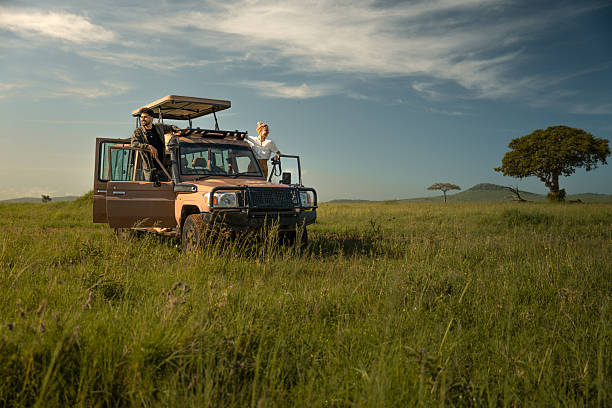
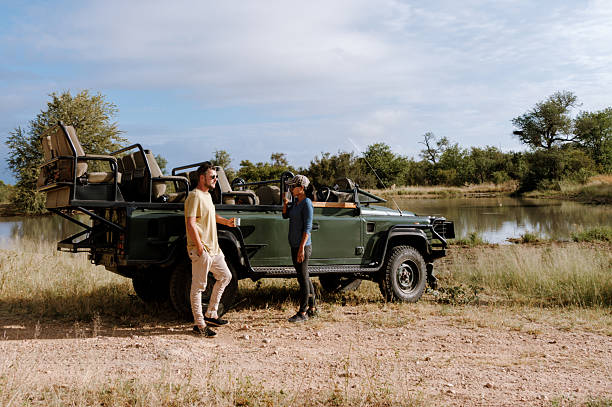
Baggage Rules for Domestic Flights in Tanzania: Your Essential Travel Guide
Traveling within Tanzania, whether for an unforgettable safari adventure, a challenging Kilimanjaro climb, or a relaxing Zanzibar beach holiday, often involves domestic flights. These flights connect major hubs and remote airstrips, making them a vital part of many itineraries. However, understanding the specific baggage rules for domestic carriers is essential to avoid last-minute stress, unexpected fees, or the difficult decision of leaving items behind. This comprehensive guide provides all the details you need to pack smart and fly with confidence for your 2026-2027 Tanzania trip.
Airlines operating within Tanzania, particularly those servicing safari routes and smaller airstrips, often have stricter regulations than international carriers due to aircraft size, runway conditions, and operational constraints. These rules primarily focus on weight and size, but also include restrictions on certain types of items. Knowing these specifics upfront allows for better planning and ensures your journey is as comfortable and efficient as possible.
Why Baggage Rules Matter for Tanzania Domestic Flights
Domestic flights in Tanzania are often operated by smaller aircraft, especially when flying to remote safari camps or islands. These planes have limitations on payload (the total weight they can carry), which directly impacts baggage allowances. Exceeding these limits can lead to:
- Additional Fees: Airlines will charge for excess baggage, sometimes at a significant rate per kilogram.
- Delayed Departures: If baggage weight is an issue, it can hold up the flight while solutions are found.
- Items Left Behind: In extreme cases, if weight cannot be managed, passengers may be asked to leave items at the departure point.
- Safety Concerns: Aircraft weight and balance are critical for flight safety.
For travelers heading to places like the Serengeti, Ngorongoro Conservation Area, or the Kilimanjaro region, understanding these rules means you can focus on the incredible experiences ahead, not on baggage worries.
| Aspect | Details |
|---|---|
| Standard Checked Baggage Allowance | Typically 15-20 kg per person (often includes a small duffel bag). |
| Carry-on Baggage | Usually a small personal item, weight and size strictly limited. |
| Excess Baggage Fees | Charged per kilogram over allowance; varies by airline. |
| Soft Bags vs. Hard Suitcases | Soft-sided duffel bags are strongly preferred, especially for bush flights. |
| Prohibited Items | Flammables, explosives, sharp objects, certain electronics, large batteries. |
| Special Baggage (e.g., camping gear, trekking poles) | Requires advance notification and approval; may incur extra charges. |
Understanding the Types of Domestic Flights in Tanzania
Tanzania’s vast landscapes and popular tourist destinations necessitate various modes of air travel. Recognizing the type of flight you’ll be taking helps in anticipating baggage requirements.
Safari Bush Flights
These are perhaps the most common type of domestic flight for tourists. They connect major airports (like Kilimanjaro International Airport – JRO, or Julius Nyerere International Airport – DAR) to remote airstrips within national parks and game reserves. Airlines like Coastal Aviation, Auric Air, and Precision Air operate these routes. Aircraft are often smaller, like Cessna Caravans or Twin Otters, designed to land on unpaved airstrips.
Baggage Considerations:
- Weight is King: The 15-20 kg limit is strictly enforced.
- Soft Bags Only: Hard-shell suitcases are generally not permitted as they are difficult to load into the smaller cargo holds and can damage other luggage. A soft-sided duffel bag is essential.
- Dimensions Matter: Even within the weight limit, the size of your duffel bag is important. It needs to fit into the aircraft’s baggage compartment.
Kilimanjaro Trekking Flights
While most Kilimanjaro trekkers fly into JRO and are met by ground transport, some might opt for flights to smaller airports closer to the mountain’s base or for onward travel after their trek. If your itinerary involves flying out from a regional airport after descending Kilimanjaro, the same bush flight rules generally apply.
Baggage Considerations:
- Gear Management: Ensure your trekking gear, if being flown out, fits within the allowance. You might need to store excess gear at your hotel or with your trekking operator.
- Post-Trek Relaxation: If flying to Zanzibar or another coastal destination post-climb, your duffel bag will be crucial for carrying your lighter trekking clothes and any souvenirs.
Zanzibar and Coastal Flights
Flights between mainland Tanzania (Dar es Salaam, Arusha) and Zanzibar, or to other coastal towns like Tanga or Mafia Island, are also common. These routes might be served by slightly larger aircraft than bush flights, but baggage rules can still be restrictive, especially on smaller island-hopper services.
Baggage Considerations:
- Leisure Focus: You might be tempted to pack more for a beach holiday, but remember the weight limits.
- Inter-Island Travel: If you plan to hop between islands, check specific baggage rules for each leg.
Regional Flights
Airlines like Precision Air also operate regional routes connecting cities like Arusha, Kilimanjaro, Dar es Salaam, Mwanza, and Zanzibar. These flights might use larger aircraft, but it’s always best to confirm the specific baggage allowance for your booking.
Detailed Baggage Allowances by Airline (General Guidelines)
It’s crucial to note that baggage allowances can change. Always verify the most current rules directly with the airline you are flying with or through your tour operator. The following are general guidelines for common domestic carriers in Tanzania as of our last update, relevant for 2026-2027 travel planning.
Coastal Aviation
Coastal Aviation is a primary operator for many safari routes. They are known for their adherence to weight limits due to the nature of their operations.
- Checked Baggage: Typically 15 kg (33 lbs) per passenger.
- Carry-on: A very small personal item, usually a handbag or small camera bag.
- Bags: Soft-sided duffel bags are mandatory. Maximum dimensions often around 20 inches (length) x 12 inches (height) x 10 inches (width).
- Excess Baggage: Charged per kilogram, often at a rate that makes it advisable to pack light.
Auric Air
Auric Air serves numerous remote airstrips and adheres to similar strict policies.
- Checked Baggage: Generally 15 kg (33 lbs) per passenger.
- Carry-on: Limited to a small personal item.
- Bags: Soft duffel bags are required.
- Excess Baggage: Available on a space-permitting basis and at an additional cost per kg.
Precision Air
Precision Air operates a mix of smaller and larger aircraft on its network.
- Checked Baggage: For smaller aircraft routes (similar to bush flights), expect 15-20 kg. For larger aircraft on more established routes, it might be closer to 20-23 kg, but always confirm.
- Carry-on: Standard cabin bag allowance, but size and weight are checked, especially on smaller planes.
- Bags: Soft bags are preferred, especially for flights connecting to safari lodges.
Other Operators (e.g., Safari Air Link, ZanAir)
These airlines often cater to specific regions or lodge transfers and will have similar weight and bag type restrictions, typically around 15-20 kg in soft bags.
| Airline | Typical Checked Weight | Carry-On | Bag Type Preference | Notes |
|---|---|---|---|---|
| Coastal Aviation | 15 kg (33 lbs) | Small personal item | Soft Duffel Bag Only | Strict enforcement, small aircraft. |
| Auric Air | 15 kg (33 lbs) | Small personal item | Soft Duffel Bag Only | Remote airstrip focus. |
| Precision Air (Bush Flights) | 15-20 kg (33-44 lbs) | Limited | Soft Duffel Bag Preferred | Aircraft dependent. |
| Precision Air (Regional Flights) | 20-23 kg (44-50 lbs) | Standard Cabin Bag | Soft or Hard Case | Larger aircraft, but check. |
| Safari Air Link / ZanAir | 15-20 kg (33-44 lbs) | Small personal item | Soft Duffel Bag Required | Lodge transfers, island hops. |
What Constitutes a ‘Soft Bag’?
This is a critical point for anyone flying domestically in Tanzania. A ‘soft bag’ typically refers to a flexible, fabric-based duffel bag. Think of a sturdy gym bag or a travel duffel with a zipper closure and handles.
- Why Soft Bags?
- Space Efficiency: They can be more easily compressed and fitted into the often oddly shaped cargo holds of small aircraft.
- Loading Ease: They are less likely to damage the aircraft interior or other luggage during loading and unloading.
- Handling: Easier for ground crews to manage, especially at remote airstrips.
What to Avoid:
- Hard-shell suitcases: These are rigid and cannot be easily manipulated to fit into tight spaces.
- Backpacks (large trekking style): While some operators might allow smaller daypacks as carry-on, large trekking backpacks are often too bulky and awkward for bush flights unless specifically pre-approved and packed carefully.
- Bags with rigid frames or excessive external pockets/straps.
Tip: Many tour operators, including us at Top Guide Adventures, can provide or recommend suitable duffel bags for your safari. Ensure your duffel bag’s dimensions are also within reasonable limits, typically around 30 inches (75 cm) in length.
Carry-On Baggage Rules
Carry-on allowances on domestic Tanzanian flights are usually very minimal. This is primarily due to the limited space in the aircraft cabin and the focus on keeping the aircraft weight down.
- Personal Item Only: Expect to be allowed only one small personal item, such as a handbag, a small camera bag, or a laptop case.
- Weight and Size: Even this small item will have strict weight and size limits. It must fit under the seat in front of you.
- Valuables and Essentials: This is where you should pack your passport, visa, flight tickets, wallet, medications, phone, camera, and any essential electronics.
Given these restrictions, it’s best to pack everything you need for the flight into this one small item. Large backpacks or carry-on suitcases are generally not permitted as carry-on luggage on bush flights.
Prohibited and Restricted Items
As with all air travel, certain items are forbidden for safety reasons. Domestic carriers in Tanzania are particularly cautious.
Items Strictly Prohibited:
- Explosives and Flammables: Fireworks, flares, flammable liquids (like gasoline, lighter fluid), aerosols (unless toiletries), and compressed gases.
- Weapons: Firearms, ammunition, knives, and other sharp objects. These must be declared and transported according to specific airline and aviation security regulations, usually not permitted on domestic flights.
- Corrosives: Acids, alkalis, mercury, and wet cell batteries.
- Radioactive Materials.
- Poisons and Infectious Substances.
Restricted Items (May Require Special Approval or Packaging):
- Lithium Batteries: While personal electronics like phones and laptops are allowed, spare lithium batteries (e.g., for power banks or cameras) must often be carried in carry-on luggage and may have quantity restrictions. Check airline policy.
- Liquids, Gels, Aerosols: Generally subject to the same rules as international flights (e.g., 100ml containers in a clear bag), but enforcement can vary. Toiletries are usually fine within the checked baggage limit.
- Medical Equipment: If you need to travel with medical supplies or equipment, inform the airline well in advance.
- Sports Equipment: Items like golf clubs, fishing gear, or large camping equipment may need to be shipped separately or transported on specific flights with prior arrangement and potential extra cost.
Important Note on Medications:
Always carry essential medications in your small carry-on bag. Keep them in their original packaging with a prescription if possible. Inform your tour operator if you have specific medical needs that require special equipment or handling.
Packing for Tanzania: Smart Strategies for Domestic Flights
Packing light and smart is the golden rule for domestic flights in Tanzania. Your packing strategy will directly impact your comfort and adherence to airline rules.
The Duffel Bag Strategy
Invest in a good quality, soft-sided duffel bag. Aim for one that is around 30 inches (75 cm) long. This size usually accommodates enough clothing for a safari or beach trip while remaining manageable.
What to Pack (and How):
- Clothing: Lightweight, breathable fabrics are best. Neutral colors (khaki, beige, olive green) are ideal for safaris as they don’t startle wildlife. Pack layers for cooler mornings and evenings. For Zanzibar, light cottons and beachwear are suitable.
- Footwear: Comfortable walking shoes or trainers. For Kilimanjaro, sturdy hiking boots are essential. Pack sandals or flip-flops for relaxing.
- Toiletries: Travel-sized toiletries are recommended to save space and weight. Sunscreen, insect repellent, and a hat are essential.
- Electronics: Camera, phone, chargers, and a power bank. Ensure spare batteries are packed according to airline rules (usually in carry-on).
- Documents: Passport, visa, flight details, insurance, and copies. Keep these in your small carry-on.
Weight Management Tips:
- Roll, Don’t Fold: Rolling clothes can save space and reduce wrinkles.
- Packing Cubes: These help compress clothing and organize your duffel bag.
- Wear Bulky Items: Wear your heaviest shoes and jacket on the flight if possible.
- Travel-Sized Everything: Opt for travel-sized toiletries and consider multi-purpose items.
- Share When Possible: If traveling with a partner or group, coordinate to avoid duplicate items like hairdryers (often not needed anyway).
What NOT to Pack in Your Duffel Bag (for Bush Flights):
- Large Hard-Shell Suitcases
- Bulky Backpacks (unless specifically approved and packed flat)
- Anything deemed prohibited or restricted by airlines.
Special Considerations for Safari and Kilimanjaro
These iconic Tanzanian experiences have specific packing needs that must align with domestic flight baggage rules.
Safari Packing
The key is versatility and adherence to weight limits. Your duffel bag will likely contain:
- Lightweight trousers and shirts (neutral colors).
- A fleece or warm jacket for early morning game drives.
- A wide-brimmed hat.
- Sunglasses.
- Comfortable walking shoes.
- Swimsuit (for lodges with pools).
- Binoculars (essential!).
If you have extra safari gear (e.g., specialized photography equipment), discuss this with your tour operator well in advance. Sometimes, larger items can be stored at the main airport hotel or with the operator if you’re returning to the same location.
Kilimanjaro Trekking Packing
While you’ll need specialized gear for the climb, much of it might be rented or provided by your trekking company. The gear you bring yourself must fit into your duffel bag for the flight to Kilimanjaro’s gateway town or for the flight out after your descent.
- Essential Clothing: Thermal layers, waterproofs, fleece, hiking socks.
- Footwear: Broken-in hiking boots.
- Accessories: Warm hat, gloves, sunglasses, headlamp.
Important: If you’re flying domestically after your trek to Zanzibar or another destination, ensure your trekking gear is cleaned and packed efficiently into your duffel. You might arrange to leave non-essential items at your hotel in Moshi or Arusha.
Common Mistakes to Avoid with Baggage Rules
Travelers often make similar errors when it comes to domestic flight baggage in Tanzania. Being aware of these can save you trouble.
- Assuming International Rules Apply: Domestic carriers, especially those serving remote areas, are far stricter than international airlines.
- Packing a Hard Suitcase: This is a frequent mistake. Bush planes simply cannot accommodate them easily.
- Ignoring Weight Limits: Even a few kilograms over can result in hefty fees or the need to leave items behind.
- Not Checking with the Airline/Operator: Allowances can change. Always confirm directly.
- Packing Prohibited Items: Bringing aerosols, sharp objects, or flammable items can lead to confiscation.
- Not Having Documents Accessible: Keep your passport and flight info in your small carry-on, not in your checked duffel.
Who is This Guide Best For?
This guide is essential for any traveler planning a trip to Tanzania that involves domestic flights, including:
- Safari Enthusiasts: Flying between parks like the Serengeti, Ngorongoro, Tarangire, or to islands like Mafia.
- Kilimanjaro Trekkers: Those flying into Kilimanjaro International Airport (JRO) or regional airports, or flying out after their trek.
- Zanzibar Holidaymakers: Connecting from mainland Tanzania or traveling between islands.
- Adventure Seekers: Exploring diverse regions of Tanzania via air.
- Anyone seeking a smooth and stress-free travel experience.
Alternatives to Domestic Flights
While domestic flights are often the most efficient way to cover long distances in Tanzania, alternatives exist, each with its own pros and cons:
- Private Road Transfers: For shorter distances or between specific lodges/camps, private vehicle transfers can be arranged. This offers more flexibility with baggage but is significantly slower for long distances.
- Scheduled Bus Services: For the budget-conscious traveler moving between major cities like Arusha and Dar es Salaam, buses are an option. However, they are very slow, less comfortable, and not suitable for reaching remote safari locations. Baggage handling can also be less secure.
- Charter Flights: For groups or luxury travelers, private charter flights offer maximum flexibility in terms of schedule and baggage, but at a considerably higher cost.
For most safari itineraries and efficient travel, domestic flights remain the preferred method, making adherence to baggage rules paramount.
Planning Your 2026-2027 Tanzania Trip: Baggage Considerations
As you plan your adventures for 2026 and 2027, keep these baggage-specific planning tips in mind:
- Book with Knowledgeable Operators: Choose tour operators who clearly communicate baggage restrictions and can advise on packing. Top Guide Adventures is experienced in managing these details for our clients.
- Factor Baggage into Your Budget: While excess baggage fees aren’t always high, they add up. Packing light from the start saves money.
- Purchase Appropriate Luggage: Invest in a suitable duffel bag before you travel.
- Communicate Special Needs Early: If you have medical equipment or need to transport larger items, discuss this with your operator and the airline months in advance.
- Pack Smart for Connections: If you have international flights followed by domestic ones, ensure your luggage is compliant for both legs. You might need to repack at the international airport.
| Task | Timeline | Notes |
|---|---|---|
| Confirm Domestic Flight Baggage Rules | 6-12 Months Before Travel | Check with airline or tour operator for 2026-2027 allowances. |
| Purchase Suitable Duffel Bag | 4-8 Months Before Travel | Ensure it meets size and type requirements. |
| Plan Luggage Contents | 3-6 Months Before Travel | Focus on lightweight, versatile items. |
| Arrange for Storage of Excess Items | 1-3 Months Before Travel | If needed, coordinate with hotels or tour operator. |
| Pack Valuables & Essentials in Carry-On | 1 Week Before Travel | Ensure it fits airline’s small personal item limit. |
| Weigh Your Packed Duffel | 1-2 Days Before Travel | Adjust contents to meet weight limits. |
Booking Advice: Securing Your Flights and Ensuring Compliance
When booking your Tanzanian adventure, especially safaris or Kilimanjaro treks that involve multiple internal flights, work with an experienced tour operator. We at Top Guide Adventures specialize in crafting seamless itineraries that account for these critical details.
How We Help:
- Pre-booked Flights: We include domestic flight bookings in your package, ensuring they meet the requirements of your itinerary and the baggage allowances.
- Clear Communication: We provide detailed packing lists and advice tailored to your specific trip and the airlines you’ll be using.
- Logistical Support: If you have oversized items or need to store luggage, we can help arrange solutions.
- Expert Advice: Our team understands the nuances of Tanzanian travel, from the best safari routes to the most efficient flight connections.
Booking Your Tanzania Tour:
To plan your dream safari, Kilimanjaro climb, or Zanzibar holiday, get in touch with us. We’ll ensure your itinerary, including all domestic travel, is planned with meticulous attention to detail, including all baggage rules for domestic flights in Tanzania.
Contact us:
- WhatsApp: +255616946642
- Email: topguideadventures@gmail.com
- Backup Email: info@topguideadventures.com
Frequently Asked Questions (FAQs)
Q1: What is the typical baggage allowance for domestic flights in Tanzania?
A1: For most domestic flights in Tanzania, especially those on smaller aircraft serving safari destinations, the typical checked baggage allowance is 15 kg (33 lbs) per person. Some routes on slightly larger aircraft might allow up to 20 kg (44 lbs). Always confirm with your specific airline or tour operator.
Q2: Can I bring a hard-shell suitcase on a domestic flight in Tanzania?
A2: No, hard-shell suitcases are generally not permitted on domestic bush flights in Tanzania. Aircraft cargo holds are often small and irregularly shaped, requiring flexible, soft-sided duffel bags that can be compressed and easily loaded.
Q3: What if my luggage is over the weight limit for a domestic flight?
A3: If your luggage exceeds the weight limit, you will likely be charged an excess baggage fee per kilogram. In some cases, if weight cannot be managed, you may be asked to leave items behind at the departure point. It is crucial to pack within the limits or make prior arrangements for excess items.
Q4: Are there specific airlines with stricter baggage rules?
A4: Airlines operating to remote airstrips, such as Coastal Aviation and Auric Air, tend to have the strictest policies, usually adhering to a 15 kg limit. Precision Air may offer slightly more flexibility on certain routes, but it’s always best to verify the exact rules for your flight.
Q5: Can I take a backpack as my checked luggage on a domestic flight?
A5: While a small daypack might be allowed as a carry-on, large trekking-style backpacks are often too bulky for checked luggage on domestic flights. A soft-sided duffel bag is the standard and preferred option. If you must bring a large backpack, discuss it with your tour operator for potential solutions.
Q6: What should I pack in my carry-on for a domestic flight in Tanzania?
A6: Your carry-on should be limited to a very small personal item. Pack essentials like your passport, visa, flight tickets, wallet, mobile phone, camera, medications, and any valuable items. Ensure it fits under the seat in front of you.
Q7: What are the baggage rules for flights to Zanzibar in 2026-2027?
A7: Flights from mainland Tanzania to Zanzibar can vary. If using smaller charter-style services, expect similar restrictions to bush flights (15-20 kg, soft bags). Larger commercial flights might have allowances closer to 20-23 kg. Always check the specific airline’s policy for your booked flight for 2026-2027 travel.
Q8: Can I travel with sports equipment like golf clubs or fishing gear on domestic flights?
A8: It is highly unlikely that large sports equipment like golf clubs or fishing gear can be accommodated as standard checked baggage on domestic flights due to size and weight restrictions. You would need to arrange special handling, charter flights, or ship these items separately, which requires advance planning and may incur significant extra costs.
Q9: How can a tour operator help with baggage rules for domestic flights in Tanzania?
A9: An experienced tour operator like Top Guide Adventures can provide detailed packing lists, advise on suitable luggage, manage flight bookings with correct allowances, and help arrange solutions for any excess baggage or special items. They ensure your travel is as smooth as possible by handling these logistical details.
Q10: Are there any special baggage rules for Kilimanjaro trekking gear on domestic flights?
A10: If you are flying domestically to or from Kilimanjaro, your trekking gear must fit within the standard baggage allowances (typically 15-20 kg in soft bags). Many trekkers rent bulky items like sleeping bags or poles. Ensure any personal gear you bring fits within your duffel bag. Discuss with your trekking operator about managing gear that might exceed limits.
Your Tanzania Adventure Awaits: Travel with Confidence
Navigating the baggage rules for domestic flights in Tanzania might seem daunting, but with the right information and preparation, it becomes a manageable aspect of your travel planning. Prioritizing soft-sided duffel bags, adhering to weight limits, and packing essentials smartly will ensure your journey from Kilimanjaro’s peaks to Zanzibar’s beaches is comfortable and stress-free.
At Top Guide Adventures, we are dedicated to providing you with an exceptional travel experience. We handle the complexities of safari logistics, Kilimanjaro expeditions, and Zanzibar holidays, including all necessary domestic flight arrangements and baggage considerations. Let us help you plan your perfect 2026-2027 Tanzanian adventure, ensuring every detail, from packing your duffel bag to enjoying breathtaking wildlife, is taken care of.
Ready to plan your trip? Contact our expert team today:
- WhatsApp: +255616946642
- Email: topguideadventures@gmail.com
- Backup Email: info@topguideadventures.com
We look forward to helping you discover the magic of Tanzania!
Plan your Baggage Rules for Domestic Flights in Tanzania with Top Guide Adventures
Tell us your travel dates, group size, comfort level, and dream experience. We will help you shape a clear, realistic, and memorable Tanzania itinerary.







 Veedesigner
 Fatma Kizanga
 Benjamin Waryuba
 Philip Philip
 John jr Itaja
 Antonia Optatus
 Edith Kanyere
 Neema Iddy
 Kelvin Boniphace
 Damari Maiga



