
Updated planning guide for 2026-2027
Safety Of Domestic Flights In Tanzania: Complete Guide 2026-2027
Understand the safety standards and operational procedures for domestic flights in Tanzania. This guide covers everything you need to know for secure air travel to safari destinations, Kilimanjaro, and Zanzibar for your 2026-2027 trips.
WhatsApp +255616946642 | topguideadventures@gmail.com | info@topguideadventures.com
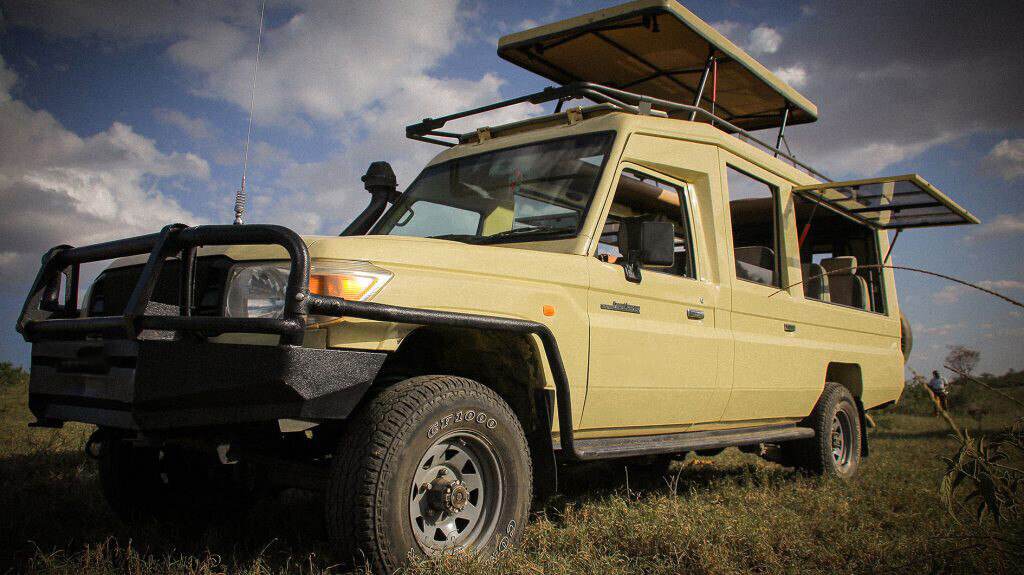

Safety of Domestic Flights in Tanzania: Your Comprehensive Guide
When planning an adventure in Tanzania, whether it’s a thrilling safari across the Serengeti, a challenging trek up Mount Kilimanjaro, or a relaxing escape to the spice-scented islands of Zanzibar, you’ll likely consider domestic flights. These flights connect the country’s vast and diverse landscapes, saving precious travel time and offering stunning aerial perspectives. For many travelers, a key consideration is the safety of these domestic air services. This guide provides an in-depth look at the safety of domestic flights in Tanzania, addressing common concerns and offering practical advice for a secure and enjoyable journey in 2026-2027 and beyond.
Navigating Tanzania’s Skies: What You Need to Know
Tanzania’s aviation sector has seen significant development over the years. The government, through the Tanzania Civil Aviation Authority (TCAA), is responsible for regulating and overseeing all air transport operations within the country. This includes setting safety standards, licensing airlines and pilots, and ensuring compliance with international aviation regulations. Understanding this regulatory framework is the first step in appreciating the safety measures in place.
The majority of domestic flights operate between major hubs like Dar es Salaam, Kilimanjaro International Airport (KIA), Zanzibar, and smaller airstrips serving national parks and remote areas. Airlines operating these routes range from larger carriers to smaller charter companies, each adhering to TCAA guidelines.
Quick Facts: Domestic Aviation in Tanzania
| Regulator: | Tanzania Civil Aviation Authority (TCAA) |
| Primary Hubs: | Julius Nyerere International Airport (DAR), Kilimanjaro International Airport (JRO), Abeid Amani Karume International Airport (ZNZ) |
| Common Destinations: | National Parks (Serengeti, Ngorongoro, Selous/Nyerere), Zanzibar, Arusha, Mwanza, Kigoma |
| Aircraft Types: | Twin Otters, Dash 8, Cessna Caravans, various small charter aircraft |
| Safety Oversight: | TCAA regulations, ICAO standards compliance |
Why Safety in Domestic Flights Matters for Your Tanzania Trip
Your well-being is paramount, and for a country like Tanzania, where distances can be substantial and terrain challenging, air travel is often the most efficient way to reach your desired destinations. Ensuring the safety of these flights directly impacts the overall quality and peace of mind during your vacation. When you book a trip that includes domestic flights, whether arranged by your tour operator or booked independently, you’re entrusting your journey to the airline’s operational integrity and the regulatory oversight.
For travelers venturing to remote safari lodges or the summit of Kilimanjaro, the reliability and safety of small aircraft are critical. These flights often operate from unpaved airstrips, requiring skilled pilots and well-maintained aircraft. Understanding the safety standards helps alleviate anxieties and allows you to focus on the incredible experiences Tanzania offers.
Tanzania’s Aviation Safety Framework
The TCAA is the principal body responsible for aviation safety in Tanzania. It implements and enforces regulations aligned with the International Civil Aviation Organization (ICAO) standards. This includes:
- Aircraft Certification and Maintenance: All aircraft operating in Tanzania must meet stringent airworthiness standards and undergo regular, documented maintenance checks. This applies to both scheduled airlines and charter operators.
- Pilot Licensing and Training: Pilots must hold valid licenses, meet specific flight hour requirements, and undergo recurrent training and medical examinations. This is particularly important for pilots flying in challenging conditions common in Tanzania.
- Air Traffic Control (ATC): While ATC services vary in sophistication across the country, essential control and communication systems are in place, especially at major airports.
- Airport Operations: Safety protocols at airports, including security screening and emergency response plans, are managed by airport authorities under TCAA oversight.
Airlines operating domestically are subject to regular audits and inspections by the TCAA to ensure ongoing compliance. The aim is to maintain a high level of safety across the entire aviation ecosystem.
Choosing the Right Time for Safe Air Travel
While safety is a year-round concern, certain weather conditions can impact flight operations. Tanzania experiences distinct seasons, and understanding these can help you plan your flights:
- Dry Season (June to October): Generally considered the best time for travel. Skies are clear, visibility is excellent, and rainfall is minimal. This leads to the most stable flight conditions, with fewer delays or cancellations due to weather.
- Short Rains (November to December): Intermittent showers can occur. Flights are usually unaffected, but occasional light turbulence or brief delays are possible.
- Long Rains (March to May): This period sees the heaviest rainfall, often with thunderstorms. While most flights operate normally, there’s a higher chance of weather-related delays or diversions, particularly for smaller aircraft flying into remote airstrips. Visibility can be reduced, and turbulence more pronounced.
- Green Season (January to February): Typically a mix of sunny days with occasional brief, intense showers, often in the afternoon. Flight conditions are generally good, but it’s wise to build some flexibility into your schedule.
For the safest and most predictable travel, aiming for the dry season (June-October) is advisable. However, with proper planning and reputable operators, flying is safe throughout the year.
Key Domestic Flight Routes and Destinations
Domestic flights are essential for maximizing your time in Tanzania. Here’s a look at common routes and the types of aviation infrastructure you might encounter:
Tanzania Domestic Flight Network Overview
Major Airports:
- Dar es Salaam (DAR): Serves as the primary international gateway and a hub for southern safari circuits (e.g., Nyerere National Park) and Zanzibar.
- Kilimanjaro International Airport (JRO): Gateway for northern safari circuits (Serengeti, Ngorongoro, Tarangire) and Mount Kilimanjaro treks.
- Zanzibar (ZNZ): Connects the mainland with the islands and offers inter-island flights.
- Arusha (ARK): Primarily serves as a hub for northern circuit safaris, especially for smaller aircraft heading to park airstrips.
Airstrip Destinations:
- Serengeti National Park (e.g., Seronera, Kogatende, Grumeti): Numerous airstrips serving different regions of the park.
- Ngorongoro Conservation Area: Flights typically land at Lake Manyara or Arusha, with road transfers to the crater.
- Nyerere National Park (formerly Selous Game Reserve): Airstrip within the park (e.g., Beho Beho, Mtemere).
- Ruaha National Park: Airstrips within the park (e.g., Msembe).
- Mahale Mountains National Park & Katavi National Park: Remote airstrips accessed by charter flights.
Common Flight Durations and Considerations:
- Dar es Salaam to Zanzibar: Approx. 20-30 minutes. Frequent flights.
- Arusha to Serengeti (e.g., Seronera): Approx. 45-60 minutes. Many daily flights.
- Dar es Salaam to Nyerere NP: Approx. 45-60 minutes.
- Arusha to Ruaha NP: Typically requires a connection, often via Dar es Salaam, or a longer charter flight.
Flights to national park airstrips are often operated by smaller aircraft like Cessna Caravans or Twin Otters, designed for these conditions. These aircraft are known for their reliability and suitability for short take-off and landing (STOL) operations.
Understanding Aircraft Types and Safety Records
Domestic flights in Tanzania utilize a variety of aircraft. The type of aircraft you fly on will depend on the route, airline, and passenger numbers:
- Cessna Caravan: A very common single-engine turboprop aircraft used for short-haul flights and accessing remote airstrips. They are known for their robustness and ability to operate from unpaved surfaces. Safety records for well-maintained Caravans are excellent.
- Twin Otter: A versatile twin-engine turboprop aircraft, also excellent for rough airstrips. Its twin engines offer an added layer of safety for over-water flights or longer distances.
- Dash 8 Series: Larger, twin-engine turboprop aircraft used by some scheduled domestic carriers on busier routes (e.g., between major cities). They offer a more comfortable ride and are standard for many regional airlines globally.
- Smaller Charter Aircraft (e.g., Piper Aztec, Baron): Used for private charters, often carrying fewer passengers. Their safety depends heavily on the operator’s maintenance and pilot proficiency.
Reputable tour operators will partner with airlines that have a strong safety record and maintain their fleet diligently. When booking independently, research the airline’s history, fleet age, and maintenance practices.
Tips for a Safe and Smooth Flight Experience
To enhance the safety and comfort of your domestic flights in Tanzania, consider these practical tips:
- Book with Reputable Operators: Work with established tour operators who have a track record of selecting reliable airlines and charter companies. They often have direct relationships and understand the nuances of local aviation.
- Confirm Baggage Allowances: Small aircraft, especially those flying to safari airstrips, have strict weight and size limits for luggage. Typically, it’s around 15-20 kg (33-44 lbs) in soft bags. Exceeding this can lead to your luggage being offloaded.
- Arrive Early: Domestic flights, particularly to national parks, often run on tight schedules. Arrive at the airport or airstrip at least 1-1.5 hours before departure to allow for check-in and any unforeseen delays.
- Stay Hydrated and Eat Lightly: Especially for smaller aircraft, it’s advisable to stay hydrated but avoid heavy meals before flying to prevent potential discomfort.
- Listen to Crew Instructions: Always pay attention to safety briefings and follow the instructions of the pilots and cabin crew.
- Seatbelt Use: Keep your seatbelt fastened whenever seated, as turbulence can occur unexpectedly, even on clear days.
- Communicate Concerns: If you have any health concerns or anxieties about flying, discuss them with your tour operator or the airline in advance.
Safety Considerations for Specific Flight Types
Domestic flights in Tanzania can be broadly categorized:
Scheduled Domestic Flights
These are operated by airlines like Precision Air, Coastal Aviation, and Air Tanzania on fixed routes and schedules. They generally adhere to stricter operational procedures and often use larger aircraft. Safety standards are typically high, comparable to international regional carriers. The TCAA closely monitors these operators.
Charter Flights
Charter flights offer flexibility and are common for reaching more remote locations or for private groups. Companies like Safari Air Link (SAL), Coastal Aviation, and others offer these services. The safety of charter flights relies heavily on the specific operator’s maintenance program, pilot experience, and adherence to TCAA regulations. Choosing a well-established charter company with a good reputation is crucial.
Airstrip Operations
Flights into national park airstrips are a unique aspect of Tanzanian travel. These airstrips can be unpaved and may have varying lengths and conditions. Pilots flying these routes are highly skilled and experienced in operating in such environments. Aircraft like the Cessna Caravan and Twin Otter are specifically designed for these conditions, making them safe and reliable choices.
The TCAA works with park authorities to ensure airstrips meet minimum safety standards, including regular maintenance and clear approach paths. However, pilots often exercise considerable judgment based on real-time conditions.
Common Mistakes to Avoid When Planning Domestic Flights
To ensure a smooth and safe travel experience, be aware of potential pitfalls:
- Overlooking Baggage Restrictions: This is a frequent issue. Assume strict limits apply, especially for flights to safari parks. Soft-sided duffels are preferred over hard suitcases.
- Booking the Last Possible Flight: Always build buffer time into your itinerary. If your internal flight is delayed or canceled, having a later flight or an overnight stay can prevent missing connecting international flights or key tour activities.
- Not Confirming Flight Details: Double-check departure times, airports (especially in Dar es Salaam, which has multiple terminals), and airstrip names.
- Assuming All Operators Are Equal: Research charter companies thoroughly. A cheaper price might come with compromises on maintenance or pilot experience.
- Ignoring Weather Forecasts: While you can’t control the weather, being aware of seasonal patterns helps manage expectations and build flexibility.
Who is Domestic Air Travel Best Suited For in Tanzania?
Domestic flights are ideal for travelers who:
- Are Short on Time: Maximize sightseeing by flying between distant locations like the Serengeti and Zanzibar.
- Wish to Experience Remote Areas: Access lodges and camps in national parks that are difficult or time-consuming to reach by road.
- Value Comfort and Convenience: Avoid long, bumpy road journeys, especially on longer routes or in less developed areas.
- Are Trekking Kilimanjaro: Flights to Kilimanjaro International Airport (JRO) are the standard arrival point for most trekkers.
- Seek Panoramic Views: Enjoy breathtaking aerial perspectives of Tanzania’s landscapes.
For travelers on a very tight budget or those who prefer a slower pace and more immersive ground experience, extensive road travel might be an alternative. However, for most visitors aiming to cover significant ground and experience diverse regions within a typical holiday duration, domestic flights are often a necessary and safe component of the itinerary.
Alternatives to Domestic Flights
While flights are efficient, they aren’t the only way to travel within Tanzania:
- Road Travel: This is the most common method for safaris, especially within national parks and between the northern circuit destinations (Arusha, Serengeti, Ngorongoro). Private 4×4 safari vehicles with experienced drivers are standard. For longer distances between major cities (e.g., Dar es Salaam to Arusha), private road transfers or comfortable bus services exist, though these are very time-consuming (8-10+ hours).
- Ferries: The primary ferry service connects the Tanzanian mainland (Dar es Salaam) to Zanzibar. These are a common and safe way to travel between the two, offering a different travel experience.
Road travel offers a more ground-level perspective and can be more economical for shorter distances. However, it significantly increases travel time. For instance, driving from Arusha to the Serengeti takes approximately 6-8 hours, compared to a 1-hour flight.
Planning Your 2026-2027 Tanzania Trip with Domestic Flights
When planning your trip for 2026 or 2027, incorporate domestic flights strategically. Here’s a planning checklist:
Tanzania Domestic Flight Planning Checklist (2026-2027)
- Define Your Itinerary: Map out where you want to go (e.g., Serengeti, Zanzibar, Kilimanjaro base camp).
- Assess Travel Time: Calculate how much time you can realistically allocate to travel between locations.
- Research Airlines/Operators: Identify reputable carriers for your chosen routes.
- Check Baggage Limits: Note weight and size restrictions for all flights.
- Book in Advance: Especially during peak seasons (June-October 2026/2027), flights can fill up quickly.
- Factor in Buffer Time: Add extra hours before international departures and between connecting flights.
- Consider Travel Insurance: Ensure your policy covers flight cancellations or delays.
- Confirm with Tour Operator: If using a tour operator, they will handle flight bookings and confirmations.
Sample Itinerary Logic Incorporating Flights
Here’s how domestic flights can structure a typical 10-day Tanzania adventure:
Sample 10-Day Tanzania Safari & Zanzibar Itinerary
- Day 1: Arrival in Kilimanjaro (JRO). Transfer to Arusha for overnight.
- Day 2: Arusha to Serengeti. Morning flight from Arusha (ARK) to a Serengeti airstrip (e.g., Seronera). Meet your safari guide, begin game drives. Overnight in Serengeti camp/lodge.
- Day 3-4: Serengeti National Park. Full days of game drives.
- Day 5: Serengeti to Zanzibar. Morning game drive, then fly from Serengeti airstrip to Zanzibar (ZNZ). Transfer to beach hotel.
- Day 6-8: Zanzibar. Relax on beaches, explore Stone Town, spice tours.
- Day 9: Zanzibar to Dar es Salaam. Morning flight from Zanzibar (ZNZ) to Dar es Salaam (DAR). Depending on flight schedule, explore city or transfer to airport for departure.
- Day 10: Departure from Dar es Salaam (DAR).
Note: This is a sample. Routes and durations can be customized. Flights save significant travel time compared to road transfers between Serengeti and Zanzibar.
Booking Advice for Domestic Flights
When booking domestic flights, whether directly or through a tour operator, keep these points in mind:
- Direct Booking: If booking directly, use the airline’s official website or a trusted travel agent. Be aware of payment methods and cancellation policies.
- Through Your Tour Operator: This is often the most convenient and secure method for travelers. Reputable operators like Best Tanzania tour operator (Top Guide Adventures) have established relationships with airlines, can advise on the best routes and carriers, and handle all bookings and confirmations as part of your package. They are also your first point of contact if issues arise.
- Charter Flight Considerations: For charter flights, ensure the operator provides a clear quote including all fees, specifies the aircraft type, and details their safety and maintenance protocols.
- Flexibility: Book flights with some flexibility if possible, especially if your itinerary involves time-sensitive connections or activities.
Why Booking with Top Guide Adventures Enhances Safety
At Top Guide Adventures, we understand the critical importance of safe and reliable air travel for your Tanzanian experience. We partner exclusively with airlines and charter companies that meet rigorous safety standards and have proven track records. Our team meticulously vets operators, ensuring their aircraft are well-maintained and their pilots are highly experienced.
When you book your safari, Kilimanjaro trek, or Zanzibar holiday with us, we manage all domestic flight arrangements. This includes:
- Selecting the most appropriate and safest flights for your itinerary.
- Ensuring baggage allowances are clearly communicated.
- Providing timely updates on flight schedules.
- Acting as your advocate should any issues arise, minimizing stress and ensuring your journey continues smoothly.
We prioritize your safety and peace of mind, allowing you to focus entirely on the incredible adventure that awaits you in Tanzania. Let us handle the logistics so you can enjoy the journey.
Frequently Asked Questions (FAQs) about Tanzania Domestic Flights
General Safety Concerns
Q1: Are domestic flights in Tanzania generally safe?
A1: Yes, domestic flights in Tanzania are generally safe. The Tanzania Civil Aviation Authority (TCAA) regulates the industry, and most operators adhere to international safety standards. Reputable airlines and charter companies maintain their aircraft rigorously and employ experienced pilots. For your 2026-2027 travels, choosing well-established operators is key.
Q2: What safety regulations do Tanzanian airlines follow?
A2: Tanzanian airlines must comply with regulations set by the TCAA, which are largely based on International Civil Aviation Organization (ICAO) standards. This covers aircraft maintenance, pilot training, operational procedures, and airworthiness.
Q3: What is the safety record of smaller aircraft used for park flights?
A3: Aircraft like the Cessna Caravan and Twin Otter are workhorses for accessing remote airstrips. When properly maintained and operated by certified pilots, they have excellent safety records. Reputable tour operators ensure their partners use these aircraft responsibly.
Booking and Logistics
Q4: How much luggage can I take on domestic flights?
A4: Baggage allowance varies but is typically strict on smaller aircraft flying to national parks. Expect limits around 15-20 kg (33-44 lbs) per person, usually in a soft-sided duffel bag. Always confirm with your airline or tour operator.
Q5: Should I book domestic flights myself or through a tour operator?
A5: Booking through a reputable tour operator like Top Guide Adventures is often recommended. They have expertise, can secure the best options, and will manage bookings and any issues that arise, ensuring a more secure and hassle-free experience for your 2026-2027 trip.
Q6: What happens if my flight is delayed or canceled due to weather?
A6: Weather delays or cancellations can occur, especially during the rainy seasons. Reputable operators will work to rebook you on the next available flight. Having some flexibility in your itinerary and travel insurance is advisable.
During the Flight
Q7: What should I do if I feel anxious about flying?
A7: Communicate your concerns to your tour operator beforehand. They can advise on flight types and operators known for smooth operations. Onboard, listen to the crew, stay hydrated, and focus on the views.
Q8: Are there specific safety procedures for landing at remote airstrips?
A8: Pilots operating into remote airstrips are highly trained. They assess conditions before landing and departure. Passengers should always follow crew instructions regarding seatbelts and movement during these phases of flight.
Choosing Operators
Q9: How can I verify the safety of a charter flight company?
A9: Ask for their safety certifications, maintenance records, and pilot experience. Check reviews and seek recommendations from trusted tour operators. Top Guide Adventures vets all its partners.
Q10: What is the role of the TCAA in ensuring flight safety?
A10: The TCAA is the primary aviation regulator in Tanzania. It licenses operators, sets safety standards, conducts inspections, and enforces compliance with national and international aviation laws to ensure the safety of domestic flights.
Ready for Your Tanzanian Adventure?
The safety of domestic flights in Tanzania is a well-managed aspect of travel, supported by regulatory oversight and the operational expertise of reputable airlines and charter companies. By understanding the system, choosing wisely, and planning ahead, you can ensure your air travel is as safe and enjoyable as the incredible destinations you’ll explore.
Whether you’re flying to witness the Great Migration in the Serengeti, ascending the slopes of Kilimanjaro, or soaking up the sun on Zanzibar’s beaches, domestic flights are an integral part of experiencing Tanzania’s magic. Let us help you plan a secure and unforgettable journey for your 2026-2027 travels.
Contact Us to Plan Your Safe Tanzania Adventure
Ready to experience the wonders of Tanzania with confidence? We specialize in crafting tailor-made safaris, Kilimanjaro treks, and Zanzibar holidays, ensuring every detail, including your domestic flight arrangements, is handled with the utmost care and professionalism. Our priority is your safety and satisfaction.
Get in touch with our expert travel team today:
WhatsApp: +255616946642
Email: topguideadventures@gmail.com
Backup Email: info@topguideadventures.com
Let us help you plan the adventure of a lifetime, ensuring the safety of domestic flights in Tanzania is a seamless part of your experience.
Plan your Safety of Domestic Flights in Tanzania with Top Guide Adventures
Tell us your travel dates, group size, comfort level, and dream experience. We will help you shape a clear, realistic, and memorable Tanzania itinerary.







 Veedesigner
 Fatma Kizanga
 Benjamin Waryuba
 Philip Philip
 John jr Itaja
 Antonia Optatus
 Edith Kanyere
 Neema Iddy
 Kelvin Boniphace
 Damari Maiga



