
Updated planning guide for 2026-2027
Small Plane Travel In Tanzania: Complete Guide 2026-2027
Navigate Tanzania's vast landscapes efficiently with small plane travel. This guide covers everything from routes and costs to planning your unforgettable aerial adventure.
WhatsApp +255616946642 | topguideadventures@gmail.com | info@topguideadventures.com
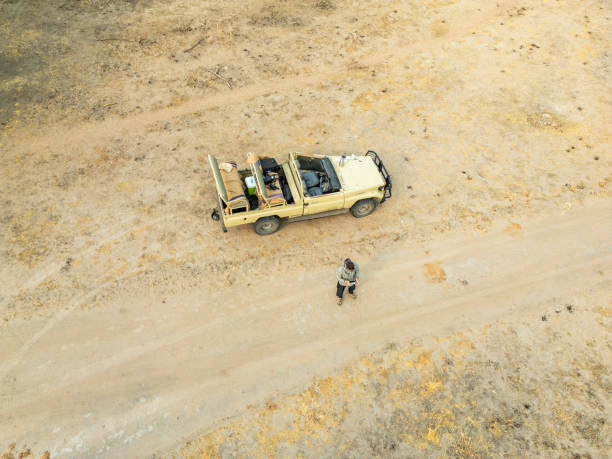
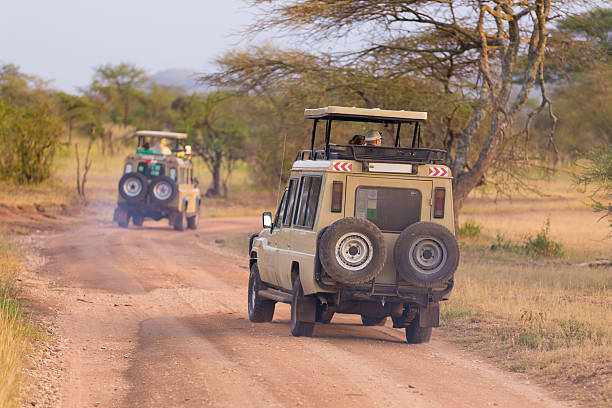
Tanzania, a land of sweeping savannas, iconic wildlife, and pristine coastlines, offers a travel experience like no other. While road travel is common, for many visitors, the most efficient and breathtaking way to traverse its immense distances is through small plane travel in Tanzania. This method connects remote safari lodges, islands like Zanzibar, and even the base of Mount Kilimanjaro, saving precious time and offering unparalleled views. Whether you’re on a tight schedule or simply seeking a more exclusive and comfortable journey, understanding the nuances of flying in Tanzania is key to a successful trip.
This comprehensive guide is designed to equip you with all the knowledge needed to plan and book your small aircraft adventures across Tanzania, from understanding the benefits and potential routes to practical considerations for 2026 and 2027 travel. We’ll cover what to expect, how to pack, common pitfalls to avoid, and how to secure the best options for your itinerary.
Quick Facts: Small Plane Travel in Tanzania
| Aspect | Details |
|---|---|
| Primary Use | Connecting major hubs to remote safari camps, islands, and Kilimanjaro region. |
| Aircraft Types | Typically Cessna Caravans (single-engine turboprop), smaller twin-engine aircraft. |
| Baggage Allowance | Strictly enforced, usually 15-20 kg (33-44 lbs) per person in soft-sided bags. |
| Airports | Numerous airstrips serving national parks, lodges, and islands. Main hubs include Kilimanjaro International (JRO), Zanzibar (ZNZ), Dar es Salaam (DAR), Arusha (ARK). |
| Booking | Usually arranged by tour operators or lodges, though direct booking is possible for some routes. |
| Scenery | Exceptional aerial views of landscapes, wildlife, and coastlines. |
| Time Savings | Significantly reduces travel time compared to road transfers, especially for distant locations. |
Why Choose Small Plane Travel in Tanzania?
Tanzania’s sheer size can be a significant factor in trip planning. Distances between popular destinations like the Serengeti, Ngorongoro Crater, and Zanzibar are substantial. While overland journeys offer their own charm, they consume valuable time. Small plane travel bridges these gaps effectively, offering several distinct advantages:
- Time Efficiency: This is the most compelling reason. A 6-8 hour drive can be reduced to a 45-minute to 2-hour flight. This allows you to maximize your time experiencing wildlife, relaxing on the beach, or trekking, rather than spending days in transit.
- Access to Remote Locations: Many of the most exclusive safari lodges are situated in remote areas with airstrips. Small aircraft are essential for reaching these camps, which often provide a more intimate and uncrowded wildlife viewing experience.
- Comfort and Convenience: Skip the dust and bumps of rough roads. Flights offer a smoother, more comfortable journey, especially after long days of safari activities. They also reduce the need for multiple hotel stops en route.
- Unmatched Aerial Views: Flying over Tanzania provides a perspective you cannot get from the ground. Witness the Great Migration from above, marvel at the vastness of the Serengeti plains, see the Ngorongoro Crater from a bird’s-eye view, or admire the turquoise waters surrounding Zanzibar.
- Reduced Environmental Impact (Potentially): While aircraft have an impact, consolidating travel into fewer, more efficient flights can sometimes be more environmentally sound than multiple long-distance 4×4 drives, especially when considering fuel consumption and road wear.
- Exclusive Experience: Flying in smaller aircraft often feels more personal and can be part of the luxury safari experience, particularly when chartering a plane or flying between high-end lodges.
Understanding the Routes and Destinations
The network of small airstrips in Tanzania is extensive, primarily serving the major safari circuits and key tourist hubs. The most common routes connect:
Safari Circuit Flights
These flights are the backbone of small plane travel for safari-goers. They typically operate between the main safari gateways and the various airstrips within or near national parks and game reserves.
- Arusha (ARK) / Kilimanjaro (JRO) to Serengeti National Park: This is perhaps the busiest route. Depending on your lodge location, you might fly into Seronera Airstrip (central Serengeti), Kogatende (northern Serengeti, crucial for migration viewing), Grumeti (western Serengeti), or Sasakwa (western Serengeti, often for luxury lodges).
- Arusha (ARK) / Kilimanjaro (JRO) to Manyara Airstrip: Serves the Lake Manyara National Park region.
- Arusha (ARK) / Kilimanjaro (JRO) to Tarangire National Park: Flights typically land at Kuro Airstrip or the airstrip near the park headquarters.
- Serengeti to Ngorongoro Conservation Area: While there’s no airstrip directly *in* the Crater, flights can land at Lake Manyara Airstrip or the Manyara ranch airstrip, from where you’ll have a road transfer (approx. 1-2 hours) to the crater rim. Some lodges in the NCA also have their own airstrips.
- Serengeti to Zanzibar: A popular combination, allowing visitors to transition from safari to beach relaxation without returning to the mainland.
- Park-to-Park Transfers: Flights can also connect different parts of the Serengeti or link other parks if lodge locations permit, saving considerable driving time.
Zanzibar and Coastal Flights
Zanzibar is a major destination, and flights connect it efficiently to the mainland and other coastal areas.
- Zanzibar (ZNZ) to Dar es Salaam (DAR): Frequent flights connect the island to the country’s largest city, often used for onward international travel or to access southern safari areas.
- Zanzibar (ZNZ) to Kilimanjaro (JRO) / Arusha (ARK): Direct flights are common, linking beach holidays with northern circuit safaris.
- Zanzibar (ZNZ) to Mafia Island: For those seeking a quieter, more pristine island experience, flights connect Zanzibar to Mafia, renowned for its marine park and whale shark encounters.
- Zanzibar (ZNZ) to Pemba Island: Another beautiful, less-visited island offering diving and tranquility.
Mount Kilimanjaro Region Flights
While most trekkers arrive by road to Marangu or Machame gates, flights can be useful for acclimatization or for those staying in lodges near Kilimanjaro.
- Kilimanjaro (JRO) to Arusha (ARK): A short flight often used for logistical reasons or to connect with safari departures.
- Flights to lodges in the Kilimanjaro foothills: Some luxury lodges in the Arusha/Kilimanjaro area have small airstrips.
Illustrative Route Example: Serengeti to Zanzibar
Consider a traveler who has spent 4 days on safari in the central Serengeti and wishes to end their trip with 3 days on the beaches of Zanzibar.
| Day | Activity | Travel Method | Notes |
|---|---|---|---|
| Day 1-4 | Serengeti Safari | 4×4 Safari Vehicle | Morning and afternoon game drives. Stay at a lodge/camp in central Serengeti. |
| Day 5 Morning | Final Game Drive / Breakfast | 4×4 Safari Vehicle | Enjoy a last morning activity. |
| Day 5 Midday | Transfer to Seronera Airstrip | Lodge Vehicle / Safari Vehicle | Approx. 30-60 min transfer depending on lodge location. |
| Day 5 Afternoon | Flight: Seronera (SEU) to Zanzibar (ZNZ) | Small Plane (e.g., Cessna Caravan) | Flight duration approx. 1.5 – 2 hours. Enjoy aerial views. |
| Day 5 Evening | Arrival in Zanzibar, Transfer to Hotel | Airport Taxi / Pre-booked Transfer | Transfer to your chosen beach resort (e.g., Nungwi, Kendwa, Paje). |
| Day 6-7 | Zanzibar Relaxation | Walking, Local Transport, Boat Trips | Beach activities, spice tours, Stone Town visit. |
| Day 8 | Departure | Transfer to Zanzibar Airport (ZNZ) | For onward international flight. |
Without the small plane flight, this transition would involve a long drive from the Serengeti back to Arusha or Kilimanjaro (5-7 hours), followed by a flight to Zanzibar, or a very long overland journey to Dar es Salaam and then a ferry or flight to Zanzibar. The small plane option saves a full day of travel.
When is the Best Time for Small Plane Travel in Tanzania?
The operational schedule for small aircraft in Tanzania is largely dictated by seasonality, particularly concerning wildlife movements and weather patterns.
| Period | Season | Notes on Flying |
|---|---|---|
| June – October | Dry Season / Peak Season | Excellent flying conditions. Clear skies, minimal rain. This is prime time for the Great Migration river crossings in the northern Serengeti, making flights to Kogatende highly sought after. Peak demand means higher prices and need for early booking for 2026-2027. |
| November – March | Green Season / Rainy Season | Generally good flying conditions, though occasional short-lived rain showers can cause minor delays. Landscapes are lush and green. Wildlife is more dispersed, but calving season in the southern Serengeti (Dec-Feb) is a draw. Fewer tourists mean potentially better prices, but some remote airstrips might be less frequently serviced. |
| April – May | Long Rains | Heavy rainfall can impact flight operations. Airstrips can become muddy and waterlogged, potentially leading to cancellations or diversions. This is the low season, and many camps close or reduce services. Small plane travel is generally less advisable during this period unless absolutely necessary and with flexible plans. |
For small plane travel in Tanzania during 2026 and 2027, the dry season (June-October) offers the most reliable conditions and access to prime wildlife viewing. However, the green season can offer a more budget-friendly and less crowded experience, provided you have some flexibility for potential weather-related disruptions.
What to Expect: The In-Flight Experience
Flying on a small aircraft in Tanzania is different from commercial aviation. Here’s what to prepare for:
- Aircraft Size: Most common are Cessna Caravans, which seat up to 9 passengers. You might also encounter smaller twin-engine planes. The experience is intimate, often with a shared cabin.
- Pilots: Pilots are highly experienced, often with extensive knowledge of the local terrain and wildlife. They are your primary point of contact for in-flight information.
- Luggage Restrictions: This is critical. Most operators strictly enforce a weight limit of 15-20 kg (33-44 lbs) per person, and all luggage must be in soft-sided duffel bags. Hard suitcases are not permitted due to space and weight distribution issues. Many lodges offer laundry services, so packing light is feasible.
- Boarding: Boarding is typically done directly from the tarmac at the airstrip. You might need to walk a short distance across the grass or gravel.
- Takeoff and Landing: Expect short takeoffs and landings on often unpaved or semi-paved airstrips. It’s part of the adventure!
- Views: The windows are generally large enough for excellent photography. Pilots often point out wildlife or interesting geographical features.
- Safety: Safety is paramount. Aircraft are well-maintained, and pilots adhere to strict regulations. It’s a safe mode of transport when operated by reputable companies.
Packing and Preparation for Small Plane Travel
Given the luggage restrictions, smart packing is essential.
Luggage:
- Soft-sided Duffel Bags: Absolutely mandatory. Pack as lightly as possible, adhering to the 15-20 kg limit.
- Daypack: A small, personal bag for essentials (camera, binoculars, water bottle, snacks, medication, a light jacket) that you can keep with you.
Clothing:
Focus on neutral, earth-toned clothing suitable for safari and warm weather. Layers are key.
- Lightweight, breathable shirts (long and short-sleeved)
- T-shirts
- Comfortable trousers or convertible pants
- Shorts (for warmer days or lodge lounging)
- A fleece or warm jacket (for cool mornings/evenings on safari or at higher altitudes)
- A waterproof and windproof jacket (especially during the rainy season)
- Swimsuit (for lodges with pools or Zanzibar)
- Comfortable walking shoes/hiking boots (if applicable)
- Sandals or flip-flops
- Socks (including warm ones if needed)
- Hat with a brim for sun protection
Other Essentials:
- Sunscreen, sunglasses, insect repellent
- Personal toiletries (consider travel sizes)
- Any personal medications (carry these in your daypack)
- Camera and extra batteries/memory cards
- Binoculars
- A good book or entertainment for downtime
- A reusable water bottle
- A small first-aid kit
Common Mistakes to Avoid
Planning small plane travel in Tanzania involves avoiding certain common errors:
- Ignoring Luggage Restrictions: This is the most frequent mistake. Arriving with a hard suitcase or exceeding the weight limit can mean you have to leave luggage behind, which can be costly and inconvenient. Always confirm the exact allowance with your operator.
- Booking Too Late: Especially during peak seasons (June-October), flights between popular safari destinations and Zanzibar fill up months in advance. Book your flights as early as possible, ideally when booking your main safari or lodge. For 2026-2027 travel, start planning now.
- Assuming Flexibility: Small plane schedules are often tight, especially when connecting multiple lodges or parks in one day. While pilots are skilled, weather delays can happen. Build some buffer time into your itinerary if possible.
- Not Clarifying Airstrip Names: Different lodges within the same park might use different airstrips (e.g., Seronera vs. Kogatende in Serengeti). Ensure your flight details precisely match your lodge’s location.
- Underestimating Transfer Times: Even after landing at an airstrip, you’ll need time for disembarking, meeting your guide, and transferring to your lodge or next point of departure. Factor this into your schedule.
- Not Considering Cost: Small plane flights are an added expense. Understand how they fit into your overall budget and whether they are truly necessary for your itinerary.
Who is Small Plane Travel Best For?
Small plane travel in Tanzania is ideal for several types of travelers:
- Time-Conscious Travelers: Those with limited vacation days who want to see as much as possible without spending excessive time in transit.
- Travelers Visiting Remote Camps: Many luxury lodges are situated in exclusive-use areas or far from park gates, making small planes the only practical access method.
- Those Seeking Comfort and Convenience: Travelers who prefer to avoid long, bumpy road journeys and enjoy a more relaxed travel experience.
- Wildlife Enthusiasts during Migration: To position themselves effectively for river crossings in the Serengeti (especially northern sector), flights are almost essential.
- Travelers Combining Safari and Beach: The quick transition from Serengeti airstrips to Zanzibar is a major draw.
- Luxury Travelers: Small planes are often part of the premium safari experience, offering exclusivity and scenic flights.
Alternatives to Small Plane Travel
While convenient, small planes aren’t the only way to travel. Consider these alternatives:
- 4×4 Safari Vehicles: The most common method for game drives within parks and for transfers between locations. This is essential for experiencing the landscape up close and for wildlife viewing. However, it is slow for long distances.
- Scheduled Flights (Commercial): For longer distances between major hubs like Kilimanjano, Dar es Salaam, and Zanzibar, commercial flights on larger aircraft are available and more economical.
- Private Charters: For ultimate flexibility and privacy, you can charter entire small aircraft. This is the most expensive option but allows for custom schedules and routes.
- Overland Safaris: Traveling entirely by 4×4. This is the most budget-friendly option and offers a more immersive, albeit slower, experience. It’s suitable if you have ample time and want to see more of the country’s diverse landscapes en route.
For most travelers, a combination of 4×4 for game drives and small planes for long-distance transfers offers the best balance of experience, efficiency, and comfort.
Planning Your 2026-2027 Trip with Small Plane Travel
Booking small plane travel requires careful planning, especially for trips in 2026 and 2027. Here’s a step-by-step approach:
1. Define Your Itinerary and Priorities:
Decide which parks and regions you want to visit. Are you focused on the classic northern circuit (Serengeti, Ngorongoro, Manyara, Tarangire), Zanzibar, or perhaps a combination? Your chosen destinations will dictate the necessity and practicality of small plane flights.
2. Consult with a Reputable Tour Operator:
This is highly recommended. Experienced operators like Best Tanzania Tour Operator have established relationships with reliable local airlines and can advise on the best flight routes, airstrips, and schedules based on your itinerary and lodge bookings. They handle the complexities of booking and can often secure better rates.
3. Understand Flight Costs:
Small plane flights are a significant part of your safari budget. Prices vary based on the route, airline, and time of year. Operators will provide quotes that include these flights if they are part of your package. Be prepared for costs that can range from a few hundred dollars to over $500 per person for a one-way flight between popular destinations.
4. Book Well in Advance:
For peak seasons in 2026 and 2027 (June-October), book flights and lodges at least 6-12 months in advance. Even for the green season, early booking is wise to secure preferred flight times and aircraft availability.
5. Confirm Luggage Policies:
Reiterate the soft-sided bag and weight limit policy. Ensure all members of your party understand and comply. If you have excess luggage, you may need to make arrangements to store it at your starting point (e.g., Arusha or Kilimanjaro airport hotel).
6. Prepare for Airstrip Experiences:
Airstrip waiting areas are usually simple shelters or even just open spaces. Be prepared for a more rustic experience than a commercial airport. Your safari guide will typically meet you at the aircraft.
7. Travel Insurance:
Ensure your travel insurance covers flight cancellations or delays due to weather or operational issues, as this can happen with small aircraft.
Booking Advice
When booking your small plane travel in Tanzania, whether as part of a package or separately:
- Use a Trusted Operator: We strongly recommend working with a local, reputable tour operator. They have the most up-to-date information on flight schedules, airline reliability, and can negotiate rates. Contact us at topguideadventures@gmail.com or WhatsApp +255616946642 to discuss your plans.
- Understand Inclusions: Clarify what is included in your flight quote. Are park fees for landing/takeoff included? Are airport taxes covered?
- Ask About Flexibility: While schedules are tight, understand the operator’s policy on changes or cancellations.
- Consider Backup Options: If flying between two remote locations, understand what happens if a flight is cancelled. Is there a road transfer option, and who covers the cost?
- Payment Schedules: Be aware of deposit and final payment deadlines, which are crucial for securing flight bookings, especially in advance for 2026-2027.
Frequently Asked Questions (FAQs)
What is the typical cost of small plane travel in Tanzania?
Exact prices fluctuate, but expect to pay anywhere from $300 to $600+ per person for a one-way flight between popular destinations like the Serengeti and Zanzibar. Flights within the Serengeti to different sectors can be less expensive. Your tour operator will provide specific quotes.
Can I book small plane tickets directly?
While some airlines might allow direct booking for certain routes, it’s generally more efficient and often more cost-effective to book through a tour operator. They can coordinate flights with lodge bookings and transfers seamlessly. We can handle all your flight arrangements for 2026-2027 travel.
What happens if my flight is cancelled due to weather?
Weather delays or cancellations can occur, especially during the rainy seasons. Reputable operators and airlines will work to reschedule your flight as soon as conditions allow. In some cases, alternative road transfers may be arranged, though this can be time-consuming. It’s important to have travel insurance that covers such eventualities.
Are small planes safe in Tanzania?
Yes, small planes operated by reputable companies are very safe. They adhere to strict maintenance schedules and aviation regulations. The pilots are highly experienced. Choosing well-established local airlines recommended by your tour operator is key.
What is the baggage allowance for small planes in Tanzania?
The standard allowance is 15-20 kg (33-44 lbs) per person, strictly in soft-sided duffel bags. Always confirm the exact limit with your operator, as it can vary slightly between airlines.
Can I fly directly from Kilimanjaro Airport to a Serengeti airstrip?
Yes, direct flights are common from Kilimanjaro International Airport (JRO) or Arusha Airport (ARK) to various airstrips in the Serengeti, such as Seronera, Kogatende, and Grumeti. The flight time is typically 1-1.5 hours.
Do I need to tip the pilot?
Tipping pilots is not customary in Tanzania for scheduled small plane flights. If you charter a private plane, a tip might be considered based on the service, but it’s not a standard expectation.
What if my international flight is delayed and I miss my small plane connection?
This is a critical risk. Tour operators usually schedule small plane flights to allow ample time for international connections, but if delays occur, they will assist in rebooking your domestic flight. It’s why building in buffer time and having comprehensive travel insurance is vital. For 2026-2027 travel, ensure your itinerary has at least a 3-hour buffer between international arrival and domestic departure.
Can I fly between different safari parks (e.g., Serengeti to Manyara)?
Yes, park-to-park flights are possible and a great way to save time. For instance, flying from a Serengeti airstrip to Lake Manyara Airstrip can significantly shorten travel compared to a road transfer. Your tour operator can build this into your itinerary.
What are the main airlines operating small plane routes in Tanzania?
Key operators include Auric Air, Coastal Aviation, Flightlink Air Charter, and Grumeti Air. Your tour operator will typically use one of these reliable carriers, ensuring quality and safety standards.
Begin Your Tanzanian Adventure with Ease
Small plane travel in Tanzania offers a remarkable way to experience the country’s vast beauty and wildlife. By understanding the routes, schedules, and practicalities, you can ensure your journey is as smooth and enjoyable as possible. Whether you’re planning for 2026 or 2027, early planning and expert guidance are your best tools.
Let us help you craft your perfect Tanzanian itinerary, incorporating efficient and scenic small plane travel in Tanzania. We specialize in creating tailor-made safari, Kilimanjaro, and Zanzibar experiences that maximize your time and provide unforgettable memories.
Contact us today to start planning your dream trip:
WhatsApp: +255616946642
Email: topguideadventures@gmail.com
Backup Email: info@topguideadventures.com
Plan your Small Plane Travel in Tanzania with Top Guide Adventures
Tell us your travel dates, group size, comfort level, and dream experience. We will help you shape a clear, realistic, and memorable Tanzania itinerary.







 Veedesigner
 Fatma Kizanga
 Benjamin Waryuba
 Philip Philip
 John jr Itaja
 Antonia Optatus
 Edith Kanyere
 Neema Iddy
 Kelvin Boniphace
 Damari Maiga



