
Updated planning guide for 2026-2027
Overland Travel In Tanzania Explained: Complete Guide 2026-2027
Planning an overland adventure in Tanzania? This comprehensive guide details everything you need to know, from popular routes and the best times to visit, to packing essentials, safety tips, and how to book your unforgettable journey for 2026-2027.
WhatsApp +255616946642 | topguideadventures@gmail.com | info@topguideadventures.com
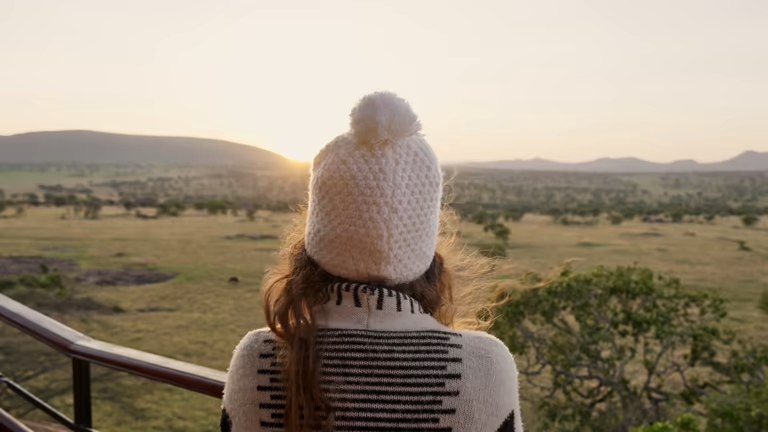
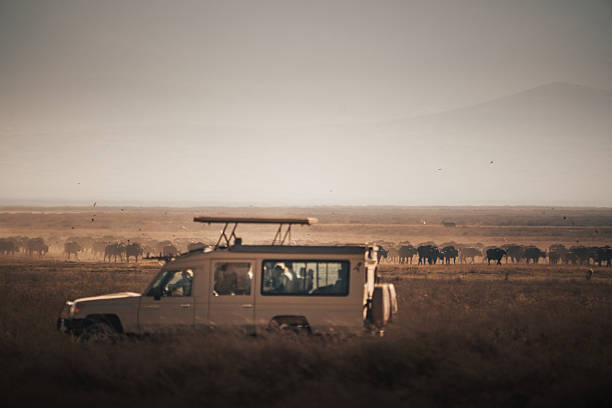
Overland Travel in Tanzania Explained: Your Ultimate Planning Guide
Tanzania, a land of breathtaking landscapes, iconic wildlife, and vibrant cultures, offers unparalleled opportunities for overland exploration. From the vast plains of the Serengeti to the spice-scented shores of Zanzibar, an overland journey here is an adventure that stays with you long after you return home. This guide is designed to demystify overland travel in Tanzania, providing you with all the essential information to plan an unforgettable trip, whether you’re a seasoned traveler or embarking on your first big expedition. We’ll cover everything from choosing the best routes and understanding seasonality to packing smart and making informed booking decisions for your 2026-2027 travels.
Quick Overview of Overland Travel in Tanzania
Overland travel in Tanzania typically involves a combination of private vehicle hire, public transport (buses, dala-dalas), and sometimes even ferries. It’s about immersing yourself in the country’s rhythm, connecting with local life, and experiencing its diverse attractions at a more intimate pace than a short, fly-in safari might allow. This approach often leads to richer, more authentic experiences and can be more budget-friendly, though it requires flexibility and a willingness to adapt.
This guide aims to provide a comprehensive resource, answering your questions and equipping you with the knowledge needed for a successful overland adventure in 2026 or 2027.
| Aspect | Details |
|---|---|
| Primary Activities | Wildlife safaris (Serengeti, Ngorongoro, Tarangire, Selous), cultural tours, beach relaxation (Zanzibar), Mount Kilimanjaro trekking, exploring cities (Arusha, Dar es Salaam). |
| Best Time to Travel | June to October (dry season, wildlife viewing is excellent), January to February (short rains, good for birding and calving season). Avoid peak rainy seasons (March-May). |
| Typical Duration | 10 days to 4 weeks, depending on the scope of the trip. |
| Travel Styles | Budget backpacker, mid-range explorer, luxury overland. |
| Key Transport Modes | 4×4 safari vehicles, minibuses (for longer distances), public buses (dala-dalas), ferries (to Zanzibar), private car hire. |
| Visa Requirements | Most nationalities require a visa. Can often be obtained online in advance or on arrival. Check current regulations. |
| Health Precautions | Consult your doctor for vaccinations (Yellow Fever, Typhoid, Hepatitis A) and malaria prophylaxis. Use insect repellent. |
Why Choose Overland Travel in Tanzania?
Opting for overland travel in Tanzania offers distinct advantages over conventional travel methods. It allows for a deeper connection with the country and its people, enabling you to witness the diverse landscapes unfold gradually. You’ll experience the local way of life, from bustling markets to rural villages, in a way that flying between destinations simply doesn’t permit.
Key Benefits:
- Authenticity: Interact with locals, use local transport, and eat at local eateries.
- Flexibility: Adapt your itinerary on the go, stopping at spontaneous points of interest.
- Cost-Effectiveness: Public transport and budget accommodations can significantly reduce overall trip expenses.
- Scenic Journeys: Travel through varied terrain, witnessing the changing scenery firsthand.
- Deeper Cultural Immersion: Understand the nuances of Tanzanian life beyond the tourist trail.
Understanding Tanzania’s Geography for Overland Trips
Tanzania is a large country with diverse geographical features that influence overland travel. Understanding these regions helps in planning your route and itinerary.
- Northern Circuit: The most popular safari region, home to the Serengeti National Park, Ngorongoro Conservation Area, Tarangire National Park, and Lake Manyara. Roads are generally better maintained, especially between main hubs like Arusha and the parks. This is the classic Tanzania safari route.
- Southern Circuit: Less visited but equally wild, featuring Selous Game Reserve (now Nyerere National Park) and Ruaha National Park. Journeys here often involve longer drives or internal flights due to more remote locations.
- Western Tanzania: Known for chimpanzee trekking in Gombe Stream and Mahale Mountains National Parks. Access is often by boat or small aircraft, making it less of a typical overland destination unless combined with specific logistics.
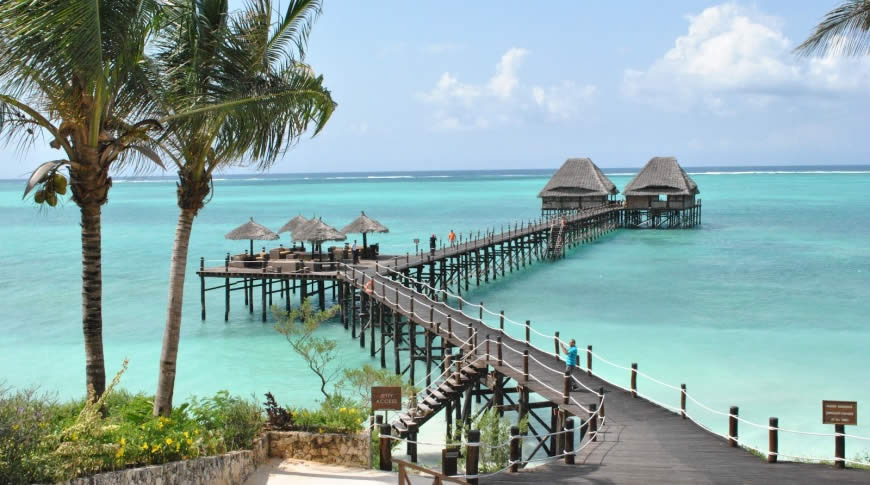
- Coastal Region & Zanzibar: Offers beach holidays, historical sites in Stone Town, and marine activities. Travel between Dar es Salaam and coastal towns, or to Zanzibar, involves ferries or flights.
- Central Tanzania: Includes areas like Dodoma (the capital) and national parks like Mikumi and Udzungwa Mountains, often on routes connecting the north and south.
A typical overland trip might focus on the Northern Circuit, perhaps extending to the coast or a brief trip south, depending on time and interest.
Route Planning: Popular Overland Itineraries
When planning your overland journey, consider the time you have and your primary interests. Here are a few sample route ideas.
| Route Focus | Key Destinations | Approx. Duration | Travel Style Notes |
|---|---|---|---|
| Classic Northern Circuit Safari | Arusha → Tarangire NP → Lake Manyara NP → Ngorongoro Crater → Serengeti NP (Central/North) → Arusha | 7-10 days | Best for wildlife viewing. Roads within parks are unpaved. Requires 4×4 vehicle. Can be done with organized tour operators. |
| Northern Circuit Extended | Arusha → Tarangire NP → Lake Manyara NP → Ngorongoro Crater → Serengeti NP → Lake Victoria (e.g., Mwanza) → Arusha | 10-14 days | Adds cultural insights or relaxation by Lake Victoria. Longer travel days between some points. |
| North to South Explorer | Arusha → Northern Circuit Parks → Mikumi NP → Selous (Nyerere) NP → Dar es Salaam | 14-21 days | Combines popular northern parks with less-visited southern ones. Involves significant driving or internal travel options. |
| Safari & Zanzibar Combo | Arusha → Northern Circuit Parks → Arusha → Dar es Salaam (via flight or long bus) → Zanzibar (ferry) | 10-15 days | Classic combination of wildlife and beach. Requires planning for transfers and ferry/flight. |
Note on Routes: These are illustrative. Actual routes depend heavily on your chosen operator, vehicle, and desired pace. Public transport routes are different and often less direct, requiring more time and local knowledge.
Best Time for Overland Travel in Tanzania
The timing of your overland trip significantly impacts wildlife viewing, weather, and crowd levels. Tanzania has distinct seasons:
| Season | Months | Weather | Wildlife Viewing | Road Conditions | Crowds & Prices |
|---|---|---|---|---|---|
| Dry Season (Peak) | June – October | Sunny, cooler temperatures, minimal rain. | Excellent. Animals congregate around water sources. Great for Great Migration viewing in Serengeti. | Generally good, dustier. Major routes are accessible. | High. Book well in advance. Prices are highest. |
| Short Rains | November – December | Intermittent showers, still warm. | Good. Calving season begins in Southern Serengeti/Ndutu. Less crowded. | Can be muddy in places, but usually manageable. | Moderate. Prices may start to decrease. |
| Long Rains (Peak) | March – May | Heavy, prolonged rainfall, humid. | Challenging. Animals disperse. Vegetation is lush, making spotting harder. Birding is excellent. | Poor. Many dirt tracks become impassable. Park access can be restricted. Roads can be very muddy. | Low. Lowest prices, fewer tourists. Some lodges may close. |
| Green Season / Shoulder | January – February | Warm, sunny with occasional short showers. | Very good. Calving season in Ndutu area. Lush landscapes. Good for photography. | Generally good, occasional localized rain. | Moderate. Good balance of weather and crowds. |
For most overland travelers focused on classic safari experiences, June to October is ideal. If you prefer fewer crowds and don’t mind occasional rain, the shoulder seasons (January-February, November-December) can be excellent. The long rains (March-May) are generally best avoided for extensive overland safaris due to road conditions.
What to Expect on an Overland Journey
Overland travel in Tanzania is an adventure that requires a different mindset than a typical resort holiday. Expect a mix of experiences:
- Varying Comfort Levels: Accommodation can range from basic campsites and guesthouses to comfortable lodges and hotels. Public transport will be basic.
- Long Travel Days: Distances are vast. Be prepared for long hours in vehicles, especially when using public transport or traveling between distant regions.
- Unpredictable Schedules: Public transport can be late, routes may change, and delays are common. Flexibility is key.
- Authentic Interactions: You’ll encounter daily life, from vibrant markets to roadside stalls. Engage respectfully.
- Wildlife Encounters: Safaris are a highlight. Expect early mornings and late evenings for the best game drives.
- Cultural Immersion: Opportunities to visit local communities, learn about traditions, and interact with people.
Essential Packing for Overland Travel
Packing light and smart is crucial for overland travel, especially if you’re moving between accommodations frequently or using public transport. Consider versatility and practicality.
- Clothing:
- Lightweight, breathable fabrics (cotton, linen, quick-dry synthetics).
- Neutral colors (khaki, beige, olive green) for safaris – avoid bright colors and dark blue/black which can attract tsetse flies.
- Long-sleeved shirts and trousers for sun and insect protection, especially in evenings.
- Fleece or warm jacket for cooler mornings/evenings, especially at higher altitudes (Ngorongoro, Kilimanjaro base).
- Comfortable walking shoes or sturdy sandals.
- Swimsuit (for Zanzibar or lodges with pools).
- Hat with a wide brim for sun protection.
- Scarf or bandana for dust protection.
- Toiletries & Health:
- High SPF sunscreen.
- Insect repellent (with DEET).
- Basic first-aid kit (band-aids, antiseptic wipes, pain relievers, motion sickness medication, any personal prescriptions).
- Hand sanitizer.
- Travel-sized toiletries.
- Any necessary prescription medications.
- Gear:
- Backpack or duffel bag (hard suitcases are cumbersome).
- Daypack for daily essentials.
- Reusable water bottle.
- Headlamp or small flashlight.
- Camera and extra batteries/memory cards.
- Power bank or portable charger.
- Universal travel adapter.
- Sunglasses.
- Binoculars (highly recommended for wildlife viewing).
- Small padlock (for securing bags or hostel lockers).
- Copies of important documents (passport, visa, insurance).
- Documents & Money:
- Passport (with at least 6 months validity).
- Visa (if required).
- Yellow Fever certificate (if required).
- Travel insurance details.
- Credit/debit cards and some USD cash for emergencies and smaller purchases.
Pro Tip: Pack versatile clothing that can be layered. Laundry services are available in most towns and tourist lodges, so you don’t need to pack for every single day.
Common Mistakes to Avoid in Overland Travel
To ensure a smoother journey, be aware of potential pitfalls:
- Underestimating Travel Times: Tanzania is vast. Distances that look short on a map can take many hours to cover due to road conditions and traffic.
- Over-scheduling: Trying to cram too much into a short trip leads to exhaustion and superficial experiences. Allow for downtime and flexibility.
- Not Booking in Advance (Especially for Peak Season): Popular accommodations, safari vehicles, and specific tours (like Kilimanjaro climbs) should be booked months ahead for the dry season (June-October) and peak holiday periods.
- Ignoring Health Precautions: Malaria is present. Consult your doctor about prophylaxis and take precautions against mosquito bites. Drink only bottled or purified water.
- Packing Too Much: Luggage space can be limited, especially in safari vehicles or on public transport.
- Not Budgeting for Everything: Factor in park fees, activity costs, tips, souvenirs, and potential unexpected expenses.
- Relying Solely on Public Transport for Remote Areas: While great for inter-city travel, reaching national parks often requires dedicated safari vehicles or organized tours.
Who is Overland Travel in Tanzania Best For?
Overland travel in Tanzania suits a variety of travelers, but it particularly appeals to:
- Adventurous Travelers: Those who enjoy exploring off the beaten path and embracing the unexpected.
- Budget-Conscious Explorers: Individuals or groups looking to experience Tanzania without the high cost of exclusively flying between locations or staying in luxury lodges.
- Cultural Enthusiasts: Travelers eager to interact with local communities and understand Tanzanian life beyond tourist hotspots.
- Long-Term Travelers: Those with extended periods who want to see a significant portion of the country at a more leisurely pace.
- Wildlife Lovers: The core of many overland trips involves safaris, making it ideal for those passionate about seeing the Big Five and experiencing the Great Migration.
It might be less suitable for travelers seeking purely luxury, predictable schedules, or those with very limited mobility, although customized overland tours can accommodate many needs.
Alternatives to Traditional Overland Travel
If full overland immersion isn’t quite your style, consider these alternatives:
- Fly-in Safaris: Quickest way to see key parks. Involves flying between destinations, saving significant travel time but increasing cost and reducing ground-level experience.
- Self-Drive Safari (with a hired 4×4): Offers independence within parks but requires significant planning, navigation skills, and confidence driving on potentially challenging roads. Best suited for experienced self-drivers.
- Combination Tours: Many operators offer packages that blend overland segments (e.g., driving between Northern Circuit parks) with short internal flights (e.g., to Zanzibar or Southern Circuit parks) to optimize time and experience.
- Organized Overland Group Tours: These often use custom-built overland trucks, providing a structured experience with a group, guide, and cook. They handle logistics but offer less individual flexibility than a private overland vehicle.
| Travel Style | Pros | Cons | Best For |
|---|---|---|---|
| Private Overland (Hired Vehicle & Driver) | High flexibility, deep immersion, personalized pace, can be cost-effective for groups. | Requires significant planning, can involve long travel days, need to arrange own accommodation/food sometimes. | Independent travelers, couples, families, small groups wanting control. |
| Organized Group Overland Truck | Structured, social, budget-friendly, all-inclusive logistics, experienced crew. | Less individual flexibility, fixed itineraries, group dynamics. | Solo travelers, backpackers, those seeking a social and budget-conscious adventure. |
| Fly-in Safari | Saves time, accesses remote lodges quickly, comfortable. | Very expensive, limited ground experience, less cultural immersion. | Time-poor travelers, luxury seekers, those prioritizing comfort and speed. |
| Self-Drive (Hired 4×4) | Ultimate independence, flexibility within parks. | Challenging roads, requires strong navigation/mechanical skills, safety concerns in remote areas, high vehicle hire cost. | Experienced adventurers with extensive off-road and international driving experience. |
Planning Your Overland Trip for 2026-2027
Planning is key to a successful overland adventure. Start early, especially if you’re targeting peak seasons in 2026 or 2027.
1. Define Your Priorities: What do you want to see and do? Wildlife? Culture? Beaches? Trekking? This will shape your route.
2. Determine Your Budget: Tanzania can cater to various budgets. Be realistic about what you can afford for transport, accommodation, park fees, and activities. Overland travel can be more budget-friendly than fly-in safaris, but park fees and vehicle hire are significant costs.
3. Choose Your Travel Style: Will you go fully independent using public transport where possible, hire a private vehicle with a driver/guide, or join a small group tour? For most visitors to national parks, hiring a vehicle with a driver-guide is the most practical and safest option.
4. Select Your Route & Duration: Based on priorities and time, map out a potential itinerary. For a good overview, allow at least 10-14 days for the Northern Circuit alone. Add more time for southern parks or Zanzibar.
5. Research Operators: If hiring a private vehicle or joining a tour, research reputable local tour operators. Look for those with good reviews, clear communication, and a strong understanding of overland logistics. This is where expert advice is invaluable.
6. Book Key Elements: Once you have a plan, book flights, accommodation (especially in peak season), and your safari vehicle/tour. For 2026-2027 trips, starting this research and booking process 6-12 months in advance is recommended.
7. Health & Visas: Consult your doctor 6-8 weeks before departure regarding vaccinations and malaria prophylaxis. Check visa requirements for your nationality and apply in advance if necessary.
8. Travel Insurance: Essential for any trip. Ensure it covers medical emergencies, evacuation, trip cancellation, and theft.
Booking Advice for Overland Tours
Booking your overland adventure requires careful consideration. Here’s how to approach it:
- Work with Local Experts: Partnering with a reputable Tanzanian tour operator like Top Guide Adventures is highly recommended. They possess invaluable local knowledge, established networks, and can handle complex logistics.
- Be Specific with Your Request: Clearly outline your desired route, duration, budget, accommodation preferences (e.g., camping, mid-range lodges, budget guesthouses), and any must-see sights.
- Ask About Inclusions/Exclusions: Understand what your tour package covers. Common inclusions are vehicle hire, driver-guide, fuel, park entrance fees, accommodation, and meals. Exclusions might be tips, personal expenses, drinks, and optional activities.
- Vehicle Choice: For safaris, a 4×4 Land Cruiser or Land Rover is standard. Ensure it’s well-maintained and comfortable for long drives. For longer overland journeys between regions, a sturdy minivan or dedicated overland truck might be used.
- Driver-Guide: A good driver-guide is crucial. They are your eyes for wildlife, your navigator, and often your cultural interpreter. Ensure they are experienced and knowledgeable.
- Payment Terms: Understand the deposit and final payment schedule. Most operators require a deposit to secure bookings and full payment several weeks before the trip starts.
- Contract & Itinerary: Get a detailed written contract and itinerary. Review it carefully before signing and paying.
- Communication: Maintain open communication with your operator. Ask questions, confirm details, and address any concerns promptly.
For your 2026-2027 overland journey, contacting operators early allows them to tailor the perfect itinerary for you. This proactive approach ensures availability and can sometimes lead to better pricing.
Safety Considerations for Overland Travel
Tanzania is generally a safe country for tourists, but like anywhere, it’s wise to be aware of your surroundings and take sensible precautions.
- Wildlife Safety: Always follow your guide’s instructions in national parks. Never exit your vehicle in areas designated as unsafe. Maintain a safe distance from animals.
- Road Safety: Driving standards can vary. If using public transport, choose reputable bus companies where possible. If hiring a private vehicle, ensure it’s well-maintained and the driver is experienced and licensed. Avoid driving at night outside of major towns due to poor road conditions and potential hazards.
- Health: As mentioned, malaria prevention is vital. Drink only bottled or purified water. Be cautious with street food, especially if you have a sensitive stomach.
- Personal Security: In towns and cities, be mindful of your belongings, especially in crowded markets. Avoid displaying expensive items. It’s advisable to use official taxis or arrange transport through your accommodation or tour operator.
- Scams: Be aware of common tourist scams, such as inflated prices for goods or services. Always agree on prices beforehand.
- Communication: Keep your tour operator informed of your whereabouts. Consider purchasing a local SIM card for easier communication.
Sample Itinerary: 14-Day Northern Circuit Overland Adventure
This itinerary focuses on the classic Northern Circuit, designed for a private overland vehicle with a driver-guide. It balances iconic parks with manageable travel times.
Day 1: Arrival in Arusha
Arrive at Kilimanjaro International Airport (JRO), transfer to your hotel in Arusha. Briefing with your tour operator. Relax and prepare for your safari.
Day 2: Arusha to Tarangire National Park
After breakfast, drive to Tarangire National Park, famous for its large elephant herds and iconic baobab trees. Enjoy an afternoon game drive.
Day 3: Tarangire National Park
Full day exploring Tarangire. Optional walking safari (if available and booked). Stay at a lodge or campsite near the park.
Day 4: Tarangire to Lake Manyara National Park & Ngorongoro Highlands
Morning game drive in Tarangire. Drive to Lake Manyara National Park, known for its tree-climbing lions and diverse birdlife. Afternoon game drive. Continue to a lodge or campsite in the Ngorongoro Highlands for cooler temperatures and stunning views.
Day 5: Ngorongoro Crater Tour
Descend into the Ngorongoro Crater, a UNESCO World Heritage Site, for an incredible game drive. This caldera is teeming with wildlife, including the Big Five. Picnic lunch on the crater floor. Ascend in the late afternoon.
Day 6: Ngorongoro Highlands to Serengeti National Park
Drive towards the Serengeti National Park, stopping at Olduvai Gorge (optional, extra fee) for a glimpse into early human history. Enter Serengeti and begin your game drive en route to your camp/lodge in the Central Serengeti (Seronera area).
Day 7 & 8: Serengeti National Park
Two full days exploring the vast plains of the Serengeti. Depending on the time of year, focus on areas known for the Great Migration or resident wildlife. Optional hot air balloon safari (extra cost).
Day 9: Serengeti to Lake Victoria (Biharamulo/Mwanza area)
Morning game drive in Serengeti. Drive west towards Lake Victoria. This leg offers a different landscape and a chance to see local fishing villages. Overnight in a lodge or guesthouse near the lake.
Day 10: Lake Victoria Exploration & Transfer to Musoma
Explore the shores of Lake Victoria, perhaps visit a local fishing community. Drive north towards Musoma, a town on the lake’s northern shore.
Day 11: Musoma to Serengeti (Northern Sector)
Drive back into the northern part of the Serengeti (Kogatende/Lamai area), depending on migration patterns. This area is spectacular during the river crossing season (approx. June-October).
Day 12: Northern Serengeti & Drive towards Maasai Mara border (Kenya – optional extension) or back towards Arusha
Morning game drive in Northern Serengeti. Depending on your onward plans, you could either continue towards the Kenyan border for a potential crossing into the Maasai Mara (requires separate Kenya visa/arrangements) or begin a longer drive back towards Arusha, breaking the journey.
Day 13: Journey back to Arusha
Full day driving back to Arusha, reflecting on your safari experiences. Arrive in Arusha in the late afternoon/evening.
Day 14: Departure
Depending on your flight schedule, you may have time for souvenir shopping or a visit to Arusha town before transferring to Kilimanjaro International Airport (JRO) for your departure.
Note: This itinerary is flexible. For example, you could swap Lake Victoria for more time in the Serengeti, or head directly to Zanzibar from Arusha/Dar es Salaam after the Northern Circuit. The timing of the Great Migration also dictates the best areas to focus on within the Serengeti.
Preparing for Your 2026-2027 Tanzania Overland Adventure
A little preparation goes a long way:
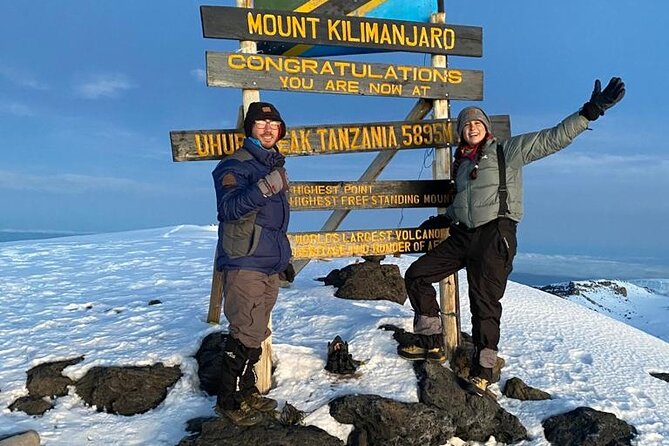
- Physical Fitness: While not strenuous, you’ll be spending long hours in a vehicle. Good general fitness is beneficial. If climbing Kilimanjaro is part of your plan, specific training is essential.
- Mental Preparedness: Embrace the adventure! Things may not always go perfectly to plan. A positive attitude and flexibility are your best assets.
- Learn Basic Swahili Phrases: While English is widely spoken in tourist areas, knowing a few Swahili phrases (Jambo – Hello, Asante – Thank you, Pole pole – Slowly slowly) is appreciated.
- Currency: The Tanzanian Shilling (TZS) is the local currency. USD is widely accepted for park fees, safaris, and major expenses, but having some Shillings for local markets and smaller purchases is useful. ATMs are available in major towns.
- Connectivity: Wi-Fi is available in most hotels and lodges, though speed can vary. Consider a local SIM card (e.g., Vodacom, Tigo, Airtel) for data and calls if you need to stay connected frequently.
Frequently Asked Questions (FAQs)
1. Is overland travel in Tanzania safe for solo travelers?
Overland travel can be safe for solo travelers, especially if you join a reputable organized group tour or hire a private vehicle with a driver-guide. If traveling independently using public transport, exercise extra caution, be aware of your surroundings, and avoid displaying valuables. Sticking to main routes and reputable accommodations is advised. For safari portions, a private vehicle with a guide is highly recommended for safety and the best wildlife viewing experience.
2. How much does overland travel in Tanzania cost?
Costs vary significantly based on your travel style, accommodation choices, and the duration of your trip. A budget overland trip using public transport and basic guesthouses might cost around $50-$100 USD per person per day, excluding major park fees. A mid-range trip with a private 4×4 and comfortable lodges could range from $250-$500+ USD per person per day, with park fees being a substantial portion of this. For 2026-2027 planning, it’s best to get custom quotes from operators.
3. What are the main costs involved in overland safaris?
The primary costs for overland safaris include: park entrance fees (these are significant and charged per person per day), vehicle hire (4×4 safari vehicle), fuel, driver-guide fees, accommodation (lodges, tented camps, or campsites), and meals. For longer overland journeys, inter-regional transport (buses, ferries) and associated accommodation will also be a factor.
4. Do I need a visa for Tanzania?
Most nationalities require a visa to enter Tanzania. You can typically apply for a visa online in advance (e-Visa) or obtain one on arrival at major entry points like Kilimanjaro International Airport (JRO) or Julius Nyerere International Airport (DAR). It’s crucial to check the latest visa requirements for your specific nationality on the official Tanzanian immigration website well before your 2026-2027 trip.
5. What vaccinations are needed for Tanzania?
It is essential to consult your doctor or a travel clinic at least 6-8 weeks before your trip. Recommended vaccinations often include Yellow Fever (required if arriving from or transiting through a country with a risk of Yellow Fever), Hepatitis A, Typhoid, and Tetanus. Malaria prophylaxis is also strongly recommended for most areas of Tanzania. Always follow medical advice.
6. Can I drive myself in Tanzania?
While technically possible to hire a 4×4 for self-drive, it is generally not recommended for most tourists, especially for reaching national parks. Roads can be challenging, navigation difficult, and breakdowns in remote areas can be problematic. Hiring a vehicle with an experienced local driver-guide is safer, more efficient, and provides access to their wildlife knowledge. This is the standard and most advisable approach for safari portions of overland travel.
7. What is the Great Migration and when is the best time to see it?
The Great Migration is the annual movement of over 1.5 million wildebeest, zebras, and gazelles across the Serengeti-Mara ecosystem in search of fresh grazing. The best time to witness the migration depends on the month. Generally, the calving season is in the Ndutu area (south Serengeti) from late January to February. River crossings, the most dramatic spectacle, typically occur in the Grumeti River (western Serengeti) around May-July and the Mara River (northern Serengeti) from July to October. Planning your 2026-2027 trip around these timings requires careful research and booking.
8. How much should I tip my driver-guide?
Tipping is customary and appreciated for good service. For a private safari driver-guide, a common range is $20-$30 USD per day for the group. For longer overland trips involving multiple crew members (cooks, camp assistants), tips are usually pooled. Your tour operator can provide specific recommendations based on the service provided and your satisfaction. Always tip based on quality of service.
9. Can I use my credit cards in Tanzania?
Credit cards are accepted at larger hotels, lodges, and some tour operators for pre-payment. However, for smaller purchases, local markets, tips, and in more remote areas, cash (USD and Tanzanian Shillings) is essential. ATMs are available in major towns like Arusha, Moshi, and Dar es Salaam, but can sometimes be unreliable or have withdrawal limits.
10. What is the best way to book an overland trip in Tanzania for 2026-2027?
The most effective way to book an overland trip in Tanzania for 2026-2027 is to contact reputable local tour operators who specialize in custom overland adventures. They can craft personalized itineraries, advise on the best routes and timings, and manage all logistics. Reach out to experienced operators who offer transparent pricing and excellent customer service. Early booking for 2026-2027 is highly recommended due to high demand, especially for peak safari seasons.
Your Tanzanian Overland Adventure Awaits
Overland travel in Tanzania offers an unparalleled opportunity to connect with one of Africa’s most captivating destinations. It’s a journey that promises adventure, discovery, and memories that will last a lifetime. Whether you dream of witnessing the Great Migration, exploring ancient landscapes, or immersing yourself in vibrant cultures, this guide has provided the foundational knowledge to plan your expedition.
Ready to turn your dream overland trip in Tanzania into a reality for 2026 or 2027? Don’t leave your planning to chance. Connect with experienced local experts who can tailor an unforgettable journey just for you.
Let’s Plan Your Dream Trip!
For personalized itinerary planning, expert advice, and seamless booking of your overland travel in Tanzania, get in touch with us:
- WhatsApp: +255616946642
- Email: topguideadventures@gmail.com
- Backup Email: info@topguideadventures.com
We look forward to helping you create your ultimate Tanzanian overland adventure!
Plan your Overland Travel in Tanzania Explained with Top Guide Adventures
Tell us your travel dates, group size, comfort level, and dream experience. We will help you shape a clear, realistic, and memorable Tanzania itinerary.

 Veedesigner
 Fatma Kizanga
 Benjamin Waryuba
 Philip Philip
 John jr Itaja
 Antonia Optatus
 Edith Kanyere
 Neema Iddy
 Kelvin Boniphace
 Damari Maiga



