
Updated planning guide for 2026-2027
Traveling From Tanzania To Kenya By Road: Complete Guide 2026-2027
Planning a road trip from Tanzania to Kenya? This detailed guide covers everything you need to know, from border crossings and routes to safety tips and essential preparations for your 2026-2027 adventure.
WhatsApp +255616946642 | topguideadventures@gmail.com | info@topguideadventures.com

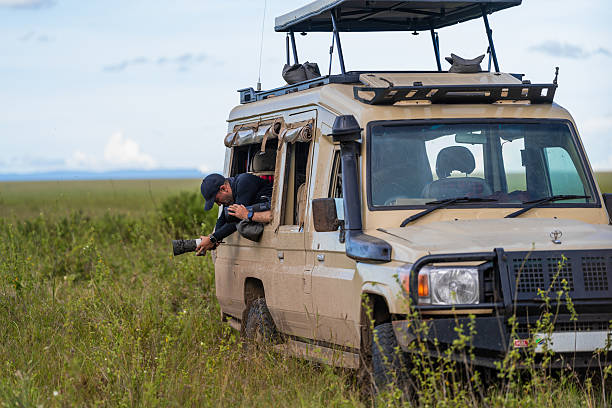
Traveling from Tanzania to Kenya by Road: Your Ultimate Overland Guide
For many travelers seeking an immersive East African experience, the journey traveling from Tanzania to Kenya by road offers unparalleled adventure and connection. This overland route is more than just a transfer; it’s an integral part of the safari experience, allowing you to witness the diverse landscapes, cultures, and wildlife that define this vibrant region. Whether you’re moving from the Serengeti to the Maasai Mara, or from Arusha to Nairobi, understanding the nuances of this cross-border travel is key to a smooth and rewarding trip.
This comprehensive guide is designed to equip you with all the information needed for your 2026-2027 overland journey. We’ll cover everything from route options and border procedures to essential packing lists, safety considerations, and tips for making the most of your travel day. As a leading tour operator in Tanzania, we at Top Guide Adventures are passionate about creating unforgettable travel experiences, and facilitating this cross-border connection is a service we frequently assist our clients with.
Quick Answer
Traveling from Tanzania to Kenya by road typically involves crossing at the Namanga or Holoholo border posts, with Nairobi or Arusha often serving as starting or ending points. The journey can take anywhere from 8 hours to several days, depending on your specific route, chosen transport, and stops. Key considerations include visa requirements, vehicle insurance, border formalities, and road conditions. Planning with a reputable tour operator can significantly simplify the process.
| Aspect | Details |
|---|---|
| Primary Border Crossings | Namanga (most common for Arusha-Nairobi), Holoholo (for western Tanzania/Kenya) |
| Main Route Connectors | Arusha (TZ) to Nairobi (KE), Serengeti (TZ) to Maasai Mara (KE) |
| Typical Travel Time (Arusha-Nairobi) | 8-10 hours (direct), 1-3 days (with stops) |
| Visa Requirements | Check current requirements for your nationality. Often available at border/online. |
| Currency | Tanzanian Shilling (TZS), Kenyan Shilling (KES), USD widely accepted for larger payments. |
| Language | Swahili (national), English (widely spoken in tourist areas) |
| Best Time to Travel | Dry seasons (June-October, January-February) for best road conditions. |
Table of Contents
- Overview of the Overland Journey
- Why Choose Road Travel Between Tanzania and Kenya?
- Key Border Crossings Explained
- Popular Overland Routes
- Route Illustration: Arusha to Nairobi
- Essential Planning for Your 2026-2027 Trip
- What to Expect on the Road
- Transport Options
- Typical Inclusions and Exclusions
- Packing Essentials for the Journey
- Common Mistakes to Avoid
- Who is This Journey Best Suited For?
- Alternatives to Road Travel
- Safety and Security on the Road
- Booking Your Overland Transfer
- Frequently Asked Questions
Overview of the Overland Journey
Traveling from Tanzania to Kenya by road is a staple for many multi-country East African safaris. It connects two of the continent’s most renowned wildlife destinations: Tanzania’s Serengeti, Ngorongoro Crater, and Kilimanjaro region with Kenya’s Maasai Mara, Amboseli, and the Great Rift Valley lakes. The most common overland route links Arusha, Tanzania, to Nairobi, Kenya, a journey that can be completed as a single, albeit long, travel day or broken down into multiple stops for a more leisurely exploration of the landscapes and cultures along the way.
This route offers a unique perspective, allowing travelers to transition from the vast plains of the Serengeti ecosystem to the rolling hills of the Maasai Mara, or from the foothills of Kilimanjaro to the bustling metropolis of Nairobi. It’s an experience that blends the thrill of wildlife spotting with the reality of cross-cultural interaction and the practicalities of international travel.
Why Choose Road Travel Between Tanzania and Kenya?
While flights are available between major hubs like Kilimanjaro International Airport (JRO) and Nairobi (NBO), choosing to travel by road offers distinct advantages for the adventurous traveler:
- Scenic Immersion: Witness the changing landscapes firsthand – from agricultural lands and small towns to vast savannahs and acacia-dotted plains. The visual transition is significant and memorable.
- Cultural Insights: Road travel provides opportunities to observe local life, stop at roadside markets, and interact with communities in a way that flying simply doesn’t allow. You see the real Africa unfold outside your window.
- Cost-Effectiveness: For groups or families, private road transfers can often be more economical than multiple flight tickets, especially when factoring in airport transfers and baggage fees.
- Flexibility and Customization: Overland journeys can be tailored to include stops at points of interest, such as Lake Natron, local villages, or specific viewpoints, creating a personalized itinerary.
- Seamless Wildlife Ecosystem Connection: For those moving between the Serengeti and the Maasai Mara, driving is often the most logical and direct way to connect these two world-famous parks, which are part of the same migratory ecosystem.
Key Border Crossings Explained
Successfully navigating the border is a crucial part of traveling from Tanzania to Kenya by road. Understanding the process can alleviate stress and ensure a smooth transition.
1. Namanga Border Post
This is the most frequently used and well-established border crossing for travelers moving between Arusha (Tanzania) and Nairobi (Kenya). It’s a paved road for the majority of the journey to the border on both sides.
- Location: Situated on the main road connecting Arusha and Nairobi.
- Process: You will first go through Tanzanian exit immigration and customs, then proceed a short distance to the Kenyan entry immigration and customs. For vehicles, there are specific procedures for temporary import permits and insurance (often called the COMESA card or similar).
- Facilities: The border post has immigration offices, customs, and currency exchange facilities. It can be busy, especially during peak travel times.
- Time: Allow at least 1-2 hours for the border crossing itself, depending on queues and vehicle processing.
2. Holoholo Border Post
This crossing is primarily used by travelers coming from or going to western Tanzania, such as areas near Lake Victoria or the Serengeti’s western corridor, and heading towards western Kenya (e.g., Kisumu) or vice versa. It’s less common for the Arusha-Nairobi route.
- Location: On the western side of Lake Victoria.
- Process: Similar to Namanga, involving exit and entry immigration and customs for both people and vehicles.
- Road Conditions: Can be more variable than Namanga, especially on the Tanzanian side, depending on recent weather.
Visa and Customs Considerations
- Visas: Check the latest visa requirements for your nationality for both Tanzania and Kenya well in advance. Many nationalities can obtain visas on arrival or apply online (e-visas). Ensure you have the correct documentation and any required fees.
- Vehicle Documentation: If you are traveling in a private vehicle, you will need the vehicle’s registration papers, a letter of authorization if you are not the owner, and proof of valid East African insurance (often a COMESA card). Tour operators typically handle this for their safari vehicles.
- Customs: Be aware of what you can and cannot bring across the border. Restrictions may apply to alcohol, tobacco, and certain goods. Declare anything that might be questionable.
Popular Overland Routes
The choice of route often depends on your starting point in Tanzania and your destination in Kenya.
1. Arusha to Nairobi
This is the quintessential overland route connecting northern Tanzania’s safari circuit with Kenya’s capital and its own famous parks.
- Route: A7 (Tanzania) to A104 (Kenya) via the Namanga border.
- Distance: Approximately 300-350 km (185-220 miles).
- Duration: 8-10 hours for a direct transfer, including border crossing. This can be extended to 2-3 days if you wish to stop and explore places like Amboseli National Park (Kenya), which is accessible from the main road, or visit towns along the way.
2. Serengeti (Tanzania) to Maasai Mara (Kenya)
This route is favored by those continuing their safari, seamlessly transitioning between two of the most iconic wildlife reserves in Africa. It’s often done in conjunction with a safari package.
- Route: Typically involves exiting the Serengeti via the Ikoma Gate or other western gates, driving towards the Serengeti National Park’s northern border, and crossing into Kenya via the Isebania/Kuria border post. From there, you drive to the Maasai Mara.
- Distance: Varies greatly depending on your exact starting point in the Serengeti and the specific gate used. Can be 200-400 km (125-250 miles) or more.
- Duration: This is usually a full-day drive, often 6-9 hours, and can be challenging due to road conditions within the parks and on the Tanzanian side of the border. It’s highly recommended to do this with an experienced safari operator and a 4×4 vehicle.
3. Other Routes
Less common but possible routes exist, such as traveling from Mbeya in southern Tanzania towards Zambia and then potentially back up into Kenya, or from Kigoma on Lake Tanganyika towards Uganda and then Kenya. These are significantly longer and more complex journeys, usually undertaken by very experienced overland travelers or those with specific expedition goals.
Route Illustration: Arusha to Nairobi
Here’s a simplified illustration of the common Arusha to Nairobi route:
| Leg | Start Point | End Point | Approx. Distance | Key Features / Notes |
|---|---|---|---|---|
| 1 | Arusha, Tanzania | Namanga Border Post | ~100 km / 60 miles | Paved road, passes through agricultural areas and small towns. |
| 2 | Namanga Border Post | Immigration/Customs (TZ Exit, KE Entry) | ~1 km | Border formalities for people and vehicles. Allow 1-2 hours. |
| 3 | Namanga Border Post (Kenya side) | Kajiado / Athi River | ~200 km / 125 miles | Paved road (A104). Can stop for lunch. Opportunity for a detour to Amboseli (requires extra time/planning). |
| 4 | Athi River | Nairobi, Kenya | ~40 km / 25 miles | Approaching Nairobi, traffic increases. Final destination in Nairobi. |
Essential Planning for Your 2026-2027 Trip
Thorough preparation is crucial for a successful overland journey. Here are key planning aspects for traveling from Tanzania to Kenya by road in 2026 and 2027.
1. Visas and Entry Requirements
For Tanzania: Depending on your nationality, you may need a visa. Many can be obtained on arrival or via an e-visa application before you travel. Check the Tanzanian immigration website.
For Kenya: Similarly, check visa requirements for Kenya. E-visas are common for many nationalities. Ensure your passport is valid for at least six months beyond your intended stay and has sufficient blank pages.
2. Health Precautions
Vaccinations: Consult your doctor or a travel clinic about recommended vaccinations for East Africa, including Yellow Fever (a certificate may be required for entry), Typhoid, Hepatitis A, and Tetanus. Discuss malaria prophylaxis.
Travel Insurance: Comprehensive travel insurance is non-negotiable. Ensure it covers medical emergencies, evacuation, trip cancellation, and lost belongings. For overland travel, check if it covers the specific regions and activities.
3. Currency Matters
You’ll need both Tanzanian Shillings (TZS) and Kenyan Shillings (KES). While USD is widely accepted for larger tourist services and at border towns, having local currency is essential for smaller purchases, local transport, and tips.
Tips for 2026-2027: ATMs are available in major towns, but can be unreliable in remote areas. Inform your bank of your travel dates. Consider carrying a mix of cash (USD in small denominations for emergencies) and using ATMs where available. Money transfer services like Wise (formerly TransferWise) can also be useful.
4. Communication
Purchase local SIM cards upon arrival in each country for affordable data and calls. Mobile networks are generally good along the main Arusha-Nairobi corridor but can be spotty in remote safari areas. Wi-Fi is available in most hotels and lodges.
5. Best Time to Travel
The dry seasons are generally best for road travel in East Africa:
- June to October: The peak of the dry season, offering excellent game viewing and generally good road conditions.
- January to February: Another dry spell, good for birdwatching and seeing wildlife concentrated around water sources.
The shoulder seasons (March-May, November-December) can bring rain, which can make some roads challenging, especially within parks or on unpaved sections. However, these periods often offer lower prices and fewer crowds.
| Period | Weather | Road Conditions | Wildlife Viewing | Crowds |
|---|---|---|---|---|
| June – Oct | Dry, cooler | Excellent | Excellent, migration in Mara | High |
| Nov – Dec | Short rains, warmer | Good, occasional muddy patches | Good, animals dispersing | Moderate |
| Jan – Feb | Dry, hotter | Excellent | Good, animals at waterholes | Moderate |
| Mar – May | Long rains, humid | Challenging, muddy, some roads impassable | Good, lush landscapes, births in Mara | Low |
What to Expect on the Road
Overland travel in East Africa is an adventure with its own set of realities.
Road Conditions
The main highway between Arusha and Nairobi is generally paved and in good condition, though sections can be undergoing maintenance. Roads within national parks and on less-traveled routes can vary significantly, from well-maintained gravel to deeply rutted tracks, especially after rain.
Pace of Travel
Journeys can be long. A direct Arusha-Nairobi trip takes about 8-10 hours, including border crossing. This is a full day of travel, and you’ll want to start early. If you plan to make stops, factor in additional days. Don’t underestimate travel times; distances may look short on a map, but road quality and traffic can significantly increase travel duration.
Border Crossing Experience
Be prepared for a busy and sometimes chaotic environment at the border. Immigration and customs officials are generally professional, but queues can form. Having all your documents organized and readily accessible is vital. Patience is a virtue here.
Scenery and Stops
The landscape shifts from fertile highlands around Arusha to the dry savannah approaching the border, and then to different vegetation zones in Kenya. Opportunities for photos and short breaks exist, but longer stops should be planned in advance, especially if traveling independently. If you’re on a guided safari, your guide will manage these aspects.
Food and Refreshments
There are roadside eateries and service stations where you can buy snacks and drinks. For longer journeys, it’s wise to carry your own water and some snacks. Packaged food might be more expensive at tourist-oriented stops.
Transport Options
Choosing the right mode of transport is key to your overland experience.
1. Private Safari Vehicle (4×4)
Ideal for: Safari-goers continuing from Tanzania to Kenya (e.g., Serengeti to Mara), those seeking comfort and flexibility, families, or small groups. These are typically 4×4 Land Cruisers or Land Rovers, driven by experienced guides.
Pros: Comfortable, capable on all road types, includes guide expertise, door-to-door service, handles border formalities smoothly.
Cons: Most expensive option.
2. Shuttle Bus / Minibus
Ideal for: Budget travelers, solo travelers, those prioritizing cost over comfort and flexibility.
Pros: Most affordable way to travel between Arusha and Nairobi. Regular departures.
Cons: Less comfortable, can be crowded, fixed schedules, no stops for sightseeing, border crossing can be more challenging independently, luggage space is limited.
3. Private Car / Taxi
Ideal for: Small groups or families wanting more comfort than a shuttle but less cost than a dedicated 4×4 safari vehicle. You can hire a standard car or a minivan.
Pros: More comfortable than a shuttle, more flexibility than a shuttle, can be arranged door-to-door.
Cons: May not be suitable for very rough roads if not a 4×4, requires careful vetting of the driver/company.
4. Public Bus
Ideal for: The most budget-conscious and adventurous travelers who are comfortable navigating local transport systems.
Pros: Extremely cheap.
Cons: Very basic comfort, long travel times, multiple changes likely, requires navigating multiple stages of the journey independently, luggage security can be a concern.
Typical Inclusions and Exclusions
When booking a transfer with a tour operator, understand what is included:
| Included | Excluded |
|---|---|
| Vehicle hire (4×4 for safari routes, standard for others) | Visa fees |
| Driver/Guide fees | Park entry fees (if stopping at parks) |
| Fuel | Meals and drinks (unless specified, e.g., packed lunch) |
| Cross-border paperwork assistance (for vehicles) | Tips for driver/guide |
| One-way transfer | Accommodation (unless part of a multi-day itinerary) |
| Pick-up from accommodation in Tanzania | Travel insurance |
| Drop-off at accommodation in Kenya | Personal expenses |
Packing Essentials for the Journey
Whether you’re driving yourself or being driven, some items are crucial for comfort and convenience:
- Passport and Visas: Keep them secure and accessible.
- Copies of Documents: Have digital and physical copies of your passport, visas, insurance, and booking confirmations.
- Cash: USD (small denominations), TZS, and KES for various expenses.
- Water Bottle: Stay hydrated. Refillable bottles are eco-friendly.
- Snacks: Energy bars, nuts, dried fruit, biscuits.
- Camera and Power Bank: For capturing the scenery and keeping devices charged.
- Comfortable Clothing: Light layers are best. A light jacket or sweater for cooler mornings/evenings.
- Sun Protection: Sunscreen, hat, sunglasses.
- Insect Repellent: Especially if you plan any stops or are traveling during wetter periods.
- Hand Sanitizer and Wet Wipes: For hygiene on the go.
- Small Backpack: For essentials you’ll need during the journey.
- Book or Entertainment: For downtime during long stretches.
Common Mistakes to Avoid
Learning from others’ experiences can help you plan better for traveling from Tanzania to Kenya by road.
- Underestimating Travel Time: Always add buffer time for border crossings, road conditions, and potential delays.
- Not Having Enough Local Currency: Relying solely on USD or cards can be problematic for smaller purchases or in areas with limited connectivity.
- Ignoring Visa Requirements: Failing to check or secure necessary visas in advance can lead to significant delays or denial of entry.
- Poorly Maintained Vehicle (if self-driving): Ensure your vehicle is in excellent condition, with spare tires, tools, and an understanding of basic maintenance.
- Not Booking in Advance (for private transfers): Especially during peak season 2026-2027, reputable operators get booked up.
- Packing Too Much: Keep luggage manageable, especially if using shuttles or public transport.
- Not Informing Banks: Failing to notify your bank about your travel plans can result in your cards being blocked.
- Relying on Unverified Information: Always check official sources for visa and health advice.
Who is This Journey Best Suited For?
The overland journey between Tanzania and Kenya appeals to a range of travelers:
- Adventure Seekers: Those who enjoy the journey as much as the destination and appreciate the authentic travel experience.
- Budget Travelers: Utilizing shuttle buses or public transport offers a significantly cheaper alternative to flying.
- Safari Enthusiasts: Particularly those migrating between the Serengeti and Maasai Mara, where road travel is often the most practical link.
- Families and Groups: Private vehicle transfers can be cost-effective and convenient for shared travel.
- Culture Explorers: Individuals interested in observing local life and the diverse landscapes of East Africa.
It is less suited for travelers who prioritize speed, luxury, and minimal hassle, for whom flying would be a better option.
Alternatives to Road Travel
If the overland journey doesn’t fit your travel style or time constraints, consider these alternatives:
- Flying: Direct flights are available between Kilimanjaro International Airport (JRO) and Nairobi (NBO). This is the fastest option, taking around 1-1.5 hours of flight time, plus airport transit. It’s ideal for maximizing time in parks.
- Bus and Flight Combination: Travel by bus from Arusha to Nairobi and then take a domestic flight within Kenya to your safari destination, or vice versa.
- Boat Travel (limited): While not a direct Tanzania-Kenya route, traveling between coastal areas or islands via boat is common, but not applicable for overland journeys between the main safari hubs.
Safety and Security on the Road
Safety is a primary concern for any traveler. Here are some tips for staying safe when traveling from Tanzania to Kenya by road:
- Use Reputable Operators: For private transfers, always book with well-established and recommended tour operators. Check reviews and ask for references.
- Vehicle Safety: Ensure the vehicle is in good condition, with working seatbelts and a competent driver. For private vehicles, ensure adequate insurance and permits.
- Personal Belongings: Keep valuables secure and out of sight. Be aware of your surroundings, especially at busy border crossings and rest stops. Never leave luggage unattended.
- Night Travel: It is generally advised to avoid traveling by road at night in both Tanzania and Kenya, particularly on inter-city routes, due to road conditions, wildlife, and potential security risks. Most reputable transfers are planned for daytime travel.
- Health Emergencies: Carry a basic first-aid kit. Know the location of the nearest medical facilities along your route. Ensure your travel insurance covers medical evacuation.
- Road Rules: While not always strictly enforced, be aware of speed limits and general road etiquette. Drivers are typically experienced in local conditions.
- Wildlife Encounters: If driving through wildlife areas, always follow park rules and your guide’s instructions. Do not feed animals or approach them too closely.
Booking Your Overland Transfer
When planning your traveling from Tanzania to Kenya by road, booking your transfer requires careful consideration. For the best experience, especially if you are moving between safari destinations or prefer comfort and reliability, we highly recommend booking with a reputable tour operator.
Why Book with a Tour Operator?
- Expertise: They understand the routes, border procedures, and local conditions.
- Logistics Management: They handle all vehicle arrangements, driver hiring, and cross-border paperwork.
- Safety: They use vetted drivers and well-maintained vehicles.
- Comfort: Typically provide 4×4 safari vehicles for safari-related transfers, ensuring comfort on various terrains.
- Peace of Mind: You can relax and enjoy the journey, knowing all the details are managed.
What to Look For When Booking for 2026-2027:
- Reputation: Look for companies with positive reviews and a long-standing presence.
- Inclusions: Clearly understand what is included in the price (e.g., vehicle, driver, fuel, border assistance) and what is not (visas, meals, tips).
- Vehicle Type: Ensure the vehicle is appropriate for the route (e.g., 4×4 for Serengeti-Mara transfers).
- Communication: A good operator will be responsive and provide clear information.
- Payment Terms: Understand the deposit and final payment schedule.
How to Book with Us
At Top Guide Adventures, we specialize in creating seamless travel experiences across East Africa. We can arrange reliable and comfortable overland transfers from Tanzania to Kenya, tailored to your itinerary. Whether you’re concluding a Kilimanjaro climb and heading to Nairobi, or moving from the Serengeti to the Maasai Mara, we’ve got you covered.
Contact us today to discuss your overland transfer needs for 2026-2027:
- WhatsApp: +255616946642
- Email: topguideadventures@gmail.com
- Backup Email: info@topguideadventures.com
We are committed to providing exceptional service and ensuring your journey is as enjoyable as your safari.
Frequently Asked Questions
Q1: How long does it take to travel from Arusha to Nairobi by road?
A: A direct road transfer from Arusha to Nairobi typically takes between 8 to 10 hours, including the time spent at the Namanga border crossing. This can be longer depending on traffic, road conditions, and the efficiency of the border procedures. For 2026-2027 travel, it’s always wise to add a buffer for unexpected delays.
Q2: Can I travel from Tanzania to Kenya by road without a pre-booked tour?
A: Yes, it is possible to travel independently using shuttle buses or public transport. However, for comfort, reliability, and to navigate the border procedures smoothly, especially if you are connecting between safari parks, booking a private transfer with a tour operator is highly recommended for your 2026-2027 trip.
Q3: What documents do I need to cross the Tanzania-Kenya border by road?
A: You will need your valid passport (with at least six months’ validity and blank pages), any required visas for Kenya (check your nationality’s requirements), and potentially a Yellow Fever vaccination certificate. If traveling in a private vehicle, ensure you have the vehicle’s registration and COMESA insurance. Tour operators will assist with vehicle documentation.
Q4: Is it safe to travel from Tanzania to Kenya by road?
A: Generally, yes, especially on the main Arusha-Nairobi route during daylight hours and when using reputable transport providers. It’s advisable to avoid night travel. Road conditions can vary, and vigilance is required at busy border points. Choosing a trusted tour operator significantly enhances safety and peace of mind for your 2026-2027 travels.
Q5: What is the best border crossing to use?
A: The Namanga border post is the most common and generally the most efficient crossing for travelers moving between Arusha and Nairobi. For those traveling from western Tanzania or the Serengeti’s western areas to western Kenya, the Holoholo or Isebania/Kuria border posts are used.
Q6: Can I get a visa on arrival at the border?
A: For many nationalities, visas for Kenya and Tanzania can be obtained on arrival or through an e-visa system applied for in advance. However, immigration policies can change. It is always best to check the latest official requirements for your nationality before your trip in 2026-2027 and ideally secure e-visas beforehand to save time at the border.
Q7: What if I’m traveling from the Serengeti to the Maasai Mara?
A: This is a popular overland route. You’ll typically exit the Serengeti via a western or northern gate, drive towards the Isebania/Kuria border post, and then proceed to the Maasai Mara in Kenya. This journey is best done in a 4×4 safari vehicle with an experienced guide, as road conditions can be challenging. It usually takes a full day.
Q8: What should I pack for a road trip between Tanzania and Kenya?
A: Pack light, comfortable clothing, sun protection (hat, sunscreen, sunglasses), insect repellent, a reusable water bottle, snacks, a power bank, copies of your important documents, and some local currency (TZS and KES). A small backpack for essentials during the journey is also useful.
Q9: Can I use my credit card or USD for payments along the route?
A: USD is widely accepted for larger tourist services and at border towns, but exchange rates may not always be favorable. Credit cards are accepted in major hotels and some shops in cities like Nairobi and Arusha, but not reliably at roadside stops or smaller towns. It’s best to have local currency (TZS and KES) for smaller expenses.
Q10: What are the best times of year for road travel between Tanzania and Kenya?
A: The dry seasons, from June to October and January to February, offer the best road conditions and are generally preferred for overland travel. The rainy seasons (March-May and November-December) can lead to muddy and challenging roads, particularly in rural and park areas.
Plan Your Seamless Tanzania to Kenya Overland Adventure
Traveling from Tanzania to Kenya by road offers a rich, authentic, and memorable way to experience East Africa. By understanding the routes, border procedures, and essential planning steps, you can ensure a smooth and enjoyable journey. Whether you are continuing your safari adventure or simply transitioning between these two incredible countries, the overland experience provides a unique perspective.
For expert planning and reliable arrangements for your traveling from Tanzania to Kenya by road in 2026-2027, trust Top Guide Adventures. We are dedicated to making your East African journey exceptional.
Get in touch with our travel experts today:
- WhatsApp: +255616946642
- Email: topguideadventures@gmail.com
- Backup Email: info@topguideadventures.com
Let us help you craft an unforgettable overland expedition.
Plan your Traveling from Tanzania to Kenya by Road with Top Guide Adventures
Tell us your travel dates, group size, comfort level, and dream experience. We will help you shape a clear, realistic, and memorable Tanzania itinerary.







 Veedesigner
 Fatma Kizanga
 Benjamin Waryuba
 Philip Philip
 John jr Itaja
 Antonia Optatus
 Edith Kanyere
 Neema Iddy
 Kelvin Boniphace
 Damari Maiga



