
Updated planning guide for 2026-2027
Traveling From Tanzania To Uganda: Complete Guide 2026-2027
Planning a journey from Tanzania to Uganda? This detailed guide covers everything you need to know, from overland routes and flights to visa requirements, best travel times, and essential planning advice for 2026-2027.
WhatsApp +255616946642 | topguideadventures@gmail.com | info@topguideadventures.com
Traveling from Tanzania to Uganda: The Complete Expert Guide
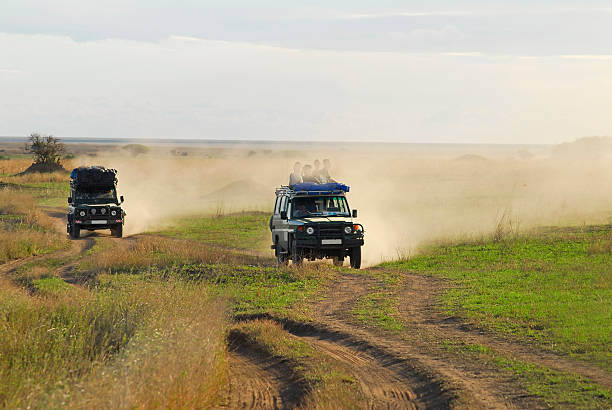
The idea of journeying from the vast plains of the Serengeti to the mist-shrouded mountains of Uganda might seem ambitious, but it’s a remarkably rewarding experience for adventurous travelers. Combining these two East African gems offers unparalleled wildlife encounters, cultural immersion, and breathtaking landscapes. Whether you’re starting your African adventure in Tanzania and heading north, or vice versa, understanding the logistics of traveling from Tanzania to Uganda is key to a smooth and memorable trip. This guide provides a comprehensive look at routes, planning, costs, and what to expect for your 2026-2027 travels.
Quick Answer
Traveling from Tanzania to Uganda typically involves either a flight or an overland journey. Overland routes often go via Rwanda or directly through Kenya. Flights offer speed and convenience, usually connecting through Nairobi or Kilimanjaro. Planning is crucial, considering visa requirements, the best time to travel for wildlife viewing, and your budget. For 2026-2027, early booking is recommended, especially for peak safari seasons.
| Aspect | Details |
|---|---|
| Primary Routes | Overland (via Kenya/Rwanda), Flights (via Nairobi/Kigali) |
| Key Border Crossings | Namanga (Tanzania-Kenya), Malaba (Kenya-Uganda), Katuna (Uganda-Rwanda) |
| Travel Time | Flights: ~3-6 hours (plus airport time). Overland: 2-5+ days depending on route and stops. |
| Visa Requirements | Tanzania visa (if needed), Uganda visa (e-visa available), East Africa Tourist Visa (if applicable) |
| Best Time to Travel | June-October (dry season), January-February (short dry season) |
| Currency | Tanzanian Shilling (TZS), Ugandan Shilling (UGX), USD widely accepted for tourism |
Understanding the Journey: Why Combine Tanzania and Uganda?
Tanzania is synonymous with iconic safari destinations like the Serengeti, Ngorongoro Crater, and Mount Kilimanjaro. Uganda, often called the ‘Pearl of Africa,’ offers incredible gorilla trekking in Bwindi Impenetrable National Park, chimpanzee tracking in Kibale Forest, and the dramatic Murchison Falls. Connecting these two distinct yet complementary experiences provides a rich and varied African adventure.
Travelers choose to move between these countries for several reasons:
- Wildlife Diversity: From the Great Migration in Tanzania to the unique primates in Uganda, you see a broader spectrum of African fauna.
- Gorilla & Chimpanzee Trekking: Uganda is one of the premier destinations for close encounters with mountain gorillas and chimpanzees.
- Cultural Exploration: Experience the diverse cultures of both nations, from Maasai communities in Tanzania to the kingdoms and tribes of Uganda.
- Landscape Variety: From Tanzania’s savannahs and Kilimanjaro’s peaks to Uganda’s dense rainforests and volcanic landscapes.
- Logistical Flow: Many multi-country East African itineraries naturally include both destinations.
Navigating the Routes: Overland vs. Flights
The decision between flying and traveling overland significantly impacts your budget, time, and the overall experience. Both have distinct advantages.
1. Overland Travel from Tanzania to Uganda
This is the more adventurous and budget-friendly option, allowing for a deeper immersion into the landscapes and local life. However, it is considerably more time-consuming.
Route Option A: Via Kenya
This is the most common overland route. It typically involves:
- Tanzania to Kenya: Travel from Arusha or Moshi to Nairobi, Kenya. This is usually done by shuttle bus or private transfer. The border crossing is at Namanga.
- Kenya to Uganda: From Nairobi, you can travel to Kampala, Uganda, via bus or private vehicle. The main border crossing is at Malaba.
Key Considerations for this Route:
- Time: This route can take anywhere from 2 to 5 days, depending on your pace, border crossing times, and any stops you wish to make in Kenya (e.g., Masai Mara).
- Border Crossings: Namanga and Malaba can be busy. Ensure you have all necessary visas and documentation ready to avoid delays. The East Africa Tourist Visa might simplify border crossings if you qualify and plan to visit multiple partner countries within a set timeframe.
- Comfort: Buses can be long and crowded. Private transfers offer more comfort but at a higher cost.
- Scenery: You’ll experience the changing landscapes between the two countries.
Route Option B: Via Rwanda (Less Common for Direct Tanzania-Uganda)
While less direct for a Tanzania-to-Uganda journey, some travelers might go Tanzania -> Kenya -> Rwanda -> Uganda. This is more common if Rwanda is a primary destination.
- Tanzania to Kenya: As above.
- Kenya to Rwanda: Fly or take a long overland journey to Kigali, Rwanda.
- Rwanda to Uganda: Cross the border at Katuna/Gatuna. This route is often chosen for its proximity to southern Uganda’s gorilla parks.
Note: This route adds significant travel time and complexity. For most travelers focusing on Tanzania and Uganda, the Kenya route is more practical.
Simplified Overland Route Overview (Via Kenya)
Arusha/Moshi (Tanzania) -> Namanga Border Crossing -> Nairobi (Kenya) -> Malaba Border Crossing -> Kampala (Uganda)
2. Flying from Tanzania to Uganda
Flying is the fastest and most convenient way to travel between Tanzania and Uganda, especially if time is limited.
Direct Flights (Rare)
Direct flights between major cities like Kilimanjaro International Airport (JRO) or Zanzibar (ZNZ) and Entebbe International Airport (EBB) are infrequent or non-existent. If they do operate, they are usually charter or seasonal.
Connecting Flights
Most flights will have a stopover, typically in:
- Nairobi, Kenya (NBO): This is the most common hub. You’ll fly from JRO or ZNZ to NBO, then connect to EBB. Airlines like Kenya Airways are frequent carriers.
- Addis Ababa, Ethiopia (ADD): Ethiopian Airlines offers connections through Addis Ababa.
- Doha, Qatar (DOH) or Dubai, UAE (DXB): For travelers using Middle Eastern carriers like Qatar Airways or Emirates, connections through these hubs are also possible, though they add significant travel time.
Flight Details:
- Airports: Major Tanzanian airports are Kilimanjaro (JRO), Dar es Salaam (DAR), and Zanzibar (ZNZ). Uganda’s main international airport is Entebbe (EBB).
- Duration: Actual flight time is usually 1-3 hours per leg, but with layovers, the total journey can range from 5 to 12+ hours.
- Cost: Flights are generally more expensive than overland travel, especially when booked last minute. Prices can vary significantly based on the season, airline, and booking time.
- Convenience: This option saves considerable travel time and avoids the potential complexities of border crossings.
Visa Requirements for Tanzania and Uganda
Understanding visa regulations is critical for a smooth transition. Requirements can change, so always verify with official sources before your trip.
Tanzania Visa
Depending on your nationality, you may need a visa for Tanzania. Many nationalities can obtain a visa on arrival or apply for an e-visa in advance. Check the Tanzanian immigration website for the latest requirements.
Uganda Visa
Uganda has an e-visa system. It is highly recommended to apply for your Ugandan visa online before you travel. This speeds up entry at the airport or border.
The East Africa Tourist Visa
This visa allows travel between Kenya, Uganda, and Rwanda. If you plan to visit all three countries, this can be a convenient and cost-effective option. You apply for it through the immigration authority of the first country you will enter. For example, if you enter Uganda first from Tanzania, you would apply for the East Africa Tourist Visa through Uganda’s immigration. It is typically valid for 90 days and allows multiple entries.
Important: Confirm the current status and eligibility for the East Africa Tourist Visa as agreements can change between the partner countries.
Best Time to Travel: Seasonality for Your Journey
The best time to travel from Tanzania to Uganda depends on what you want to see and do. Generally, the dry seasons offer the most favorable conditions for safaris and trekking.
| Season | Months | Tanzania Highlights | Uganda Highlights | Considerations |
|---|---|---|---|---|
| Dry Season (Peak) | June – October | Great Migration in Serengeti, Ngorongoro Crater accessible, Kilimanjaro climbing season. Pleasant temperatures. | Gorilla trekking excellent (less rain, clear views), chimpanzee tracking good, game drives easier. | Most popular and thus most expensive. Book accommodations and permits well in advance for 2026-2027. High demand. |
| Short Rains / Green Season | November – December | Fewer crowds, landscapes are greening, migratory birds arrive. | Chimpanzee trekking good, landscapes beautiful, fewer tourists. | Some roads may become challenging. Prices may be slightly lower. |
| Long Rains / Green Season | March – May | Landscapes are lush, birdwatching excellent, Great Migration in southern Serengeti/Ndutu area (calving season). | Gorilla trekking can be challenging (muddy trails), but permits may be easier to get. Lush scenery. | Most challenging for overland travel due to rain. Some lodges may close. Lowest prices. |
| Short Dry Season | January – February | Calving season for the Great Migration in southern Serengeti/Ndutu. Good for birdwatching. | Good for gorilla and chimpanzee trekking. Pleasant temperatures. | Popular period, especially for migration viewing. Book ahead for 2026-2027. |
Crafting Your Itinerary: Sample Journey Logic
A common approach is to start in Tanzania, explore its wonders, and then transition to Uganda. Here’s a sample itinerary logic, assuming an overland journey via Kenya.
Sample Itinerary: 3-Week Tanzania & Uganda Adventure (Overland via Kenya)
- Day 1-3: Arrive in Tanzania & Arusha/Moshi
- Arrive at Kilimanjaro International Airport (JRO).
- Transfer to Arusha or Moshi. Acclimatize, prepare for safari.
- Optional: Day trip to Materuni Waterfalls or local markets.
- Day 4-7: Northern Circuit Safari (Tanzania)
- Begin your safari: Tarangire National Park (elephants, baobabs).
- Ngorongoro Conservation Area (Crater descent for wildlife viewing).
- Serengeti National Park (plains, big cats, Great Migration depending on season).
- Stay in lodges or tented camps.
- Day 8: Travel to Arusha/Moshi & Prepare for Kenya
- Return to Arusha/Moshi.
- Organize onward travel to Kenya.
- Day 9: Overland to Nairobi, Kenya
- Morning shuttle bus or private transfer to Nairobi.
- Cross the Namanga border.
- Arrive in Nairobi in the afternoon/evening.
- Overnight in Nairobi.
- Day 10: Nairobi Exploration or Rest
- Optional: Visit Nairobi National Park, Giraffe Centre, or Karen Blixen Museum.
- Prepare for the journey to Uganda.
- Day 11: Overland to Kampala, Uganda
- Morning bus or private transfer to Kampala.
- Cross the Malaba border.
- Arrive in Kampala in the evening.
- Overnight in Kampala.
- Day 12-13: Kampala & Entebbe Area
- Explore Kampala: Uganda Museum, Kasubi Tombs, markets.
- Visit Entebbe: Botanical Gardens, UWEC Zoo, perhaps a trip to Ngamba Island Chimpanzee Sanctuary.
- Day 14-17: Gorilla Trekking (Bwindi Impenetrable National Park)
- Travel south to Bwindi. This is a long drive (8-10 hours). Consider breaking the journey or flying to a local airstrip if budget allows.
- Gorilla Trekking Permit Day: Early morning briefing, trek into the forest to find a gorilla family.
- Spend time observing the gorillas.
- Return to lodge.
- Day 18-19: Chimpanzee Trekking (Kibale Forest National Park)
- Travel north to Kibale Forest.
- Chimpanzee Tracking: Morning trek to find the habituated chimpanzee communities.
- Optional: Bird watching or nature walks in the area.
- Day 20: Return to Kampala/Entebbe
- Drive back to Kampala or Entebbe.
- Last-minute souvenir shopping.
- Day 21: Departure
- Transfer to Entebbe International Airport (EBB) for your departure.
Variations:
- Flying: Replace Days 9-11 with flights from JRO/ZNZ to EBB, potentially via Nairobi. This saves 2-3 days.
- Focus on Gorillas: Spend more time in Bwindi, perhaps adding a second trek or visiting the nearby Mgahinga Gorilla National Park for golden monkey tracking.
- Add Queen Elizabeth National Park: This park is en route between Bwindi and Kibale and offers boat safaris on the Kazinga Channel and tree-climbing lions in the Ishasha sector.
What to Expect: Realities of the Journey
Overland Travel:
- Road Conditions: Roads can vary from excellent tarmac to rough, unpaved tracks, especially in rural areas or during the rainy season.
- Border Crossings: Be prepared for potential queues, multiple checks, and possibly some touts. Patience is essential.
- Public Transport: Buses are common but can be crowded and make frequent stops. Driving times can be long due to road conditions and traffic.
- Accommodation: Options range from basic guesthouses and hostels to mid-range hotels and lodges.
Flying:
- Efficiency: Significantly reduces travel time.
- Cost: The primary drawback is the higher expense.
- Airport Experience: Standard international airport procedures apply.
General Expectations for Both:
- Wildlife: Both countries offer incredible wildlife viewing, but the focus differs. Tanzania excels in large herds and savannah predators, while Uganda is prime for primates.
- Culture: Engage respectfully with local communities. Learn a few basic phrases in Swahili (Tanzania) and Luganda/English (Uganda).
- Safety: While generally safe for tourists, be aware of your surroundings, especially in cities. Follow advice from your tour operator or local guides.
- Connectivity: Wi-Fi can be spotty outside major towns and lodges. Consider purchasing local SIM cards for better mobile data access.
Packing and Preparation Essentials
Packing for a trip spanning two countries with diverse activities requires careful planning.
Essential Packing List
- Clothing: Lightweight, breathable fabrics. Neutral colors for safaris (khaki, beige, olive green). Layers for cooler evenings/mornings. A waterproof jacket is essential, especially for rainforest trekking.
- Footwear: Comfortable walking shoes or hiking boots (broken in!), sandals or flip-flops for relaxing.
- Health: Personal first-aid kit, insect repellent (DEET recommended), sunscreen, hand sanitizer, any personal medications. Consult your doctor about malaria prophylaxis and necessary vaccinations well in advance of 2026-2027 travel.
- Documents: Passport (with at least 6 months validity), visa documentation, flight tickets, travel insurance details, copies of all important documents (stored separately), vaccination certificates (e.g., Yellow Fever).
- Money: USD is widely accepted for tourism services and visas. Also carry some local currency (TZS, UGX) for smaller purchases. ATMs are available in larger towns.
- Gear: Binoculars, camera with extra batteries and memory cards, headlamp or flashlight, reusable water bottle, small backpack for day trips.
- Trekking Specifics: For gorilla/chimpanzee treks, consider waterproof trousers, gaiters, and sturdy hiking poles.
Preparation Checklist:
- Book Flights/Accommodation: Especially for peak seasons (June-Oct, Jan-Feb) for 2026-2027.
- Secure Permits: Gorilla and chimpanzee trekking permits must be booked months in advance.
- Visa Applications: Apply for Ugandan e-visa and check Tanzania requirements. Consider the East Africa Tourist Visa if applicable.
- Travel Insurance: Ensure it covers medical emergencies, evacuation, and trip cancellations.
- Health Consultations: Visit your doctor 4-6 weeks before travel for vaccinations and malaria advice.
- Currency Exchange: Familiarize yourself with the exchange rates and have some USD on hand.
Common Mistakes to Avoid When Traveling Between Tanzania and Uganda
Learning from others’ experiences can save you time, money, and frustration.
- Underestimating Travel Time: Overland journeys are often longer than anticipated due to road conditions, border delays, and vehicle issues.
- Not Booking Permits in Advance: Gorilla and chimpanzee permits are highly sought after and sell out quickly, especially for 2026-2027.
- Ignoring Visa Requirements: Failing to secure necessary visas or understand the e-visa process can lead to being denied entry.
- Packing Inappropriately: Bringing only light summer clothes might be insufficient for cooler highlands or rainy forest treks.
- Not Budgeting for the Unexpected: Factor in potential costs for border fees, tips, extra meals, or unforeseen travel changes.
- Relying Solely on Mobile Money: While useful, ensure you have enough cash, especially for remote areas or smaller vendors.
- Not Getting Travel Insurance: This is non-negotiable for any international trip, especially one involving adventure activities.
Who is This Journey Best Suited For?
This combined trip is ideal for:
- Wildlife Enthusiasts: Those who want to experience the iconic large mammals of Tanzania and the unique primates of Uganda.
- Adventurous Travelers: Individuals or couples comfortable with overland travel, varying accommodation standards, and a degree of unpredictability.
- Nature Lovers: Anyone drawn to diverse ecosystems, from savannahs to dense rainforests.
- Photography Buffs: The photographic opportunities are immense, from vast landscapes to intimate wildlife encounters.
- Cultural Explorers: Those interested in learning about different African cultures and traditions.
It might be less suitable for travelers on a very tight schedule who prefer luxury and predictable comfort at every step, or those who dislike long journeys.
Alternatives to Traveling Directly Between Tanzania and Uganda
If the direct Tanzania-Uganda route isn’t quite right, consider these alternatives:
- Focus on Tanzania Only: Dedicate more time to explore Tanzania’s diverse offerings, including Zanzibar for a beach extension, or lesser-visited parks like Ruaha or Selous.
- Focus on Uganda Only: Immerse yourself fully in Uganda’s primate trekking, explore the source of the Nile, and visit the stunning Rwenzori Mountains.
- Tanzania & Kenya Combination: A very popular route, focusing on the Masai Mara and Serengeti ecosystems, plus Nairobi and potentially coastal areas.
- Uganda & Rwanda Combination: Ideal for extensive primate trekking (gorillas in both countries, plus chimpanzees and golden monkeys) and exploring the Volcanoes National Park and Akagera National Park.
Planning Your 2026-2027 Trip: Expert Tips
Planning ahead is crucial for a successful trip, especially for 2026-2027 travel, as demand for popular activities like gorilla trekking continues to rise.
- Book Early: Aim to book your main safari lodges, gorilla permits, and flights at least 6-12 months in advance for peak seasons. For 2026-2027, starting your research and booking 12-18 months ahead is wise.
- Choose Your Operator Wisely: A reputable tour operator can handle logistics, recommend the best routes, and ensure smooth transitions between countries. Look for operators with experience in both Tanzania and Uganda.
- Budget Realistically: Factor in not just the big-ticket items (safari, permits) but also daily expenses, tips, souvenirs, and potential contingency funds. Overland travel can save money but requires more flexibility.
- Stay Flexible: While planning is essential, be prepared for minor changes. African travel can sometimes involve unexpected delays. A flexible attitude is your best asset.
- Prioritize Health: Consult your doctor well in advance for vaccinations and malaria prevention. Pack a comprehensive first-aid kit.
- Understand Visa Options: Research the East Africa Tourist Visa and compare it with individual visas to find the most suitable and cost-effective option for your itinerary in 2026-2027.
Booking Advice: Working with a Tour Operator
Partnering with an experienced tour operator can simplify the complexities of traveling from Tanzania to Uganda. Here’s how to approach booking:
Why Work With Us?
At Best Tanzania Tour Operator, we specialize in crafting unforgettable East African adventures. We understand the nuances of cross-border travel and can help you seamlessly connect your Tanzanian experiences with Uganda’s unique attractions. Our expertise ensures:
- Tailored Itineraries: We design trips based on your interests, budget, and time, whether you prefer overland exploration or efficient flights.
- Permit Procurement: We handle the often challenging process of securing gorilla and chimpanzee trekking permits well in advance.
- Logistical Coordination: From airport transfers and inter-country transport to accommodation bookings, we manage all the details.
- Local Knowledge: Our guides and staff provide invaluable insights into wildlife, culture, and safety.
- 24/7 Support: We are available to assist you throughout your journey.
How to Book:
1. Initial Inquiry: Reach out to us with your travel dates, interests (safari, trekking, culture), preferred travel style (budget, mid-range, luxury), and the number of travelers.
2. Itinerary Consultation: We will discuss your options, suggest suitable routes, and outline potential itineraries. For traveling from Tanzania to Uganda, we can propose both overland and flight-based plans for 2026-2027.
3. Customization: We refine the itinerary based on your feedback until it perfectly matches your vision.
4. Quotation & Deposit: We provide a detailed quote and require a deposit to confirm your booking and secure permits/lodges.
5. Pre-Trip Information: You’ll receive comprehensive information about packing, health, visas, and what to expect.
6. Final Payment & Departure: Make the final payment, and prepare for your incredible East African adventure!
Contact Us to Plan Your Tanzania to Uganda Journey:
WhatsApp: +255616946642
Email: topguideadventures@gmail.com
Backup Email: info@topguideadventures.com
Frequently Asked Questions (FAQs)
Q1: Is it safe to travel overland from Tanzania to Uganda?
Yes, overland travel is generally safe for tourists when using reputable transport providers and following standard travel precautions. Border crossings are well-established tourist routes. However, it requires more time and patience than flying.
Q2: How much does it cost to travel from Tanzania to Uganda?
Costs vary significantly. Overland travel can cost from $100-$300 per person for transport and basic accommodation for the journey itself. Flights can range from $300-$800+ per person depending on the route and booking time. This is in addition to your safari and trekking costs within each country.
Q3: Can I get a visa on arrival for Uganda?
While visa on arrival was historically an option for some nationalities, Uganda strongly recommends and facilitates e-visa applications online before travel. This speeds up your entry and is the preferred method for 2026-2027.
Q4: Do I need a Yellow Fever vaccination to travel between Tanzania and Uganda?
A Yellow Fever vaccination certificate is often required, especially if arriving from or transiting through a country with a risk of Yellow Fever transmission. It’s best to check the latest requirements from Ugandan and Tanzanian immigration authorities and consult your doctor.
Q5: What is the best way to see the Great Migration if I’m traveling from Tanzania to Uganda?
The Great Migration’s location varies by season. If your trip includes the Serengeti during the migration months (e.g., June-October for the western/northern Serengeti, or January-February for the southern Serengeti calving season), you can witness it before heading to Uganda. This requires careful itinerary planning.
Q6: How difficult is gorilla trekking in Uganda?
Gorilla trekking involves hiking through dense, often steep, and muddy rainforest terrain. Fitness levels vary, but a moderate level of fitness is recommended. The actual trek duration can be 2-6 hours. Guides assist throughout, and the experience is profoundly rewarding.
Q7: Can I use USD for all my expenses in both countries?
USD is widely accepted for major tourism services, park fees, and permits in both Tanzania and Uganda. However, for smaller purchases, local markets, and local transport, you will need Tanzanian Shillings (TZS) and Ugandan Shillings (UGX). ATMs are available in cities and larger towns.
Q8: Is it possible to arrange travel from Zanzibar to Uganda directly?
Direct flights from Zanzibar (ZNZ) to Entebbe (EBB) are rare. You will most likely need to fly from Zanzibar to Kilimanjaro (JRO) or Dar es Salaam (DAR) and then connect to a flight to Entebbe, usually via Nairobi.
Q9: What are the main differences between safaris in Tanzania and Uganda?
Tanzania offers vast savannah safaris (Serengeti, Ngorongoro) known for the Great Migration, big cats, and diverse large mammals. Uganda is renowned for its primate trekking (gorillas in Bwindi, chimps in Kibale) and offers savannah safaris in parks like Murchison Falls and Queen Elizabeth, which also feature abundant birdlife and unique attractions like tree-climbing lions.
Q10: How far in advance should I book my gorilla permits for 2026-2027?
For peak seasons (June-October, December-January), it is highly recommended to book your gorilla permits at least 6-9 months in advance. For 2026-2027, booking 9-12 months ahead is a safer bet to secure your preferred dates.
Begin Your East African Adventure Today!
Traveling from Tanzania to Uganda offers an extraordinary journey through some of Africa’s most iconic landscapes and wildlife encounters. Whether you choose the immersive overland route or the swift convenience of flights, careful planning is essential. For your 2026-2027 travels, let our expert team at Best Tanzania Tour Operator guide you every step of the way. We specialize in creating seamless, personalized East African itineraries that capture the magic of both nations.
Ready to plan your unforgettable adventure? Contact us to discuss your dream trip!
WhatsApp: +255616946642
Email: topguideadventures@gmail.com
Backup Email: info@topguideadventures.com
Plan your Traveling from Tanzania to Uganda with Top Guide Adventures
Tell us your travel dates, group size, comfort level, and dream experience. We will help you shape a clear, realistic, and memorable Tanzania itinerary.







 Veedesigner
 Fatma Kizanga
 Benjamin Waryuba
 Philip Philip
 John jr Itaja
 Antonia Optatus
 Edith Kanyere
 Neema Iddy
 Kelvin Boniphace
 Damari Maiga



