
Updated planning guide for 2026-2027
Tanzania To Rwanda Travel Options: Complete Guide 2026-2027
Navigating travel between Tanzania and Rwanda offers unique adventure opportunities, combining iconic safaris with rare primate encounters. This guide details the best ways to make this journey, covering logistics, timing, and planning essentials for 2026-2027.
WhatsApp +255616946642 | topguideadventures@gmail.com | info@topguideadventures.com
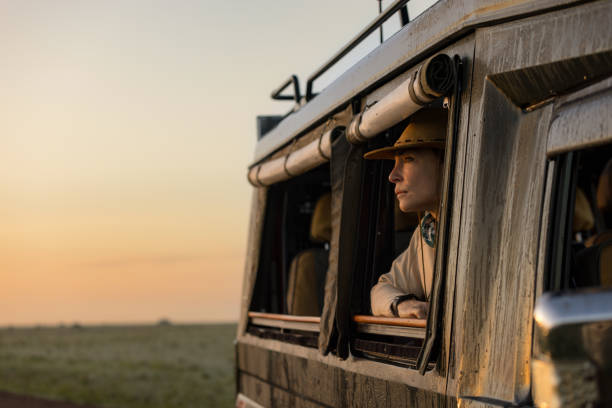

Tanzania to Rwanda Travel Options: Your Comprehensive Planning Guide
Connecting the vast plains of Tanzania, famous for its Great Migration and Kilimanjaro, with the dense rainforests of Rwanda, home to mountain gorillas, presents an unparalleled East African adventure. Understanding the best Tanzania to Rwanda travel options is key to crafting a memorable and efficient journey. This guide provides an in-depth look at how to transition between these two incredible countries, whether you’re prioritizing a seamless flight, an overland adventure, or a combination of both. We cover everything from logistical considerations and best travel times to budgeting and essential packing for 2026-2027.
Quick Answer
The most efficient way to travel from Tanzania to Rwanda is typically by flying, often via Nairobi or directly if schedules align. Overland travel is possible but significantly longer and more complex, usually involving bus journeys and border crossings. For most travelers in 2026-2027, a flight from Kilimanjaro International Airport (JRO) or Dar es Salaam (DAR) to Kigali International Airport (KGL) offers the best balance of time and convenience, allowing more time for safaris and gorilla trekking.
| Travel Option | Pros | Cons | Best For |
|---|---|---|---|
| Flying | Fastest, most convenient, direct access to Kigali. | Most expensive, requires airport transfers. | Time-conscious travelers, those seeking maximum comfort. |
| Overland (Bus/Private Vehicle) | More affordable, immersive cultural experience, scenic routes. | Very time-consuming (days), can be tiring, requires multiple transfers and border crossings. | Budget travelers, those seeking adventure and a deeper local feel. |
| Combination (e.g., Fly JRO to Entebbe, then overland/fly to Kigali) | Balances cost and time, allows exploration of Uganda en route. | More complex logistics, still time-intensive overland segments. | Travelers wanting to visit Uganda too, those with more flexible schedules. |
Table of Contents
- Why Travel Between Tanzania and Rwanda?
- Quick Facts: Tanzania to Rwanda Journey
- Best Time to Travel Between Tanzania and Rwanda
- Illustrative Route: Tanzania to Rwanda
- Detailed Tanzania to Rwanda Travel Options
- What to Expect on Your Journey
- Essential Planning and Preparation
- Common Mistakes to Avoid
- Who is This Journey Best Suited For?
- Alternative Travel Combinations
- Planning Your Trip for 2026-2027
- Booking Your Tanzania to Rwanda Adventure
- Frequently Asked Questions (FAQs)
Why Travel Between Tanzania and Rwanda?
The allure of combining Tanzania and Rwanda lies in experiencing two distinct yet complementary facets of East African wildlife and natural beauty. Tanzania is renowned for its vast savannahs, iconic national parks like the Serengeti and Ngorongoro Crater, and the challenging ascent of Mount Kilimanjaro. It’s a destination for classic safari enthusiasts seeking abundant wildlife viewing, especially during the Great Migration. Rwanda, often called the ‘Land of a Thousand Hills’, offers a more intimate wildlife encounter, primarily centered around its protected mountain rainforests. Here, tracking endangered mountain gorillas in Volcanoes National Park is the main draw, alongside chimpanzee tracking in Nyungwe Forest and exploring the scenic beauty of Lake Kivu.
Traveling between these two nations allows you to curate a diverse itinerary that covers large-scale wildlife spectacles and up-close primate encounters. It’s a journey for those who want to witness the raw power of nature in Tanzania and then experience the delicate, captivating world of gorillas in Rwanda. The contrast in landscapes, from arid plains to lush mountains, makes for an incredibly rich travel experience. For travelers planning for 2026-2027, integrating these destinations offers a chance to see some of the most sought-after wildlife experiences on the continent.
Quick Facts: Tanzania to Rwanda Journey
| Aspect | Details |
|---|---|
| Distance (Approximate) | Overland: ~1,500 – 2,000 km (depending on route) |
| Travel Time (Flying) | ~3-5 hours (including layovers) |
| Travel Time (Overland) | Minimum 3-4 days, often longer |
| Main International Airports | Tanzania: Kilimanjaro (JRO), Dar es Salaam (DAR) Rwanda: Kigali (KGL) |
| Primary Activities | Tanzania: Safaris (Serengeti, Ngorongoro), Kilimanjaro Trekking, Zanzibar Rwanda: Gorilla Trekking, Chimpanzee Trekking, Golden Monkey Tracking, Canopy Walkway |
| Border Crossings (if overland) | Multiple, most commonly via Uganda (e.g., Mutukula/Kyanamukaka) or potentially Burundi (less common/recommended). |
| Visa Requirements | Varies by nationality; often obtainable on arrival or online. Check specific requirements for Tanzania and Rwanda. |
| Currency | Tanzania: Tanzanian Shilling (TZS) Rwanda: Rwandan Franc (RWF) |
Best Time to Travel Between Tanzania and Rwanda
The ideal time to travel between Tanzania and Rwanda depends on your primary interests in each country. Generally, the dry seasons in both countries offer the most favorable conditions for wildlife viewing and trekking.
| Season | Tanzania Focus | Rwanda Focus | Travel Between |
|---|---|---|---|
| June – October (Dry Season) | Excellent for game drives, Great Migration in Serengeti, Kilimanjaro trekking. Cooler temperatures. | Ideal for gorilla and chimpanzee trekking; trails are less muddy and slippery. Pleasant temperatures. | Highly Recommended. Good weather for both destinations, making the transition smooth and enjoyable for activities. |
| November – March (Wet Season) | Calving season in Southern Serengeti (Dec-Feb), lush landscapes, fewer crowds, lower prices. Occasional rains. | Lush scenery, fewer tourists, potential for lower accommodation rates. Can be muddy, making trekking more challenging. | Possible. Be prepared for rain in both countries. Roads might be affected, especially in Tanzania. Gorilla trekking is still feasible but requires more preparation for wet conditions. |
| April – May (Long Rains) | Heavy rainfall, can disrupt travel and game viewing. Generally avoided for safaris. | Very wet, trails can be extremely muddy and difficult. Often considered the least ideal time for trekking. | Generally Avoided. Significant rainfall can impact both safaris and trekking, and overland travel can be difficult. |
For travelers planning their Tanzania to Rwanda travel in 2026-2027, aiming for the June-October window offers the best chance for optimal weather and wildlife viewing in both locations. If you’re looking for fewer crowds and potentially lower costs, the shoulder months of late October/early November or late March/early April can also be good, provided you are prepared for occasional rain showers.
Illustrative Route: Tanzania to Rwanda
This is a conceptual illustration of a common overland route. Actual distances and times will vary significantly based on road conditions, border crossing efficiency, and mode of transport.
Conceptual Overland Route: Northern Tanzania to Kigali, Rwanda
- Start: Arusha, Tanzania (Gateway to Northern Parks)
- Travel west/northwest towards the Tanzanian-Ugandan border. This segment can involve multiple days through towns like Mwanza or Musoma.
- Border Crossing: Mutukula Border Post (Tanzania/Uganda)
- Travel north through Uganda, typically towards Kampala.
- Border Crossing: Katuna/Gatuna Border Post (Uganda/Rwanda)
- Travel south to Kigali, Rwanda.
Note: This route is a significant undertaking, typically requiring 3-5 days of travel time. Flying is a much faster alternative.
Detailed Tanzania to Rwanda Travel Options
Choosing how to journey from Tanzania to Rwanda involves weighing time, budget, and your appetite for adventure. Here’s a breakdown of the primary methods:
1. Flying: The Fastest Route
For most international travelers, flying is the most practical and time-efficient method for Tanzania to Rwanda travel. It significantly cuts down on travel time, allowing you to maximize your time at your destinations.
- Departure Airports: The most common departure points from Tanzania are Kilimanjaro International Airport (JRO), serving the northern safari circuit, and Julius Nyerere International Airport (DAR) in Dar es Salaam, which connects to Zanzibar and southern Tanzania.
- Arrival Airport: Kigali International Airport (KGL) in Rwanda.
- Typical Flight Paths: Direct flights between Tanzania and Rwanda are rare. Most routes involve a layover, commonly in Nairobi (NBO), Kenya, or sometimes Addis Ababa (ADD), Ethiopia. Airlines like Kenya Airways and Ethiopian Airlines often operate these routes.
- Flight Duration: The actual flight time is usually around 2-3 hours, but with layovers, the total journey can range from 5 to 10+ hours depending on the connection.
- Cost: This is generally the most expensive option. Prices can fluctuate significantly based on the airline, booking time, and season. Expect to budget anywhere from $300 to $700+ USD per person for a one-way ticket, especially when booked closer to the travel date or during peak seasons like 2026-2027.
- Booking: It’s advisable to book flights well in advance, particularly if you are traveling during peak periods. Use flight comparison websites and directly check airline sites.
- Logistics: You’ll need to arrange airport transfers at both ends. Your tour operator can often assist with this, especially for the arrival in Kigali.
2. Overland Travel: The Adventurous Path
Overland travel between Tanzania and Rwanda is an option for the adventurous traveler seeking a more immersive experience and a potentially lower cost, though it demands considerable time and patience.
- Route: The most common overland route involves traveling from Northern Tanzania (e.g., Arusha) westward towards the Tanzanian-Ugandan border, crossing into Uganda, traveling north to Kampala, and then crossing the Uganda-Rwanda border into Kigali. Key border crossings are Mutukula (Tanzania-Uganda) and Katuna/Gatuna (Uganda-Rwanda).
- Transport: This typically involves a combination of public buses (local, often crowded, and slow) and potentially private taxis or minibusses for specific legs. Hiring a private 4×4 vehicle for the entire journey is possible but extremely expensive and logistically challenging for international drivers.
- Duration: This is not a quick journey. Expect to spend a minimum of 3 to 5 full days traveling, and often longer, depending on connections, road conditions, and border delays. Each day involves several hours of travel.
- Cost: This option is generally more budget-friendly than flying if using public transport. Costs will include bus fares, potential accommodation along the way, food, and border fees. However, the time investment is substantial.
- Challenges: Road conditions can be poor, especially in rainy seasons. Border crossings can be slow and require navigating immigration procedures. Comfort levels are basic with public transport. Language barriers can be more pronounced.
- Who it Suits: Travelers on a very tight budget, those who enjoy slow travel and cultural immersion, backpackers, and individuals with ample time who want to see more of Uganda en route.
3. Combination Routes
Many travelers opt for a combination approach to balance cost, time, and experience. A popular combination is flying into one country and exiting via another, or flying certain legs and using overland for others.
- Example 1: Fly into Tanzania, Overland to Uganda, Fly to Rwanda. You could fly into Kilimanjaro (JRO), enjoy your Tanzanian safari, then take overland transport through Uganda (perhaps visiting Murchison Falls or Queen Elizabeth National Park), and finally fly from Entebbe (EBB) to Kigali (KGL). This adds complexity but allows for Uganda’s highlights.
- Example 2: Fly JRO to Entebbe, then Overland/Fly to Kigali. Similar to the above, but you might opt for a bus or private transfer from Entebbe to Kigali.
- Example 3: Fly into Rwanda, Overland to Tanzania. Less common for the main journey, but feasible if your itinerary starts with gorillas and ends with a Tanzanian safari.
- Logistics: These combinations require meticulous planning. You’ll need to coordinate multiple bookings, transport legs, and potentially visas. Working with an experienced tour operator is highly recommended for such complex itineraries.
- Cost & Time: This approach can offer savings over flying direct JRO-KGL but will still be more expensive and time-consuming than purely overland travel.
What to Expect on Your Journey
Regardless of the travel method chosen for your Tanzania to Rwanda travel options, expect an adventure that is rich in experiences but also requires flexibility.
- Scenery: The landscapes change dramatically. From Tanzania’s sweeping savannahs and volcanic highlands to Rwanda’s rolling hills and dense rainforests, the visual journey is stunning.
- Culture: You’ll encounter diverse cultures, languages, and ways of life. Overland travel offers more direct interaction with local communities.
- Pace: If flying, the pace is dictated by flight schedules. If traveling overland, it’s much slower, with long travel days.
- Infrastructure: While major cities and tourist areas have good infrastructure, rural roads can be challenging, especially during the wet season. Wi-Fi can be spotty outside of major hotels.
- Wildlife: The transition from Tanzania’s big game parks to Rwanda’s primate-focused forests is a highlight. Be prepared for different types of wildlife encounters.
- Accommodation: Options range from luxury lodges and safari camps in Tanzania to comfortable hotels in Kigali and more basic guesthouses or lodges along overland routes.
Essential Planning and Preparation
Thorough planning is crucial for a smooth transition between Tanzania and Rwanda. Consider these key aspects for your 2026-2027 trip.
Visas and Entry Requirements
- Tanzania: Many nationalities can obtain a visa on arrival at major entry points or apply for an e-visa in advance. Check the official Tanzanian immigration website for the latest requirements for your nationality.
- Rwanda: Rwanda also offers visas on arrival for many nationalities, and e-visas are available. It’s also part of the East African Tourist Visa, which covers Rwanda, Uganda, and Kenya, often a cost-effective option if you plan to visit multiple countries in the region. Research this if applicable to your itinerary.
- Transit Countries: If your flight has a layover in another country (e.g., Kenya, Ethiopia), ensure you understand the transit visa requirements, although typically not needed if you remain airside.
- Validity: Always check the validity of your passport (usually requires at least 6 months beyond your stay) and ensure you have sufficient blank pages for stamps.
Health and Vaccinations
- Yellow Fever: Proof of Yellow Fever vaccination is often required for entry into Rwanda, especially if arriving from or transiting through a country with a risk of Yellow Fever transmission. Carry your vaccination certificate.
- Malaria: Both Tanzania and Rwanda are malaria-risk areas. Consult your doctor or a travel clinic about malaria prophylaxis well in advance of your trip.
- Other Vaccinations: Recommended vaccinations often include Hepatitis A, Typhoid, and Tetanus. Routine immunizations should be up-to-date.
- COVID-19: Check the latest travel advisories and entry requirements related to COVID-19 for both countries and any transit points.
- Travel Insurance: Comprehensive travel insurance covering medical emergencies, evacuation, trip cancellation, and lost luggage is essential.
Currency and Payments
- Tanzania: The currency is the Tanzanian Shilling (TZS). US Dollars are widely accepted for tourist services (park fees, accommodation, tours) and are often preferred. It’s good to have smaller USD bills for tips and incidentals. ATMs are available in major towns, but credit card acceptance can be limited outside of high-end lodges and hotels.
- Rwanda: The currency is the Rwandan Franc (RWF). US Dollars are also accepted in tourist establishments, but it’s advisable to have local currency for smaller purchases, markets, and local transport. ATMs are available in Kigali and larger towns. Credit cards are more widely accepted in Kigali than in Tanzania, but always carry some cash.
- Money Exchange: Exchange rates can vary. Using ATMs usually offers competitive rates. Avoid exchanging large sums on the street.
Packing Essentials for Both Countries
Packing light is recommended, especially if you plan on moving between locations frequently. Focus on versatile, practical items.
- Clothing: Neutral-colored, lightweight, long-sleeved shirts and trousers (for sun protection and insect protection, especially during early morning/late evening game drives and trekking). Comfortable walking shoes or hiking boots (broken in). Rain jacket or poncho (essential, especially during wet seasons). Warm fleece or jacket (for cooler evenings, especially at higher altitudes or during Kilimanjaro treks). Casual wear for evenings.
- Gear: Binoculars (highly recommended for wildlife viewing). Camera with extra batteries and memory cards. Power bank and universal travel adapter. Reusable water bottle. Small backpack for day trips. Headlamp or flashlight.
- Health & Hygiene: Personal first-aid kit, insect repellent with DEET, sunscreen, hand sanitizer, any personal medications.
- Documents: Passport, visas, flight tickets, travel insurance details, vaccination certificates, copies of important documents (stored separately).
- Trekking Specific (Rwanda): Waterproof hiking boots, gaiters, sturdy hiking trousers, long-sleeved shirts, gloves, insect repellent, water bottle/hydration pack.
Common Mistakes to Avoid
Planning your Tanzania to Rwanda travel options effectively means learning from common traveler pitfalls.
- Underestimating Travel Time: Assuming you can easily hop between destinations in a day is a mistake. Overland travel takes significant time, and even flights involve transit.
- Not Booking Gorilla Permits in Advance: Gorilla trekking permits for Rwanda (and Uganda) are highly sought after and sell out months, sometimes a year, in advance, especially for peak seasons in 2026-2027. Book these as soon as your dates are confirmed.
- Ignoring Visa and Health Requirements: Failing to check or meet visa and vaccination requirements can lead to denied entry or significant delays.
- Packing Inappropriately: Bringing too much luggage, or not packing essential items like rain gear or warm layers, can detract from your experience. Bright colors are generally discouraged on safaris and for gorilla trekking.
- Not Budgeting for All Costs: Beyond flights and accommodation, factor in park fees, activity costs (like gorilla permits), food, tips, and souvenirs.
- Assuming Direct Flights: Most flights between Tanzania and Rwanda have at least one layover, often in Nairobi or Addis Ababa. Plan your schedule accordingly.
- Over-scheduling: Trying to cram too many destinations or activities into a short period leads to exhaustion and less enjoyment. Allow for downtime and flexibility.
Who is This Journey Best Suited For?
The combination of Tanzania and Rwanda appeals to a specific type of traveler seeking a rich and diverse African experience:
- Wildlife Enthusiasts: Those who want to witness both the iconic large mammals of the Serengeti and Ngorongoro and the unique primates of Rwanda’s forests.
- Adventure Seekers: Travelers looking for challenging treks (Kilimanjaro), remote wilderness experiences, and unique encounters like gorilla tracking.
- Nature Lovers: Individuals who appreciate diverse ecosystems, from vast plains to misty mountains and dense rainforests.
- Photographers: The dramatic landscapes and incredible wildlife offer unparalleled photographic opportunities.
- Culture Explorers: Those interested in learning about different African cultures, traditions, and local life, especially if opting for overland travel.
- Bucket List Travelers: For many, seeing the Great Migration and trekking to see gorillas are once-in-a-lifetime experiences.
This journey is generally best suited for those with a moderate to high budget, as safaris and gorilla permits are significant expenses. It requires a degree of physical fitness for trekking and long travel days if choosing overland options.
Alternative Travel Combinations
If your interests lie elsewhere or you have more time, consider these alternative combinations involving Tanzania or Rwanda:
- Tanzania & Kenya: A classic combination focusing on the Serengeti/Masai Mara ecosystem, offering excellent migration viewing and diverse safaris. Travel between these is straightforward via flight or overland.
- Tanzania & Uganda: Similar to Tanzania & Rwanda, but with Uganda offering more extensive primate trekking (gorillas and chimps) and diverse savannah safaris. Travel often involves flying or overland via Kenya/Tanzania.
- Rwanda & Uganda: A natural pairing for primate enthusiasts, focusing on gorilla trekking in both countries, chimpanzee tracking, and exploring the ‘Pearl of Africa’. Travel is relatively easy overland.
- Tanzania & Zanzibar: Focus on the mainland safari experience followed by relaxation and cultural exploration on the Spice Island of Zanzibar. This is a very popular and logistically simple combination within Tanzania.
Each combination offers a unique perspective on East Africa. The Tanzania-Rwanda pairing stands out for its contrast between large-scale safari plains and intimate mountain forest encounters.
Planning Your Trip for 2026-2027
Planning a trip involving multiple East African countries requires foresight, especially for popular destinations and activities. Here are key considerations for 2026-2027 travel:
- Book Early: This is the most crucial advice. Gorilla permits for Rwanda can sell out 6-12 months in advance. Popular safari lodges and Kilimanjaro climbs also book up quickly. Start planning and booking at least 9-12 months ahead for peak seasons.
- Flexibility: While booking early is key, build some flexibility into your itinerary. Flight schedules can change, and overland travel can encounter unexpected delays.
- Budget Realistically: Costs for safaris, gorilla permits, and international flights are significant. Ensure your budget accounts for all aspects of your trip, including park fees, internal transport, accommodation, meals, and tips.
- Research Visa Requirements Thoroughly: Stay updated on any changes to visa policies for Tanzania, Rwanda, and any transit countries. E-visas are increasingly common and can save time.
- Consult Experts: Working with a reputable tour operator specializing in East Africa can simplify the complex logistics of combining countries. They have the local knowledge and contacts to ensure a smooth experience.
- Consider Travel Insurance: Ensure your policy covers all planned activities, including trekking and safari, and provides for emergency medical evacuation.
Booking Your Tanzania to Rwanda Adventure
When booking your Tanzania to Rwanda travel, whether it’s a single package or separate components, prioritize reliability and expertise.
- Tour Operators: For a complex itinerary like combining Tanzania and Rwanda, a specialized tour operator is invaluable. They can handle flights, ground transport, accommodation, park entries, and permits. Look for operators with extensive experience in both countries.
- Gorilla Permits: If booking independently, secure your Rwanda gorilla permits directly through the Rwanda Development Board (RDB) website or via a trusted local operator. For Tanzania, park entries and safari arrangements are typically managed by your safari company.
- Flights: Book international and any internal flights well in advance. Compare prices on airline websites and aggregators.
- Accommodation: Choose accommodation that suits your budget and travel style. For safaris and treks, lodges and camps range from comfortable to ultra-luxury. In Kigali, hotels cater to various needs.
- Read Reviews: Check independent reviews for tour operators, lodges, and any services you book.
- Payment Terms: Understand the deposit and final payment schedule, and cancellation policies. Reputable operators will have clear terms.
At Best Tanzania Tour Operator, we specialize in crafting bespoke East African adventures. We can expertly arrange your Tanzania to Rwanda travel options, ensuring a seamless transition and an unforgettable experience. Contact us to discuss your dream itinerary for 2026-2027.
Get a Custom Itinerary!
Ready to plan your journey from Tanzania to Rwanda? We offer personalized itineraries tailored to your interests and budget. Let us handle the details so you can focus on the adventure.
WhatsApp us: +255616946642
Email us: topguideadventures@gmail.com
Backup Email: info@topguideadventures.com
Frequently Asked Questions (FAQs)
Q1: What is the quickest way to travel from Tanzania to Rwanda?
A: The quickest and most convenient way to travel from Tanzania to Rwanda is by flying. Flights typically depart from Kilimanjaro International Airport (JRO) or Dar es Salaam (DAR) and arrive at Kigali International Airport (KGL), usually with one stopover in Nairobi or Addis Ababa. This journey can take between 5-10 hours including transit time.
Q2: Is overland travel from Tanzania to Rwanda feasible?
A: Yes, overland travel is feasible but is a significant undertaking. It generally involves crossing through Uganda and can take 3-5 days or more, depending on the route, border crossings, and mode of transport (public buses or private vehicle). It is much slower and less comfortable than flying.
Q3: How far in advance should I book my gorilla permits for Rwanda?
A: It is highly recommended to book your Rwanda gorilla permits at least 6 to 12 months in advance, especially if you plan to travel during the peak dry seasons (June-October) in 2026 or 2027. Permits are limited and sell out quickly.
Q4: What are the visa requirements for traveling from Tanzania to Rwanda?
A: Visa requirements vary by nationality. For both Tanzania and Rwanda, many nationalities can obtain a visa on arrival or apply for an e-visa online in advance. It’s also possible to get an East African Tourist Visa if you plan to visit multiple countries in the region. Always check the latest official immigration websites for up-to-date information for your specific nationality.
Q5: Do I need a Yellow Fever vaccination to enter Rwanda?
A: Yes, proof of Yellow Fever vaccination is often required for entry into Rwanda, particularly if you are arriving from or have transited through a country with a risk of Yellow Fever. It is essential to carry your International Certificate of Vaccination or Prophylaxis (ICVP) with you.
Q6: What is the best time of year for Tanzania to Rwanda travel?
A: The dry season from June to October is generally considered the best time for traveling between Tanzania and Rwanda. This period offers favorable weather for safaris in Tanzania and drier, less muddy conditions for gorilla trekking in Rwanda.
Q7: Can I combine Tanzania and Rwanda in a single trip?
A: Absolutely. Combining Tanzania and Rwanda is a popular choice for travelers wanting to experience both the vast savannah safaris and the unique mountain gorilla encounters. The main challenge is the logistics of travel between the two countries.
Q8: What currency should I use in Tanzania and Rwanda?
A: In Tanzania, the currency is the Tanzanian Shilling (TZS), but US Dollars are widely accepted for tourist services. In Rwanda, the currency is the Rwandan Franc (RWF), though US Dollars are also accepted in tourist areas. It’s advisable to have local currency for smaller purchases and markets.
Q9: How much does it cost to travel between Tanzania and Rwanda?
A: Costs vary significantly. Flying can range from $300-$700+ USD per person one-way. Overland travel using public transport is cheaper but requires more days and is harder to estimate precisely due to variable costs. The biggest expenses in the region are usually safari park fees and gorilla permits.
Q10: What should I pack for a trip involving both Tanzania and Rwanda?
A: Pack light, neutral-colored clothing suitable for safaris and trekking. Essentials include long-sleeved shirts and trousers, a good rain jacket, comfortable hiking boots (especially for Rwanda), insect repellent, sunscreen, a camera, binoculars, and a universal adapter. Layers are important for varying temperatures.
Plan Your Unforgettable Tanzania to Rwanda Adventure
Navigating the Tanzania to Rwanda travel options can seem complex, but with the right planning and expert guidance, it leads to an extraordinary journey. Whether you dream of witnessing the Great Migration, standing before majestic gorillas, or conquering Kilimanjaro, combining these destinations offers unparalleled experiences. For seamless arrangements, expert advice, and tailor-made itineraries for your 2026-2027 travels, trust our experienced team.
Let us help you craft the perfect adventure, ensuring every detail is covered for your Tanzania to Rwanda trip. We specialize in creating memorable journeys that cater to your specific interests and budget.
Get in touch today to start planning:
WhatsApp: +255616946642
Email: topguideadventures@gmail.com
Backup Email: info@topguideadventures.com
Plan your Tanzania to Rwanda Travel Options with Top Guide Adventures
Tell us your travel dates, group size, comfort level, and dream experience. We will help you shape a clear, realistic, and memorable Tanzania itinerary.







 Veedesigner
 Fatma Kizanga
 Benjamin Waryuba
 Philip Philip
 John jr Itaja
 Antonia Optatus
 Edith Kanyere
 Neema Iddy
 Kelvin Boniphace
 Damari Maiga



