
Updated planning guide for 2026-2027
Tanzania To Zambia Travel Guide: Complete 2026-2027
Planning a trip from Tanzania to Zambia? This comprehensive guide covers everything you need to know, from visa requirements and border crossings to the best safari routes and essential preparation for your 2026-2027 adventure.
WhatsApp +255616946642 | topguideadventures@gmail.com | info@topguideadventures.com
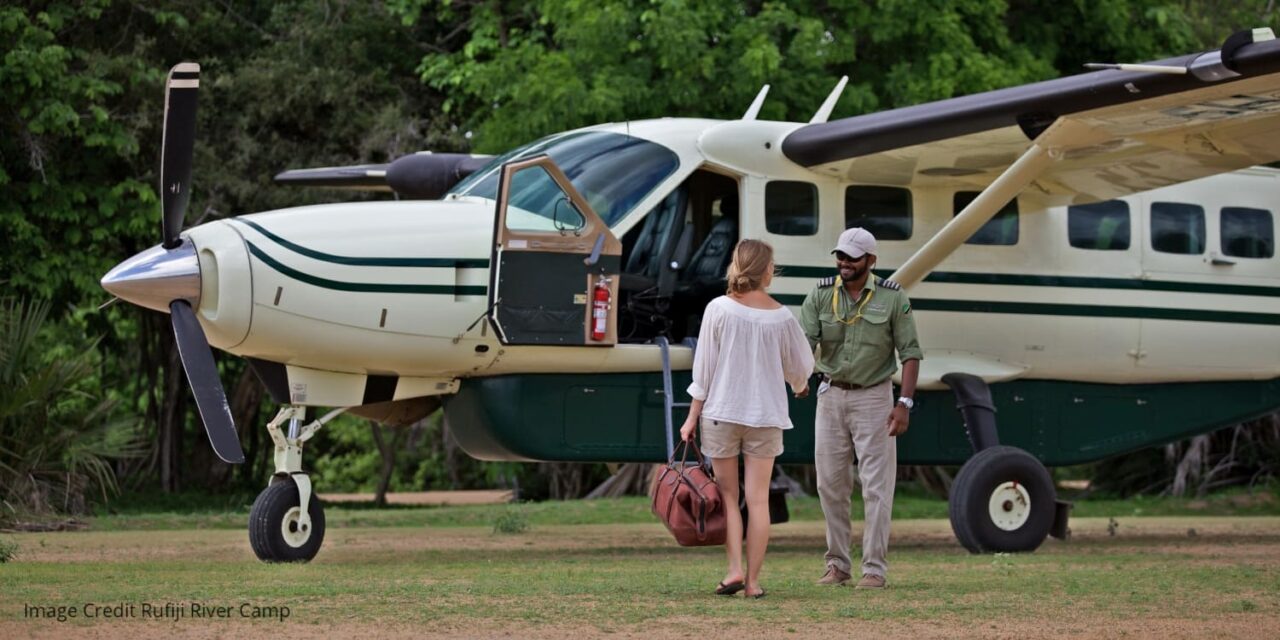
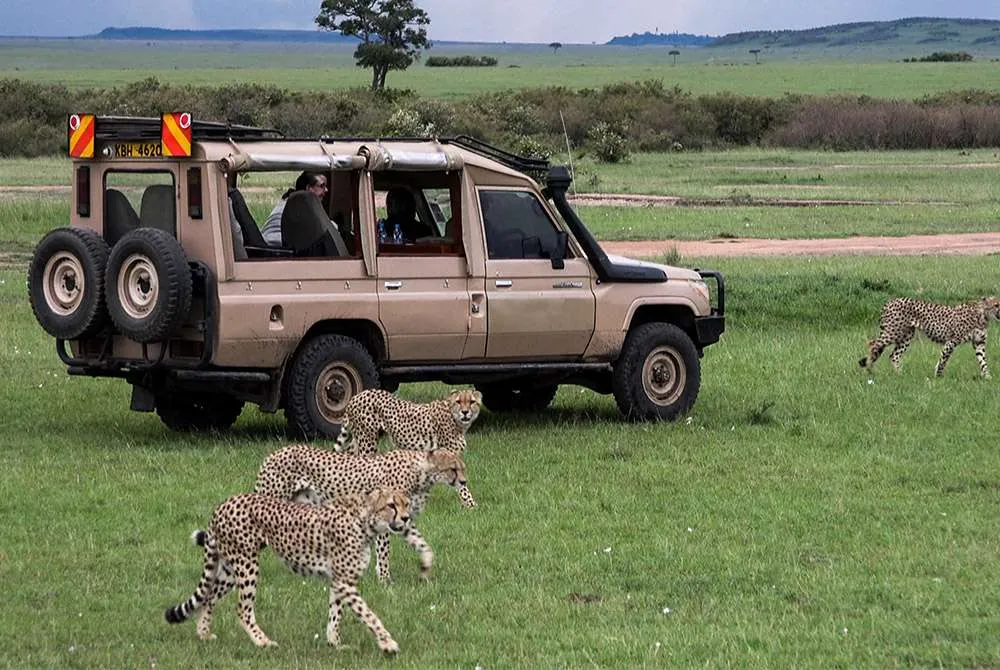
Tanzania to Zambia Travel Guide: Your Essential Planning Resource
Connecting two of Africa’s premier safari destinations, a journey from Tanzania to Zambia offers an unparalleled wildlife viewing experience. This guide provides a detailed roadmap for travelers looking to traverse this route, covering everything from initial planning to on-the-ground logistics for 2026-2027. Whether you’re dreaming of the Great Migration in the Serengeti or the thundering Victoria Falls, understanding the nuances of this cross-border adventure is key to a smooth and memorable trip.
Table of Contents
- Quick Facts: Tanzania to Zambia Travel
- Overview: The Tanzania to Zambia Corridor
- Why Travel Between Tanzania and Zambia?
- Best Time to Travel: Seasonality Matters
- Key Travel Routes and Border Crossings
- Sample Itinerary: A 14-Day Tanzania to Zambia Safari
- What to Expect on Your Journey
- Essential Preparation and Packing List
- Common Mistakes to Avoid
- Who is This Journey Best Suited For?
- Alternative Travel Options
- Planning Your Trip for 2026-2027
- Booking Advice and Operator Selection
- Frequently Asked Questions
Quick Facts: Tanzania to Zambia Travel
| Aspect | Details |
|---|---|
| Primary Countries | Tanzania, Zambia |
| Main Attractions | Serengeti, Ngorongoro Crater, Selous Game Reserve (Tanzania); South Luangwa, Lower Zambezi, Victoria Falls (Zambia) |
| Primary Travel Modes | Light aircraft, 4×4 safari vehicles, overland trucks, occasional ferries/boats |
| Border Crossing Points | Tunduma (Tanzania) – Nakonde (Zambia) is the most common road crossing. Flights bypass land borders. |
| Visa Requirements | Varies by nationality. Many can obtain visas on arrival or online. Check official government websites. |
| Currency | Tanzanian Shilling (TZS), Zambian Kwacha (ZMW). USD widely accepted for tourism. |
| Language | Swahili (Tanzania), English (official in both), local languages. |
| Time Zone | EAT (East Africa Time, UTC+3) for Tanzania; CAT (Central Africa Time, UTC+2) for Zambia. |
Overview: The Tanzania to Zambia Corridor
The journey from Tanzania to Zambia is not a single, direct route but rather a connection between two distinct, world-class safari ecosystems. Tanzania is renowned for its vast northern circuit parks, including the Serengeti, Ngorongoro Conservation Area, and Tarangire, offering iconic landscapes and the Great Migration. Zambia, on the other hand, is celebrated for its wild, unadulterated bush experiences, particularly in South Luangwa National Park, known for walking safaris, and Lower Zambezi National Park, offering exceptional river-based activities. Connecting these two countries typically involves either overland travel, often through Malawi, or a series of flights.
Most travelers combine southern Tanzania (like Selous Game Reserve or Ruaha National Park) with northern Zambia, or vice versa, leveraging the most efficient travel connections. Direct overland travel from northern Tanzania to northern Zambia is logistically challenging and time-consuming, often involving multiple border crossings and less predictable road conditions. For this reason, many opt for a flight connection or a more structured overland tour that might pass through neighboring countries like Malawi to reach Zambia.
Why Travel Between Tanzania and Zambia?
Combining Tanzania and Zambia offers a diverse and comprehensive African safari experience. Here’s why this dual-country adventure is so appealing:
- Unrivaled Wildlife Diversity: From the sheer spectacle of the Great Migration in the Serengeti to the leopard-rich plains of South Luangwa and the elephant herds of Lower Zambezi, you witness a vast array of African fauna.
- Varied Safari Experiences: Tanzania excels in classic game drives and the unique Ngorongoro Crater experience. Zambia pioneers walking safaris, offering an intimate connection with the wilderness, and exceptional canoeing and boating safaris along the Zambezi River.
- Different Ecosystems: You’ll explore savannahs, volcanic craters, vast river systems, and miombo woodlands, each supporting unique flora and fauna.
- Fewer Crowds (in Zambia): While Tanzania’s popular parks can be busy, Zambia’s national parks, especially South Luangwa and Lower Zambezi, offer a more exclusive, wilder feel, with fewer vehicles and a greater sense of solitude.
- Iconic Landmarks: The journey can include the awe-inspiring Victoria Falls, one of the Seven Natural Wonders of the World, which straddles the border between Zambia and Zimbabwe.
- Logistical Opportunities: While requiring planning, the connection is feasible, especially for those seeking a more in-depth exploration of East and Southern Africa.
Best Time to Travel: Seasonality Matters
The optimal time to travel between Tanzania and Zambia depends heavily on what you want to see and experience. Each country has distinct wet and dry seasons, influencing wildlife movements and accessibility.
Tanzania Seasonality:
- Dry Season (June to October): Ideal for wildlife viewing as animals congregate around water sources. The Great Migration typically moves north through the Serengeti during this period. This is also the peak tourist season.
- Green Season (November to May): Lush landscapes, fewer crowds, and lower prices. Birdwatching is excellent. Calving season for wildebeest in the southern Serengeti occurs around February. Roads can be challenging in the rainy months (April-May).
Zambia Seasonality:
- Dry Season (May to October): The most popular time for safaris. Vegetation thins, making wildlife spotting easier. Rivers and waterholes attract animals. Walking safaris are best during this period.
- Green Season (November to April): Landscapes are vibrant. Bird migration is at its peak. Wildlife disperses, and some camps may close due to rain. Victoria Falls is at its most powerful (February-May).
Combining the two: For the best of both worlds, consider traveling during the shoulder seasons. For instance, visiting Tanzania’s Serengeti in July-August (dry season, migration) and then heading to Zambia’s South Luangwa in September-October (end of dry season, excellent game viewing) offers a fantastic combination.
Key Travel Routes and Border Crossings
Traveling overland from Tanzania to Zambia is most commonly done via the Tunduma (Tanzania) – Nakonde (Zambia) border post. This route is often part of longer overland expeditions. However, for many tourists focusing on safaris, flights are the preferred method to save time and ensure comfort.
1. Overland Route (Tunduma-Nakonde):
- Start: Usually from Arusha or Dar es Salaam in Tanzania.
- Path: Travel south through Tanzania towards the Tanzanian town of Tunduma. Cross the border into Nakonde, Zambia.
- Continue: From Nakonde, you can travel to towns like Kasama and then onwards to Zambia’s safari hubs such as South Luangwa (Mfuwe). This journey can take several days and involves navigating varied road conditions. Public transport is available but can be slow and crowded. Private vehicle transfers are more comfortable but costly.
- Considerations: This route is best suited for adventurous travelers on longer trips, often with dedicated overland tour operators. It allows for stops in places like Iringa or Mbeya in Tanzania and potentially parts of northern Zambia.
2. Flight Connections:
- Option A: Tanzania (Northern Circuit) to Zambia (South Luangwa/Lower Zambezi): This is the most common and efficient route. Fly from Kilimanjaro International Airport (JRO) or Arusha Airport (ARK) to Lusaka International Airport (LUN) in Zambia. This often involves a connection in Nairobi (NBO) or Addis Ababa (ADD). From Lusaka, you would take a smaller charter or scheduled flight to safari airstrips like Mfuwe (for South Luangwa) or Jeki/Royal Airstrip (for Lower Zambezi).
- Option B: Tanzania (Southern Circuit) to Zambia: If visiting Selous or Ruaha, you might fly from Dar es Salaam (DAR) or local airstrips to Lusaka, then onward to safari areas.
- Victoria Falls Access: Flights from Lusaka (LUN) to Livingstone (LVI) are frequent, providing access to Victoria Falls.
3. Combined Overland and Flights:
Some travelers might choose to drive through southern Tanzania and then fly from Dar es Salaam to Lusaka, or vice versa, to optimize their time.
Route Illustration (Conceptual):
| Leg | From | To | Primary Mode | Notes |
|---|---|---|---|---|
| 1 | Arusha, Tanzania | Lusaka, Zambia | Scheduled Flight (via NBO/ADD) | Connects Northern Tanzania to Zambia’s capital |
| 2 | Lusaka, Zambia | Mfuwe (South Luangwa) | Charter/Scheduled Flight | Access to South Luangwa National Park |
| 3 | Lusaka, Zambia | Livingstone (Victoria Falls) | Scheduled Flight | Access to Victoria Falls |
| 4 (Alternative Overland) | Dar es Salaam, Tanzania | Tunduma, Tanzania | 4×4 Vehicle / Bus | Southbound journey |
| 5 (Alternative Overland) | Tunduma, Tanzania | Nakonde, Zambia | Border Crossing | Land border |
| 6 (Alternative Overland) | Nakonde, Zambia | Mfuwe, Zambia | 4×4 Vehicle / Private Transfer | Long overland journey to South Luangwa |
Sample Itinerary: A 14-Day Tanzania to Zambia Safari
This itinerary focuses on the classic Northern Tanzania circuit and Zambia’s premier parks, utilizing flights for efficiency. This is a suggestion and can be customized.
| Day | Location | Activities | Accommodation Style |
|---|---|---|---|
| 1-3 | Serengeti National Park, Tanzania | Game drives, witness the Great Migration (seasonal), explore diverse plains. | Luxury Tented Camp / Safari Lodge |
| 4 | Ngorongoro Conservation Area, Tanzania | Descend into Ngorongoro Crater for dense wildlife viewing. | Lodge on Crater Rim / Nearby |
| 5 | Tarangire National Park, Tanzania | Game drives, famous for baobab trees and large elephant herds. | Tented Camp / Lodge |
| 6 | Arusha, Tanzania | Relax, last-minute souvenir shopping, prepare for onward travel. | Hotel |
| 7 | Travel Day: Arusha to Lusaka, Zambia | Flight from Kilimanjaro (JRO) or Arusha (ARK) to Lusaka (LUN), often with a connection. Transfer to hotel. | Airport Hotel / City Hotel |
| 8-10 | South Luangwa National Park, Zambia | Walking safaris, night game drives, boat safaris (seasonal). Famous for leopards. | Luxury Safari Lodge / Tented Camp |
| 11-13 | Lower Zambezi National Park, Zambia | Canoeing safaris, boat trips, fishing, game drives. Excellent for elephants and birdlife. | Riverside Lodge / Tented Camp |
| 14 | Departure | Fly from Lusaka (LUN) or local airstrip to your international departure point. | N/A |
What to Expect on Your Journey
A trip from Tanzania to Zambia is an adventure that requires flexibility and a good understanding of the travel landscape. Here’s what you can anticipate:
- Wildlife Encounters: Expect incredible sightings. Tanzania offers the grand scale of the Serengeti and the dense concentration of animals in Ngorongoro. Zambia provides a more intimate safari, especially with walking safaris that allow you to track animals on foot and appreciate the smaller details of the bush.
- Varying Road Conditions: If traveling overland, expect rough roads, especially during the rainy season. Even in national parks, roads can be dusty, sandy, or muddy, requiring robust 4×4 vehicles. Flights significantly mitigate this.
- Accommodation Standards: Both countries offer a range of accommodations from basic campsites to ultra-luxury lodges. Safari lodges and tented camps are common within parks, often offering stunning views and excellent service.
- Logistical Complexity: Moving between countries, especially with different currencies, visa requirements, and potential border delays (if overland), demands careful planning. Booking through a reputable tour operator is highly recommended to handle these complexities.
- Pace of Travel: Overland travel is inherently slower. Flying between destinations drastically reduces travel time, allowing for more time on activities.
- Cultural Interactions: You’ll encounter diverse cultures. Swahili is widely spoken in Tanzania, while English is common in tourist areas of both countries. Interactions with local communities can be enriching, especially if you engage respectfully.
- Health Precautions: Malaria is present in both countries. Yellow fever vaccination may be required depending on your travel route. Consult your doctor well in advance.
Essential Preparation and Packing List
Proper preparation is crucial for a successful Tanzania to Zambia trip. This includes health, visas, and packing.
Health and Visas:
- Visas: Research visa requirements for your nationality for both Tanzania and Zambia well in advance. Many nationalities can obtain visas on arrival or electronically, but it’s best to confirm.
- Vaccinations: Consult your doctor or a travel clinic 4-6 weeks before departure. Recommended vaccinations often include Hepatitis A, Typhoid, Tetanus, and Polio. Yellow Fever vaccination is often mandatory if arriving from or transiting through a country with a risk of Yellow Fever.
- Malaria Prevention: Both countries are malaria-endemic. Discuss appropriate antimalarial medication with your doctor. Use insect repellent (with DEET) and wear long sleeves/trousers in the evenings.
- Travel Insurance: Comprehensive travel insurance covering medical emergencies, evacuation, trip cancellation, and lost belongings is essential.
Packing List:
Focus on lightweight, neutral-colored clothing suitable for warm days and cooler evenings. Layering is key.
| Category | Items |
|---|---|
| Clothing | Lightweight long-sleeved shirts (for sun/insect protection), T-shirts, shorts, comfortable trousers/safari pants, fleece jacket or warm sweater (for early mornings/evenings), a light waterproof jacket, swimwear, comfortable walking shoes/hiking boots, sandals/flip-flops, socks, underwear. Neutral colors (khaki, olive, beige) are best for safaris. Avoid bright colors and dark blue/black. |
| Headwear & Eyewear | Wide-brimmed hat or cap for sun protection, sunglasses. |
| Health & Hygiene | Personal toiletries, hand sanitizer, insect repellent (high DEET content), sunscreen (high SPF), basic first-aid kit (band-aids, antiseptic wipes, pain relievers, motion sickness medication, any personal prescriptions), anti-itch cream. |
| Documents & Money | Passport (with at least 6 months validity), visa documentation, flight tickets, travel insurance details, copies of important documents (stored separately), credit/debit cards, USD cash (for visas, tips, incidentals), local currency (TZS/ZMW for smaller purchases). |
| Optics & Electronics | Binoculars (essential for wildlife viewing), camera with extra batteries and memory cards, power bank, universal travel adapter, headlamp or flashlight. |
| Miscellaneous | Reusable water bottle, small backpack for day trips, dry bag (if doing water activities), personal medications, small gifts for local communities (optional). |
Common Mistakes to Avoid
Planning a trip across borders requires attention to detail. Here are common pitfalls to sidestep:
- Underestimating Travel Time: Especially if considering overland travel, distances are vast, and road conditions can cause significant delays. Factor in ample buffer time.
- Ignoring Visa and Health Requirements: Failing to check visa rules or get necessary vaccinations can lead to denied entry or health issues. Start this process early.
- Not Booking in Advance: Popular lodges and internal flights, especially during peak seasons (2026-2027 will likely see continued demand), get booked up months, sometimes a year, in advance.
- Packing Inappropriately: Bringing too much luggage, unsuitable clothing (bright colors, heels), or forgetting essentials like binoculars or insect repellent can detract from the experience.
- Relying Solely on Cash: While USD is widely accepted for tourism, carrying some local currency is useful for smaller purchases and in areas where cards aren’t accepted. Ensure your cards are enabled for international use.
- Not Considering Seasonality: Traveling during the wrong season for your desired activities (e.g., walking safaris in the heavy rains, or expecting the Great Migration in the wrong location) can be disappointing.
- Underestimating Costs: Africa travel, especially high-quality safari experiences in both Tanzania and Zambia, can be expensive. Budget realistically for accommodation, activities, internal flights, park fees, and tips.
- Choosing the Wrong Operator: Selecting an inexperienced or unreliable tour operator can lead to logistical nightmares, poor service, and safety concerns.
Who is This Journey Best Suited For?
This multi-country safari adventure is ideal for:
- Experienced Travelers: Those comfortable with a degree of logistical planning and potentially less predictable conditions.
- Wildlife Enthusiasts: Anyone passionate about seeing a wide variety of animals in different habitats and experiencing diverse safari styles.
- Adventure Seekers: Travelers who enjoy the thrill of exploring new territories and embracing different travel methods, from walking safaris to potential overland segments.
- Photographers: The photographic opportunities are immense, from dramatic landscapes to intimate wildlife shots.
- Couples and Families (with older children): This trip can be tailored for honeymoons or family adventures, though the pace and some activities (like walking safaris) might be better suited for those aged 12 and above.
- Travelers Seeking Depth: Those who want to go beyond a single country and experience the distinct offerings of two of Africa’s safari giants.
It may be less suitable for travelers on a very tight budget, those with mobility issues who cannot handle rough terrain, or those seeking a completely predictable, resort-style holiday.
Alternative Travel Options
If the Tanzania-Zambia combination doesn’t perfectly fit your needs, consider these alternatives:
- Tanzania Only: Focus entirely on Tanzania’s northern circuit (Serengeti, Ngorongoro, etc.) and potentially add Zanzibar for a beach extension. This simplifies logistics significantly.
- Zambia Only: Immerse yourself in Zambia’s wild parks like South Luangwa, Lower Zambezi, and Kafue, perhaps combined with Victoria Falls. This offers a deep dive into Southern Africa’s safari scene.
- Tanzania & Kenya: A classic East African combination, offering seamless travel between the two countries and similar wildlife spectacles (e.g., Masai Mara & Serengeti).
- Botswana & Zambia: Combine Botswana’s high-end, exclusive Okavango Delta or Chobe with Zambia’s walking safaris and Victoria Falls for a luxurious yet wild experience.
- Zimbabwe & Zambia: Focus on the Victoria Falls region and add Zimbabwe’s Hwange National Park for a classic Southern African safari.
Planning Your Trip for 2026-2027
As you plan your Tanzania to Zambia adventure for 2026 or 2027, here are some specific considerations:
- Book Early: Demand for safari travel is strong. For 2026-2027, booking popular lodges, specific migration viewing periods, and internal flights at least 9-12 months in advance is highly recommended.
- Visa Updates: Check the latest visa requirements for both countries closer to your travel dates, as regulations can change. Online application systems are becoming more common.
- Flight Availability: Research flight routes and schedules between Tanzania and Zambia. Some routes might be seasonal or have limited availability, especially for smaller charter flights to safari airstrips.
- Park Fee Changes: National park fees can be adjusted annually. Factor in potential increases in your budget for 2026-2027.
- Health Advisories: Stay informed about any updated health advisories or vaccination recommendations from official sources.
- Sustainability Focus: Consider operators who prioritize sustainable tourism practices, which is increasingly important for preserving these incredible natural environments for future travelers in 2026 and beyond.
Booking Advice and Operator Selection
Choosing the right tour operator is paramount for a successful Tanzania to Zambia trip. Here’s what to look for:
- Expertise in Both Countries: Ensure the operator has strong knowledge and established contacts in both Tanzania and Zambia, not just one.
- Customization Options: A good operator will offer tailor-made itineraries that fit your interests, budget, and pace.
- Clear Itinerary and Inclusions: Understand exactly what is included (park fees, accommodation, meals, activities, internal flights, transfers) and what is not (international flights, visas, tips, personal expenses).
- Reputation and Reviews: Look for operators with positive reviews and a solid track record. Ask for references if possible.
- Communication: Prompt and clear communication is vital. They should be responsive to your queries and provide detailed information.
- Safety Standards: Inquire about their safety protocols, vehicle maintenance, and guide qualifications.
- Financial Protection: Ensure your payments are protected, especially if booking far in advance.
Contact Top Guide Adventures:
For a seamless planning experience and expert guidance on crafting your unique Tanzania to Zambia adventure, reach out to us. We specialize in creating unforgettable safari experiences across East and Southern Africa.
WhatsApp: +255616946642
Email: topguideadventures@gmail.com
Backup Email: info@topguideadventures.com
Frequently Asked Questions
How long does it take to travel from Tanzania to Zambia?
If flying, the travel time between major hubs (e.g., Kilimanjaro to Lusaka) can be a full day with connections. If traveling overland via Tunduma-Nakonde, it can take 2-4 days or more, depending on stops and road conditions.
Is it safe to travel between Tanzania and Zambia?
Both countries are generally safe for tourists, especially when traveling with reputable operators. Standard travel precautions apply. Overland border crossings require vigilance, and it’s advisable to use trusted transport. Flight connections are the safest and most convenient.
What is the best way to get from Tanzania to Zambia for a safari?
For most tourists, the most efficient and comfortable way is to fly from a major Tanzanian airport (like Kilimanjaro or Dar es Salaam) to Lusaka, Zambia, and then take a smaller charter or scheduled flight to your safari destination (e.g., Mfuwe for South Luangwa). Overland travel is possible but time-consuming.
Can I see the Great Migration in both Tanzania and Zambia?
The Great Migration is primarily a Serengeti phenomenon in Tanzania. While wildebeest may cross into northern Zambia via the Caprivi Strip (which is more associated with Namibia and Botswana), the main migration spectacle is in Tanzania. Zambia offers incredible wildlife viewing, especially for leopards and elephants, but not the migration.
What currency should I use?
In Tanzania, the currency is the Tanzanian Shilling (TZS). In Zambia, it’s the Zambian Kwacha (ZMW). However, US Dollars (USD) are widely accepted for tourism services, park fees, and visa payments in both countries. It’s advisable to carry some local currency for smaller purchases and tips.
Do I need a Yellow Fever vaccination?
A Yellow Fever vaccination certificate is often required if you are arriving from, or have transited through, a country with a risk of Yellow Fever transmission. Always check the latest requirements for your specific travel route and consult your doctor or a travel clinic.
How much does a Tanzania to Zambia safari cost?
Costs vary significantly based on the length of your trip, accommodation standard, and mode of transport. A 14-day trip combining mid-range to luxury safaris in both countries, including internal flights, could range from $5,000 to $15,000+ per person. Budgeting is essential.
When is the best time to visit Victoria Falls if I’m traveling from Tanzania?
Victoria Falls is most spectacular from February to May when the Zambezi River is at its peak flow. However, this can also mean heavy mist and spray. For easier viewing of the falls themselves and activities like Devil’s Pool (seasonal), the dry season (August-October) is also excellent.
What are the visa requirements for Tanzania and Zambia?
Visa requirements depend on your nationality. Many nationalities can obtain visas on arrival at major entry points or apply online in advance. It is crucial to verify the specific requirements for your passport for both countries well before your 2026-2027 trip.
Can I travel overland between Tanzania and Zambia in 2026?
Yes, overland travel is possible, primarily via the Tunduma-Nakonde border. However, it is a long and potentially challenging journey with variable road conditions. For most tourists, flying between the countries is recommended for efficiency and comfort, especially for a 2026-2027 safari.
Ready to Plan Your Tanzania to Zambia Adventure?
Let us help you design an unforgettable journey that connects the wonders of Tanzania with the wild heart of Zambia. Our expertise ensures a smooth, well-organized, and deeply rewarding safari experience. Contact us today to start planning your Tanzania to Zambia travel guide for 2026-2027.
WhatsApp: +255616946642
Email: topguideadventures@gmail.com
Backup Email: info@topguideadventures.com
Plan your Tanzania to Zambia Travel Guide with Top Guide Adventures
Tell us your travel dates, group size, comfort level, and dream experience. We will help you shape a clear, realistic, and memorable Tanzania itinerary.







 Veedesigner
 Fatma Kizanga
 Benjamin Waryuba
 Philip Philip
 John jr Itaja
 Antonia Optatus
 Edith Kanyere
 Neema Iddy
 Kelvin Boniphace
 Damari Maiga



